The best traffic-free bike rides around Neunkirchen am Sand
4.5
(164)
973
riders
22
rides
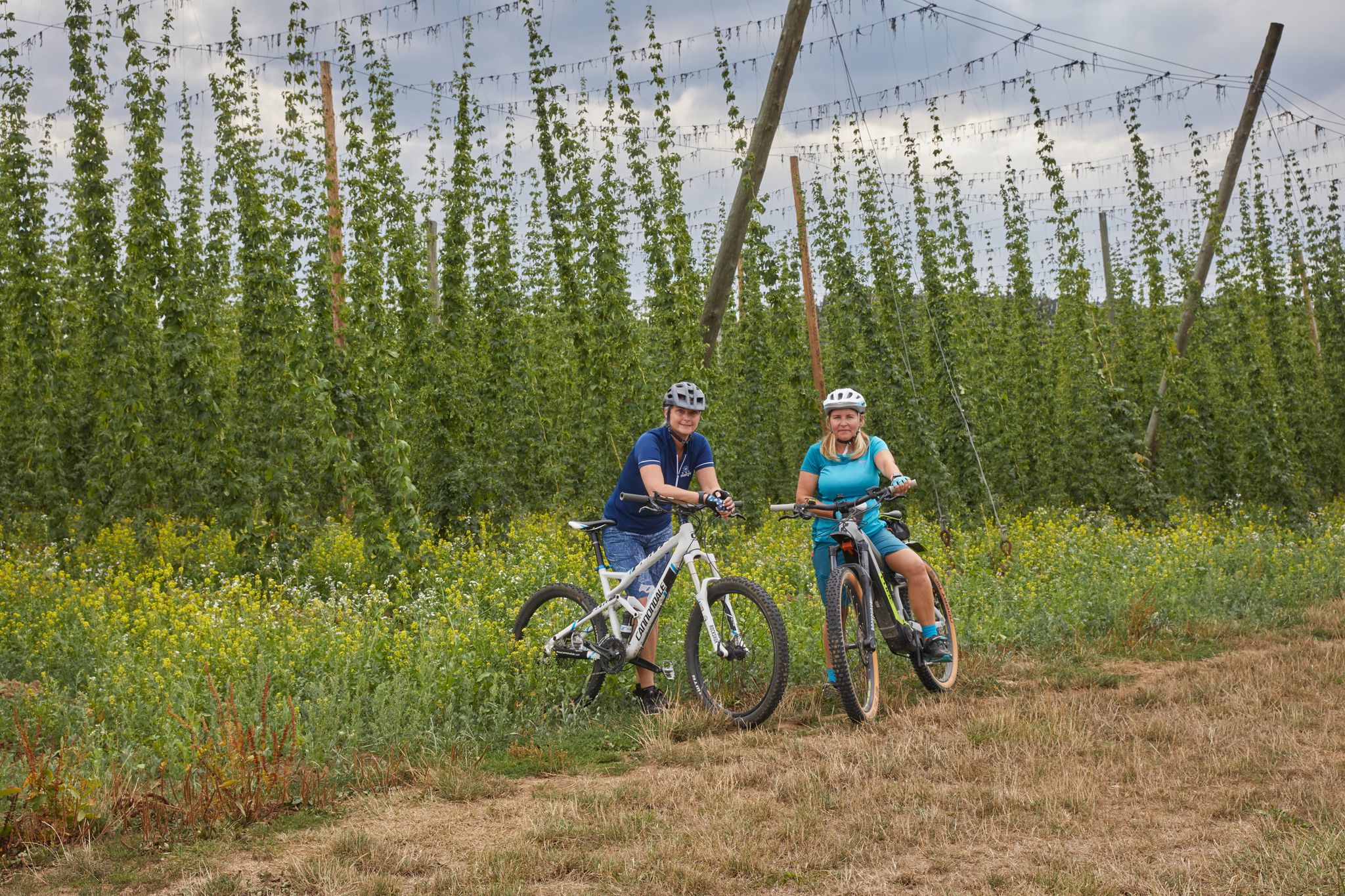
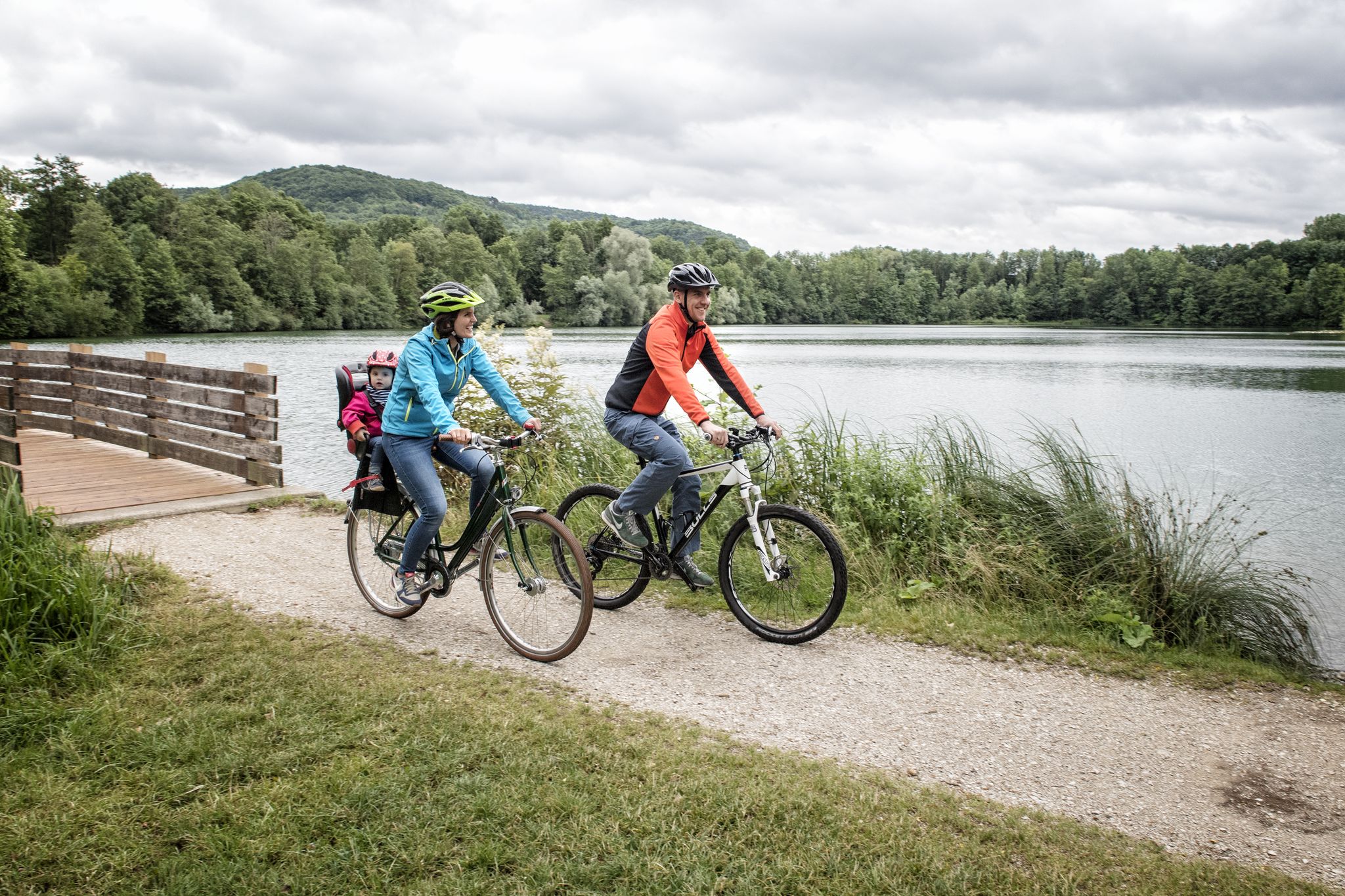
No traffic touring cycling routes around Neunkirchen am Sand traverse a landscape characterized by rolling hills and dense forests within the Nürnberger Land district. The region features diverse natural attractions such as the unique Lillach Valley with its tufa terraces and the prominent Glatzenstein mountain. Cyclists can explore routes around the idyllic Happurg Reservoir, offering varied terrain for different skill levels.
Best no traffic touring cycling routes around Neunkirchen am Sand
- The most popular no traffic touring cycling route is…
Last updated: July 24, 2026
4.2
(16)
84
riders
28.0km
01:50
260m
260m
Moderate bike ride. Good fitness required. Mostly paved surfaces. Suitable for all skill levels.
5.0
(9)
40
riders
27.9km
01:48
290m
290m
Moderate bike ride. Good fitness required. Mostly paved surfaces. Suitable for all skill levels.

Sign up for free
5.0
(2)
20
riders
Hard bike ride. Very good fitness required. Mostly paved surfaces. Suitable for all skill levels.
4.3
(4)
14
riders
17.6km
01:08
120m
120m
Easy bike ride. Great for any fitness level. Mostly paved surfaces. Suitable for all skill levels.
5.0
(1)
13
riders
17.8km
01:38
350m
350m
Moderate bike ride. Good fitness required. Mostly paved surfaces. Suitable for all skill levels.
Get access to more routes and recommendations from other explorers.
Sign up for free
Already have an account?
Our route recommendations are based on thousands of hikes, rides, and runs completed by other people on komoot.
Start today with a free account
Your next adventure awaits.
Login or Signup
Popular around Neunkirchen am Sand

Other adventures around Neunkirchen am Sand

Tips from the Community


In the years 1356 - 1360, the then Emperor Charles IV had a stately castle built on the small island on the Pegnitz. It served as a resting place on the way from Nuremberg to the imperial residence in Prague. The coat of arms hall is a stone testament to his power: 112 colorfully painted coat of arms shields of Bohemian noble families are carved into the wall. They were skillfully carved and painted into the sandstone by stonemasons. The coat of arms friezes are among the highest achievements of medieval heraldry.
2
0

A nice little spot to devour your snack or food bought in the old town 😁
0
0

A beautifully preserved gate.
2
0

The building you see today was built immediately after its destruction in the 2nd Margraves' War. The citizens rebuilt it in record time: Material. Massive sandstone was used, giving the building its characteristic, sturdy appearance to this day. A late Gothic structure with Renaissance influences was created. Particularly striking is the steep timber-framed gable, which was later plastered over. The town hall was much more than just an office for the mayor back then. The open ground floor (the so-called arcades) used to house the bread and meat benches. Bakers and butchers sold their goods here under the protection of the city council. The city council met on the first floor, and justice was administered. The council bell in the turret announced important verdicts or warned of fire. From early on, there was a "council room" in the town hall where the council members were entertained.
8
0
The Nuremberg Gate is the western city gate of Lauf and was part of the medieval city fortifications. It marked the beginning (or end) of the stage on the famous Golden Road in the direction of Nuremberg. The core of the gate dates from the 14th century (approx. 1350), from the time when Emperor Charles IV was also active in Lauf. It is a classic gate tower with a pointed arch passage. The striking half-timbered upper floor and the steep hipped roof give it its typical Franconian appearance.
7
0
The castle was built between 1356 and 1360 by Emperor Charles IV. It was strategically located on the "Golden Road", the important trade route between Nuremberg and Prague. Charles IV used it as a stopover castle and residence to consolidate his claims to power in the region. Today, it houses an external campus of the Nuremberg Academy of Fine Arts.
9
0
The Hersbrucker Tor is one of the two remaining city gates of Lauf an der Pegnitz and marks the eastern end of the historic market square. The gate was originally built in the 15th century as part of the town fortifications, shortly after Lauf was elevated to a city in 1355 by Emperor Charles IV. In its current form, the structure essentially dates from 1476, as inscriptions also indicate.
8
0
Frequently Asked Questions
How many no traffic touring cycling routes are available around Neunkirchen am Sand?
There are over 20 no traffic touring cycling routes around Neunkirchen am Sand, offering a variety of experiences for cyclists. These routes are designed to keep you away from busy roads, allowing for a more peaceful ride through the picturesque Nürnberger Land.
Are there no traffic touring cycling routes suitable for families with children?
Yes, many paths in the Neunkirchen am Sand region are well-suited for families. They are generally easy to follow and often include picnic areas and playgrounds. Look for routes marked as 'easy' difficulty for the most family-friendly options.
What natural attractions can I discover along these no traffic cycling routes?
The region boasts several beautiful natural features. You can explore the unique Lillach Tufa Terraces and its spring, where water flows picturesquely. The Klingender Waterfall and the idyllic Happurg Reservoir are also prominent natural highlights that can be incorporated into your rides.
Are there any historical sights or landmarks to visit on these routes?
Absolutely. The region is rich in history. You might encounter the 12th-century Wolfstein castle ruins, offering panoramic views, or the distinctive 'Mariä Himmelfahrt' church with its 14th-century fortified towers. Near Glatzenstein, an archaeological trail provides insights into prehistoric history with burial mounds and medieval earthworks.
What is the best time of year to go touring cycling in Neunkirchen am Sand?
Spring and autumn are generally ideal for touring cycling in Neunkirchen am Sand. In spring, the Lillach Tufa Terraces are particularly impressive with higher water levels, and the landscape is vibrant. Autumn offers pleasant temperatures and beautiful foliage. Summer can also be great, especially for rides through shaded forests.
How can I access the no traffic cycling routes, and is parking available?
The Nürnberger Land region has a good infrastructure, including well-marked cycle paths. Many routes are accessible from various points in and around Neunkirchen am Sand. The region's new signage system often indicates train stations, making public transport an option. Parking is generally available in the villages and at popular starting points for trails.
What do other touring cyclists enjoy most about the no traffic routes in Neunkirchen am Sand?
The komoot community highly rates the touring cycling experience in Neunkirchen am Sand, with an average score of 4.5 stars from over 100 ratings. Cyclists often praise the peaceful, traffic-free nature of the routes, the diverse landscapes from rolling hills to dense forests, and the well-maintained trails that make for an enjoyable ride.
Are there routes with challenging climbs or more relaxed, easy options?
Yes, the routes cater to various fitness levels. You'll find 8 easy routes perfect for a leisurely ride, 11 moderate routes that might include some rolling hills, and 3 more difficult routes for those seeking a greater challenge, often leading to rewarding viewpoints like Glatzenstein. An example of an easy route is the Field road – Lauf Castle loop from Neunkirchen a Sand.
Can I find circular no traffic touring cycling routes in the area?
Many of the no traffic touring cycling routes around Neunkirchen am Sand are designed as circular loops, allowing you to start and end at the same point. This makes planning your trip convenient. For example, consider the moderate Stadtkirche Hersbruck – Campo Eis Café loop from Rollhofen or the Schnaittach Market Square – Tucher Castle Simmelsdorf loop from Rollhofen.
Are there any routes that offer panoramic views?
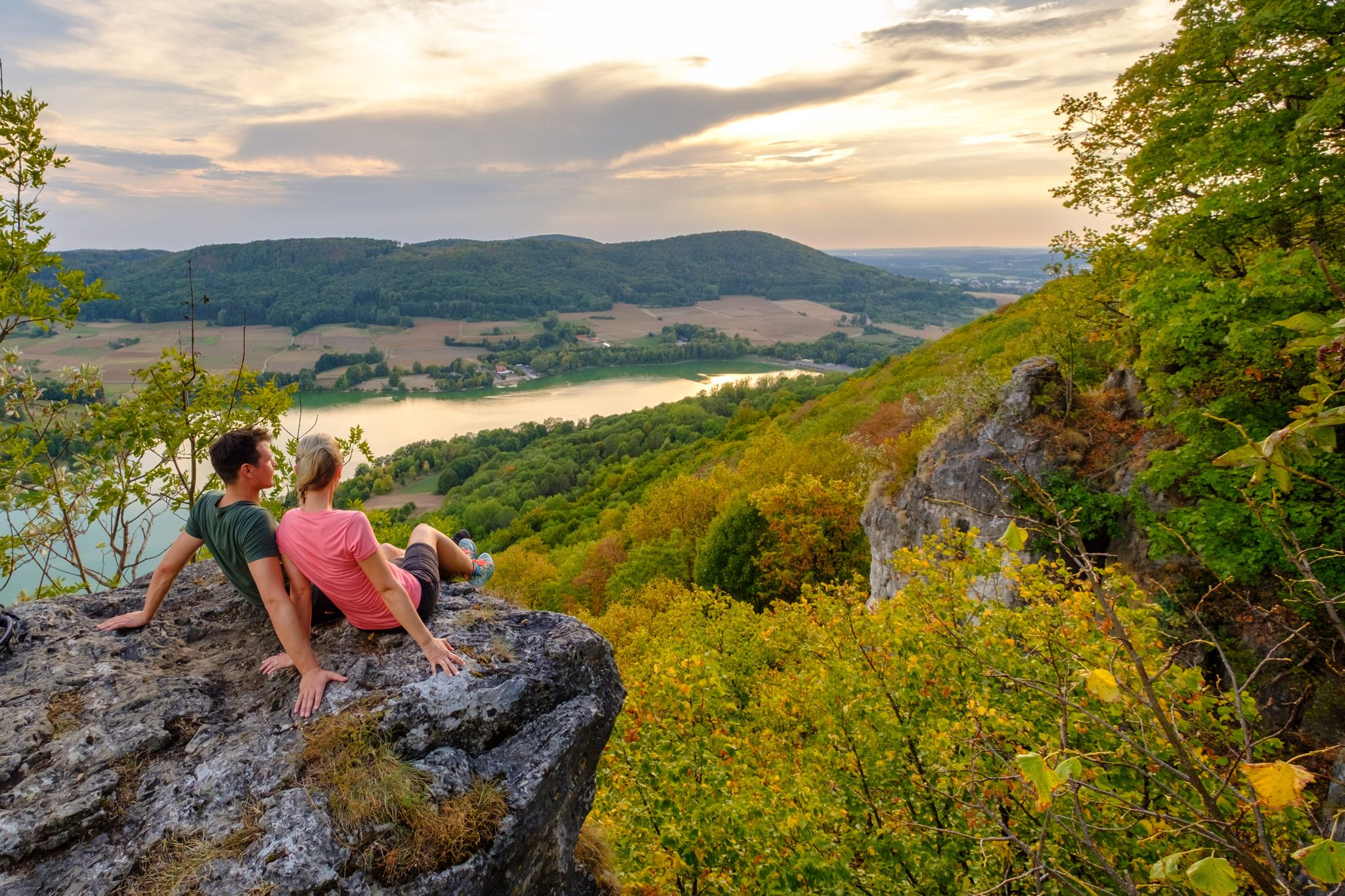
Yes, for breathtaking panoramic views, consider routes that incorporate the Glatzenstein. This 572-meter-high mountain offers extensive vistas over the Nürnberger Land, reaching as far as Nuremberg and Erlangen. The Kersbach Village – View from Glatzenstein loop from Rollhofen is a moderate route that includes this highlight.
Most popular routes around Neunkirchen am Sand
Most popular attractions around Neunkirchen am Sand

Get inspired with the komoot mobile app


Explore more
Browse the best Cycling routes in other regions.
