The best traffic-free bike rides around Dreis-Brück
4.5
(309)
3,659
riders
15
rides
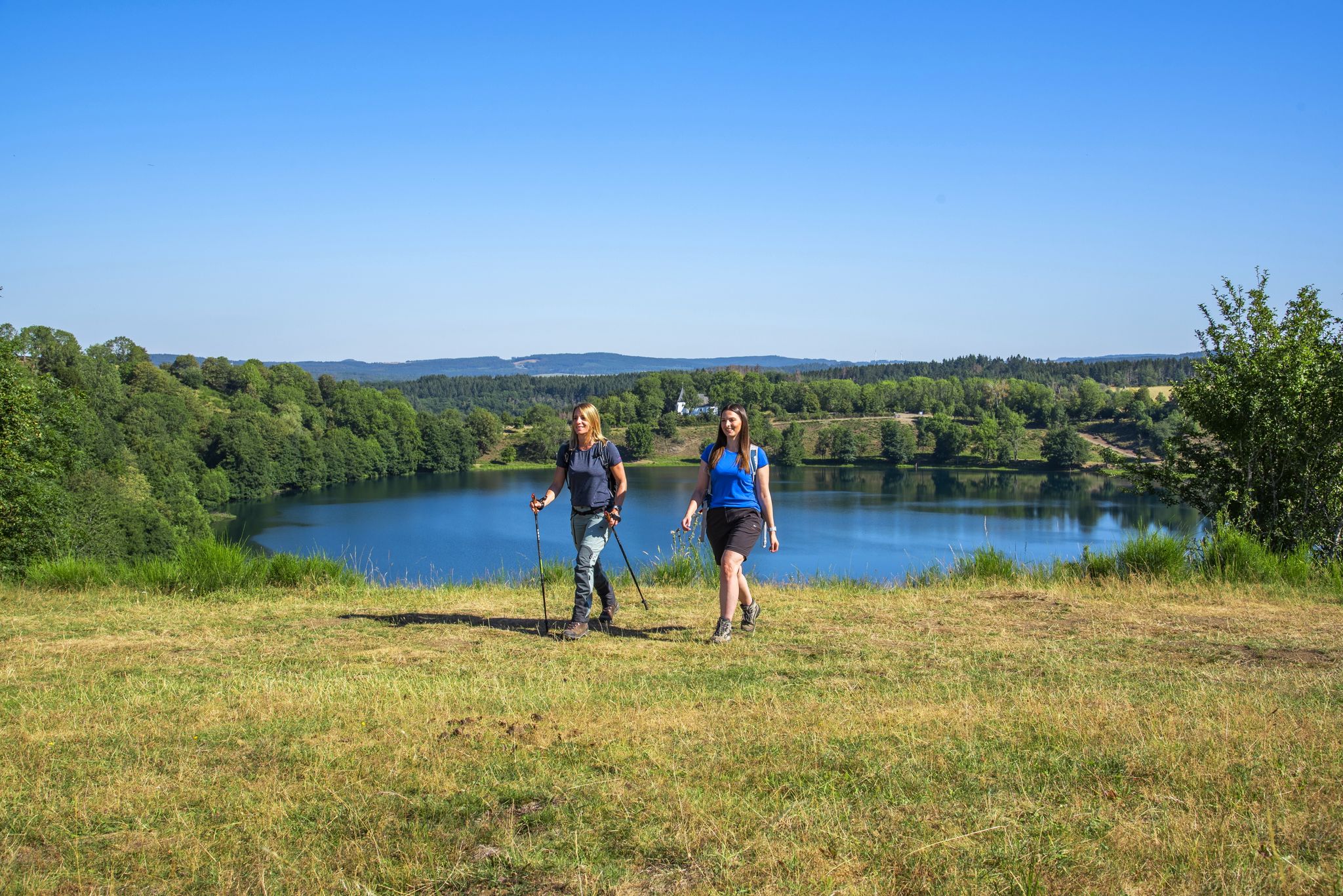
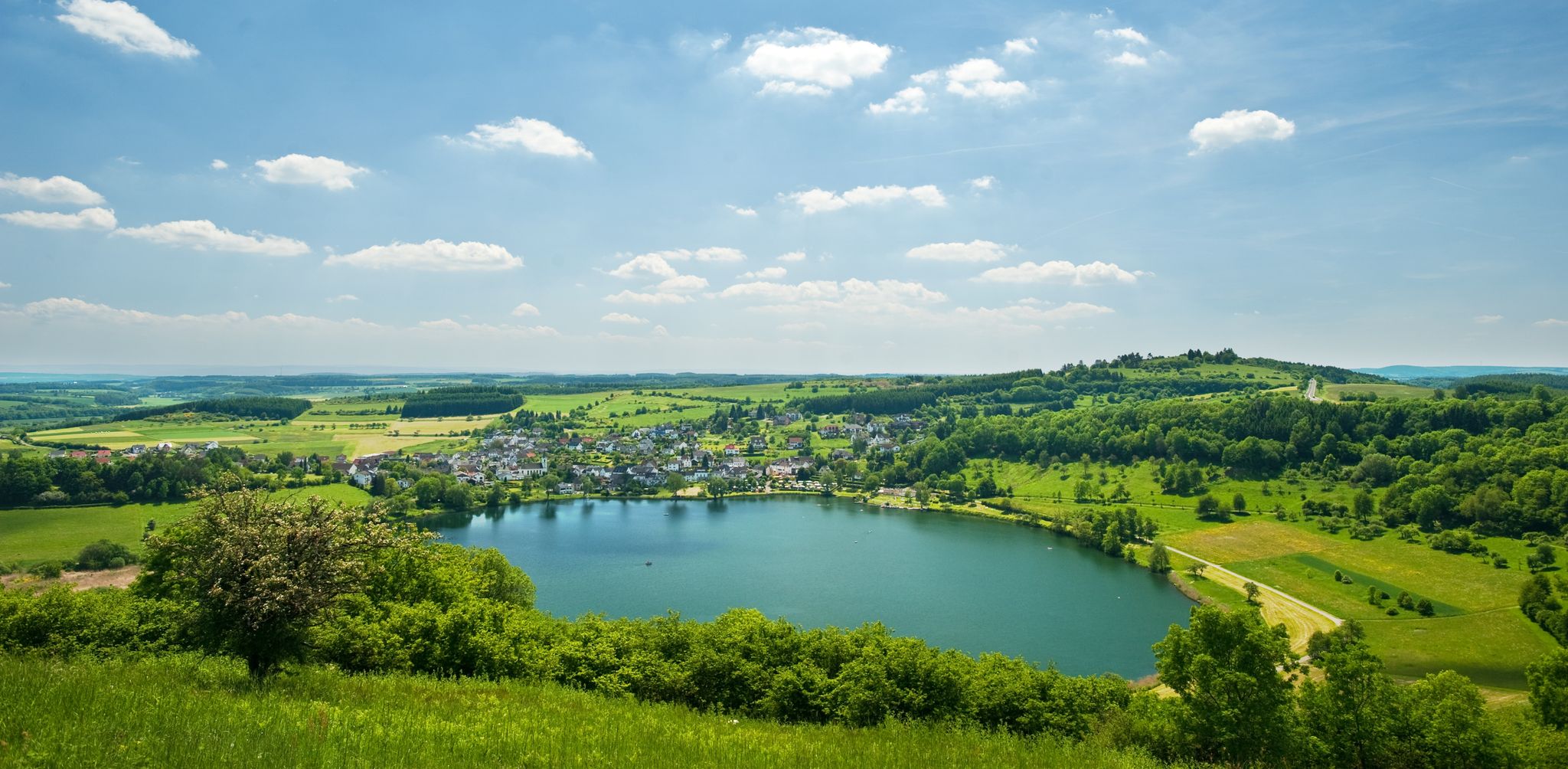
No traffic road cycling routes around Dreis-Brück offer a diverse landscape shaped by its volcanic past, making it an excellent destination for outdoor activities. The region features rolling hills, dense forests, and tranquil river valleys, providing varied terrain for road cyclists. Signature natural features include the "Maare" (volcanic lakes) and numerous mineral water springs, locally known as "Dreese." This topography ensures a blend of challenging ascents and more relaxed, flatter sections along rivers.
Best no traffic road cycling routes around…
Last updated: May 15, 2026
3.0
(1)
29
riders
32.2km
02:05
490m
490m
Moderate road ride. Good fitness required. Some segments of this route may be unpaved and difficult to ride.
5.0
(5)
15
riders
Moderate road ride. Good fitness required. Some segments of this route may be unpaved and difficult to ride.

Sign up for free
4.0
(1)
18
riders
52.4km
03:05
630m
630m
Moderate road ride. Good fitness required. Some segments of this route may be unpaved and difficult to ride.
4.7
(7)
16
riders
49.4km
02:19
590m
590m
Moderate road ride. Good fitness required. Mostly well-paved surfaces and easy to ride.
3.0
(1)
4
riders
27.7km
01:25
430m
430m
Moderate road ride. Good fitness required. Some segments of this route may be unpaved and difficult to ride.
Get access to more routes and recommendations from other explorers.
Sign up for free
Already have an account?
Our route recommendations are based on thousands of hikes, rides, and runs completed by other people on komoot.
Start today with a free account
Your next adventure awaits.
Login or Signup

Tips from the Community

Saint John of Nepomuk was a priest (Vicar General of the Archbishop) in Bohemia who died a martyr's death in Prague in 1393. On royal command, he was thrown from the Charles Bridge in Prague into the Vltava River and drowned. His statue can still be found on or near many bridges today – here in the town of Blankenheim, twice in close proximity to the source of the Ahr River. He is considered not only a popular "bridge saint" but is also the patron saint of the seal of confession. In many depictions of him, he holds a cross in one hand, and with the other, he sometimes places a finger on his lips as a sign of silence (about what was heard during confession). The feast day of Saint John of Nepomuk in the calendar of saints is on March 20th.
1
0

What a great tunnel, over 500m Video on Instagram "biketime1979"
0
0
In the long-gone days of our grandparents, a central bakehouse was common for the village community. In many places, these were eventually demolished. Here in Bolsdorf, however, it has been preserved and still bears witness to the old days.
6
0

A beautiful former railway bridge. It's beautiful to look at from both above and below.
1
0

A very well-maintained tunnel. A highlight for the kids.
0
0

"John of Nepomuk or John of Pomuk (Latin: Joannes de Pomuk, Czech: Jan Nepomucký or Jan z Pomuka, * c. 1350 in Pomuk near Pilsen; † March 20, 1393 in Prague) was a Bohemian priest and martyr. He was canonized by Pope Benedict XIII in 1729 and is considered the "bridge saint" and patron of the seal of confession. Along with crosses and depictions of the Virgin Mary, sculptures of Saint Nepomuk are the most commonly found Christian stone figures outside of church buildings in the open countryside in Catholic areas of southern Germany, Bohemia, Moravia, and Austria. Statues of the saint are often found on or next to bridges. The most famous of these, created by Johann Brokoff in 1683, is located on Prague's Charles Bridge at the spot where the saint was thrown into the Vltava River. " https://de.wikipedia.org/wiki/Johannes_Nepomuk "... John of Nepomuk lived from about 1350 to 1393. He died as punishment by being thrown from the Charles Bridge into the Vltava River and drowned. As a bridge saint, his statue stands on many bridges in Europe. ..." 👉 Life and work of John of Nepomuk and further information: https://www.erzbistum-koeln.de/presse_und_medien/magazin/Johannes-Nepomuk-der-Brueckenheilige
3
0

Very good surface, pleasantly shady in summer
0
0
Very good surface, lots of deciduous forest
0
0
Frequently Asked Questions
How many no-traffic road cycling routes are available around Dreis-Brück?
There are 15 dedicated no-traffic road cycling routes around Dreis-Brück, offering a variety of experiences for road cyclists. These routes are designed to keep you away from vehicular traffic, allowing for a more peaceful and focused ride.
What is the general difficulty level of the no-traffic road cycling routes in Dreis-Brück?
The routes around Dreis-Brück cater to various fitness levels. You'll find 5 easy routes, perfect for a relaxed ride, and 10 moderate routes that offer more of a challenge with varying elevation gains. There are no routes classified as difficult in this selection, making it accessible for many cyclists.
Are there any circular no-traffic road cycling routes around Dreis-Brück?
Yes, many of the no-traffic road cycling routes in the Dreis-Brück area are circular, allowing you to start and end at the same point. For example, the Old Bakehouse Bolsdorf – Hillesheim City Wall loop from Kerpen is a moderate 32.1 km circular route, and the Swan Pond, Blankenheim loop from Dankerath offers a longer 52.4 km circular ride.
What kind of terrain can I expect on the no-traffic road cycling routes in the Volcanic Eifel region?
The Volcanic Eifel region, including Dreis-Brück, features a varied topography. You can expect rolling hills, dense forests, and tranquil river valleys. While these are 'no traffic' routes, the volcanic past means there will be ascents and descents, providing a blend of speed and endurance challenges. The region also benefits from good cycling infrastructure, often utilizing former railway lines.
What natural features or landmarks can I see along the no-traffic road cycling routes?
The routes often pass by unique natural features and historical sites. You might encounter the dramatic volcanic landscapes, including the region's signature 'Maare' (volcanic lakes) like the Gemündener Maar. The area also boasts numerous mineral water and carbonic acid springs, locally known as 'Dreese'. For historical sights, you could explore Kerpen Castle (Eifel) or the Freudenkoppe Castle Ruins.
Are there any viewpoints or scenic spots on these routes?
Absolutely. The Volcanic Eifel is known for its panoramic vistas. You can find stunning views like the Dronke Tower on the Mäuseberg or the View of Gerolstein from the Munterley. The View of Daun from Daun Viaduct – Großes Schlitzohr Tunnel loop from Daun is an easy route that offers scenic perspectives.
What do other road cyclists enjoy most about road cycling in Dreis-Brück?
The komoot community highly rates the road cycling experience in Dreis-Brück, with an average score of 4.5 stars from nearly 300 ratings. Cyclists often praise the quiet, traffic-free nature of the routes, the diverse volcanic landscapes, and the blend of challenging climbs and scenic descents that the region offers.
Is there parking available for cyclists near the start points of these routes?
Yes, Dreis-Brück and the surrounding towns often provide parking facilities suitable for cyclists. Many routes, like the Großes Schlitzohr Tunnel – View of Daun from Daun Viaduct loop from Utzerath, start from villages where parking is generally accessible, making it convenient to begin your ride.
Are there any family-friendly no-traffic road cycling routes in the area?
Yes, the region offers several easy routes that are suitable for families. The 5 easy routes available in this guide are generally shorter and have less elevation gain, making them a good choice for a family outing. The Maare-Moselle-Weg, which connects to the region, is also a popular trail known for its family-friendly sections.
When is the best time of year to enjoy no-traffic road cycling in Dreis-Brück?
The spring, summer, and early autumn months (roughly April to October) are ideal for road cycling in Dreis-Brück. During these periods, the weather is generally pleasant, and the landscapes are at their most vibrant. While winter cycling is possible, be prepared for colder temperatures and potentially icy conditions, especially on higher elevations.
Are there any cafes or places to stop for refreshments along these quiet routes?
Many of the routes pass through or near charming villages in the Volcanic Eifel, where you can find local cafes, bakeries, or traditional pubs (Gasthäuser) to stop for refreshments. It's always a good idea to check the route details or local information for specific establishments along your chosen path.
Most popular routes around Dreis-Brück
Most popular attractions around Dreis-Brück

Get inspired with the komoot mobile app


Explore more
Browse the best Road cycling routes in other regions.
