The best traffic-free bike rides around Geiselbach
4.6
(46)
300
riders
78
rides
No traffic gravel bike trails around Geiselbach are found within the Spessart low mountain range, an area characterized by extensive, heavily wooded landscapes. The region features a varied topography of gentle hills and deep valleys, providing diverse terrain for gravel biking. Many routes utilize unpaved paths, old railway lines, and forestry roads, offering exploration away from car traffic.
Best no traffic gravel bike trails around Geiselbach
- The most popular no traffic gravel bike trail is View of Gelnhausen – Kinzigtal…
Last updated: September 30, 2026
4.7
(3)
26
riders
60.5km
03:12
490m
490m
Hard gravel ride. Very good fitness required. Mostly paved surfaces. Suitable for all skill levels.
4.0
(2)
8
riders
Hard gravel ride. Very good fitness required. Mostly paved surfaces. Suitable for all skill levels.

4.8
(4)
14
riders
Hard gravel ride. Very good fitness required. Mostly paved surfaces. Suitable for all skill levels.
9
riders
28.1km
01:44
320m
320m
Hard gravel ride. Good fitness required. You may need to push your bike for some segments of this route.
5.0
(3)
6
riders
35.7km
02:25
550m
550m
Hard gravel ride. Very good fitness required. Mostly paved surfaces. Suitable for all skill levels.
Get access to more routes and recommendations from other explorers.
Already have an account?
Our route recommendations are based on thousands of hikes, rides, and runs completed by other people on komoot.
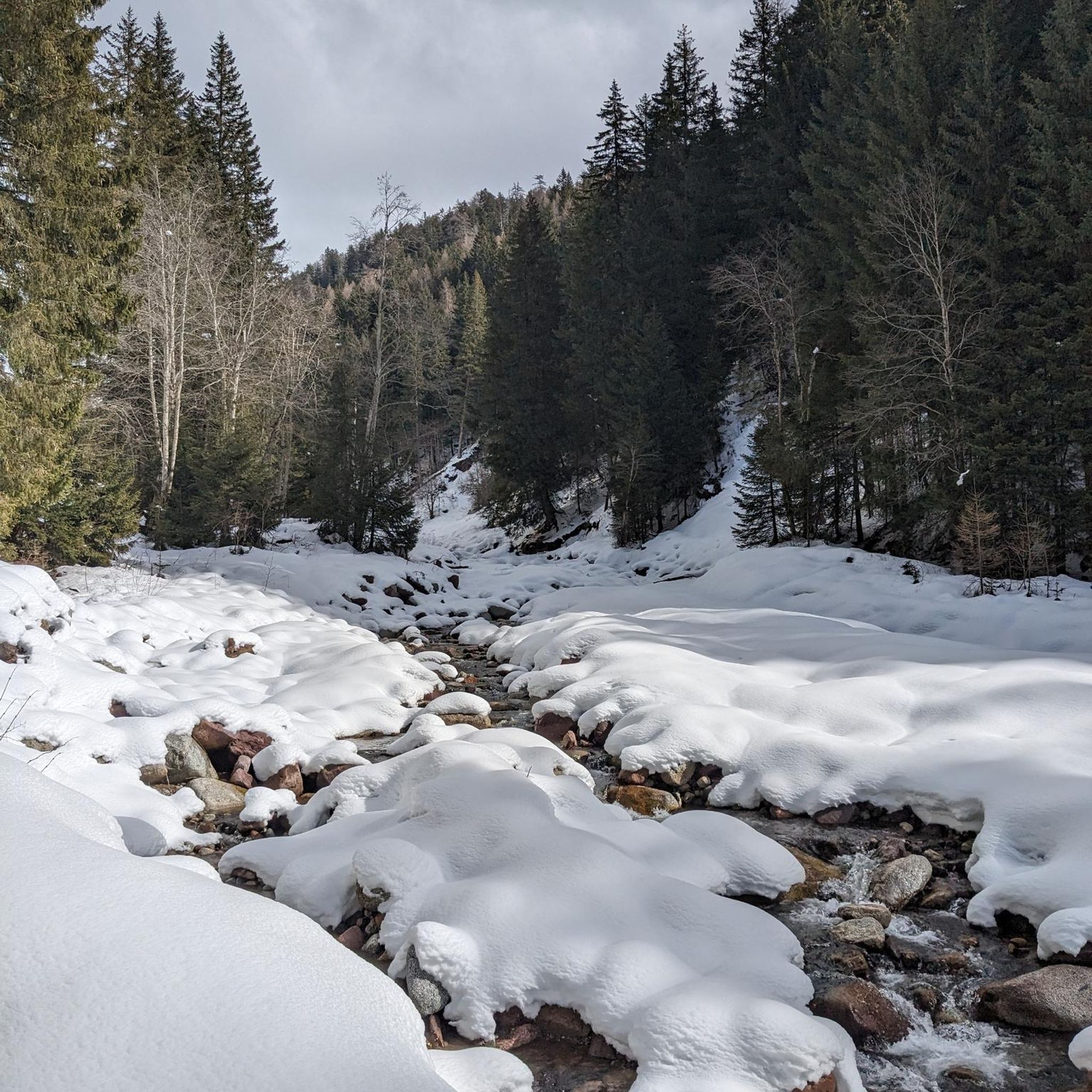
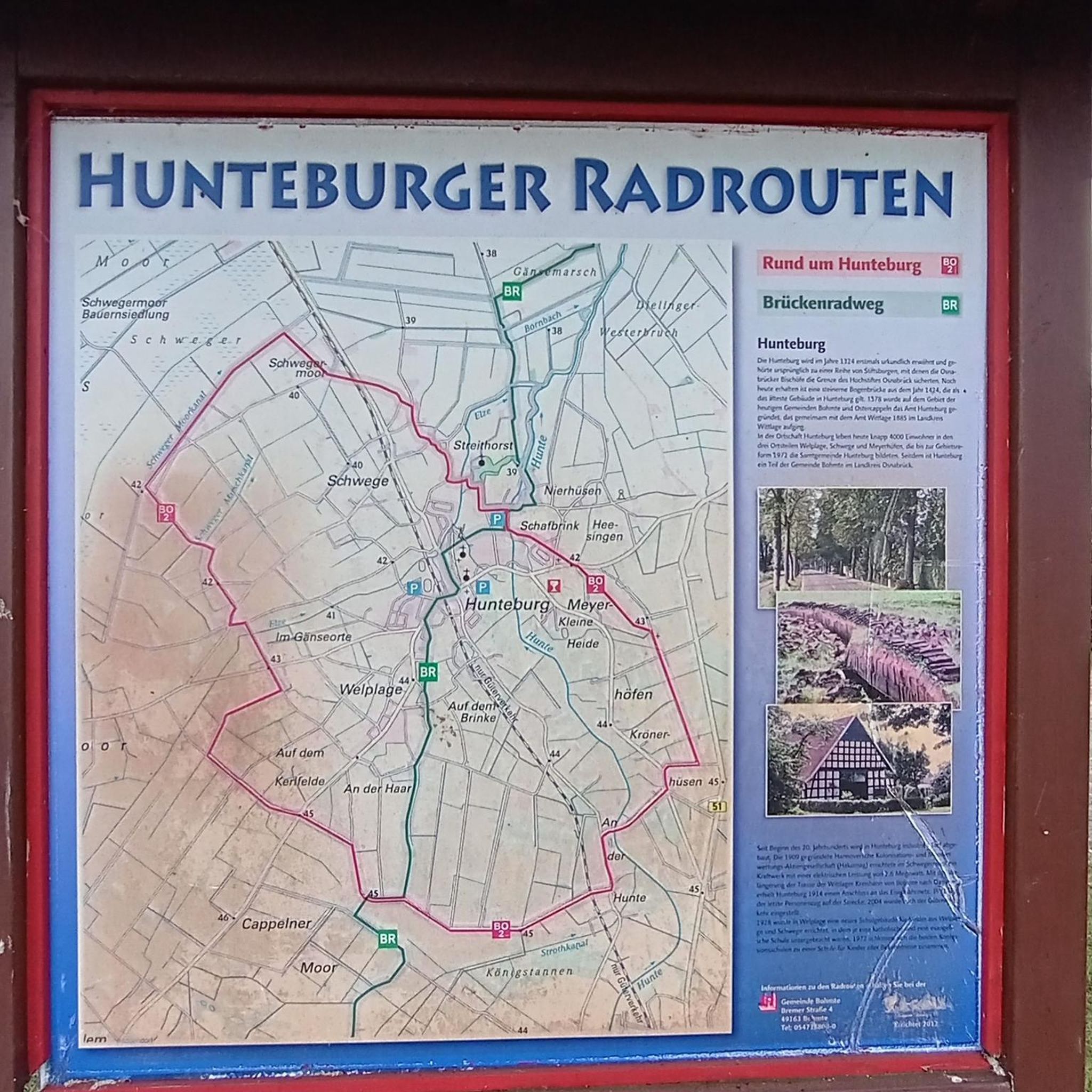
Tips from the Community

Simply beautiful, even in the rain
0
0

Beautiful trail for cyclists and hikers.
0
0

You can eat good fish here.
3
0
This is a nice place to take a break.
1
0
It is partly a difficult stretch to cycle here relaxed as a 'Biobiker'.
0
0
The Eselsweg is the hiking trail.
0
0
There are numerous fish ponds along the Kahl river.
1
0

Storks can often be observed!
2
0
Frequently Asked Questions
How many no-traffic gravel bike trails are there around Geiselbach?
The Geiselbach area offers a wide selection of routes for gravel biking away from traffic. You'll find over 80 dedicated no-traffic gravel bike trails, ranging from moderate to difficult, allowing you to explore the diverse landscapes of the Spessart.
What is the typical terrain like for gravel biking in Geiselbach?
The terrain around Geiselbach, nestled in the Spessart low mountain range, is characterized by extensive, heavily wooded landscapes with a mix of forest paths, unpaved roads, and some root trails. You can expect varied topography with gentle hills and deep valleys, providing both moderate sections and more challenging climbs. The region's well-developed network of trails often utilizes old railway lines and forestry roads, perfect for gravel bikes.
What do other gravel bikers enjoy most about the trails in Geiselbach?
The komoot community highly rates the gravel biking experience in Geiselbach, with an average score of 4.6 stars. Riders frequently praise the quiet, extensive forest paths, the varied and scenic landscapes, and the opportunity to explore away from car traffic. The diverse elevation profiles also cater to different fitness levels.
When is the best time of year to go gravel biking in Geiselbach?
Spring and autumn are particularly beautiful for gravel biking in Geiselbach. In spring, the numerous orchards transform into a sea of blossoms, offering picturesque views. The dense forests provide welcome shade during warmer summer months, while autumn brings vibrant foliage. The well-maintained paths are generally suitable throughout these seasons.
Are there any family-friendly no-traffic gravel bike trails in the area?
While many trails in the Spessart feature varied elevation, there are options that can be adapted for families. Look for routes with less significant elevation gain and smoother surfaces. The extensive network of forestry roads often provides gentler gradients suitable for a family outing. Always check the route's difficulty and elevation profile before heading out.
Can I bring my dog on the gravel bike trails around Geiselbach?
Yes, many of the forest paths and unpaved roads in the Spessart are suitable for cycling with dogs, provided they are well-behaved and kept under control, especially in wildlife areas. Always ensure your dog is comfortable with the distance and terrain, and carry enough water for both of you. Be mindful of local regulations regarding dogs in nature reserves.
Are there circular no-traffic gravel bike routes available?
Yes, many of the gravel bike trails around Geiselbach are designed as circular routes, allowing you to start and end at the same point. For example, the View of Gelnhausen – Kinzigtal Cycle Path loop from Eidengesäß offers a moderate 40 km ride, and the more challenging Teufelsmühle (Spessart) – View from Ziegelberg loop from Geiselbach is a 28 km loop directly from Geiselbach.
What kind of elevation can I expect on these trails?
The Spessart region is characterized by a diverse topography of gentle hills and deep valleys. You can expect varied elevation profiles, from moderate climbs to more significant ascents. For instance, the Forest Inn "Zum Engländer" – View of Feldkahl loop from Hofstädten features around 590 meters of elevation gain over 49 km, while the Rodberg Hut – Dr. Karl Kihn-Platz Rest Area loop from Geiselbach has over 550 meters of ascent over 35 km.
What attractions or landmarks can I explore along the no-traffic gravel bike trails?
The trails often lead past interesting natural and historical sites. You might encounter the fabled "Teufelsgrund" (Devil's Ground) or enjoy panoramic views from the Ludwig Tower (Hahnenkamm). Other natural highlights include the Rückersbach Gorge and the Barbarossa Spring. For cultural stops, the historic market square in Geiselbach or nearby Mespelbrunn Castle are worth a visit.
Are there any trails that offer scenic viewpoints?
Absolutely! The varied topography of the Spessart ensures many trails offer stunning vistas. The View from the Ludwigsturm – Ludwig Tower (Hahnenkamm) loop from Schöllkrippen is a prime example, leading you to the Ludwig Tower which is a known viewpoint. Many routes also traverse picturesque heights, providing expansive views over the forested landscapes and valleys.
Where can I find parking for these trails?
Parking is generally available in and around Geiselbach, often near trailheads or in village centers. Many routes, like the Teufelsmühle (Spessart) – View from Ziegelberg loop from Geiselbach, start directly from Geiselbach, where you can find local parking options. It's advisable to check specific starting points for designated parking areas.
Are there places to stop for refreshments along the way?
Yes, while many routes take you deep into nature, you'll find opportunities for refreshments. Geiselbach itself has local amenities, including cafes and pubs. Some longer routes might pass through smaller villages or near forest inns, such as the "Zum Engländer" mentioned in the Forest Inn "Zum Engländer" – View of Feldkahl loop from Hofstädten route. Always plan your stops, especially on longer rides.
Most popular attractions around Geiselbach

Get inspired with the komoot mobile app


Explore more
Browse the best Gravel rides in other regions.
