The best traffic-free bike rides around Delitzsch
4.6
(1743)
4,220
riders
96
rides
No traffic touring cycling routes around Delitzsch traverse a landscape largely shaped by former open-pit mining areas, now transformed into a scenic lake district. The region features generally flat terrain with gentle inclines, making it suitable for various fitness levels. Well-developed cycling infrastructure includes paved surfaces and riverside paths, offering comfortable rides through diverse natural settings. This area provides extensive opportunities for nature observation and exploring historical attractions.
Best no traffic touring cycling routes around Delitzsch
- The most popular no…
Last updated: October 14, 2026
4.8
(621)
1,585
riders
40.9km
02:19
100m
100m
Moderate bike ride. Good fitness required. Mostly paved surfaces. Suitable for all skill levels.
4.7
(195)
308
riders
Moderate bike ride. Good fitness required. Mostly paved surfaces. Suitable for all skill levels.

4.8
(129)
169
riders
31.8km
01:50
80m
80m
Easy bike ride. Great for any fitness level. Mostly paved surfaces. Suitable for all skill levels.
4.8
(96)
120
riders
27.5km
01:41
70m
70m
Easy bike ride. Great for any fitness level. Mostly paved surfaces. Suitable for all skill levels.
4.9
(183)
105
riders
Easy bike ride. Great for any fitness level. Mostly paved surfaces. Suitable for all skill levels.
Get access to more routes and recommendations from other explorers.
Already have an account?
Our route recommendations are based on thousands of hikes, rides, and runs completed by other people on komoot.
Start today with a free account
Your next adventure awaits.


Tips from the Community


The 66m long bench is dedicated to the diligent helpers of the 2002 flood disaster.👍
0
0

Caution, the paths in the area are already very damaged
0
0
Today, an developed network of cycle paths and hiking trails with viewing platforms and information boards on the formation of the landscape extends along the Neuhäuser See. The 120 km long Kohle-Dampf-Licht cycle path from Lutherstadt Wittenberg to Markkleeberg passes by the lake. Source https://de.wikipedia.org/wiki/Neuh%C3%A4user_See
1
0
In the mid-19th century, the first mining activities began in the southwest of Goitzsche, near the villages of Petersroda and Holzweißig.[3] Following the lignite seam, mining progressed from west to east. Favored by the opening of the current Magdeburg–Leipzig and Trebnitz–Leipzig railway lines, the sales market for lignite expanded to Halle and Leipzig, among other places. The increased demand for electrical energy and fossil fuels in the 19th and 20th centuries led in 1908 to the opening of the Leopold open-cast mine (from 1945 to 1962 Holzweißig–Ost) and in 1958 to the creation of the Holzweißig-West open-cast mine.[3] The Neuhäuser See originated from the former Holzweißig-West lignite open-cast mine. It is named after the Neuhaus estate, which was demolished in 1976 along with the village of Paupitzsch. The Holzweißig-West open-cast mine was operated from 1958 to 1980. Other sources report usage until 1991. The lake was flooded from 1993 to 2005.[1] Overflowing water is channeled via the Goitzsche into the Mulde. Since 1997, the area has been renatured and stable embankments have been created. Source https://de.wikipedia.org/wiki/Neuh%C3%A4user_See
1
0
The Neuhäuser See is located on the northwestern border of the Free State of Saxony with Saxony-Anhalt, at an altitude of about 78 m above sea level. NN. South of the lake is Benndorf, a district of the North Saxon district town of Delitzsch, and to the north is the unified municipality of Bitterfeld-Wolfen in Saxony-Anhalt. It is located in the Central German Lake District, south of the Großer Goitzschesee and the waters Ludwigsee and Paupitzscher See. Quelle https://de.wikipedia.org/wiki/Neuh%C3%A4user_See
1
0
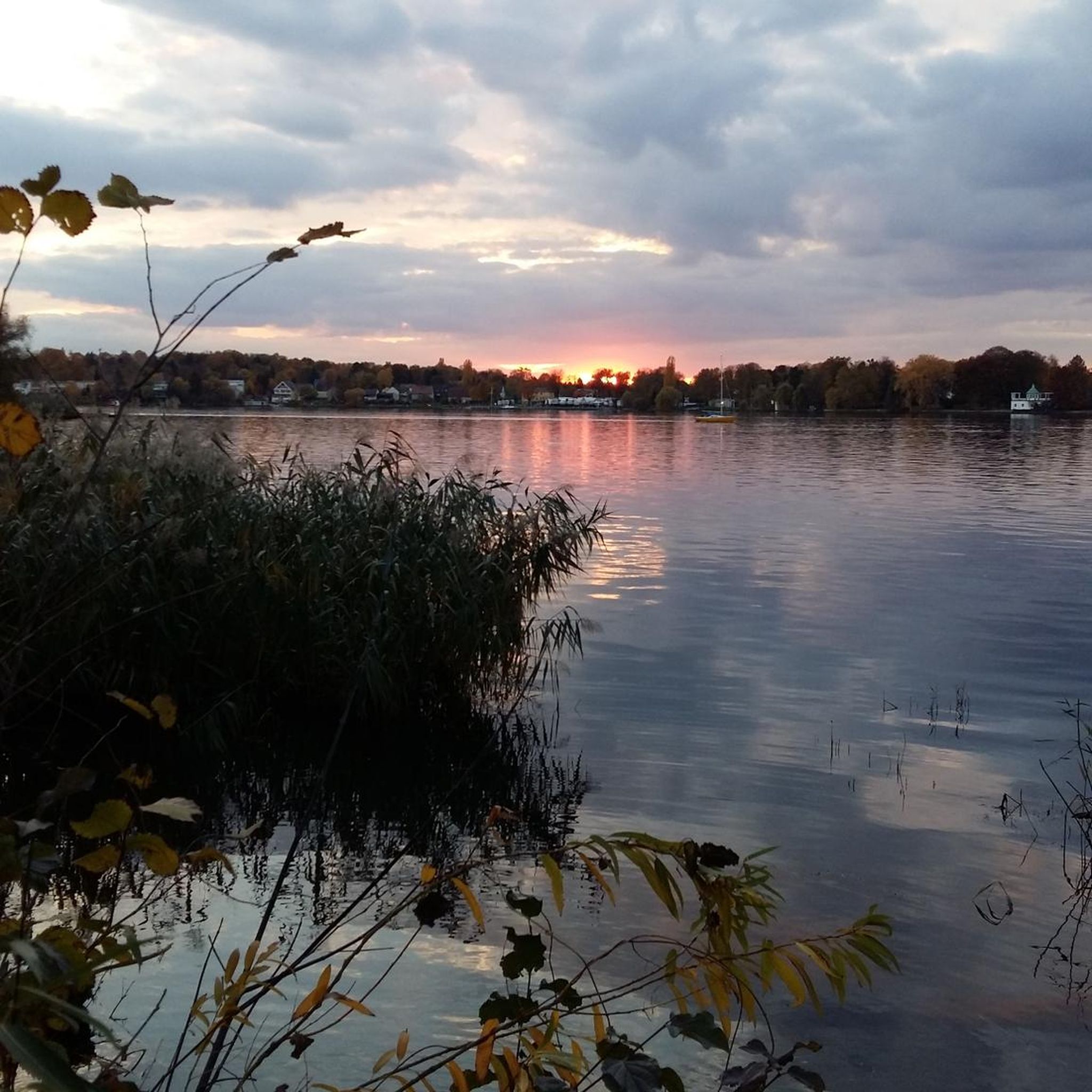
The Neuhäuser See (also Neuhauser See) is an opencast mine residual lake of approximately 155 hectares, which was created by flooding the former Holzweißig-West opencast mine. The lake is located in the Central German Lake District, south of the Goitzsche nature reserve and north of the town of Delitzsch. Source https://de.wikipedia.org/wiki/Neuh%C3%A4user_See
1
0
Frequently Asked Questions
How many no-traffic touring cycling routes are available in Delitzsch?
There are over 100 dedicated no-traffic touring cycling routes around Delitzsch. These routes cater to various fitness levels, with 67 easy, 25 moderate, and 12 difficult options, ensuring a suitable ride for everyone.
What is the typical terrain like for touring cycling in Delitzsch?
The terrain around Delitzsch is generally flat with gentle inclines and descents, making it ideal for touring cyclists. Many routes feature predominantly paved surfaces, offering a comfortable and smooth riding experience.
Are there circular no-traffic touring routes available?
Yes, many of the no-traffic touring routes in Delitzsch are designed as loops, allowing you to start and end at the same point. For example, you can explore the View of Neuhauser Lake – Großer Goitzschesee Gauge Tower loop or the Goitzsche Beach – Lake Neuhauser loop.
What natural features can I expect to see along these routes?
The routes often pass through the scenic lake district, shaped by former open-pit mining areas. You'll encounter prominent features like the Großer Goitzschesee, Neuhauser Lake, and Werbeliner See, which is known for its nature reserve. The nearby Dübener Heide Nature Park also offers diverse flora and fauna.
Are there historical landmarks or attractions along the no-traffic cycling routes?
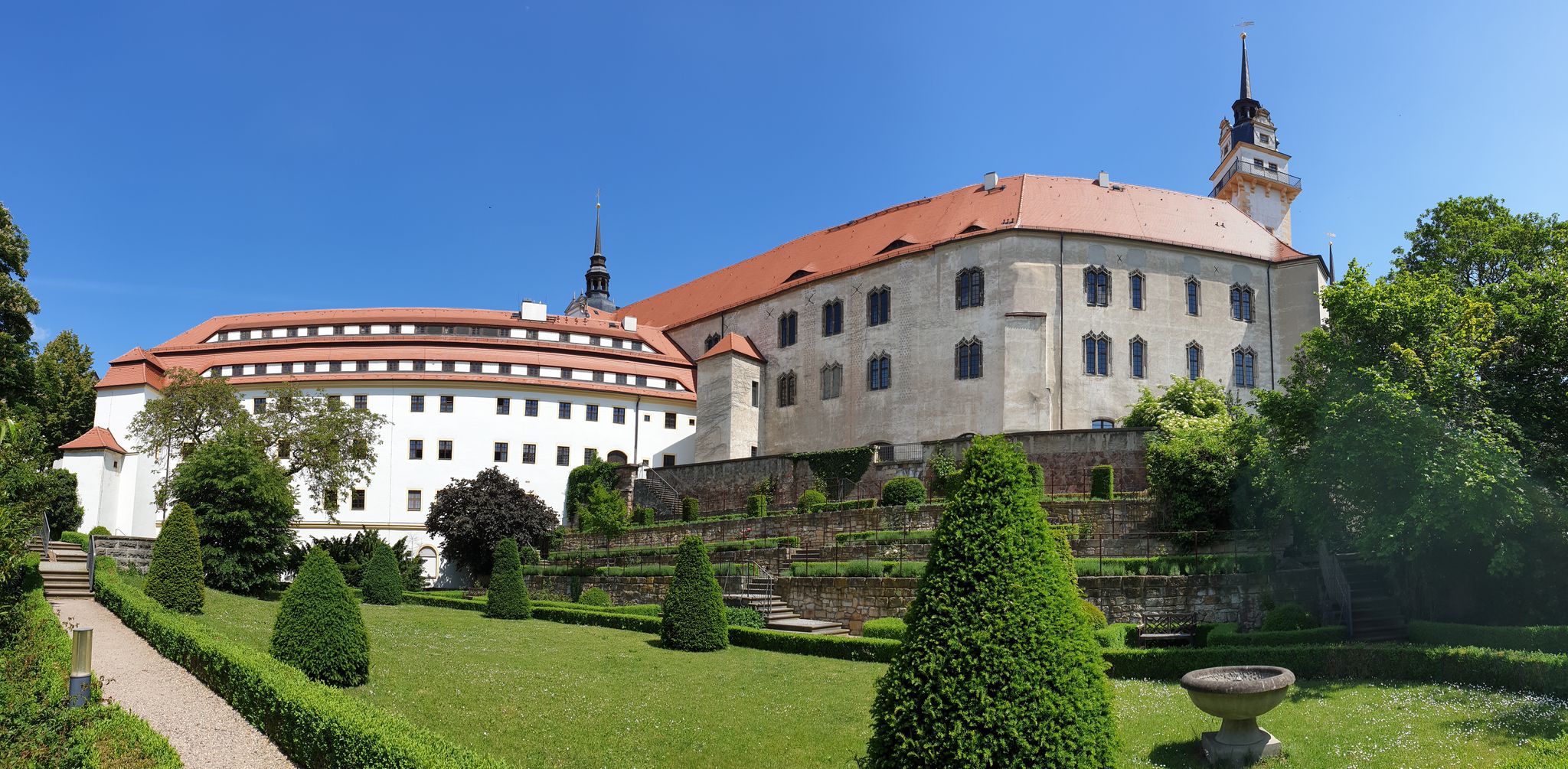
Absolutely. Many routes offer views of historical sites. Within Delitzsch, you can visit the Baroque Castle Delitzsch and its gardens, or explore the Historic Town Center with its medieval fortifications. Further afield, you might spot the Red Tower (Pouch) or the striking Bitterfelder Bogen.
Are these no-traffic routes suitable for families with children?
Yes, the generally flat terrain and predominantly paved, traffic-free paths make many routes around Delitzsch very suitable for families. The gentle inclines and scenic lake views provide an enjoyable experience for all ages. Consider routes like the Lake Neuhauser – View of Neuhauser Lake loop for an easier option.
Can I bring my dog on these cycling routes?
Many of the traffic-free paths are suitable for cycling with dogs, especially those in natural areas like the lake districts or the Dübener Heide. However, always ensure your dog is on a leash and check local regulations for specific nature reserves or protected areas you might pass through.
What do other touring cyclists enjoy most about cycling in Delitzsch?
The area is highly rated by the komoot community, with an average score of 4.57 stars from over 1200 ratings. Reviewers often praise the quiet, well-maintained paths, the beautiful lake landscapes, and the historical sights that make for a varied and relaxing touring experience.
When is the best time of year to cycle these routes?
Spring, summer, and early autumn generally offer the best conditions for touring cycling in Delitzsch. The weather is usually pleasant, and the landscapes are vibrant. While some routes are accessible year-round, checking local weather conditions is always recommended for winter cycling.
Are there unique industrial monuments to see along the routes?
Yes, the region's mining history is visible in several unique industrial monuments. A notable example is the Polder structure Löbnitz and the impressive 17-meter-high, 180-ton bucket wheel from the SRs 6300 excavator, a significant remnant of the open-cast mining past.
Is public transport available to access the starting points of these routes?
Delitzsch is well-connected by public transport, particularly by train, making it easy to reach the town and access various starting points for cycling routes. Many routes can be conveniently started from the Delitzsch (unt Bf) train station.
Where can I find places to eat or stay near the cycling routes?
Delitzsch and the surrounding towns offer various cafes, restaurants, and accommodation options. Along some routes, you might find specific huts or lodges, such as the Pannenkoek Shaft Lodge or the Almhütte Seensucht, perfect for a break or an overnight stay.
Most popular routes around Delitzsch
Most popular attractions around Delitzsch

Get inspired with the komoot mobile app


Explore more
Browse the best Cycling routes in other regions.
