The best city hikes and walks around Marienberg
4.7
(9647)
28,488
hikers
26
hikes
Urban hiking trails around Marienberg are situated within the scenic Erzgebirge (Ore Mountains) region of Saxony, Germany. The area features rolling hills, forests, and a landscape shaped by its historical mining heritage. Trails often incorporate elements of the town's Renaissance architecture and historical sites, providing a blend of natural and cultural exploration. The terrain generally consists of accessible paths, with some routes offering gentle elevation changes suitable for various fitness levels.
Best urban hiking trails around Marienberg
- The most popular…
Last updated: September 30, 2026
5.0
(1)
4
hikers
2.74km
00:46
50m
50m
Easy hike. Great for any fitness level. Easily-accessible paths. Suitable for all skill levels.
3
hikers
Easy hike. Great for any fitness level. Easily-accessible paths. Suitable for all skill levels.
3.0
(1)
2
hikers
1.79km
00:28
20m
20m
Easy hike. Great for any fitness level. Easily-accessible paths. Suitable for all skill levels.
Get access to more routes and recommendations from other explorers.
Already have an account?
Our route recommendations are based on thousands of hikes, rides, and runs completed by other people on komoot.
Start today with a free account
Your next adventure awaits.
Popular around Marienberg
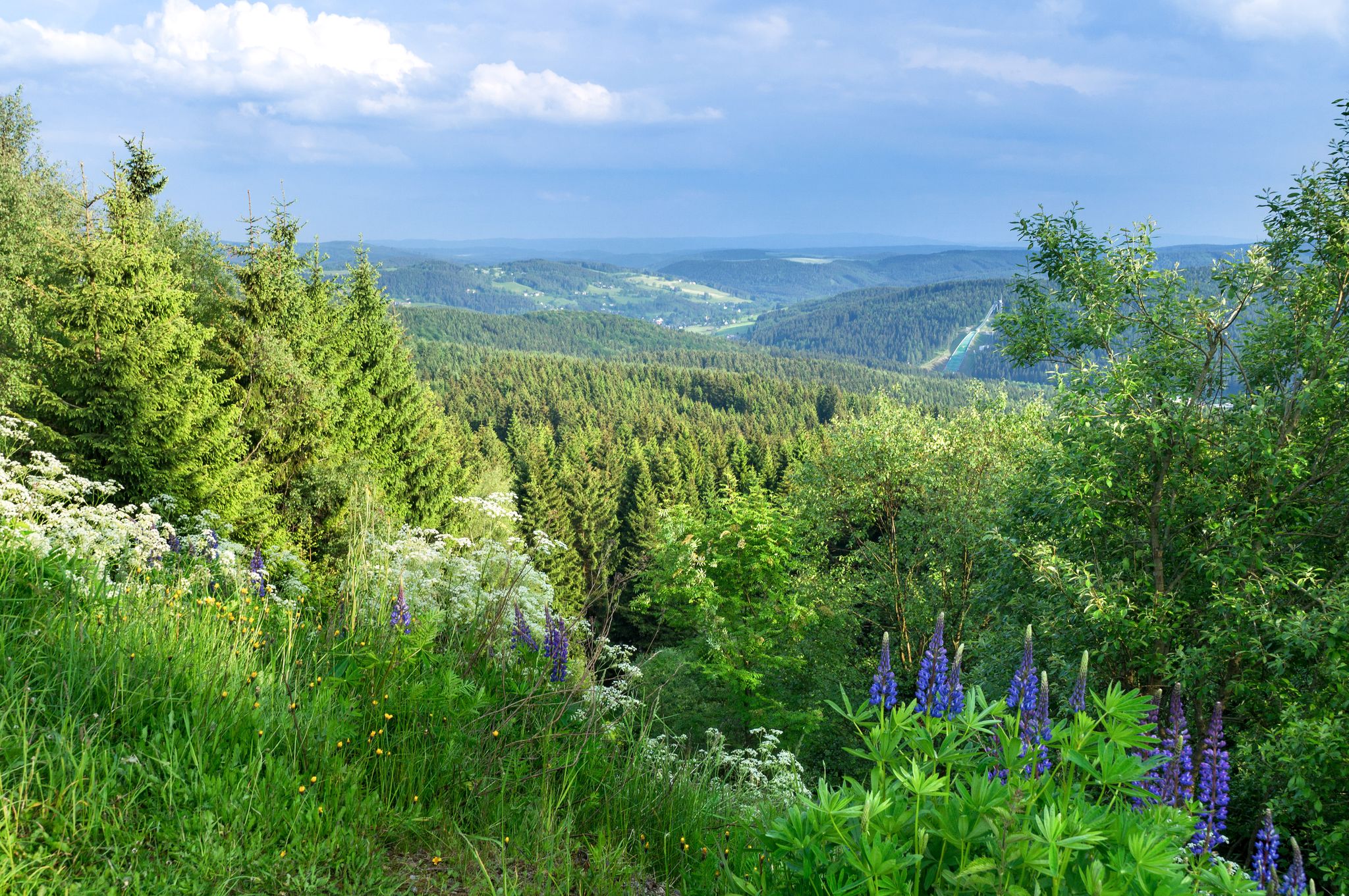
History meets nature – Erzgebirge-Vogtland Ridge Trail
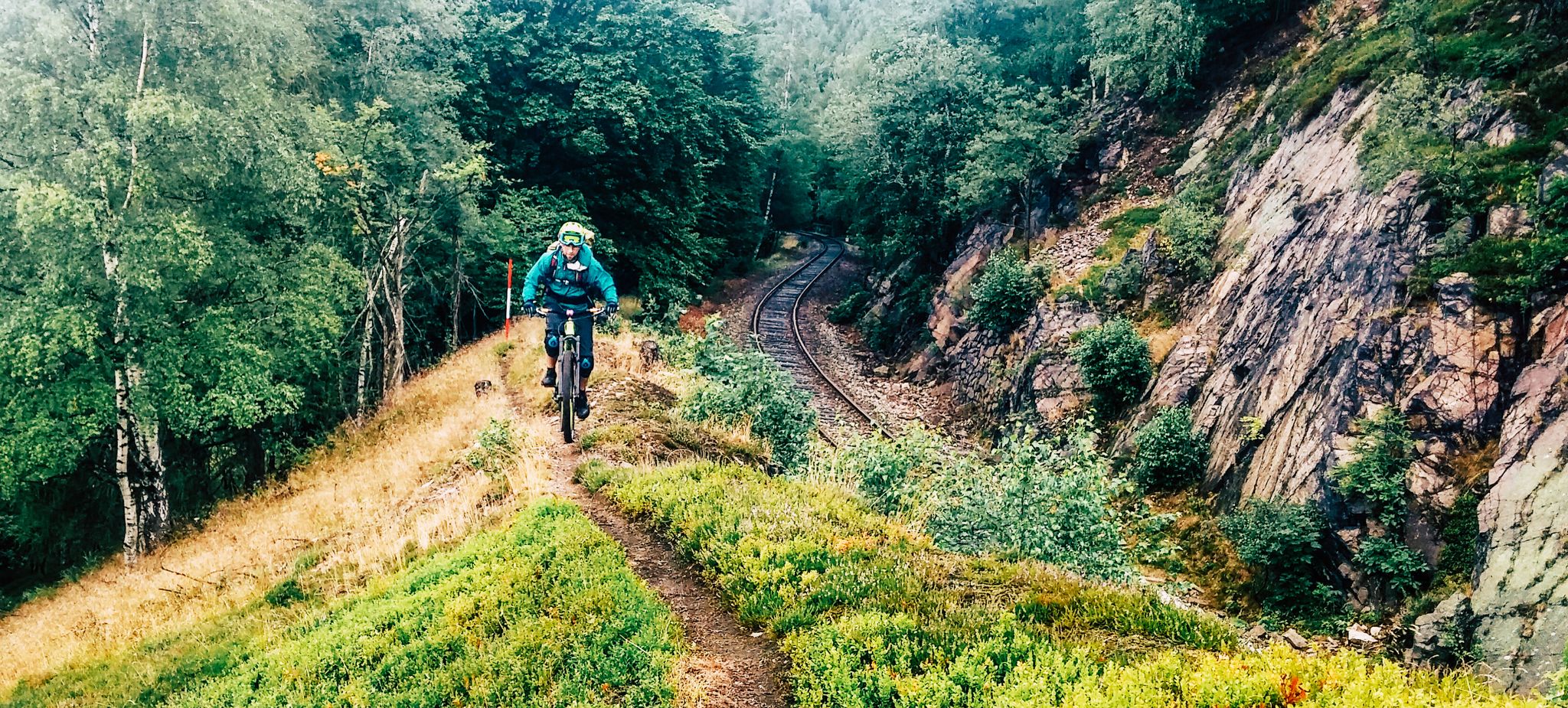
Kammweg Erzgebirge – Border adventure along the Ridgeway
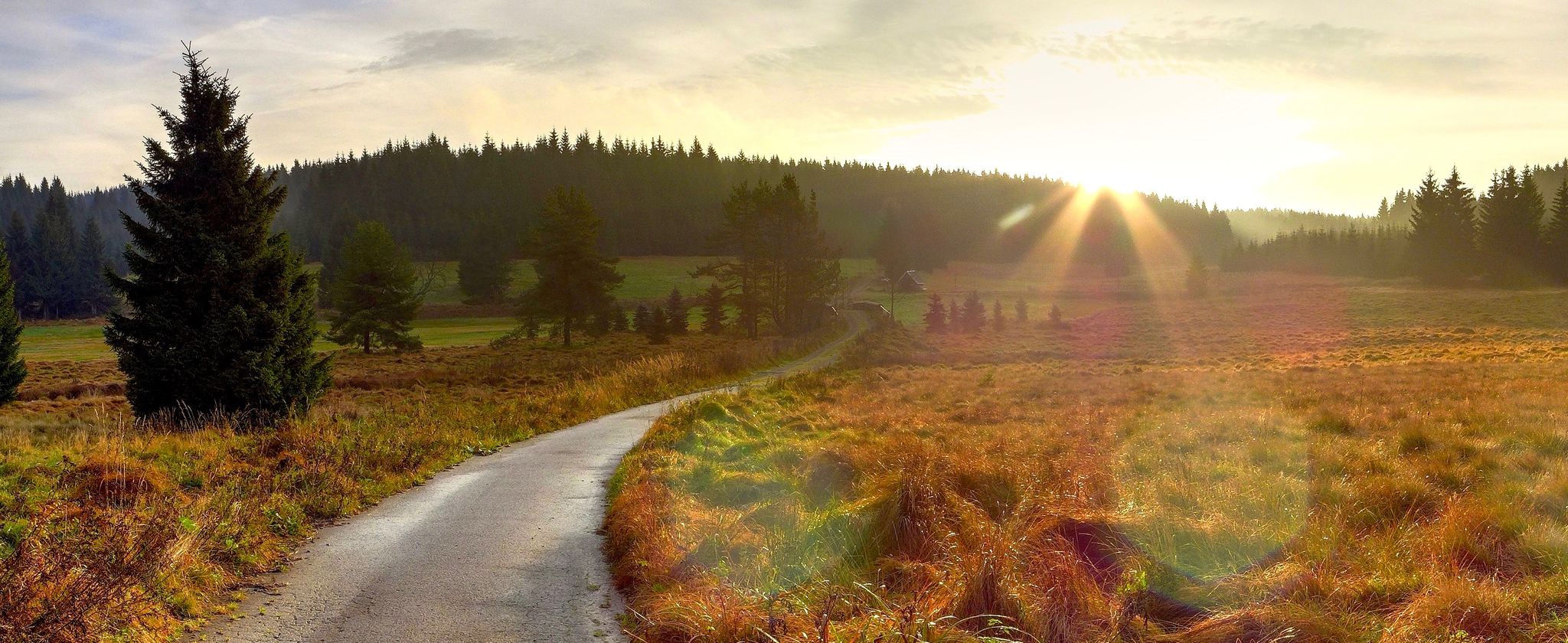
Ore Mountains — between forests and elevation
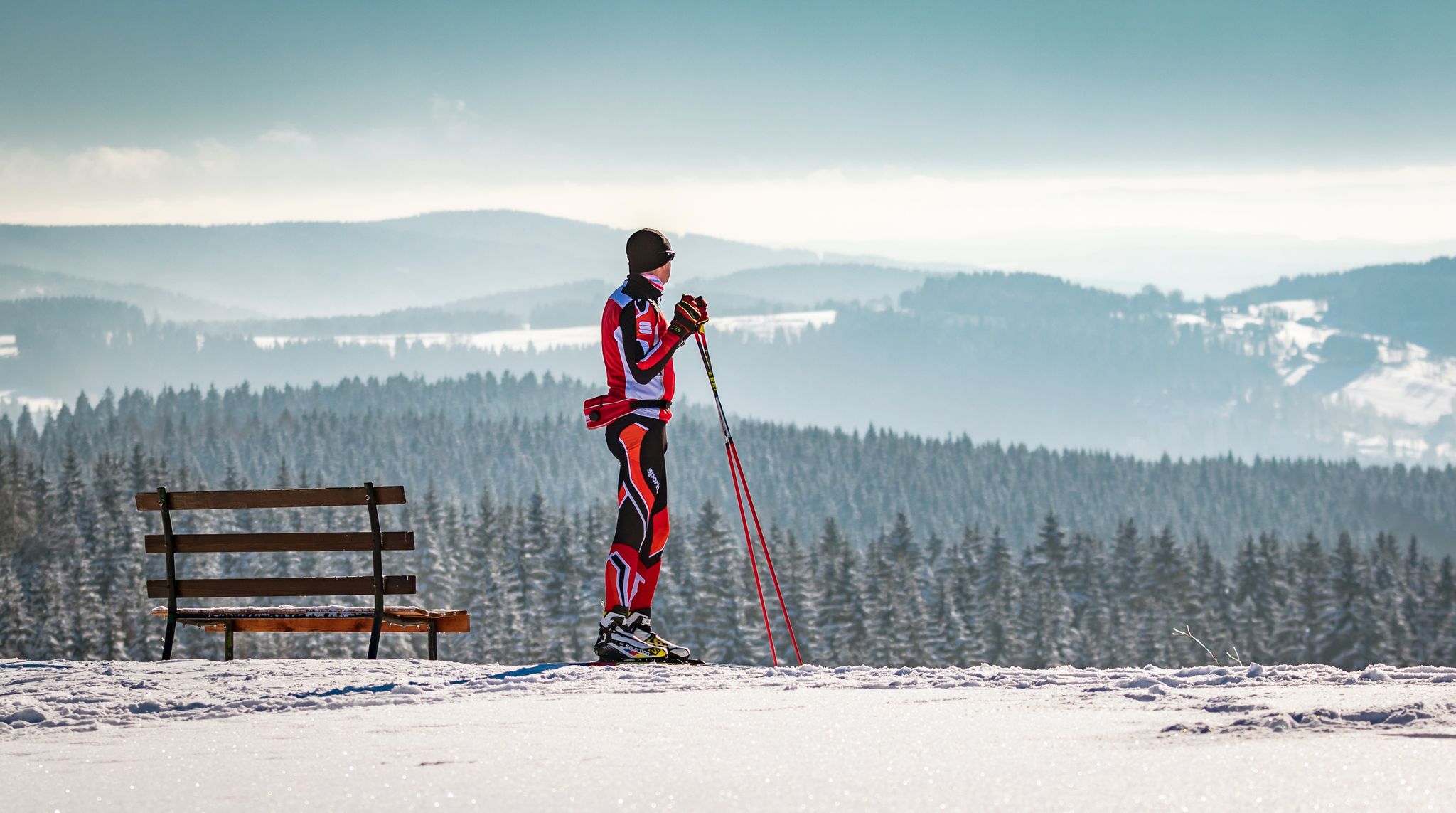
Let it flow! Cross-country skiing in the Ore Mountains
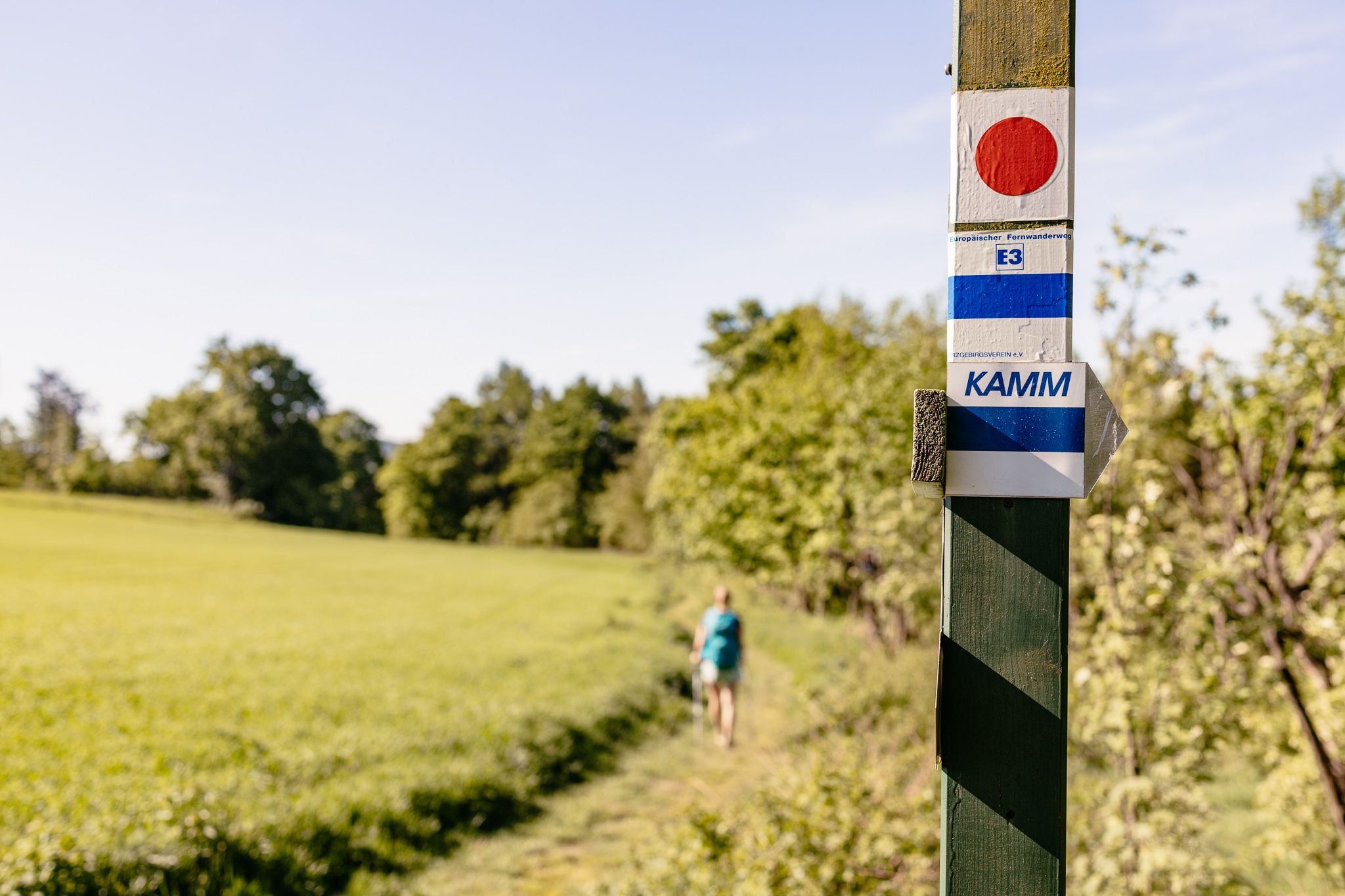
Der Kammweg Erzgebirge-Vogtland aus Sicht einer Bloggerin
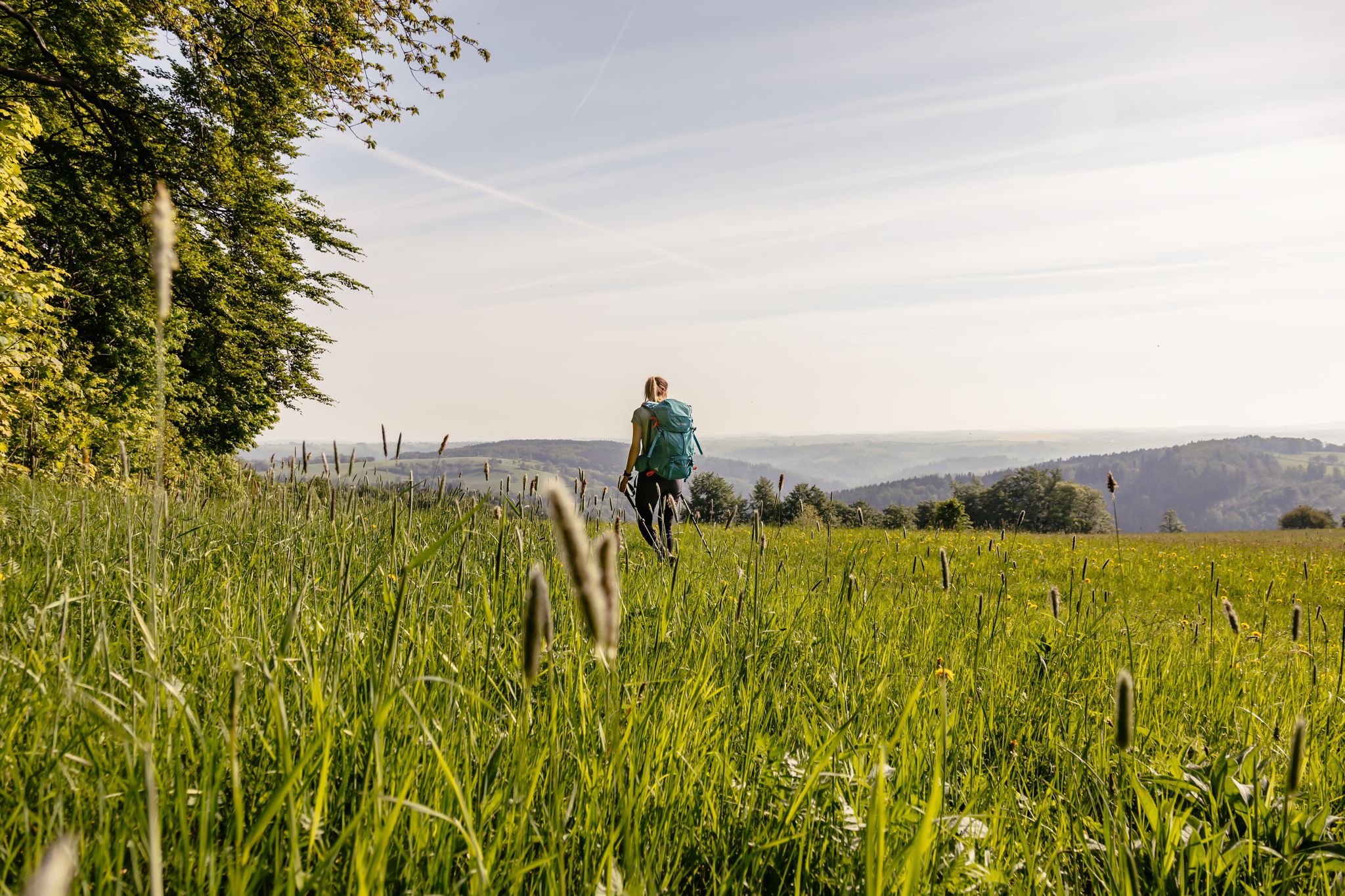
Fernwanderwege im Erzgebirge
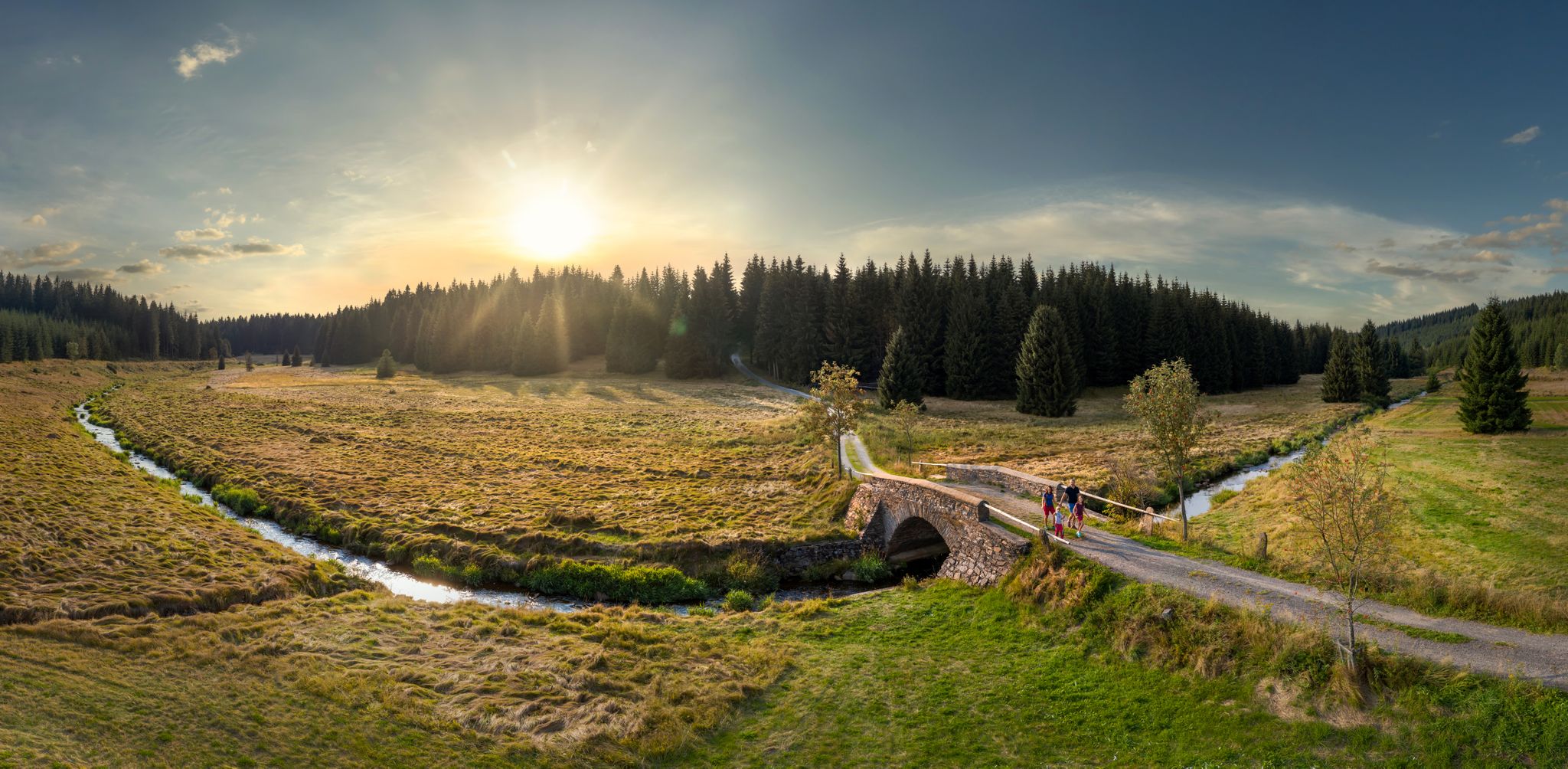
Wandertouren - Flusstäler & Talsperren
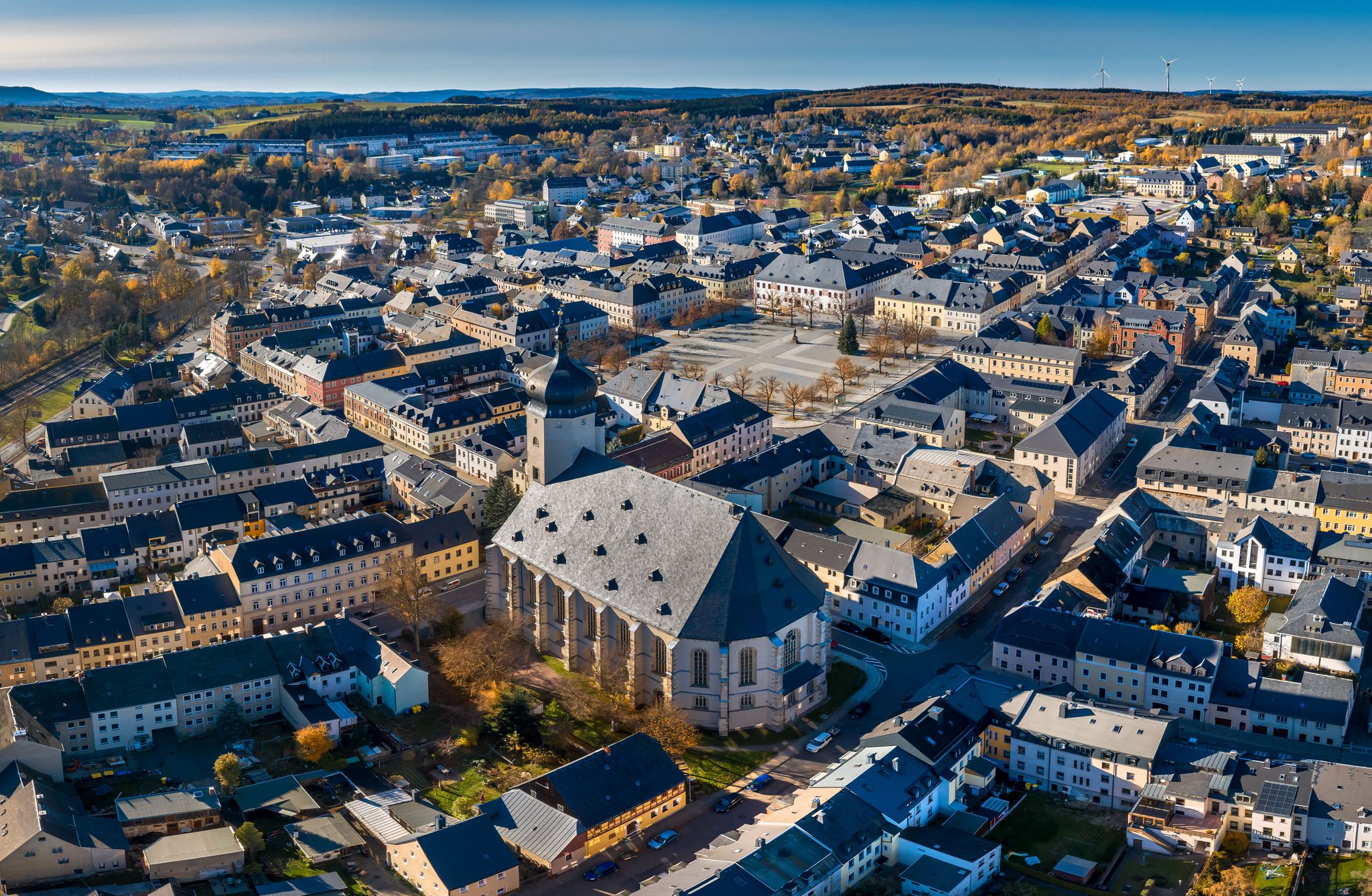
Wandertouren - "Glück Auf" im Welterbe
Other adventures around Marienberg


Tips from the Community

The Zschopau Gate, one of Marienberg's landmarks, was built as part of the town's fortifications after its founding between 1541 and 1560. The imposing tower, a rubble stone structure built on a square base, is the only remaining of the original five town gates. The large, round-arched gateway is faced with porphyry blocks, as is the pedestrian underpass to the southwest, which was added in 1956. In 1963, during renovation work, the gate sustained damage from tanks. In 1964, exhibition spaces for museum purposes were designed within the gatehouse, a project approved by the Institute for the Preservation of Historical Monuments. The damaged gate jambs were initially repaired with bricks, and later with dressed stone. To the southwest, a 30-meter-long and 2-meter-wide section of the town wall adjoins the gate. This section is reinforced on the town side with five blind arches and terminates in a transformer station, ingeniously constructed in 1914. Source: Wikipedia
5
0
The foundation stone of the church was laid in April 1558. For this purpose, the log church built for Protestant Christians in 1537, the year of the Reformation, was demolished. St. Mary's is the youngest of the three late Gothic hall churches in the Ore Mountains, after St. Wolfgang in Schneeberg and St. Anne's in Annaberg. It was consecrated as the Evangelical Lutheran St. Mary's Church in February 1564. The main building is 45 meters long and 26 meters wide, with three naves of equal height and seven bays. The master builder was Wolf Blechschmidt from Pirna (who significantly influenced the construction of St. Mary's Church in Pirna). The tower halls still display Blechschmidt's late Gothic rib vaulting. Grillenburg sandstone, and perhaps also Postelwitz sandstone, was used as building material. Source: Information panel
5
0

View from the Crossroads
0
0

In 1561 Marienberg was surrounded by a 2m thick city wall. This had 5 city gates and 4 round corner towers. The Zschopauer Tor is the only remaining city gate that borders the approximately 50m long remainder of the former city wall. At the end of this city wall there is a preserved postal column from 1727.
1
0

This panel is supplemented by various original fragments such as e.g. B. from the Zschopauer Tor or the prayer bell of the Church of St. Mary.
0
0

City and business hotel with an upscale, stylish ambience in the historic center of the mountain town of Marienberg Rooms in different categories with shower/toilet, D-TV/radio, hairdryer, minibar and some seating area; Elevator; free WiFi; sauna and steam bath; Hotel restaurant "Red Room"; rustic vaulted restaurant Roßtunnel; summer terrace Aqua Marien leisure pool in town
2
0

You can also rent. The house has a wonderful vaulted cellar.
0
0

The different stylistic elements result from the already mentioned destructive city fires. Late Gothic in the nave and Baroque in the tower.
2
0
Frequently Asked Questions
How many urban hiking trails are available in Marienberg?
There are over 25 easy urban hiking routes around Marienberg, all suitable for a relaxed stroll through the town and its immediate surroundings. These trails are generally flat with minimal elevation changes, making them accessible for most visitors.
What kind of terrain can I expect on urban hikes in Marienberg?
Urban hikes in Marienberg typically feature gentle terrain with minimal elevation gain, making them suitable for all fitness levels. You'll find paths winding through the historic town center, local parks, and along the edges of the surrounding natural landscapes, offering a blend of cultural sights and green spaces.
Are there any family-friendly urban walks in Marienberg?
Yes, all urban hikes in Marienberg are considered easy and family-friendly. Routes like the Park with Dry Stone Walls loop from Marienberg offer short distances and gentle paths, perfect for families with children. The historic town center itself is also pleasant for a leisurely walk.
Can I bring my dog on urban hiking trails in Marienberg?
Most urban hiking trails in Marienberg are dog-friendly, allowing you to explore the town and its green spaces with your canine companion. Always keep your dog on a leash, especially in populated areas and near wildlife, and remember to clean up after them.
What are some notable landmarks or viewpoints along Marienberg's urban trails?
Urban trails often lead through Marienberg's historic town center, showcasing its Renaissance architecture. You can also explore routes that pass by the Kaisernstein Legends and Myths Information Board or offer glimpses of the surrounding Erzgebirge landscape. The Zschopauer Gate – St. Mary's Church loop is a great way to see key historical sites within the town.
Are there any circular urban hiking routes in Marienberg?
Yes, many of Marienberg's urban hiking trails are designed as circular routes, allowing you to start and end at the same point. Examples include the Trail Signpost loop from Marienberg and the Zschopauer Gate – St. Mary's Church loop, which are convenient for exploring without needing to retrace your steps.
What is the best time of year for urban hikes in Marienberg?
Spring and autumn are ideal for urban hikes in Marienberg. In spring, the landscape comes alive with color, while autumn offers picturesque golden deciduous forests. Summer is also pleasant, but spring and autumn provide comfortable temperatures and beautiful scenery for exploring the town and its immediate surroundings.
What do other hikers enjoy most about urban hiking in Marienberg?
The urban hiking experience in Marienberg is highly rated by the komoot community, with an average score of 4.7 stars from over 7,400 ratings. Reviewers often praise the easy accessibility of the trails, the charming historic town center, and the pleasant blend of urban exploration with nearby natural beauty.
Are there any cafes or pubs near the urban hiking routes in Marienberg?
Marienberg's historic town center, through which many urban hiking routes pass, offers various cafes and pubs where you can take a break. You'll find options for refreshments and local cuisine conveniently located along or just off the main walking paths.
What historical aspects can I discover on urban hikes in Marienberg?
Marienberg's urban hikes offer a glimpse into its rich mining heritage and Renaissance history. The town itself was founded as a mining town, and you can see its well-preserved historic center and architecture. While the deep mining trails are further afield, the urban routes provide context to the region's past.
Most popular routes around Marienberg
Most popular attractions around Marienberg

Get inspired with the komoot mobile app


Explore more
Browse the best Hikes in other regions.
