Attractions and Places To See around National Park Serras Aire e Candeeiros - Top 20
Best attractions and places to see around National Park Serras Aire e Candeeiros include a diverse range of natural features and cultural sites. This protected area in central Portugal is known for its distinctive limestone landscape, intricate cave systems, and rich heritage. The geology of Serra de Aire e Candeeiros features a unique karst morphology, with formations like poljes and dolines, alongside significant underground waterways. Visitors can explore a variety of natural features and historical landmarks within its approximately 38,000 hectares.
Best attractions and places to see around National Park Serras Aire e Candeeiros
- The most popular attractions is Rio Maior Salt Pans, a man-made monument that are unique inland salt pans, operational for over eight centuries. These are the only fully operational inland salt pans in Europe, where salt is extracted from highly saline water.
- Another must-see spot is Memory Arch, a man-made monument offering panoramic views of the coast. This arch, built by Cistercian monks, measures 4 meters high and 3.62 meters wide and has historical inscriptions.
- Visitors also love Alcanena MTB Center – Alviela Spring, an MTB park with 5 signposted circuits covering 200 km. It provides an information center, toilets, changing rooms, and facilities for bicycle repair and washing.
- National Park Serras Aire e Candeeiros is known for its extensive cave systems, unique geological features, and historical sites. The region offers a variety of attractions to see and explore, from natural wonders to cultural heritage.
- The attractions around National Park Serras Aire e Candeeiros are appreciated by the komoot community, with 18 upvotes and 63 photos shared across its highlights.
Last updated: May 11, 2026
Rio Maior Salt Pans
Highlight • Monument
Translated by Google •
Tip by

Memory Arch
Highlight • Monument
On the historical aspect, it was built by the Cistercian monks, it measures 4 meters high and 3.62 meters wide. The arch has no decoration, only two inscriptions: the first, the oldest written in Latin, testifies to its creation. The second inscription refers to the reconstruction of the monument, carried out by D. Michael in 1830.
Translated by Google •
Tip by

Sign up now to discover places like this
Get recommendations on the best single tracks, peaks, & plenty of other exciting outdoor places.
Sign up for free
Salinas de Rio Maior
Highlight • Structure
Translated by Google •
Tip by

Alcanena MTB Center – Alviela Spring
Highlight • MTB Park
With regard to support structures, we are very well equipped, making available to practitioners an information panel, toilets, changing rooms and an area for repairing and washing bicycles."
Source: CM Alcanena
Translated by Google •
Tip by
Fórnea Waterfall
Highlight • Waterfall
Tip by
Sign up for free to discover even more attractions around National Park Serras Aire e Candeeiros.
Sign up for free
Already have an account?
Start today with a free account
Your next adventure awaits.
Login or Signup
Popular around National Park Serras Aire e Candeeiros
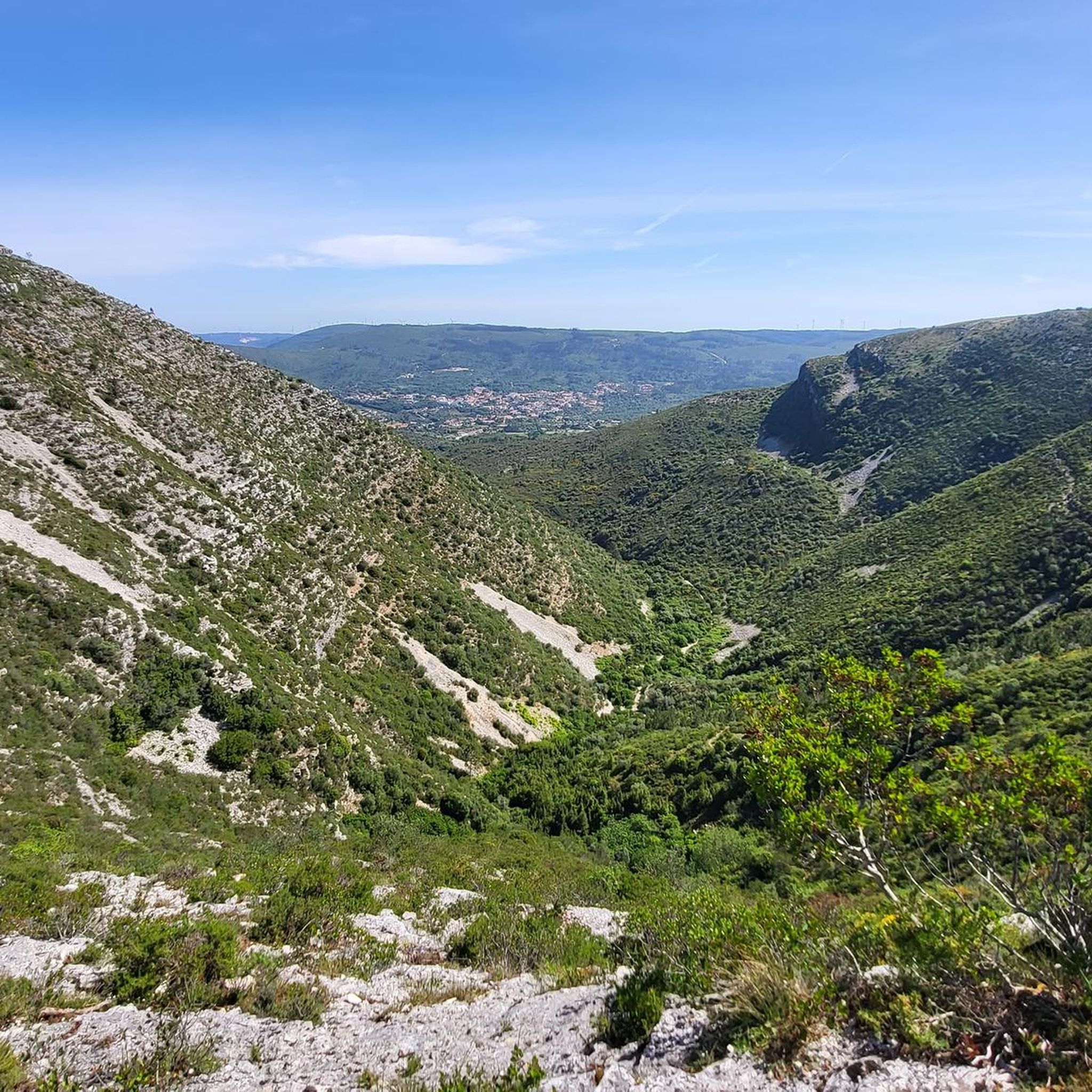
Hiking around National Park Serras Aire e Candeeiros
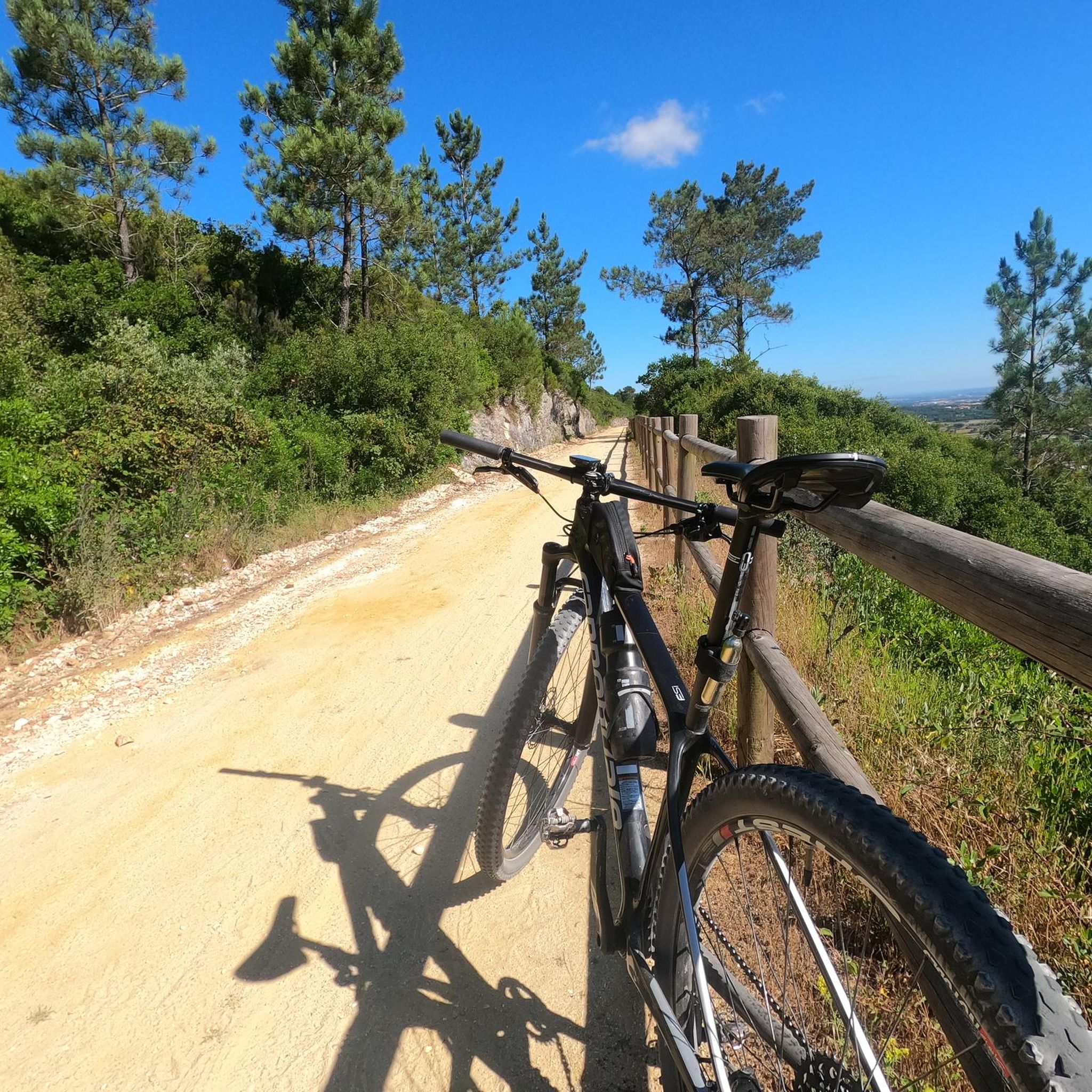
MTB Trails around National Park Serras Aire e Candeeiros
Running Trails around National Park Serras Aire e Candeeiros
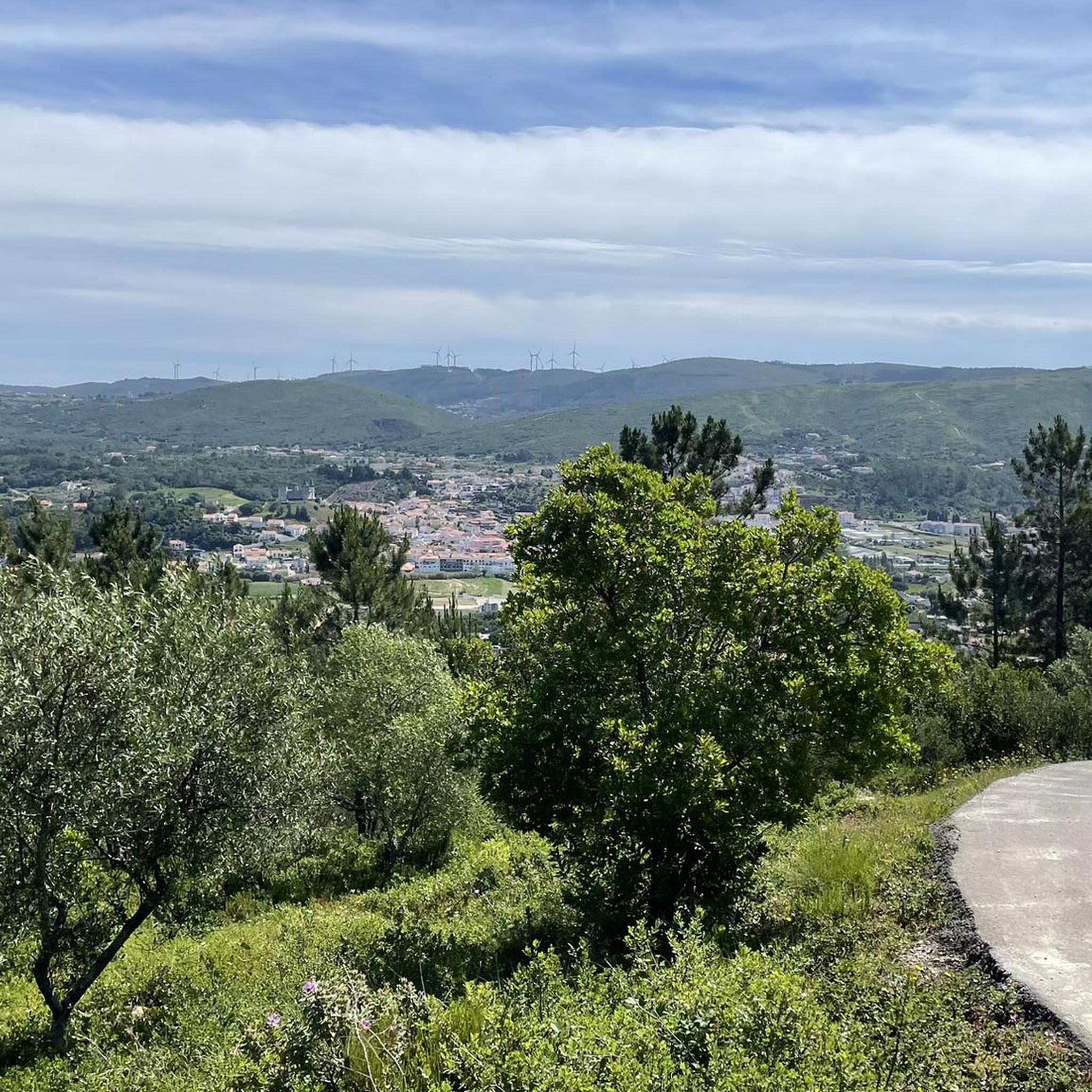
Cycling around National Park Serras Aire e Candeeiros
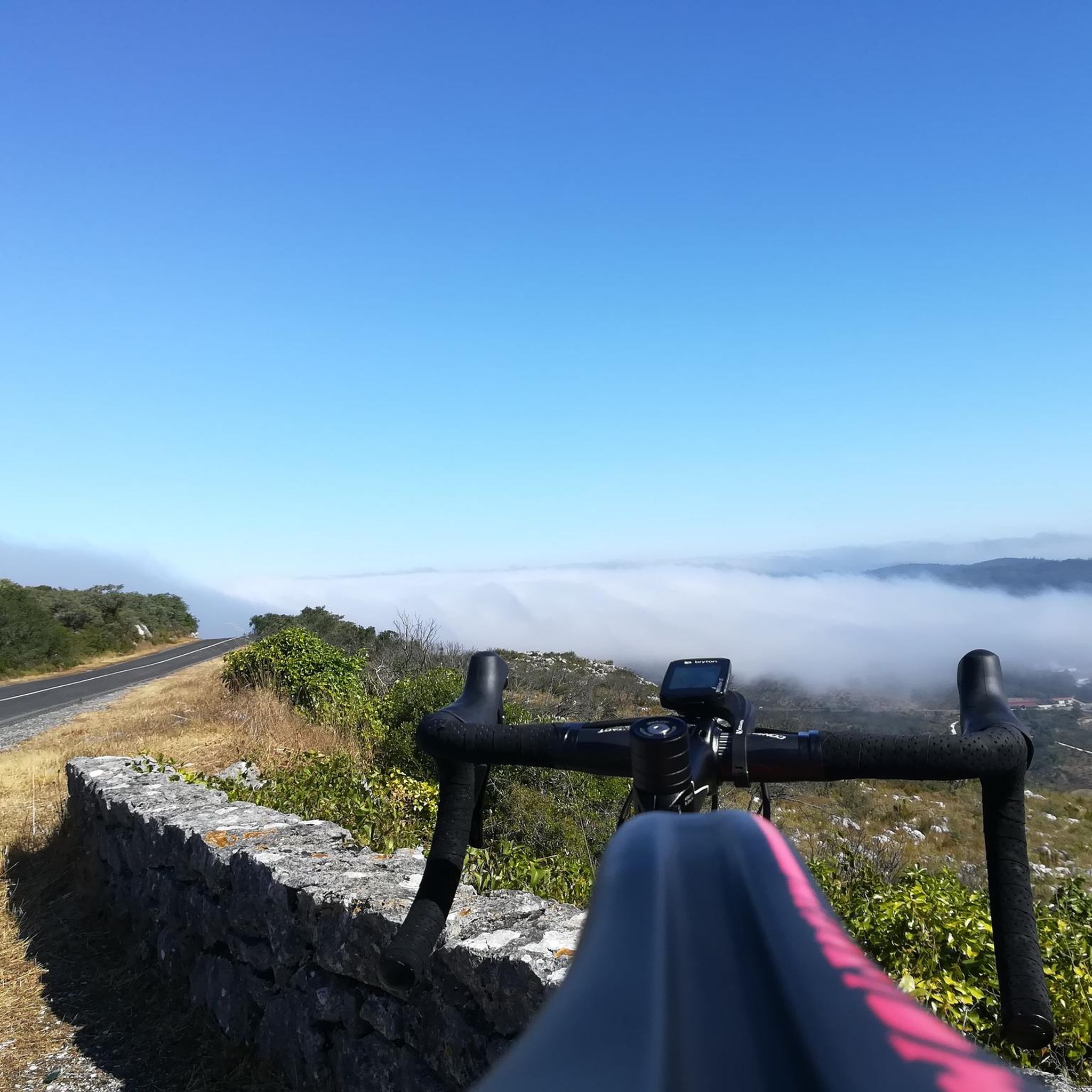
Road Cycling Routes around National Park Serras Aire e Candeeiros

Gravel biking around National Park Serras Aire e Candeeiros
Tips from the Community

Salt is extracted from shallow, concrete or stone pans of varying sizes, where saltwater drawn from a well is conveyed through ditches. Currently, the water is pumped by a motor and distributed according to a system that is generally accepted and respected (not always) by all the owners. Drainpipes, threshing floors, and wooden salt storage houses complete the complex known as the Rio Maior Salt Pans. According to technicians, a large and deep rock salt mine, traversed by an underground stream that feeds a well, makes the extracted water salty, seven times saltier than seawater. The salt is obtained from its exposure to the sun and wind, and the resulting evaporation of the water. This salt is deposited at the bottom of the pans, which are then piled up in pyramid-shaped heaps to dry until harvest. The process is rudimentary and similar to that used in seaside salt mines. The only difference is the picturesque valley that surrounds them, the well, the unique style of the sailors (as the men who work in the salt mines are known), the wooden houses and the country air that you breathe.
0
0

I highly recommend Olhos de Água, a river beach 🏖️ with top trails to enjoy pure nature that can be done on foot or by mountain bike, some of which are well signposted with bars next to the beach and there is a campsite for private individuals, it only has bungalows and a hotel, a true paradise 😜🤙🏽🚴🏽💨🚶🏽🏃🏽🏊🏽
1
0
Salt is extracted from compartments – pits – made of cement or stone, of varying sizes and shallow depths, to which salt water is taken from a well through irrigation channels. Currently, the water is raised by means of a motor and distributed according to a system that is jointly accepted and respected (not always) by all the owners. The sewers, threshing floors and wooden houses for storing salt complete the set of what is called the Salt Mines of Rio Maior. According to technicians, a large and deep rock salt mine, crossed by an underground current that feeds a well, makes the water extracted from it salty, seven times saltier than that of the sea. The salt is obtained from its exposure to the sun and wind and the consequent evaporation of the water, deposited at the bottom of the pits, which is then placed in pyramid-shaped piles to dry until it is collected. The process is rudimentary and similar to that used in the salt mines on the seashore. The only difference is the picturesque valley that surrounds them, the well, the unique style of the sailors (as the men who work in the salt mines are known), the wooden houses and the country air that can be breathed.
3
0

Just three kilometres from Rio Maior, on the southern tip of the Serra dos Candeeiros, lie the only inland salt pans in Portugal, and the only ones still active in the whole of Europe. Surrounded by vineyards and cultivated fields, they are a true wonder of nature, as the sea is 30 kilometres away. Their history dates back to at least 1177, but it is said that rock salt has been mined since prehistoric times. The water, seven times saltier than that of the ocean, emerges from a well after passing through an underground deposit, leaving behind the pure vestige of an ancient sea.
1
0
The Rio Maior Salt Pans are located about 3 km from the city centre and are nestled in a valley at the foot of the Serra dos Candeeiros, in the heart of the Serras de Aire e Candeeiros Natural Park. Classified as a Property of Public Interest since December 1997, these are the only inland salt pans in Portugal, and the only ones in full operation in Europe. The first reference to their existence dates back to 1177, but it is thought that the use of rock salt was already being made in prehistoric times.
2
0

The Rio Maior Salt Pans are located about 3 km from the city center and nestled in a valley at the foot of the Serra dos Candeeiros, in the heart of the Serras de Aire e Candeeiros Natural Park. Classified as a Property of Public Interest since December 1997, these are the only inland salt pans in Portugal, and the only ones fully operational in Europe. The first reference to their existence dates back to 1177, but it is thought that rock salt mining has been practiced since prehistoric times. Surrounded by vineyards and farmland, they are considered a natural wonder, as the ocean is 30 km away. The salt is a vestige of the sea's presence in ancient times. The water, about seven times saltier than seawater, comes from a well after passing through a rock salt deposit. Visit the Salinas Tourist Office for information, maps, and guided tours. How to Get There: Latitude +39° 21' 52.57, Longitude -8° 56' 40.62
0
0
The Fórnea Waterfall is located right in the heart of the Serras de Aire e Candeeiros Natural Park, and is fed by the Fórnea Stream, which in turn flows from the Cova da Velha cave.
2
0

Nice quiet route. No water at the waterfall, unfortunately. Because that would give a different experience, certainly worth it for the beautiful views
0
0
Frequently Asked Questions
What unique geological features can I explore in National Park Serras Aire e Candeeiros?
The park is renowned for its distinctive limestone landscape, featuring a unique karst morphology with formations like poljes, karren fields, uvalas, and dolines. You can also explore intricate cave systems and the significant Fórnea Waterfall, which is fed by the Fórnea Stream from the Cova da Velha cave.
Where can I see ancient dinosaur footprints in the park?
You can visit the Dinosaur Footprints Natural Monument, located on the eastern flank of Serra de Aire. This site preserves one of the world's most important collections of sauropod dinosaur footprints from the mid-Jurassic period, some dating back 175 million years.
What are the main cave systems open to visitors in the region?
The park is famous for its extensive cave systems. The most well-known are the Mira de Aire Caves, recognized as one of the 7 Natural Wonders of Portugal. Other significant cave systems include the Santo António Caves, Moeda Caves, and Alvados Caves, each offering unique geological formations.
What historical sites are worth visiting in National Park Serras Aire e Candeeiros?
The region offers several historical sites. Don't miss the Porto de Mós Castle, with its distinctive green and pointed turrets, which played an important role in Portuguese history. Another notable site is the Memory Arch, a historical monument built by Cistercian monks offering panoramic views.
Can I learn about traditional industries in the park?
Yes, you can visit the Rio Maior Salt Pans. These unique inland salt pans have been in operation for over eight centuries, showcasing traditional salt extraction methods. They are the only fully operational inland salt pans in Europe.
Are there opportunities for hiking or walking in the park?
Absolutely. The park offers numerous trails to explore its natural beauty. There are 16 pedestrian walks proposed by the Park, and you can find easy hiking options like the 'Fórnea Waterfall – Fornea Waterfall loop from Alcaria' or 'Hiking loop from Minde'. For more details, check out the Easy hikes around National Park Serras Aire e Candeeiros guide.
What cycling opportunities are available in the area?
The region is great for cycling. The Alcanena MTB Center – Alviela Spring offers 5 signposted circuits covering 200 km, with facilities for all skill levels. You can also find various road cycling and touring bicycle routes, such as the 'Charneca Circular Route' or the 'Porto de Mós Greenway'. Explore more options in the Road Cycling Routes and Cycling around National Park Serras Aire e Candeeiros guides.
Are there family-friendly attractions in National Park Serras Aire e Candeeiros?
Yes, many attractions are suitable for families. The Rio Maior Salt Pans, Fórnea Waterfall, and Porto de Mós Castle are all considered family-friendly. The cave systems and the Dinosaur Footprints Natural Monument also offer engaging experiences for all ages. The Alcanena MTB Center has circuits for beginners, making it accessible for families.
What is the best time of year to visit National Park Serras Aire e Candeeiros?
The park can be enjoyed year-round, but spring and autumn generally offer the most pleasant weather for outdoor activities like hiking and cycling. The temperatures are milder, and the natural landscape is vibrant. Summer can be hot, especially for extensive outdoor exploration, while winter might bring rain, which enhances waterfalls like Fórnea.
Where can I find the best panoramic views in the park?
For magnificent panoramic views, visit the Memory Arch, which offers a 360-degree perspective of the coast and surrounding landscape. The park's karst morphology also creates numerous elevated points and escarpments that provide stunning vistas of the dry, rocky surface.
What kind of wildlife and plant life can I expect to see?
The park is home to diverse flora and fauna. You can find over 600 plant species, including wild orchids and endemic species unique to Portugal. Animal life includes more than 100 bird species, such as the Eurasian Eagle Owl and Red-billed Chough. Bats are particularly symbolic, with 18 different species sheltering in the park's grottoes.
What are 'Chousos' or 'Cerrados' and 'Casinas' in the park's landscape?
These are traditional dry-stone walls ('Chousos' or 'Cerrados') and small stone houses ('Casinas') built by shepherds. They are a trademark of the park's landscape and reflect the local communities' cultural heritage and traditional land use.
Most popular routes around National Park Serras Aire e Candeeiros
Most popular attractions around National Park Serras Aire e Candeeiros

Get inspired with the komoot mobile app


Explore more
Still not found the Highlight you’re looking for? See guides of the top attractions in other regions:
