Krajinski park Sečoveljske soline / Parco ambientale delle saline di Sicciole
Krajinski park Sečoveljske soline / Parco ambientale delle saline di Sicciole
Attractions and Places To See around Krajinski park Sečoveljske soline / Parco ambientale delle saline di Sicciole - Top 9
Attractions and places to see around Krajinski park Sečoveljske soline / Parco ambientale delle saline di Sicciole feature a unique cultural landscape shaped by centuries of traditional salt production. This area is a significant wetland, providing a habitat for numerous bird species and salt-loving plants. The park is divided into two main areas, Lera and Fontanigge, offering both active salt pans and abandoned areas where nature is reclaiming the land. It presents a blend of historical significance and natural beauty…
Last updated: October 10, 2026
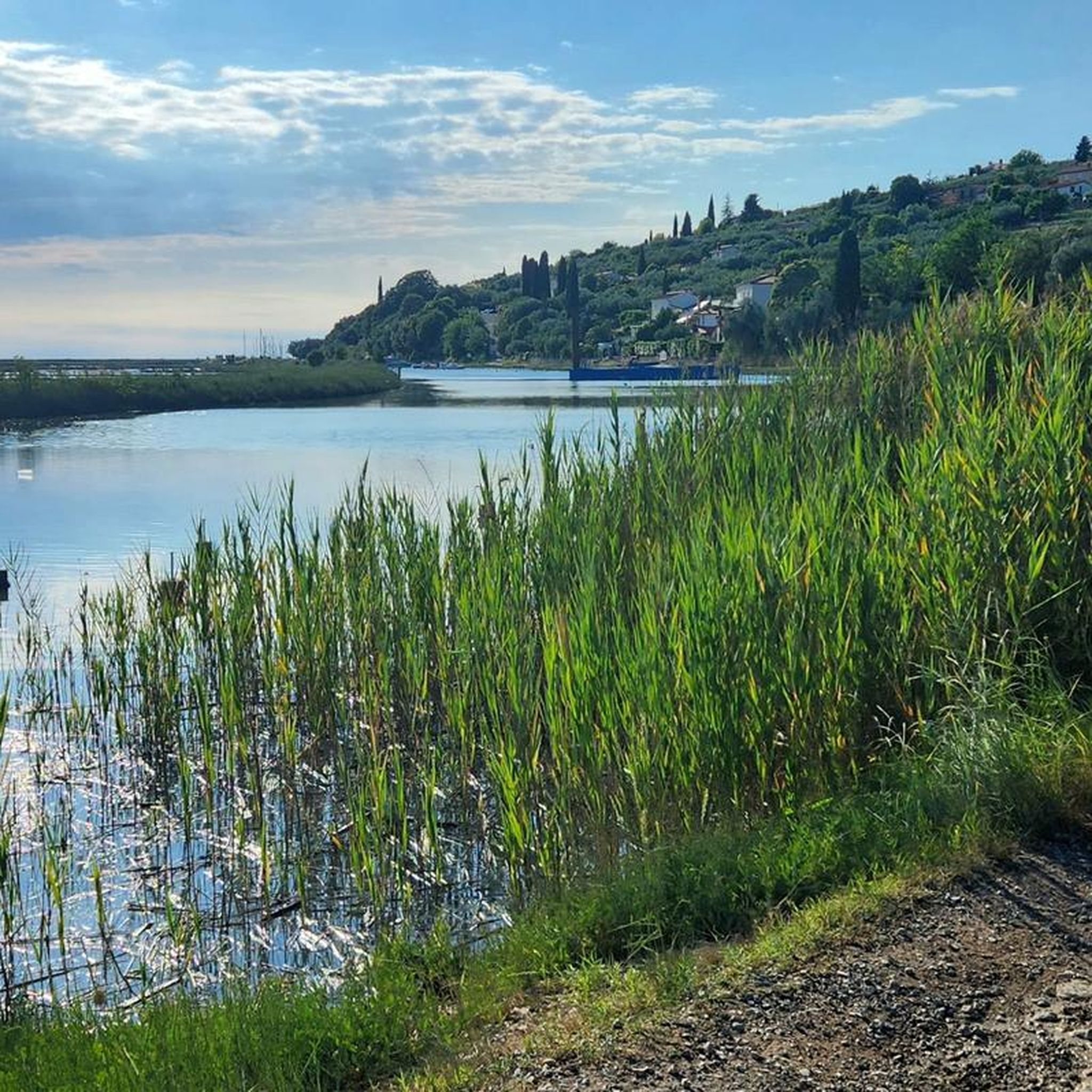
Sečovlje Salt Pans
Highlight • Natural Monument
Translated by Google •
Tip by

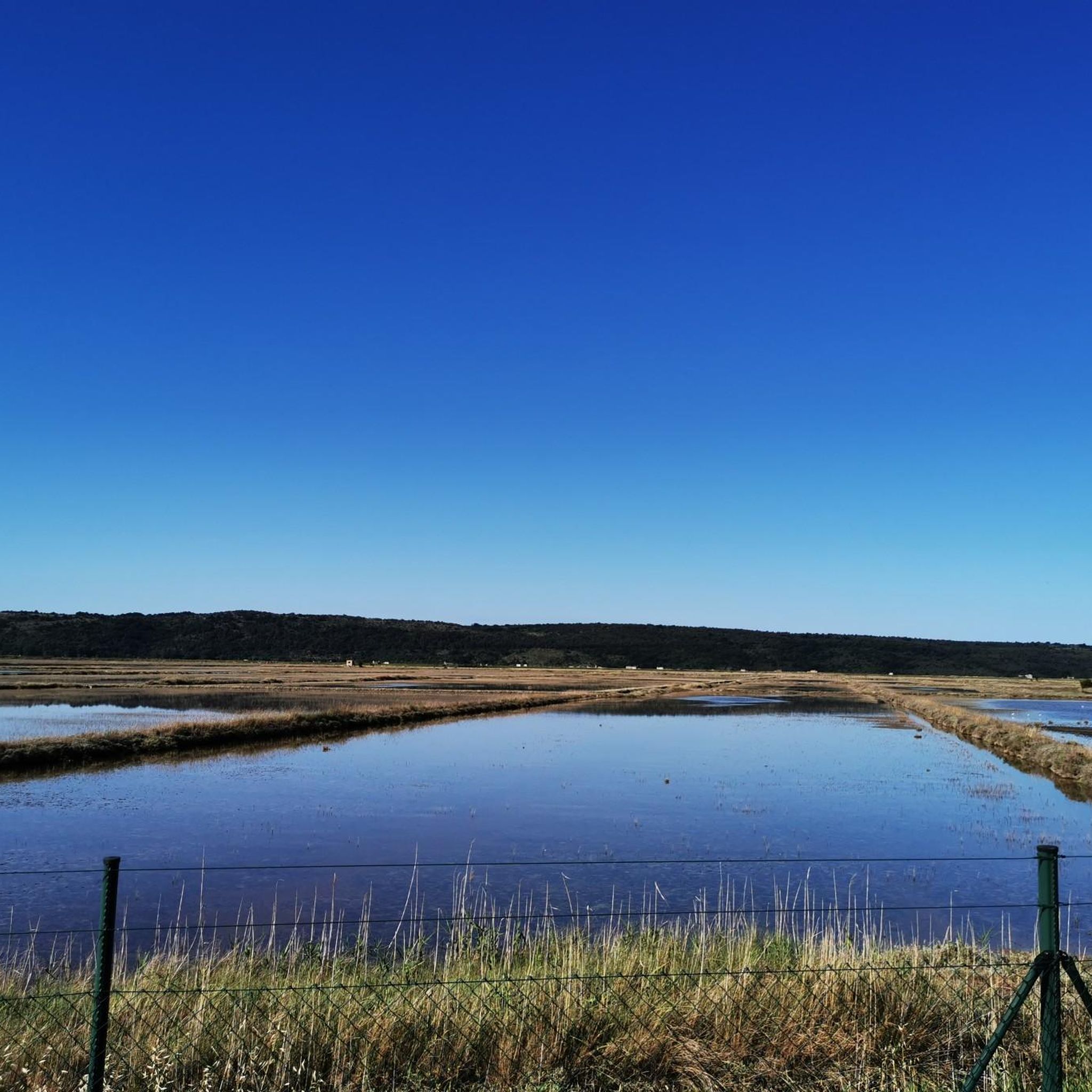
Sečovlje Salt Pans
Highlight • Natural Monument
Translated by Google •
Tip by

Sign up now to discover places like this
Get recommendations on the best single tracks, peaks, & plenty of other exciting outdoor places.
Fishermen's Harbor at the Sečovlje Salt Pans
Highlight • Structure
Translated by Google •
Tip by

San Bartolomeo Canal
Highlight • River
Translated by Google •
Tip by

Dragonja
Highlight • River
Translated by Google •
Tip by
Sign up for free to discover even more attractions around Krajinski park Sečoveljske soline / Parco ambientale delle saline di Sicciole.
Already have an account?
Start today with a free account
Your next adventure awaits.
Popular around Krajinski park Sečoveljske soline / Parco ambientale delle saline di Sicciole
Hiking around Krajinski park Sečoveljske soline / Parco ambientale delle saline di Sicciole
Cycling around Krajinski park Sečoveljske soline / Parco ambientale delle saline di Sicciole
Road Cycling Routes around Krajinski park Sečoveljske soline / Parco ambientale delle saline di Sicciole
Running Trails around Krajinski park Sečoveljske soline / Parco ambientale delle saline di Sicciole
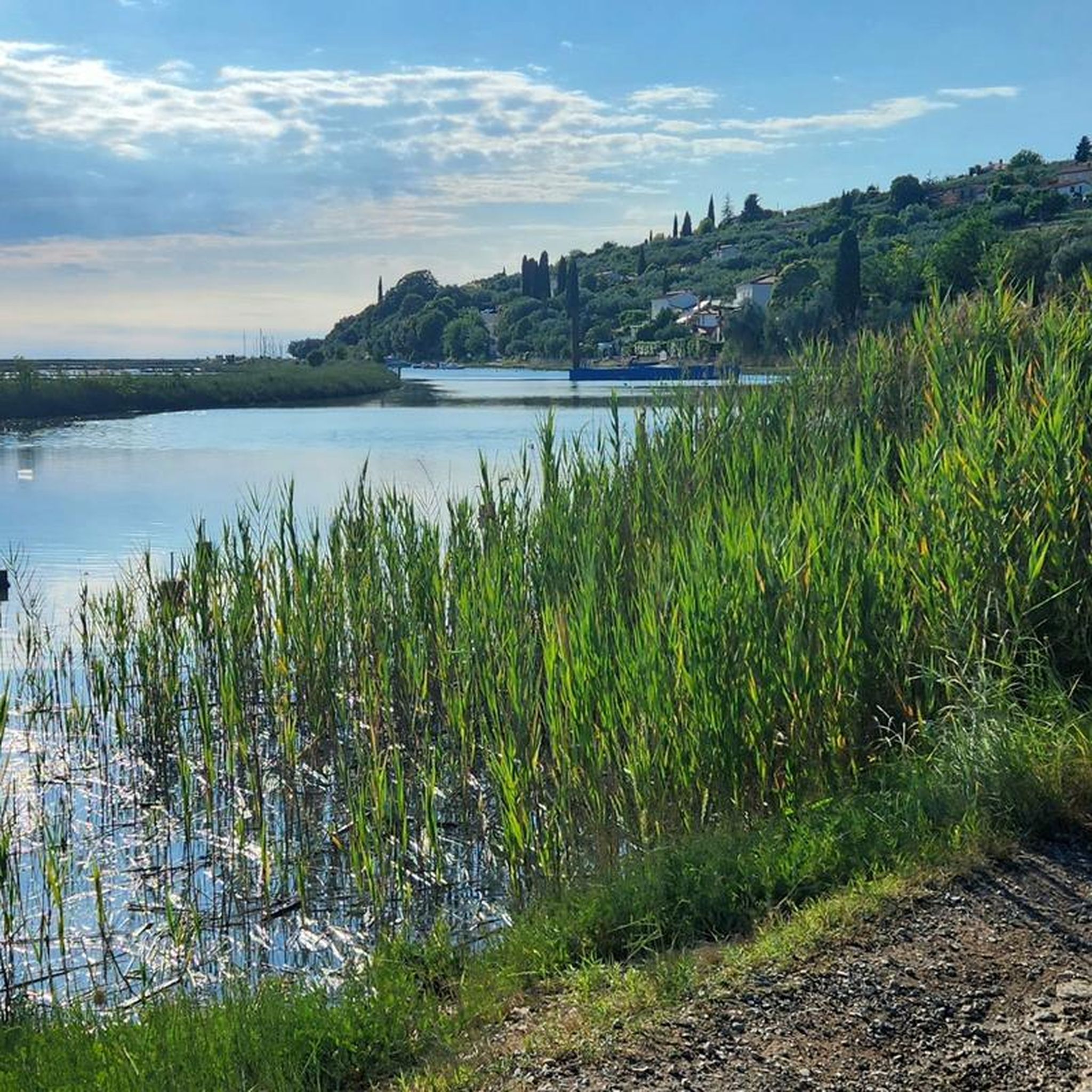
MTB Trails around Krajinski park Sečoveljske soline / Parco ambientale delle saline di Sicciole
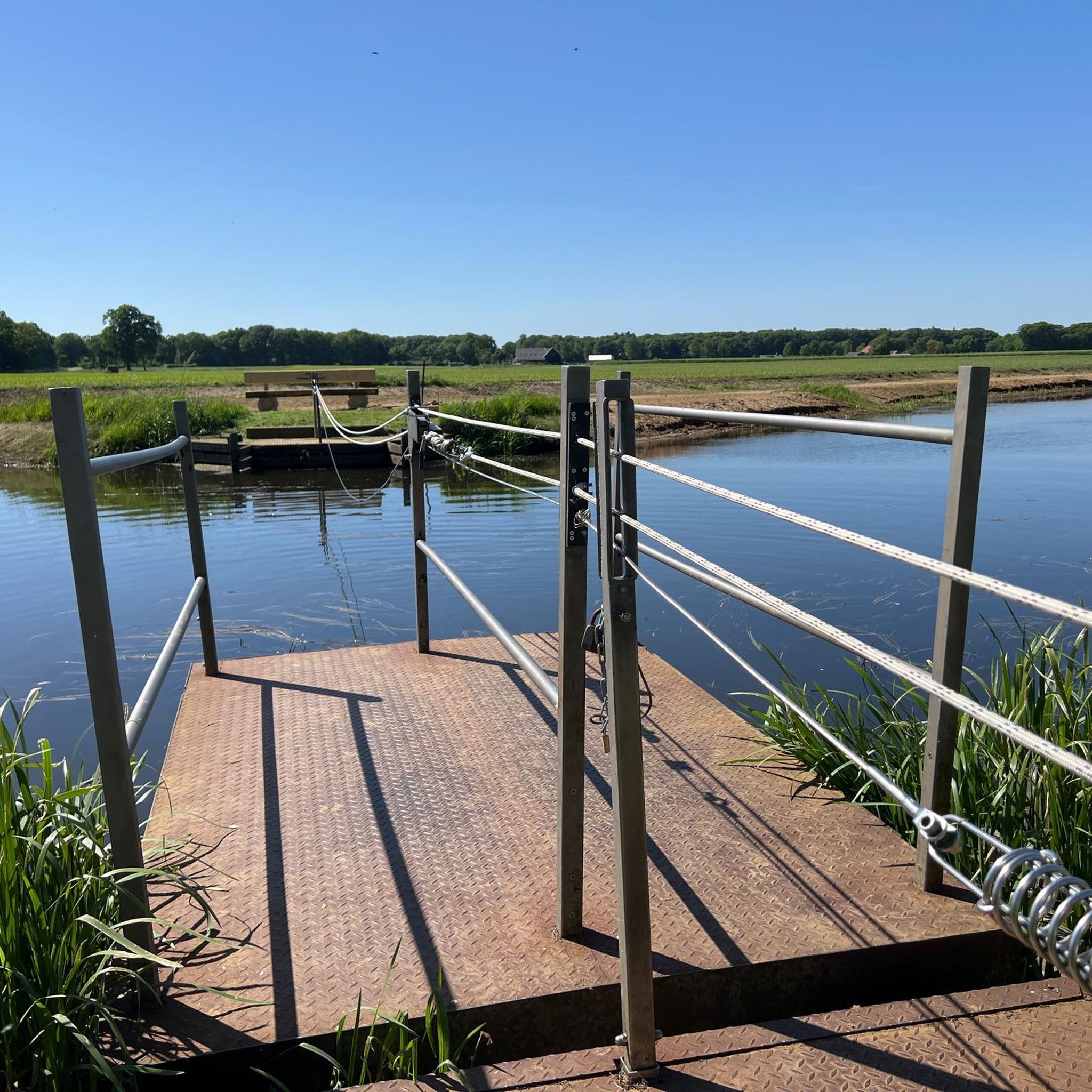
Gravel biking around Krajinski park Sečoveljske soline / Parco ambientale delle saline di Sicciole
Tips from the Community

very interesting tour along the water. Waterfowl and aquatic animals (turtles etc.) are present. You should take your time for it.
0
0

The cycle path winds wonderfully along the canal.
0
0

This shipyard seems to specialize in very old ships 👍
0
0

The large salt pans near Piran, in southwestern Slovenia and just before the border with Croatia, are among the oldest salt pans still in operation in Europe. Sea salt has been extracted here in the traditional way since the 13th century. The salt pans extend across the Sečovlje Salt Pans Nature Reserve and offer a fascinating interplay of nature and centuries-old craftsmanship. Visitors can learn about the salt harvesting process and visit the Salt Museum, which provides an insight into the history and importance of salt production in the region (entrance fee €7). The salt pans are also an important wetland that provides a habitat for numerous bird species.
0
0

It is very nice to cycle along the salt flats. Everything completely flat.
1
0


Wonderful biotope for birds 🐦 all around
1
0
Frequently Asked Questions
What natural features can I explore in Krajinski park Sečoveljske soline?
The park is rich in natural features, including the active salt pans of Lera and the abandoned pans of Fontanigge, where nature is reclaiming the land. You can observe diverse ecosystems, especially the shallow water areas that are crucial habitats for numerous bird species. The park is also home to halophytes, salt-loving plants that create a unique landscape, particularly when they turn reddish-purple in late summer. Don't miss the views over the salt pans and the bay of Portorož from areas like the Sečovlje Salt Pans.
What historical and cultural sites are there to visit in the Sečovlje Salina Nature Park?
The park is a living testament to centuries of traditional salt production. You can visit the Sečovlje Salt Museum in the Fontanigge area, which offers insights into the history of salt production through restored salt-worker houses and exhibitions. The Saltworker's House is a prime example of these historical structures. The entire park is considered a cultural landscape, shaped by over 700 years of salt-making, with traditional methods still employed in the Lera area.
Are there family-friendly activities available in Krajinski park Sečoveljske soline?
Yes, the park is very family-friendly. Many attractions, including the Sečovlje Salt Pans, San Bartolomeo Canal, and the Dragonja river, are suitable for families. The park offers generally flat walking and cycling trails, making it easy for all ages to explore. The Salt Museum also provides an educational and engaging experience for children and adults alike.
What is the best time of year to visit the Sečovlje Salina Nature Park?
The park offers different experiences throughout the year. Late summer is particularly striking when the halophyte plants turn reddish-purple, creating a unique aesthetic. Spring and autumn are excellent for birdwatching, as the park is a significant stopover for migratory birds. The active salt production in the Lera area can be observed during warmer months. For comfortable exploration on foot or by bike, spring and early autumn provide pleasant temperatures.
What kind of trails are available for walking and cycling in the park?
The park features numerous walking and cycling trails that are generally flat and suitable for various fitness levels. You can explore organized paths in the Lera area or venture into the more natural Fontanigge section. For specific walking routes, consider exploring options like the 'Sečovlje Salt Pans Nature Park – Sečovlje Salt Pans loop' or the 'Wooden Boardwalk on the Canal – San Bartolo Canal Wooden Pier loop'. You can find more easy hikes in the area on the Easy hikes around Krajinski park Sečoveljske soline guide.
Can I go birdwatching in Krajinski park Sečoveljske soline?
Absolutely. The Sečovlje Salina Nature Park is a prime location for birdwatching, recognized as an important wetland and habitat for over 300 different bird species. It serves as a significant breeding ground and a crucial stopover for migratory birds. Keep an eye out for the little egret, a symbolic bird of the park, among many others, especially in the shallow water areas and various biotopes within the salt pans.
Are there any wellness or spa facilities within the park?
Yes, within the Lera area of the park, you can find the Thalasso Spa Lepa Vida. This open-air spa offers unique wellness treatments based on thalassotherapy, utilizing the natural elements of sea, salt, and air, all while providing scenic views of the salt pans. It's a perfect way to relax and rejuvenate amidst the natural beauty of the park.
What are the options for cycling near the attractions?
The area around Krajinski park Sečoveljske soline offers various cycling opportunities. You can enjoy road cycling routes like the 'View of the Bay of Trieste – View of the Coast and the Sea loop' from Lucija, or explore gravel biking trails such as the 'Parenzana Rail Trail – Sečovlje Salt Pans loop' from Portorož. These routes allow you to experience the diverse landscapes surrounding the park. Find more cycling options on the Road Cycling Routes guide and the Gravel biking guide.
How long should I plan for a visit to Krajinski park Sečoveljske soline?
The duration of your visit can vary depending on your interests. To explore the main attractions like the Sečovlje Salt Museum, walk through the active Lera pans, and observe the natural beauty of Fontanigge, a half-day to a full day is recommended. If you plan to include birdwatching, a guided tour, or a thalassotherapy treatment, you might want to allocate more time, potentially a full day or even two shorter visits.
Is there an entry fee for the Sečovlje Salina Nature Park?
Yes, there is an entry fee to visit the Sečovlje Salina Nature Park. This fee contributes to the preservation and maintenance of this unique natural and cultural landscape. It's advisable to check the official park website for current pricing and any specific permit requirements before your visit.
What is the significance of the Dragonja River in relation to the salt pans?
The Dragonja River is one of the larger rivers on the Istrian peninsula and plays a significant role as a freshwater source that flows into the Sečovlje salt pans. Historically, its waters have influenced the delicate ecosystem of the salt pans. In parts, it also forms a section of the border between Croatia and Slovenia, adding to its geographical importance.
Are dogs allowed in Krajinski park Sečoveljske soline?
While the park is a natural area, specific regulations regarding dogs may apply to protect the sensitive ecosystem and wildlife, especially during bird breeding seasons. It's best to check the official park guidelines or visitor information center for the most up-to-date rules on bringing dogs into the Sečovlje Salina Nature Park, including whether they need to be on a leash or if certain areas are restricted.
Most popular routes around Krajinski park Sečoveljske soline / Parco ambientale delle saline di Sicciole
Most popular attractions around Krajinski park Sečoveljske soline / Parco ambientale delle saline di Sicciole

Get inspired with the komoot mobile app


Explore more
Still not found the Highlight you’re looking for? See guides of the top attractions in other regions:
