The best city hikes and walks in Bulgaria
4.6
(5173)
38,553
hikers
263
hikes
Urban hiking trails in Bulgaria offer a diverse range of experiences, from coastal promenades along the Black Sea to paths through historic city centers and accessible mountain foothills. The country features varied terrain, including the gentle slopes of the Rhodope Mountains and the more rugged Vitosha Mountains bordering the capital. Many urban areas provide access to green spaces, river paths, and elevated viewpoints, allowing for exploration within or on the outskirts of cities.
Best urban hiking trails in Bulgaria
- The most popular urban hiking route is Sea Garden (Primorski Park) – Primorski Park loop from Варна, a 6.4 miles (10.3 km) trail that takes 2 hours 40 minutes to complete. This route explores the extensive coastal park in Varna, offering views of the Black Sea.
- Another top favourite among local hikers is Sunny Beach – Sunny Beach loop from Sunny Beach Resort, an easy 3.7 miles (6.0 km) path. This trail follows the flat, sandy coastline of the popular resort area.
- Local hikers also love the View of the Beach in Sozopol – View of Sozopol and the beach loop from Sozopol, a 3.1 miles (5.0 km) trail leading through coastal landscapes and historic town areas, often completed in about 1 hour 20 minutes.
- Hiking in Bulgaria is defined by coastal paths, city parks, and accessible mountain foothills, offering diverse scenery. The network offers options for various ability levels, from easy strolls to more challenging urban ascents.
- The routes in Bulgaria are highly rated by the komoot community with an average score of 4.6 stars from more than 4000 reviews. More than 34000 hikers have used komoot to explore Bulgaria's varied terrain.
Last updated: August 6, 2026
4.6
(10)
142
hikers
10.3km
02:43
90m
90m
Moderate hike. Good fitness required. Easily-accessible paths. Suitable for all skill levels.
4.3
(9)
135
hikers
5.74km
01:27
10m
10m
Easy hike. Great for any fitness level. Easily-accessible paths. Suitable for all skill levels.

Sign up for free
4.9
(10)
103
hikers
Easy hike. Great for any fitness level. Easily-accessible paths. Suitable for all skill levels.
4.0
(3)
88
hikers
4.72km
01:12
10m
10m
Easy hike. Great for any fitness level. Easily-accessible paths. Suitable for all skill levels.
4.0
(5)
51
hikers
4.56km
01:13
40m
40m
Easy hike. Great for any fitness level. Easily-accessible paths. Suitable for all skill levels.
Get access to more routes and recommendations from other explorers.
Sign up for free
Already have an account?
Our route recommendations are based on thousands of hikes, rides, and runs completed by other people on komoot.
Start today with a free account
Your next adventure awaits.
Login or Signup
Popular around Bulgaria




Other adventures in Bulgaria

Tips from the Community

The mosque is known as the Sultan Murad Mosque, Hüdavendigar Mosque, Cuma (Friday) Mosque, and Ulu (Great) Mosque. It was built during the reign of Sultan Murad I in 1358 and was part of the Sultan Murad Hüdavendigar building complex. The complex included Kulliye, Kursunlu Khan, the Great Bedesten (Bazaar), and the Hüdavendigar Mosque. Today, only the mosque remains. With its elongated shape and size of 30 x 40 m, it is one of the largest mosques in the Balkans.
0
0
ROMAN STADIUM OF PHILIPOPPOL The Stadium of Philippoppol was built at the beginning of the 2nd century AD during the reign of Emperor Hadrian. It is located at the northern end of the fortified city, between two fortress walls, in the natural area between the western slope of Taksim Tepe and the eastern slope of Sahat Tepe. The approximately 240-meter-long and 50-meter-wide facility can accommodate up to 30,000 spectators. Many different sports and other competitions were held on the Roman stadium's race track. Over the years, archaeological excavations, carried out in various phases and beginning in 1907-1908, have uncovered the monumental portal at the southern end and the curved part of the northern end – the sfendona. The 14 rows of seats, made of monolithic marble blocks decorated with stylized lion paws, are located beneath the buildings on both sides of today's main street. Like the spectacular buildings throughout the empire, some of the seats in the stadium bear Greek inscriptions designating the honored spectator positions. The northern curved section of the stadium (sendona) is exhibited in situ in the Roman stadium plaza. A covered vaulted passage was found beneath the amphitheater rows of seats (cavea), connecting the track to a corridor—a road excavated into the natural terrain. A hut was built over the vault. North of the corridor, a section of the Phili Poppol fortress wall was found, built in the 2nd century AD and renovated in the 3rd-4th centuries AD. In the 4th century AD, this area was crossed by an ancient aqueduct. The main entrance to the stadium consists of masonry columns decorated with marble pilasters and reliefs, and is now on display in the Regional Archaeological Museum in Plovdiv. On the pilasters are busts of Hermes (Hermai), with prize vases containing palm sprays placed above them, accompanied by Heracles' attributes – a lion's skin, a club, and a kite. In 1995, the Phili Poppol Stadium was declared a landmark of national and cultural importance. Between 2009 and 2012, the archaeological complex was renovated as part of the project BG 0041 "Ancient Stadium of Phili Poppol - Conservation, Rehabilitation, and Urban Renewal" with support from the European Economic Area Financial Mechanism.
0
0

The panoramic terrace is located in the courtyard of the church of the Plovdiv Metropolis. During the day, the entrance is free, and the view, especially at sunset, is worth it.
0
0
A panoramic platform with free access, from which you can see a large part of the city
0
0

Great sandy beach with gently sloping water...
0
0

Even without being able to hear, I feel understood by the
2
0

Great park, very well maintained and with a historical background.
0
0

Nice seating with a view of the beach in Varna.
2
0
Frequently Asked Questions
How many urban hiking trails are available in Bulgaria?
Bulgaria offers a wide selection of urban hiking trails, with over 270 routes documented on komoot. Nearly 200 of these are rated as easy, making them accessible for most fitness levels.
Are there urban hiking trails suitable for families with children?
Yes, many urban trails in Bulgaria are family-friendly. Routes like the Sunny Beach – Sunny Beach loop are relatively flat and easy, perfect for walks with children. The Varna Sea Garden also offers wide, paved paths ideal for strollers and young walkers, with plenty of amenities nearby.
Can I bring my dog on urban hikes in Bulgaria?
Generally, dogs are welcome on most urban trails in Bulgaria, especially in open park areas like the Varna Sea Garden or along coastal promenades. However, always keep your dog on a leash and be mindful of local regulations, particularly in more crowded areas or protected zones within city limits. For example, parts of the Vitosha Mountains near Sofia, while popular for urban escapes, may have specific rules regarding pets.
Are there any urban trails that feature waterfalls or natural attractions?
Absolutely. The Vitosha Mountains, located just outside Sofia, offer accessible urban-adjacent trails leading to natural wonders. The Boyana Waterfall and Boyana Lake are popular attractions within Vitosha, providing a refreshing escape close to the city. While not directly urban, the Rhodope Mountains also feature the impressive Canyon of Waterfalls near Smolyan, which can be reached from nearby towns.
What are some notable landmarks or points of interest along urban trails?
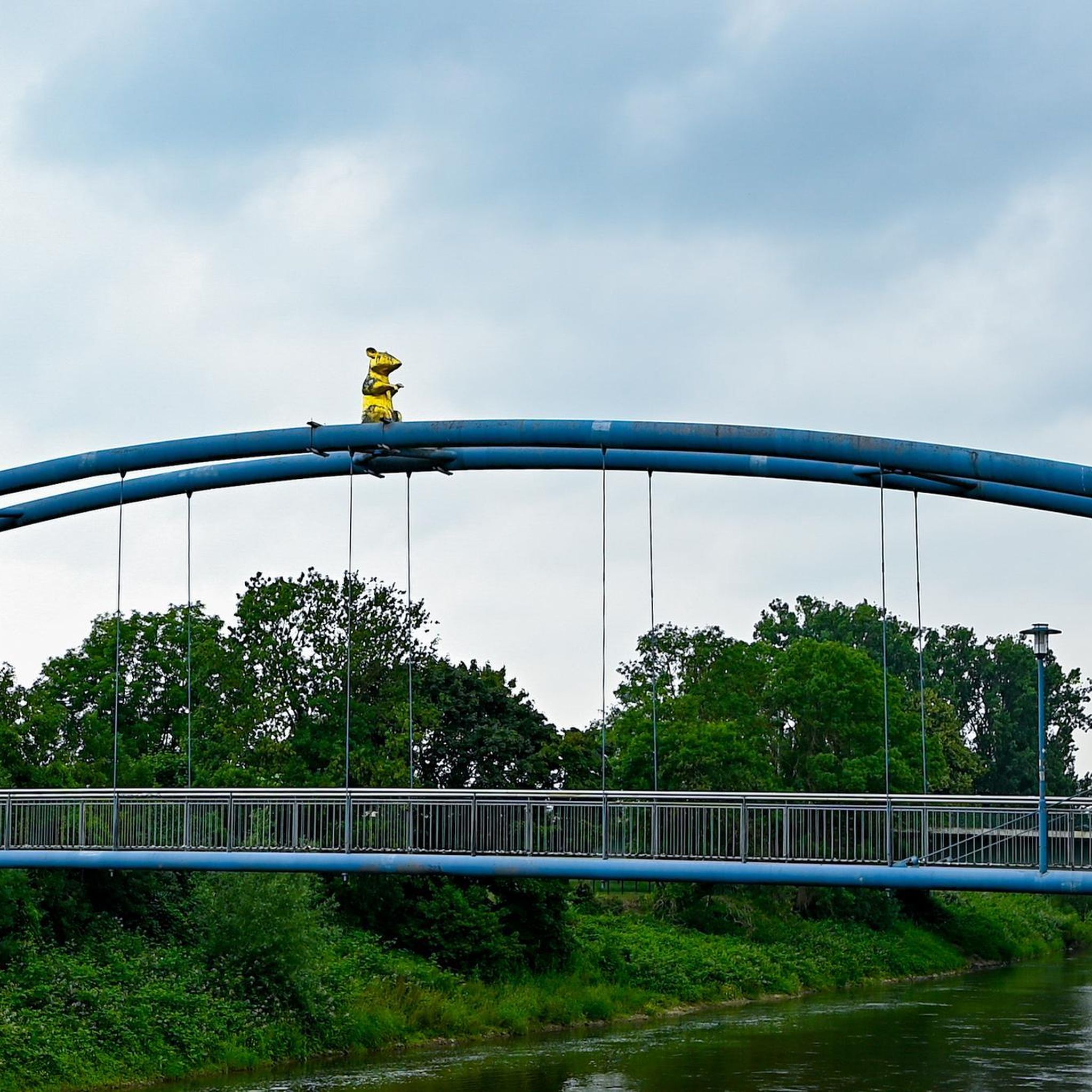
Urban trails in Bulgaria often lead through or near significant landmarks. In Plovdiv, routes like the Milyo the Madman Statue – East Gate loop take you through historical areas. Along the coast, trails in places like Sozopol offer views of ancient architecture and the sea, such as the View of the Beach in Sozopol loop. Many trails also pass by cultural sites and monuments.
Are there circular urban hiking routes available?
Yes, many urban hiking routes in Bulgaria are designed as loops, offering convenient starting and ending points. Examples include the Sea Garden (Primorski Park) – Primorski Park loop from Varna, which allows you to explore the city's coastal park and return to your starting point without retracing your steps.
What is the best time of year for urban hiking in Bulgaria?
The hiking season in Bulgaria generally runs from May to October, offering pleasant weather for urban walks. Spring and autumn provide milder temperatures and beautiful scenery, while summer is ideal for coastal walks and enjoying city parks. Even in winter, urban trails in cities like Sofia can be enjoyable, especially on clear days, though some higher-altitude urban-adjacent trails in the Vitosha Mountains might require appropriate gear for snow or ice.
Are urban trails in Bulgaria accessible by public transport?
Many urban trails, especially those within major cities like Sofia, Plovdiv, and Varna, are well-connected by public transport. For instance, the Vitosha Mountains near Sofia are easily reachable by bus, providing access to trails like those leading to Boyana Waterfall. Coastal city trails are often within walking distance of bus stops or city centers.
Are there cafes or restaurants near urban hiking trails?
Yes, urban hiking in Bulgaria often means you're never far from amenities. Trails in city parks, along promenades, or through historical centers typically have numerous cafes, restaurants, and shops nearby. For example, the Varna Sea Garden and the Plovdiv Old Town areas are well-served by dining options where you can relax after your walk.
What do other hikers enjoy most about urban hiking in Bulgaria?
The komoot community highly rates urban hiking in Bulgaria, with an average score of 4.6 stars. Reviewers often praise the accessibility of beautiful natural scenery right on the city's doorstep, the blend of historical sites with green spaces, and the well-maintained paths that make for enjoyable and varied walks.
Are there any permits required for urban hiking in Bulgaria?
For most urban parks, city promenades, and general city walks in Bulgaria, no specific permits are required. If your urban hike extends into protected natural areas or national parks adjacent to cities, such as parts of the Vitosha Mountains, there might be specific regulations or small entrance fees for certain attractions, but these are generally well-signposted.
Most popular routes in Bulgaria
Most popular attractions in Bulgaria

Get inspired with the komoot mobile app


Didn’t find what you were looking for?
Check out more Hikes throughout Bulgaria below and find the perfect route in your destination.
Explore more
Browse the best Hikes in other regions.
