The best traffic-free bike rides around Ybbs an der Donau
4.6
(2968)
18,908
riders
205
rides
No traffic touring cycling routes around Ybbs an der Donau are situated at the confluence of the Ybbs River and the Danube, offering diverse landscapes for cyclists. The region is characterized by the wide Danube valley, the narrower Ybbstal, and the rolling hills of the Mostviertel. Cyclists can find well-developed, paved paths along the rivers, transitioning to more varied terrain in the pre-alpine areas. This area provides a mix of riverside paths, orchards, and views of the Nibelungengau.
Best no…
Last updated: May 14, 2026
4.8
(72)
637
riders
Easy bike ride. Great for any fitness level. Mostly paved surfaces. Suitable for all skill levels.
4.7
(12)
73
riders
55.9km
03:17
220m
220m
Moderate bike ride. Good fitness required. Mostly paved surfaces. Suitable for all skill levels.

Sign up for free
5.0
(4)
65
riders
23.2km
02:21
610m
610m
Hard bike ride. Very good fitness required. Mostly paved surfaces. Suitable for all skill levels.
5.0
(4)
49
riders
Easy bike ride. Great for any fitness level. Mostly paved surfaces. Suitable for all skill levels.
4.8
(4)
30
riders
18.0km
01:17
350m
350m
Moderate bike ride. Good fitness required. Mostly paved surfaces. Suitable for all skill levels.
Get access to more routes and recommendations from other explorers.
Sign up for free
Already have an account?
Our route recommendations are based on thousands of hikes, rides, and runs completed by other people on komoot.
Start today with a free account
Your next adventure awaits.
Login or Signup
Popular around Ybbs an der Donau
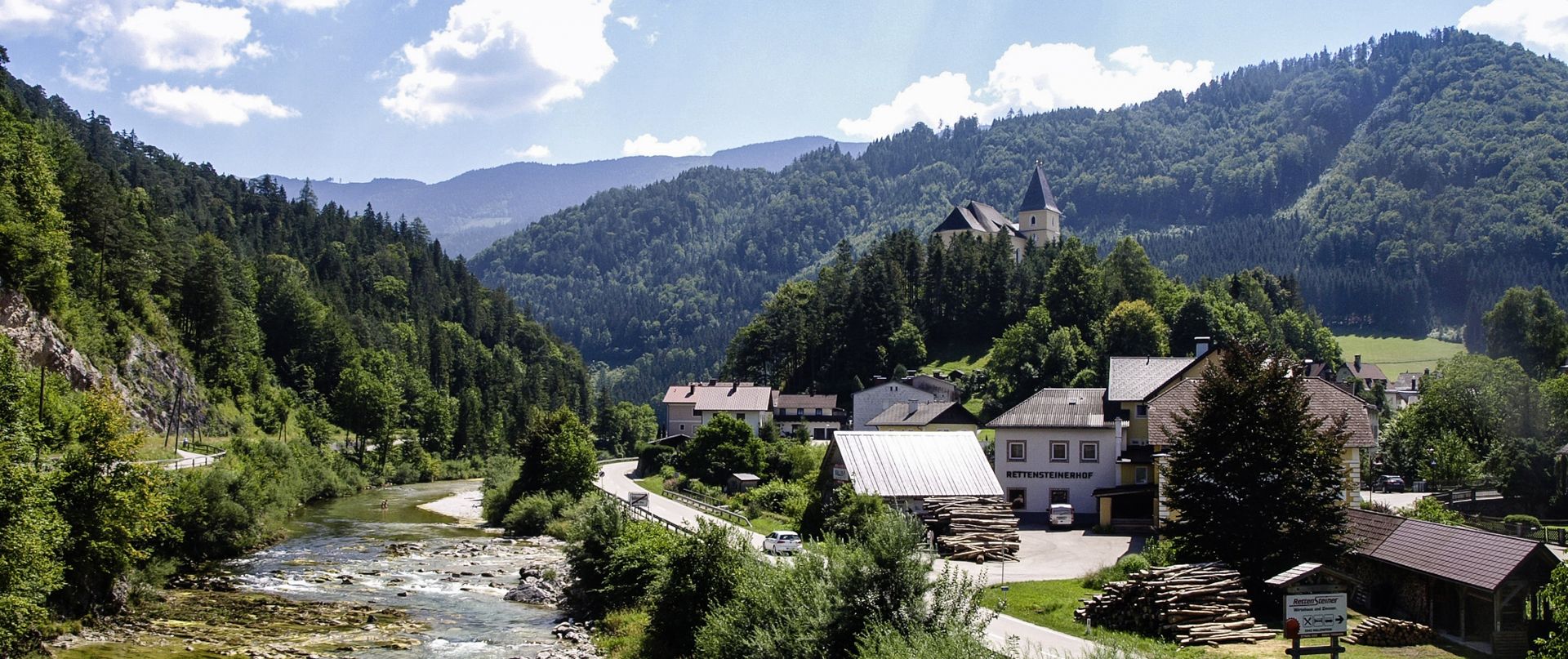
Ybbs Valley Cycle Path – Follow the tracks of the "Schafkäs-Express"
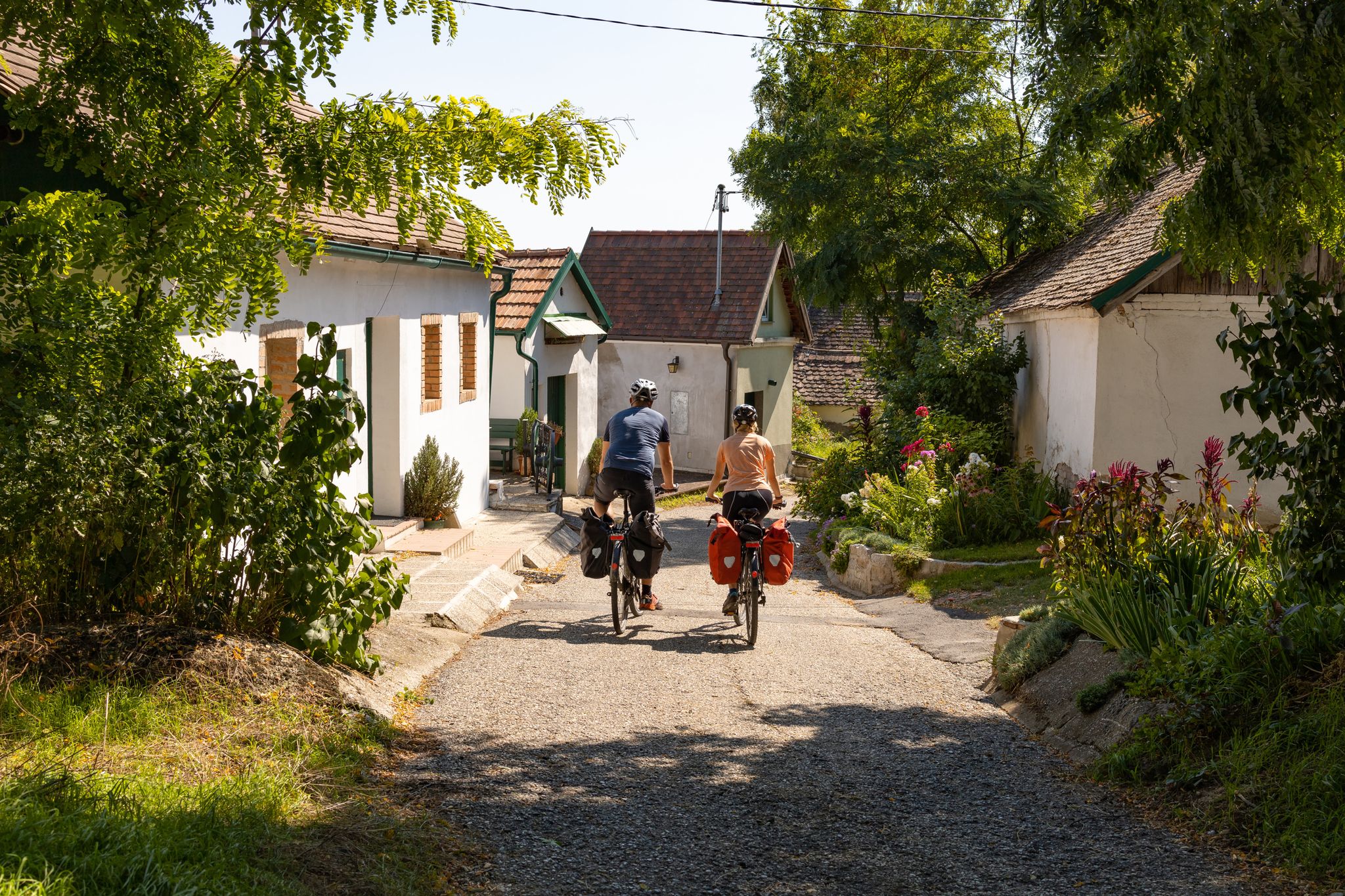
The most beautiful bike discovery Tours in Lower Austria
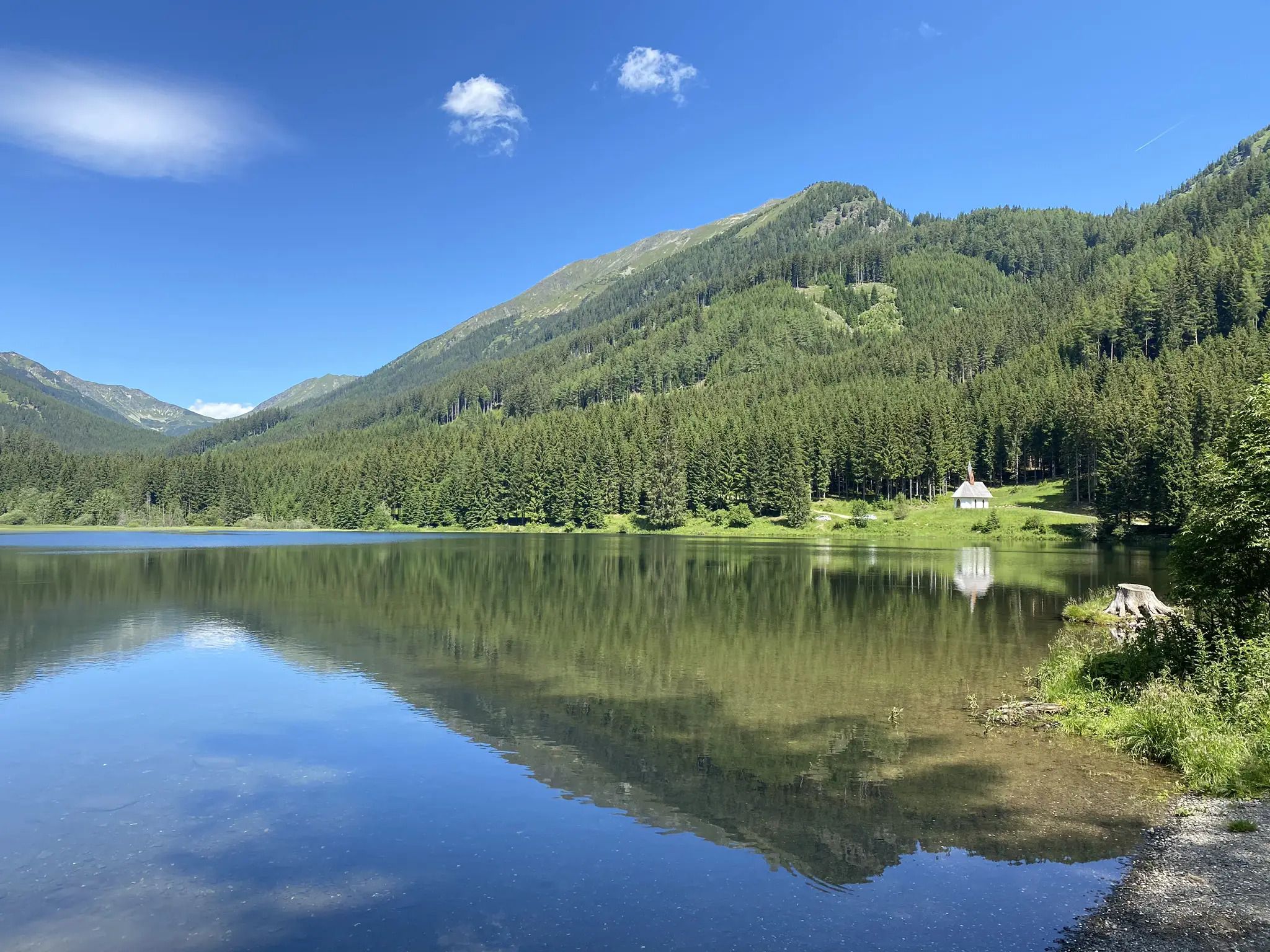
Eisenwurzen Trail – Hiking through Austria from north to south
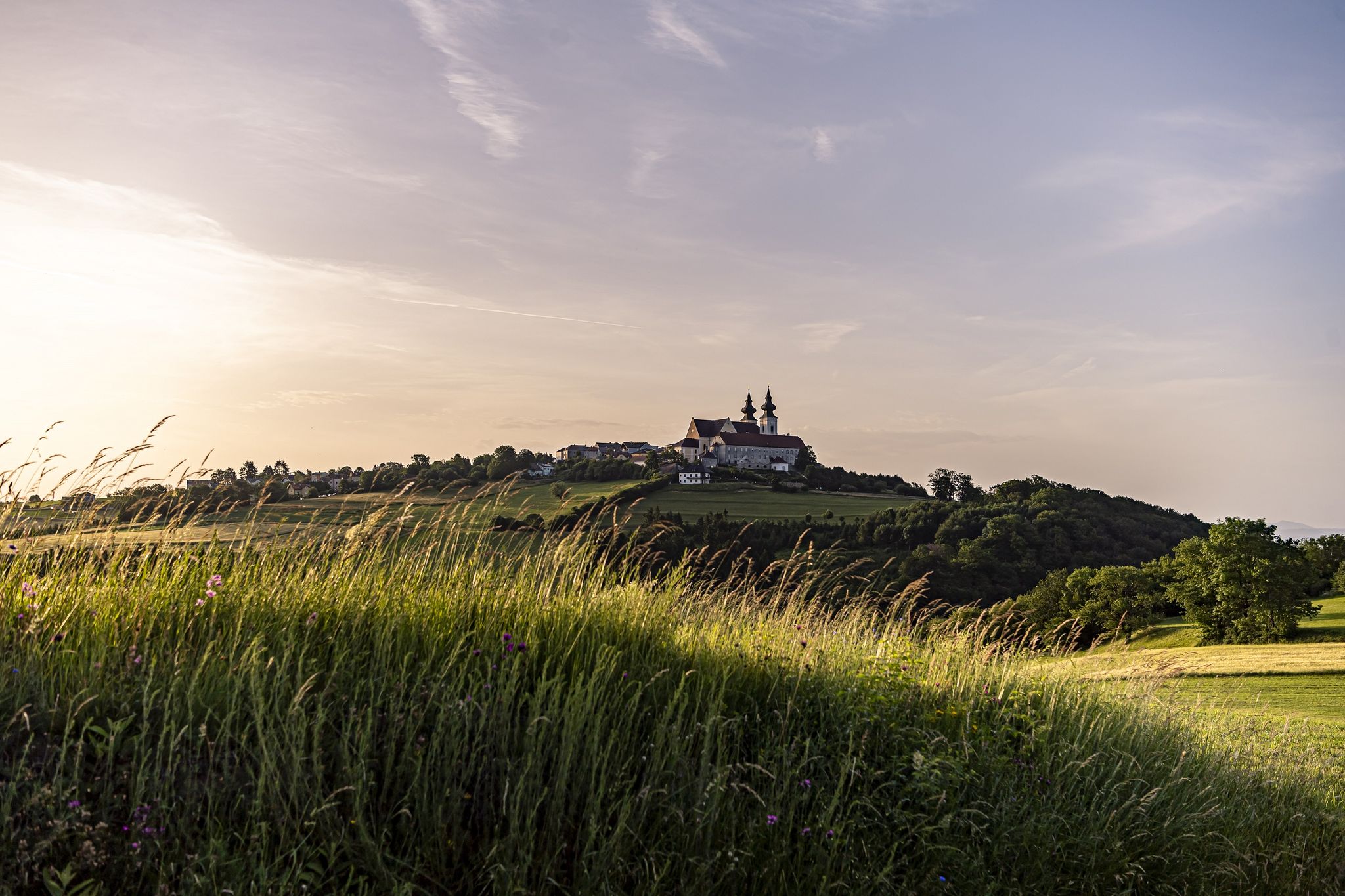
Hiking along the Danube in the Nibelungengau – Where legends come alive
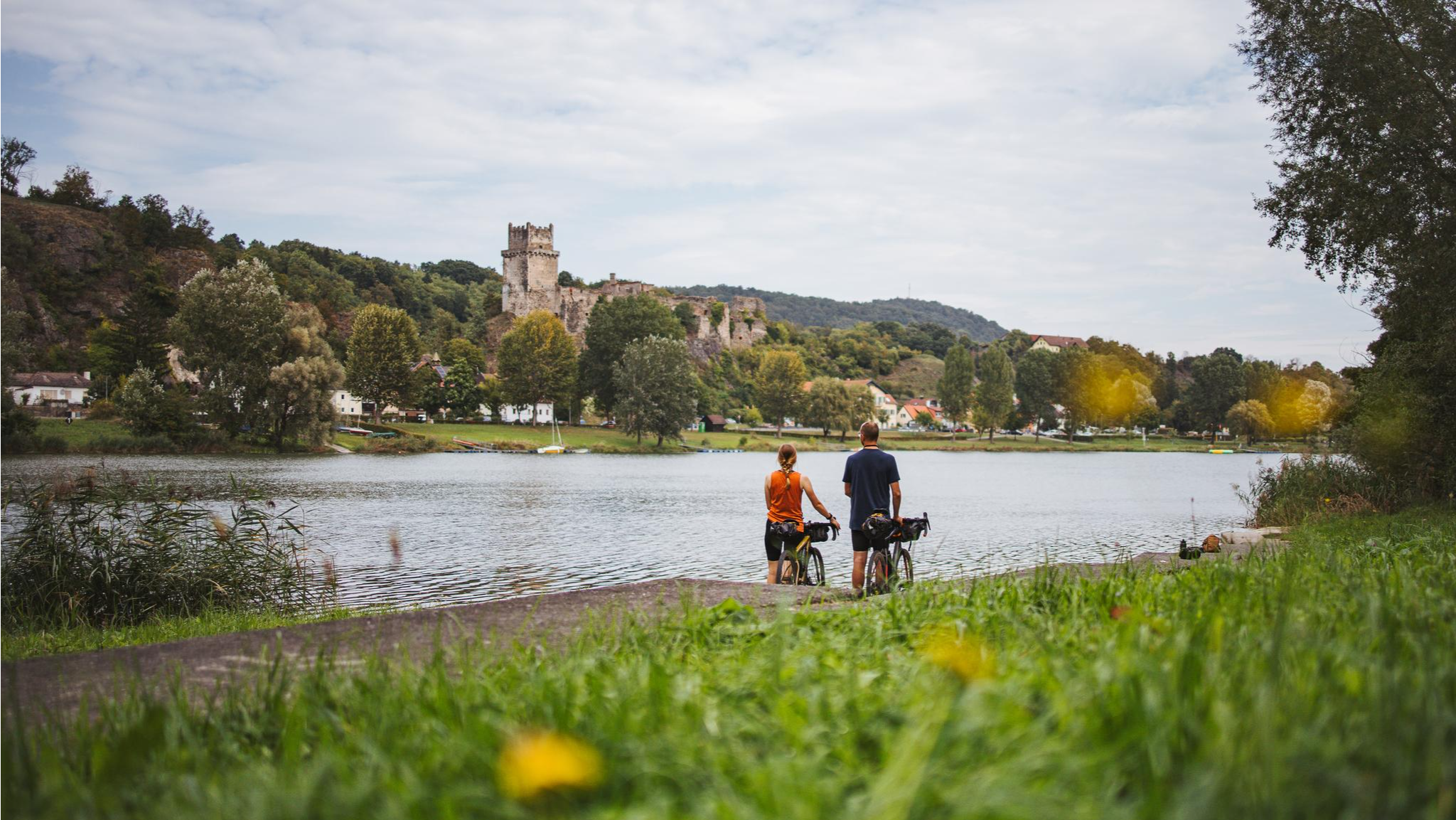
Radeln zu verborgenen Schätzen – Entdecke den Nibelungengau
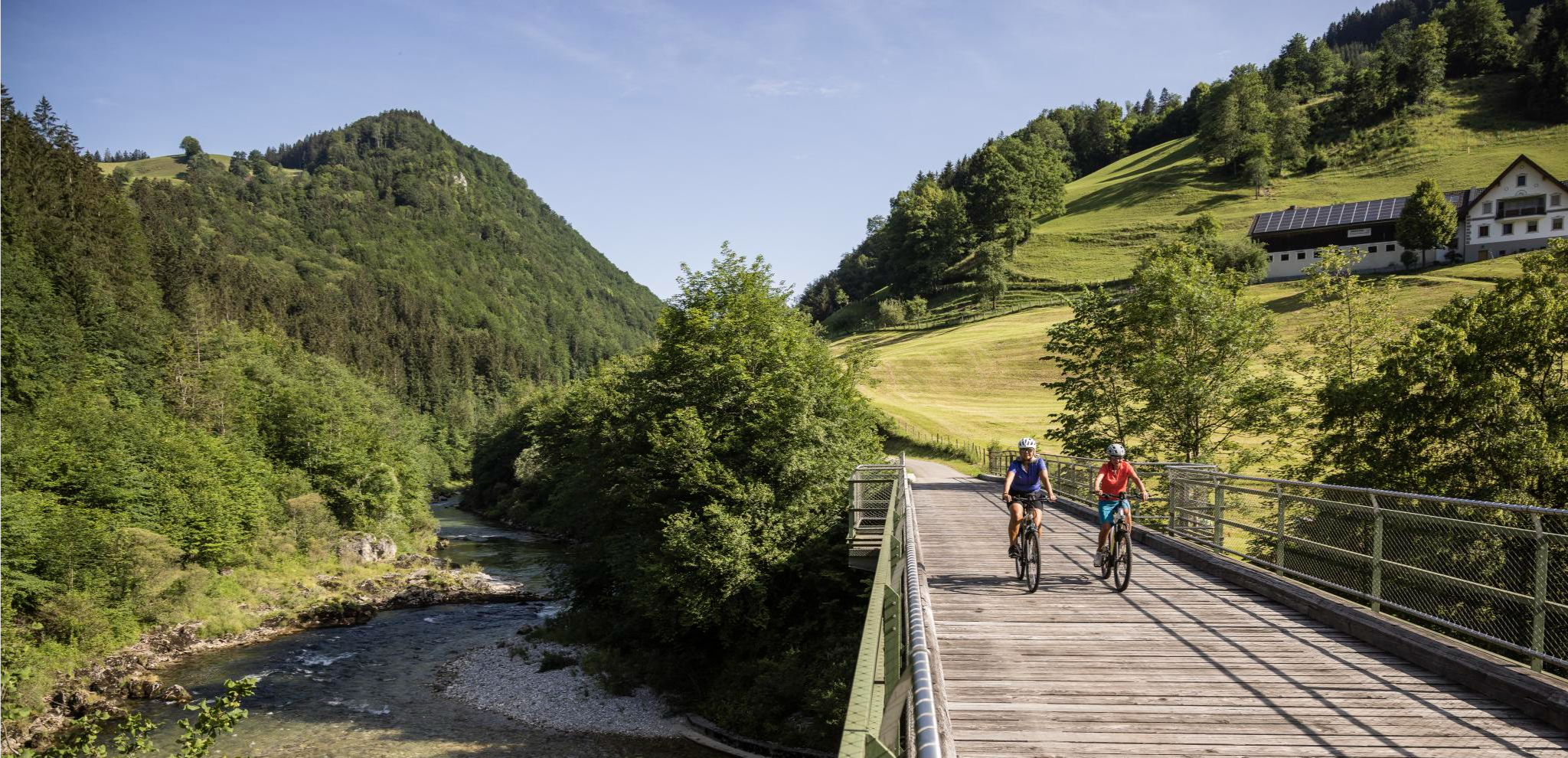
Flussradeln im Mostviertel: Genussvolle Touren entlang klarer Flüsse

Traffic-free bike rides around Ybbs an der Donau
Other adventures around Ybbs an der Donau


Tips from the Community

Today, Pöchlarn is an exciting mix of a highly modern logistics center on the Danube and a town that traces its roots back to Roman times. Long before the Nibelungs passed through the town, Pöchlarn was an important Roman base called Arelape. It was a fort directly on the Danube Limes. A part of the Roman Danube fleet was stationed here. During excavations in the town area (especially in the area of the church), ancient finds have been made again and again, proving how strategically important this place was even 2,000 years ago.
0
0
Pöchlarn is a town with an extremely deep history that goes far beyond the townscape of today. It is located in the Melk district on the southern bank of the Danube and is often referred to as the "Nibelungen City". Pöchlarn is inextricably linked to the Nibelungenlied, the famous medieval epic. In the city center you will find the modern Nibelungen monument with the coats of arms of the cities that appear in the epic. It is a must for a photo when you are in town.
0
0
Maria Taferl, after Mariazell, is the most important pilgrimage site in Lower Austria and a baroque work of art. The church is a "Who-is-Who" of Austrian Baroque architecture. Standing in front of it, you are looking at the work of the absolute elite of this time. Construction began in 1660 under Daniel Gran, but it was completed by none other than Jakob Prandtauer (the creator of Stift Melk) and Joseph Munggenast. The striking twin towers and the bright facade are placed in such a way that they look like a crown over the Danube valley.
0
0

From the Danube Cycle Path, there is an impressive view of Maria Taferl, picturesquely perched on a hill overlooking the Danube. The pilgrimage basilica, visible from afar, dominates the landscape and serves as a prominent landmark for cyclists. The view is particularly beautiful when approaching the area around Marbach or Pöchlarn: the church rises above the river valley, surrounded by rolling hills and vineyards, offering a harmonious interplay of nature, culture, and spirituality along the Danube Cycle Path.
2
0
A detour to the town center of Pöchlarn is highly recommended for cyclists on the Danube Cycle Path. The center is easily accessible from the riverbank, usually in just a few minutes via short cycle paths or quiet streets. There, you can explore the charming old town, take a break at one of the cafes or restaurants, or visit a small shop. After your visit, the route leads easily back to the Danube Cycle Path, making this detour a perfect addition to a day trip.
1
0

It is the most important pilgrimage site in Lower Austria and the second largest in Austria after Mariazell. The basilica is an impressive early Baroque building with a striking twin-tower facade.
1
0

Unfortunately, the fountain was dismantled in 2024 due to the construction of the new main square. Although a new fountain was erected, it cannot compare to the Kilian Fountain, which had long been a prominent feature of the cityscape.
0
0
From the opposite bank of the Danube, there is an impressive view of Maria Taferl, perched on a hill above the Danube. The pilgrimage church, with its striking baroque tower, is visible from afar and dominates the skyline of the Wachau region. The view is particularly charming from the Danube Cycle Path or from vantage points on the northern bank: you can see the church towering above the wooded slopes and terraced vineyards, while the wide river meanders peacefully below. The combination of historic architecture, picturesque landscape, and the Danube panorama makes this view a popular destination for cyclists and photographers.
1
0
Frequently Asked Questions
How many no-traffic touring cycling routes are available around Ybbs an der Donau?
There are over 200 touring cycling routes around Ybbs an der Donau that offer a traffic-free experience. These include 57 easy routes, 97 moderate routes, and 52 difficult routes, ensuring options for all skill levels.
What kind of terrain can I expect on the no-traffic cycling routes near Ybbs an der Donau?
The terrain varies significantly. Along the Danube Cycle Path, you'll find well-developed, paved, and mostly flat sections. The Ybbstal Cycle Path, especially its 'heart' section, also offers mostly flat terrain suitable for leisure cyclists. However, routes venturing into the Mostviertel region or towards the pre-alpine areas will feature rolling hills and more varied, sometimes rugged, landscapes.
Are there any family-friendly no-traffic cycling routes in the area?
Yes, many sections are ideal for families. The Ybbstal Cycle Path, particularly the 55 km stretch between Waidhofen an der Ybbs and Lunz am See, is known for its mostly flat terrain and scenic beauty, following a former railway line. The Danube Cycle Path also offers numerous easy, paved sections perfect for family outings.
What are some notable landmarks or attractions I can see along these routes?
You can discover several interesting sights. The prominent Pilgrimage Basilica of Maria Taferl is visible from afar. You might also pass by the Ybbs Old Town, or catch a view of Persenbeug Castle. The Erlauf Gorge offers natural beauty, and the Ybbs-Persenbeug Hydroelectric Power Plant provides insight into hydropower.
Are there any circular no-traffic cycling routes starting from Ybbs an der Donau?
Yes, there are several circular routes. For an easy option, consider the View of Maria Taferl Basilica loop from Ybbs an der Donau, which is nearly 29 km long. A moderate, longer option is the Ybbs Old Town – Jakobsbrunnweg, Amstetten loop, covering almost 56 km.
What is the best time of year to cycle the no-traffic routes around Ybbs an der Donau?
The best time for touring cycling is generally from spring to autumn (April to October). During these months, the weather is typically mild and pleasant, and the landscapes, especially the orchards of the Mostviertel, are at their most beautiful. Summer offers warm temperatures, ideal for enjoying the riverside paths and lakes like Lunzer See.
What do other touring cyclists enjoy most about cycling in Ybbs an der Donau?
The komoot community highly rates the cycling experience in this region, with an average score of 4.8 out of 5 stars from over 800 ratings. Reviewers often praise the well-maintained, traffic-free paths along the Danube and Ybbs rivers, the picturesque views of the Mostviertel, and the blend of natural beauty with cultural landmarks like Maria Taferl Basilica.
Are there any challenging no-traffic routes for experienced touring cyclists?
Yes, for those seeking a challenge, there are difficult routes available. An example is the View of Maria Taferl – Naturfreundestein loop from Persenbeug-Gottsdorf, which features significant elevation changes over its 23 km distance, offering a more demanding ride.
Can I access these cycling routes using public transport?
Ybbs an der Donau is well-connected, and sections of the Danube Cycle Path and Ybbstal Cycle Path are often accessible via regional trains that allow bicycle transport. It's advisable to check local train schedules and bicycle policies for specific routes and times.
Are there any moderate no-traffic routes that offer a good balance of distance and elevation?
Certainly. A good moderate option is the Hengstberghütte – St. Martin Church loop from Ybbs an der Donau. This route covers approximately 18 km with a moderate elevation gain, providing a satisfying ride without being overly strenuous.
What are the surface types like on the no-traffic bike paths?
The primary no-traffic routes, such as the Danube Cycle Path and significant portions of the Ybbstal Cycle Path, are predominantly paved and well-maintained, making them suitable for touring bikes. Some sections, especially those venturing into more rural or forested areas, might include compacted gravel or natural paths, but the main touring routes are generally smooth.
Most popular attractions around Ybbs an der Donau

Get inspired with the komoot mobile app


Explore more
Browse the best Cycling routes in other regions.
