The best traffic-free bike rides around Xanten
4.5
(4659)
21,504
riders
89
rides
No traffic touring cycling routes around Xanten are characterized by a predominantly flat terrain, making them suitable for relaxed rides. The region features diverse waterways, including the prominent Xanten North and South Lakes, and the expansive Lower Rhine Floodplain. Rivers such as the Niers also contribute to the varied landscape, offering scenic routes through natural areas. While generally flat, areas like Fürstenberg provide slight elevation changes, adding variety to the cycling experience.
Best no traffic touring cycling routes around Xanten
…Last updated: August 6, 2026
4.7
(316)
1,071
riders
43.7km
02:41
70m
70m
Moderate bike ride. Good fitness required. Mostly paved surfaces. Suitable for all skill levels.
4.7
(260)
732
riders
56.3km
03:45
160m
160m
Moderate bike ride. Good fitness required. Mostly paved surfaces. Suitable for all skill levels.

Sign up for free
4.7
(205)
610
riders
Easy bike ride. Great for any fitness level. Mostly paved surfaces. Suitable for all skill levels.
4.6
(140)
478
riders
Moderate bike ride. Good fitness required. Mostly paved surfaces. Suitable for all skill levels.
4.7
(93)
580
riders
10.8km
00:40
30m
30m
Easy bike ride. Great for any fitness level. Mostly paved surfaces. Suitable for all skill levels.
Get access to more routes and recommendations from other explorers.
Sign up for free
Already have an account?
Our route recommendations are based on thousands of hikes, rides, and runs completed by other people on komoot.
Start today with a free account
Your next adventure awaits.
Login or Signup


Tips from the Community

It's also worth just going in a different direction at this point. There's always something new to discover
0
0

Rental boats, food, e-bike charging stations, boat trip etc.
0
0

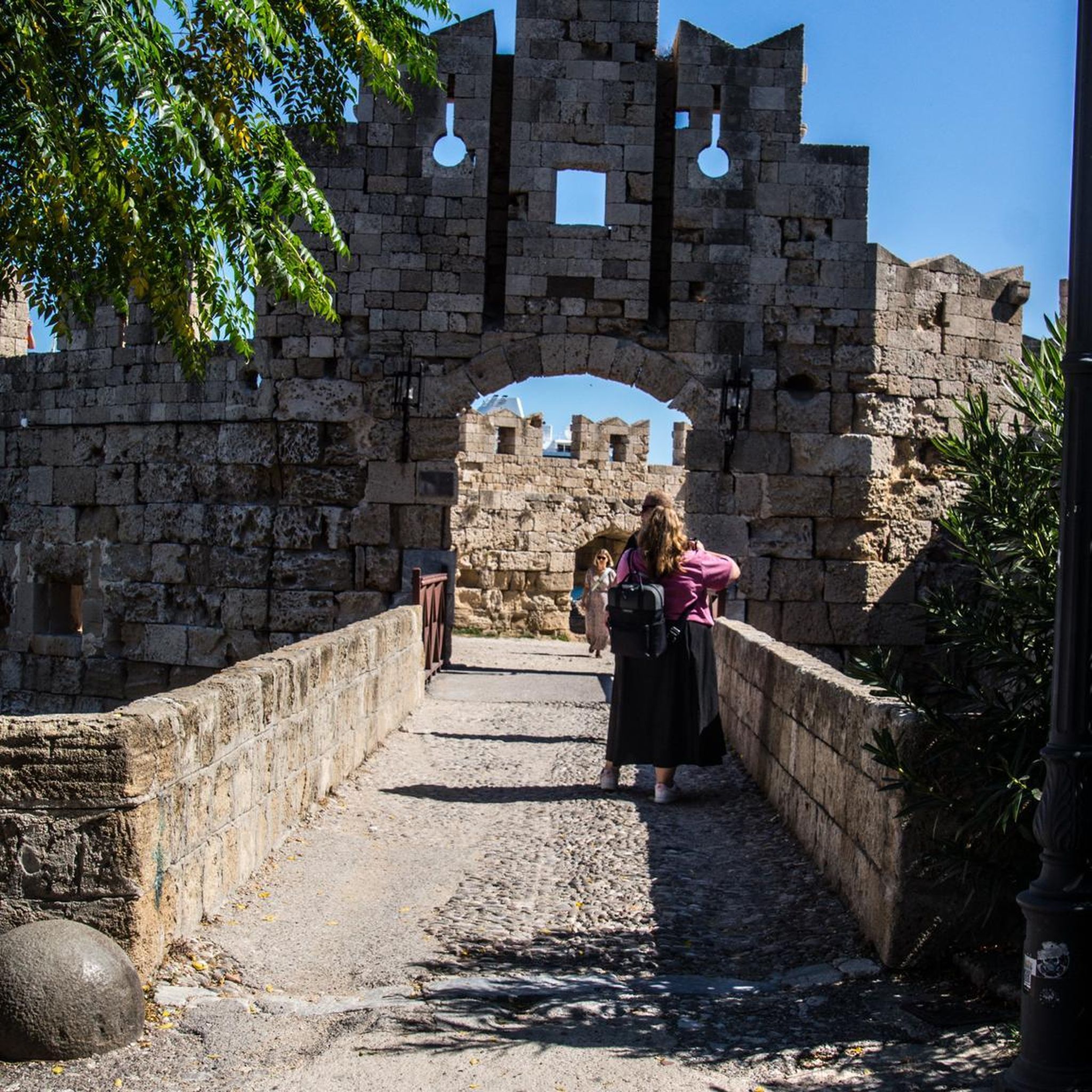
The 3.4 km long and 6 m high city wall was built starting in 105 AD and featured a parapet walk or earthworks on its inner side. The top of the wall was crowned with battlements, and a double ditch ran along three sides of the fortifications, while only a simple V-shaped ditch existed on the harbor side. Nevertheless, the wall was primarily intended to demonstrate Roman power. The fortifications had a total of 22 towers and three impressive main gates with double passageways on the main roads: the North Gate (also known as the Burginatum Gate), the Maastor Gate, and the Vetera Gate. Since there was no main gate on the Rhine side, some of the towers, such as the Harbor Gate, the Molentor Gate, and the Small Harbor Gate, had simple passageways. Today, the eastern corner of the Roman city wall near the amphitheater, the North Gate, and the nine towers between the North Gate and the main entrance to the city center have been partially reconstructed. To create a continuous facade, the remaining spaces between the towers are planted with hedges. The city wall is to be gradually reconstructed and sections of it are now open to the public. The North Gate, also known as the Burginatium Gate, was the main northern gate leading towards the Roman fort of Burginatium (in Altkalkar). It was reconstructed to its full height. Like the other two main gates, it had a double passageway, was flanked by gate towers, and consisted of three stories. The gate is now open to the public and houses the exhibition "Death & Burial." The harbor of Roman Xanten was located at the Harbor Gate (or East Gate). This gate had a single passageway and is now open to the public. In front of the Molen Gate, which also had a single passageway, the Rhine harbor mole was located in Roman times. However, the Rhine silted up around 300 BC, necessitating the construction of a new mole further north. The gate tower is now open to the public and serves as the entrance to the Harbor Temple park. Source: https://www.roemer-tour.de/roemerwegen/deutschland/nordrhein-westfalen/xanten-colonia-ulpia-traiana/stadtmauer-tore-xanten/
1
0

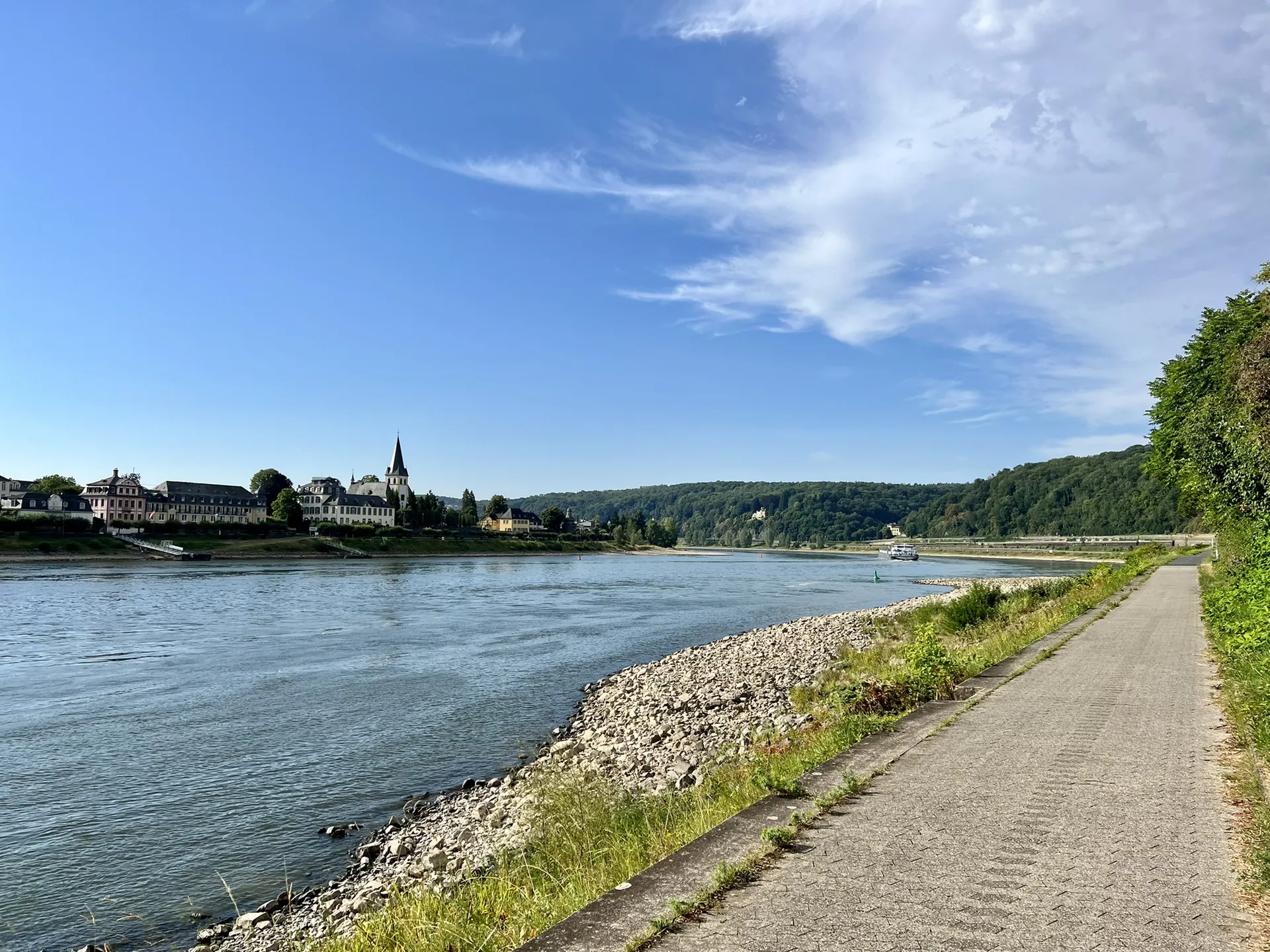
A very beautiful cycle path along the Niers River. It can be muddy after prolonged rain.
0
0

The Lower Rhine Bridge is an interesting and impressive structure
1
0

In beautiful cycling weather, we took a bike tour along the Castles & Palaces Route on the Lower Rhine. The journey is well worth it for a day trip, so we grabbed our bikes and enjoyed the sunny day in the beautiful landscape. We discovered many sights along the way. I'll show you which moated castles typical of the Lower Rhine are located along the bike route. Learn how we took the ferry, where we discovered the Lower Rhine gold, and where pilgrims have been making pilgrimages for centuries: https://www.netreisetagebuch.de/burgen-und-schloesser-route/
1
0
All in all, we really enjoyed the Castles & Palaces Route. It runs along varied paths through the beautiful landscape of the Lower Rhine. There's always something to discover and learn along the way. There are also numerous places to stop for refreshments and rest stops along the route, so you can take plenty of breaks. We can definitely recommend this bike tour with a clear conscience. We were particularly pleased to discover not only nature but also a piece of Lower Rhine history along the way. Learn more about our exciting tour on the Castles & Palaces Route at: https://www.netreisetagebuch.de/burgen-und-schloesser-route/
0
1
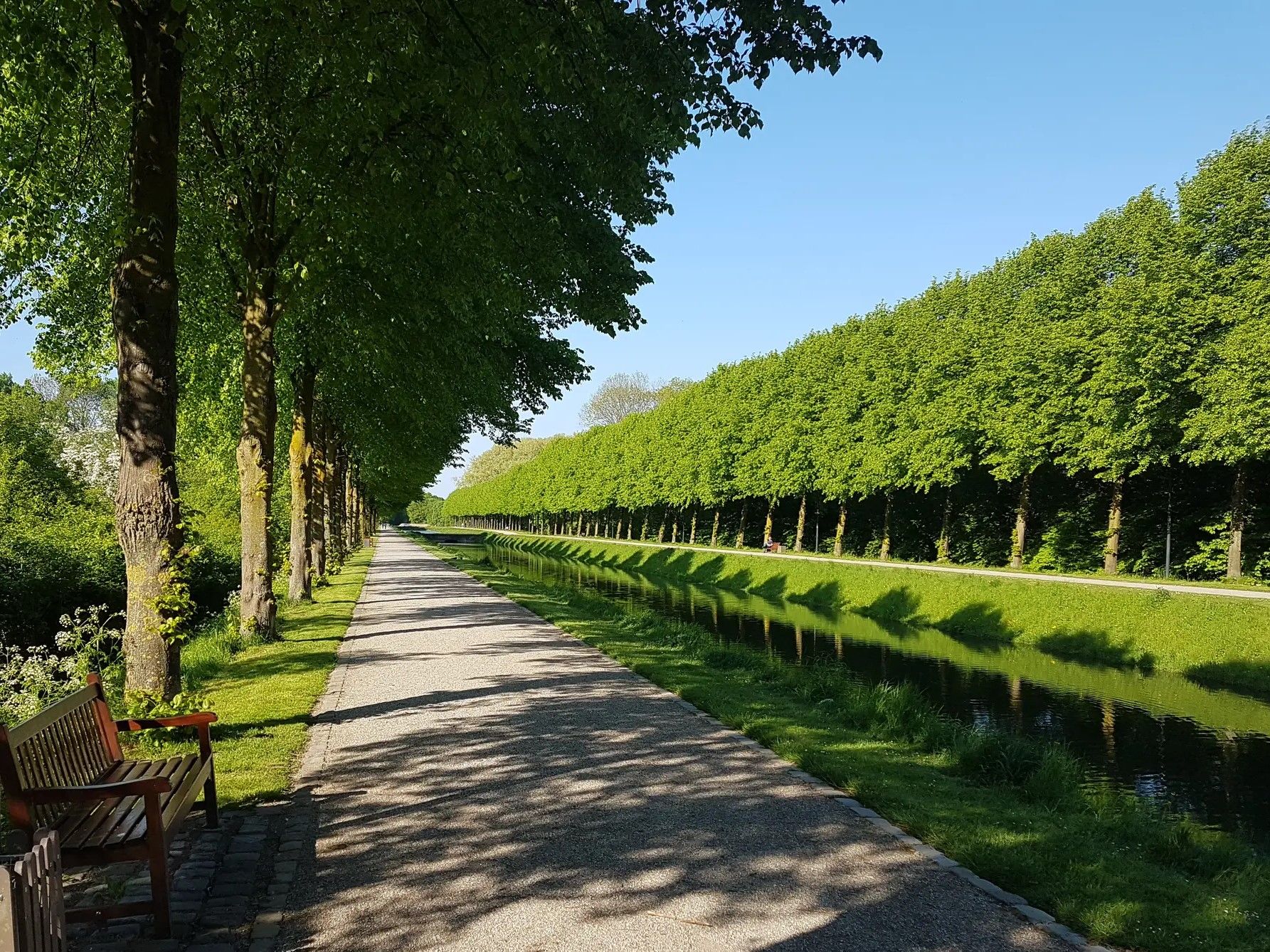
The Lower Rhine Castles & Palaces Route runs for approximately 50 kilometers through the Lower Rhine plain. It connects the towns of Kevelaer, Weeze, Goch, and Geldern. True to its name, you'll pass numerous castles along the way. The first part of the cycle tour follows an idyllic path along the Niers River. Since a river doesn't flow in a circle, the second half of the circular tour mainly cycles through meadows and fields. But that's precisely what makes the Lower Rhine Castles & Palaces Route so diverse: https://www.netreisetagebuch.de/burgen-und-schloesser-route/
0
0
Frequently Asked Questions
How many traffic-free touring cycling routes are available around Xanten?
There are over 80 dedicated traffic-free touring cycling routes around Xanten, offering a wide variety of experiences. Approximately half of these, 48 routes, are classified as easy, making them suitable for all skill levels. The remaining routes are moderate or more challenging.
What kind of landscapes can I expect on traffic-free cycling routes in Xanten?
Xanten's traffic-free routes primarily traverse the flat, picturesque Lower Rhine region. You'll cycle along diverse waterways, including the scenic Xantener Nord- and Südsee, and through expansive floodplains like the Bislicher Insel Nature Reserve. Many routes also follow rivers such as the Niers, offering tranquil views and opportunities to observe local wildlife. While predominantly flat, areas like Uedemer Bruch and Sonsbecker Schweiz offer slightly varied wetland landscapes.
Are there any family-friendly traffic-free cycling routes in Xanten?
Yes, Xanten is ideal for family cycling due to its generally flat terrain and numerous easy, traffic-free paths. Routes like the Kriemhild Mill, Xanten – Xanten South Sea loop from Xanten are shorter and very accessible, perfect for families with children. The well-developed network ensures a safe and enjoyable experience for all ages.
What historical attractions can I visit along traffic-free cycling routes?
Xanten is rich in history, especially its Roman past. Many traffic-free routes pass by or lead directly to significant sites. The Archaeological Park Xanten (LVR Archäologischer Park Xanten) is a major highlight, allowing cyclists to explore reconstructed Roman buildings. You can also cycle through the historic town center to see the impressive Xanten Cathedral (St. Viktor Dom).
What is the best time of year for traffic-free touring cycling in Xanten?
The spring and autumn seasons are particularly recommended for cycling in Xanten. During these times, temperatures are mild, and the natural beauty of the Lower Rhine region is vibrant, with blooming landscapes in spring and colorful foliage in autumn. Summer is also pleasant, though it can be warmer, while winter cycling is possible but requires appropriate gear for colder, potentially wetter conditions.
Are there any circular traffic-free cycling routes around Xanten?
Yes, many of the traffic-free routes around Xanten are designed as loops, offering convenient starting and ending points. For example, the Xanten South Lake – Marina at Xantener Nordsee loop from Xanten provides a beautiful lakeside circular experience. The guide features numerous such routes, allowing you to explore without retracing your steps.
What is the typical surface quality of the traffic-free cycling paths?
The traffic-free cycling paths in Xanten are generally well-maintained and offer a good surface quality, suitable for touring bikes. Many routes feature paved surfaces, especially those around the lakes and through villages, ensuring a smooth ride. Some paths, particularly those through nature reserves or along rivers like the Niers, might include compacted gravel sections, as seen on the Gravel path along the Niers River – Niers River Path loop from Xanten.
Can I find places to eat or stay along the traffic-free routes?
Yes, Xanten and its surrounding villages offer various bike-friendly cafes, pubs, and accommodations. Many routes pass through charming settlements or along the Xantener Nord- and Südsee, where you can find places to stop for refreshments or a meal. The historic town center of Xanten itself provides numerous options for a break.
Are there any specific nature reserves or wildlife viewing opportunities on these routes?
Absolutely. The Bislicher Insel Nature Reserve is a prime location for wildlife viewing, especially birds and even water buffalo. Routes like the Bislicher Island Nature Reserve – Niederrhein Bridge Wesel loop from Xanten take you directly through this area, offering excellent opportunities to observe local flora and fauna in a tranquil, traffic-free setting.
How well are the traffic-free cycling routes in Xanten signposted?
The cycling network in Xanten and the wider Lower Rhine region is generally well-developed and signposted. You'll find clear signage, often following regional cycling networks like the NiederrheinRadweg, which helps with navigation on traffic-free paths. Using komoot's navigation on your phone or GPS device can further enhance your experience, providing turn-by-turn directions for these specific routes.
What do other touring cyclists enjoy most about the traffic-free routes in Xanten?
The komoot community highly rates the touring cycling experience in Xanten, with an average score of 4.5 stars. Reviewers often praise the peaceful, car-free environment, the beautiful lakeside views, and the rich historical sites accessible directly from the bike paths. The flat terrain and well-maintained surfaces are frequently highlighted as ideal for relaxed and enjoyable rides.
Is parking available near the starting points of traffic-free bike trails?
Yes, Xanten offers various parking options, particularly in and around the town center and near popular attractions like the Xantener Nord- and Südsee. Many of these parking areas are conveniently located close to the starting points of traffic-free cycling routes, making it easy to unload your bike and begin your tour.
Most popular routes around Xanten
Most popular attractions around Xanten

Get inspired with the komoot mobile app


Explore more
Browse the best Cycling routes in other regions.
