The best traffic-free bike rides around Riedenburg
4.5
(135)
1,025
riders
7
rides
Gravel biking around Riedenburg offers diverse terrain within Bavaria's Altmühl Valley, characterized by river valleys, plateaus, and distinctive Jura upland rocks. The landscape features the tranquil Altmühl River, white cliffs, green pastures, and juniper heathlands, providing varied surfaces for gravel cyclists. Routes often combine compacted gravel sections with unpaved paths, traversing picturesque hills and dense forests. This region provides a mix of terrain suitable for various fitness levels, from gentle riverside paths to more demanding excursions.
Best no traffic gravel bike trails around Riedenburg
- The most popular no traffic gravel bike trail is Castles and Valleys - Graveling in the Altmuehltal Nature Park, a 34.9 miles (56.1 km) trail that takes 3 hours 53 minutes to complete. This route explores the Altmühltal Nature Park, combining historical sights with natural landscapes.
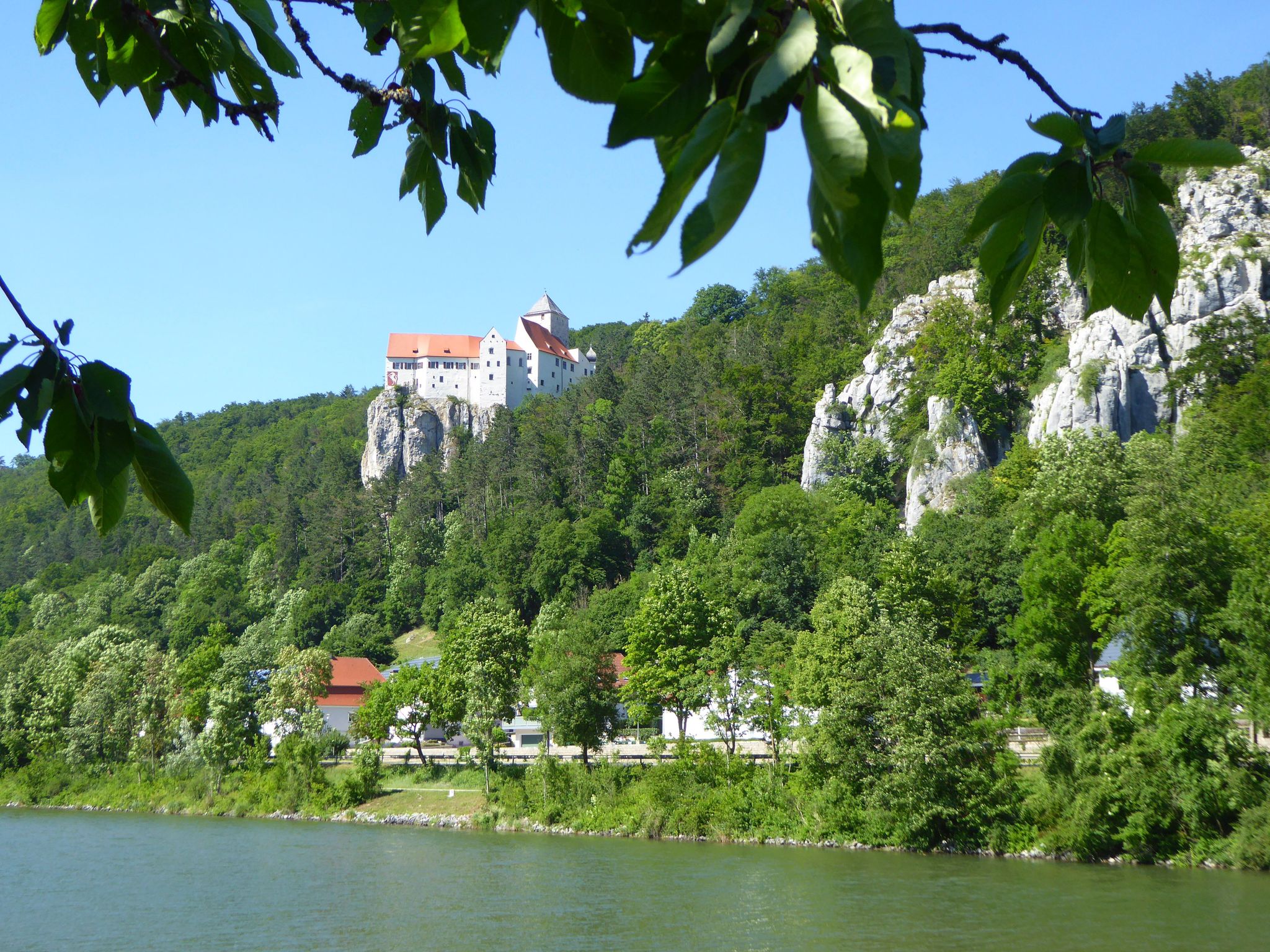
- Another top favourite among local gravel bikers is Prunn Castle photo spot – View of the Danube Gorge loop from Riedenburg, a difficult 31.9 miles (51.4 km) path. This route offers views of Prunn Castle and the Danube Gorge, traversing varied terrain.
- Local gravel bikers also love the Old Weir on the Altmühl – Altmühl River at Kottingwörth loop from Riedenburg, a 35.7 miles (57.4 km) trail leading through the Altmühl River valley, often completed in about 2 hours 49 minutes.
- Gravel biking around Riedenburg is defined by the Altmühl River valley, Jura upland rocks, and dense forests. The network offers options for different ability levels, from moderate riverside paths to difficult climbs.
- The routes in Riedenburg are highly rated by the komoot community with an average score of 4.6 stars from over 80 reviews. More than 650 gravel bikers have used komoot to explore Riedenburg's varied terrain.
Last updated: May 14, 2026
4.7
(6)
36
riders
56.1km
03:53
460m
460m
Hard gravel ride. Very good fitness required. Mostly paved surfaces. Suitable for all skill levels.
4.0
(1)
21
riders
51.4km
03:10
650m
650m
Hard gravel ride. Very good fitness required. Mostly paved surfaces. Suitable for all skill levels.

Sign up for free
4.8
(16)
77
riders
Moderate gravel ride. Good fitness required. Mostly paved surfaces. Suitable for all skill levels.
4.7
(6)
30
riders
51.1km
02:58
610m
610m
Hard gravel ride. Very good fitness required. Mostly paved surfaces. Suitable for all skill levels.
5.0
(1)
6
riders
Hard gravel ride. Very good fitness required. Mostly paved surfaces. Suitable for all skill levels.
Get access to more routes and recommendations from other explorers.
Sign up for free
Already have an account?
Our route recommendations are based on thousands of hikes, rides, and runs completed by other people on komoot.
Start today with a free account
Your next adventure awaits.
Login or Signup
Popular around Riedenburg
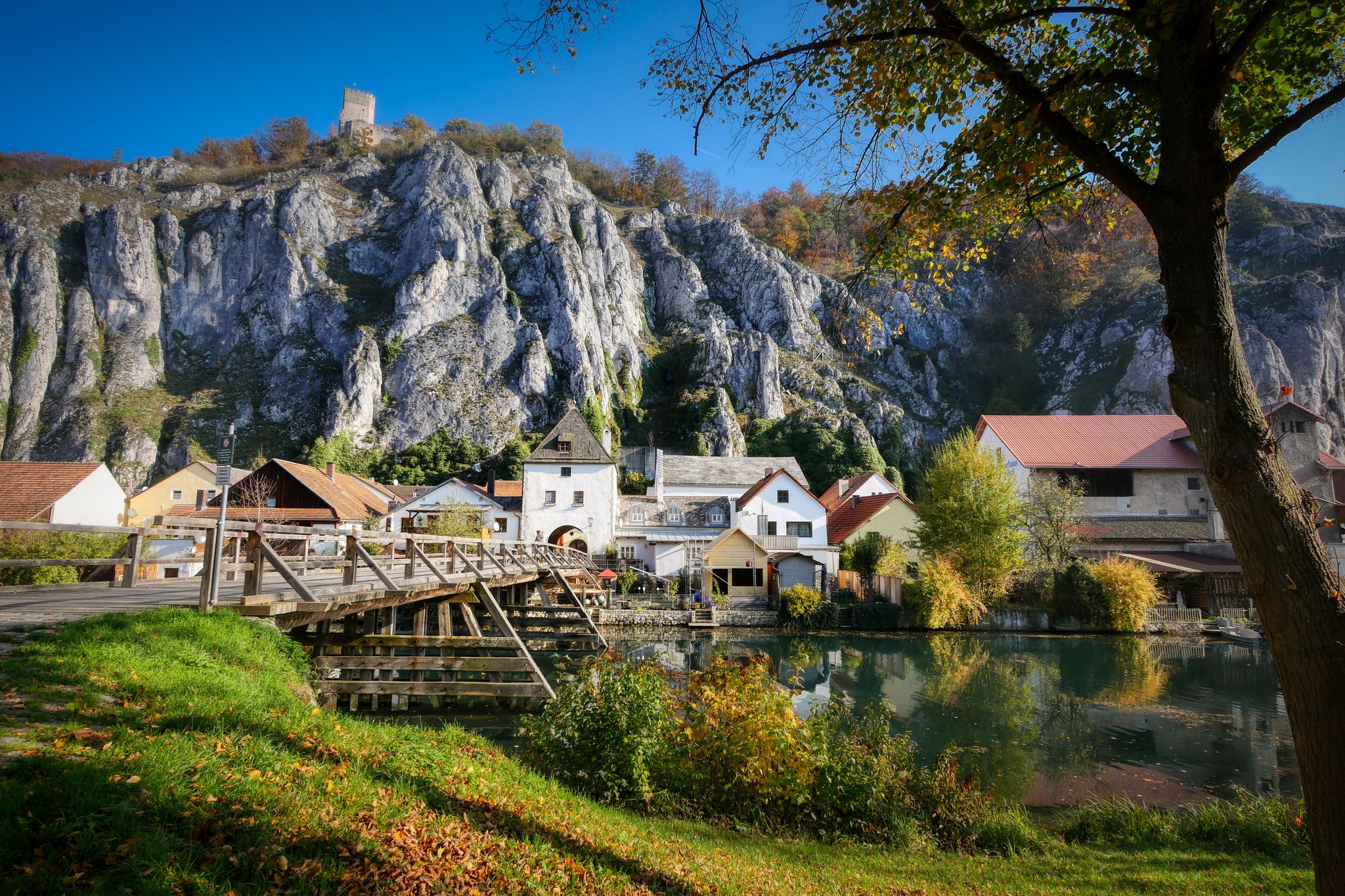
Jurasteig — hiking in the heart of Bavaria
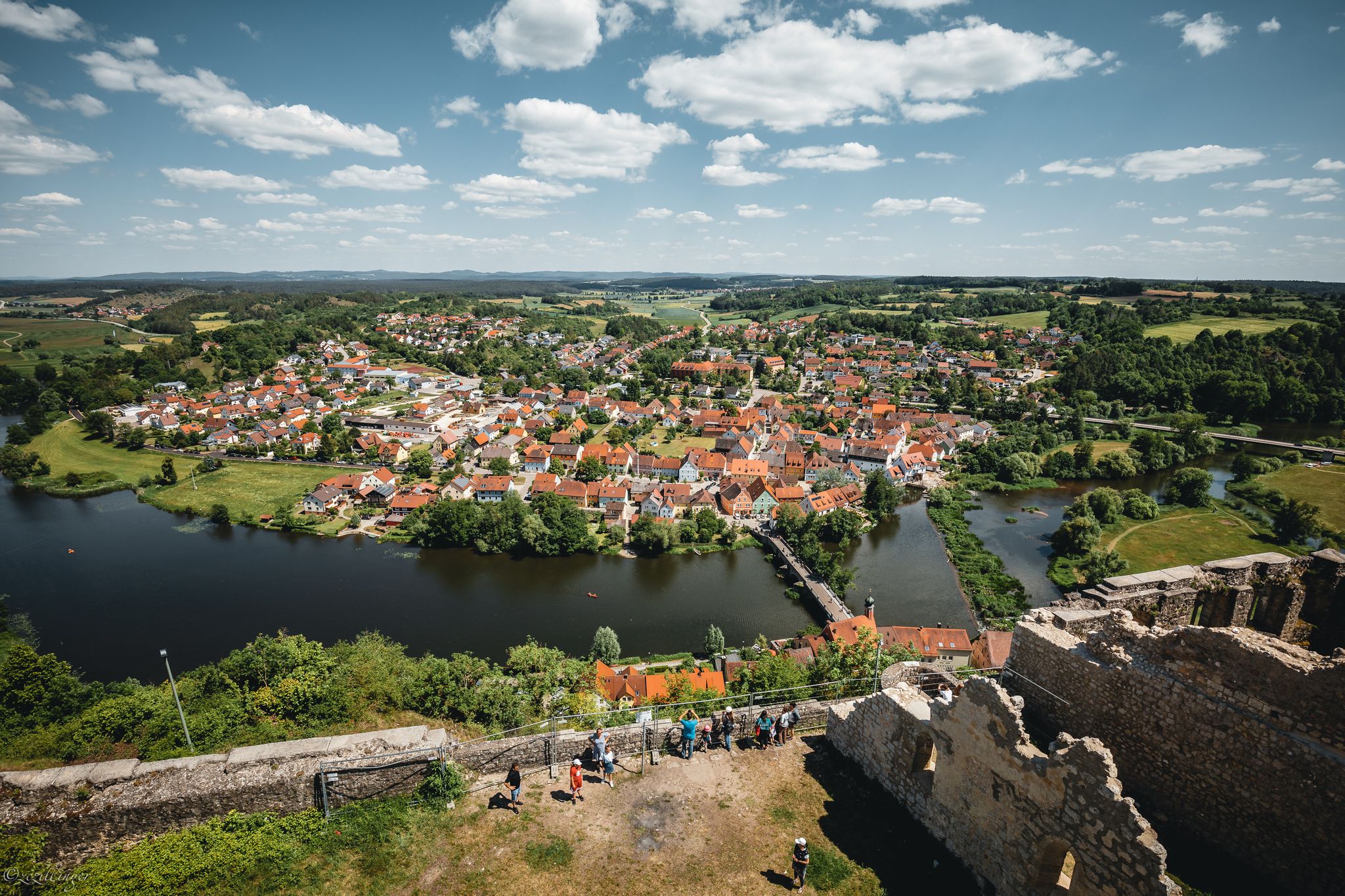
The Jura Trail — Bikepacking Bavaria
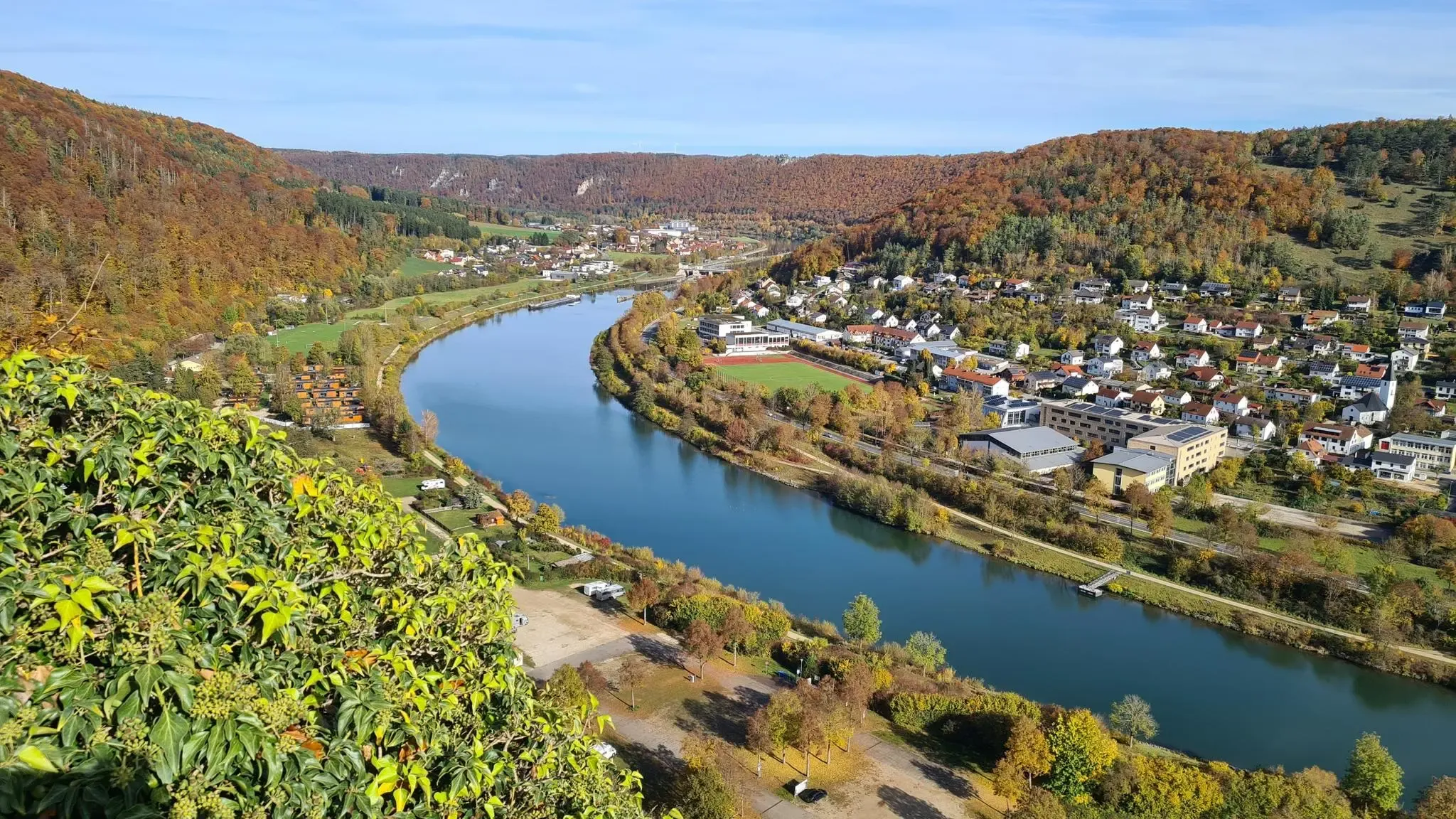
Golden trails – autumn hiking in Altmühltal
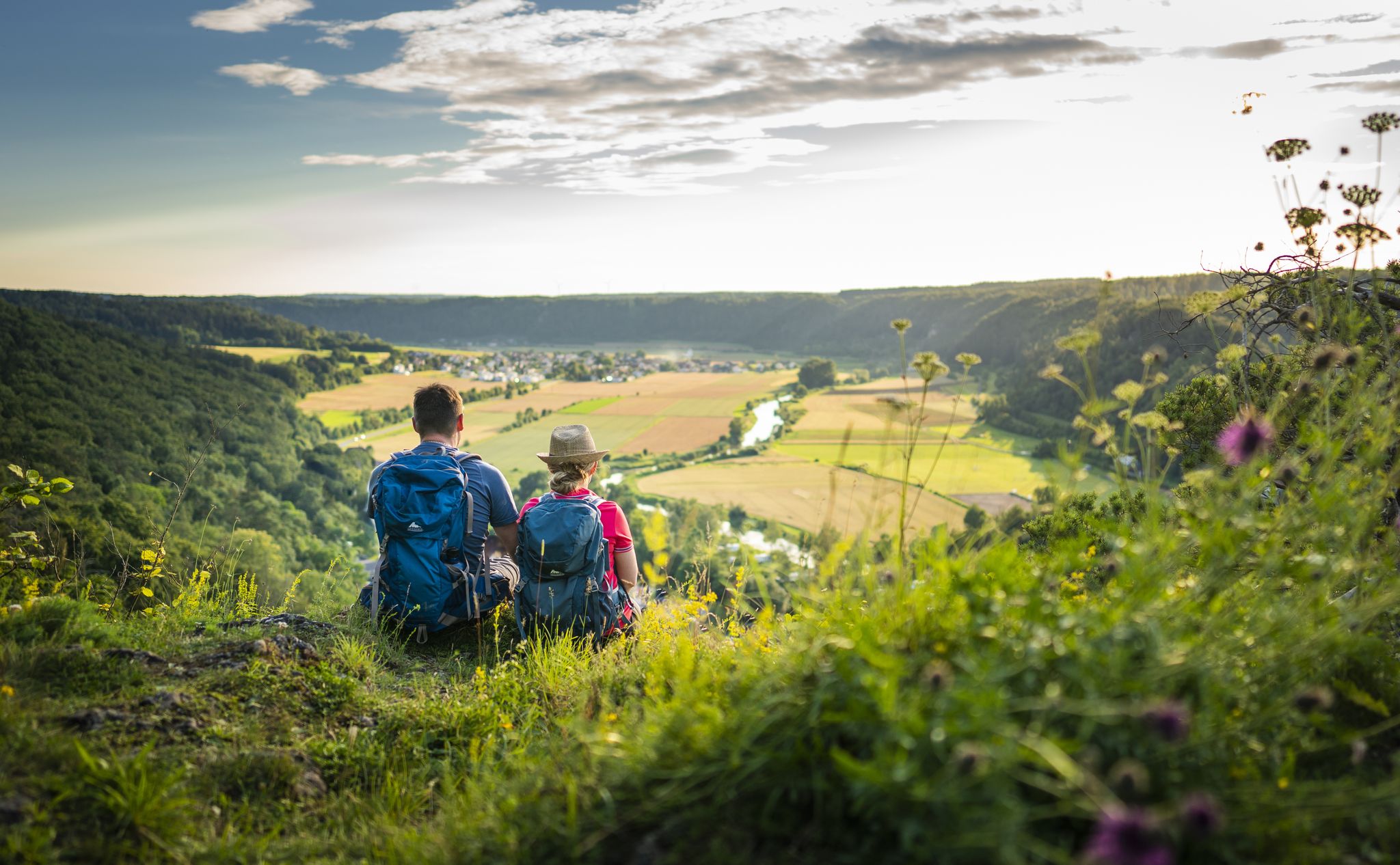
Sunny hiking loops – glorious autumn in the Altmühltal Nature Park
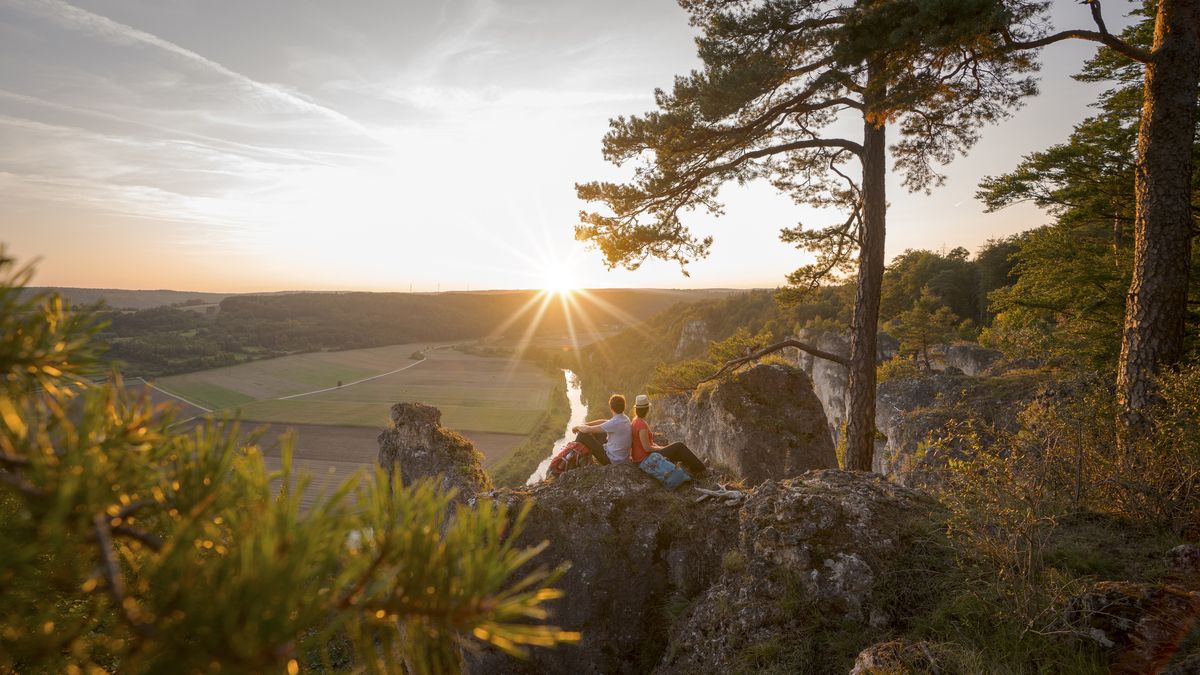
Wonderful nature and endless variety – Altmühltal Nature Park
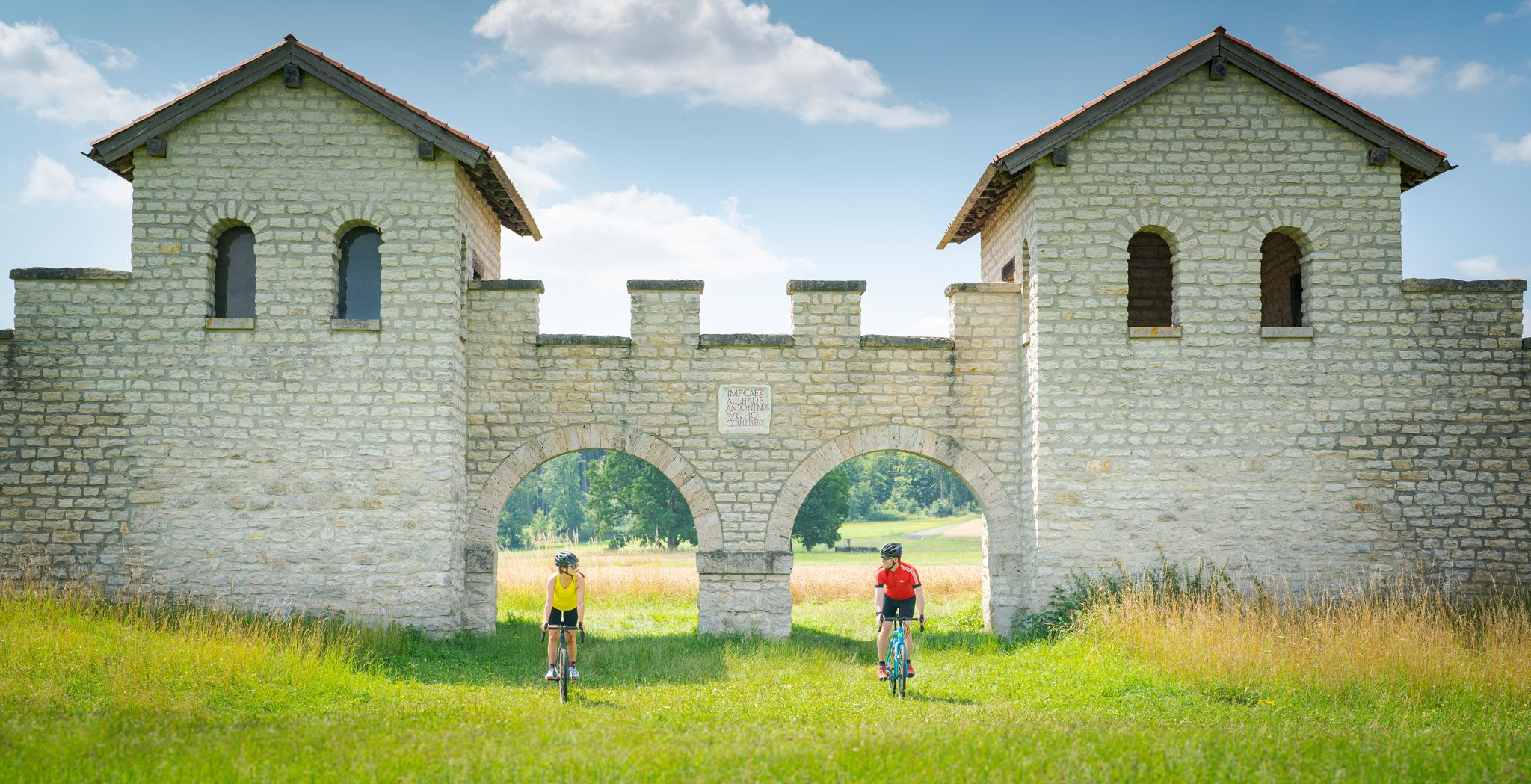
River valleys to plateaus – gravel cycling in Altmühltal Nature Park
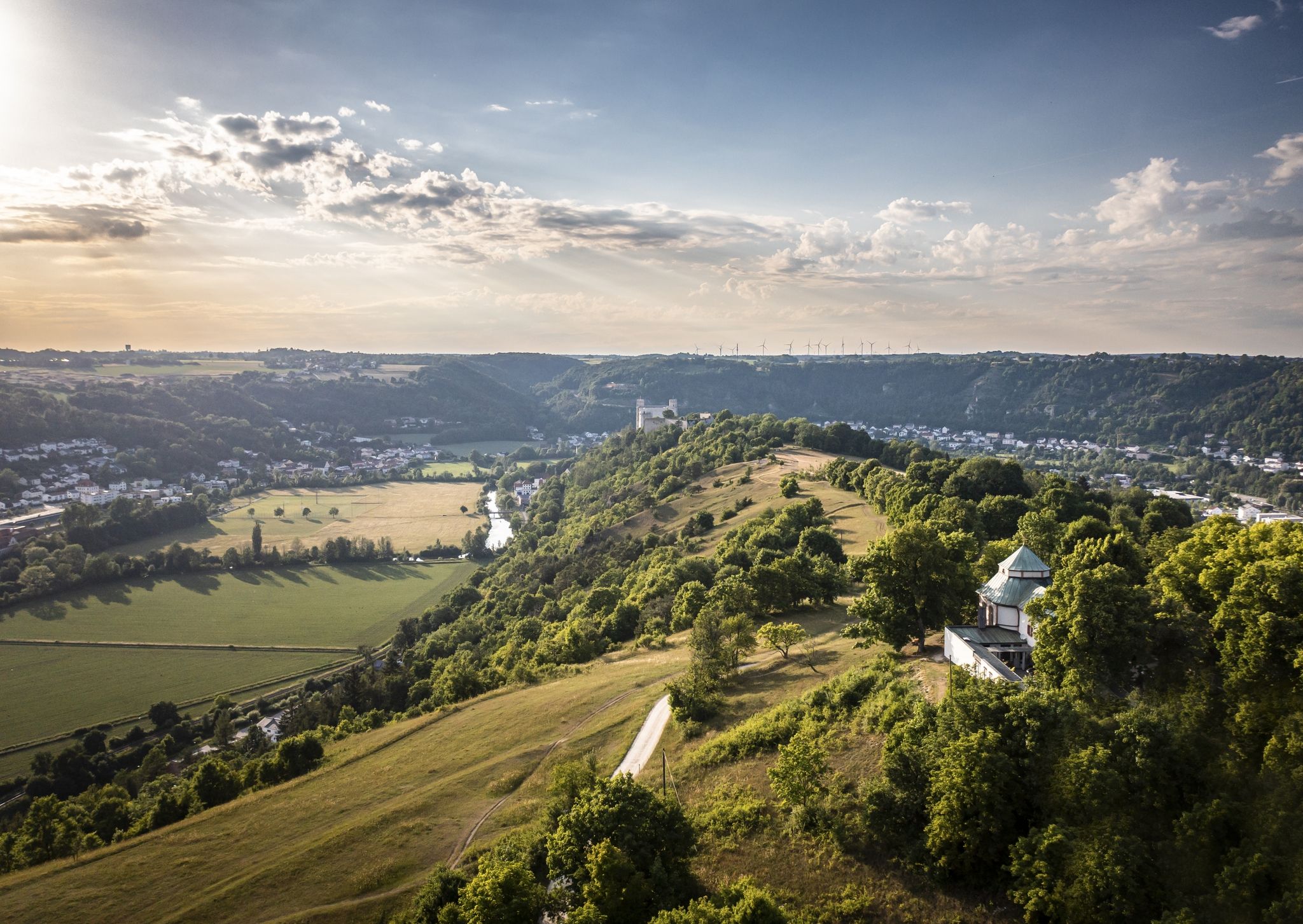
Altmühltal Panorama Trail – Altmühlsee to the Danube
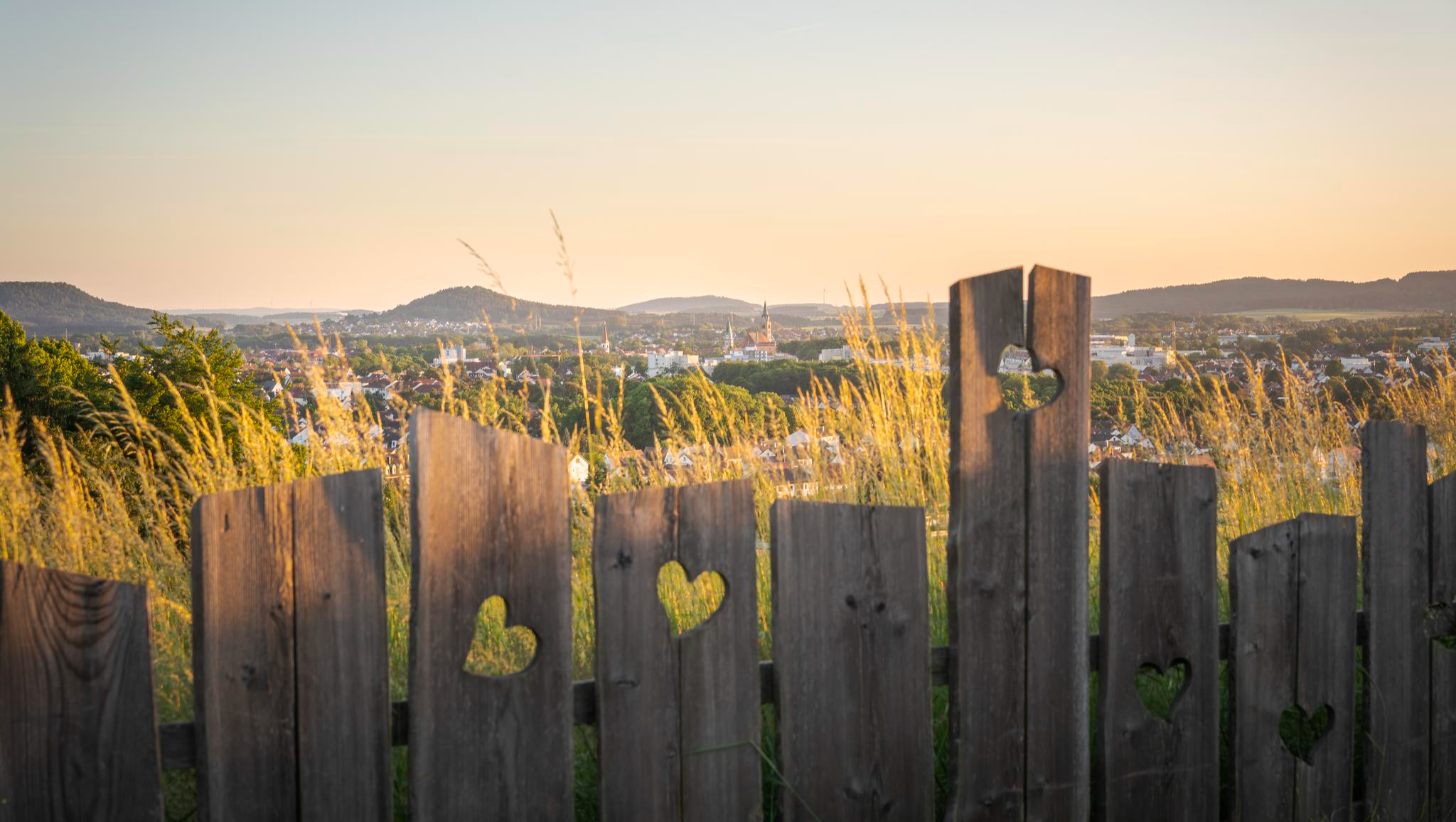
Gut essen, gut wandern – Kulinarische Touren im Naturpark Altmühltal
Zwischen Donau, Altmühltal & Hallertau – Erlebnis-Radtouren um Kelheim
Wander[R]Auszeit in Bayerns Herzstück
Other adventures around Riedenburg


Tips from the Community

Unfortunately, the Old Weir is closed and cannot be crossed 🤷♂️
0
0

Beautiful hiking trail with an elevated view of the village.
0
0

Cycling through nature – that's what makes a bike tour so special.
0
0

Hexenagger Castle A Dietricus von Haecsenakker is mentioned as early as 928 in a Regensburg document from the St. Emmeram Monastery; further information is scarce. In 1311, Gottfried Hexenacker became Bishop of Freising. He had studied in Bologna and served as dean of the cathedral there for many years. In 1314, he died of an infectious disease while on a tour of inspection in Vienna. In 1485, the castle passed through marriage to the Counts of Helfenstein, who sold the fortress to Duke William of Bavaria in 1528. He gave Hexenagger to the Muggenthal family as a fief. When the castle was destroyed in the Thirty Years' War, the Muggenthal family rebuilt it as a castle. In 1724, the castle was sold to the Bavarian Elector Charles Albert, as the Hexenagger line of the Muggenthal family had died out. In 1731, Elector Karl Albrecht donated the castle to his mistress, Maria Josepha Countess von Morawitzky. Her husband received the castle in 1738, and when he died in 1754, Anton von Kaiserstein became the new owner. Franz Joseph III von Kaiserstein (1792–1893) sold the castle in 1830 and acquired an estate in Sooß (Lower Austria) in exchange. From 1830 to 1951, Hexenagger Castle belonged to the noble family of Weidenbach. Otto Edler von Weidenbach bequeathed it to his niece Ilse von Kalckreuth, who married Wilhelm Leichtfuß, whose son, Eberhard Leichtfuß, owns it today. Hexenagger is a castle between the Renaissance and Baroque periods, built on the foundations of the old castle. In the lower areas and at the corners, ashlars and bossed ashlars, up to several meters high, are still visible on the castle building. The stump of the keep, made of bossed ashlar, is also said to have been preserved, but is not visible from the outside. The defensive character of the complex is best appreciated from the rear, where parts of the curtain wall and wall towers have been preserved. The tall, narrow chapel also still hints at the castle in its form; particularly interesting is the slender, slightly leaning bell tower, which appears to still sit on the older foundations of the medieval chapel tower. The main building itself, with its stepped gable and beautiful garden, presents a romantic sight. The castle is privately owned and not open to the public; the popular Christmas market was relocated to the Wolfgangshof estate near Zirndorf in Middle Franconia in 2023 due to complaints from local residents. Source: www.Burgenseite.de / www.wikipedia.de
2
0
Sandersdorf Castle The present castle dates back to a medieval castle built by the Lords of Sandersdorf as Wittelsbach ministerials. The family has been documented since the 12th century. In 1420, the castle was plundered by Duke Henry of Bavaria-Landshut while he was at war with Duke Ludwig the Bearded of Bavaria-Ingolstadt. In 1425, the castle was granted to the Muggenthal family; the first owner of this family, Erhart von Muggendal, rebuilt it. Hans Heinrich von Muggenthal succeeded in keeping peasant revolts and the Reformation away from his domain. The Sandersdorf Castle Brewery was founded in 1550. The castle was destroyed during the Thirty Years' War; Albrecht Ulrich von Muggenthal had it rebuilt as a four-winged castle by 1646. It retains this form to this day. In 1675, Dominikus de Bassus inherited Sandersdorf Castle, but he witnessed its destruction in 1703 during the War of the Spanish Succession. In May 1787, the castle was searched by Bavarian officials because it was considered an "Illuminati nest." Thomas de Bassus was a member of the Illuminati Order, founded in Ingolstadt by Adam Weishaupt in 1776; his castle was a meeting place for many of the secret society's meetings. Numerous secret documents were confiscated during the search. Around 1900, the castle was partially renovated and refurbished under the direction of the Munich architect Gabriel von Seidl. In 2008, the castle was sold by Margarethe Baroness de Bassus, along with the forest lands, to the Wittelsbach Equalization Fund. In March 2022, the castle was sold to Dr. Horst-Florian Jaeck. Parts of it are to be opened to the public. The richly structured four-winged building complex was built on medieval foundations in the 16th century, rebuilt after destruction in the 17th and 18th centuries, and remodeled in the 19th century. The high main wing faces east; it has high stepped gables on its narrow sides and three oriels with gabled tops on the wide sides facing the valley, in front of which is a kind of moat with two octagonal corner turrets. The lower castle wings to the north and south face west. The castle chapel of St. Joseph, with its octagonal domed tower, is located in the inner courtyard. Source: www.wikipedia.de
2
0

Great view, unfortunately the cars drive very fast here.
0
0

Seems to be the meeting point in Kelheim.
1
0

Take a break, that's the beauty of it
1
0
Frequently Asked Questions
How many traffic-free gravel bike trails are available in Riedenburg?
Our guide features 8 dedicated traffic-free gravel bike trails around Riedenburg. These routes offer a mix of moderate and difficult challenges, perfect for exploring the region's diverse landscapes away from cars.
What are the typical difficulty levels and elevation gains on Riedenburg's traffic-free gravel routes?
The traffic-free gravel routes in Riedenburg range from moderate to difficult. For instance, the "Old Weir on the Altmühl – Altmühl River at Kottingwörth loop from Riedenburg" is a moderate route with an elevation gain of around 195 meters. More challenging options, like the "Prunn Castle photo spot – View of the Danube Gorge loop from Riedenburg", can feature over 650 meters of elevation gain, offering a rewarding workout amidst stunning scenery.
What natural features and landmarks can I expect to see on traffic-free gravel rides in Riedenburg?
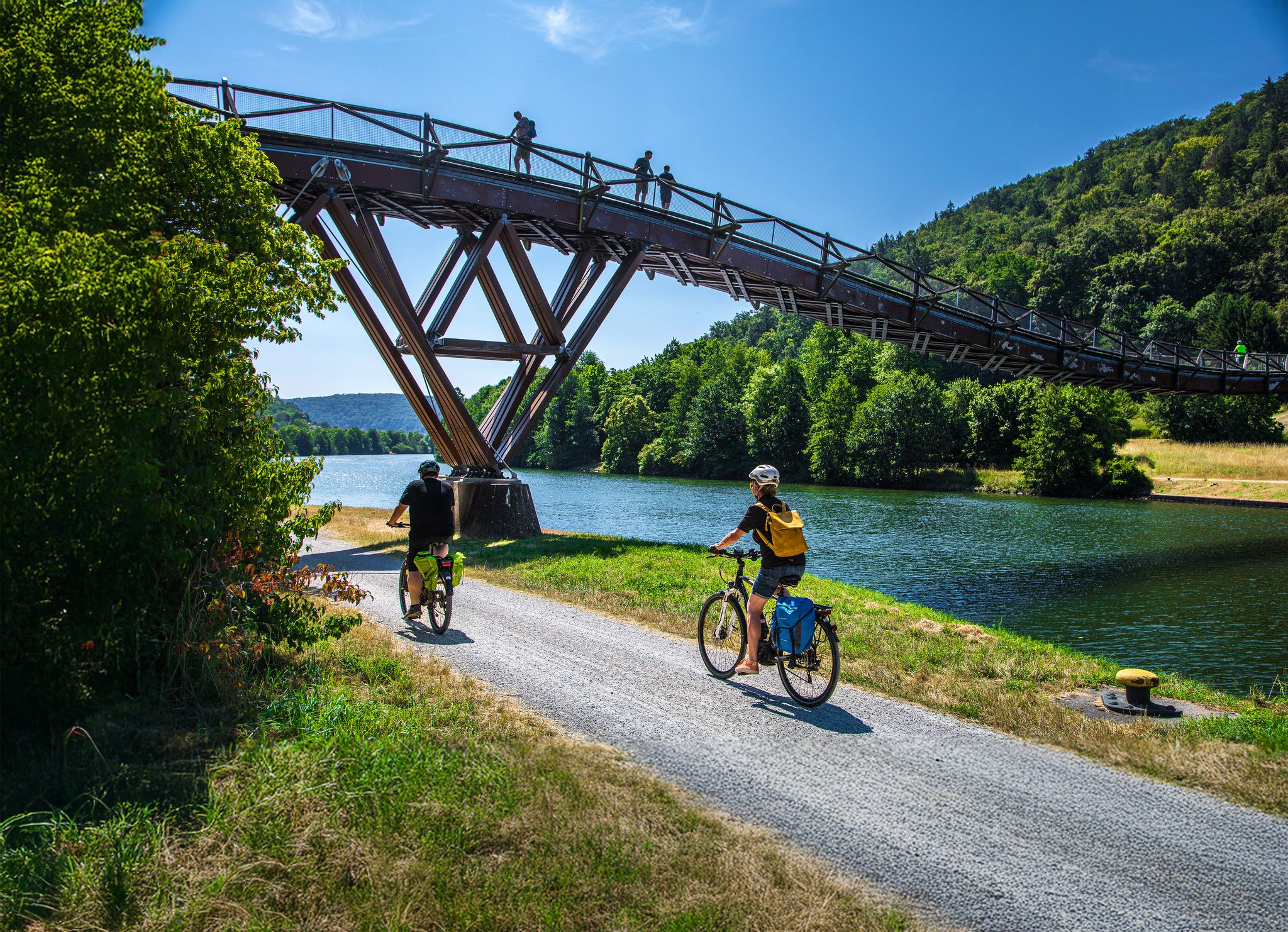
Riedenburg's traffic-free gravel routes wind through the picturesque Altmühl Valley, offering views of the tranquil Altmühl River, white cliffs, and juniper heathlands. You'll encounter impressive rock formations and can often spot historic castles. A highlight is the opportunity to see Prunn Castle, one of Germany's most impressive knight's castles, or the unique Tatzlwurm Bridge in Essing.
Are there family-friendly traffic-free gravel routes in Riedenburg?
While many of the routes in this guide are rated moderate to difficult, the Altmühl Cycle Route, which passes through Riedenburg, is generally known for its gentle gradients and well-developed paths along the tranquil Altmühl River, making it accessible for families. When choosing a route, consider the distance and elevation profile to ensure it matches your family's fitness level.
When is the best time of year to enjoy traffic-free gravel biking in Riedenburg?
The Altmühl Valley, including Riedenburg, is beautiful year-round. Spring and autumn offer pleasant temperatures and vibrant scenery, making them ideal for gravel biking. In summer, the river paths provide a refreshing experience, while winter can offer unique, quiet rides, though some paths might be affected by snow or ice. Always check local conditions before heading out.
Can I bring my dog on Riedenburg's traffic-free gravel trails?
Generally, dogs are welcome on public trails in the Altmühl Valley, but it's always best to keep them on a leash, especially in nature reserves or areas with wildlife. Be mindful of other cyclists and hikers, and ensure you clean up after your pet. Always check specific trail regulations if posted.
Are there places to stop for refreshments or explore in Riedenburg's town center while on a gravel ride?
Absolutely! Riedenburg's charming historic town center, first mentioned in 1111, is a perfect spot for a break. You'll find museums, churches, and inviting cafes and pubs where you can refuel and relax before continuing your ride. The route "Riedenburg Old Town – View of Riedenburg loop from Riedenburg" specifically includes the town center.
Do any traffic-free gravel routes explore the Altmühl Valley?
Yes, many of the traffic-free gravel routes in Riedenburg are situated within the stunning Altmühl Valley. For example, the "Castles and Valleys - Graveling in the Altmuehltal Nature Park" route offers an immersive experience through this picturesque region, combining river valleys with plateaus and dense forests.
What do other gravel bikers enjoy the most about gravel biking in Riedenburg?
The komoot community highly rates the gravel biking experience in Riedenburg, with an average score of 4.57 stars. Reviewers often praise the region's diverse landscapes, the tranquility of the traffic-free paths, and the blend of natural beauty with historical sights like the numerous castles. The variety of terrain, from riverside paths to challenging climbs, is also frequently highlighted.
Are there any circular traffic-free gravel routes starting from Riedenburg?
Yes, several routes in this guide are circular, allowing you to start and end your ride in Riedenburg without retracing your steps. An excellent example is the "Prunn Castle photo spot – View of the Danube Gorge loop from Riedenburg", which offers a fantastic loop through the scenic landscape.
What kind of terrain can I expect on the traffic-free gravel trails around Riedenburg?
The traffic-free gravel trails around Riedenburg offer a diverse mix of terrain. You'll encounter compacted gravel paths, unpaved sections, and sometimes even challenging single trails. These routes often combine river valleys with plateaus, traversing picturesque hills, dense forests, and distinctive Jura upland rocks, providing a true gravel biking experience.
Most popular routes around Riedenburg
Most popular attractions around Riedenburg

Get inspired with the komoot mobile app


Explore more
Browse the best Gravel rides in other regions.
