The best traffic-free bike rides around Kobern Gondorf
4.3
(120)
809
riders
19
rides
Gravel biking around Kobern Gondorf offers a diverse landscape characterized by the Moselle Valley's steep vineyards and the undulating terrain of the Rhenish Slate Mountains. The region features a mix of river valleys, rolling hills, and dense forests, providing varied surfaces for gravel cyclists. This environment allows for routes that transition between paved sections, gravel paths, and forest trails, catering to the versatility of gravel bikes. The area's natural features, including the Moselle River and surrounding hills, create an engaging…
Last updated: August 6, 2026
4.5
(12)
40
riders
40.8km
03:28
630m
630m
Hard gravel ride. Very good fitness required. Mostly paved surfaces. Suitable for all skill levels.
4.5
(16)
86
riders
Hard gravel ride. Very good fitness required. Mostly paved surfaces. Suitable for all skill levels.

Sign up for free
4.8
(4)
26
riders
18.0km
01:12
370m
370m
Moderate gravel ride. Good fitness required. Mostly paved surfaces. Suitable for all skill levels.
4.5
(4)
22
riders
Hard gravel ride. Very good fitness required. Mostly paved surfaces. Suitable for all skill levels.
7
riders
60.3km
04:14
970m
970m
Hard gravel ride. Very good fitness required. Mostly paved surfaces. Suitable for all skill levels.
Get access to more routes and recommendations from other explorers.
Sign up for free
Already have an account?
Our route recommendations are based on thousands of hikes, rides, and runs completed by other people on komoot.
Start today with a free account
Your next adventure awaits.
Login or Signup
Popular around Kobern-Gondorf
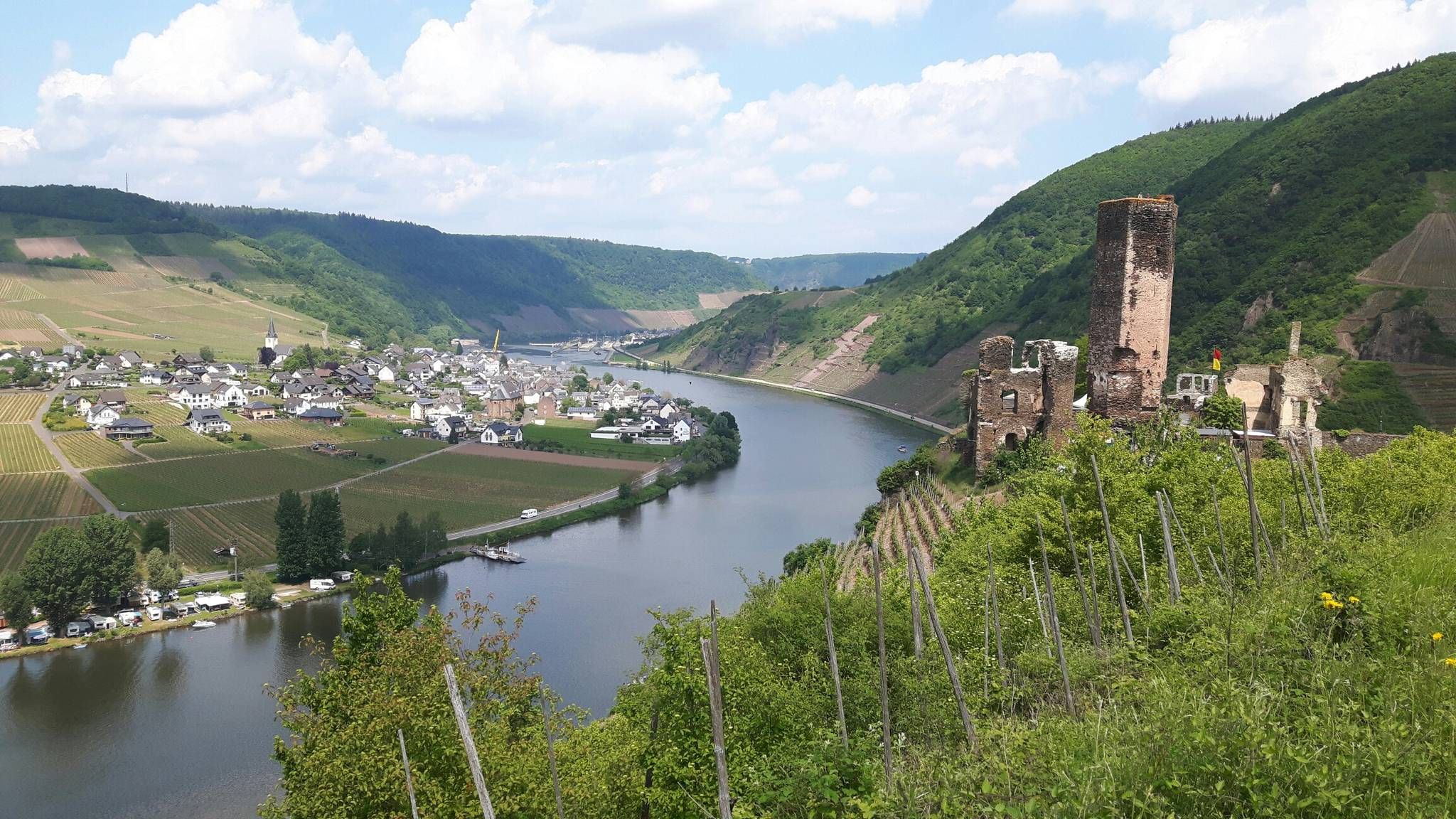
The Moselsteig trail – 24 stages along the sunny Moselle Valley
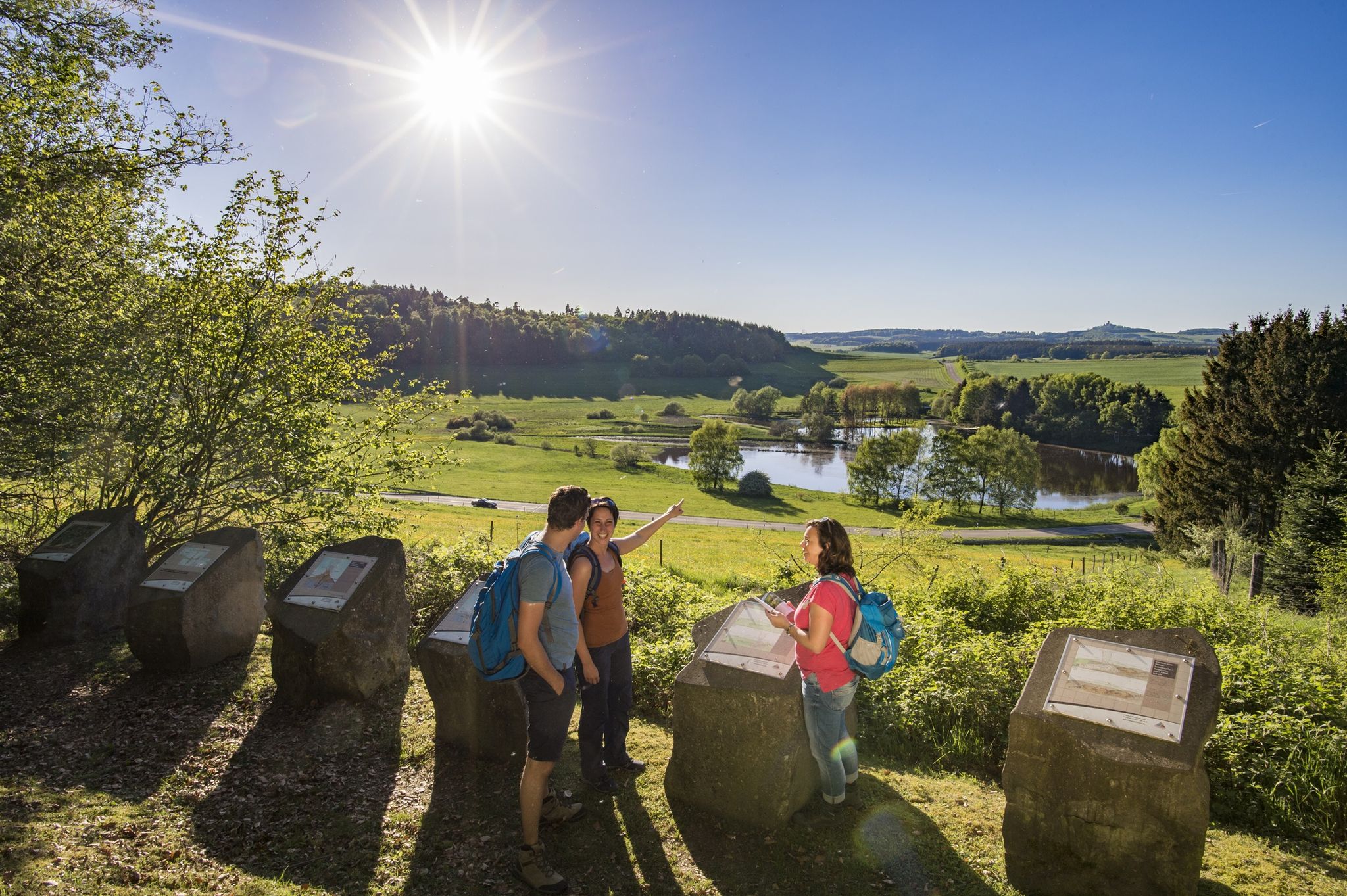
Traumpfade – dreamy, varied hiking trails in Rhein-Mosel-Eifel-Land
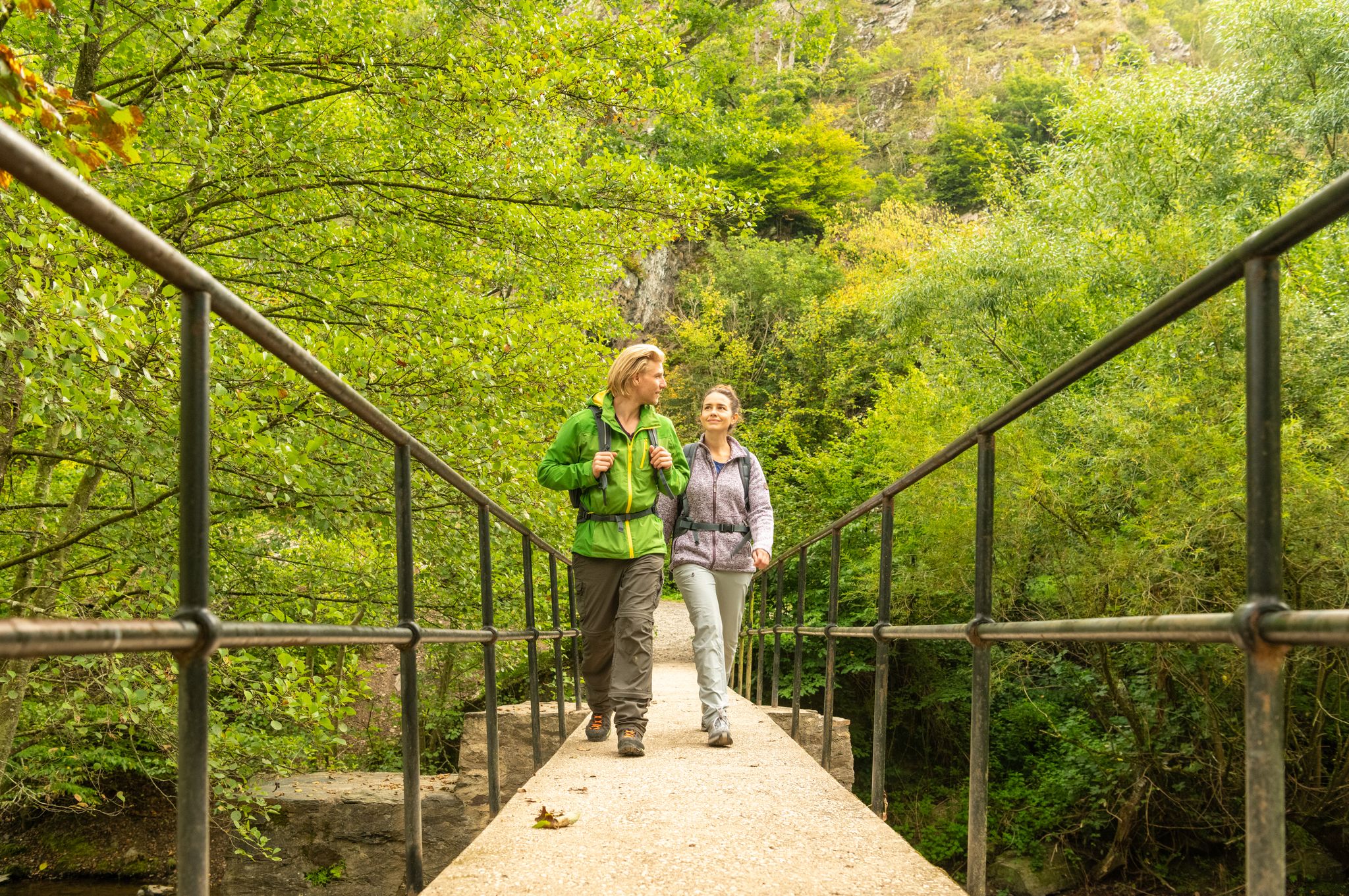
Moselsteig Partner Trails – nature, culture and views
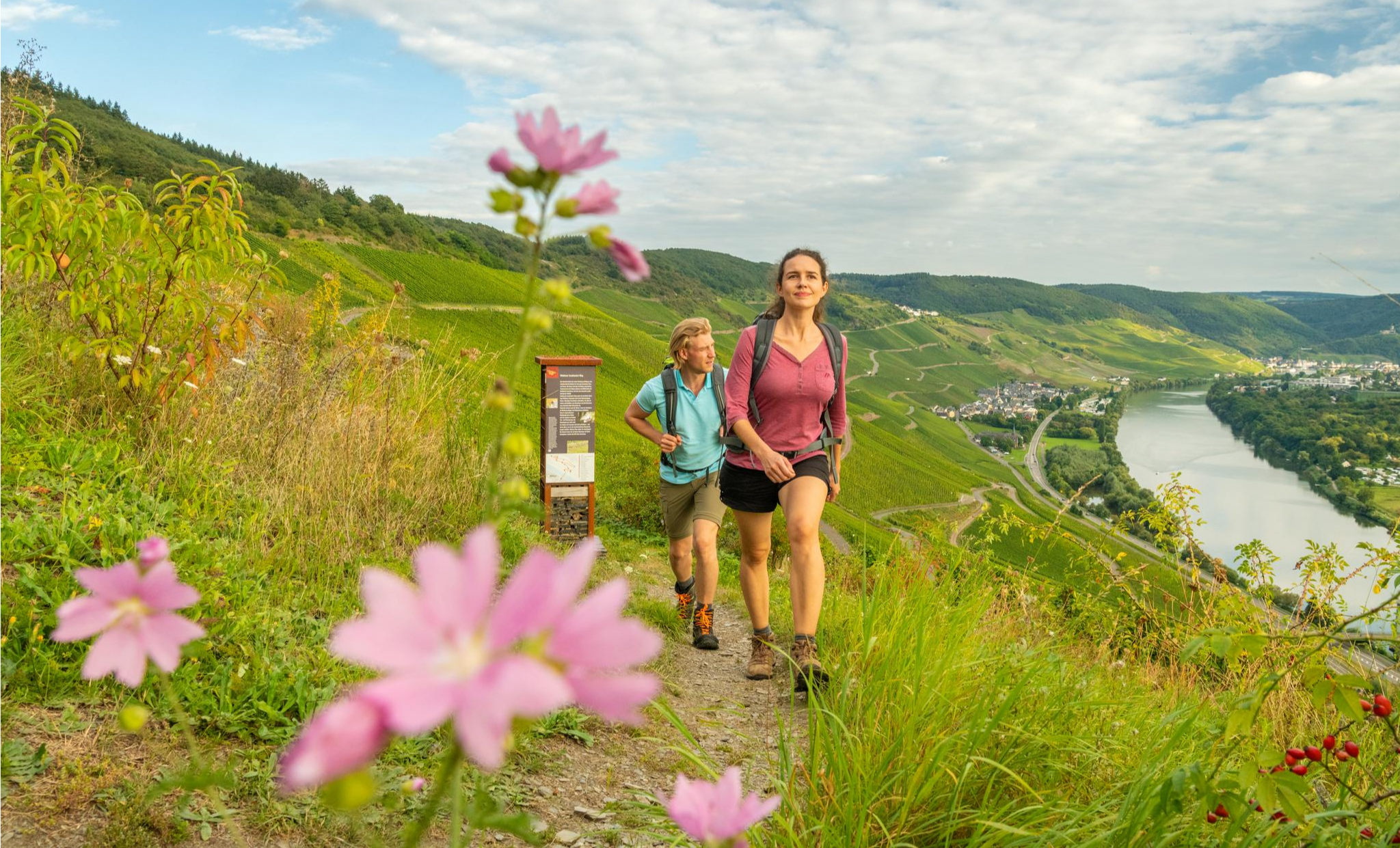
Moselsteig – 24 varied stages from Perl to Koblenz
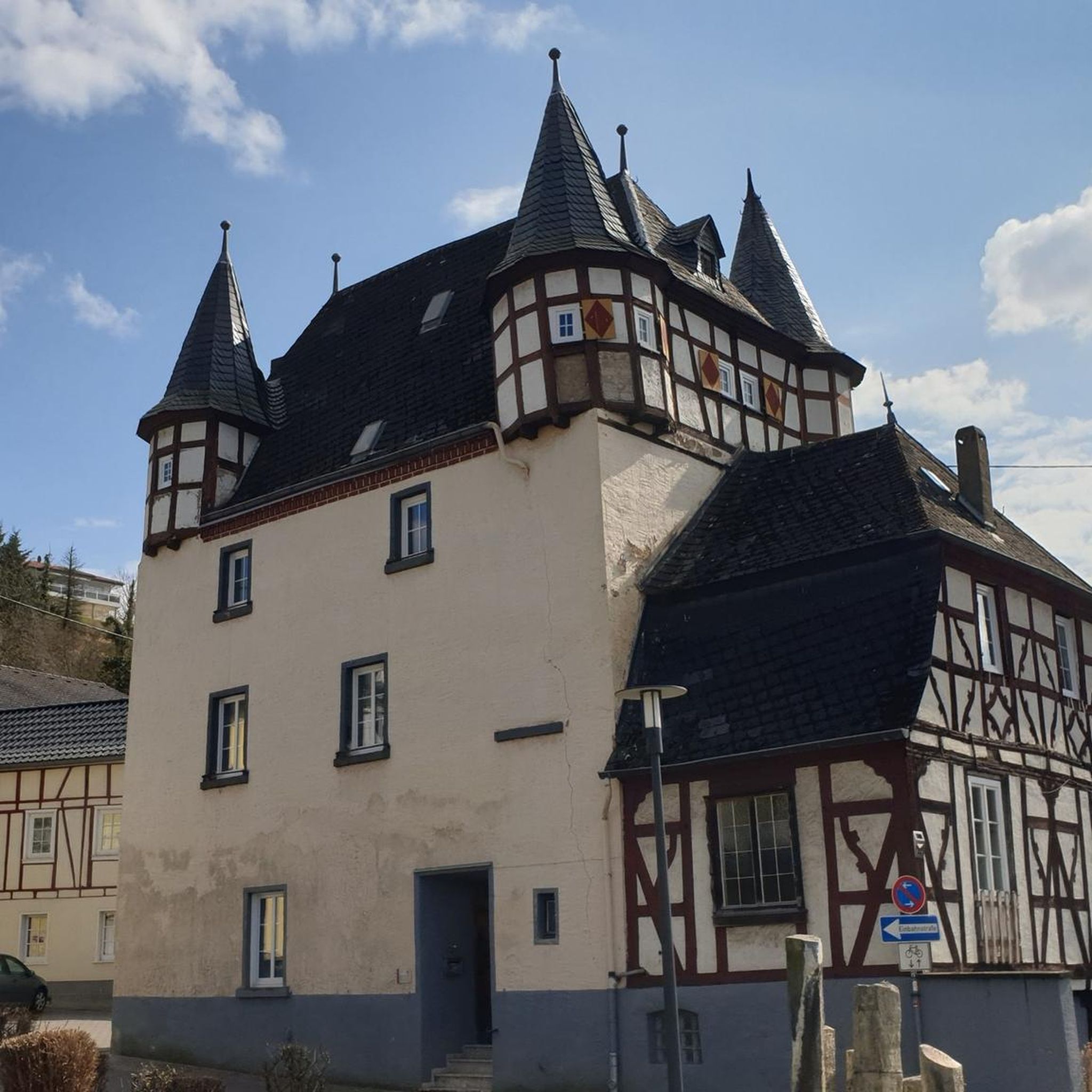
Traffic-free bike rides around Kobern Gondorf
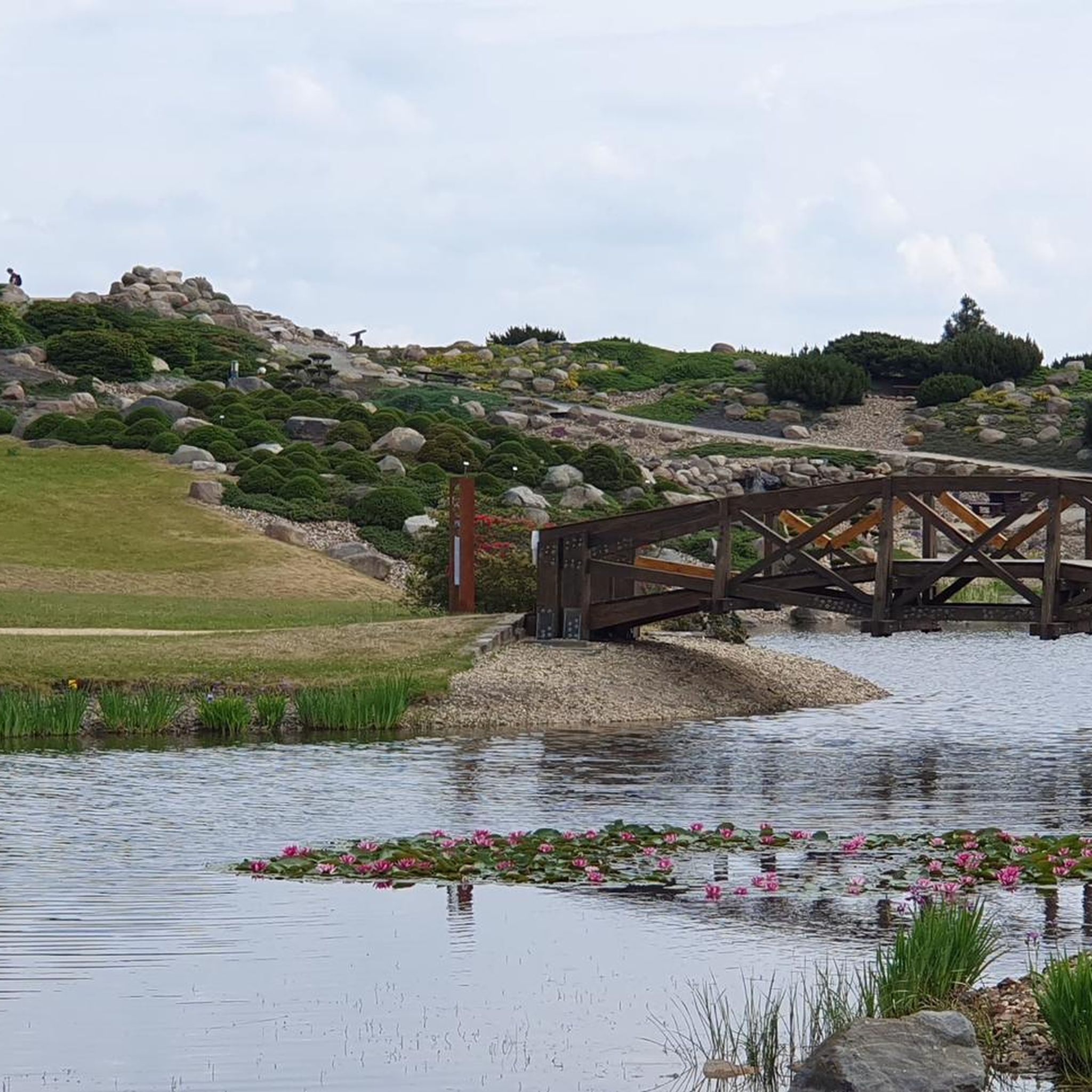
Traffic-free bike rides around Kobern Gondorf
Other adventures around Kobern Gondorf


Tips from the Community

Just a few kilometers from the city center of Koblenz, in the district of the same name, high above the left bank of the Rhine, stands Stolzenfels Castle. In terms of art and cultural history, the castle, built in the 19th century from the ruins of a 13th-century castle, along with its associated park and gardens, is considered one of the most remarkable achievements of Prussian Rhine Romanticism. Originally built by the Archbishop of Trier, Arnold von Isenburg, Burg Stolzenfels was used to collect the Rhine toll until 1412. In 1689, the French destroyed the castle during the War of the Palatinate Succession. After Napoleon's defeat, the complex passed into the possession of the city of Koblenz. In 1823, the city finally gifted the ruin to the Prussian Crown Prince Friedrich Wilhelm... https://www.visit-koblenz.de/sehenswuerdigkeiten/schloss-stolzenfels
0
0

Very impressive old railway bridge in the middle of the forest.
3
0

Great viewpoint above Metternich and the Moselle River; Several trails lead downhill. Metternich Owl War Memorial on the Kimmelberg Keywords: War Memorial Subject area(s): Cultural Landscape Management, Regional Studies Municipality(ies): Koblenz District(s): Koblenz State: Rhineland-Palatinate WGS84 Coordinates: 50° 21′ 35.85″ N, 7° 32′ 59.33″ E, 50.35996°N, 7.54981°E UTM Coordinates: 32,396,849.55 m, 5,579,659.06 m Gauss-Krüger Coordinates: 3,396,883.41 m, 5,581,451.20 m The so-called Metternich Owl is located on the Kimmelberg hill in the west of the Koblenz district of Metternich, which lies on the middle river terrace on the left bank of the Rhine. The Metternich Owl is located on the Moselle side of the river. It is the town's landmark and can be seen from afar. The Metternich Owl is a war memorial erected in honor of the Prussian soldiers from Metternich who fell in the Franco-Prussian War. The planning and construction of the memorial were initiated by the Metternich Veterans' and Reservists' Association under the leadership of Max Weidtman, owner of the Weidtman Manor (Trierstraße 388). The foundation stone was laid on June 15, 1913, and subsequently, the design by architect Otto Bäppler was executed by the Frankfurt architect Wilhelm Müller, who then erected the memorial. It is thanks in particular to the newly arrived resident Max Weidtman, owner of the Weidtman Manor, that the memorial could be ceremonially inaugurated on October 18 and 19, 1913, as he largely financed its construction. The monument, standing nine meters tall, was erected as a patriotic memorial, a theme reinforced by the figure of the eagle, which sits with folded wings atop a relatively high, conical pedestal. The eagle was crafted from a single block of trachyte by the Metternich master stonemason Wilhelm Geisen, according to the plans of the Frankfurt sculptor Carl Storck. A 16-meter-wide flight of steps leads to the monument. The monument itself tapers conically upwards. The pedestal has a square base with sides measuring 5.5 meters and consists of rusticated blocks whose edges are reinforced like pillars. An eagle figure with folded wings sits atop the pedestal. At the level of the eagle's feet, an Iron Cross bearing the letter W in honor of Wilhelm I and the year 1870 is affixed. The dates of the laying of the foundation stone and the monument's dedication are inscribed between the blocks. These dates are historically and politically significant, as they coincide with the 100th anniversary of the Battle of Leipzig and the 25th anniversary of Kaiser Wilhelm II's accession to the throne. A wide, two-tiered staircase leads from the surrounding lawn to the monument. The meaning of the monument has changed over time. Initially, the eagle was interpreted as the Prussian eagle, dedicated to the fallen Metternich soldiers of 1870 and 1871. Later, the eagle was reinterpreted as the imperial eagle, a symbol of the new German Empire and a tribute from the local population to the Kaiser and the nation. As part of these reinterpretations, the names of those who participated in the First World War were added. During renovations in 1964, the monument's inscriptions were altered. They now commemorate the soldiers who fell in the wars of 1864-1870/71, 1914-1918, and 1939-1945. For the 80th anniversary of the war memorial in 1993, it was restored once again and rededicated as a "Memorial of Peace." New plaques were attached to the base, bearing, among other things, the inscription "In honor of the dead, as a reminder to the living," and on the reverse, "In memory of the dead of the four wars of the last two centuries." The Metternich Owl is a protected cultural monument. It is surprising that it is referred to as an owl and not an eagle. The residents of Metternich are proud of their owl. It gives its name to the residential area in Metternich at the foot of the monument: Eulenhorst (Owl's Nest). Many houses feature pictures of owls or sculptures of them, and even the fair in Metternich is named after the owl, "Eule-Kärmes" (Owl Fair). Today, the Metternich owl is a significant landmark and one of, if not the, symbols of Metternich. (Friederike Meiers and Anna Serwas, University of Koblenz-Landau, 2014) (Friederike Meiers and Anna Serwas, University of Koblenz-Landau, 2014)
0
0

Thanks to the bridge, crossing is no problem at all - no matter what time of year
1
0

Now that the leaves are thinning again, there is a beautiful view here again!
1
0

From here you have a great view of the castle...and a beautiful but steep path downhill to Stolzenfels.
0
0

At the end of the valley, continue on the Panzerstraße or down to the Meerkatzbach and the Mallendarer Bachtal, also very beautiful and easy to cycle.
0
0

Bike park feeling right on your doorstep.
0
0
Frequently Asked Questions
How many traffic-free gravel bike trails are available around Kobern-Gondorf?
Kobern-Gondorf offers a wide selection of traffic-free gravel bike trails, with over 20 routes available. These routes vary in difficulty, ensuring options for different skill levels.
What kind of terrain can I expect on the traffic-free gravel routes in Kobern-Gondorf?
The region's gravel routes offer a diverse mix of terrain, from gentle paths along the Moselle River and through picturesque vineyards to more challenging climbs in the surrounding Rhenish Slate Mountains. You'll encounter a blend of paved roads, gravel paths, and forest trails, perfect for the versatility of a gravel bike.
What historical landmarks can I explore along the traffic-free gravel bike trails?
Many routes pass by significant historical sites. You can often spot the impressive Thurant Castle, offering panoramic views of the Moselle Valley. The area is also rich with other historic castles and chapels, including the Upper Castle and the Matthias Chapel. For a unique experience, consider exploring the nearby Eltzbach Valley, which leads to the famous Eltz Castle.
Are there any natural highlights to see on these routes?
Absolutely! The Moselle Valley itself is a natural highlight with its steep vineyards and charming river views. You might also encounter stunning gorges like Rupperts Gorge, featuring a wooden pathway, and even waterfalls such as the Ruppertsklamm Waterfall or the Brodenbach Gorge with Waterfalls and Wooden Bridges.
Are there options for different skill levels on the traffic-free gravel trails?
Yes, Kobern-Gondorf caters to various skill levels. While the majority of routes are rated as difficult (14 out of 21), there are also moderate (6 routes) and easy (1 route) options available. Some trails may include demanding sections with steep inclines, occasionally requiring you to push your bike, while others offer more relaxed rides along the river.
Is Kobern-Gondorf easily accessible by public transport for cyclists?
Yes, Kobern-Gondorf is well-connected and features its own train station. This makes it convenient for cyclists to arrive with their bikes and start their traffic-free gravel adventures directly from the town.
What do other gravel bikers enjoy most about gravel biking in Kobern-Gondorf?
The komoot community highly rates the gravel biking experience in Kobern-Gondorf, with an average score of 4.4 out of 5 stars. Reviewers often praise the region's diverse landscapes, the quiet and scenic nature of the trails, and the rewarding views from various viewpoints, especially those overlooking the Moselle Valley.
Are there circular gravel bike routes without traffic?
Yes, many of the traffic-free gravel routes in the Kobern-Gondorf area are designed as loops. For example, the challenging Rhine and Lahn Valleys Loop from Koblenz offers a substantial ride, while the View of the Moselle Valley – Kühkopf Viewpoint loop from Koblenz Hbf provides a moderate option with great vistas.
Can I find viewpoints with scenic vistas on the gravel trails?
Definitely. The region is known for its stunning panoramic views. Routes often lead to elevated points offering spectacular vistas of the Moselle Valley, its vineyards, and historic castles. The Kühkopf Viewpoint is a popular spot for breathtaking scenery.
What is the best time of year for gravel biking in Kobern-Gondorf?
The Moselle region is beautiful throughout much of the year. Spring and autumn are particularly popular, offering pleasant temperatures and vibrant scenery, whether it's the blossoming vineyards or the colorful fall foliage. Summer can also be great, but be prepared for warmer weather, especially on exposed sections.
Are there family-friendly traffic-free gravel bike trails?
While many routes in the area are rated as moderate to difficult, there are options for families, especially along the flatter sections of the Moselle River. These paths often provide a gentler, traffic-free experience suitable for a family outing. Always check the route details for elevation and surface type to ensure it matches your family's capabilities.
Where can I find refreshments or places to rest along the trails?
Kobern-Gondorf and the surrounding villages along the Moselle are dotted with charming cafes, traditional pubs, and wine taverns. Many routes pass through or near these settlements, providing ample opportunities for a break, a meal, or to sample local wines.
Most popular routes around Kobern Gondorf
Most popular attractions around Kobern Gondorf

Get inspired with the komoot mobile app


Explore more
Browse the best Gravel rides in other regions.
