The best city hikes and walks around Bingen am Rhein
4.6
(25033)
102,901
hikers
13
hikes
Urban hiking trails around Bingen am Rhein are characterized by a blend of river valleys, vineyards, and historic cityscapes. The region sits at the confluence of the Rhine and Nahe rivers, offering varied terrain for exploration. Hikers can expect paths that wind through urban forests, along riverbanks, and past cultural landmarks. The landscape includes gentle elevations and scenic viewpoints within the city's reach.
Best urban hiking trails around Bingen am Rhein
- The most popular urban hiking route is Bingen Market…
Last updated: May 14, 2026
3.6
(8)
55
hikers
Easy hike. Great for any fitness level. Easily-accessible paths. Suitable for all skill levels.
12
hikers
3.03km
00:49
30m
40m
Easy hike. Great for any fitness level. Easily-accessible paths. Suitable for all skill levels.

Sign up for free
3.0
(2)
8
hikers
Moderate hike. Good fitness required. Easily-accessible paths. Suitable for all skill levels.
4.3
(3)
4
hikers
Easy hike. Great for any fitness level. Easily-accessible paths. Suitable for all skill levels.
5
hikers
2.89km
00:45
10m
20m
Easy hike. Great for any fitness level. Easily-accessible paths. Suitable for all skill levels.
Get access to more routes and recommendations from other explorers.
Sign up for free
Already have an account?
Our route recommendations are based on thousands of hikes, rides, and runs completed by other people on komoot.
Start today with a free account
Your next adventure awaits.
Login or Signup
Popular around Bingen am Rhein

Out into spring – glorious hikes with the RMV
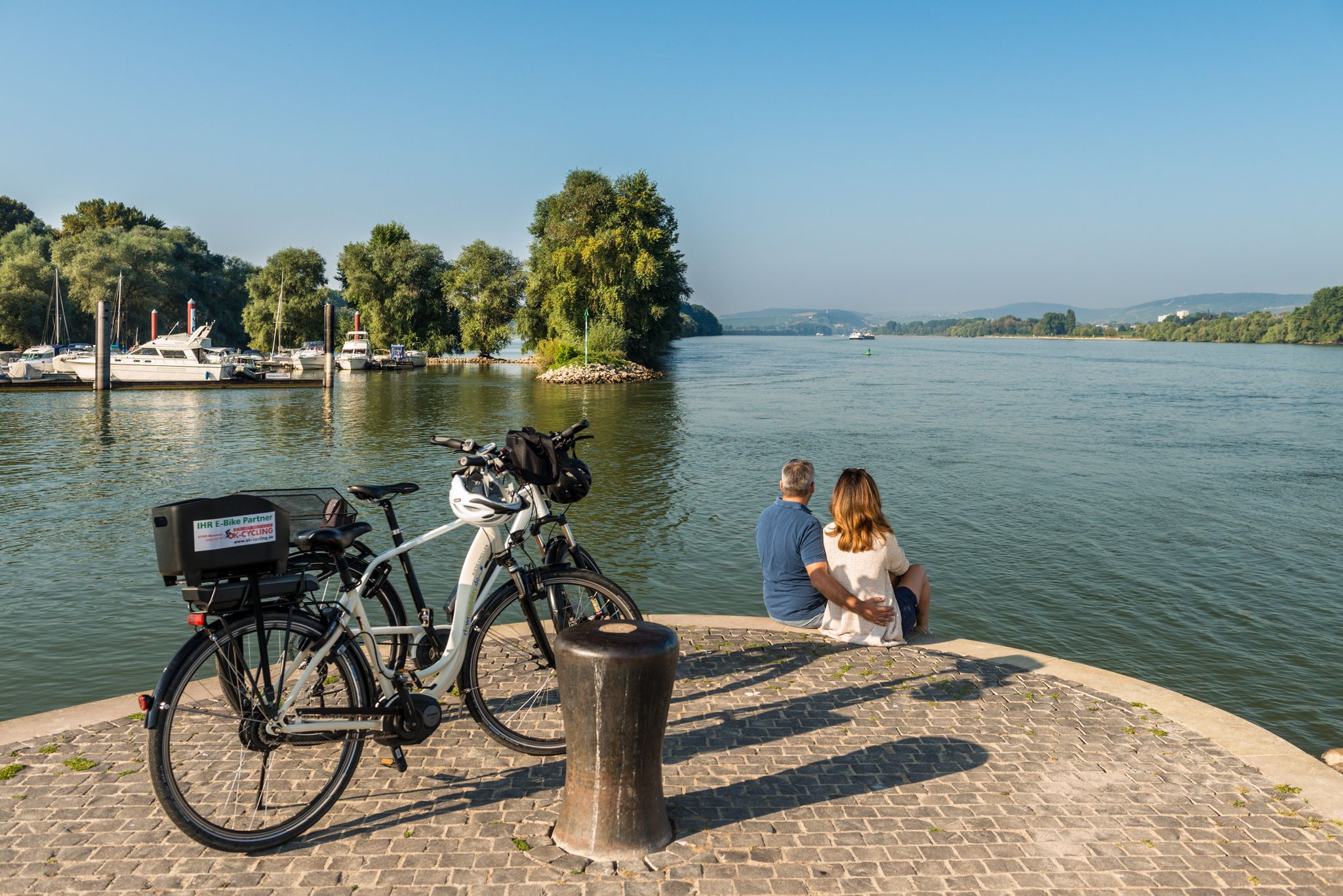
Cycling in Rheinhessen between Rhine and wine
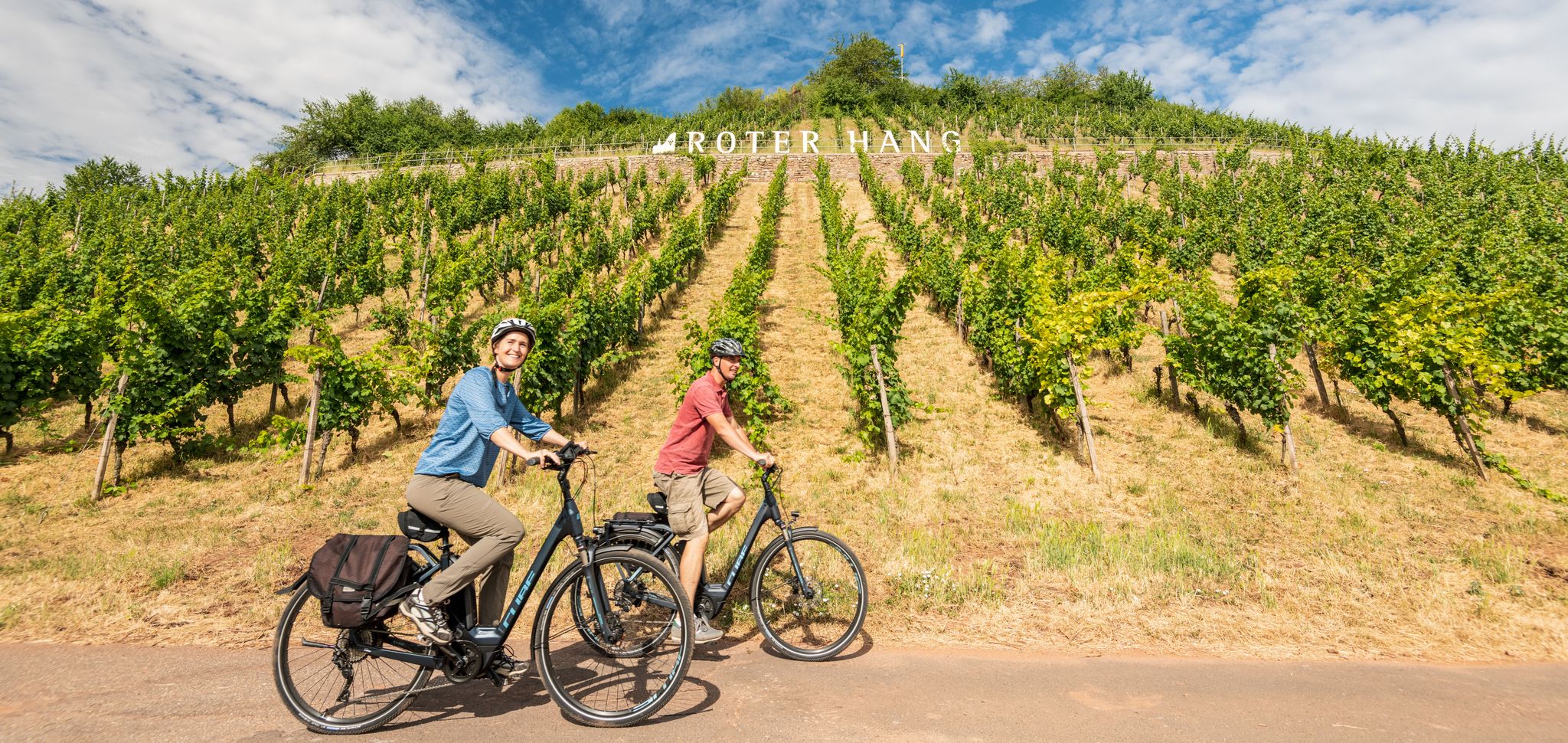
From the city to a sea of vines – cycling Tours in Rheinhessen
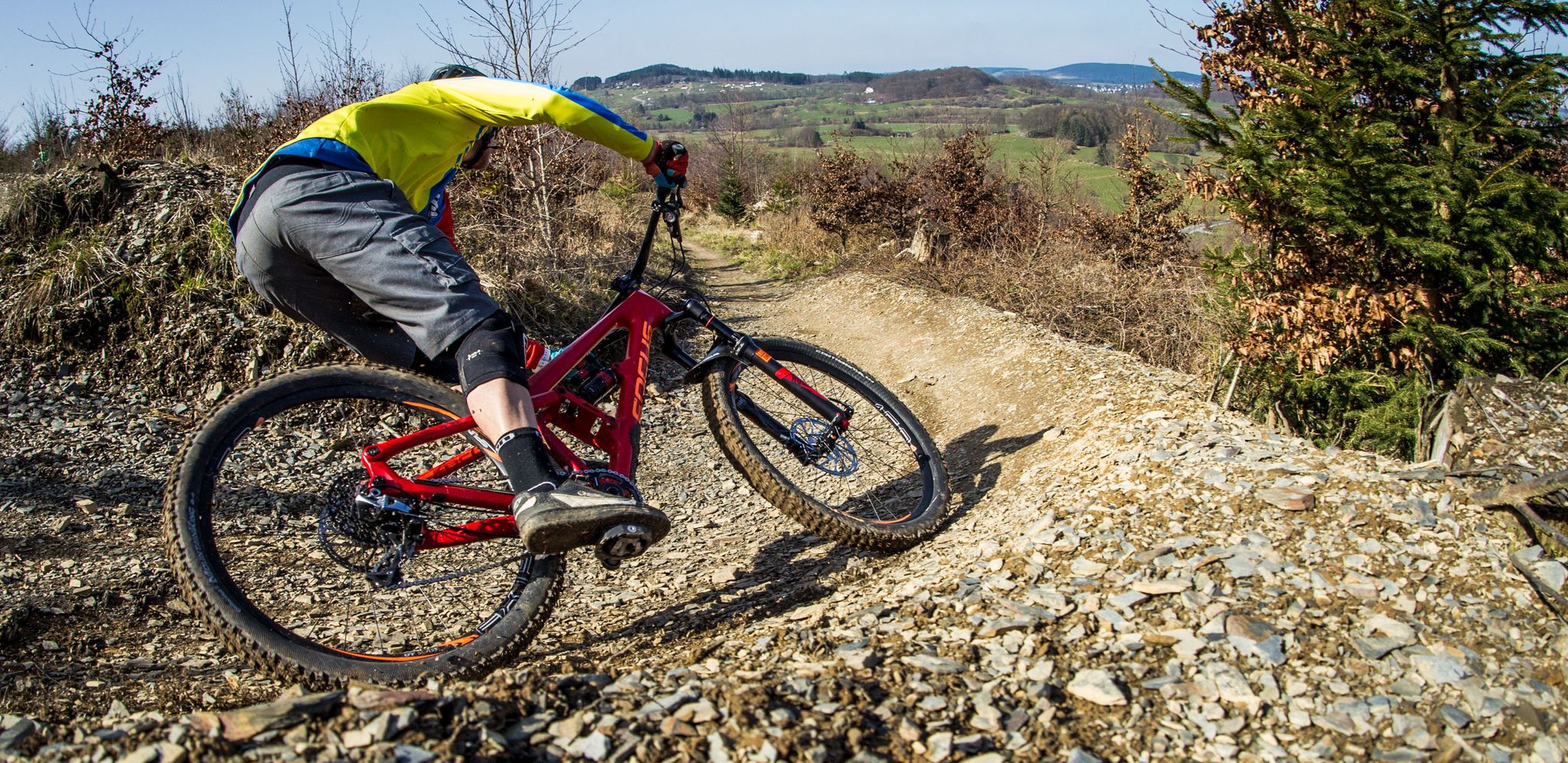
Flow Rider — trail fun for everyone
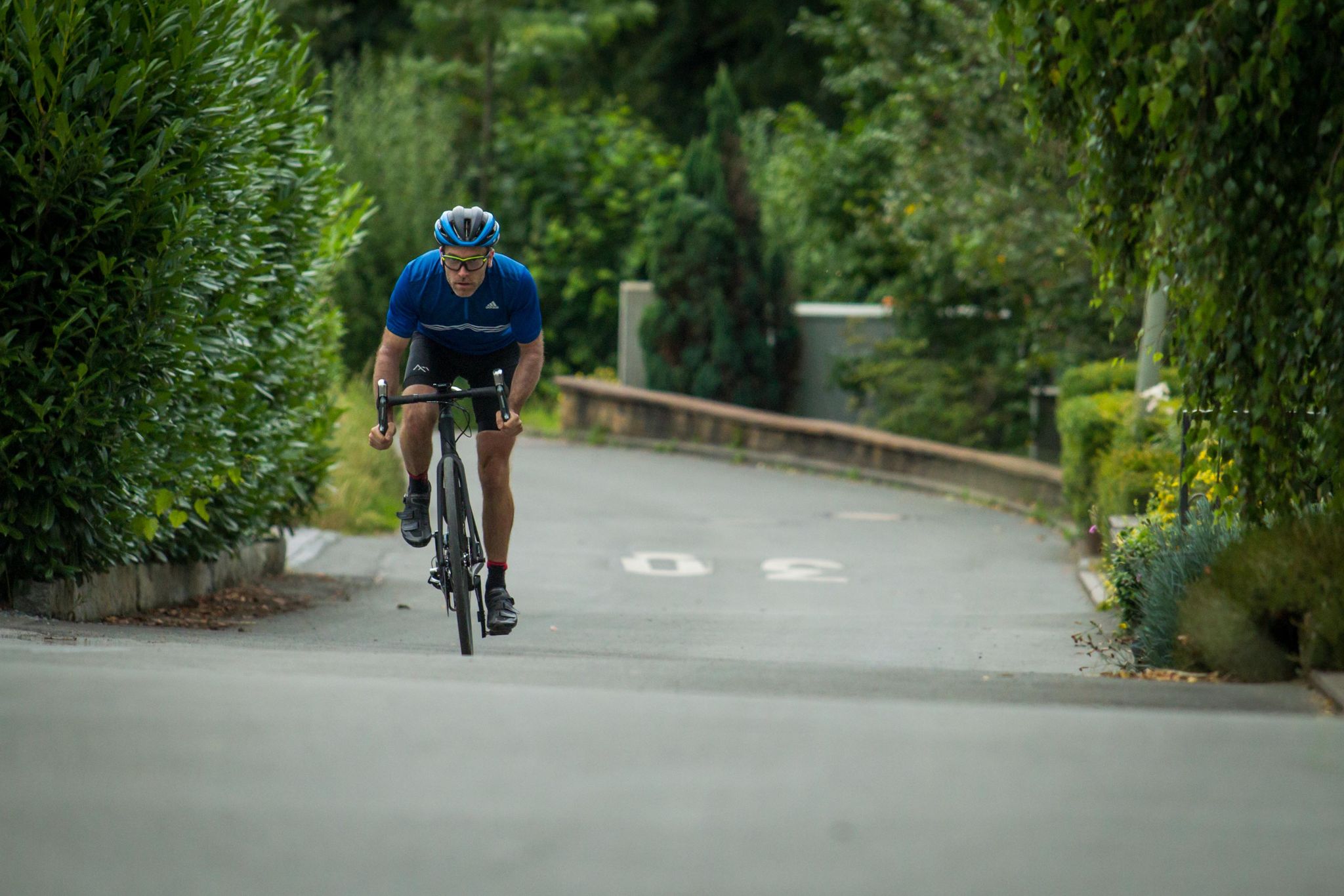
Who needs the Alps? 8 great climbs around Germany
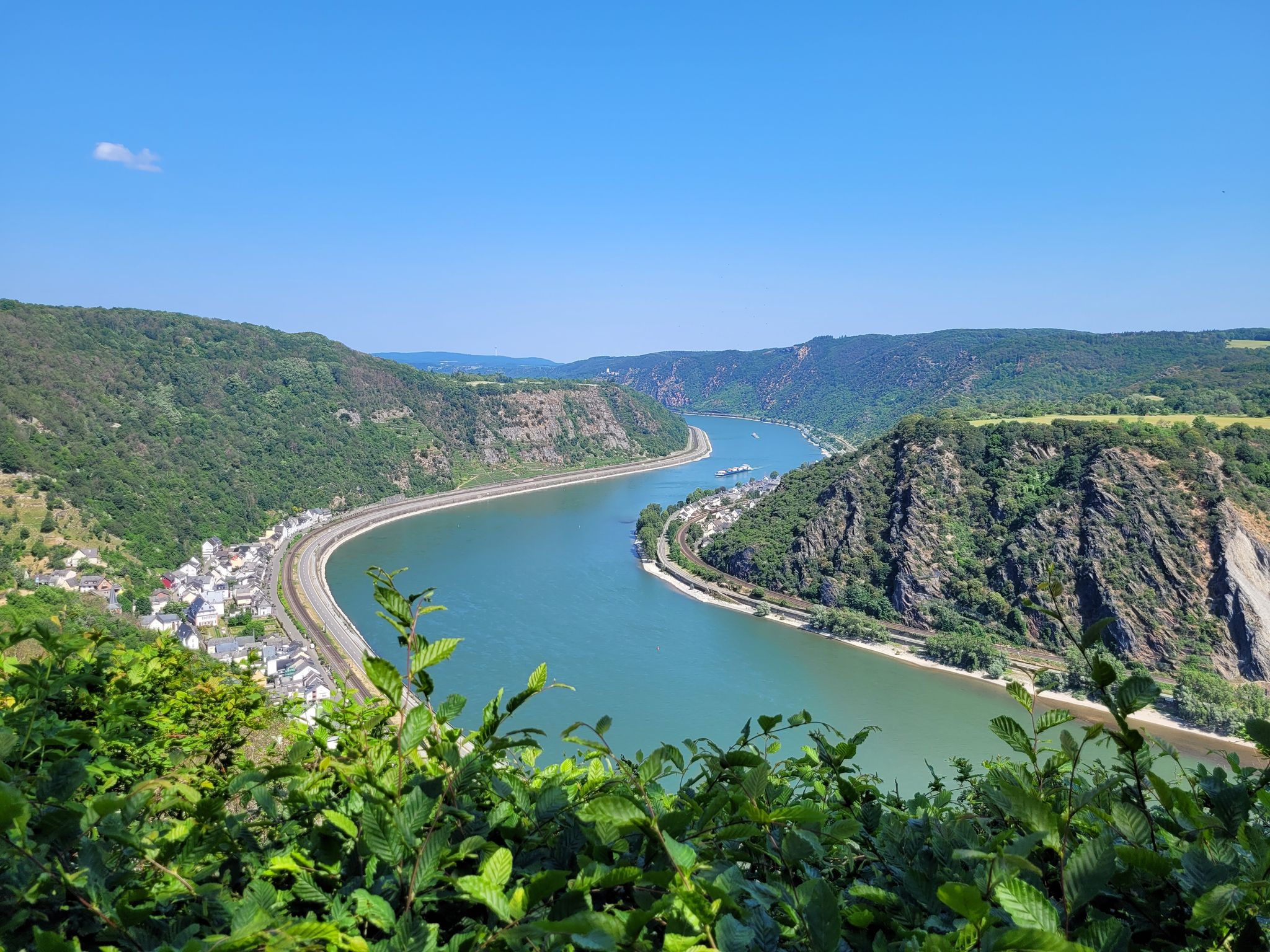
Welterbesteig Oberes Mittelrheintal

Rheinhessen mit Aussicht - Die schönsten Panoramatouren in Rheinhessen
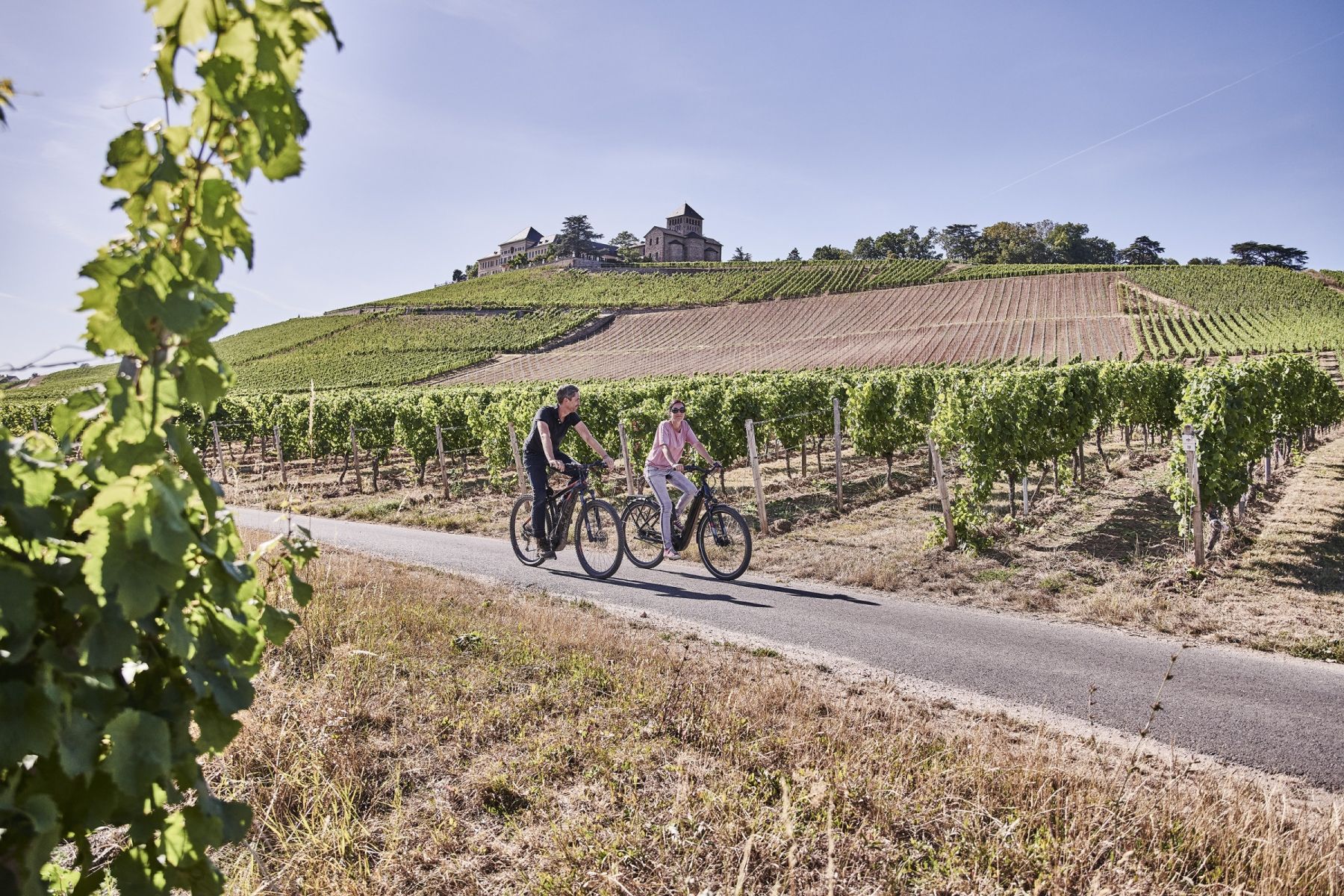
Wald, Wein und Weite – Genussvolle Radrouten im Rheingau
Other adventures around Bingen am Rhein


Tips from the Community

The new Drusus Bridge, still visible today, was built 100 years later under Archbishop Willigis (975-1011). This bridge was destroyed by the French in 1689. It was rebuilt by 1772. In March 1945, a special command blew up the bridge arch in front of the advancing troops of the Allies. Today, the 1000-year-old Drusus Bridge, in new splendor, once again shapes the cityscape of Bingen.
1
0
The Drusus Bridge owes its name to the Roman general Drusus, who is said to have built the first wooden bridge over the Nahe. It probably originated in the decade before Christ's birth, but was probably in a different location. At that time, Drusus fortified the left bank of the Rhine border of the Roman Empire by building fortifications and may have had a convenient path built across the Nahe. The wooden bridge was destroyed in 70 AD. The current stone bridge is a construction from the 11th century.
1
0
At the Rhine-Nahe corner is the impressive Poseidon sculpture, which was created by the Kiel artist Jo Kley at the beginning of the State Garden Show in 2008.
1
0

Beautiful old church building ⛪️
0
0
The architect was probably Ferdinand Illert.
1
0
The "Old Town Hall" in Büdesheim was built around 1530 in the late Gothic style. It is considered a landmark and the center of the district.
1
0

Löhrgasse and the Badergasse to the south are among the streets in Bingen's old town that have retained their medieval structure. The narrow, winding appearance of these alleys was typical of the residential areas of that time, especially those of artisans and small business owners. The names of the streets refer to their medieval residents: the barbers and the tanners. The location of the two alleys, first mentioned in 1348 and 1412 respectively, on the outskirts of the medieval town is by no means coincidental, as the barber trade was considered disreputable, and tanneries were banned from the city center due to the odor they emitted. Above all, the tanners, who sourced animal hides directly from butchers for leather production and tannin-rich oak bark (tannin) from the forests of the Middle Rhine Valley, were always dependent on running water to produce the poisonous tanning liquor. They therefore sought proximity to rivers. The location of Löhrgasse, as close as possible to the confluence of the Rhine and Nahe rivers, was also advantageous because the pollution of both rivers caused by the tanneries there could no longer bypass the town. Source: https://www.bingen.de/wirtschaft/binger-innenstadt/badergasse-und-loehrgasse
1
0
Former schoolhouse, Gothic-style quarry stone building, dated 1855 Source: Wikipedia
0
0
Frequently Asked Questions
How many urban hiking trails can I find in Bingen am Rhein?
Bingen am Rhein offers a diverse selection of urban hiking trails. You can explore over 10 routes directly within or very close to the city, ranging from easy strolls to moderately challenging walks.
Are there easy urban walks suitable for beginners or casual hikers in Bingen am Rhein?
Yes, Bingen am Rhein has many easy urban walks perfect for beginners or those looking for a relaxed stroll. Most of the urban trails, about 12 out of 13, are rated as easy. An example is the Drusus Bridge – View of Burg Ehrenfels loop from Bingen, which offers pleasant riverside views.
What kind of landscapes and terrain can I expect on urban hikes in Bingen am Rhein?
Urban hikes in Bingen am Rhein offer a blend of experiences. You'll find paths along the picturesque Rhine and Nahe river valleys, through charming vineyards, and into the edges of the Bingen Forest. The terrain is generally gentle, with some routes featuring slight inclines to viewpoints or historic sites.
Are there any family-friendly urban hiking options in Bingen am Rhein?
While the Bingen Forest Adventure Trail is a popular family option slightly outside the immediate urban core, many of the easy urban loops are suitable for families. These trails often feature paved or well-maintained paths, making them accessible for various ages. Look for routes with minimal elevation gain, such as the Annenhof Winery – Former schoolhouse from 1855 loop from Münster-Sarmsheim.
Can I bring my dog on urban hikes in Bingen am Rhein?
Generally, dogs are welcome on most urban hiking trails in Bingen am Rhein, provided they are kept on a leash. It's always a good idea to carry water for your pet, especially during warmer months, and to be mindful of local regulations, particularly in nature reserve areas or crowded spots.
What interesting sights and landmarks can I discover on urban hikes around Bingen am Rhein?
Urban hikes in Bingen am Rhein are rich with historical and natural sights. You can explore landmarks like Klopp Castle, the Drusus Bridge, and the Roman Well. Some routes might even offer glimpses of the famous Steckeschlääferklamm — Tree Spirits (Baumgeister) Trail or the Niederwald monument from a distance. The region's rich history as part of the UNESCO World Heritage Upper Middle Rhine Valley means there's always something to see.
Are there urban hiking trails that offer great views of the Rhine?
Absolutely. Many urban trails in Bingen am Rhein are designed to showcase the stunning Rhine river. Routes often follow the riverbanks or ascend to viewpoints offering panoramic vistas of the Rhine, the Mouse Tower, and the surrounding vineyards. The Drusus Bridge – View of Burg Ehrenfels loop from Bingen is a great option for river views.
Are there circular urban hiking routes available in Bingen am Rhein?
Yes, many of the urban hiking trails in Bingen am Rhein are circular, allowing you to start and end at the same point without retracing your steps. Examples include the Bingen Market Fountain – Ascent to Klopp Castle loop from Münster-Sarmsheim and the Roman Well at Klopp Castle – Roman milestones in Bingen loop from Münster-Sarmsheim.
How can I reach the urban hiking trails in Bingen am Rhein using public transport or by car?
Bingen am Rhein is well-connected by public transport, with a main train station (Bingen (Rhein) Hbf) and local bus services that can take you close to various trailheads. For those traveling by car, there are often public parking facilities available in and around the city center, though availability can vary, especially during peak season.
What is the best time of year for urban hiking in Bingen am Rhein?
The spring and autumn months are particularly pleasant for urban hiking in Bingen am Rhein. Spring brings blooming flowers and fresh greenery, while autumn offers vibrant fall foliage in the vineyards and forests. Summer can also be enjoyable, especially for riverside walks, but it's advisable to start early to avoid the midday heat. Winter hikes are possible, though some paths might be slippery.
What do other hikers say about the urban trails in Bingen am Rhein?
The urban trails in Bingen am Rhein are highly rated by the komoot community, with an average score of 4.6 stars from over 4,000 ratings. Reviewers often praise the accessibility of the trails, the beautiful river views, and the combination of nature with historical sites right within the city's reach.
Can I find urban hikes that pass by historical sites?
Many urban hikes in Bingen am Rhein incorporate historical sites into their routes. You can walk past the Roman Well, explore the area around Klopp Castle, or see remnants of ancient Roman history. The region's rich past as part of the UNESCO World Heritage Upper Middle Rhine Valley means historical points of interest are abundant.
Most popular routes around Bingen am Rhein
Most popular attractions around Bingen am Rhein

Get inspired with the komoot mobile app


Explore more
Browse the best Hikes in other regions.
