The best city hikes and walks around Clausthal Zellerfeld
4.6
(27207)
92,466
hikers
14
hikes
Urban hiking trails around Clausthal-Zellerfeld traverse a landscape characterized by its historical mining heritage and proximity to the Harz Mountains. The town itself is situated amidst forests and features numerous ponds, many of which are part of the UNESCO World Heritage Upper Harz Water Management System. These urban routes often combine historical sites with natural elements, offering varied walking experiences within and around the town.
Best urban hiking trails around Clausthal Zellerfeld
- The most popular urban hiking route is Mining…
Last updated: August 6, 2026
4.6
(5)
55
hikers
Easy hike. Great for any fitness level. Easily-accessible paths. Suitable for all skill levels.
3.0
(2)
16
hikers
Easy hike. Great for any fitness level. Easily-accessible paths. Suitable for all skill levels.

Sign up for free
4.6
(5)
16
hikers
Easy hike. Great for any fitness level. Easily-accessible paths. Suitable for all skill levels.
8
hikers
3.60km
00:58
40m
40m
Easy hike. Great for any fitness level. Easily-accessible paths. Suitable for all skill levels.
11
hikers
Easy hike. Great for any fitness level. Easily-accessible paths. Suitable for all skill levels.
Get access to more routes and recommendations from other explorers.
Sign up for free
Already have an account?
Our route recommendations are based on thousands of hikes, rides, and runs completed by other people on komoot.
Start today with a free account
Your next adventure awaits.
Login or Signup
Popular around Clausthal-Zellerfeld
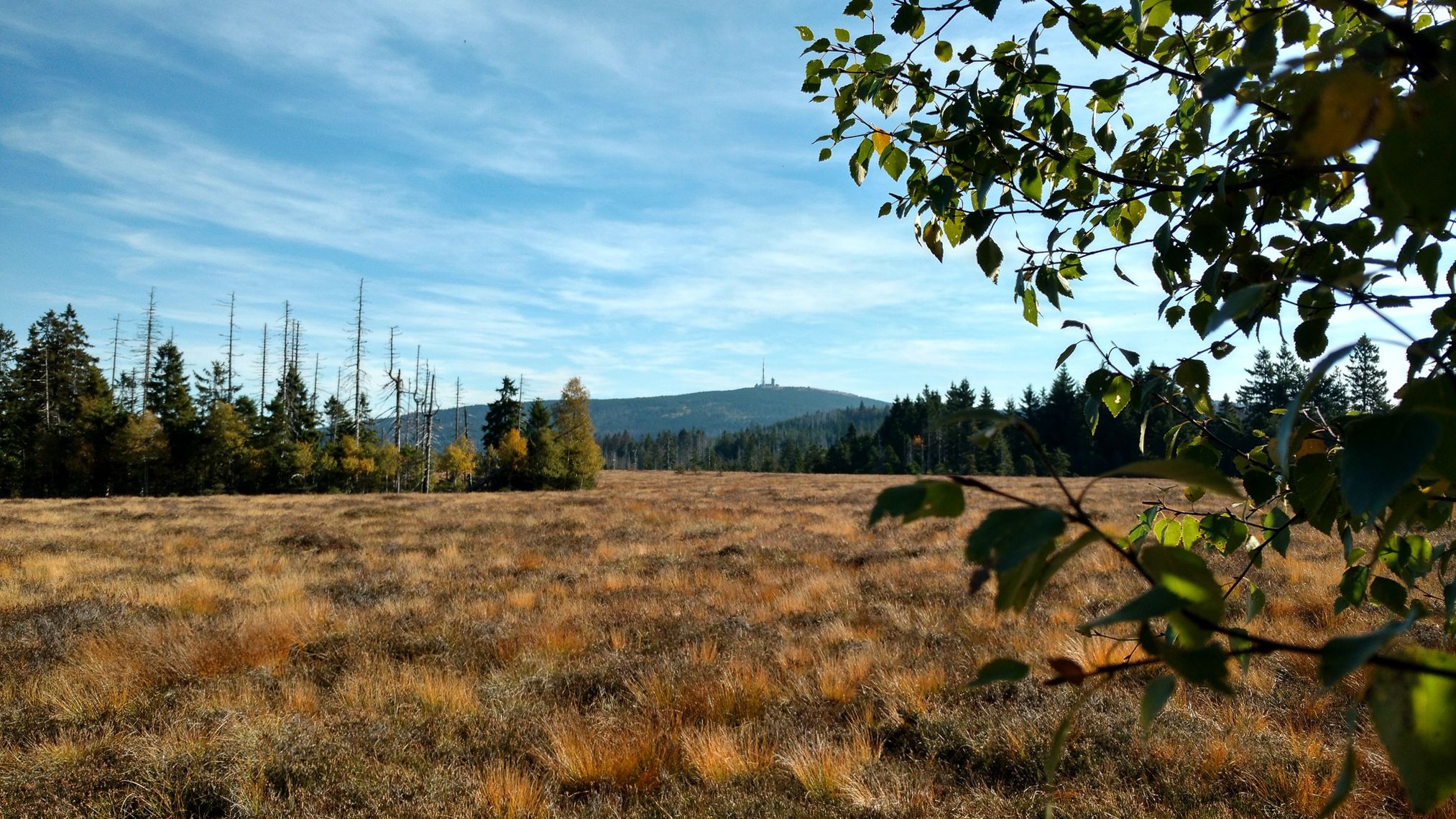
Harz Witches' Trail – A magical journey through Germany
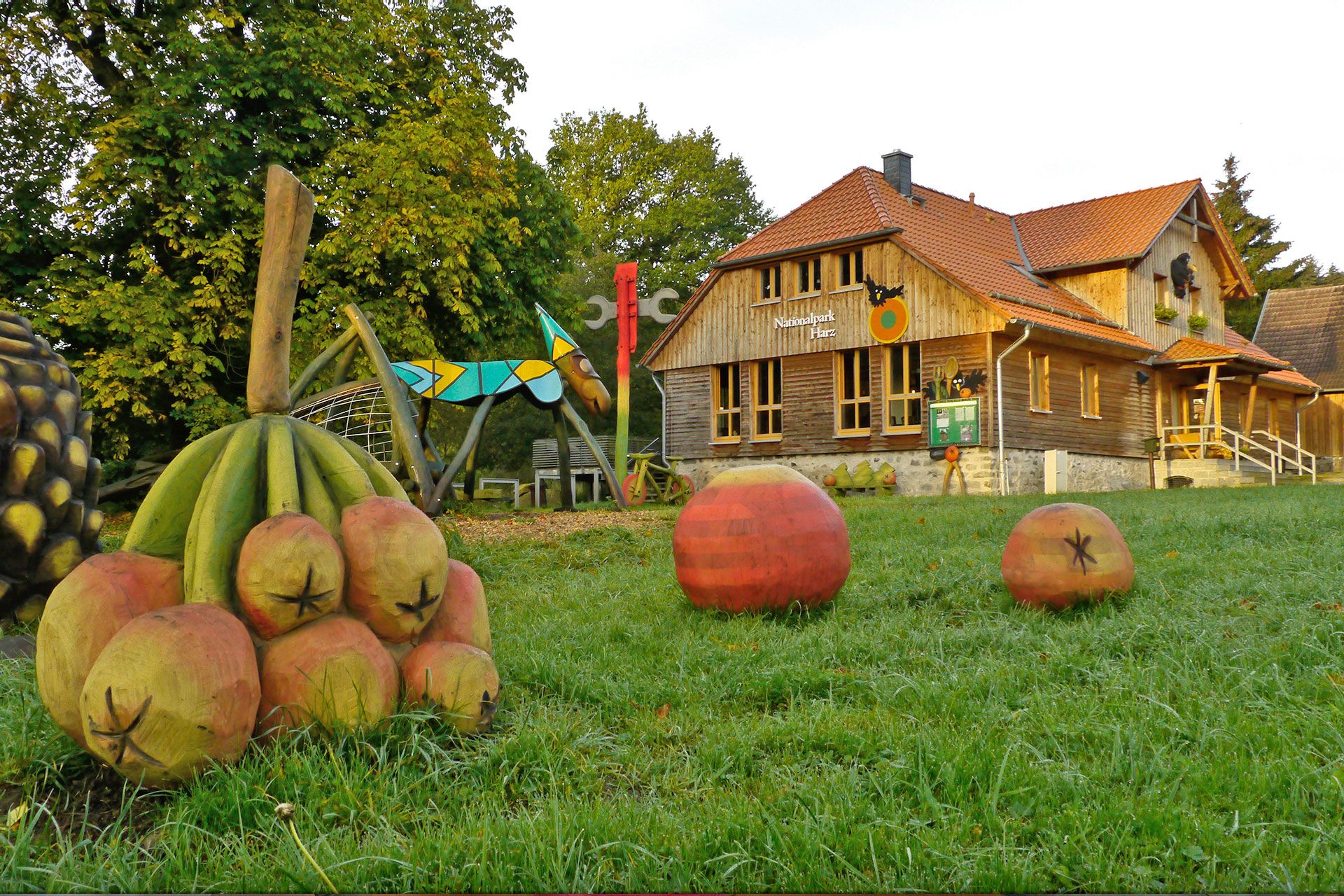
National park facilities in Harz National Park
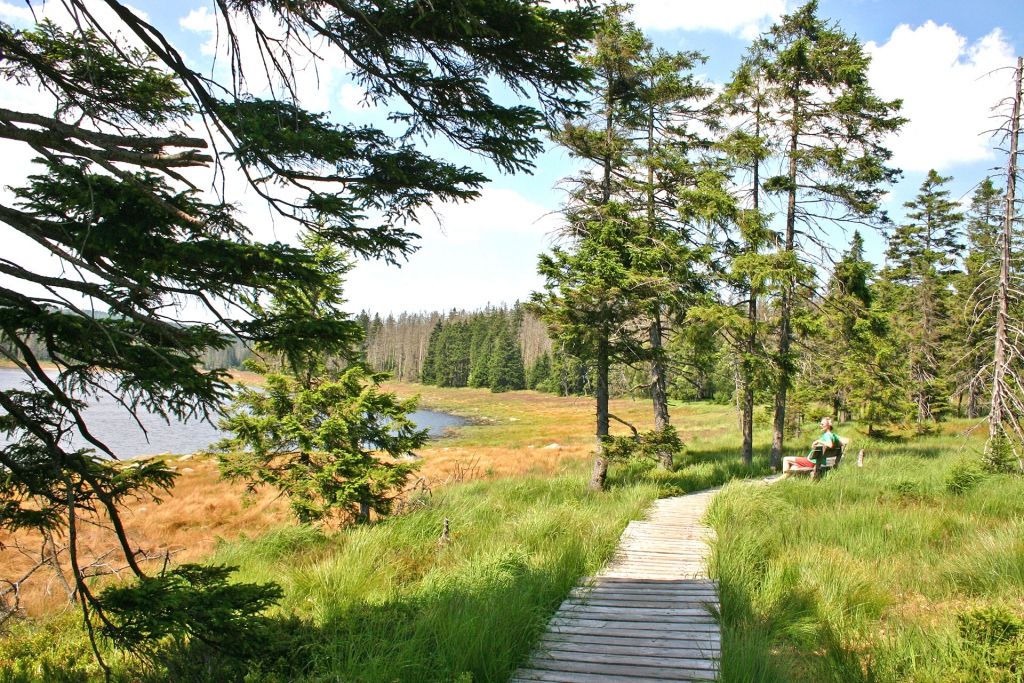
The most beautiful hiking tours in Harz National Park
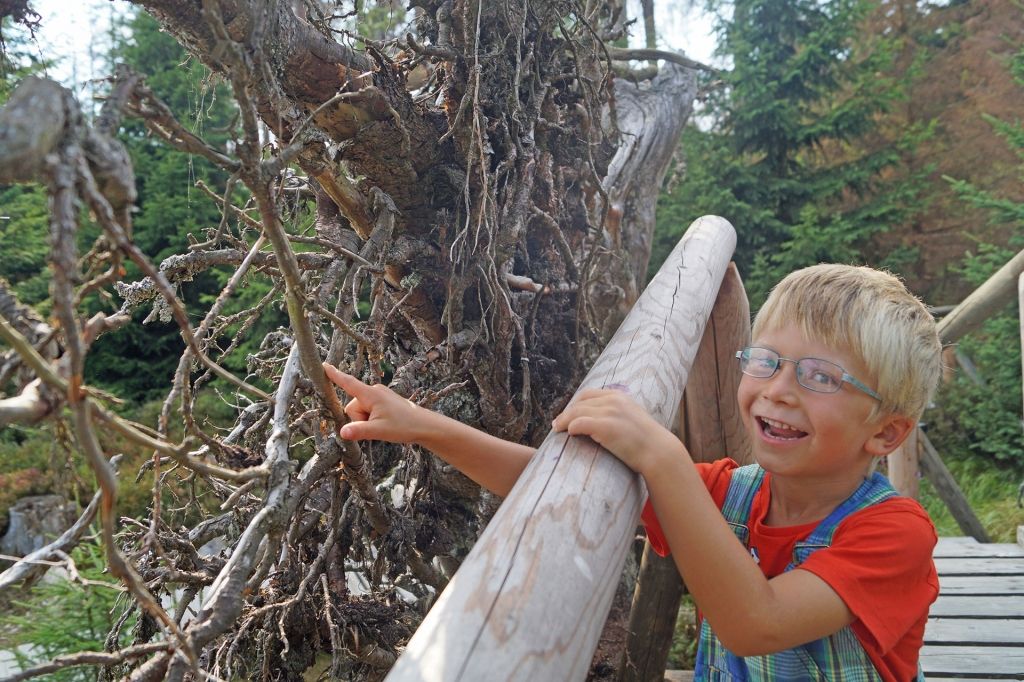
Nature experience trails in Harz National Park
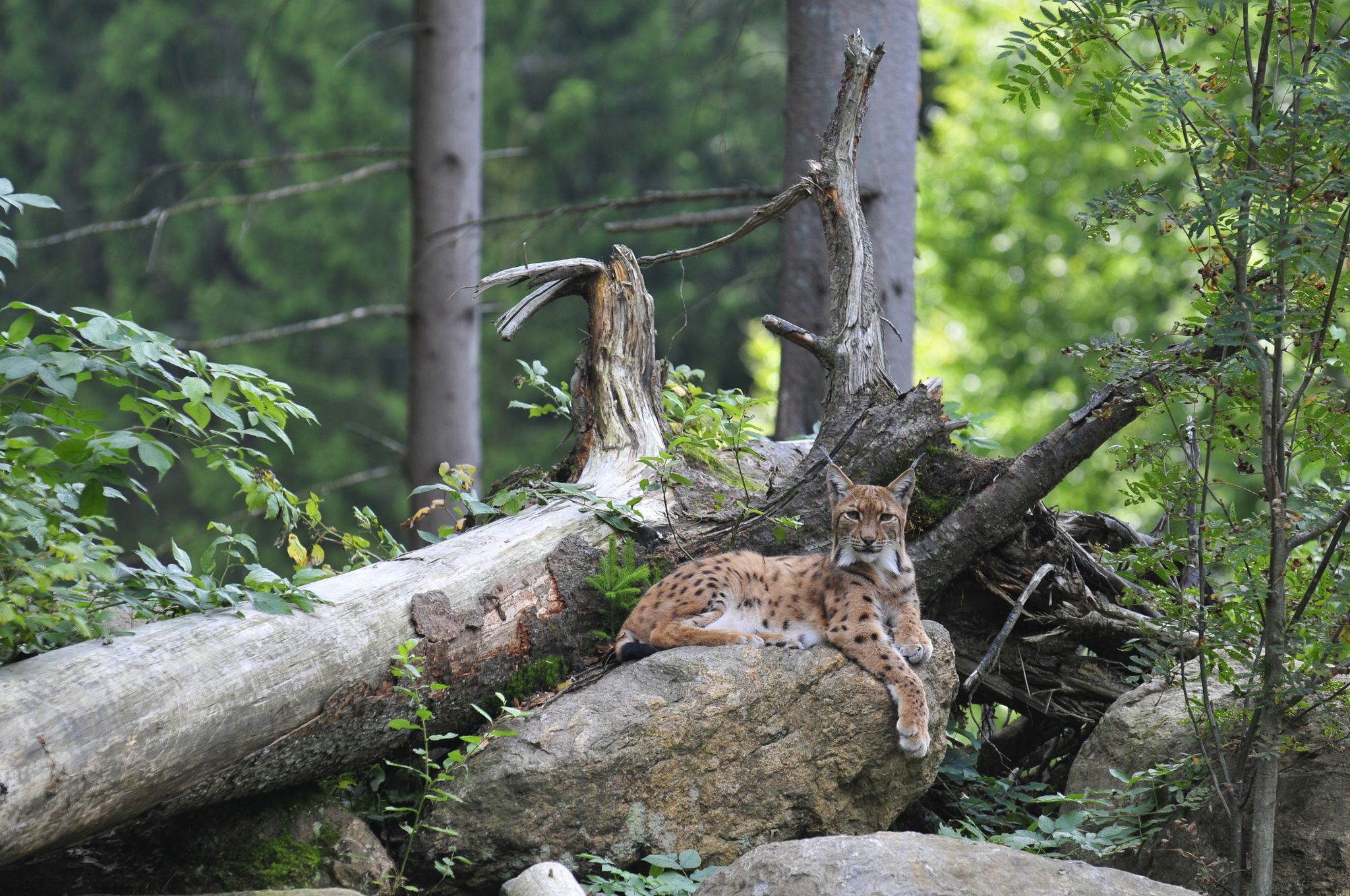
Discover the Green Belt in the Harz Mountains with BUND
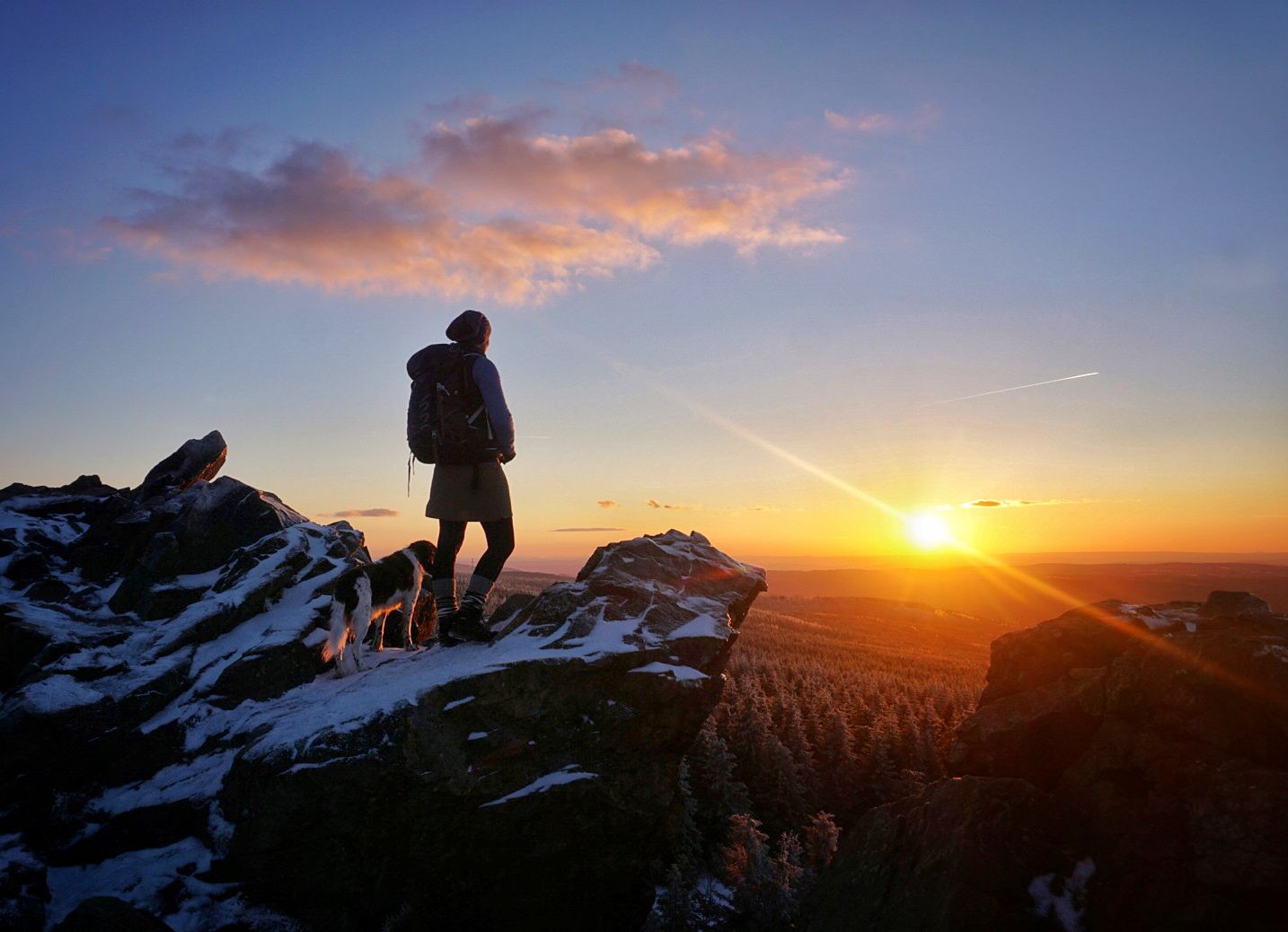
Explore beautiful winter hikes in Germany’s Harz Mountains
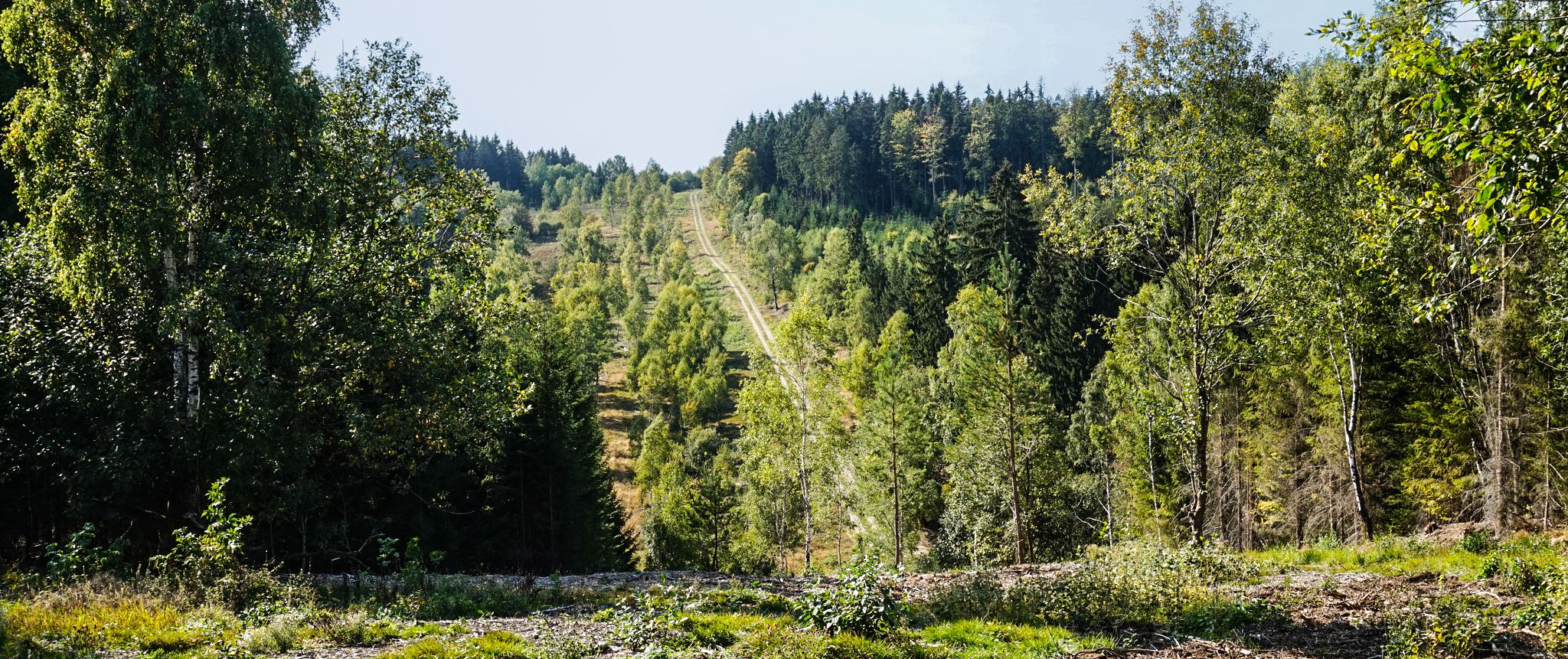
Discover the nature along the “Greenbelt” together with the BUND
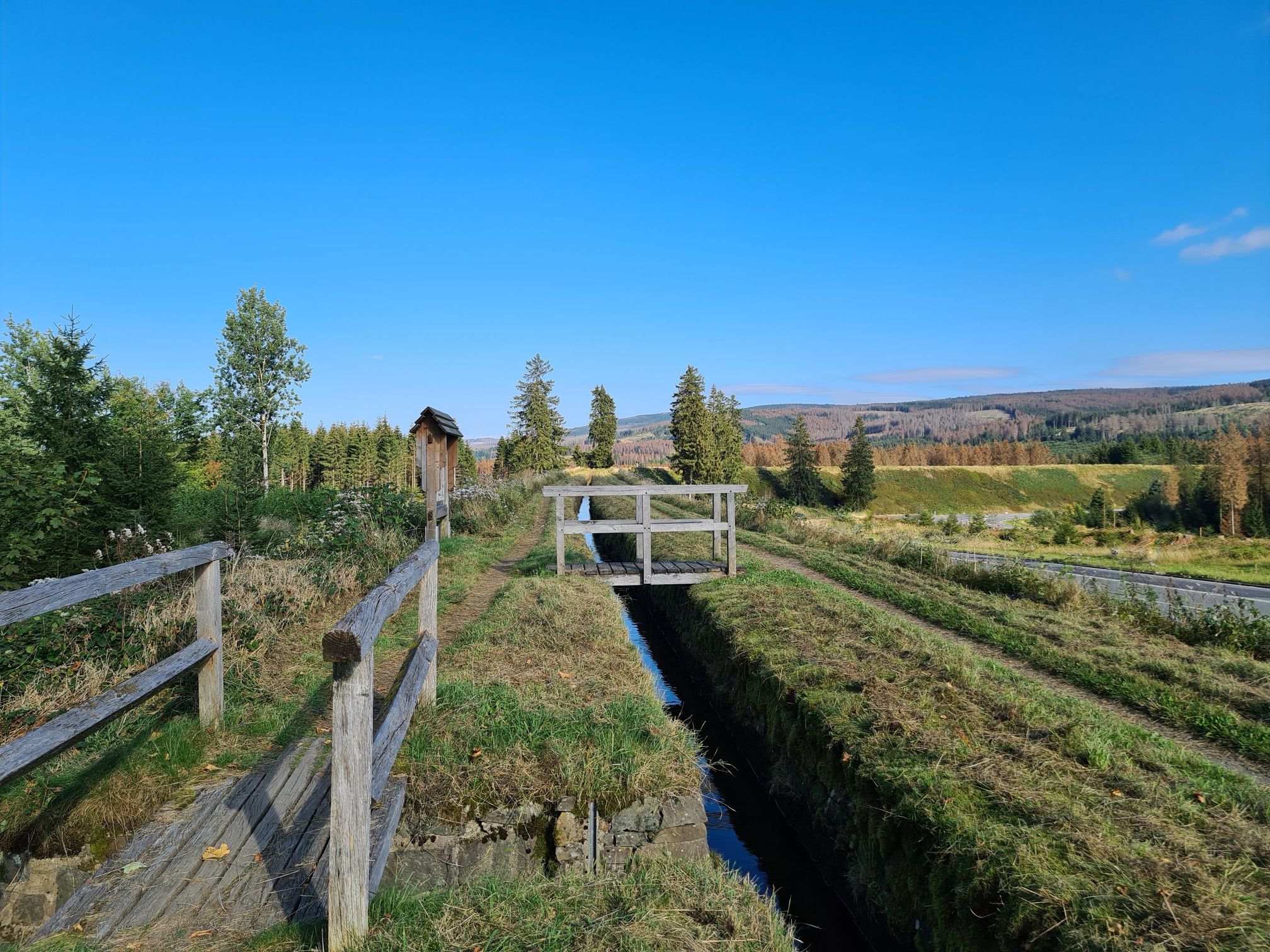
Explore Germany’s mining history — explore the Harz Mountains
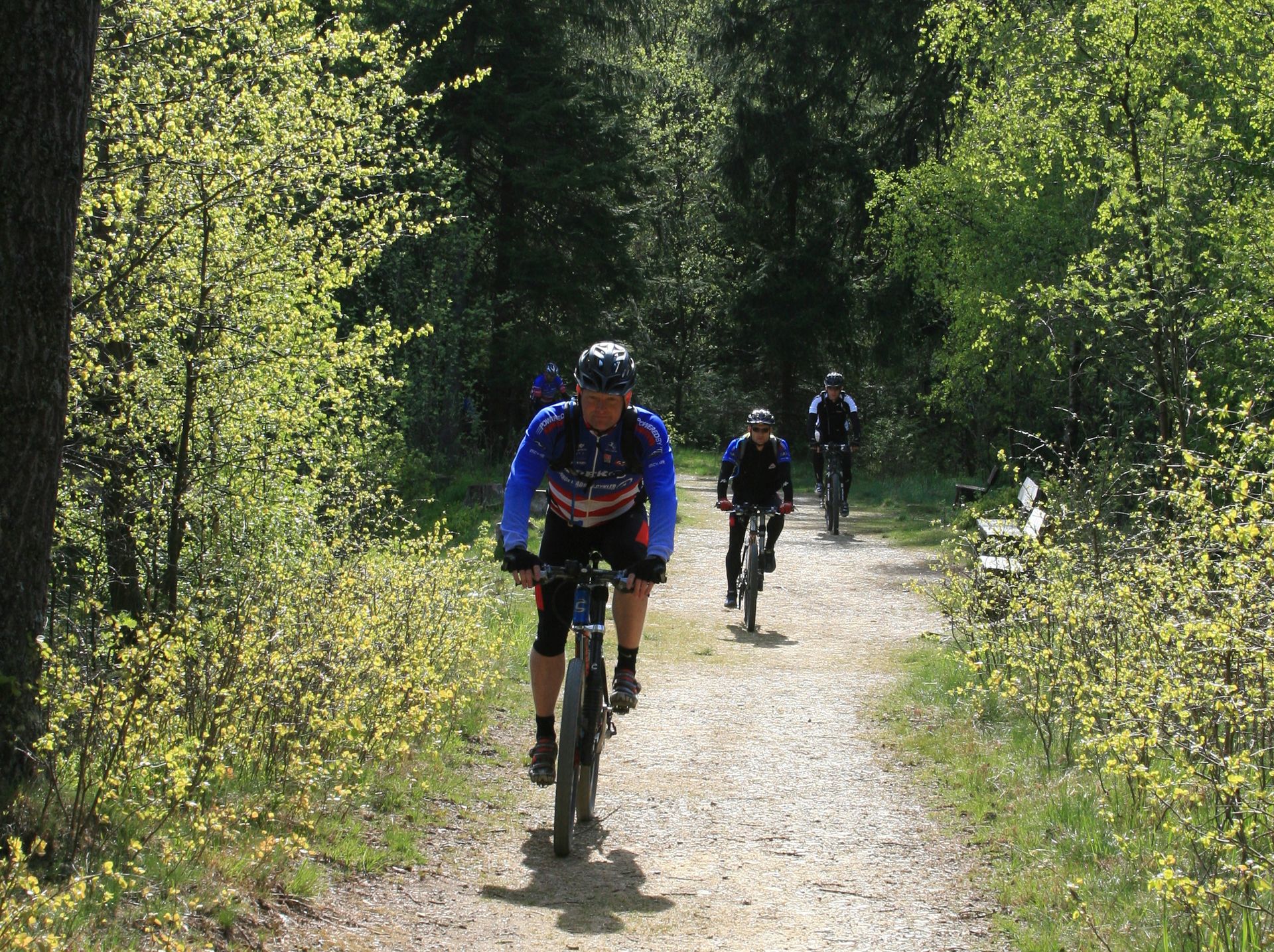
Mountainbike Routes in Nationalpark Harz
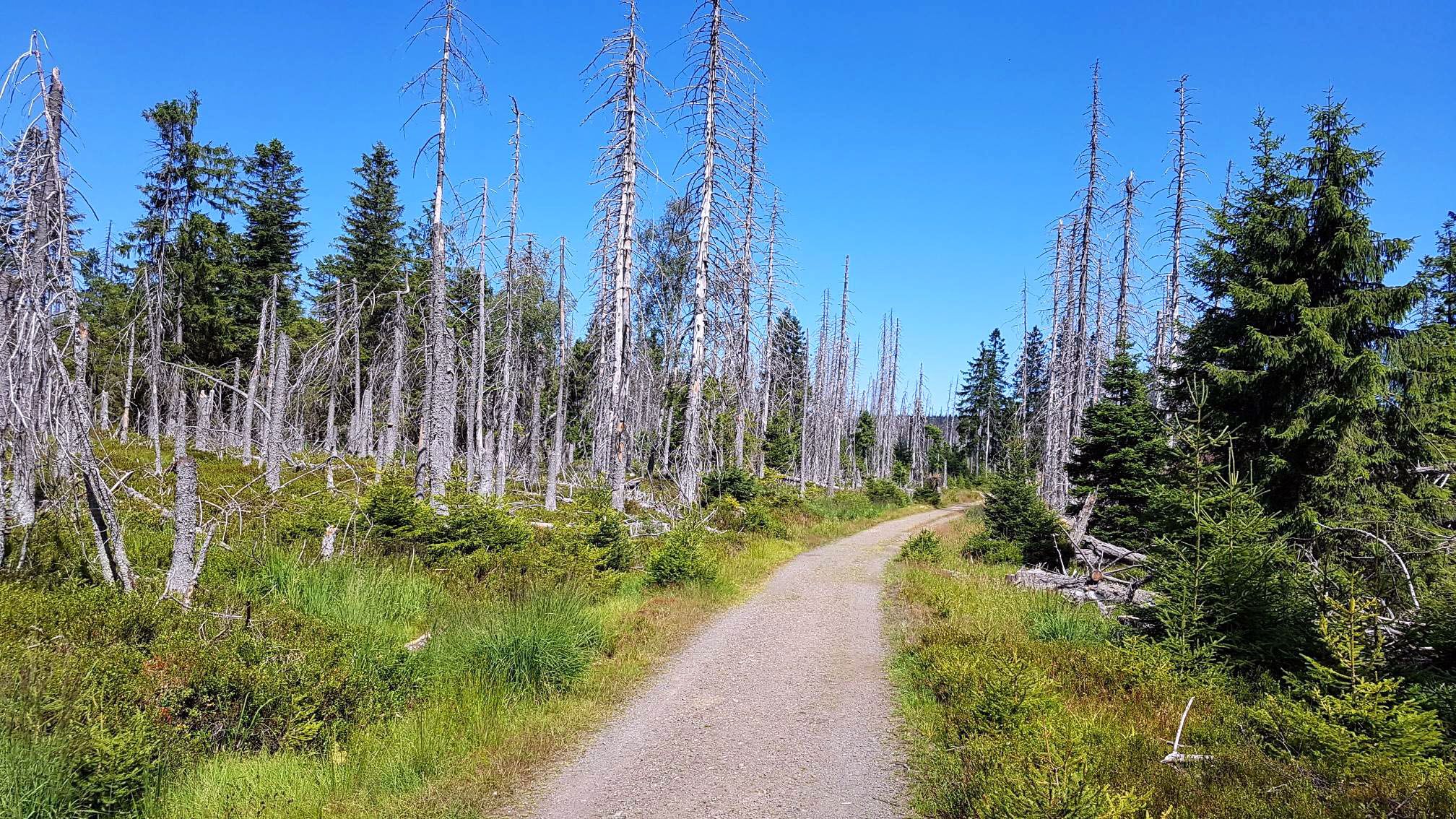
Moors, forests & trails – a Trans Harz double whammy
Other adventures around Clausthal Zellerfeld


Tips from the Community

From the small triangular island at the crossroads diagonally opposite, you have the best view for a super photo!
0
0

The wooden church in Clausthal is simply a jewel in the market square.
1
0

The history of the Mining Museum began in 1884, when the then Mining Captain Adolf Achenbach issued a directive calling on miners to donate special, disused historical mining equipment to a collection for the establishment of a museum. In 1892, it was officially established as the Zellerfeld District Museum. After the merger of the previously independent towns of Zellerfeld and Clausthal to form the twin town of Clausthal-Zellerfeld in 1924, the vacant Zellerfeld Town Hall was occupied, and the museum was reopened on October 8, 1928, at the 58th Annual General Meeting of the Harz Society for History and Archaeology. In the following years, the outdoor area with the show mine was built. Source: Wikipedia
10
1
Office building of the State Office for Mining, Energy, and Geology, formerly the Upper Mining Authority. This building was constructed between 1726 and 1730 under the leadership of mining captain Heinrich Albert von dem Busche, replacing the previous building that had burned down in 1725. Over the centuries, many important figures have been guests at the office building, including Johann Wolfgang von Goethe in 1777 during his first trip to the Harz Mountains. Source: Display board
6
1
The design for the new St. Salvatoris Church was created by master builder Erich Hans Ernst from Wolfenbüttel. It was a Renaissance-style, transept church with a hall. In order to accommodate the alignment of the streets and blocks in Zellerfeld, which had been established after the fire, the church could not be aligned in the classic east-west direction; instead, the main axis runs northeast to southwest. To finance the construction, the local rulers allowed the people of Zellerfeld to dig out the old ore dumps in their free time—that is, to search for ore—and sell it. A commemorative plaque in the northwest vestibule also commemorates this. In this way, over 20,000 thalers were raised. The total construction cost was 38,000 thalers, with the copper roof alone costing 13,280 thalers. Source: Wikipedia
10
1

Square in the center of Clausthal - Zellerfeld.
0
0

The TU Clausthal has only existed under this name since 1968; before that, it was known as the Mining Academy (since 1864), the Clausthal Mining Academy (Technical University) (since 1934) and the Clausthal Technical University (from 1966 to 1968). Before it was elevated to the status of a mining academy, it was "only" a mining school, and at times also a mining and forestry school. For a considerable time, however, the mining school continued to operate in parallel under the common roof of the "United Mining Academy and Mining School". After a separation, the mining school continued to exist as the Clausthal Mining and Metallurgy School until 1998 and is now the Technical School for Business and Technology. The origins of these training institutions are the one-year training courses for miners and metallurgists in 1775. Today, there are numerous bachelor's and master's degree programs in several faculties. These are very well regarded in the world of business, as they, together with the TU Clausthal as a whole, repeatedly occupy top positions in the CHE ranking (Center for University Development), which is published annually in "Die Zeit". In addition to the main building of the TU Clausthal (right next to the Market Church of the Holy Spirit), there are numerous historical and tourist-interest university buildings scattered throughout the entire Clausthal area. These include the Aula academica (sports hall and event center), the Fritz Süchting Institute for Mechanical Engineering, the Mining Institute, the old Clausthal Mint (now a student dormitory) and many others.
1
0
Frequently Asked Questions
How many urban hiking trails are available in Clausthal-Zellerfeld?
There are over a dozen easy urban hiking trails around Clausthal-Zellerfeld, perfect for exploring the town and its immediate surroundings. These routes are generally short and accessible, making them ideal for a relaxed stroll.
What kind of terrain can I expect on urban hikes in Clausthal-Zellerfeld?
Urban hikes in Clausthal-Zellerfeld typically feature gentle paths through town, alongside historic ponds, and into nearby wooded areas. The terrain is generally easy, with minimal elevation gain, making it suitable for all fitness levels. You'll often find yourself walking on well-maintained paths and sidewalks.
Are there any family-friendly urban walks in Clausthal-Zellerfeld?
Absolutely! Many of the urban trails are perfect for families due to their easy difficulty and shorter distances. For example, the Robert Koch Hospital Clausthal – Mining Authority loop is a short, pleasant walk. The region's history and natural features also offer engaging points of interest for children.
Can I bring my dog on urban hikes in Clausthal-Zellerfeld?
Yes, dogs are generally welcome on urban hiking trails in Clausthal-Zellerfeld. The easy terrain and varied landscapes provide a great outing for you and your canine companion. Remember to keep your dog on a leash and clean up after them to ensure a pleasant experience for everyone.
What historical sites or landmarks can I see on urban trails?
Urban trails in Clausthal-Zellerfeld often lead past significant historical sites. You can explore the town's rich mining heritage, including the Mining Authority and the Oberharzer Mining Museum. The Robert Koch House and Memorial loop is another route that takes you past an important historical landmark. Additionally, you might encounter parts of the UNESCO World Heritage Upper Harz Water Management System, such as historic ponds.
Are there urban hiking routes that are circular?
Yes, most urban hiking routes in Clausthal-Zellerfeld are designed as circular loops, offering convenient starting and ending points. Examples include the Mining Authority – Oberharzer Mining Museum loop and the Mining Authority – Upper Hausherzberger Pond loop, allowing you to return to your starting point without retracing your steps.
How can I access urban hiking trails using public transport?
Clausthal-Zellerfeld has local bus services that connect various parts of the town and surrounding areas. Many urban trailheads are accessible from bus stops within the town center or near key attractions. Check local bus schedules for the most convenient access to your chosen route.
Is parking available near urban hiking trailheads?
Yes, parking is generally available in Clausthal-Zellerfeld, particularly near popular starting points for urban hikes. Look for designated parking areas in the town center or near specific attractions like the Mining Authority or the Robert Koch Hospital, which serve as common trailheads.
What is the best time of year for urban hiking in Clausthal-Zellerfeld?
Urban hiking in Clausthal-Zellerfeld is enjoyable year-round. Spring and summer offer lush greenery and pleasant temperatures, while autumn brings vibrant foliage. Even in winter, the town's paths are often cleared, providing opportunities for scenic walks through a snow-dusted landscape.
Are there urban trails suitable for winter hiking?
Many urban trails in Clausthal-Zellerfeld remain accessible and enjoyable during winter. The town's infrastructure ensures that main paths are often maintained, allowing for pleasant walks even when there's snow. Dress warmly and wear appropriate footwear for potentially icy conditions.
Can I find cafes or places to eat along urban hiking routes?
Yes, as these are urban hikes, you'll find various cafes, restaurants, and bakeries within Clausthal-Zellerfeld itself. Many routes pass directly through or near the town center, providing ample opportunities to stop for refreshments or a meal before, during, or after your walk.
What do other hikers say about urban trails in Clausthal-Zellerfeld?
The urban trails in Clausthal-Zellerfeld are highly rated by the komoot community, with an average score of 4.6 stars. Reviewers often praise the easy accessibility, the blend of historical sights with natural beauty, and the well-maintained paths that make for a relaxing and informative walk through the town.
Are there any urban hikes that feature the Upper Harz Water Management System?
Yes, several urban hikes in Clausthal-Zellerfeld incorporate elements of the UNESCO World Heritage Upper Harz Water Management System. You can often find routes that lead alongside historic ponds like the Upper Hausherzberger Pond, as seen on the Mining Authority – Upper Hausherzberger Pond loop, offering a glimpse into this impressive historical engineering feat.
What are some easy urban hikes for beginners?
All urban hikes in Clausthal-Zellerfeld are classified as easy, making them perfect for beginners. Routes like the Robert Koch Hospital Clausthal – Mining Authority loop or the Mining Authority – Muckebeer Barana loop are short, flat, and offer a gentle introduction to exploring the town on foot.
Most popular routes around Clausthal Zellerfeld
Most popular attractions around Clausthal Zellerfeld

Get inspired with the komoot mobile app


Explore more
Browse the best Hikes in other regions.
