The best traffic-free bike rides around Arnbruck
4.6
(189)
3,123
riders
44
rides
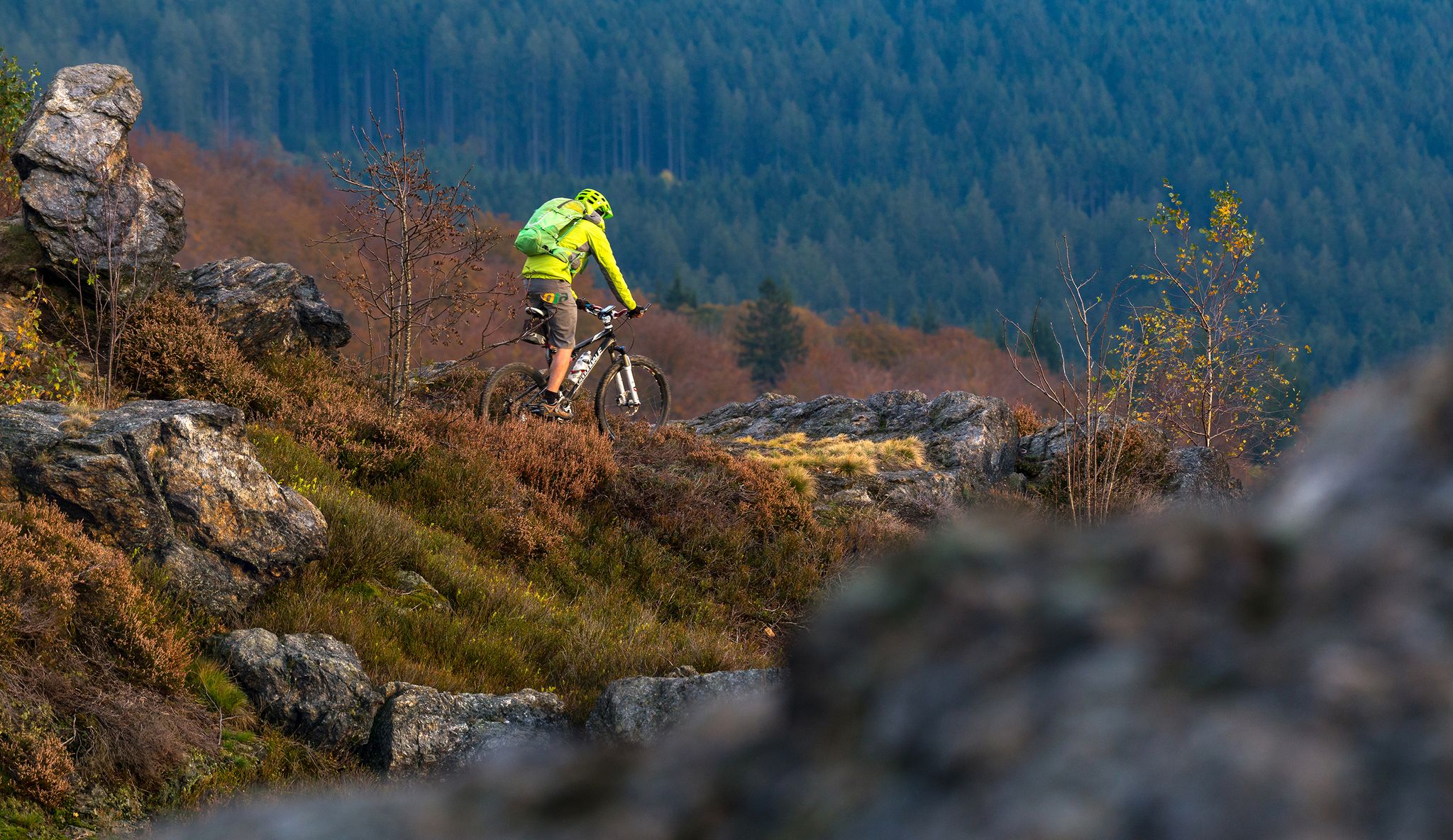
No traffic road cycling routes around Arnbruck traverse a landscape characterized by the Bavarian Forest's mountain scenery and verdant valleys. The region features significant elevation changes, with the Großer Arber mountain dominating the skyline. Cyclists encounter winding roads and diverse terrain, ranging from challenging mountain climbs to scenic valley rides. This area offers varied routes suitable for different skill levels, with numerous quiet roads away from main thoroughfares.
Best no traffic road cycling routes around Arnbruck
- The most popular no…
Last updated: May 14, 2026
4.2
(9)
170
riders
48.3km
02:07
230m
230m
Moderate road ride. Good fitness required. Some segments of this route may be unpaved and difficult to ride.
2.8
(10)
50
riders
Moderate road ride. Good fitness required. Some segments of this route may be unpaved and difficult to ride.

Sign up for free
4.4
(5)
48
riders
43.7km
02:23
720m
720m
Moderate road ride. Good fitness required. Some segments of this route may be unpaved and difficult to ride.
3.0
(7)
26
riders
68.2km
03:30
1,050m
1,050m
Hard road ride. Very good fitness required. Mostly well-paved surfaces and easy to ride.
5.0
(1)
13
riders
49.7km
02:43
750m
750m
Moderate road ride. Good fitness required. Some segments of this route may be unpaved and difficult to ride.
Get access to more routes and recommendations from other explorers.
Sign up for free
Already have an account?
Our route recommendations are based on thousands of hikes, rides, and runs completed by other people on komoot.
Start today with a free account
Your next adventure awaits.
Login or Signup


Tips from the Community


Parish Church of St. John Due to its prominent location on the edge of the Pfahl (hill), the parish church of St. John in Moosbach is visible from afar, especially to the south and west. The church tower is 41.5 meters high and rises far above the houses in the Moosbach village. The origins of the current parish church and tower likely date back to the Romanesque period. The nave walls are Romanesque. The choir, tower, and vault of the church are late Gothic. In 1691, the church was expanded with two side chapels and given a Baroque redesign. Over the next few decades, the church received its current furnishings. Due to significant structural defects, the parish church underwent extensive renovation and expansion starting in the spring of 1963. In July 1963, the church was lengthened by eleven meters. Due to structural defects, the church was extensively renovated again from 1987 to 1991. The high altar is a Rococo creation from around 1720 to 1730. It contains life-size figures of Saint Helena and Emperor Heraclius as altar guardians, both of whom play important roles in the rediscovery and recapture of Christ's cross. Since 1990, the high altar has again featured the image of John the Baptist, the patron saint of the parish church. The words above the image, "Ecce agnus die" (Behold the Lamb of God), recall the words of John the Baptist when Jesus came to him at the Jordan to be baptized. The current altarpiece dates from the mid-19th century. The magnificently restored pulpit dates from 1691. Images of the four evangelists can be seen in the individual panels of the pulpit. The right side chapel features an altar dating from 1730. Its centerpiece is the statue of John the Baptist. Above him is the figure of Saint Joseph. Saint Barbara stands on the left side of this altar, and Saint Catherine on the right. The left side chapel is the Chapel of St. Mary and was also created in 1730. The altarpiece depicts a devotional image of Saint Anne, her daughter Mary, and the Infant Jesus. Also depicted in the image are Saint Sebastian and Saint Florian. The outer wall is decorated with a beautiful seated figure of Mary with the Infant Jesus. Source: Excerpts from www.pfarrei-moosbach-niederbayern.de
2
0
Parish Church of St. Martin The first Romanesque religious building in Miltach was built between 1050 and 1100. Around 1400 the apse was demolished and the current choir was built in the same place. Around the middle of the 18th century the church was given a baroque makeover, mainly by raising the tower. There were two reasons for the renewed expansion and redesign in 1974: the lack of space for churchgoers and the dilapidated structure of the nave. After initial concerns, the State Office for Monument Preservation gave its consent to the demolition of the rear part and the subsequent new construction. The official laying of the foundation stone took place on September 8, 1974 by cathedral canon Martin Lehner. The topping-out ceremony was celebrated on October 25 of the same year. Auxiliary Bishop Karl Flügel consecrated the parish church on August 8, 1976. The high altar from 1760, a Rococo structure with free-standing round and square columns, is extended to the sides with passageways underneath. The figure of St. Andrew on the left and St. James on the right stand as altar guards. The center of the high altar is a painting depicting the patron saint of the parish church, St. Martin. The picture with the well-known motif of the cloak being divided was painted by Ignaz Anton Sollfleisch from Cham. At the top, the high altar ends with a so-called mercy seat, a depiction of the Holy Trinity. To the left of the altar is the figure of St. Florian (1763), to the right is the plague saint Sebastian (1754), and St. Barbara (around 1980), the latter as a replacement for the statue stolen around 1960. The left side altar is a reconstruction of the altar that burned on December 9, 1986. The Gothic Madonna of the Radiance and Child (1480) was also completely destroyed in this disaster. The other two figures, Saint Francis Xavier on the left and Saint Nepomuk on the right, were restored by carving. The altarpiece shows Saint Gertrude von Hefta, painted by Georg Achtelstetter from Cham in 1923. The right side altar (1760) received a picture of Saint Nicholas in 1987, a copy from the church in Haag near Hohenschambach. The golden apples and the book on the altar pillars as well as the miter above the altar testify that it was already dedicated to Saint Nicholas before 1923. Source: Excerpts from www.pfarrei-miltach.de
2
0

Here is some information: https://www.waffelbahnhof.de/
1
0
Cute town, beautiful parish church.
1
0

Nice rest stop with hearty meals and desserts
1
0
cozy refreshment stop with hearty meals and desserts
1
0

Great place to stop for refreshments with several charging sockets.
2
0
Frequently Asked Questions
How many no-traffic road cycling routes are available around Arnbruck?
Komoot offers over 40 dedicated no-traffic road cycling routes around Arnbruck. These routes range in difficulty from easy to difficult, ensuring there's a suitable option for every cyclist looking to explore the beautiful Bavarian Forest region.
What is the general difficulty level of no-traffic road cycling routes in Arnbruck?
The no-traffic road cycling routes around Arnbruck cater to various skill levels. You'll find a good mix, with 3 easy routes perfect for beginners, 23 moderate routes offering a balanced challenge, and 16 difficult routes for experienced cyclists seeking significant elevation gains and longer distances. The region's hilly landscape provides ample opportunities for ambitious rides.
What kind of terrain can I expect on the no-traffic road cycling routes in Arnbruck?
The terrain around Arnbruck is characterized by its diverse landscapes, including captivating mountain scenery and verdant valleys. You can expect a mix of challenging mountain climbs and scenic valley rides, often on winding roads away from main thoroughfares. Routes frequently feature significant elevation changes, making it ideal for training or long, demanding tours.
Are there any circular no-traffic road cycling routes in Arnbruck?
Yes, many of the no-traffic road cycling routes around Arnbruck are designed as loops, allowing you to start and end at the same point. For example, you could try the moderate Chapel Rest Area – Café Waffel Miltach loop from Bad Kötzting, which covers nearly 50 km, or the more challenging St. Martin's Church, Miltach – Pilgrimage Church Weißer Regen loop from Zellertal, spanning over 55 km with considerable ascent.
What natural features or viewpoints can I expect to see along the no-traffic road cycling routes?
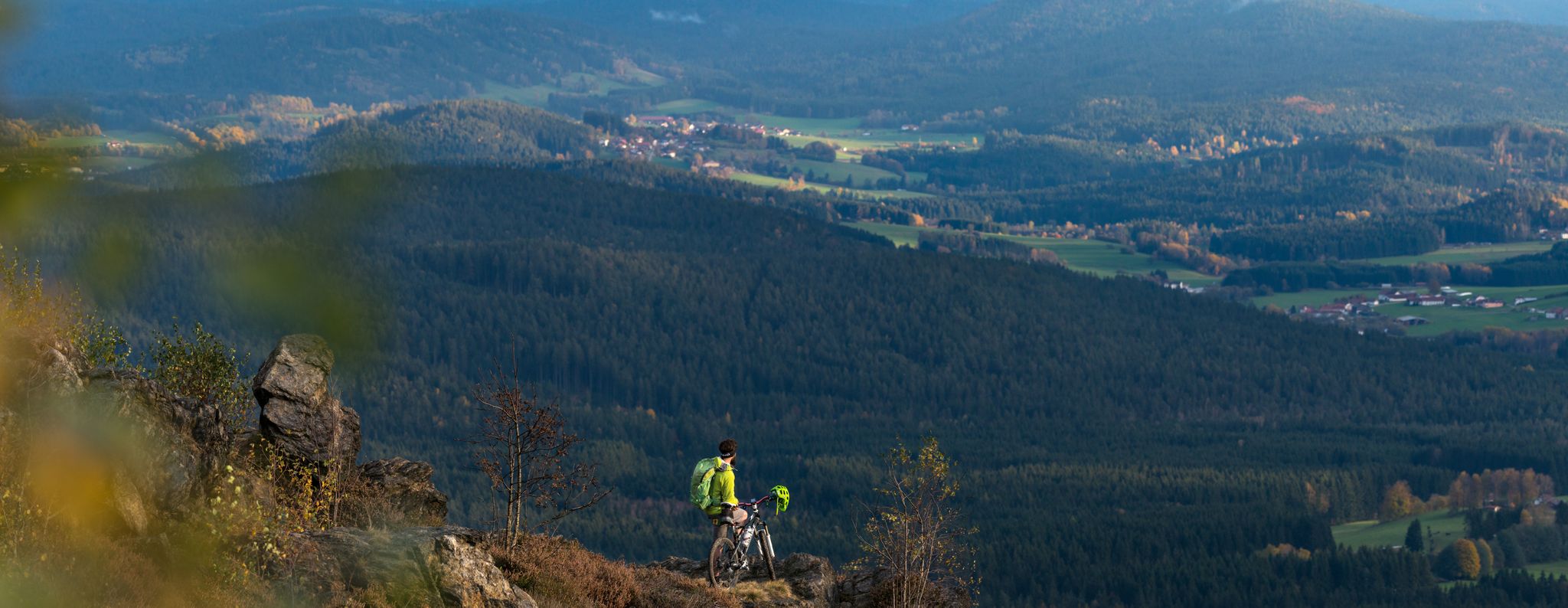
The Arnbruck region is rich in natural beauty. While cycling, you might encounter stunning mountain views, especially towards the Großer Arber, the highest peak in the Bavarian Forest. The area also features numerous lakes and rivers, offering breathtaking vistas. Keep an eye out for highlights like the Riesloch Falls, particularly impressive after heavy rainfall or snowmelt, or scenic spots like the View of the Kleiner Arbersee loop from Lam.
Are there any interesting landmarks or attractions near the no-traffic road cycling routes?
Beyond the natural landscapes, Arnbruck offers a charming historic town center with lovingly restored half-timbered houses. For those interested in local history or unique geological formations, you might find highlights such as the Fürstenzeche Mine or the Quartz Cave (Rosenquarz-Höhle) intriguing. The Silberberg Mine is another notable man-made attraction in the vicinity.
What do other road cyclists enjoy most about the no-traffic routes in Arnbruck?
The no-traffic road cycling routes around Arnbruck are highly rated by the komoot community, with an average score of 4.6 stars from nearly 200 reviews. Cyclists often praise the quiet, winding roads that allow for uninterrupted riding, the challenging climbs, and the stunning panoramic views of the Bavarian Forest. The diverse routes cater to both those seeking a demanding workout and those looking for a scenic, peaceful ride.
What is the best time of year for no-traffic road cycling in Arnbruck?
May and July are particularly popular months for cycling in the Arnbruck region, suggesting pleasant weather conditions. Generally, late spring through early autumn (May to October) offers the most favorable conditions for road cycling, with milder temperatures and less chance of snow or ice at higher elevations. Always check local weather forecasts before heading out.
Are there any easy no-traffic road cycling routes suitable for beginners in Arnbruck?
Yes, Arnbruck offers a few easy no-traffic road cycling routes that are great for beginners or those looking for a more relaxed ride. These routes typically feature less elevation gain and shorter distances, allowing you to enjoy the scenery without excessive challenge. While specific easy routes are not listed here, komoot's guide details 3 easy routes to choose from.
Where can I find parking for no-traffic road cycling routes in Arnbruck?
While specific parking locations for each route are best checked on the individual komoot tour pages, Arnbruck and its surrounding towns generally offer various parking options. Look for designated parking areas in town centers or near popular trailheads. Many routes are designed as loops, making it convenient to park your car and start your ride from the same point.
Are there any cafes or pubs near the no-traffic road cycling routes in Arnbruck?
The charming town of Arnbruck and its surrounding villages offer various amenities, including cafes and pubs where you can refuel or relax after your ride. Many routes pass through or near these settlements, providing opportunities for a break. For example, the Chapel Rest Area – Café Waffel Miltach loop specifically mentions a café, indicating that such stops are integrated into the cycling experience.
Most popular routes around Arnbruck
Most popular attractions around Arnbruck

Get inspired with the komoot mobile app


Explore more
Browse the best Road cycling routes in other regions.
