The best traffic-free bike rides in Wittenberg
4.5
(20051)
74,852
riders
1,514
rides
No traffic touring cycling routes in Wittenberg are characterized by diverse landscapes, including the Elbe River floodplain, extensive forests, and gentle hills. The region features the Middle Elbe Biosphere Reserve, offering untouched nature and wildlife, alongside the Dübener Heide and Fläming Nature Parks. These areas provide a network of well-developed cycling paths with low gradients, making them suitable for various skill levels. The terrain primarily consists of flat river paths, developed field paths, and mixed forest trails.
Best no traffic…
Last updated: September 30, 2026
4.8
(121)
337
riders
68.8km
04:13
110m
110m
Hard bike ride. Good fitness required. You may need to push your bike for some segments of this route.
4.8
(1181)
3,540
riders
28.0km
01:39
60m
60m
Easy bike ride. Great for any fitness level. Mostly paved surfaces. Suitable for all skill levels.

4.8
(13)
30
riders
51.0km
03:27
60m
70m
Hard bike ride. Good fitness required. You may need to push your bike for some segments of this route.
4.7
(395)
1,227
riders
Moderate bike ride. Good fitness required. Mostly paved surfaces. Suitable for all skill levels.
4.7
(483)
1,595
riders
46.7km
02:53
160m
160m
Moderate bike ride. Good fitness required. Mostly paved surfaces. Suitable for all skill levels.
Get access to more routes and recommendations from other explorers.
Already have an account?
Our route recommendations are based on thousands of hikes, rides, and runs completed by other people on komoot.
Start today with a free account
Your next adventure awaits.
Popular around Wittenberg
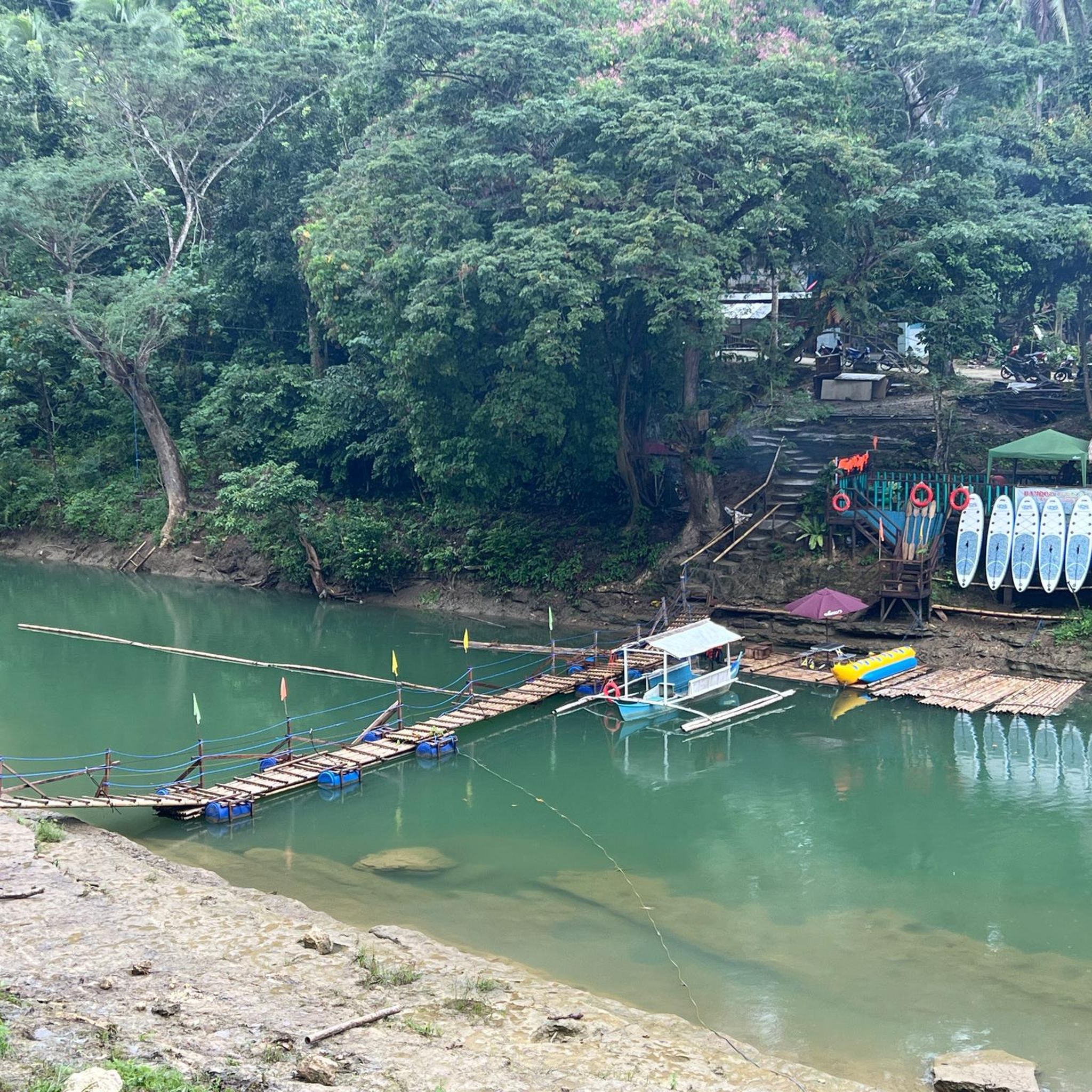
Traffic-free bike rides around Wittenberg
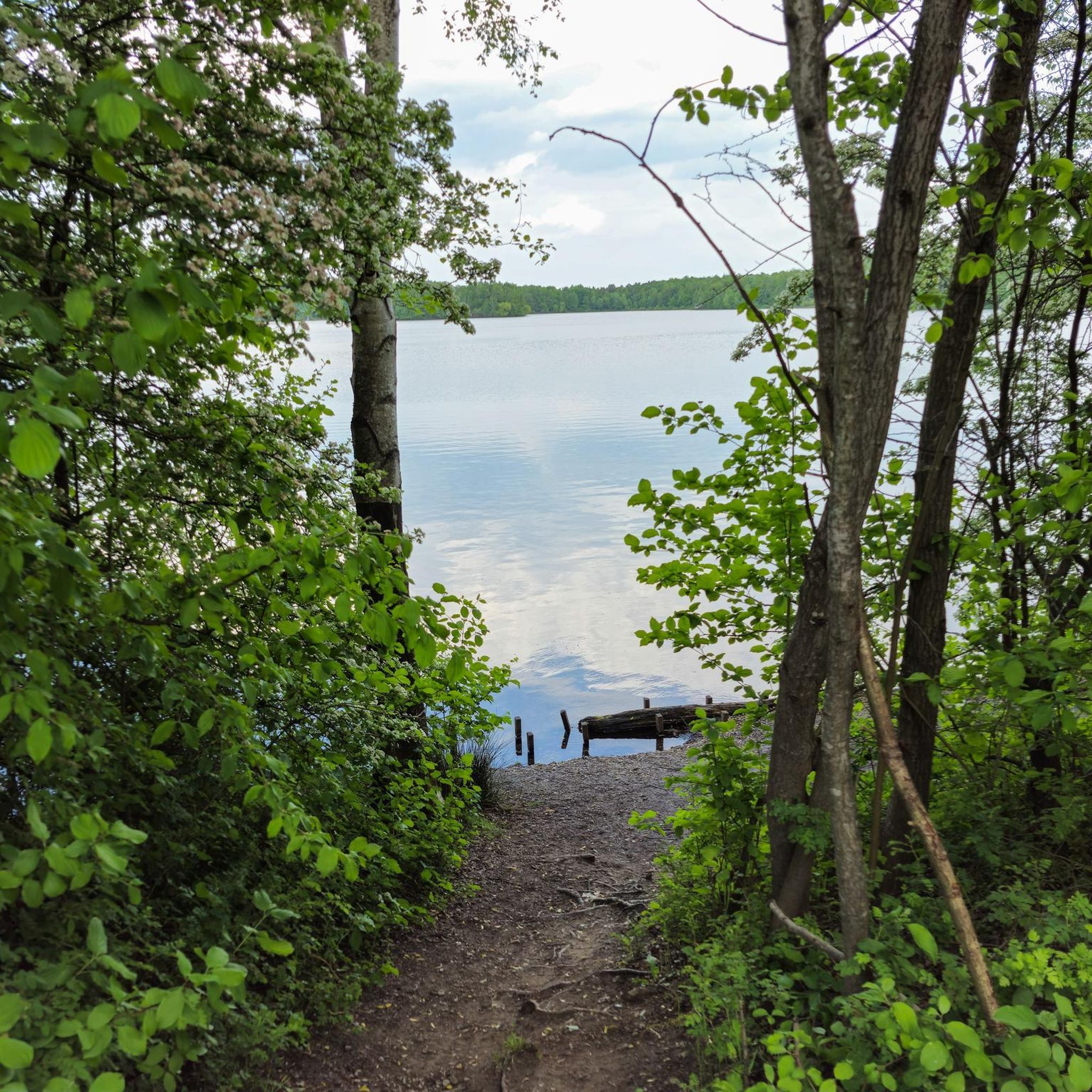
Traffic-free bike rides in Anhalt-Bitterfeld
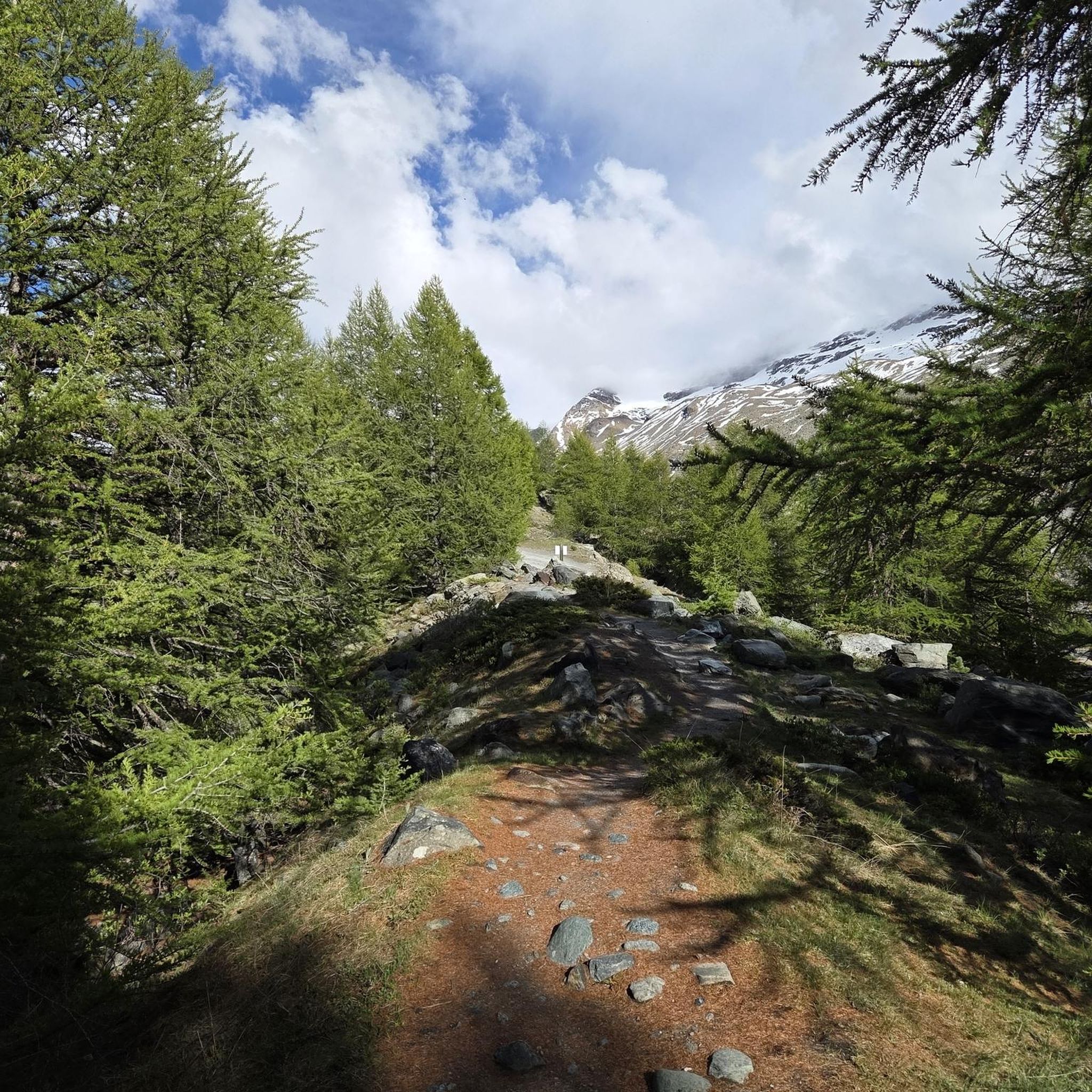
Traffic-free bike rides in Dessau-Roßlau
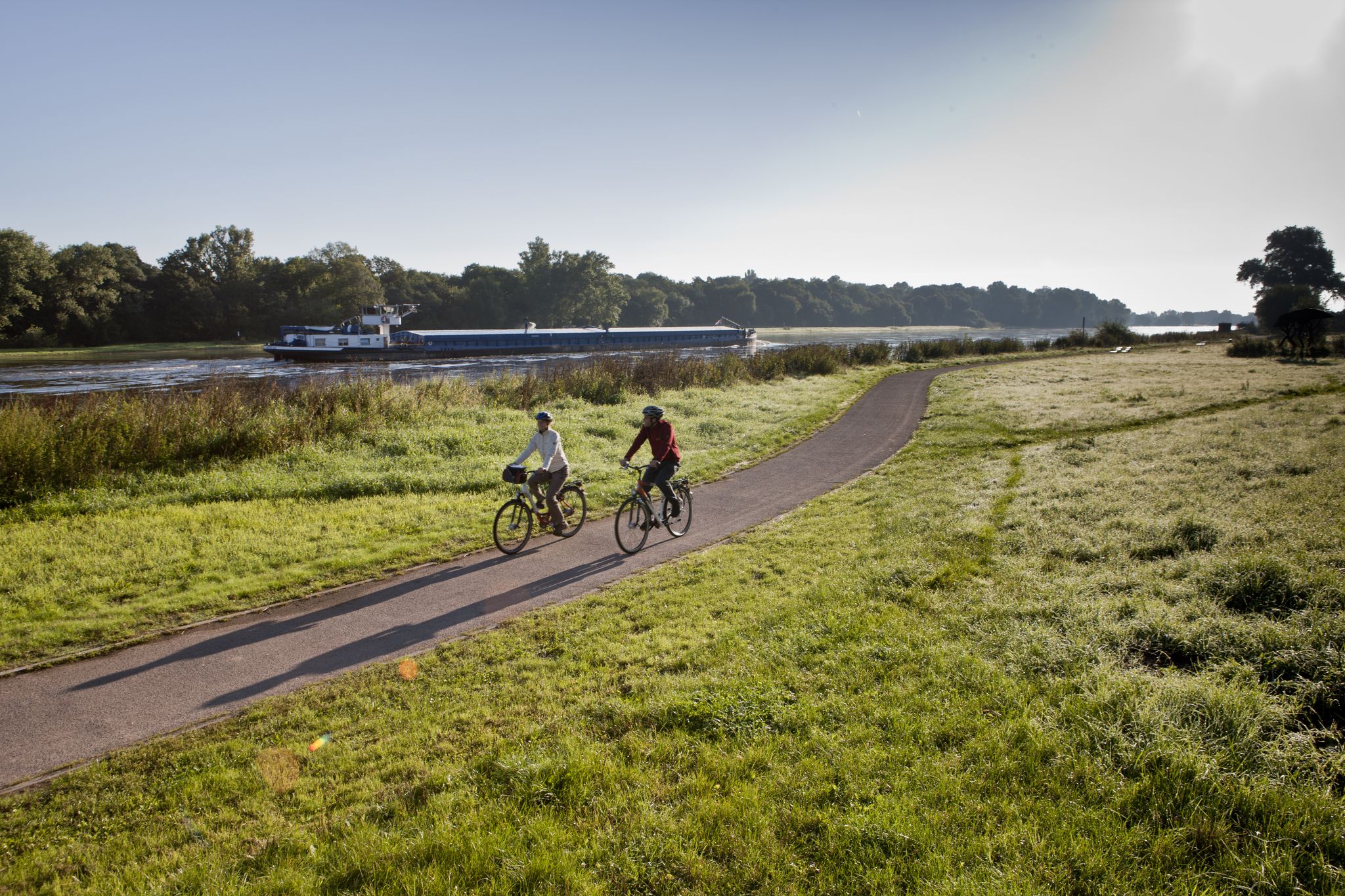
Elbe Cycle Route – Ride through Saxony-Anhalt
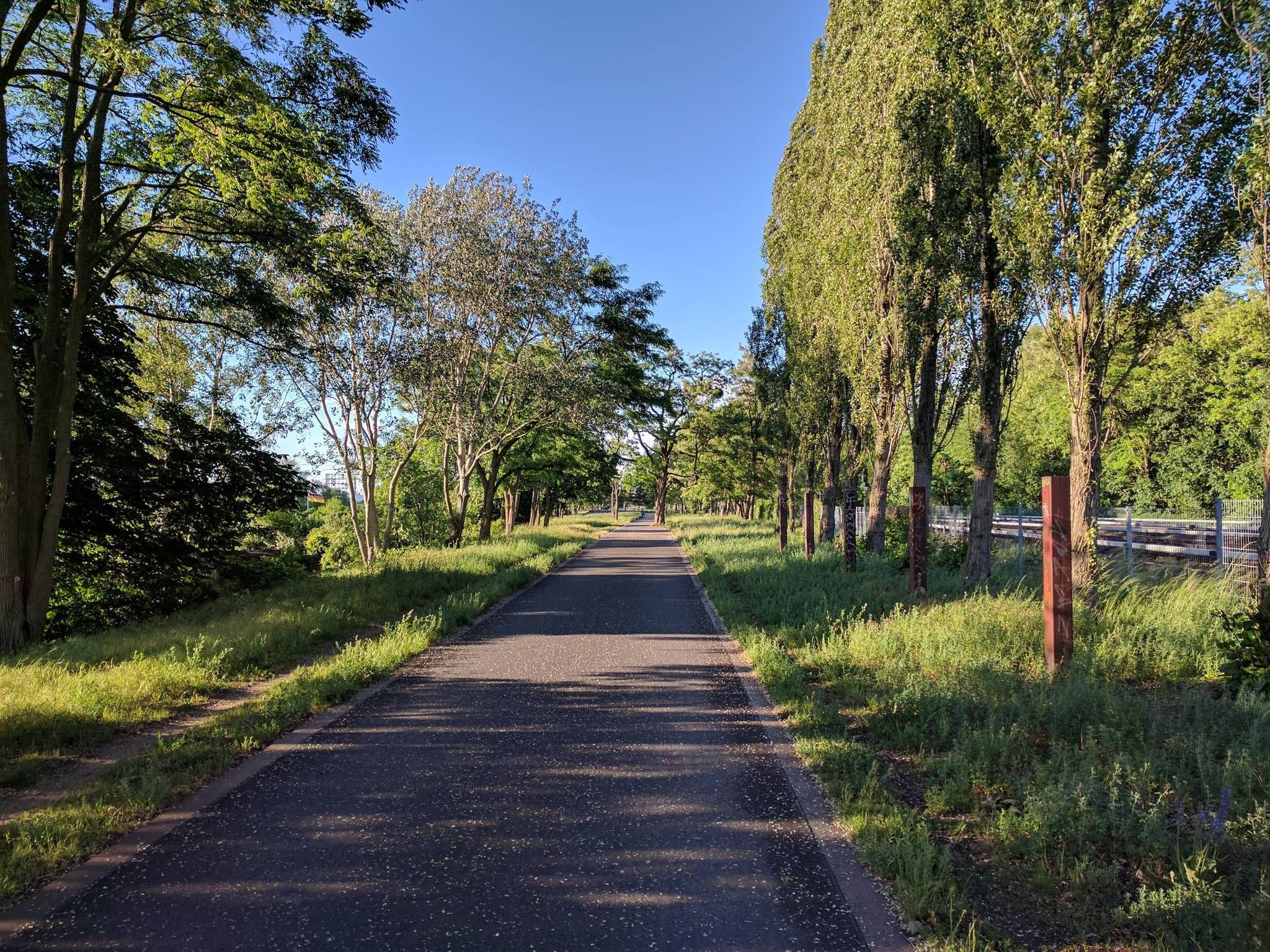
The Berlin Leipzig cycle path – Through the East in five stages
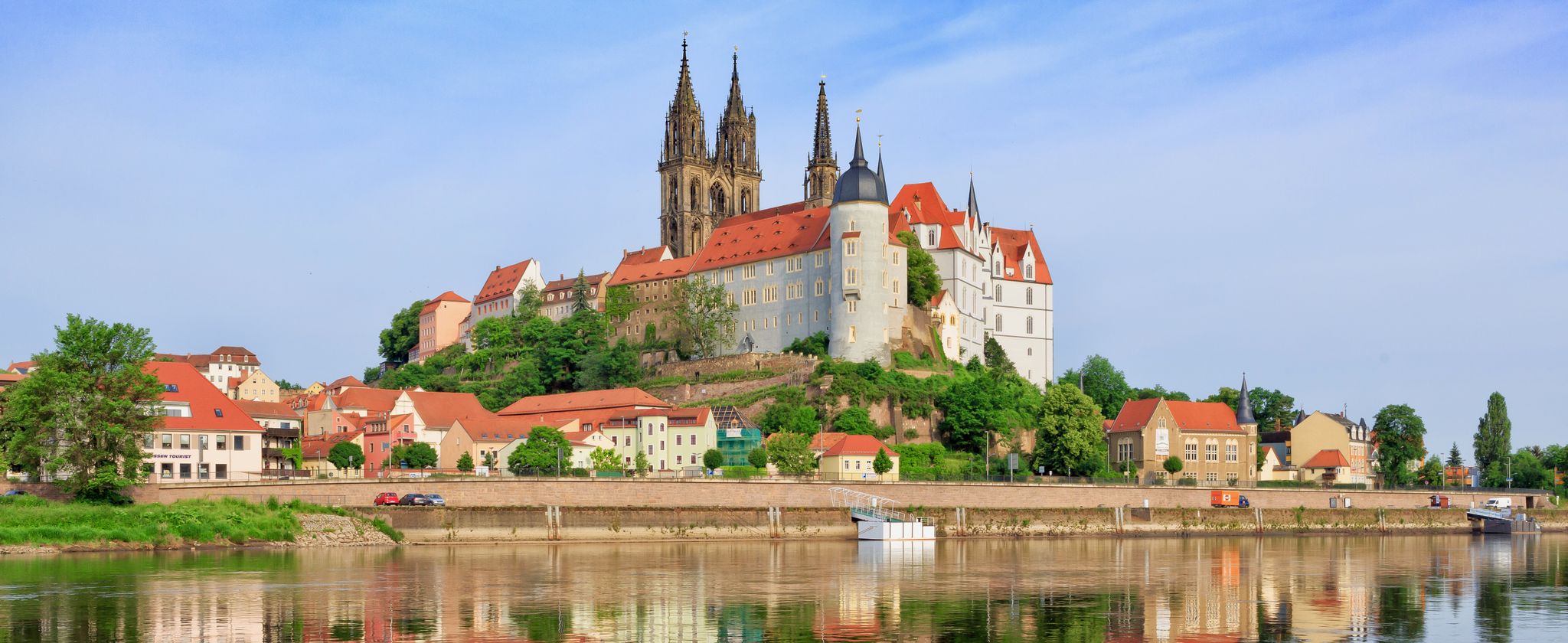
The Elbe Cycle Path — cross-border cycling pleasure
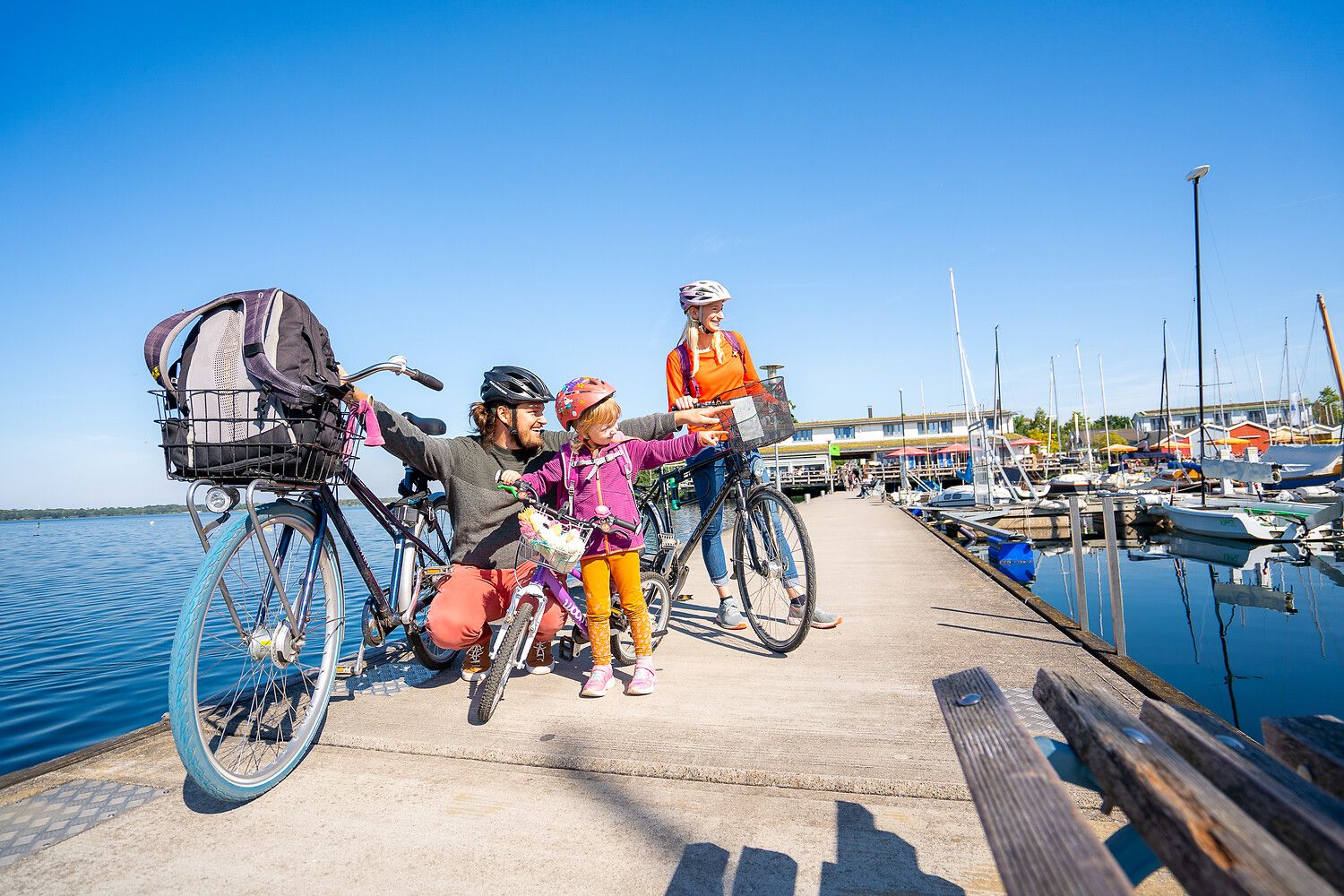
Lake views and fresh air – cycling by the water in the Leipzig region
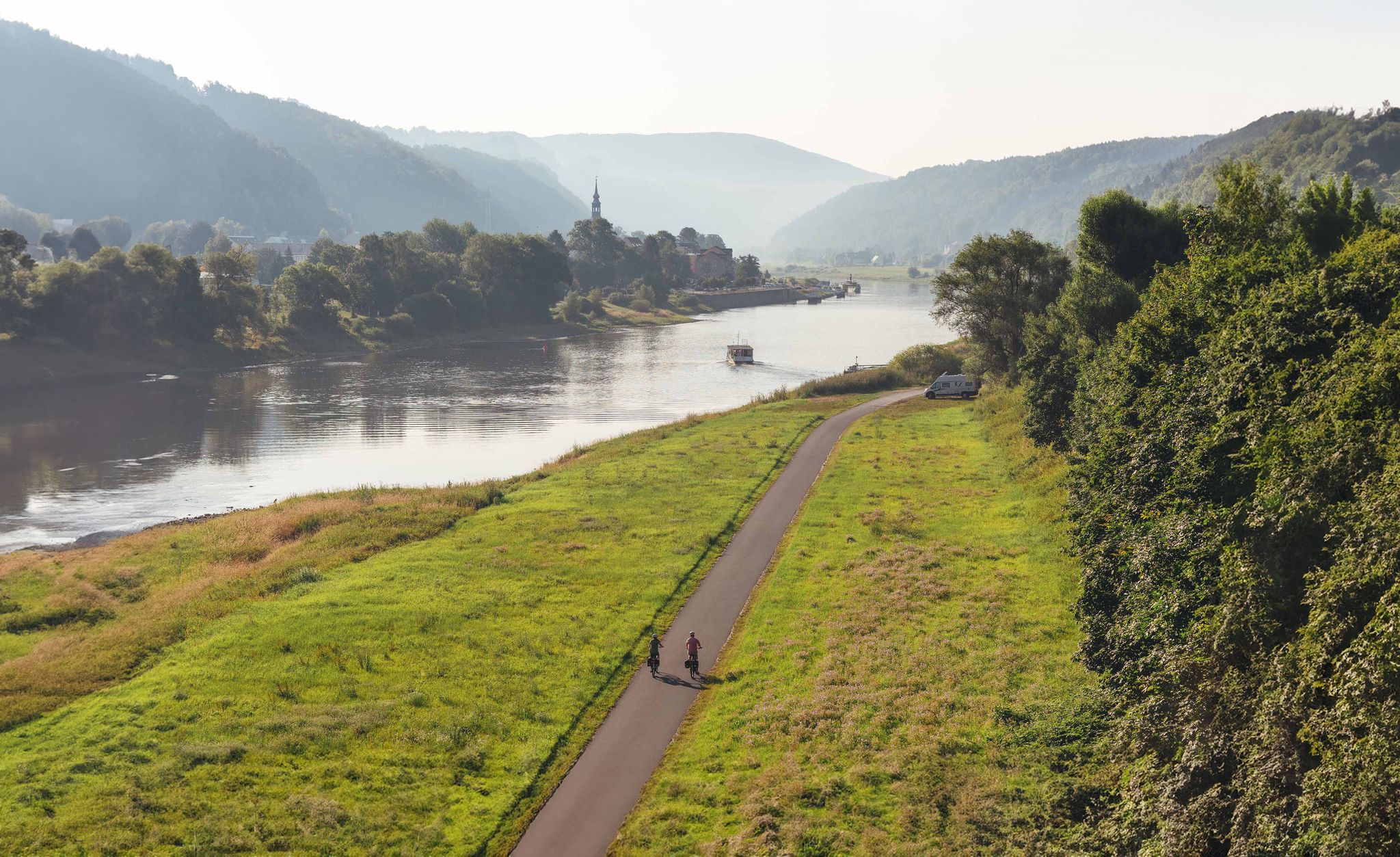
Elbe Cycle Route Classics: between Dessau, Dresden and Bad Schandau
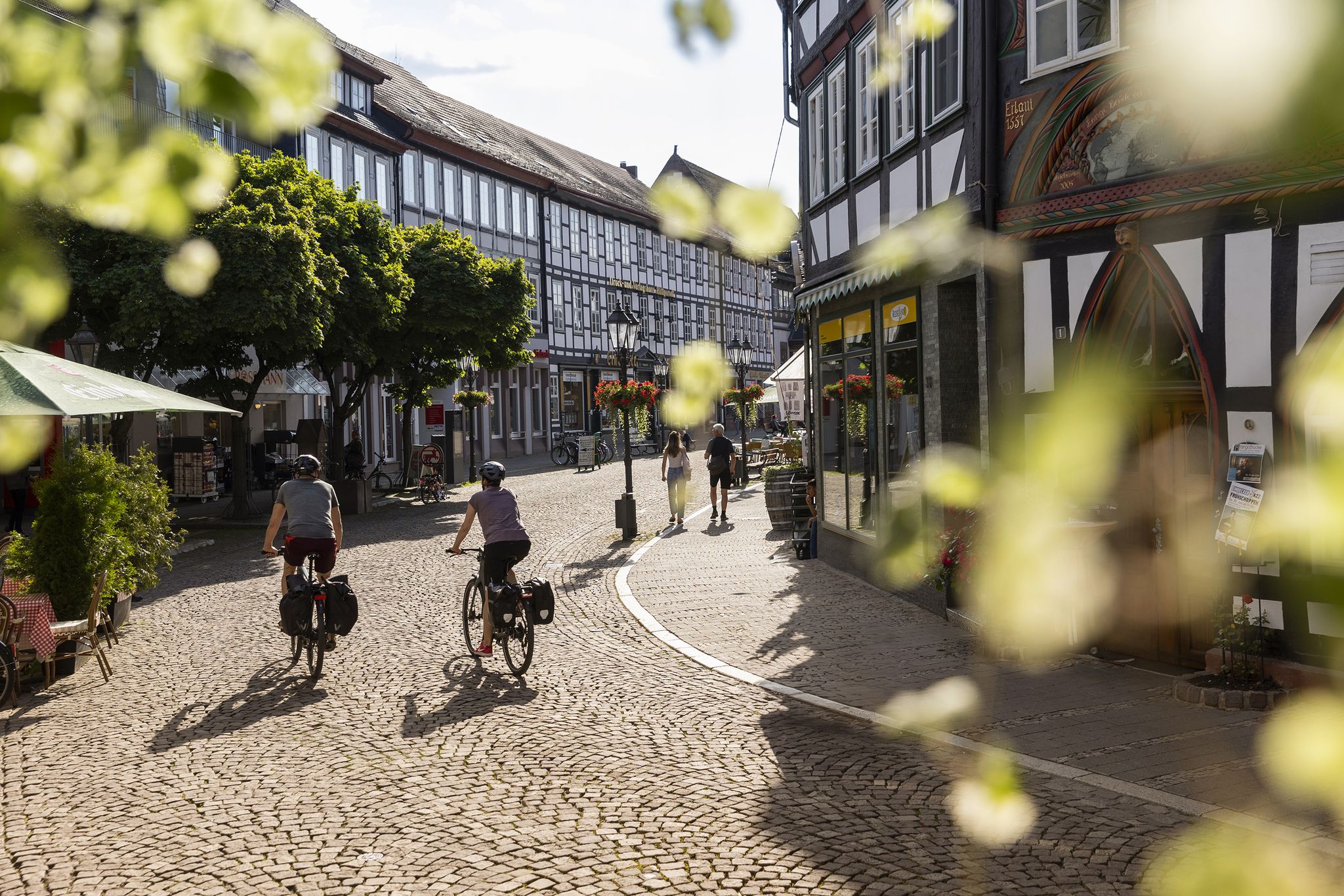
Experience cultural history on D-Route 3 – European Cycle Route R1
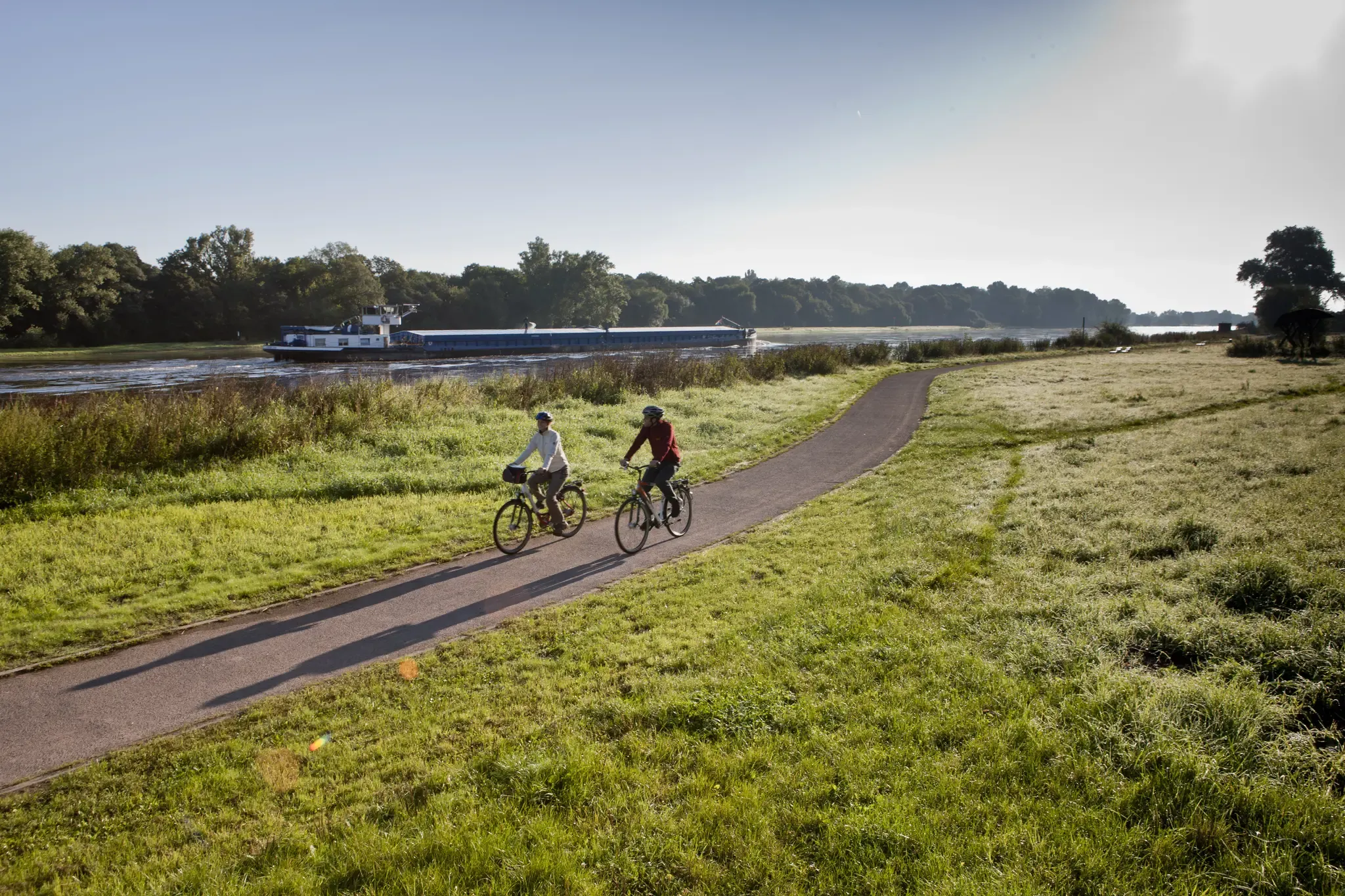
Ride the Elbe Cycle Route through Saxony-Anhalt
Other adventures in Wittenberg


Tips from the Community

You can ride your MTB nicely around the Muldestausee. Via Pouch, Friedersdorf —alte Poststrasse —Schlaitz
1
0

The barrier structure near Friedersdorf is a 19 m high and 303 m long gravity dam with a construction volume of 40,000 m³. On February 17, 2023, a hydropower plant was commissioned, which is expected to generate 13.6 GWh of electrical energy per year. The construction cost 25 million euros and began in October 2016.[1] Source https://de.wikipedia.org/wiki/Muldestausee
2
0
The normal water level is around 79 m above sea level with a storage volume of approx. 115 million m³. The role of the Muldestausee as a flood retention basin is insignificant. However, the basin can temporarily retain 3 million m³ during floods (difference between total storage and usable storage). In fact, it is not a reservoir in the true sense, but rather a river dam. Since the flow velocity of the Mulde slows down considerably upon entering the lake, the Muldestausee acts as a sedimentation trap, into which approx. 400,000 t of solids (gravel, sand, silt) are deposited annually. These solids are missing from the river upon exiting the outlet structure, leading to a greater deepening of the riverbed of the lower Mulde and having ecological consequences. Source https://de.wikipedia.org/wiki/Muldestausee
2
0
After the excavation of coal from the Muldenstein open-cast mine (1954–1975), the relocation of the Mulde river over a distance of approximately eleven kilometers was necessary to expand the Goitzsche open-cast mine (today's Großer Goitzschesee). Part of the new river course was laid through the excavated Muldenstein open-cast mine. Flooding took place from April 30, 1975, to March 1, 1976. The Muldestausee lake has an inlet and an outlet structure. Source https://de.wikipedia.org/wiki/Muldestausee
2
0
The Muldestausee is an flooded open-cast mine in the district of Anhalt-Bitterfeld/Sachsen-Anhalt. Its bordering towns are Friedersdorf, Schlaitz, Pouch and Mühlbeck. With a surface area of 6.3 km², it is the third largest body of water in the state of Saxony-Anhalt. Its length is approx. 9 km, its widest point is 2 km, and its greatest depth is 35 m Source https://de.wikipedia.org/wiki/Muldestausee
2
0
Frequently Asked Questions
How many no-traffic touring cycling routes are available in Wittenberg?
Wittenberg offers a vast network of routes for touring cyclists seeking car-free experiences. There are over 1500 routes available, with more than 950 classified as easy, making them suitable for various skill levels.
What kind of terrain can I expect on no-traffic cycling routes around Wittenberg?
The no-traffic routes in Wittenberg generally feature diverse terrain. Many follow the flat, well-maintained paths of the Elbe Cycle Path, ideal for relaxed cycling. Other routes, particularly those in the Middle Elbe Biosphere Reserve, largely use separate forest and developed field paths. Areas like the Fläming Nature Park offer gentle hills and mixed forests, while the Dübener Heide Nature Park provides serene mixed forest backdrops. The Fläming Skate offers a dedicated network of tracks perfect for smooth cycling.
Are there any family-friendly no-traffic cycling routes in Wittenberg?
Yes, Wittenberg is excellent for family cycling. The Elbe Cycle Path, known for its low gradients and well-maintained surfaces, is particularly suitable for families. Many routes through the Middle Elbe Biosphere Reserve also follow separate, car-free paths, ensuring a safe and enjoyable experience for all ages. For an easy, circular option, consider the Great Goitzsche Lake loop.
Can I bring my dog on the no-traffic cycling routes?
Generally, dogs are welcome on cycling routes in Wittenberg, especially on paths through natural areas like the Middle Elbe Biosphere Reserve, Dübener Heide, and Fläming Nature Parks. However, it's always recommended to keep dogs on a leash, especially in nature reserves to protect wildlife, and to check local regulations for specific areas or attractions you plan to visit along your route.
What natural highlights can I discover along the no-traffic cycling routes?
The region boasts significant natural beauty. You can cycle through the unique floodplain landscape of the Middle Elbe Biosphere Reserve, home to Elbe beavers. The Dübener Heide Nature Park offers Germany's largest mixed forest, while the Fläming Nature Park features gentle hills and near-natural streams. Don't miss highlights like Wörlitz Park, a UNESCO World Heritage site, or the tranquil Lake Bergwitz.
Are there any circular no-traffic cycling routes in Wittenberg?
Yes, there are several circular routes designed for touring cyclists. For instance, the Gartenreich-Tour „Fürst Franz“ offers a loop through the Garden Kingdom of Dessau-Wörlitz. Another easy option is the Great Goitzsche Lake loop, perfect for a shorter, relaxed ride.
What historical and cultural attractions can I visit on a no-traffic bike tour?
Wittenberg is rich in history and culture. Many routes pass by UNESCO World Heritage sites. You can explore the Luther Sites in Wittenberg, including Luther's house and the Castle Church. The Gartenreich-Tour „Fürst Franz“ connects palaces and parks of the Garden Kingdom of Dessau-Wörlitz. Other notable sites include the architectural heritage of Bauhaus Dessau and historic towns like Torgau with Schloss Hartenfels, which you can visit on the Pretzsch Ferry – Hartenfels Castle loop.
How accessible are the no-traffic cycling routes by public transport?
Wittenberg is well-connected by public transport, making it easy to access many cycling routes. The main train station in Lutherstadt Wittenberg allows for convenient arrival, and many regional trains accommodate bicycles. The Elbe Cycle Path, for example, is easily reachable from various points along the Elbe River, and ferries facilitate crossings, integrating public transport options into your touring plans.
What do other touring cyclists say about the no-traffic routes in Wittenberg?
The no-traffic touring cycling routes in Wittenberg are highly regarded by the komoot community, with an average rating of approximately 4.5 stars from over 17,700 reviews. Cyclists frequently praise the well-maintained, car-free paths, the beautiful river landscapes, and the abundance of historical and natural sights along the way. The flat sections of the Elbe Cycle Path are often highlighted for their accessibility and scenic views.
Are there any long-distance no-traffic cycling routes that pass through Wittenberg?
Yes, Wittenberg is a hub for several significant long-distance cycling routes that offer extensive car-free sections. The renowned Elbe Cycle Path, one of Germany's most popular, runs directly through the city. Additionally, the R1 European Cycle Route includes a beautiful section from Dessau-Roßlau to Wittenberg, passing numerous UNESCO World Heritage sites. The Lutherweg also provides themed routes for exploring the region's history on quiet paths.
What is the best season for car-free bike touring in Wittenberg?
The best seasons for car-free bike touring in Wittenberg are generally spring, summer, and early autumn. During these months, the weather is most favorable, and the natural landscapes are at their most vibrant. Spring offers blooming scenery, summer provides warm days for longer rides, and early autumn brings pleasant temperatures and beautiful foliage. Always check local weather forecasts before heading out.
Most popular routes in Wittenberg
Most popular attractions in Wittenberg

Get inspired with the komoot mobile app


Didn’t find what you were looking for?
Check out more Cycling routes throughout Wittenberg below and find the perfect route in your destination.
Explore more
Browse the best Cycling routes in other regions.
