The best hikes from bus stations in Ludwigslust-Parchim
4.6
(8060)
29,448
hikers
946
hikes
Bus station hiking trails in Ludwigslust-Parchim traverse a landscape characterized by tranquil, nature-rich environments in Mecklenburg-Vorpommern. The region features varied topography, including extensive heaths, quiet forests, and distinctive moorlands. Numerous lakes and picturesque riverine landscapes, such as the Elbtalaue and the Warnow and Mildenitz valleys, define the area. While generally flat, some areas like the Ruhner Berge offer slight elevation.
Best bus station hiking trails in Ludwigslust-Parchim
- The most popular bus station hiking route is Heiderundweg from Probst Jesar,…
Last updated: July 24, 2026
4.7
(15)
47
hikers
10.6km
03:12
20m
20m
Moderate hike. Good fitness required. Easily-accessible paths. Suitable for all skill levels.
4.6
(101)
356
hikers
7.65km
01:59
50m
50m
Easy hike. Great for any fitness level. Easily-accessible paths. Suitable for all skill levels.

Sign up for free
4.7
(118)
424
hikers
Moderate hike. Good fitness required. Easily-accessible paths. Suitable for all skill levels.
4.7
(230)
649
hikers
10.5km
02:51
110m
110m
Moderate hike. Good fitness required. Easily-accessible paths. Suitable for all skill levels.
4.7
(95)
280
hikers
Moderate hike. Good fitness required. Easily-accessible paths. Suitable for all skill levels.
Get access to more routes and recommendations from other explorers.
Sign up for free
Already have an account?
Our route recommendations are based on thousands of hikes, rides, and runs completed by other people on komoot.
Start today with a free account
Your next adventure awaits.
Login or Signup
Popular around Ludwigslust-Parchim

Hikes from bus stations in Naturpark Nossentiner/Schwinzer Heide
Hikes from bus stations around Zarrentin am Schaalsee
Hikes from bus stations around Plauer Lake

Hikes from bus stations around Tempziner Lake
Hikes from bus stations around Pinnower Lake
Hikes from bus stations around Plauer Stadtwald
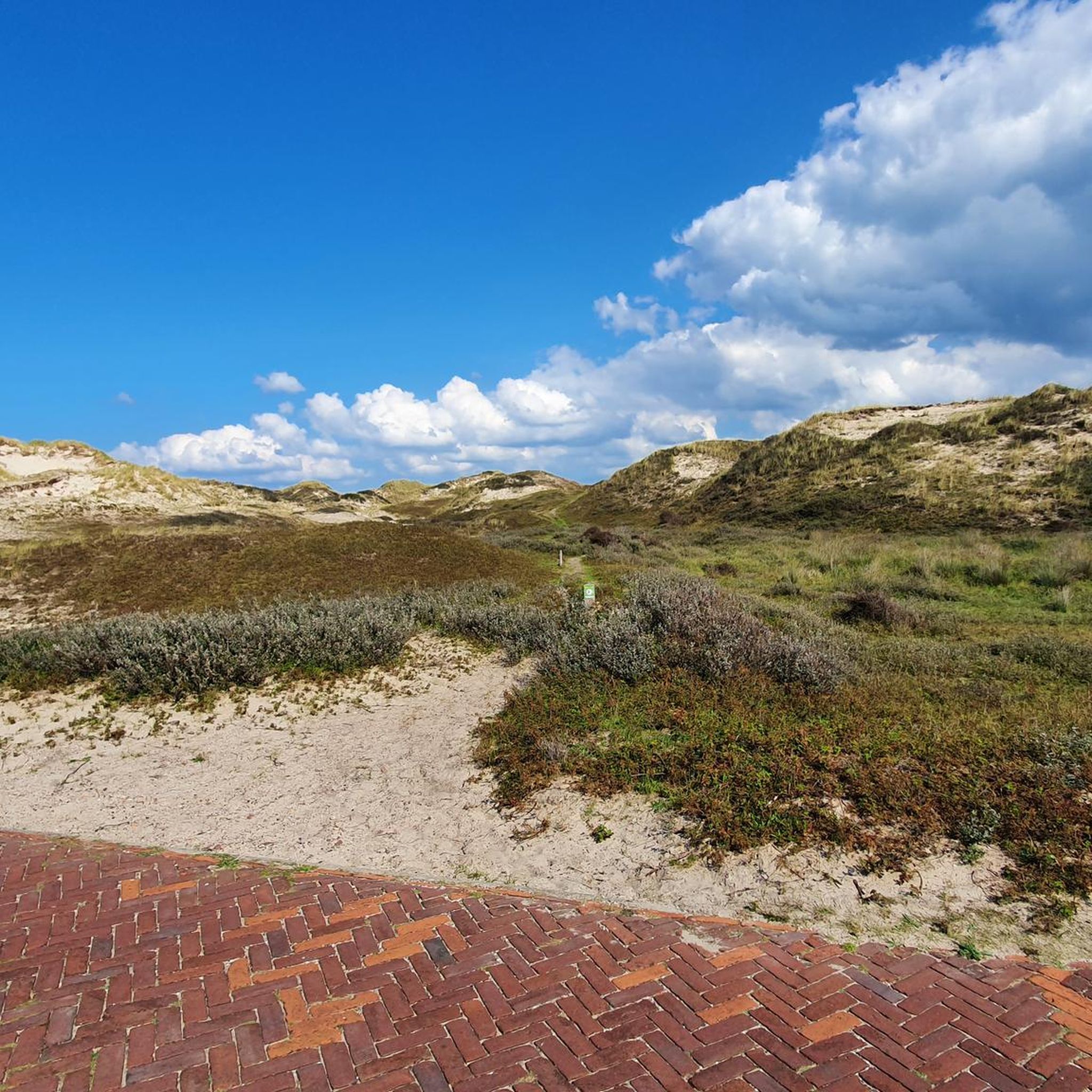
Hikes from bus stations around Kritzower Lake

Hikes from bus stations around Paschensee

Hikes from bus stations around Daschower Lake
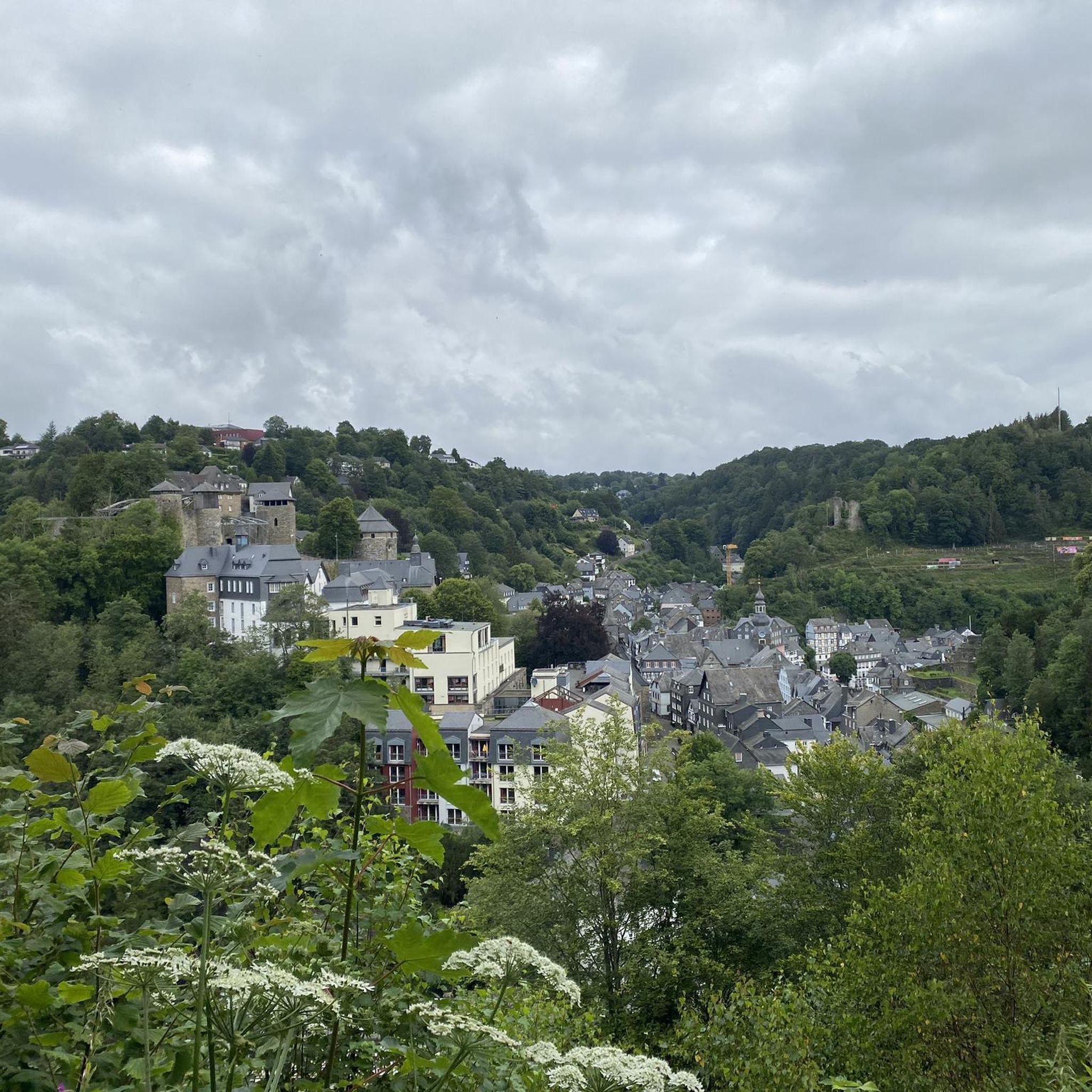
Hikes from bus stations around Wustrowsee
Other adventures in Ludwigslust-Parchim


Tips from the Community

The Lübthen Heath is the largest contiguous heathland in Mecklenburg-Western Pomerania and has been part of the UNESCO Elbe River Landscape Biosphere Reserve since 2015. 📜 Formerly a military training area, the area is now a unique natural heritage site with a rare active inland dune. 🦉 Many rare animals such as the Boreal Owl, Nightjar, and Red-backed Shrike have found a protected habitat here. 🛡️ Large parts of the heath are core and conservation zones where nature is allowed to develop freely. 🌄 Along the way, open sandy areas alternate with heather and sparse pine forests. 🏚️ Relics such as the remains of bunkers and traces of the former village of Quast recall the region's turbulent past. ⚠️ It is important not to leave the marked trails, as explosive ordnance may still be found in the ground off the trail. 📍 Red-headed posts and information boards at the starting points of the routes provide orientation.
0
0

The Cistercian monastery in Zarrentin am Schaalsee was founded in 1246 and dissolved in 1553. The building houses a permanent exhibition in the cloister, which has a direct connection to the monastery and its history. Originally, the monastery complex, together with the Zarrentin Church, formed a closed, slightly trapezoidal rectangle with a four-sided cloister surrounding the inner courtyard. This contained the nuns' cemetery. The buildings of the south and west wings were described as dilapidated as early as 1576 and demolished soon thereafter. The Gothic east wing, whose long side runs parallel to the shore of Lake Schaalsee, has survived to this day. The cross-ribbed vaults, some with elaborately designed keystones and consoles, are completely preserved. Source: https://de.wikipedia.org/wiki/Kloster_Zarrentin
2
0
The approximately 1.2 km long waterfront promenade runs from the bathing establishment to the church and monastery complex. Along the way, there are boat rentals and passenger boat rides, as well as a restaurant, snack bar, and hotel. Piers with beautiful boathouses along the entire route complete the picture of this idyllic waterfront promenade.
2
0
The UNESCO Schaalsee Biosphere Reserve lies between the metropolitan areas of Hamburg, Lübeck, and Schwerin. The 24-square-kilometer Schaalsee was formed by glaciers during the last Ice Age and is one of the deepest lakes in Germany. Islands, bays, and extensive reed beds characterize the Schaalsee. The lake's rich flora and fauna is a result of its history: During the division of Germany, the inner-German border ran through the lake, allowing nature to develop largely undisturbed. Today, hiking and cycling trails lead through beech and marsh forests, moors and wet meadows, commercial forests, pastures, and fields.
2
0
The approximately 670 m long boardwalk offers various viewing platforms that invite you to linger. The moorland experience trail can generally be accessed from both sides. However, it is recommended to start below the Pahlhuus (Pahl House) and then return to the starting point at the end of the nature trail, around the old sports field. The entire circular trail is approximately 1.4 km long and, in my opinion, is wheelchair accessible. The moor provides a habitat for many specially adapted animals and plants. For example, the lime-loving bulrush covers a large area in the Zarrentin Moor; it is rarely seen in such large populations. The long, narrow leaves are slightly serrated at the edges and very hard due to the lime they absorb. This means that if you touch them too firmly, you can injure your fingers. The moorland was a cultivated landscape used by humans for a long time. From 1900 to 1961, lime was mined in the Zarrentin Moor and used as fertilizer or slaked lime. Until 1934, the extracted lime was burned in a lime kiln located on the southern edge of the moor. Peat, which was mined alongside the lime, was used as fuel, among other things. The rush cuttings were mown for the winter until the end of World War II and used as bedding for livestock. The waters created by lime mining are very low in nutrients and thus provide an ideal habitat for stoneworts, rare water beetles, and various dragonflies. Various amphibians, ducks, and birds such as the reed bunting, the reed warbler, and the kingfisher can be found in the reed beds along the shore. Source: https://www.schaalseestadt.de/moorlehrpfad
2
0
The following legend surrounds the heraldic animal of the small town of Zarrentin am Schaalsee: "In the Cistercian nunnery, there once lived an abbess who came from Lake Constance, and the tasty whitefish were said to have been her favorite food there. Once, during Lent, in the solitude of Zarrentin, she was so irresistibly overcome by a craving for the long-deprived fish that she called upon the devil and demanded that he bring her some whitefish from Lake Constance. In return, she would pledge her soul to him. However, he had to be back before midnight. The enterprising master of evil agreed and immediately set off. No sooner had he disappeared than the abbess's conscience struck. In her perplexity, she called the convent of nuns together and remorsefully confessed her transgression. Then one of the nuns stood up, calmed the pious mother, climbed the tower, and set the clock forward one hour. It was now 11:00 p.m., and the devil was with his fish above Techin. Then the Zarrentin monastery clock struck twelve thunderous strokes. In his rage, the devil threw the whitefish into the Schaalsee. This is how these fish, which have made the Schaalsee so famous among gourmets, are caught there today. Source: https://schaalsee-angler.de/ausflug/geschichte-der-mar-ne
2
0
Here the moor adventure trail between the Kalkkuhlen and the Schaale leads directly to this beautiful bridge over the Schaale.
2
0
A roughly 4 km long circular trail leads around the Kirchensee lake. From this path, you can see two lakes at once: the Schaalsee and the Kirchensee lake. It leads through an old tree-lined avenue, through a moor, and along the shores of both lakes.
3
0
Frequently Asked Questions
How many bus station hiking trails are available in Ludwigslust-Parchim?
There are over 950 hiking routes in Ludwigslust-Parchim that are accessible from bus stations. This includes a wide variety of trails, with nearly 500 easy routes, over 400 moderate routes, and more than 50 difficult options to explore.
What types of landscapes can I expect on bus-accessible hikes in Ludwigslust-Parchim?
The region offers a diverse range of tranquil, nature-rich landscapes. You can expect to hike through extensive forests, unique moorlands, and picturesque riverine areas like the Elbtalaue. Many routes also feature numerous serene lakes, including parts of the UNESCO Schaalsee Biosphere Reserve, and even rare inland dunes in the Lübtheen Heath.
Are there easy hiking trails accessible by bus in Ludwigslust-Parchim?
Yes, Ludwigslust-Parchim offers a great selection of easy hiking trails accessible by bus. Nearly 500 routes are classified as easy, perfect for a relaxed stroll. An example is the View of Glambeck Lake – Basthorst Castle loop from Weberin, which is an easy 7.6 km hike.
Are there circular hiking routes starting from bus stations?
Absolutely. Many of the bus-accessible trails in Ludwigslust-Parchim are circular routes, allowing you to start and end your hike at the same bus stop. For instance, you could try the Heiderundweg from Probst Jesar, a moderate 10.5 km loop, or the Pinnower Lake Loop from Raben Steinfeld, another moderate 10.5 km circular trail.
What is the best time of year to go hiking from bus stations in Ludwigslust-Parchim?
The region is beautiful year-round, but spring and autumn are particularly recommended for hiking. In spring, the forests come alive with fresh greenery, and in autumn, the changing foliage offers stunning colors. Summer is also pleasant, especially for waterside trails around the many lakes. Winter hikes can be magical, though some paths might be less accessible depending on snow conditions.
Are the bus-accessible hiking trails in Ludwigslust-Parchim suitable for families with children?
Yes, many trails are well-suited for families. With nearly 500 easy routes, you'll find plenty of options for shorter, less strenuous walks. Routes around lakes or through gentle forests are often ideal for children. The region's peaceful nature and diverse flora and fauna provide an engaging environment for younger hikers.
Can I bring my dog on these bus-accessible hiking trails?
Generally, dogs are welcome on most hiking trails in Ludwigslust-Parchim. However, it's always advisable to keep them on a leash, especially in nature reserves or near wildlife. Please check local regulations for specific areas, as some protected zones might have restrictions. Remember to bring water for your dog and clean up after them.
What natural landmarks or points of interest can I discover along these routes?
You can encounter various natural highlights. The region is known for its numerous lakes, such as the Schaalsee and Plauer See. You might also find unique landscapes like the active inland dune in the Lübtheen Heath or the scenic riverine areas. For specific natural sights, consider exploring highlights like Mahnkenwerder or the Moor Trail and Lakes in the Plauer Stadtwald.
Are there any cultural or historical sights near the bus station hiking trails?
Yes, Ludwigslust-Parchim offers a blend of nature and culture. You can find impressive brick architecture, manor houses, and historic towns. Notable cultural attractions include Ludwigslust Palace, often called the "Versailles of the North," and Dobbertin Abbey, situated beautifully on a spit of land in the Dobbertiner See. The historic "Green Belt" also offers routes with historical significance.
What do other hikers enjoy the most about hiking in Ludwigslust-Parchim?
The area is highly rated by the komoot community, with an average score of 4.6 stars from over 7,300 ratings. Reviewers often praise the region's peaceful and tranquil atmosphere, the diverse natural landscapes including forests and lakes, and the well-maintained paths that make for enjoyable hiking experiences away from mass tourism.
Are there longer, more challenging bus-accessible hikes available?
While many routes are easy or moderate, there are also more challenging options for experienced hikers. The region features 52 difficult routes, some of which are longer and may include more varied terrain, such as the Ruhner Berge. An example of a longer, moderate route is the Zarrentin Monastery on Lake Schaalsee loop from Zarrentin am Schaalsee, which spans over 17 km.
Most popular routes in Ludwigslust-Parchim
Most popular attractions in Ludwigslust-Parchim

Get inspired with the komoot mobile app


Didn’t find what you were looking for?
Check out more Hikes throughout Ludwigslust-Parchim below and find the perfect route in your destination.
Explore more
Browse the best Hikes in other regions.
