The best city hikes and walks in Prignitz
4.5
(4104)
15,789
hikers
35
hikes
Urban hiking trails in Prignitz traverse a region characterized by its low population density and diverse natural landscapes. The area features flat plains, rolling hills, forests, meadows, and wetlands, with the Elbe River floodplain and its dikes being a prominent natural feature. While generally flat, the eastern parts include undulating end moraine landscapes, with the highest elevation reaching 152 meters. These urban routes often connect town centers with surrounding natural areas.
Best urban hiking trails in Prignitz
- The most popular urban hiking route is Wittstock Town Hall – Wittstock City Wall loop from Wittstock/Dosse, a 3.5 miles (5.7 km) trail that takes 1 hour 27 minutes to complete, exploring historical town features.
- Another top favourite among local hikers is Old Oil Mill Wittenberge – Clara-Zetkin Park loop from Wittenberge, a moderate 6.4 miles (10.3 km) path. This route offers views of urban parks and riverside landscapes.
- Local hikers also love the Steintor Wittenberge – Wittenberge Town Hall loop from Wittenberge, a 3.5 miles (5.6 km) trail leading through urban areas and past landmarks, often completed in about 1 hour 25 minutes.
- Hiking in Prignitz is defined by its Elbe River floodplain, low-lying areas, and forests, often incorporating historic sites and castles. The network offers options for easy and moderate ability levels.
- The routes in Prignitz are highly rated by the komoot community with an average score of 4.5 stars from more than 1,500 reviews. More than 6,000 hikers have used komoot to explore Prignitz's varied terrain.
Last updated: May 30, 2026
4.7
(10)
64
hikers
Easy hike. Great for any fitness level. Easily-accessible paths. Suitable for all skill levels.
4.7
(6)
15
hikers
Moderate hike. Good fitness required. Easily-accessible paths. Suitable for all skill levels.

Sign up for free
4.5
(2)
22
hikers
Easy hike. Great for any fitness level. Easily-accessible paths. Suitable for all skill levels.
5.0
(1)
15
hikers
Easy hike. Great for any fitness level. Easily-accessible paths. Suitable for all skill levels.
6
hikers
Easy hike. Great for any fitness level. Easily-accessible paths. Suitable for all skill levels.
Get access to more routes and recommendations from other explorers.
Sign up for free
Already have an account?
Our route recommendations are based on thousands of hikes, rides, and runs completed by other people on komoot.
Start today with a free account
Your next adventure awaits.
Login or Signup
Popular around Prignitz

City hikes around Wittenberge

City hikes in Gadower Forst

City hikes in Elbdeichvorland
The National Natural Landscapes in Brandenburg
Pilgrimage route Berlin ► Bad Wilsnack ► Tangermünde
Discover the Green Belt in the Elbe-Altmark-Wendland with BUND
Tour Brandenburg – Cycle around Berlin in 18 stages
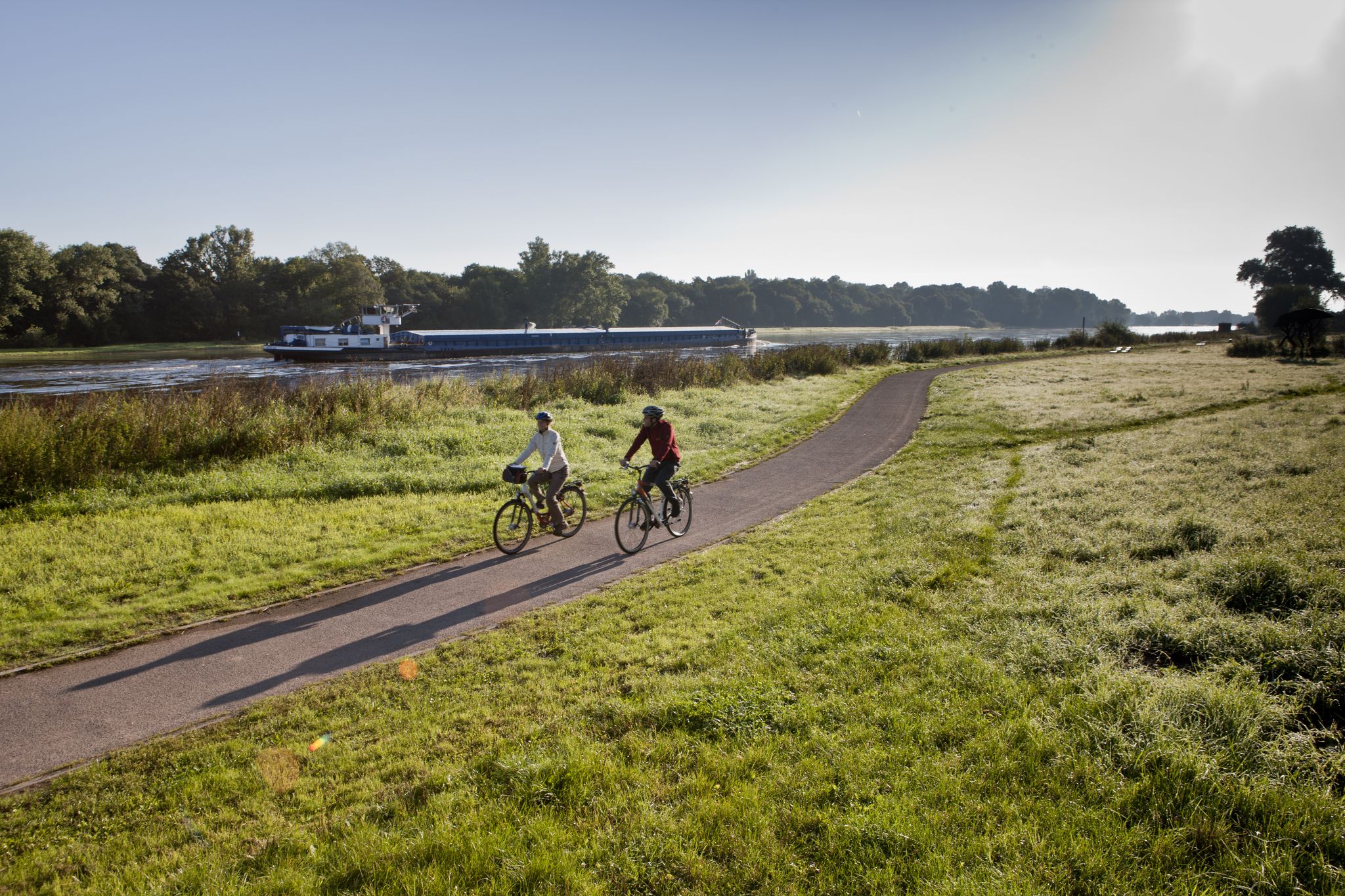
Elbe Cycle Route – Ride through Saxony-Anhalt
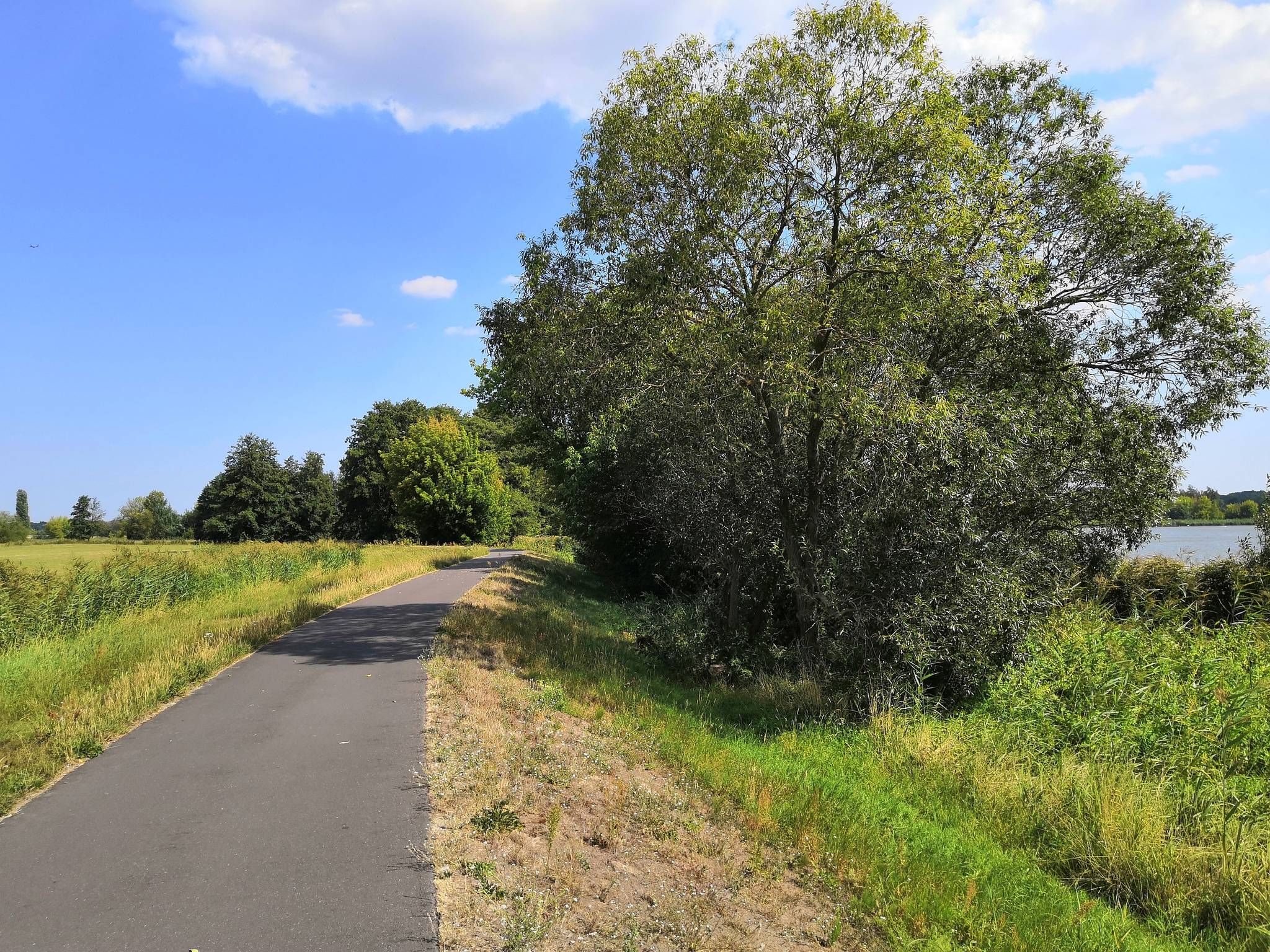
The Havel Cycle Path – in 6 stages from its source to its mouth
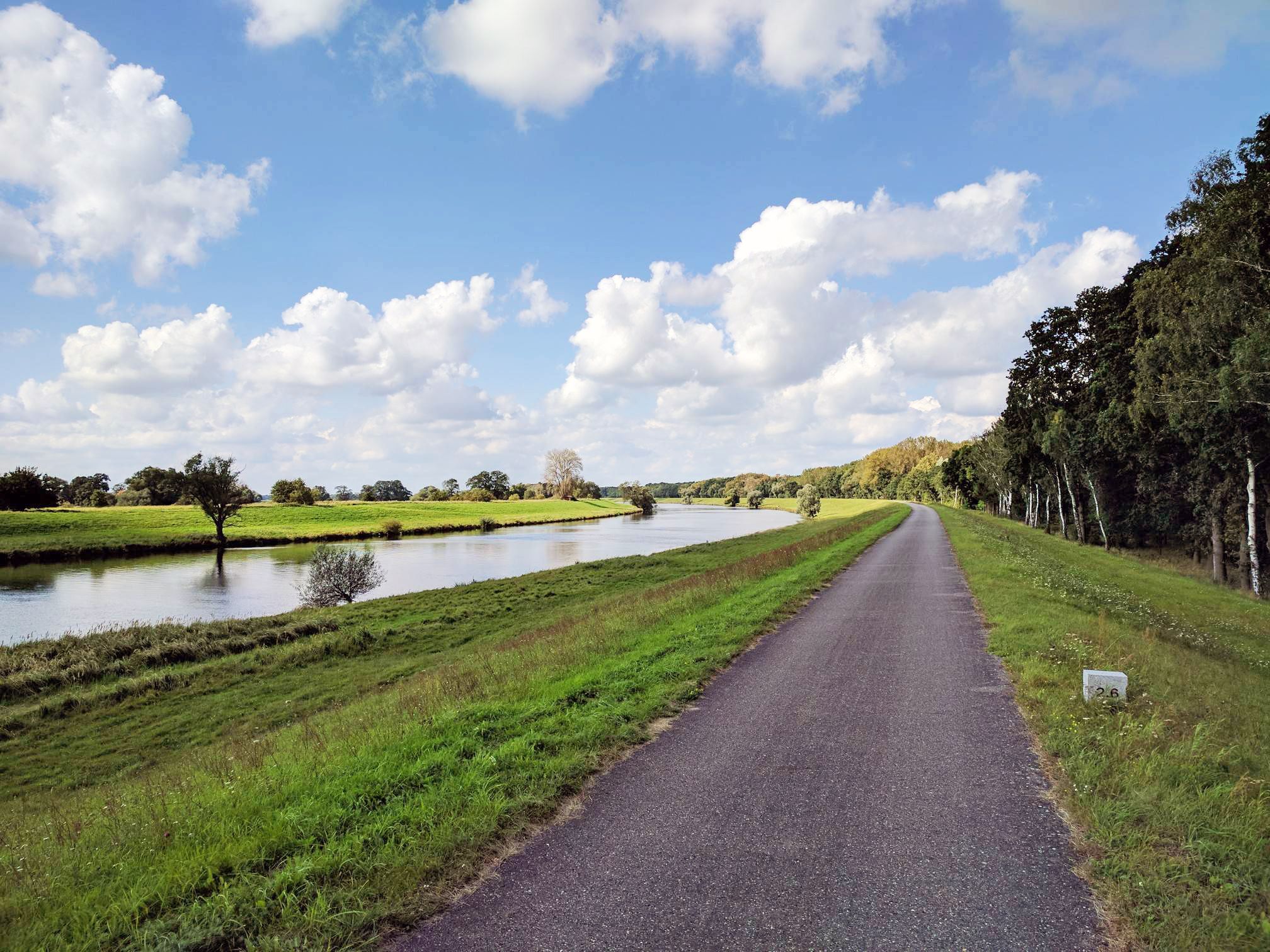
Germany's Elbe Müritz Cycle Path — Ride past rivers and lakes
Other adventures in Prignitz


Tips from the Community

The history of the school site in Wittenberge began in 1895 with the opening of the Realschule. Later, the school continued as a Realgymnasium and, in the GDR, as an Erweiterte Oberschule (EOS). Since 1992, the school has once again been operating as a Gymnasium. The school has a focus on natural sciences. Students have the opportunity to work on interdisciplinary projects in their free time and participate in competitions such as „Jugend forscht“. On the annual „Day of Science“, lecturers from universities in Brandenburg, Berlin, and Mecklenburg-Vorpommern give talks on scientific topics.
2
0
The Marie Curie High School in Wittenberge (Brandenburg) was founded in 1895 as a private higher school for boys and moved into the main building in Sandfurttrift in 1900. It developed from a reform grammar school into today's state grammar school with a focus on natural sciences, which is housed in two listed buildings.
2
0
The Steintor in Wittenberge is the city's oldest landmark, first mentioned in 1297. Rebuilt in its current form after a fire around 1430, it was the northwestern exit of the fortified city. The tower, formerly called "Alter Turm" (Old Tower), served as a prison in the 19th century and has housed a local history museum since 1928.
1
0
The harbor originally originated in the context of Wittenberg's industrial boom as a harbor basin. After the industrial facilities in the harbor area were shut down, the Nedwighafen was converted into a modern sports boat harbor. Today, the Nedwighafen serves as a central meeting point for water tourists on the Elbe and is an important part of tourism in the Prignitz. It is centrally located in the city, in close proximity to the Alte Ölmühle.
3
0
The house is located at the harbor, directly on the Elbe Cycle Route (Elberadweg). The rooms are stylishly furnished and have a view of the Elbe. Guests can also enjoy breakfast with a view of the Elbe.
3
0

The Marie-Curie-Gymnasium in Wittenberge looks back on a long history. Founded in 1895 as a higher private boys' school, it developed over the years into an important educational institution in the region. Established in 1895 as a private boys' school, the school was transferred to municipal ownership in 1898. The main building (Haus 1) was erected between 1899 and 1900 according to plans by Wittenberge's city building councilor Friede Everhard Bruns. In 1900, the newly built building in Sandfurttrift was occupied, which was designed in the Neo-Gothic style with exposed brick facades. Today, the Gymnasium focuses on scientific subjects and has been a member of the association of Mathematical-Natural Science Excellence Centers at Schools (MINT-EC) since 2000.
0
0
Clara Zetkin Park in Wittenberge is one of the city's central green spaces and serves as an important meeting place. Well-maintained paths, lawns, and a mix of mature trees invite visitors to enjoy leisure activities and relax. Named after the politician and women's rights activist Clara Zetkin, the park reflects Wittenberge's socio-historical significance. Today, the park seamlessly blends urban life with nature and is an integral part of the city's public space.
0
0
The Old Main Customs Office in Wittenberge dates back to the 19th century and served to monitor the flow of goods across the Elbe River. After years of disuse, it was renovated and converted into modern apartments, while preserving its historical appearance. The building remains a testament to Wittenberge's economic importance in Elbe River trade.
0
0
Frequently Asked Questions
How many urban hiking trails are available in Prignitz?
Prignitz offers a wide selection of urban hiking trails, with over 30 routes available. The majority of these, about 33, are classified as easy, making them accessible for most hikers.
What is the best time of year for urban hiking in Prignitz?
The most pleasant seasons for urban hiking in Prignitz are spring and autumn. During these times, the temperatures are mild, and you can enjoy nature either in full bloom or showcasing vibrant autumnal colors.
What kind of historical sites and landmarks can I discover on urban hikes in Prignitz?
Urban hikes in Prignitz often lead through historic town centers and past notable landmarks. For example, you can explore the Wittstock Town Hall – Wittstock City Wall loop, which takes you through the historic town of Wittstock. In Wittenberge, routes like the Old Oil Mill Wittenberge – Clara-Zetkin Park loop pass by the impressive Old Oil Mill Wittenberge, a significant historical site.
Are there any natural features to enjoy on urban walks in Prignitz?
Even within urban settings, Prignitz's walks can offer glimpses of its natural beauty. Many routes are close to the Elbe River, providing scenic riverside views. For instance, the Old Oil Mill Wittenberge – Clara-Zetkin Park loop in Wittenberge incorporates green spaces and river proximity. The region is also part of the Brandenburg Elbe River Floodplain Biosphere Reserve, which influences the natural character even near towns.
Are the urban hiking trails in Prignitz generally easy or challenging?
The urban hiking trails in Prignitz are predominantly easy. With 33 out of 36 routes classified as easy, and only 3 as moderate, they are suitable for casual walkers and those looking for a relaxed stroll through towns and their surroundings. The terrain is generally flat, with minimal elevation changes.
Are there family-friendly urban hiking options in Prignitz?
Yes, many urban hikes in Prignitz are suitable for families due to their easy difficulty and relatively short distances. The flat terrain and presence of historical sites or parks make them enjoyable for all ages. For example, the Steintor Wittenberge – Wittenberge Town Hall loop is an easy option that explores the town center.
Can I bring my dog on urban walks in Prignitz?
Generally, dogs are welcome on urban walks in Prignitz. It's always advisable to keep your dog on a leash, especially in populated areas, near historical sites, or in nature reserves to protect local wildlife and ensure a pleasant experience for everyone. Always carry waste bags and respect local regulations.
Is parking available near the urban hiking trails in Prignitz?
Yes, parking is typically available in the towns where these urban hikes begin. For routes starting in places like Wittstock/Dosse or Wittenberge, you can usually find public parking facilities within walking distance of the trailheads. Specific parking information might be available on individual route pages.
How can I reach the urban hiking trails in Prignitz using public transport?
Many towns in Prignitz, such as Wittstock/Dosse and Wittenberge, are accessible by public transport, including regional trains and buses. This allows you to reach the starting points of urban hikes without a car. Check local public transport schedules for the most up-to-date information on connections to your chosen starting point.
Are there urban loop trails in Prignitz?
Yes, many urban hikes in Prignitz are designed as convenient loop trails, allowing you to start and end at the same point. Examples include the Wittstock Town Hall – Wittstock City Wall loop and the Steintor Wittenberge – Wittenberge Town Hall loop, which are perfect for exploring without needing to retrace your steps.
Are there cafes or places to eat along the urban hiking routes?
Given the urban nature of these trails, you will often find cafes, restaurants, and shops in the town centers where the routes pass through or begin. This makes it easy to grab a coffee, a meal, or pick up supplies during or after your hike.
What do other hikers enjoy most about urban hiking in Prignitz?
The komoot community highly rates urban hiking in Prignitz, with an average score of 4.49 stars. Hikers often praise the well-maintained paths, the blend of historical sights with green spaces, and the accessibility of these routes for a relaxed and culturally enriching experience.
Most popular routes in Prignitz
Most popular attractions in Prignitz

Get inspired with the komoot mobile app


Didn’t find what you were looking for?
Check out more Hikes throughout Prignitz below and find the perfect route in your destination.
Explore more
Browse the best Hikes in other regions.
