The best traffic-free bike rides in Sardinia
4.5
(4467)
85,464
riders
274
rides
Road cycling in Sardinia offers diverse terrain, from coastal roads with sea views to challenging climbs through rugged mountains and tranquil plains. The island's secondary routes are often quiet, providing ideal conditions for no traffic road cycling. Cyclists can navigate flat to rolling sections across areas like the Campidano Plain and Sinis Peninsula, or tackle demanding ascents in regions such as the Gennargentu Mountain Range and Monte Limbara. The landscape features a mix of high cliff tops, rolling hills, and…
Last updated: October 13, 2026
5.0
(1)
88
riders
48.7km
01:50
90m
90m
Easy road ride. Great for any fitness level. Mostly well-paved surfaces and easy to ride.
5.0
(4)
68
riders
35.9km
01:50
530m
530m
Moderate road ride. Good fitness required. Some segments of this route may be unpaved and difficult to ride.

5.0
(1)
25
riders
88.8km
04:04
1,020m
1,020m
Hard road ride. Very good fitness required. Some segments of this route may be unpaved and difficult to ride.
16
riders
28.1km
01:27
390m
390m
Moderate road ride. Good fitness required. Some segments of this route may be unpaved and difficult to ride.
4.3
(28)
394
riders
59.5km
02:29
320m
320m
Moderate road ride. Good fitness required. Mostly well-paved surfaces and easy to ride.
Get access to more routes and recommendations from other explorers.
Already have an account?
Our route recommendations are based on thousands of hikes, rides, and runs completed by other people on komoot.
Start today with a free account
Your next adventure awaits.
Popular around Sardinia
Traffic-free bike rides in Oristano
Traffic-free bike rides in Sud Sardegna

Traffic-free bike rides in the Sardinia Mountains
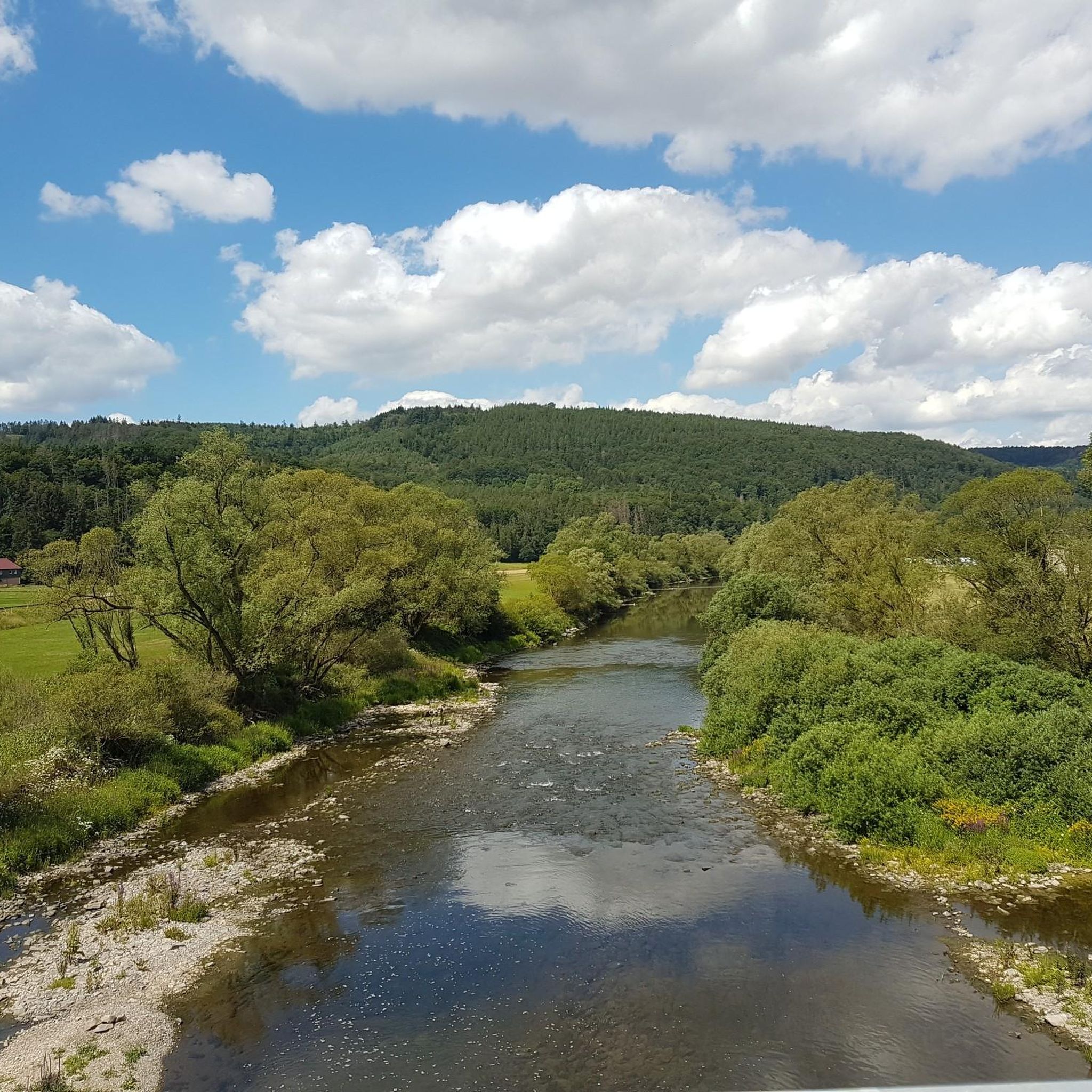
Traffic-free bike rides in Tàtari/Sassari
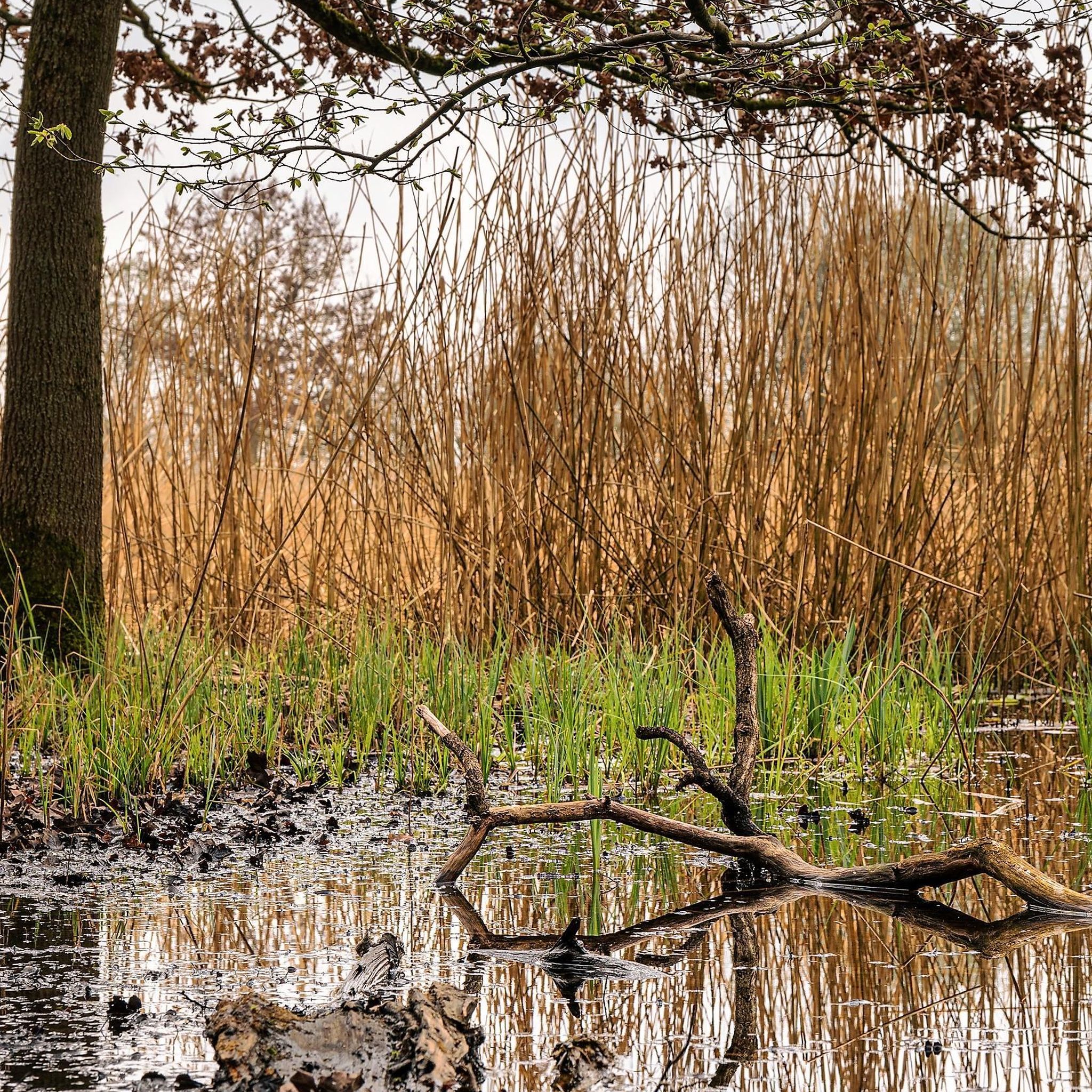
Traffic-free bike rides around Câdesédda/Calasetta
Traffic-free bike rides around Santu Antiogu/Sant'Antioco
Traffic-free bike rides in Nuoro

Traffic-free bike rides in Zona Di Protezione Speciale Punta Molentis
Sardinia by road bike – ten routes to discover the island
Amazing views on perfectly smooth asphalt - road bike tours in Sardinia
Other adventures in Sardinia


Tips from the Community

Carloforte, still closely linked to Pegli and Genoa, is the island's only center, with 6,000 inhabitants. It enchants with its many narrow streets rising up a gentle slope, its colorful corners and sea views, its small harbor, and its former defenses, of which watchtowers and sections of walls with forts can still be seen, including La Porta del Leone. Among the architectural highlights of this town, which is included in the Club of the Most Beautiful Towns in Italy, are U Palassiu, dating from the early 20th century and now the Giuseppe Cavallera Cinema, and the Church of the Madonna del Naufrago, which houses the wooden statue venerated by the Tabarkin people, a symbol of the faith and solidarity of the community.
6
0

A pleasant, scenic walk along the harbor and the calm waters of the lagoon. From here, you can admire the sunset over the gulf, watch the fishing boats return, or simply enjoy the relaxed atmosphere of the seaside village.
1
0

A freestanding, monumental city gate in the middle of the square, after the city wall was demolished.
1
0

I recommend the Sant Antioco-Calasetta trek, walking all along the coast and passing through Cussorgia, 24 km round trip, an experience not to be missed!!
0
0

The language of the Tabarchians essentially corresponds to the Ligurian language of the 15th century. Through personal and trade connections - both from Tunisia and from the island of San Pietro - it has developed just as much as the actual Ligurian and Genoese languages. Due to its geographical location, the port of Carloforte was of considerable importance in shipping and as a transshipment point for medium tonnage until the beginning of the 19th century. Carlofortine Ligurian preserves some nouns and rare grammatical forms that only occur in the outdated Genoese. It does not contain any Gallicisms that Genoese has adopted in recent centuries; for example, the accent (còccina) is typical of Pegli and not of pure Genoese. Only a few nouns from Sardinian, Arabic and Tuscan can be identified as external influences. More than 80 percent of the population still speak this dialect in everyday life today. The architecture, culture, customs and traditions of Carloforte still correspond to those of Liguria. Due to its historical, economic and cultural ties with the Ligurian capital, especially with Pegli, Carloforte was recognized as an honorary municipality of the province of Genoa on November 10, 2004. In 2006, the neighboring municipality of Calasetta received the same honor. Carloforte celebrates twin festivities with Pegli every year.
2
0
In 1542, the inhabitants of Pegli and the neighbouring communities left their home on the Ligurian coast in the wake of the Lomellini, a powerful trading family from Pegli and Genoa, and settled on the island of Tabarca off the coast of Tunisia, where they dived for coral until 1735. When coral mining and thus the tribute to the Lomellini continued to decline and was no longer profitable for all sides, and the conflicts with the Muslims intensified, King Charles Emmanuel III of Savoy, on the initiative of the Piedmontese architect Augusto de la Vallée, made the offer to settle the still uninhabited island of San Pietro. A part of the Tabarchini under the leadership of Agostino Tagliafico accepted the offer and settled on the island off Sardinia in 1738. In honour of the king, they named the new place Carloforte ("Charles the Strong"). Over time, other emigrant families arrived directly from Liguria and helped to strengthen the small, thriving community. In 1798, Carloforte was attacked by pirates and around 900 inhabitants were captured and held as slaves in Tunis; one of them became the mother of Bey Ahmad I al-Husain. After five years, they were finally ransomed. The parts of the old city walls and the fortress that still remain today are evidence of this barbarian invasion. The population, also known as the Tabarchines because of their origins, united the towns of Carloforte on the island of San Pietro and the neighboring community of Calasetta on the nearby island of Sant'Antioco. A smaller part of the emigrants from Tabarca headed towards the Spanish coast to Alicante and founded the town of Nueva Tabarca there. Although this colony retained some of the original surnames, it was absorbed by the Spanish-speaking community in terms of language and customs. The Tabarchini are scattered all over the world, mainly in Genoa, on the Ligurian coast, in Gibraltar, in Boca near Buenos Aires and in other port cities. They are estimated to number 18,000 people in total.
3
0
Carloforte (Ligurian: U Pàize) is an Italian municipality in the province of Sulcis Iglesiente in the Autonomous Region of Sardinia. It essentially comprises the island of San Pietro about 10 km off the southwest coast of Sardinia and some other insignificant islets of the Sulcis archipelago. The small town with 5983 inhabitants (as of December 31, 2022) is the only settlement on the island of San Pietro.
3
0

Sunset or sunrise for best colors
0
0
Frequently Asked Questions
How many no traffic road cycling routes are available in Sardinia?
Sardinia offers a wide selection of routes specifically designed for road cycling with minimal traffic. You'll find over 250 such routes, catering to various skill levels from easy to difficult.
What is the best time of year for no traffic road cycling in Sardinia?
Sardinia boasts a favorable climate for road cycling for most of the year. While summer can be hot, spring (April-May) and autumn (September-October) offer ideal temperatures and beautiful scenery. Even in winter, you can often find surprisingly spring-like days, making it a good option for off-season cycling.
Are there easy no traffic road cycling routes suitable for beginners in Sardinia?
Yes, Sardinia has plenty of easy no traffic road cycling routes perfect for beginners or those looking for a relaxed ride. For example, the From Oristano around the Cabras Pond — ring tour offers a gentle, mostly flat experience around a scenic lagoon.
What do other cyclists say about the no traffic road cycling routes in Sardinia?
The no traffic road cycling routes in Sardinia are highly rated by the komoot community, with an average score of 4.5 stars. Cyclists frequently praise the island's diverse terrain, breathtaking coastal views, and the quietness of the secondary roads, making for a truly immersive cycling experience.
Are there any circular no traffic road cycling routes in Sardinia?
Many no traffic road cycling routes in Sardinia are designed as loops, allowing you to start and finish in the same location. The From Oristano around the Cabras Pond — ring tour is a great example of an easy circular route. For a more challenging loop, consider the Costa Verde and Montevecchio Loop.
Can I find long-distance no traffic road cycling routes in Sardinia?
Yes, Sardinia offers several long-distance no traffic road cycling routes for those seeking a greater challenge. Routes can extend up to 90 km or more, often combining coastal stretches with inland climbs. The Costa Verde and Montevecchio Loop, for instance, covers nearly 90 km with significant elevation.
What natural attractions can I see along no traffic road cycling routes in Sardinia?
Sardinia's no traffic road cycling routes often pass through stunning natural landscapes. You might encounter the rugged beauty of the Monte Limbara region, the dramatic cliffs of the Costa Verde, or the serene wetlands around Cabras Pond. The island is also known for its beautiful beaches and diverse flora and fauna.
Are there any historical or cultural landmarks near the no traffic road cycling routes?
Absolutely. Sardinia is rich in history. While cycling, you might pass by ancient Nuragic sites, charming coastal towns, or even old mining villages like those found along the Costa Verde and Montevecchio Loop. The island's interior also holds many prehistoric and Bronze Age remnants.
What kind of terrain can I expect on no traffic road cycling routes in Sardinia?
Sardinia's terrain is incredibly diverse. You can find relatively flat routes, such as those around the Campidano Plain or the Sinis Peninsula. For more challenging rides, the island offers significant climbs and descents in regions like the Gennargentu Mountain Range, Monte Limbara, and the Montiferru mountains, often with panoramic views.
Are there options for family-friendly no traffic road cycling in Sardinia?
While dedicated cycle paths are not extensive, many secondary roads away from main towns offer quiet conditions suitable for families. Look for routes with minimal elevation gain and shorter distances, such as those found in the Campidano Plain or around coastal lagoons, to ensure a pleasant experience for all ages.
Where can I find parking for no traffic road cycling routes in Sardinia?
Parking availability varies by location. In smaller towns and villages that serve as starting points for routes, you can often find public parking spaces. For routes starting near natural parks or specific attractions, dedicated parking areas may be available. It's advisable to check the specific route details on komoot for suggested starting points and parking information.
How can I access no traffic road cycling routes using public transport in Sardinia?
Public transport in Sardinia, primarily buses and trains, connects major towns and some smaller villages. While not all services are equipped to carry bicycles, some regional trains and bus lines may accommodate them, especially outside peak hours. Planning your route to start or end near a public transport hub can facilitate access, but always check specific operator policies regarding bikes in advance.
Most popular routes in Sardinia
Most popular attractions in Sardinia

Get inspired with the komoot mobile app


Didn’t find what you were looking for?
Check out more Road cycling routes throughout Sardinia below and find the perfect route in your destination.
Explore more
Browse the best Road cycling routes in other regions.
