The best traffic-free bike rides in the Weinviertel
4.5
(983)
18,235
riders
125
rides
Road cycling in the Weinviertel is characterized by gently rolling hills and extensive vineyards, offering a scenic backdrop for rides. The region features unique cellar lanes and follows the March River, providing varied landscapes. Its terrain generally avoids overly strenuous climbs, making it accessible for different cycling abilities.
Best no traffic road cycling routes in the Weinviertel
- The most popular no traffic road cycling route is Greifenstein Power Plant – Steiner Gate, Krems loop from Korneuburg, an 82.5 miles…
Last updated: October 27, 2026
4.7
(102)
2,408
riders
135km
05:11
300m
300m
Hard road ride. Very good fitness required. Mostly well-paved surfaces and easy to ride.
4.5
(4)
76
riders
Moderate road ride. Good fitness required. Mostly well-paved surfaces and easy to ride.

5.0
(5)
44
riders
72.0km
03:41
750m
750m
Moderate road ride. Good fitness required. Some segments of this route may be unpaved and difficult to ride.
3.8
(4)
50
riders
Easy road ride. Mostly well-paved surfaces and easy to ride.
4.6
(13)
147
riders
Moderate road ride. Some segments of this route may be unpaved and difficult to ride.
Get access to more routes and recommendations from other explorers.
Already have an account?
Our route recommendations are based on thousands of hikes, rides, and runs completed by other people on komoot.
Start today with a free account
Your next adventure awaits.
Popular around Weinviertel

Traffic-free bike rides around Korneuburg

Traffic-free bike rides around Bezirk Mistelbach
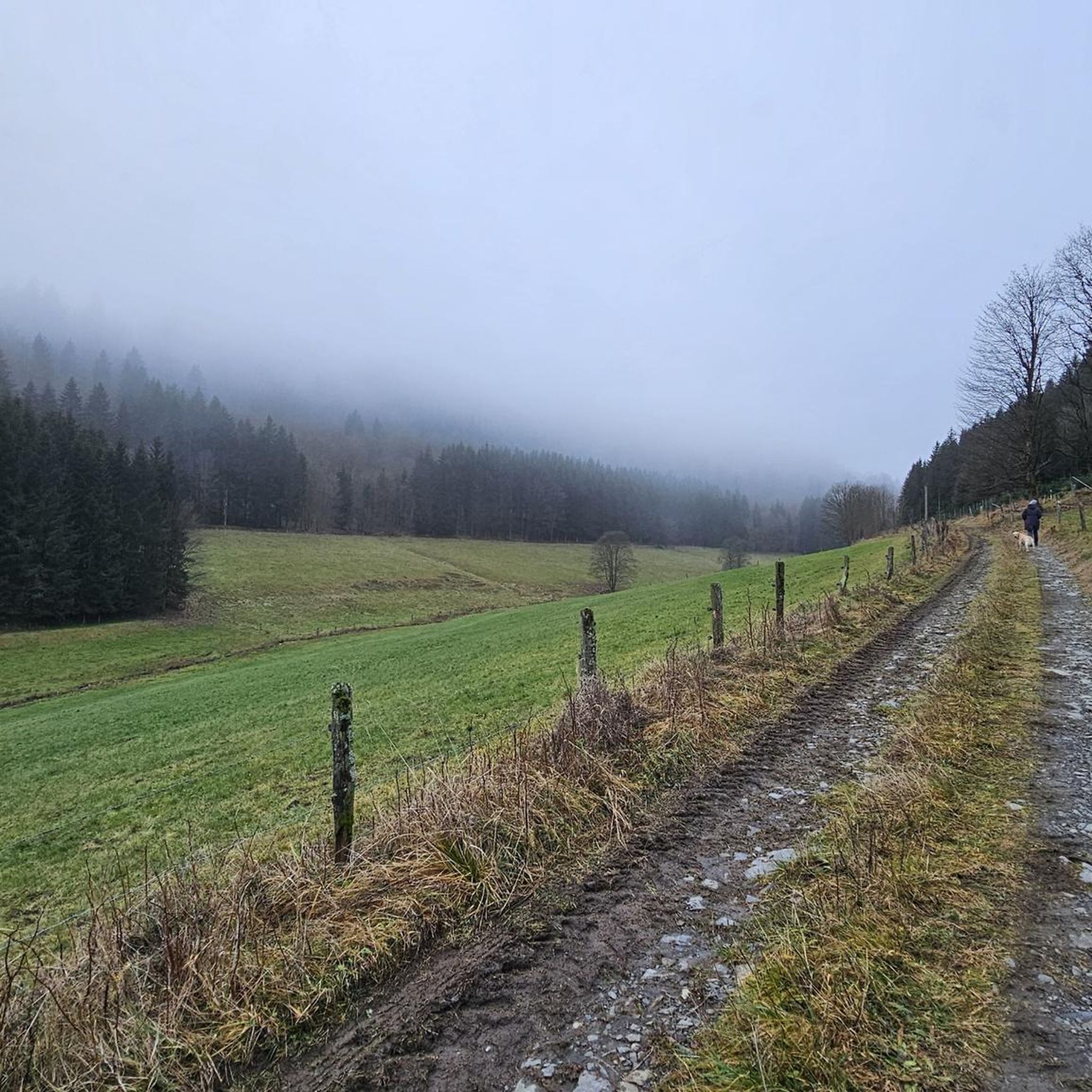
Traffic-free bike rides in Gänserndorf

Traffic-free bike rides around Hollabrunn
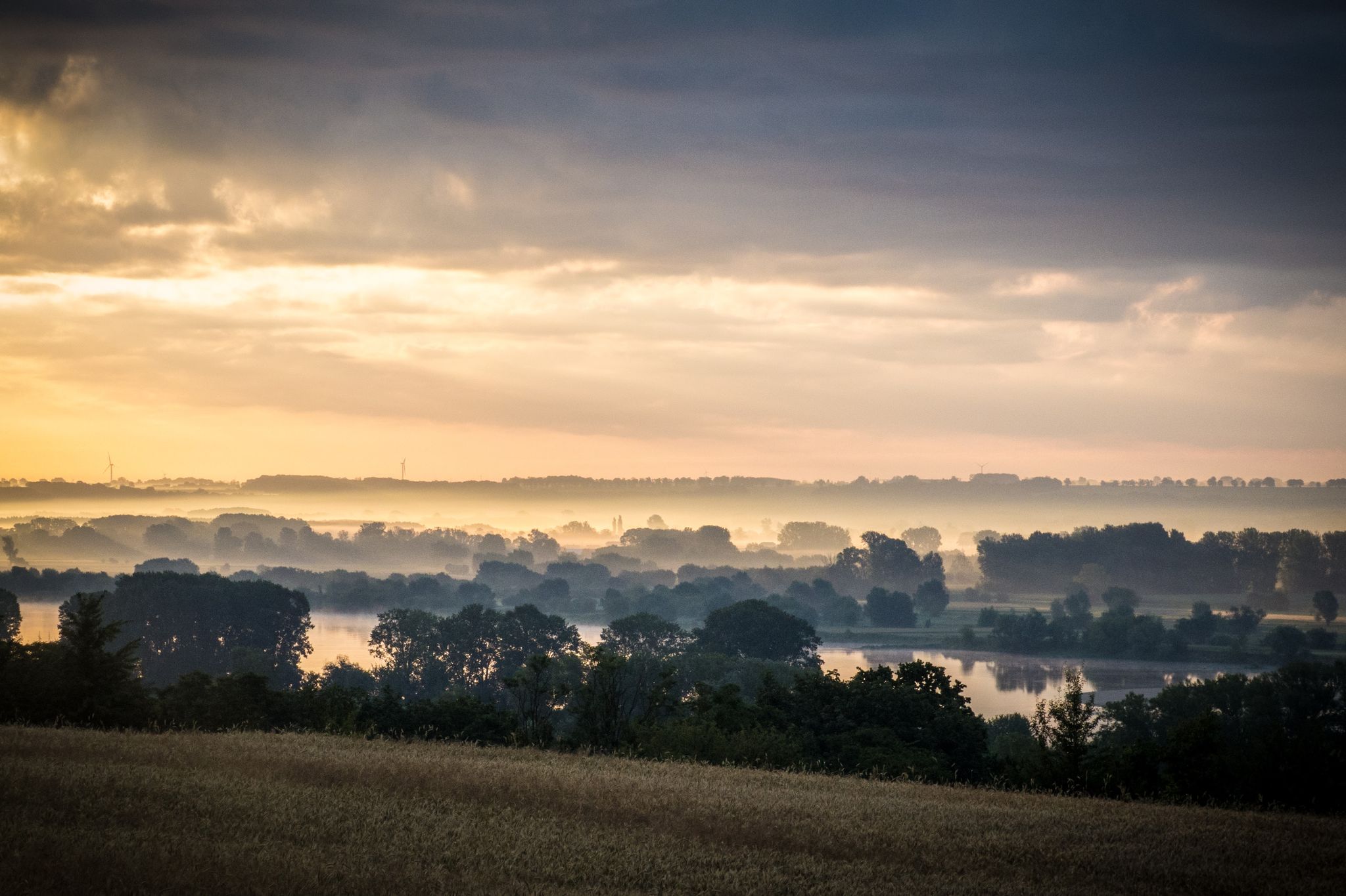
EuroVelo 9 – The Amber Route from the Baltic to Adriatic Sea
Discover the Schmidatal: Cycling between wine, vastness and pleasure
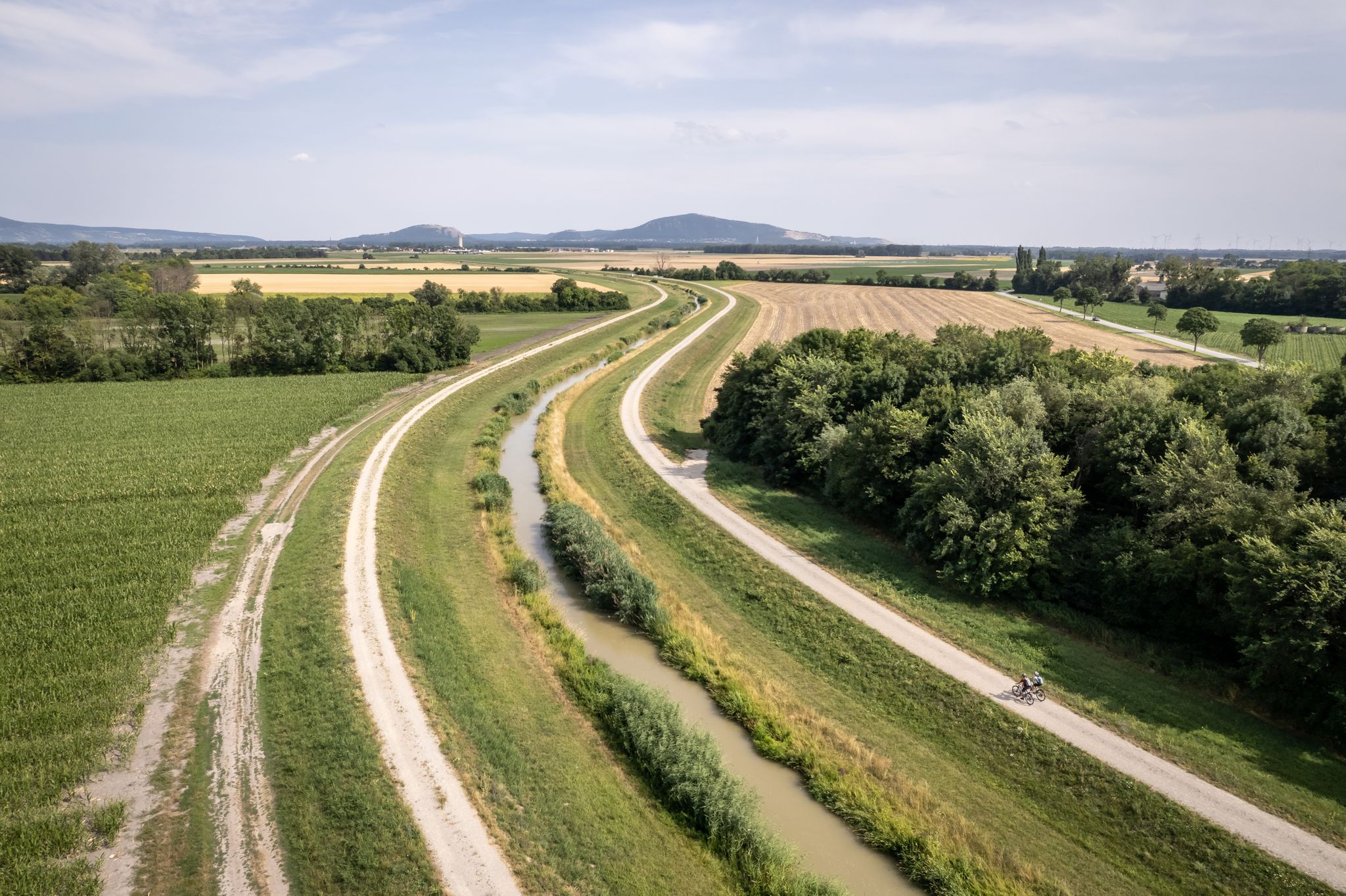
To the Weinviertel! – joyous cycling on Vienna's doorstep
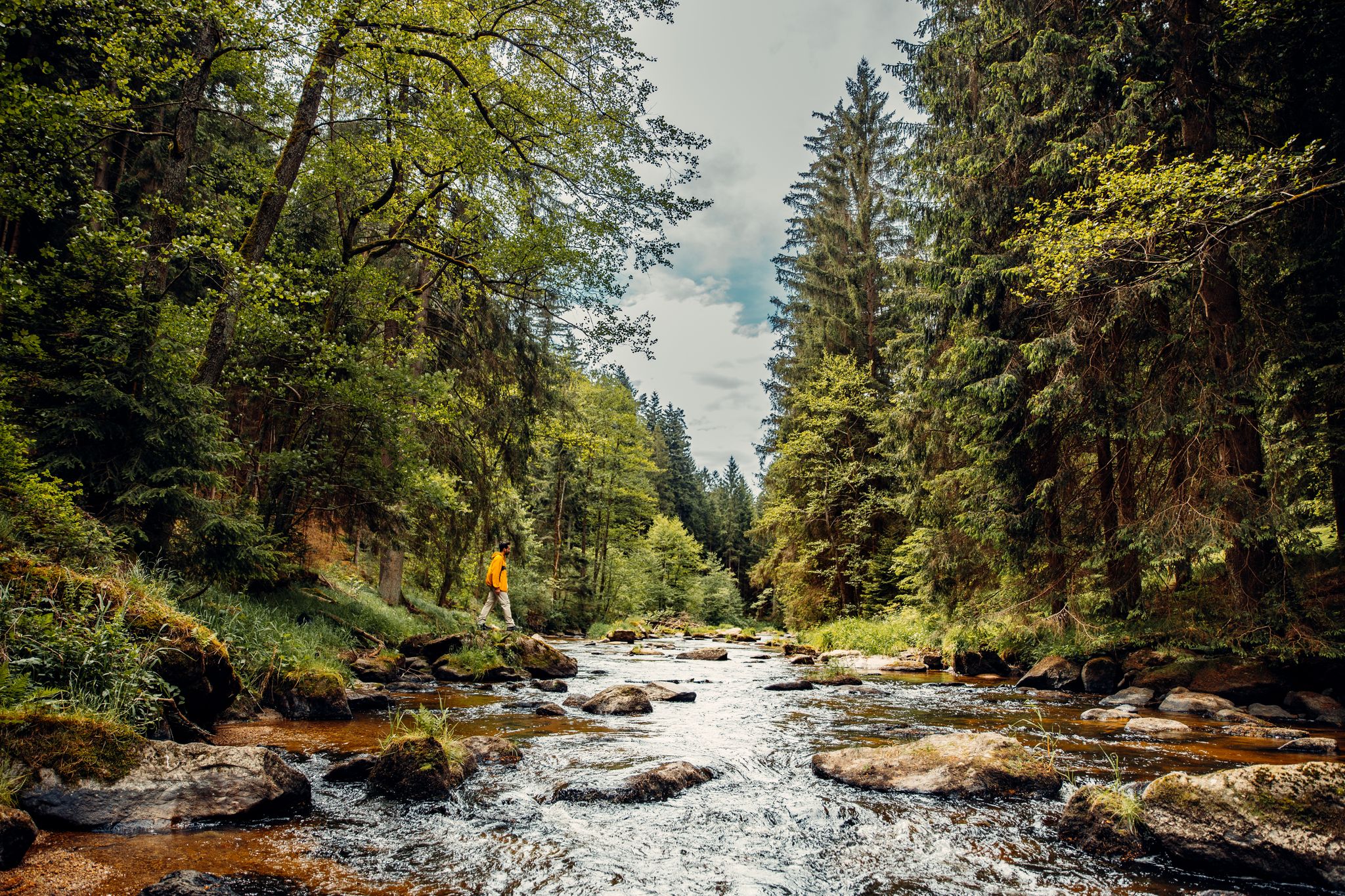
Cliffs, a gorge and vineyards – day hikes in the Waldviertel
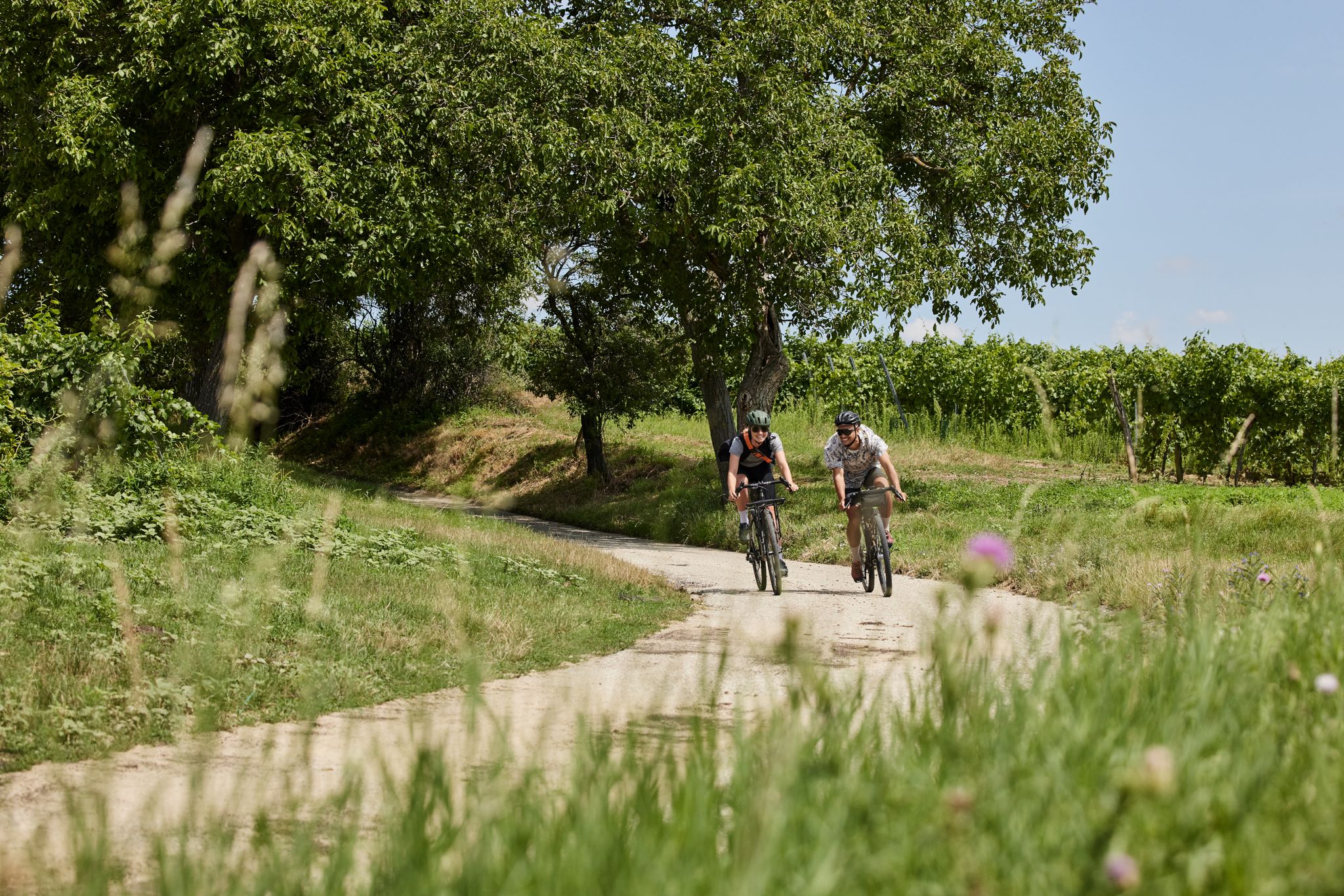
Cycling between the vines – wine routes in the Weinviertel
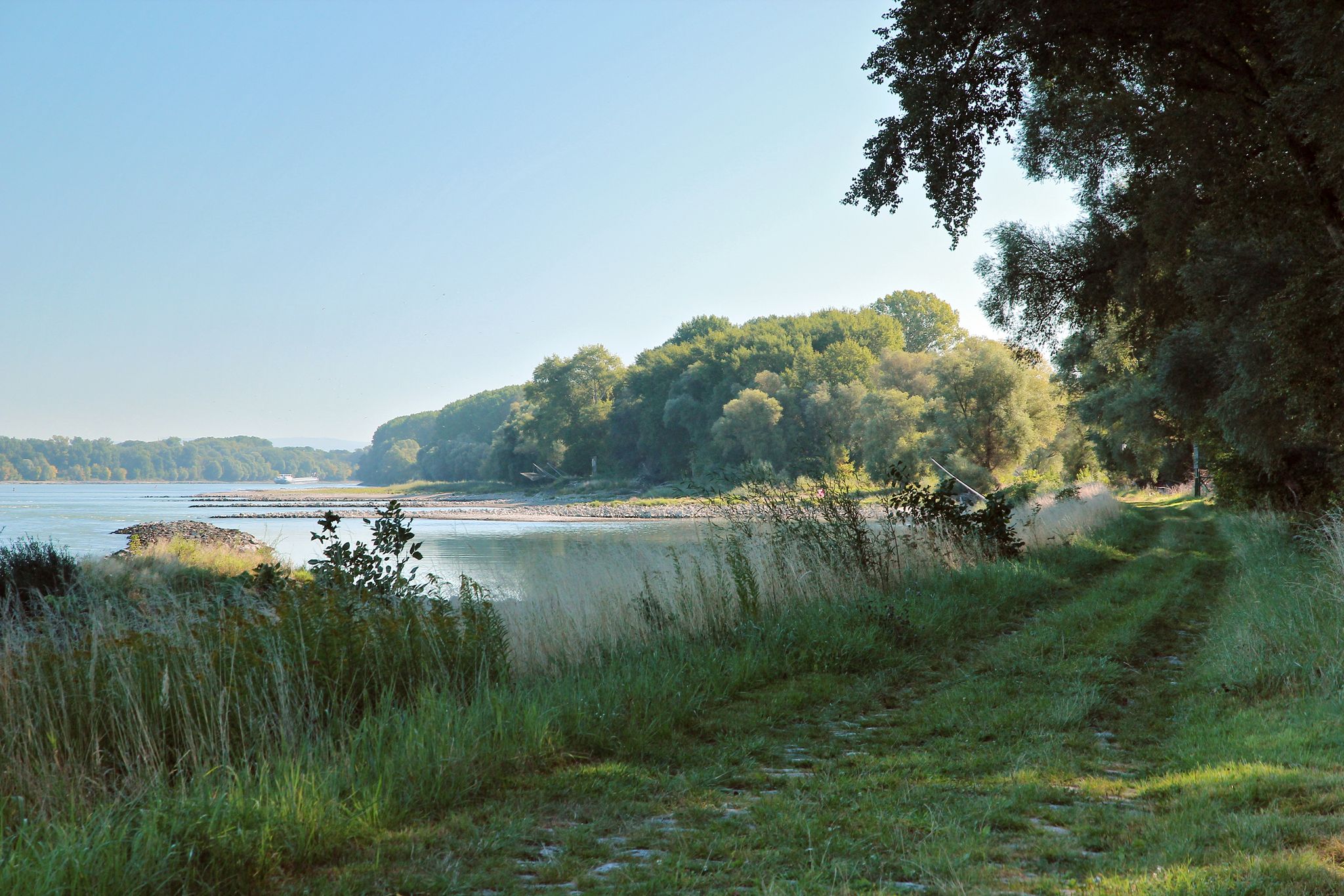
From Vienna to the state border at Hainburg - Tours in the National Park Donau-Auen
Other adventures in the Weinviertel


Tips from the Community

In the years 1785/86[2], the "chamber engineer" Johann Sigismund Hubert, on the orders of Emperor Joseph II, built a protective dam in the area from Langenzersdorf to Floridsdorf, which was intended to prevent floodwaters from entering the Marchfeld. Some Danube arms, such as the Schwarze Lacke, were separated from the river. But already at the next major flood in November 1787, the dam could not withstand the masses of water. The name Hubertusdamm is a reminder of engineer Hubert.[2]
1
0

Today (02.08.2026) due to the lack of rainfall, unfortunately almost completely dried out...
0
0


The Tullner Hauptplatz with its fountain and cafés is the center of Tulln.
0
0

The almost standing body of water offers great photo opportunities with reflections.
0
0
The almost still body of water offers great photo opportunities with reflections.
0
0


Very well-developed cycle path, but very windy in appropriate weather.
0
0
Frequently Asked Questions
How many no-traffic road cycling routes are available in the Weinviertel?
The Weinviertel offers a wide selection of traffic-free road cycling routes, with over 120 tours available on komoot. These routes cater to various skill levels, ensuring there's something for everyone.
What kind of terrain can I expect on traffic-free road cycling routes in the Weinviertel?
The Weinviertel is characterized by its gently rolling hills and extensive vineyards, offering a scenic and enjoyable cycling experience without overly strenuous climbs. You'll find many routes on well-paved surfaces, often passing through charming cellar lanes and alongside fields.
What is the best time of year for traffic-free road cycling in the Weinviertel?
Spring and autumn are generally considered the best seasons for road cycling in the Weinviertel. During these times, the weather is pleasant, and the landscapes are particularly beautiful, with blooming vineyards in spring and vibrant colors in autumn. Many wine-related events also take place during these seasons.
Are there easy, family-friendly no-traffic road cycling routes in the Weinviertel?
Yes, the Weinviertel has numerous easy and family-friendly traffic-free road cycling routes. Many paths are designed for leisurely rides, allowing families to enjoy the scenery. An example of an easy route is the Siebenhirten Church – Oil Fields of Kleinhadersdorf loop from Siebenhirten, which offers a pleasant ride through the local landscape.
Are there challenging traffic-free road cycling routes in the Weinviertel?
While the Weinviertel is known for its gentle terrain, there are routes that offer more challenge. For instance, the Greifenstein Power Plant – Steiner Gate, Krems loop from Korneuburg is classified as difficult, providing a longer distance and some elevation gain for experienced riders.
What natural attractions can I see along the no-traffic road cycling routes?
The Weinviertel offers diverse natural beauty. You can cycle along the March River on routes like the March Panorama Route, explore nature reserves with rare dry grasslands, or visit recreation areas with ponds. The Buschberg, the highest point in the Weinviertel, also offers panoramic views. For more natural sights, check out the Natural Monuments in the Weinviertel guide.
Are there any interesting historical landmarks or cultural sights along the routes?
Absolutely! The Weinviertel is rich in history and culture. You can discover unique cellar lanes (Kellergassen), visit historic towns like Retz with its impressive main square and underground labyrinth, or explore magnificent Baroque palaces such as Schloss Hof. The Devín Castle and the Holy stone with former pilgrimage church are also notable highlights.
Can I find circular no-traffic road cycling routes in the Weinviertel?
Yes, many of the traffic-free road cycling routes in the Weinviertel are designed as loops, allowing you to start and end at the same point. An example is the Scenic Road Through Vineyards – Stork Sculpture Pathway loop from Laa an der Thaya, which takes you through picturesque vineyard landscapes.
What do other road cyclists enjoy the most about road cycling in Weinviertel?
The komoot community highly rates road cycling in the Weinviertel, with an average score of 4.6 stars. Reviewers often praise the region's quiet, well-maintained roads, the picturesque vineyard scenery, and the charming cellar lanes. The opportunity to combine cycling with wine tastings and regional culinary delights is also frequently highlighted.
Are there options for cross-border cycling from the Weinviertel?
Yes, the Weinviertel borders the Czech Republic and Slovakia, offering opportunities for cross-border cycling experiences. Routes like the Weinviertel Dreiländereck cycling route run parallel to the Czech border and connect to international networks such as the Iron Curtain Trail (EV13). The Valtice – Poysdorf Town Center Statues loop from Mistelbach Stadt is an example of a route that takes you close to the border region.
Where can I find information about wine cycle paths in the Weinviertel?
The Weinviertel is famous for its wine culture, and many cycling routes are dedicated wine cycle paths, such as the Veltliner Radtour and the Weinviertel DAC Radtour. These routes often pass directly through vineyards and cellar lanes, with opportunities for wine tastings. You can find more information about these routes on the Lower Austria tourism website.
Is it possible to reach the cycling routes using public transport?
While specific public transport connections vary by route, the Weinviertel region is generally accessible by train and bus, especially to larger towns. It's advisable to check local public transport schedules and bike carriage policies for your chosen starting point to plan your journey effectively.
Are there places to eat or drink along the no-traffic road cycling routes?
Yes, the Weinviertel is known for its culinary offerings. Many winegrowers and traditional taverns (Heurigen) are located directly along the cycle paths, offering regional delicacies and wine tastings. You can also find cafes and restaurants in the charming towns and villages you'll pass through.
Most popular routes in the Weinviertel
Most popular attractions in the Weinviertel

Get inspired with the komoot mobile app


Didn’t find what you were looking for?
Check out more Road cycling routes throughout Weinviertel below and find the perfect route in your destination.
Explore more
Browse the best Road cycling routes in other regions.
