The best city hikes and walks in the Bezirk Bregenz
4.6
(21993)
103,544
hikers
67
hikes
Urban hiking trails in the Bezirk Bregenz offer a blend of accessible city exploration and natural elements. The region features urban landscapes interspersed with riverfronts, green spaces, and views towards Lake Constance. These routes often follow the Bregenzer Ach river or navigate through historic town centers, providing varied terrain for easy walks. The area's low elevation changes make many urban trails suitable for all fitness levels.
Best urban hiking trails in the Bezirk Bregenz
- The most popular urban hiking route…
Last updated: October 3, 2026
3.0
(1)
42
hikers
2.90km
00:45
10m
10m
Easy hike. Great for any fitness level. Easily-accessible paths. Suitable for all skill levels.
5.0
(1)
11
hikers
5.79km
01:30
30m
30m
Easy hike. Great for any fitness level. Easily-accessible paths. Suitable for all skill levels.

7
hikers
4.87km
01:16
40m
40m
Easy hike. Great for any fitness level. Easily-accessible paths. Suitable for all skill levels.
5.0
(1)
12
hikers
Easy hike. Great for any fitness level. Easily-accessible paths. Suitable for all skill levels.
5
hikers
Easy hike. Great for any fitness level. Easily-accessible paths. Suitable for all skill levels.
Get access to more routes and recommendations from other explorers.
Already have an account?
Our route recommendations are based on thousands of hikes, rides, and runs completed by other people on komoot.
Start today with a free account
Your next adventure awaits.
Popular around Bezirk Bregenz
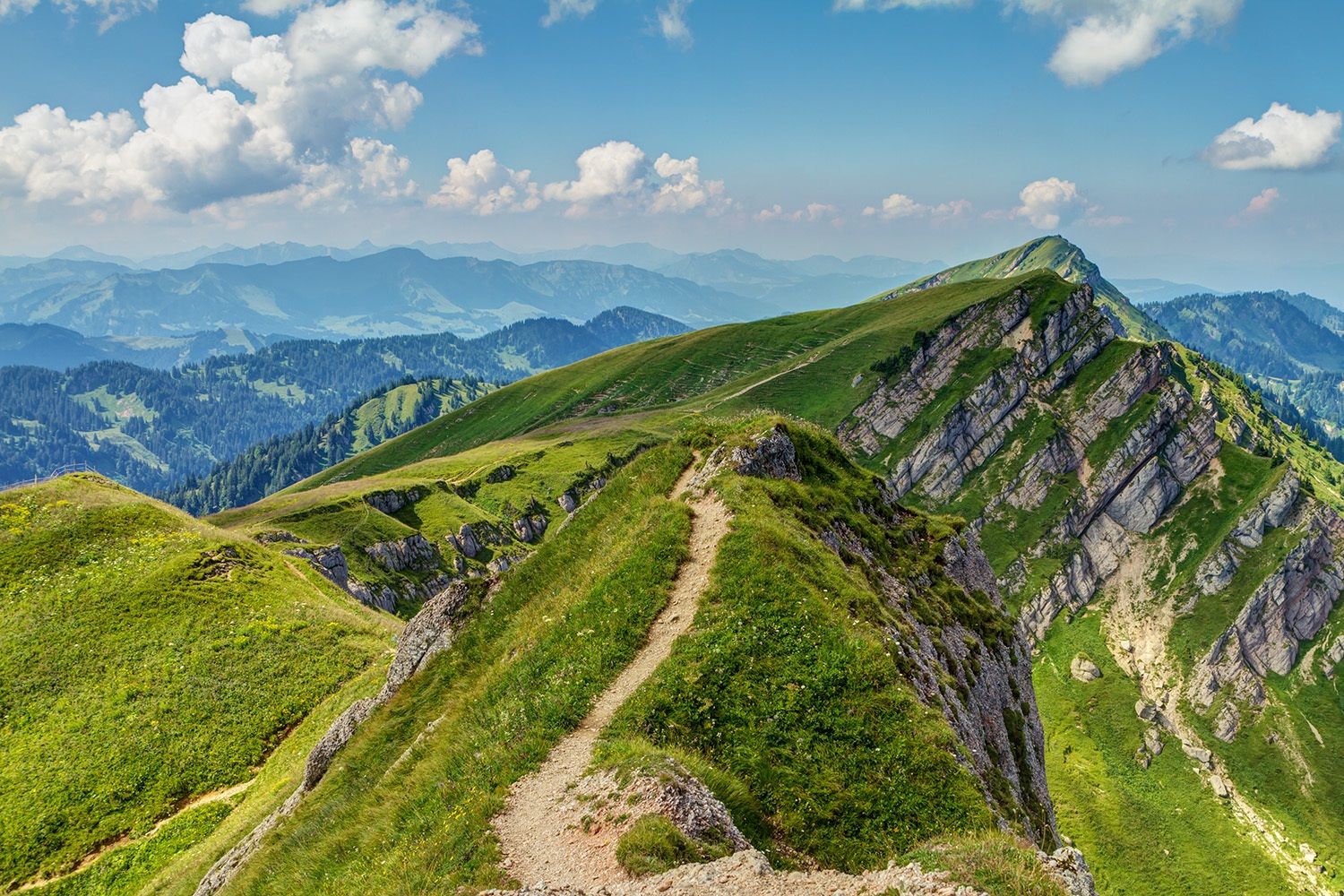
Maximilian Trail in Germany — Lake Constance to Königssee
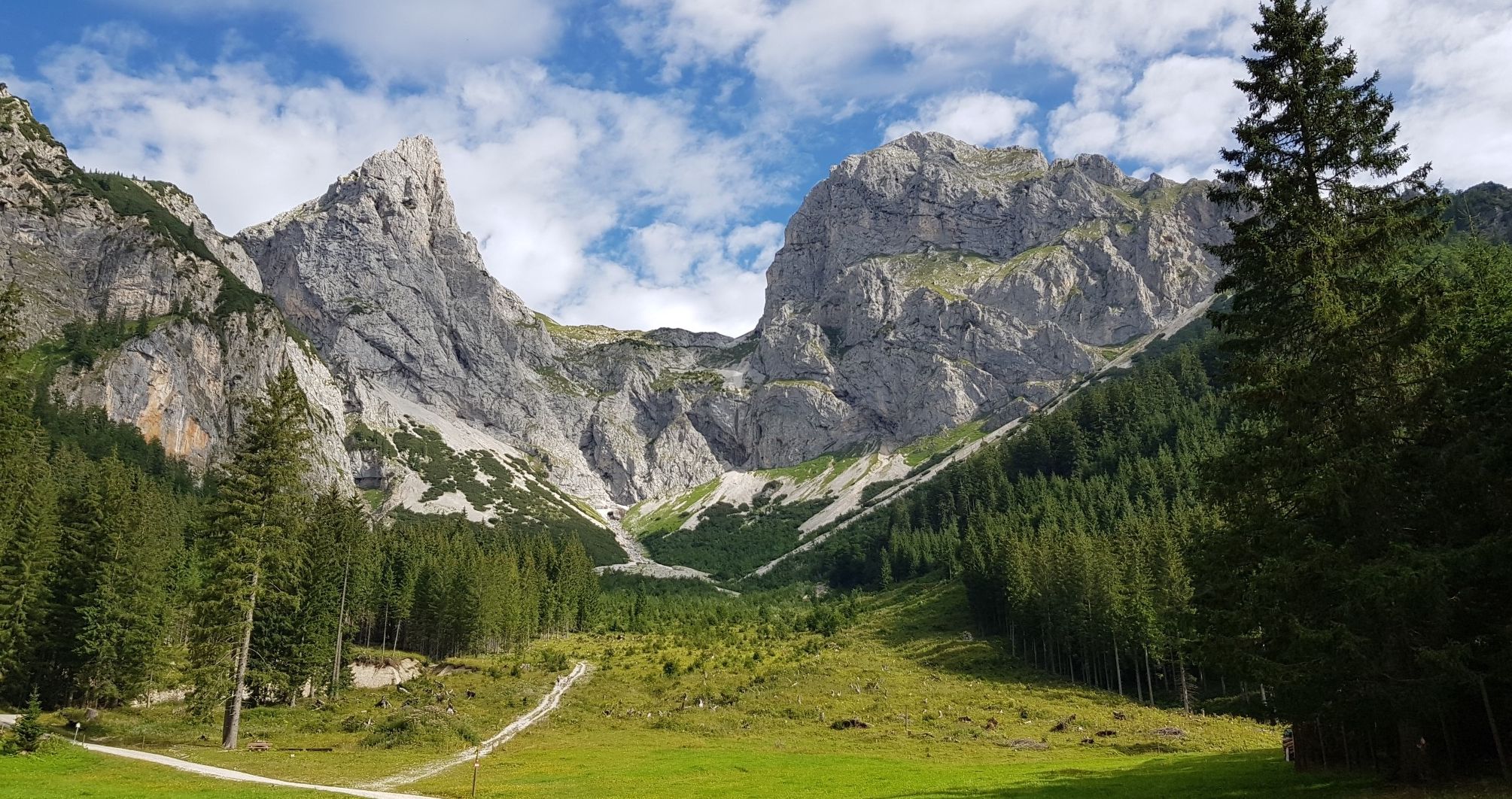
North Alpine Trail 01 – Hike across Austria in 49 days
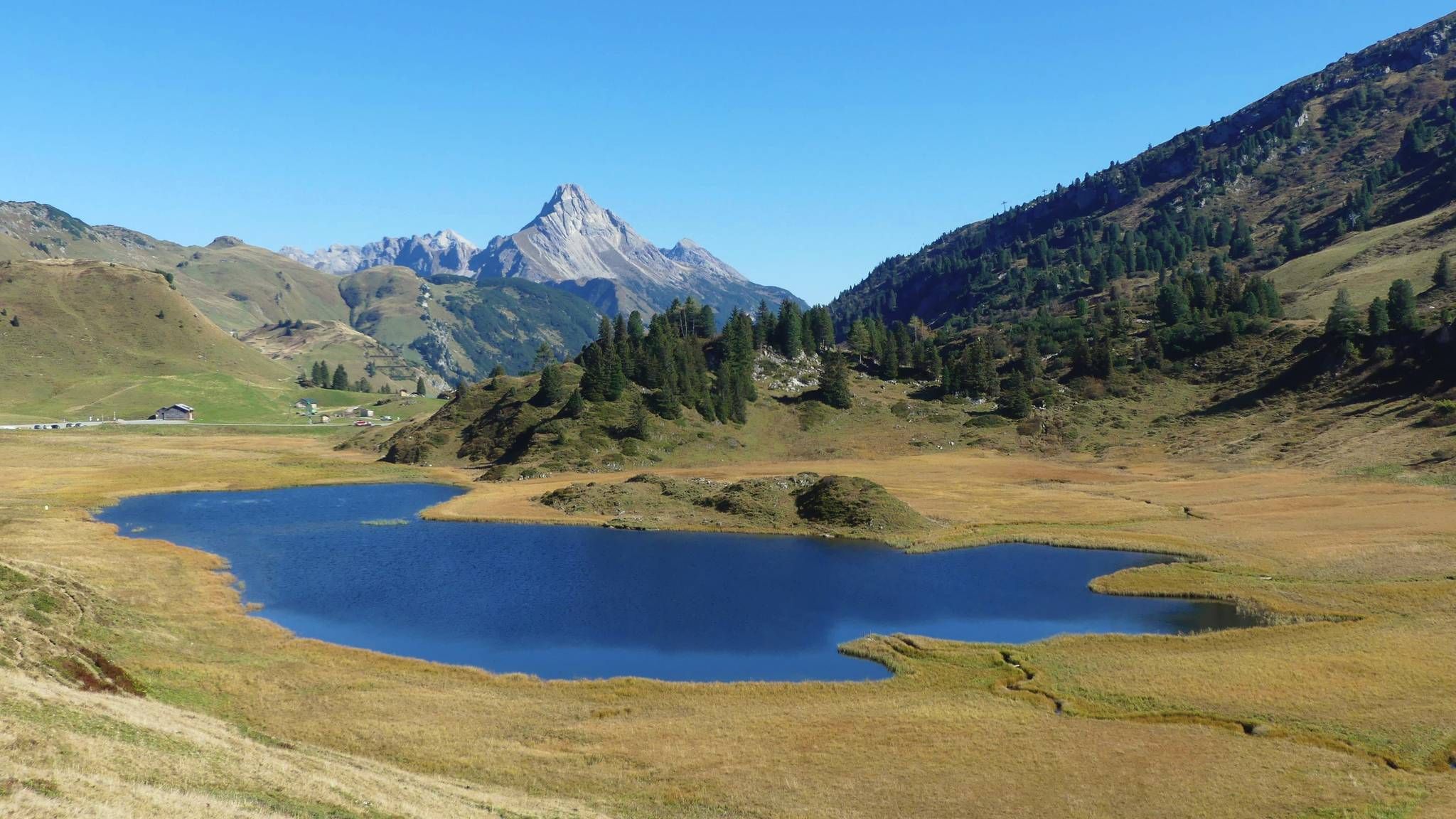
Min Weag long-distance hiking trail – From Lake Constance to the Alps
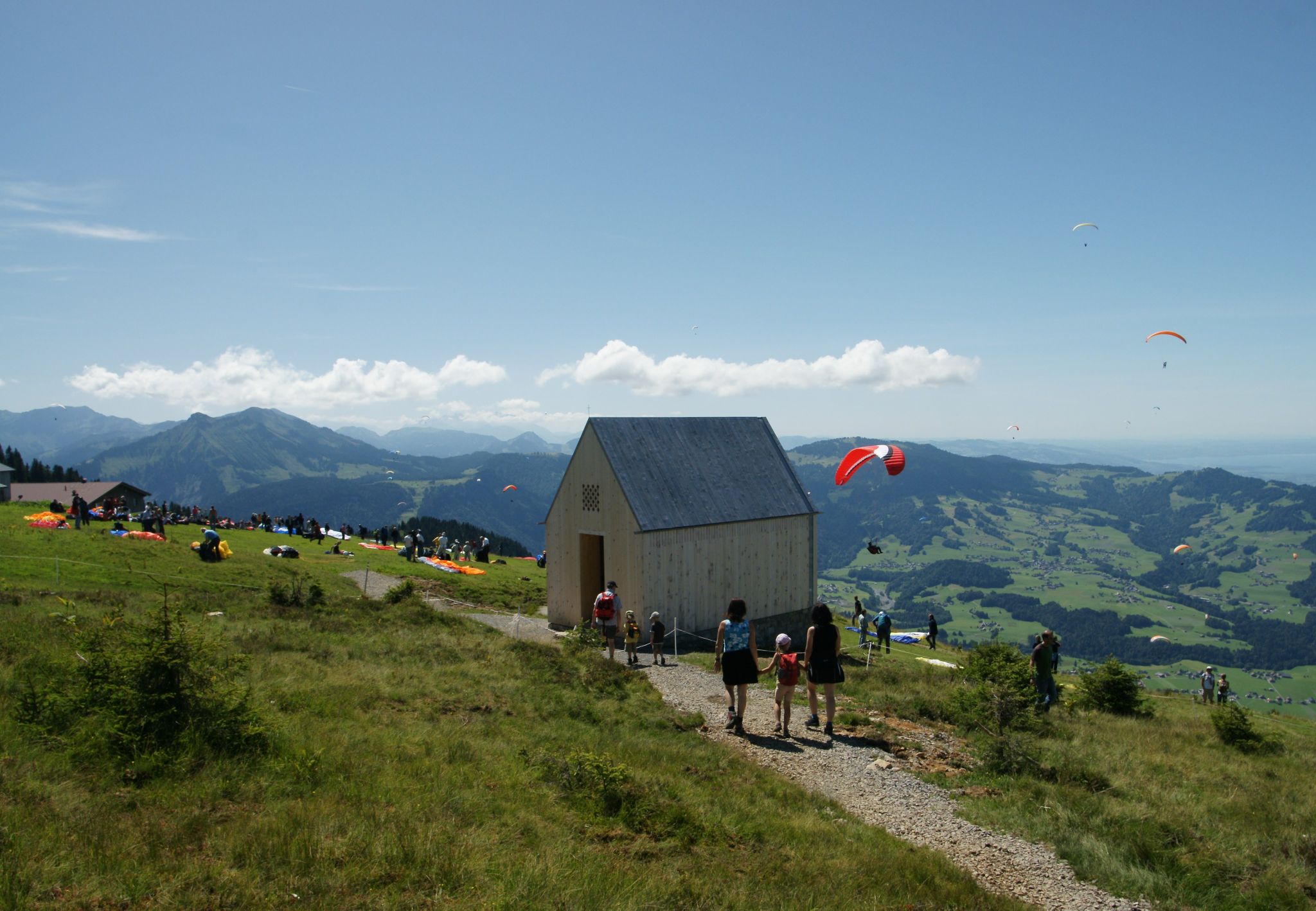
The Architecture Trail – Follow it through Austria's Bregenz Forest region
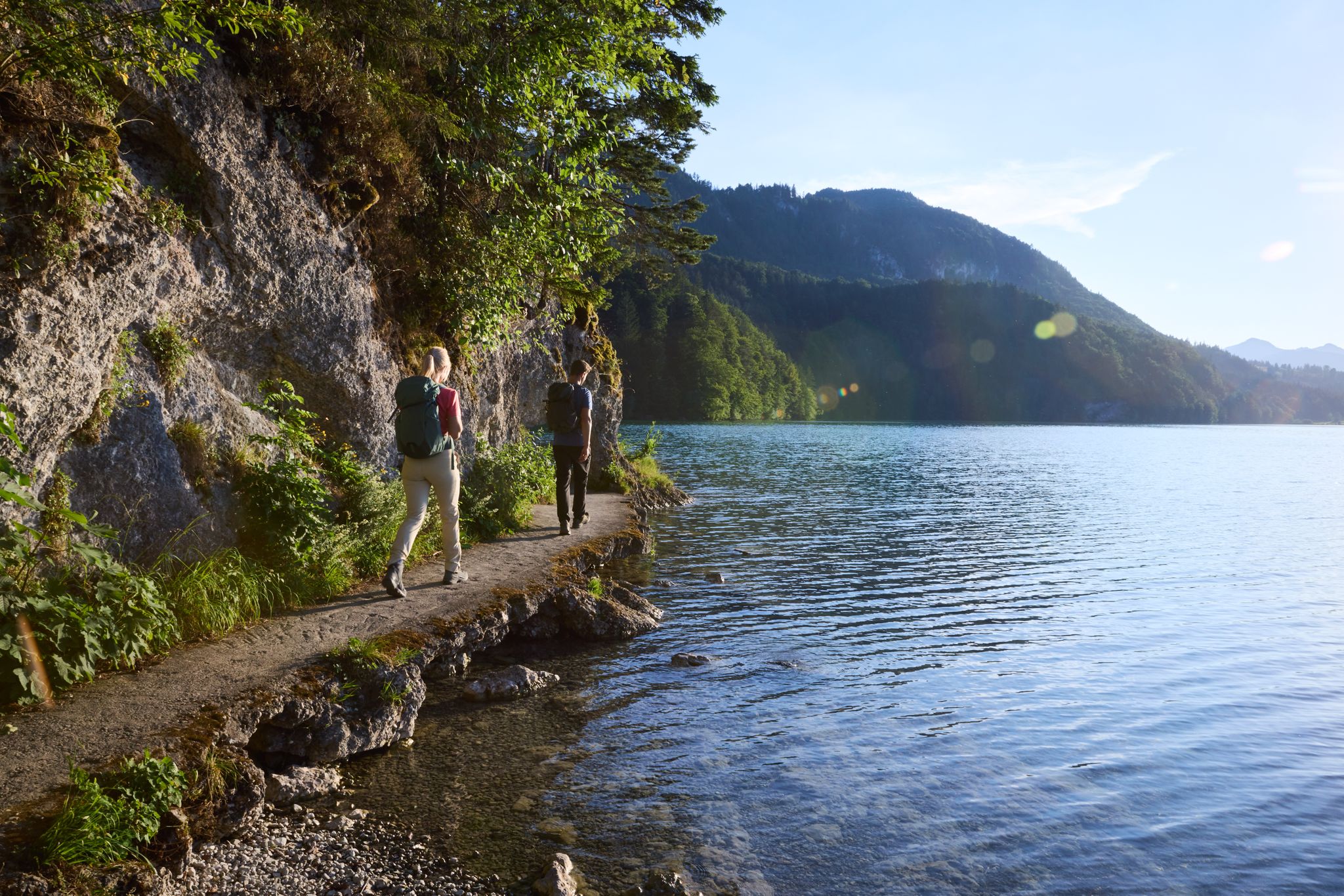
Lechloops – wonderful hiking along the wild Lech
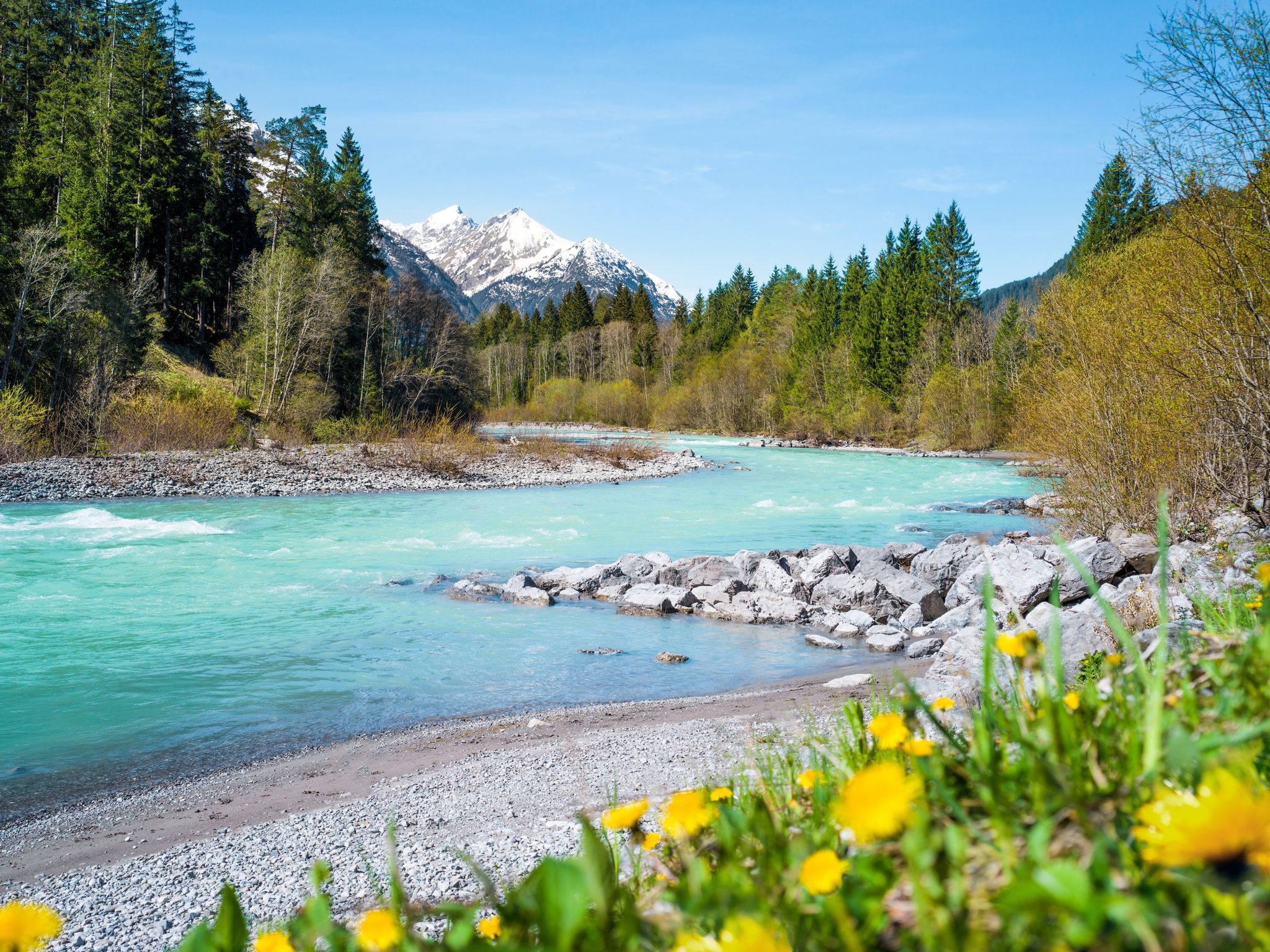
Multi-day hiking against the flow – the Lechweg in reverse
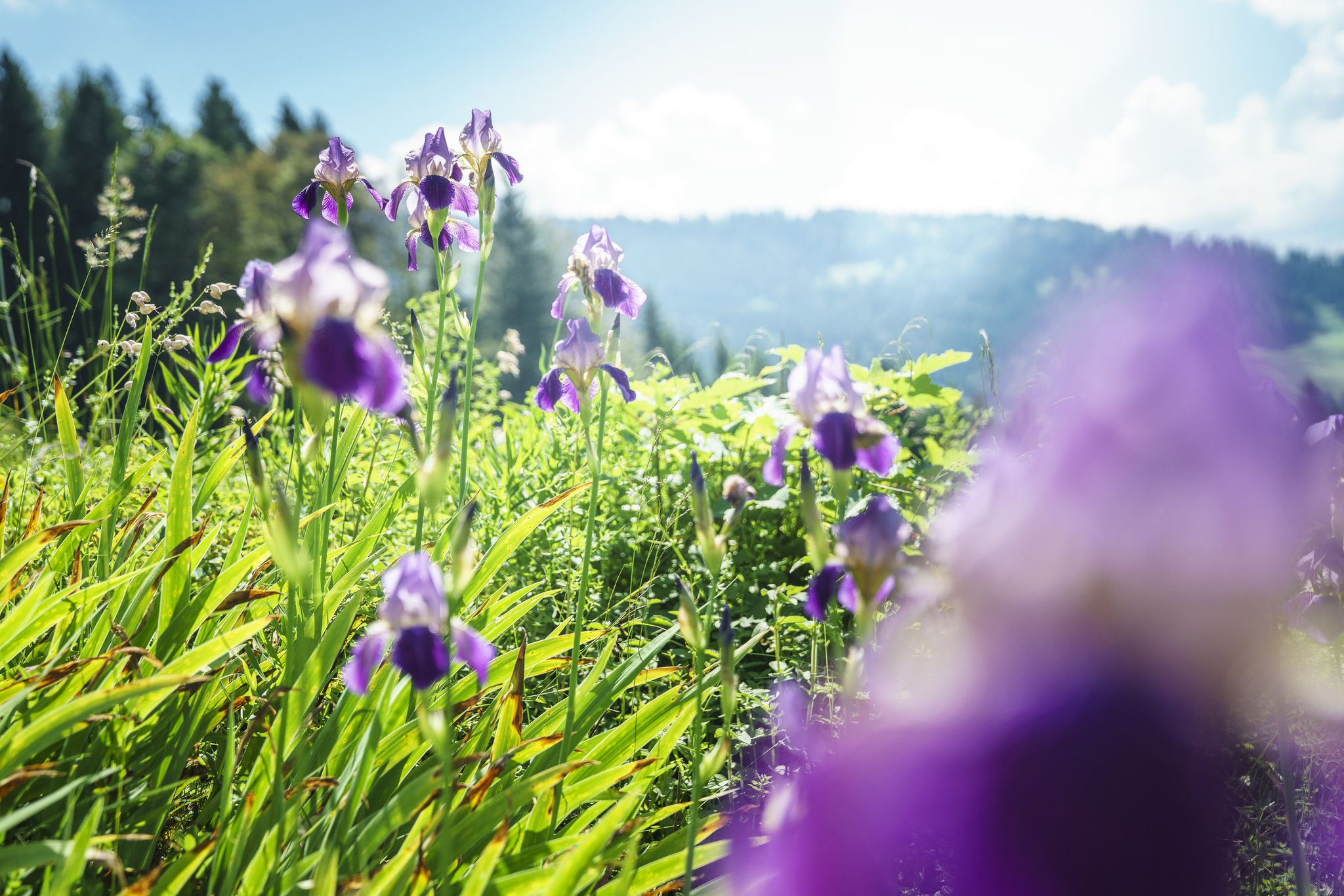
Between moors, meadows and glaciers – discover Vorarlberg's natural beauty
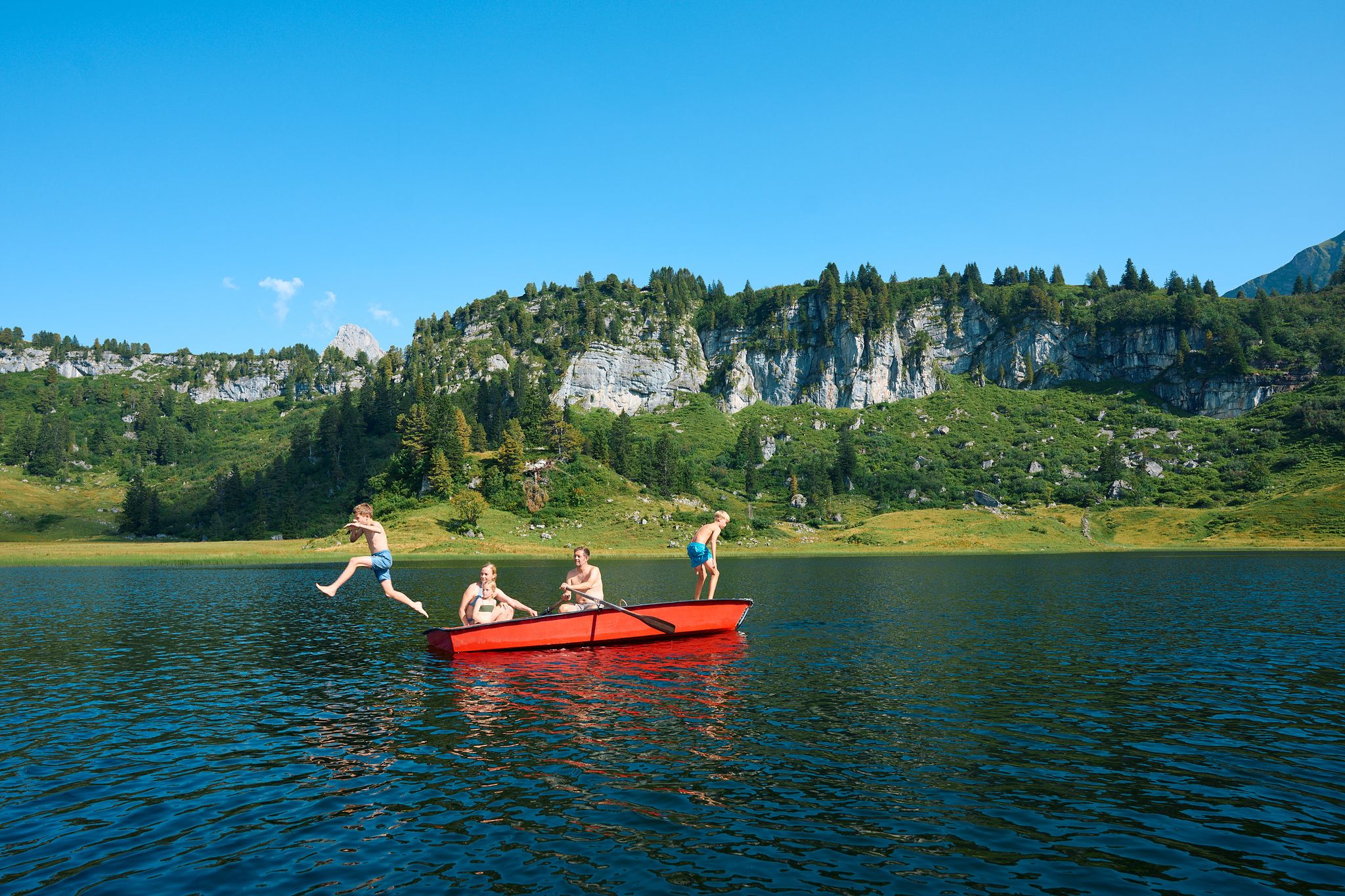
The mirrors of the mountains – hiking the alpine lakes of Warth-Schröcken
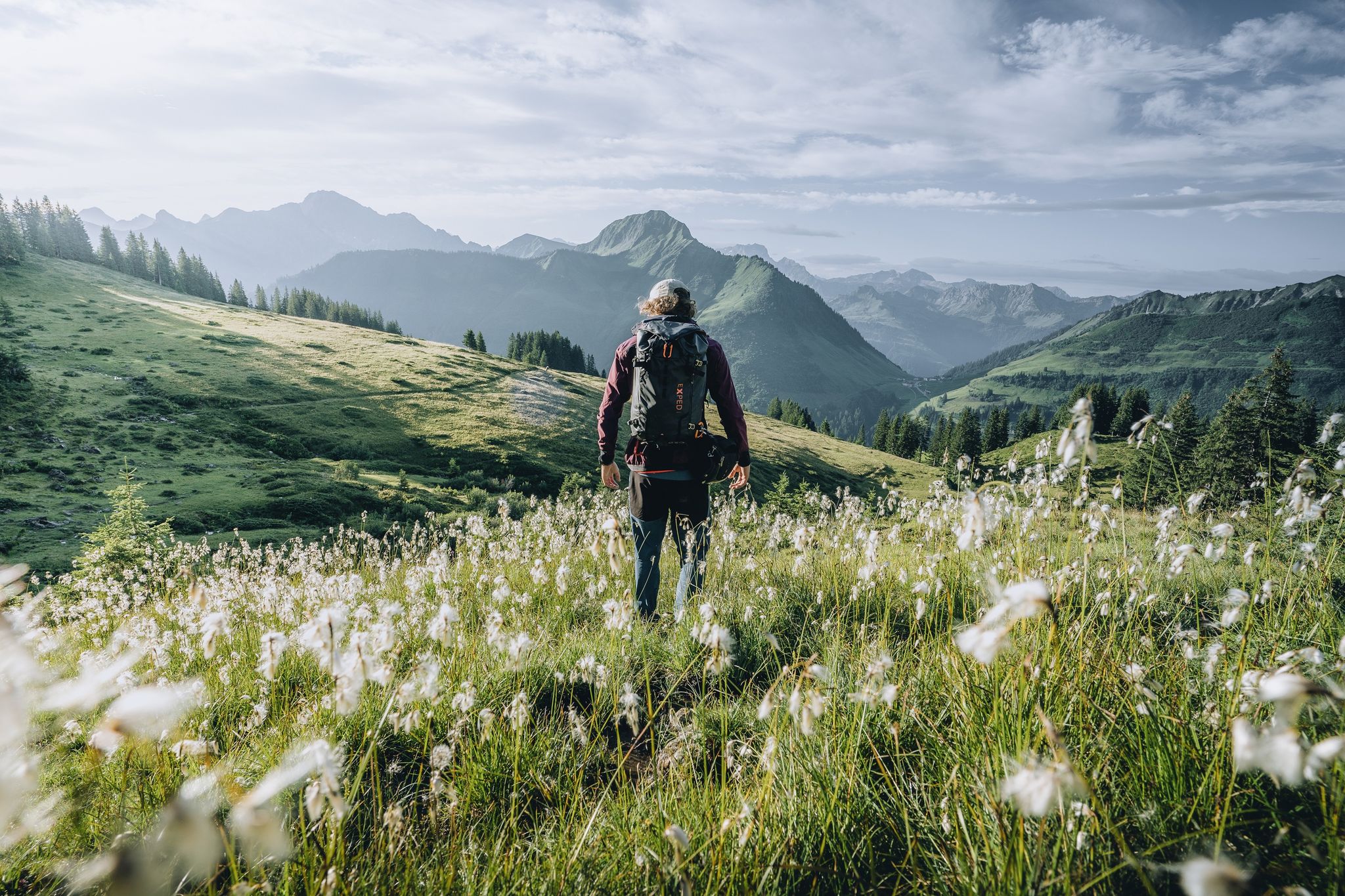
Pure joy on summit hikes in the Bregenzerwald
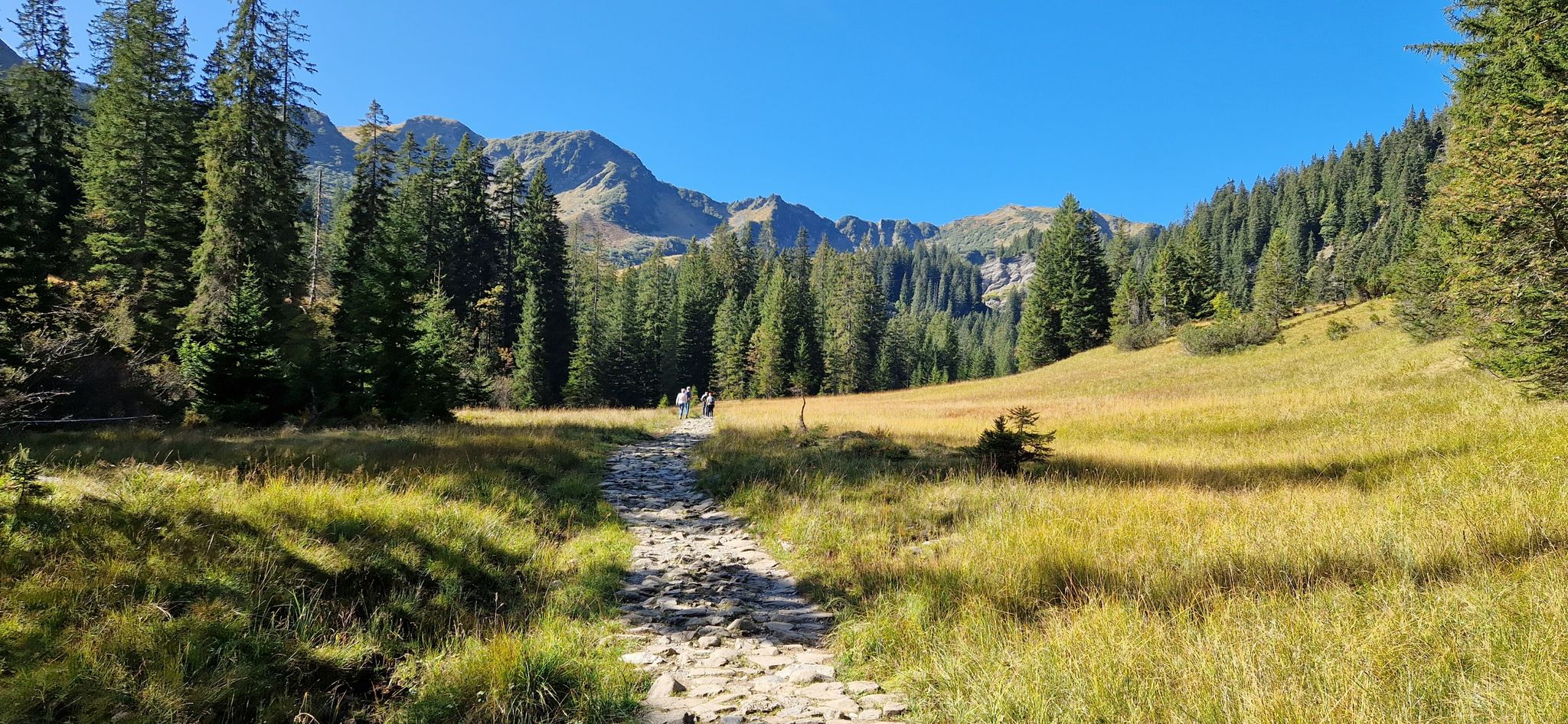
Natural beauties compact - Kleinwalsertal & Bregenzerwald
Other adventures in the Bezirk Bregenz


Tips from the Community

The banks of the Dornbirner Ache are beautiful, and there is a dedicated pedestrian and cycle path right along the wall.
3
0

Dornbirn: Vorarlberg's Largest City Dornbirn is the largest city in the Rhine Valley and Vorarlberg's premier shopping destination. A stroll through the charming city center, starting at the market square, offers a glimpse into the numerous brands and fashions available in over 220 shops. There's always something happening in Dornbirn – numerous venues such as the Kulturhaus (cultural center), the trendy Spielboden (theater), the inatura Science Center, and many more offer a diverse and exciting experience. The Vorarlberg Architecture Institute, dedicated to contemporary architecture, is also located in Dornbirn. The city's culinary scene is incredibly diverse. From trendy award-winning restaurants to cozy, traditional Vorarlberg inns, the range of culinary delights is vast. Hearty, refined, and classic cuisine can be found high above the rooftops of Dornbirn, right in the heart of the city, or along the way. The city's high quality of life is reflected in its sports and leisure activities: The nearby mountains are perfect for hiking and mountain biking. The romantic forest pool or the architecturally impressive modern public pool, fitness trails, and cycling paths make Dornbirn an active destination. Late autumn is the perfect time for a city break to Dornbirn – for strolling, indulging in trendy shopping, taking a ride on the Karren cable car, and enjoying a delicious meal. For example, you could visit Dornbirn's local mountain, the Karren, which offers a breathtaking view of the Rhine Valley all the way to Lake Constance. Text / Source: Vorarlberg Tourism GmbH, Dornbirn https://www.vorarlberg.travel/stadterlebnis-dornbirn/
15
1
The Red House, a true landmark of the city of Dornbirn! Proudly situated amidst Dornbirn's picturesque scenery, our Red House is not only a striking building, but also a place where history, culture, and hospitality blend harmoniously. The Red House invites you to immerse yourself in its historic walls and experience the unique atmosphere of this significant place. Whether you embark on a culinary discovery in our restaurant or simply admire the unique architecture, the Red House Dornbirn warmly welcomes you to explore a rich connection between past and present. Immerse yourself in a world where tradition meets modernity, and where the Red House is more than just a building—it is a symbol of identity and pride for Dornbirn. 1639 - Construction of the Red House In 1639, the couple Michael Danner and Verena Rhomberg built the "Red House" on the site of the rectory, which had burned down in 1570. It is a fine example of the timber construction that was once prevalent in this area. Notable features include the four-part window groups, the painted, retractable shutters, and the tendril-decorated underside of the eaves. The red color comes from the protective coating of ox blood and ox gall, common in the 18th century. The Red House around 1900; Original: Horst Günther Maier, Reproduction: StAD, Sign. 40306, Photograph: Victor Hämmerle Text / Source: Red House, Restaurant on the Market Square, Marktplatz 13, Dornbirn https://www.roteshaus.at/
14
0
Feurstein House, Dornbirn The Feurstein House was built in 1611 on the site of a medieval predecessor and expanded in the 18th century. Until the 19th century, it housed the "Adler" inn. The house was named after the merchant Raimund Feurstein (1835-1900). During renovations in 1897, the Neo-Renaissance decorative paintings were added, giving the building its current appearance. The pitched roofs, designed to protect the windows, lend the house a bourgeois character. Text / Source: Dornbirn City Archives https://stadtarchiv.dornbirn.at/stadtspaziergaenge/infotafeln-hausgeschichten/feurstein-haus
15
0
St. Martin's Parish Church, Dornbirn The current church represents at least the fifth building on this site. St. Martin's Church was first mentioned in 1130. Only the freestanding bell tower remains from the Gothic church built in 1453. A new church was constructed in the Rococo style between 1751 and 1753. The tower was heightened to 64 meters in 1767. The hall-like, single-nave church is the largest church in Vorarlberg. Interior dimensions: 65 meters long, 30 meters wide, 14.5 meters high. Height of the exterior columns: 13 meters. The current church was built in 1839/40 under Pastor Schweinberger. The plans were provided by State Architect Martin von Kink. From 1967 to 1969, the church was redesigned by architect Emil Steffann from Bad Godesberg to meet contemporary liturgical needs. The church is the mother and main church of the city. Since the city was divided into six districts, this core area has also been called the first district. The church is particularly noteworthy due to its location in a picturesque square with various old and new houses, a fountain, and five streets radiating from it. Until late in the 19th century, the parish of St. Martin encompassed the entire area of the city of Dornbirn. Text / Source: Dornbirn Market Parish, Dornbirn https://www.pfarre-st-martin.at/
15
0
St. Joseph's Monastery Church, Dornbirn since 1893/94 Formerly a Capuchin monastery from 1893 to 2004 The Capuchin monastery in Dornbirn has been a religious landmark in the trade fair city for 125 years. In 2004, the monastery was transferred to the Franciscans. Adolf Rhomberg was Governor of Vorarlberg from 1890 to 1918. When his wife Anna recovered from a serious illness, the textile manufacturer founded a Capuchin monastery. The monastery, located opposite his residence, was built in 1893/94, and the monastery church was dedicated to St. Joseph. It was primarily intended to serve the pastoral care of the workers. The tomb of the founding couple is located in the Chapel of Our Lady. Following an old tradition, the altarpiece depicts prominent contemporary figures, the founding couple, and Dornbirn as a backdrop. In 2004, the monastery was transferred to the Franciscan Province of Poznań in Poland. The Church of St. Joseph at the Capuchin Monastery in Dornbirn's Markt district is the place of worship and confession of the last remaining active Roman Catholic monastery in Dornbirn and is a listed historical monument. The church was built for the Capuchins in 1893–1894 as part of the establishment of this monastery and was consecrated to St. Joseph in 1894. https://lexikon.dornbirn.at/startseite/geschichte/historischer-spaziergang/marktstrasse-49-kapuzinerkloster/ Text / Source: Dornbirn Tourism & City Marketing GmbH, 6850 Dornbirn/Austria https://www.franziskaner-dornbirn.at/ https://www.dornbirn.info/de/kapuzinerkloster-franziskanerkloster-dornbirn
15
0
Monument to Mayor Dr. Johann Georg Waibel, Dornbirn Almost exactly 110 years ago, on May 29, 1910, the monument to Mayor Johann Georg Waibel was unveiled in a ceremony attended by hundreds of guests. Waibel initially worked as a trained ophthalmologist and was elected municipal physician in Dornbirn in 1866. In his free time, he devoted himself to economic issues and was elected to the municipal council in 1867 before being appointed mayor in 1869. Waibel was Dornbirn's longest-serving mayor, holding office for 39 years. Many projects were realized in Dornbirn under his leadership. He championed the expansion of the hospital and school systems, oversaw the construction of the Ebensand power plant, and led to the opening of the Dornbirn-Lustenau electric railway in 1902. The most important event, however, was Dornbirn's elevation to city status in 1901. Hermann Klotz created a larger-than-life, full-length portrait for the monument to the extraordinary mayor. The liberal mayor, depicted in his later years, is dressed in a simple suit. In his right hand he holds a walking stick, his left hand is placed behind his back, holding his hat. It appears as if Waibel is about to set off for a walk. Klotz succeeded in creating a very lifelike monument to a figure of great importance to Dornbirn's history. The sculptor Hermann Klotz (1850–1932) came from a family of woodcarvers in Imst. In his hometown, he learned carving in the workshops of Renn and Grissemann, and also trained in clay modeling and stone carving. From 1894 onward, he worked at the School of Applied Arts in Vienna, where he taught woodcarving. Later, he became head of this department and was appointed professor in 1884. Hermann Klotz primarily created wooden sculptures, but also several public monuments. His works in stone and bronze are also known. After the end of the First World War, he moved back to his hometown of Dornbirn with his wife Katharina, a native of the city, and lived there until his death. Text / Source: Dornbirn City Museum https://stadtmuseum.dornbirn.at/kunstwerk/denkmal-von-buergermeister-dr-johann-georg-waibel-rathausplatz-2
15
0

As we rolled casually through the town, the church stood out with its mighty pillars. The Roman Catholic parish church of Dornbirn-St. Martin, dedicated to St. Martin, belongs to the deanery of Dornbirn in the Diocese of Feldkirch. The building is a listed building. More about the church: https://de.m.wikipedia.org/wiki/Pfarrkirche_Dornbirn-St._Martin
1
0
Frequently Asked Questions
How many urban hiking trails are available in Bezirk Bregenz?
Bezirk Bregenz offers a wide selection of urban hiking trails, with over 70 routes available. The vast majority of these, 66 to be precise, are classified as easy, making them accessible for most walkers.
What kind of terrain can I expect on urban hikes in Bezirk Bregenz?
Urban hikes in Bezirk Bregenz generally feature gentle terrain with minimal elevation changes, perfect for relaxed strolls. You'll find paths winding through city centers, along riverbanks like the Bregenzer Ach, and through green spaces, often with views of Lake Constance or the surrounding foothills.
Are there any circular urban walks in Bezirk Bregenz?
Yes, many urban routes in Bezirk Bregenz are designed as circular walks, allowing you to start and end in the same location. For example, you can explore the area around Dornbirn with the Former Industrial Site Museum – Birkenwiese Bridge Dornbirn loop, or enjoy a Hiking loop from Schwarzach.
What are some interesting landmarks or sights to see on urban hikes?
Urban hikes in Bezirk Bregenz often lead past historical buildings, charming old towns, and natural features. While specific urban landmarks vary by route, you might encounter local fountains like the Mühlebach Fountain, or explore areas like the Dornbirn Old Town. For natural highlights, consider visiting the Eibeler Waterfalls or the Subersach Gorge Waterfall, which are accessible from some trails.
Are urban hiking trails in Bezirk Bregenz suitable for families?
Absolutely. The urban hiking trails in Bezirk Bregenz are predominantly easy, with low elevation gain and well-maintained paths, making them ideal for families with children. Many routes are short enough for little legs, such as the Mühlebach Fountain – Dörabira loop from Dornbirn.
Can I bring my dog on urban hikes in Bezirk Bregenz?
Most urban hiking trails in Bezirk Bregenz are dog-friendly, allowing you to enjoy a walk with your canine companion. It's always advisable to keep your dog on a leash, especially in populated areas or near wildlife, and to carry waste bags. Always check local signage for any specific restrictions.
What is the best time of year for urban hikes in Bezirk Bregenz?
Urban hikes in Bezirk Bregenz can be enjoyed year-round. Spring brings blooming flowers, summer offers pleasant temperatures for evening strolls, and autumn showcases beautiful foliage. Even in winter, many urban paths are cleared, providing opportunities for tranquil city walks, often with a unique charm.
Are there places to stop for refreshments or coffee along the urban routes?
Yes, urban hikes in Bezirk Bregenz often pass through or near town centers and residential areas, providing ample opportunities for refreshment. You'll find numerous cafes, restaurants, and pubs where you can take a break, enjoy a coffee, or grab a meal.
How accessible are the urban trails by public transport?
Many urban hiking trails in Bezirk Bregenz are easily accessible by public transport, especially those starting in larger towns like Bregenz or Dornbirn. This allows for flexible planning, as you can often reach trailheads by bus or train and return the same way.
What do other hikers enjoy most about urban hiking in Bezirk Bregenz?
The komoot community highly rates the urban hiking experience in Bezirk Bregenz, with an average score of 4.6 stars from over 18,700 ratings. Reviewers often praise the accessibility of the trails, the pleasant urban-natural blend, and the ease with which one can explore the region's towns and green spaces.
Are there any urban routes that offer views of Lake Constance?
Yes, given Bregenz's location directly on Lake Constance, many urban trails in the district offer picturesque views of the lake. While specific routes vary, walking along the promenade in Bregenz or exploring paths in nearby towns can provide stunning vistas of the water and the surrounding mountains.
What is the typical duration of an urban walk in Bezirk Bregenz?
The duration of urban walks in Bezirk Bregenz varies, but many easy routes are designed to be completed within 1 to 2 hours. For instance, the Feurstein House, Dornbirn – Dornbirn Old Town loop takes just over 40 minutes, while the Dornbirn Old Town – Feurstein House, Dornbirn loop is about an hour long, making them perfect for a leisurely outing.
Most popular routes in the Bezirk Bregenz
Most popular attractions in the Bezirk Bregenz

Get inspired with the komoot mobile app


Explore more
Browse the best Hikes in other regions.
