The best city hikes and walks in the Zillertal
4.5
(52111)
248,657
hikers
21
hikes
Urban hiking trails in the Zillertal are primarily found along the valley floor and within its towns, offering accessible paths through developed areas and adjacent natural spaces. The region is characterized by the Ziller River, which flows through the main valley, and the surrounding lower hills and side valleys that provide varied terrain. These trails often connect urban landmarks, parks, and historical sites, making them suitable for exploring the local culture and landscape.
Best urban hiking trails in the Zillertal
…Last updated: June 1, 2026
5.0
(2)
30
hikers
6.43km
01:39
30m
30m
Easy hike. Great for any fitness level. Easily-accessible paths. Suitable for all skill levels.
16
hikers
Easy hike. Great for any fitness level. Easily-accessible paths. Suitable for all skill levels.

Sign up for free
4.8
(4)
11
hikers
4.97km
01:33
170m
170m
Easy hike. Great for any fitness level. Easily-accessible paths. Suitable for all skill levels.
12
hikers
3.33km
00:51
10m
10m
Easy hike. Great for any fitness level. Easily-accessible paths. Suitable for all skill levels.
4.0
(1)
10
hikers
8.64km
02:12
30m
30m
Moderate hike. Good fitness required. Easily-accessible paths. Suitable for all skill levels.
Get access to more routes and recommendations from other explorers.
Sign up for free
Already have an account?
Our route recommendations are based on thousands of hikes, rides, and runs completed by other people on komoot.
Start today with a free account
Your next adventure awaits.
Login or Signup
Popular around Zillertal
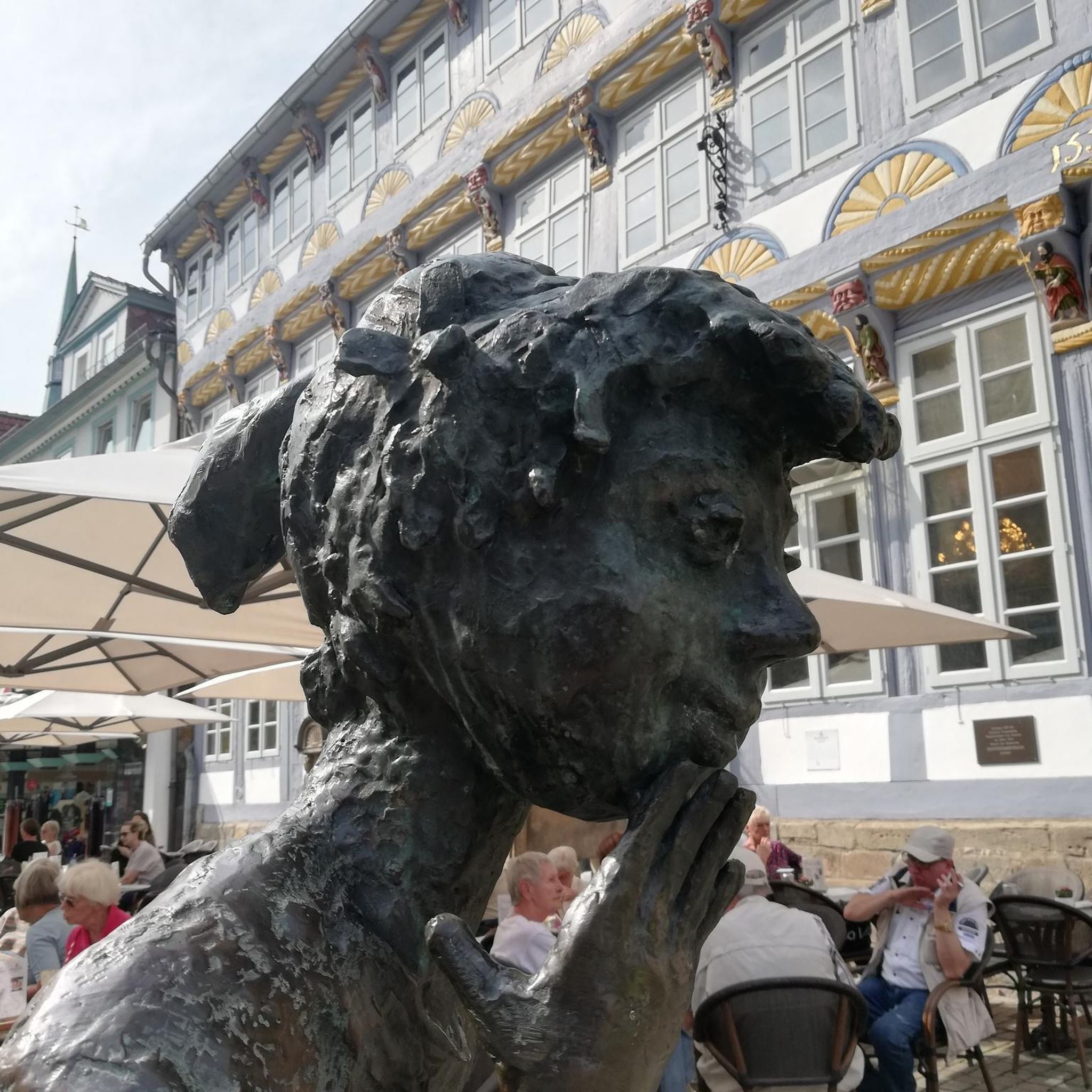
City hikes around Schwaz
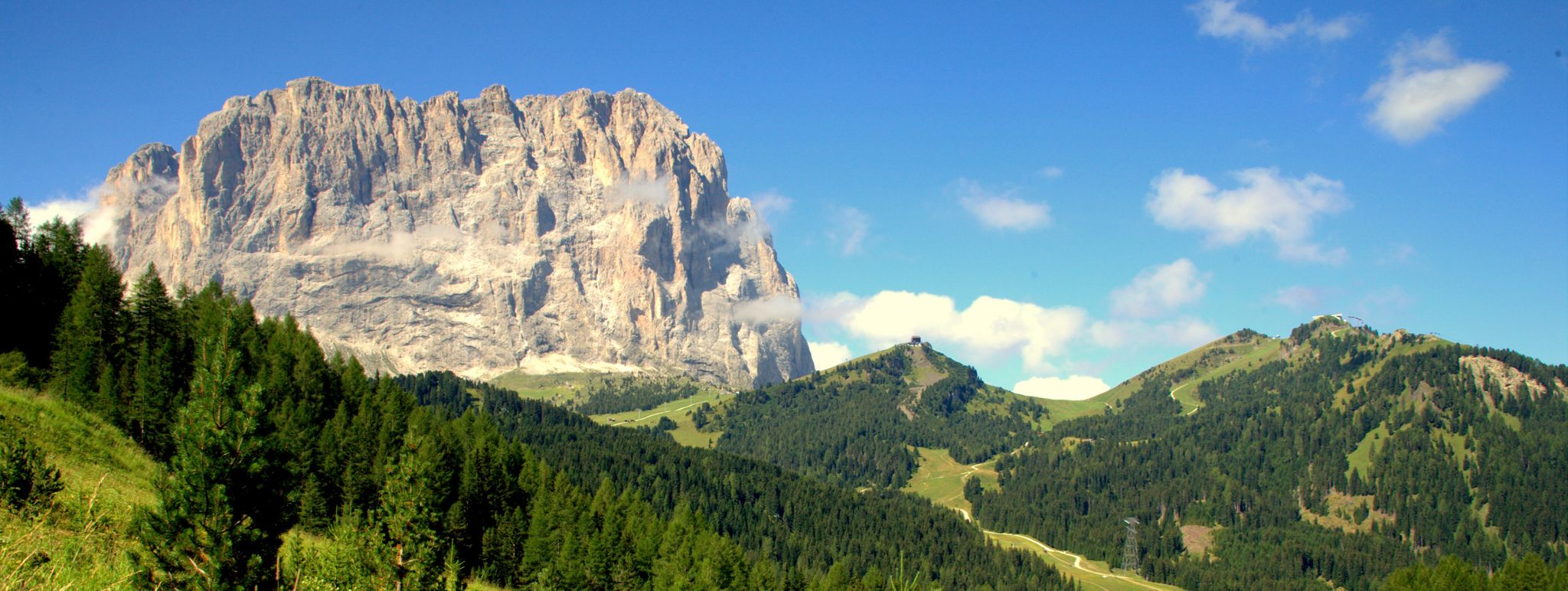
Via Venezia Alpina – hiking across the Alps to the Adriatic Sea
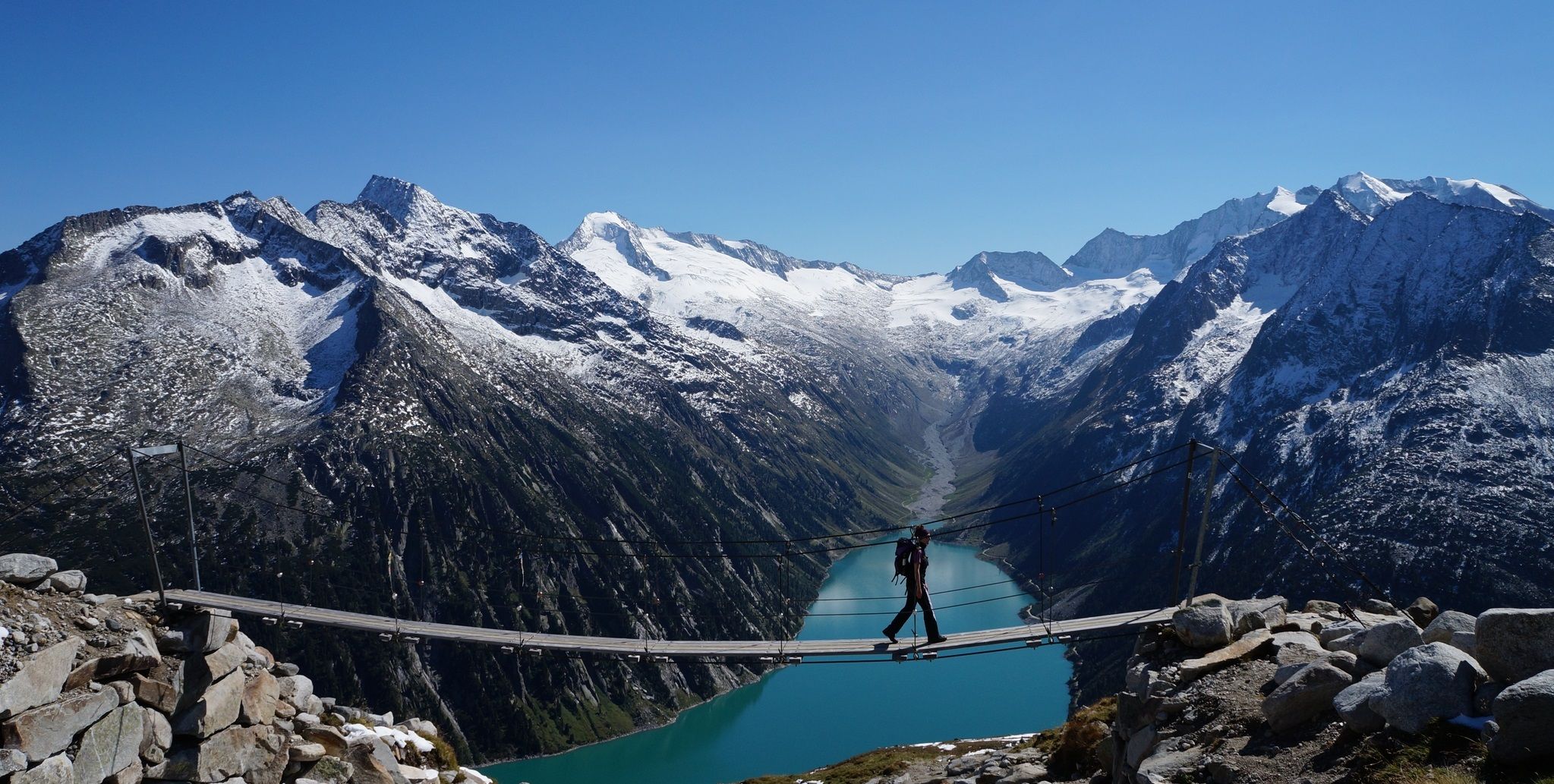
The Peter Habeler loop — an alpine trail around the Olperer
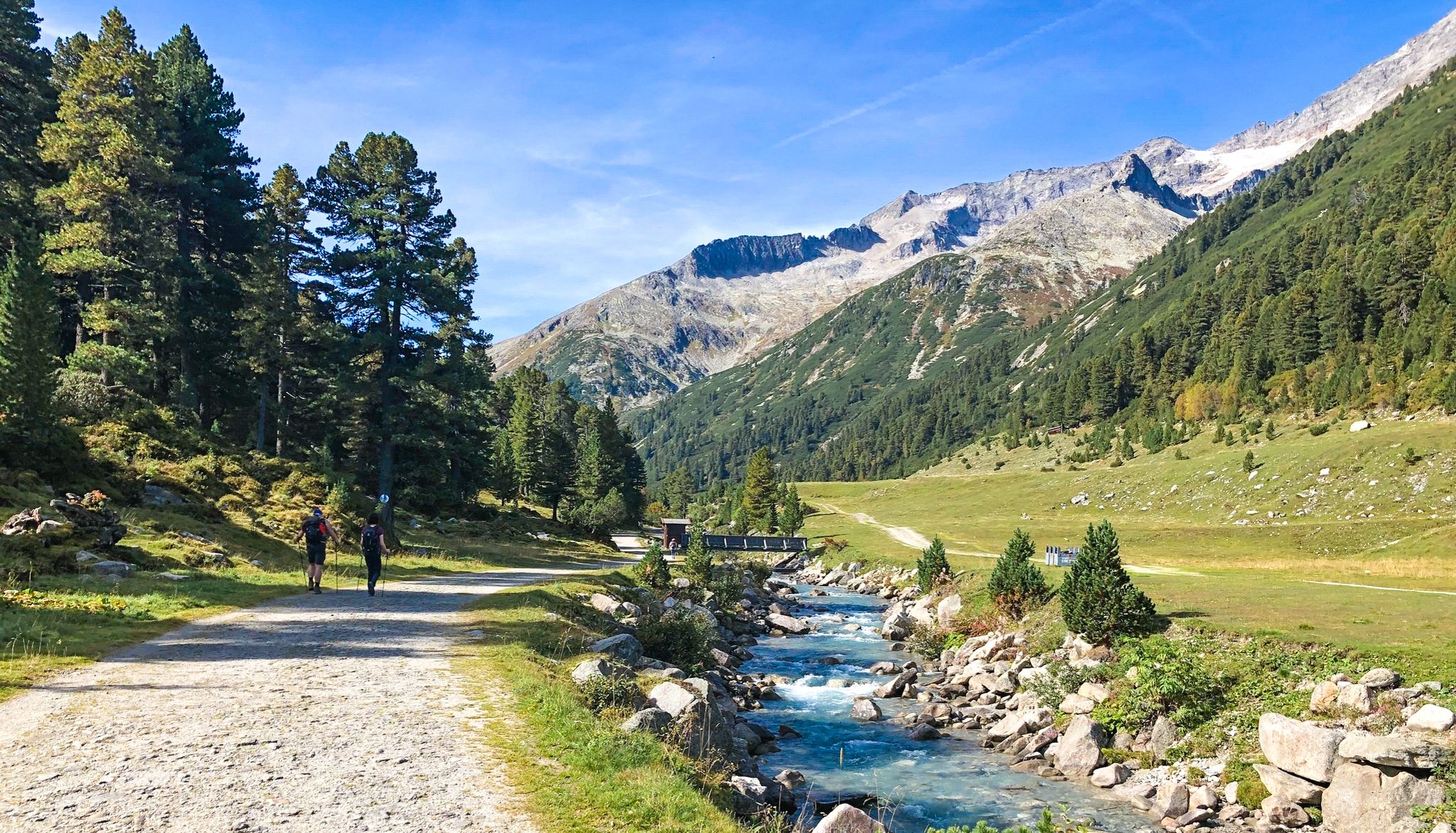
Alpine crossing for pleasure hikers – 7 stages from Lake Tegernsee to Sterzing
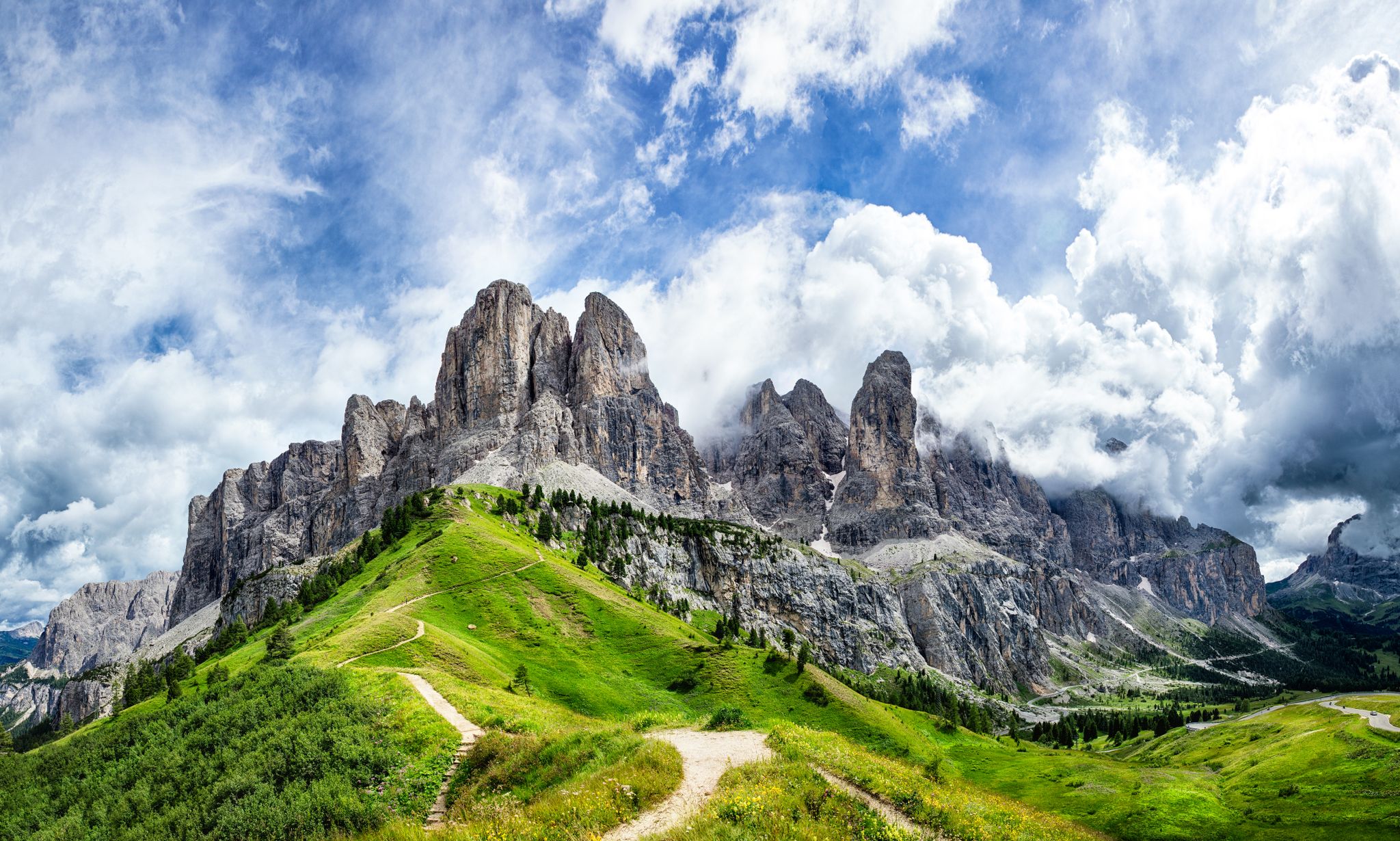
The "Dream Path" hiking trail – From Munich to Venice in 28 stages
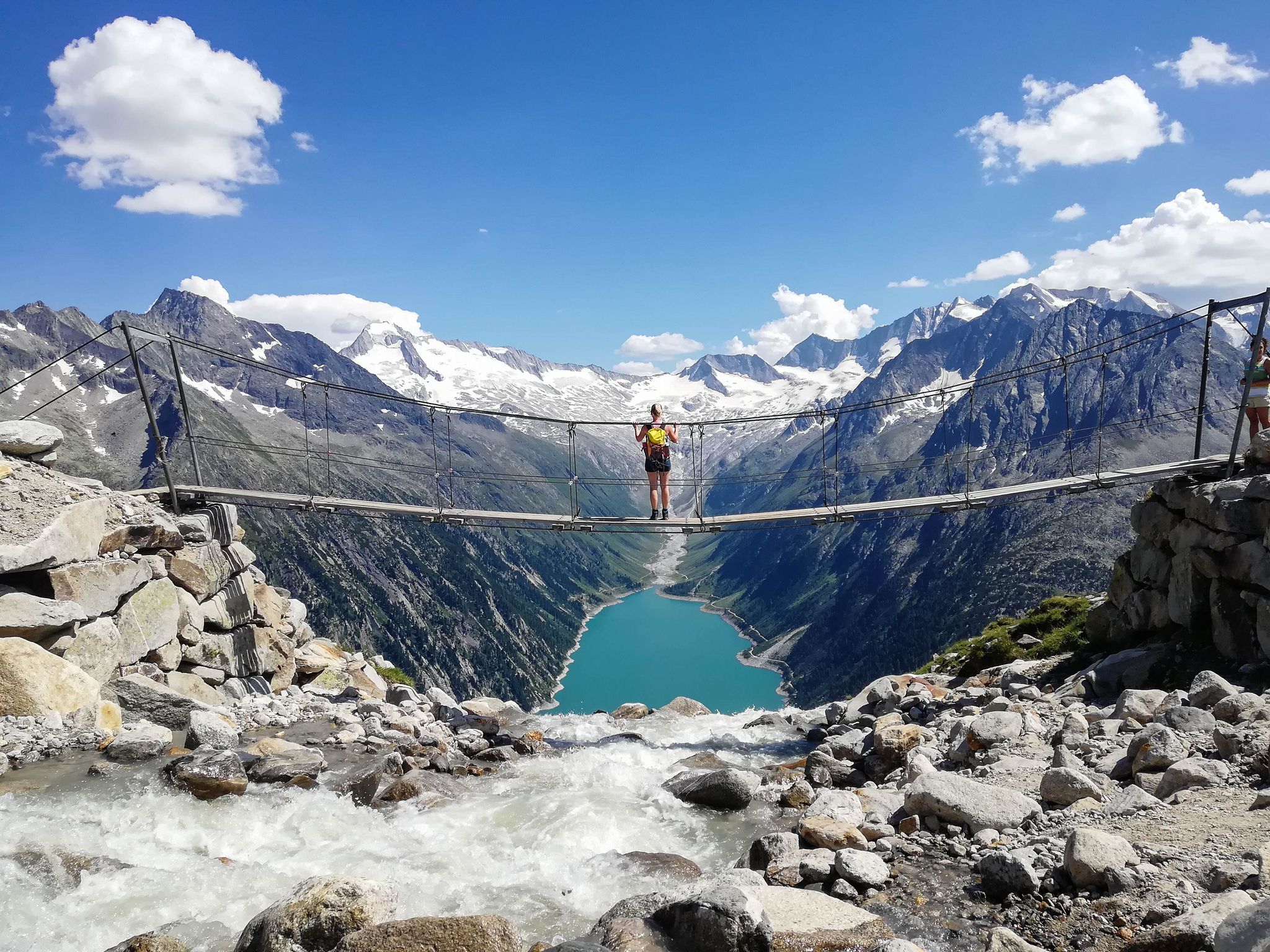
Tours around the Schlegeis reservoir in the Zillertal
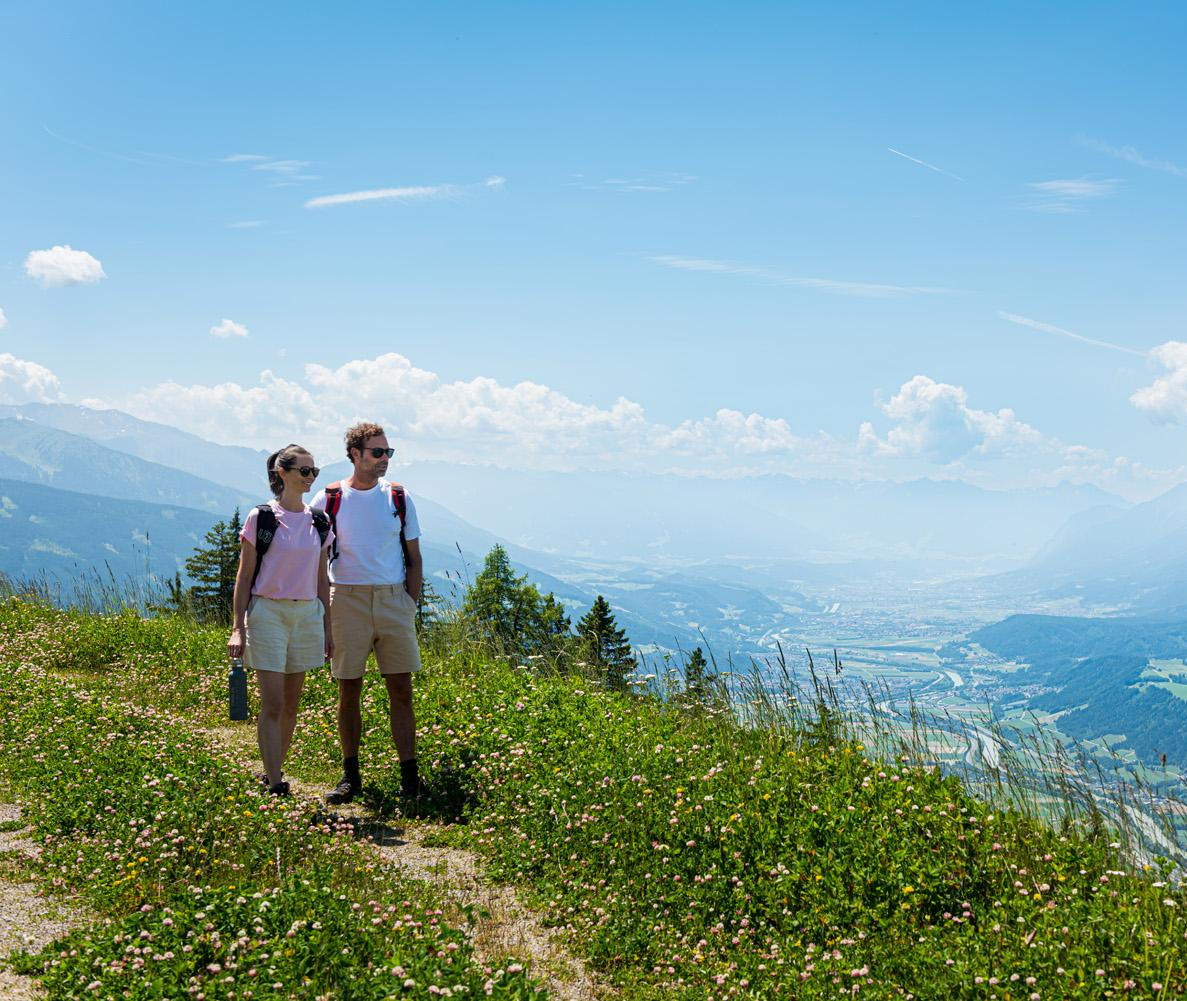
Pure enjoyment in nature – hiking in the Silberregion Karwendel
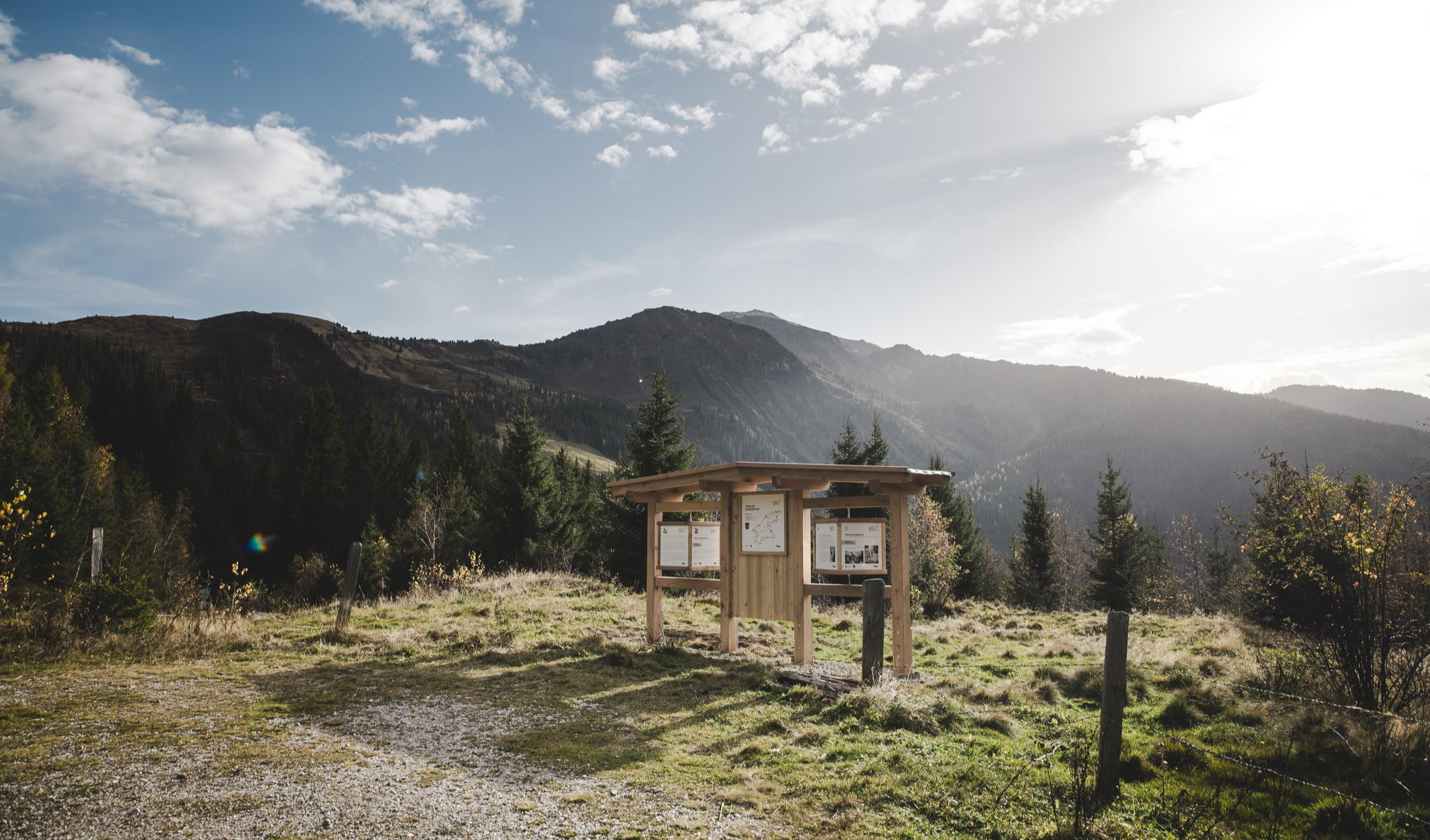
Long-distance hiking on the Tiroler Silberpfad
Gentle "WÖFFI" hikes in the Karwendel
Zillertal Arena – discover an unforgettable hiking paradise
Other adventures in the Zillertal


Tips from the Community


Fugger House, Schwaz The Fugger House was built between 1522 and 1525. Construction of the trading post, designed in the style of a Tyrolean aristocratic residence, was overseen by his nephew, Ulrich Fugger the Younger, who is commemorated by a bust beneath the left oriel window. The Augsburg merchant family was active in Schwaz for approximately 170 years. For two years, this building served as their headquarters. Schwaz's silver and copper played a significant role in European history. Today, the building houses a tea room and is the residence of the Third Order Sisters. Text / Source: Silberregion Karwendel Tourism Association, Schwaz https://silberregion-karwendel.com/de/
15
0
Monastery History - Franciscan Monastery, Schwaz From 1471 Franciscans as Lenten preachers – 1507 Charter of foundation by Emperor Maximilian I; construction begins – 1509 Consecration of the Bonaventura Chapel and cloister – 1519 Start of fresco painting – 1580 Monastery becomes part of the new Tyrolean province – 1584 Franciscans begin preaching in the parish – 1608 Oil paintings in the front cloister are completed – 1618-1622 Extensive renovations to the church – From 1631 Assumption of pastoral care in the Bruderhaus (miners' hospital) – 1652 Frescoes in the cloister are painted – 1735 Baroque transformation of the church; construction of the clergy wing – 1780 Temporary closure of the monastery's cemetery by decree of Emperor Joseph II; Franciscans buried in the city cemetery – 1840 Renovation of the church in the spirit of the age Classicism – 1925 Construction of the study house – 1927 Exchange of land on the north side of the church, including the washhouse, with part of the post office garden opposite the study house – 1938 Sale of that part of the post office garden to Dr. Richard Schwammberger was expropriated due to a secret plan by the Nazi authorities – 1939-1945 The seminary became a Wehrmacht hospital – 1964 Church renovation – 1961 The beamed ceiling in the refectory and the brothers' cloister was stripped of its boards and painted surface, restoring it to its original condition – 1972 End of studies in Schwaz – 1975 Planning began for a general renovation – 1980-1993 Monastery renovation: New gate entrance, demolition of the wooden shed for parking Text / Source: Franciscan Monastery Schwaz, Gilmstraße 1, A-6130 Schwaz https://franziskaner.at/schwaz/klostergeschichte/
14
0
Franciscan Monastery, Schwaz The Franciscan Monastery in Schwaz was founded in 1507 by Emperor Maximilian I. Established at the instigation of the local mine owners and citizens of Schwaz, it is a significant landmark in Tyrol. The monastery church is one of the largest Gothic churches in Tyrol and is distinguished by its impressive frescoes and architectural features. Text / Source: Franciscan Monastery Schwaz, Gilmstraße 1, A-6130 Schwaz https://franziskaner.at/schwaz/klostergeschichte/
14
0
Parish Church of the Assumption of Mary, Schwaz The Parish Church of the Assumption of Mary is the largest Gothic hall church in Tyrol. The Munich sculptor Erasmus Grasser gave it its present appearance. Due to population growth in the late 15th century, the previous church was enlarged between 1490 and 1520, resulting in a four-aisled church with two main naves. A wooden wall divided the church interior: the left side for the townspeople and the right side for the miners – hence the two entrance doors. The roof, consisting of 10,000 hammered copper plates, testifies to the wealth of the silver mining region. Text / Source: Silberregion Karwendel Tourism Association, Schwaz https://silberregion-karwendel.com/de/
15
0
Town Hall / Trading House, Schwaz The Schwaz Town Hall, built in 1970, was originally constructed between 1500 and 1509 by the Stöckl family of industrialists. After their bankruptcy, it was acquired in 1563 by the Tyrolean sovereign. From then on, it served as the seat of the mining authority. Following the decline of mining in Schwaz, the building was sold to the merchant Bartholomäus Penz. He commissioned Christoph Anton Mayr to paint the facade in 1760. In 1916, Ludwig Penz created the bronze figure of Georg von Frundsberg on the right corner of the building. Text / Source: Silberregion Karwendel Tourism Association, Schwaz https://silberregion-karwendel.com/de/ https://qr.schwaz.at/hauserverzeichnis/rathaus-schwaz/
16
0
Old Cemetery with Cemetery Cross, Enclosing Wall, and Arcades, Schwaz / List of Listed Buildings in Schwaz The cemetery east of the parish church was established in the Middle Ages and, in 1859/60, was enhanced with neo-Gothic arcades according to plans by Josef von Stadl. After the construction of the new cemetery in St. Martin, it was closed in 1960 and later transformed into a public park. The grounds are enclosed by a wall with numerous entrances, some dating from the late Gothic period. At the southwest corner of the church stands an impressive gatehouse with a pointed arch and a high gable flanked by two turrets. Several gravestones have been preserved in the arcades. At the center of the grounds are the cemetery cross, presumably dating from the 18th century, and the lantern for the dead. Text / Source: List of listed buildings in Schwaz / https://de.wikipedia.org/wiki/Liste_der_denkmalgesch%C3%BCtzten_Objekte_in_Schwaz
16
0
Old Cemetery - City Park - Silver City of Schwaz This site likely served as a cemetery as early as the 15th century, when the Church of the Assumption of Mary was built. Until 1865, only the side adjacent to the church, marked by a column of light, was used for burials. The arcades were constructed between 1858 and 1860 and encircled the park until December 15, 1944, when the southern part of the grounds was destroyed in a bombing raid. The large crucifix in the center of the park was created by the sculptor Anton Steger in 1856. A new cemetery was established near St. Martin's Church in 1960, and burials ceased here. The last graves were cleared in 1977, and the area has since been used as a park. ...] ] ] `` `` `` ``` ``` Text / Source: City of Schwaz - Franz-Josef-Strasse 2, Schwaz - Tel.: +43 5242 6960 - E-Mail: stadtamt@schwaz.at https://qr.schwaz.at/parkanlagen/stadtpark/
15
0
Frequently Asked Questions
How many urban hiking trails are available in the Zillertal?
The Zillertal offers a good selection of urban hiking trails, with over 20 routes available. Most of these, around 20, are classified as easy, making them accessible for many hikers.
What is the general difficulty level of urban hikes in the Zillertal?
Urban hikes in the Zillertal are predominantly easy, with 20 out of 22 routes falling into this category. There are also 2 moderate routes for those looking for a slightly greater challenge. This makes the region ideal for leisurely strolls and accessible exploration of towns and their surroundings.
Are there many circular urban walks in the Zillertal?
Yes, many urban hikes in the Zillertal are designed as circular routes, allowing you to start and end at the same point. Examples include the Schwaz City Park and Arcades loop or the Kaltenbach Railway Station – Marienkapelle Kaltenbach loop.
Are urban hikes in the Zillertal suitable for families with children?
Absolutely. The Zillertal's urban trails are generally easy with minimal elevation gain, making them very suitable for families. The region also offers themed trails like the Adventure Trail Gerlos and the Jodelwanderung Königsleiten, which are designed with family fun in mind, though these might be slightly outside the immediate urban core.
Can I bring my dog on urban hikes in the Zillertal?
Yes, dogs are generally welcome on urban hiking trails in the Zillertal. It's always advisable to keep your dog on a leash, especially in populated areas or near wildlife, and to carry water for them. Please be mindful of local regulations and other hikers.
What kind of landmarks or attractions can I see on urban hikes in the Zillertal?
Urban hikes in the Zillertal often lead you through charming town centers and past historical sites. For example, you can explore the Schwaz City Park and Arcades, or pass by the Fugger House in Schwaz. While not directly on urban routes, the region also features highlights like the Spieljoch Summit or the Melchboden Snack Hut, which are accessible via cable cars from nearby towns.
Is public transport accessible for reaching urban trailheads in the Zillertal?
Yes, the Zillertal boasts excellent public transport, including the Zillertal Railway and hiking buses, which make reaching urban trailheads very convenient. The Zillertal Activcard also offers benefits for using public transport, enhancing accessibility to various starting points like the Kaltenbach Railway Station.
Where can I find parking for urban hikes in the Zillertal?
Most towns in the Zillertal, such as Schwaz and Kaltenbach, offer designated parking areas, often near town centers or public transport hubs. It's usually easy to find parking close to the starting points of urban trails, though fees may apply in some locations.
What is the best season for urban hiking in the Zillertal?
Urban hiking in the Zillertal is enjoyable throughout much of the year. Spring and autumn offer pleasant temperatures and beautiful scenery, while summer provides longer daylight hours. Even in winter, many urban paths are cleared, allowing for scenic walks through snow-dusted towns.
Are there urban hiking options available during winter in the Zillertal?
Yes, many urban paths and promenades in the Zillertal are maintained and accessible during winter. These trails offer a different charm, with snow-covered landscapes and festive town atmospheres. Always check local conditions and wear appropriate footwear for potentially icy surfaces.
What do other hikers say about urban trails in the Zillertal?
The Zillertal's trails are highly regarded by the komoot community, with an average rating of 4.5 out of 5 stars from over 51,000 reviews. Hikers often praise the well-maintained paths, the accessibility of the routes, and the charming blend of natural beauty and urban exploration.
Are there cafes or pubs along urban hiking routes in the Zillertal?
Yes, urban hikes in the Zillertal often pass through or near town centers, providing ample opportunities to stop at cafes, restaurants, and pubs. You'll find plenty of places to enjoy local Zillertal food and refreshments, perfect for a break during your walk.
Most popular routes in the Zillertal
Most popular attractions in the Zillertal

Get inspired with the komoot mobile app


Didn’t find what you were looking for?
Check out more Hikes throughout Zillertal below and find the perfect route in your destination.
