The best city hikes and walks around Salzburg
4.5
(146403)
782,620
hikers
256
hikes
Urban hiking trails around Salzburg offer diverse experiences within and immediately surrounding the city. The landscape features the Salzach River, which carves through the city, and prominent city hills such as the Mönchsberg and Kapuzinerberg. These natural features provide elevated viewpoints and green spaces amidst the urban environment. The region's geography allows for accessible paths that combine historical landmarks with natural scenery.
Best urban hiking trails around Salzburg
- The most popular urban hiking route is In Salzburg auf den Spuren Mozarts, a 2.8 miles (4.5 km) trail that takes 1 hour 13 minutes to complete. This route explores historical sites connected to Mozart within the city.
- Another top favourite among local hikers is UNESCO Weltkulturerbe Salzburg, an easy 3.1 miles (5.0 km) path. This trail guides hikers through the city's UNESCO World Heritage sites, offering views of historic architecture and the Salzach River.
- Local hikers also love the Creative Salzburg, a 4.0 miles (6.4 km) trail leading through various city districts, often completed in about 1 hour 43 minutes.
- Hiking around Salzburg is defined by river paths, historic city centers, and accessible city hills like the Mönchsberg and Kapuzinerberg. The network offers options for different ability levels, from easy strolls to paths with moderate elevation gain.
- The routes in Salzburg are highly rated by the komoot community with an average score of 4.6 stars from over 128,000 reviews. More than 724,000 hikers have used komoot to explore Salzburg's varied terrain.
Last updated: August 31, 2026
4.4
(15)
62
hikers
4.48km
01:13
60m
60m
Easy hike. Great for any fitness level. Easily-accessible paths. Suitable for all skill levels.
4.7
(13)
46
hikers
4.98km
01:25
120m
90m
Easy hike. Great for any fitness level. Easily-accessible paths. Suitable for all skill levels.

Sign up for free
5.0
(1)
2
hikers
6.42km
01:43
70m
70m
Easy hike. Great for any fitness level. Easily-accessible paths. Suitable for all skill levels.
2.96km
00:48
40m
50m
Easy hike. Great for any fitness level. Easily-accessible paths. Suitable for all skill levels.
5.0
(4)
12
hikers
4.40km
01:14
100m
30m
Easy hike. Great for any fitness level. Easily-accessible paths. Suitable for all skill levels.
Get access to more routes and recommendations from other explorers.
Sign up for free
Already have an account?
Our route recommendations are based on thousands of hikes, rides, and runs completed by other people on komoot.
Start today with a free account
Your next adventure awaits.
Login or Signup
Popular around Salzburg
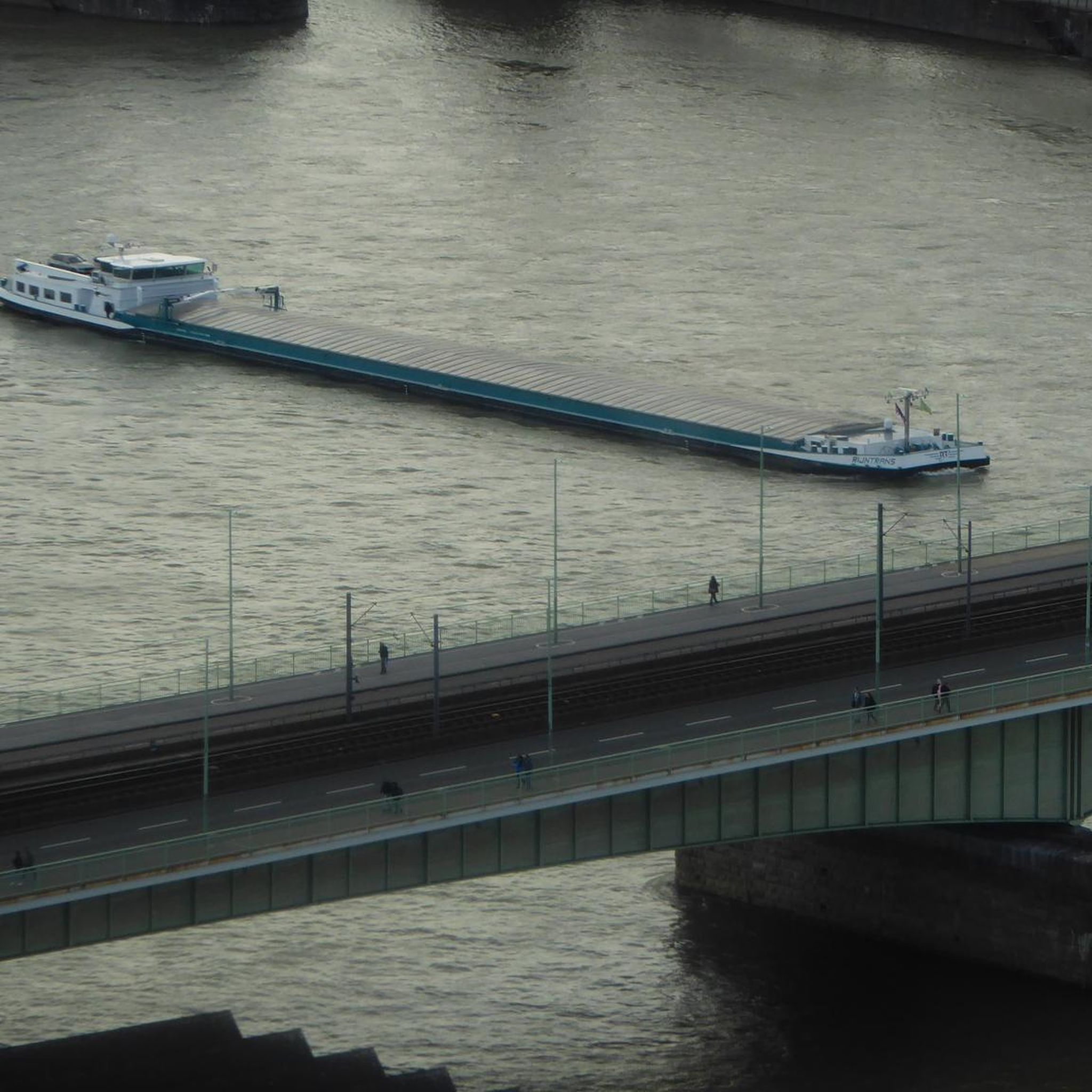
City hikes around Leopoldskroner Weiher
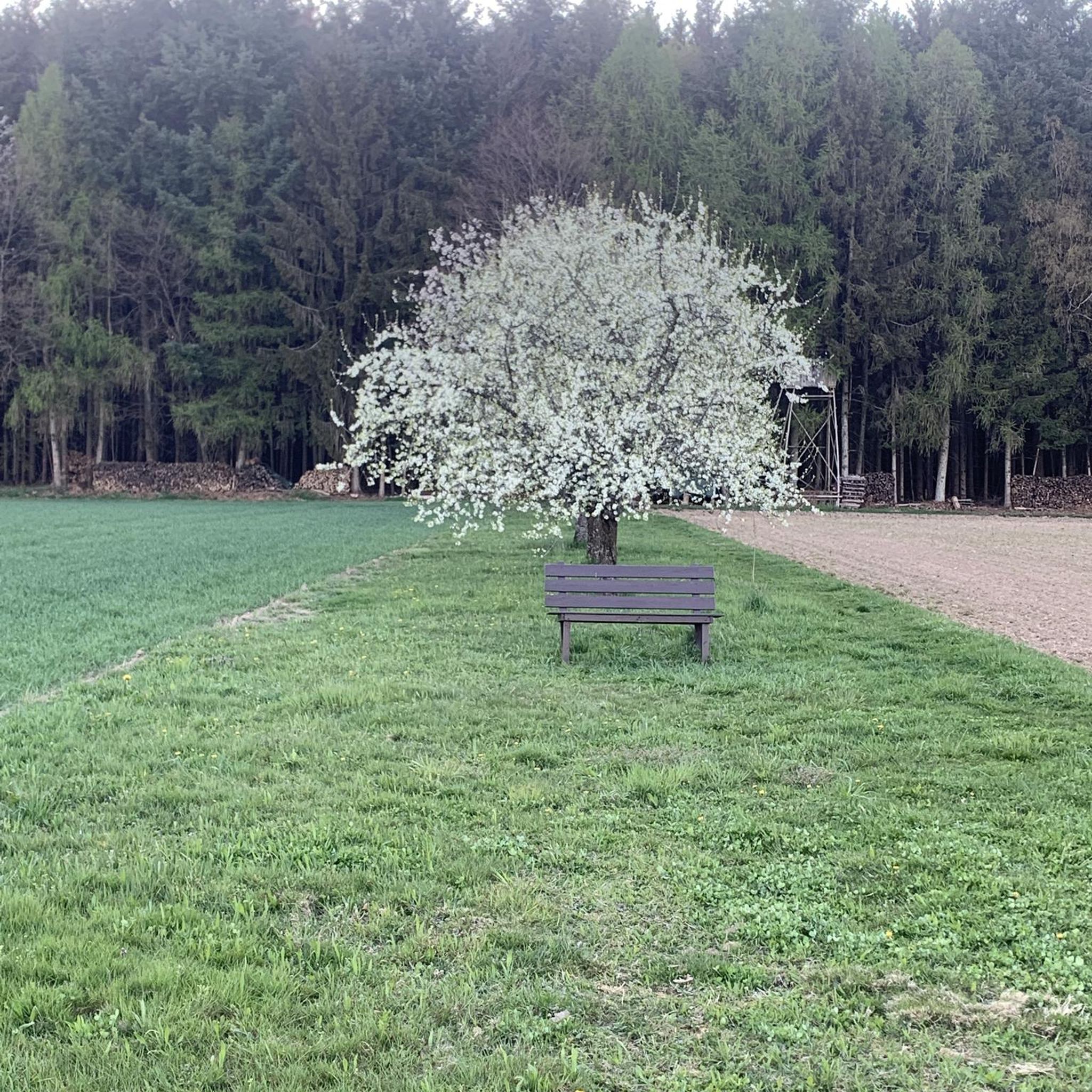
City hikes around Kapuzinerberg
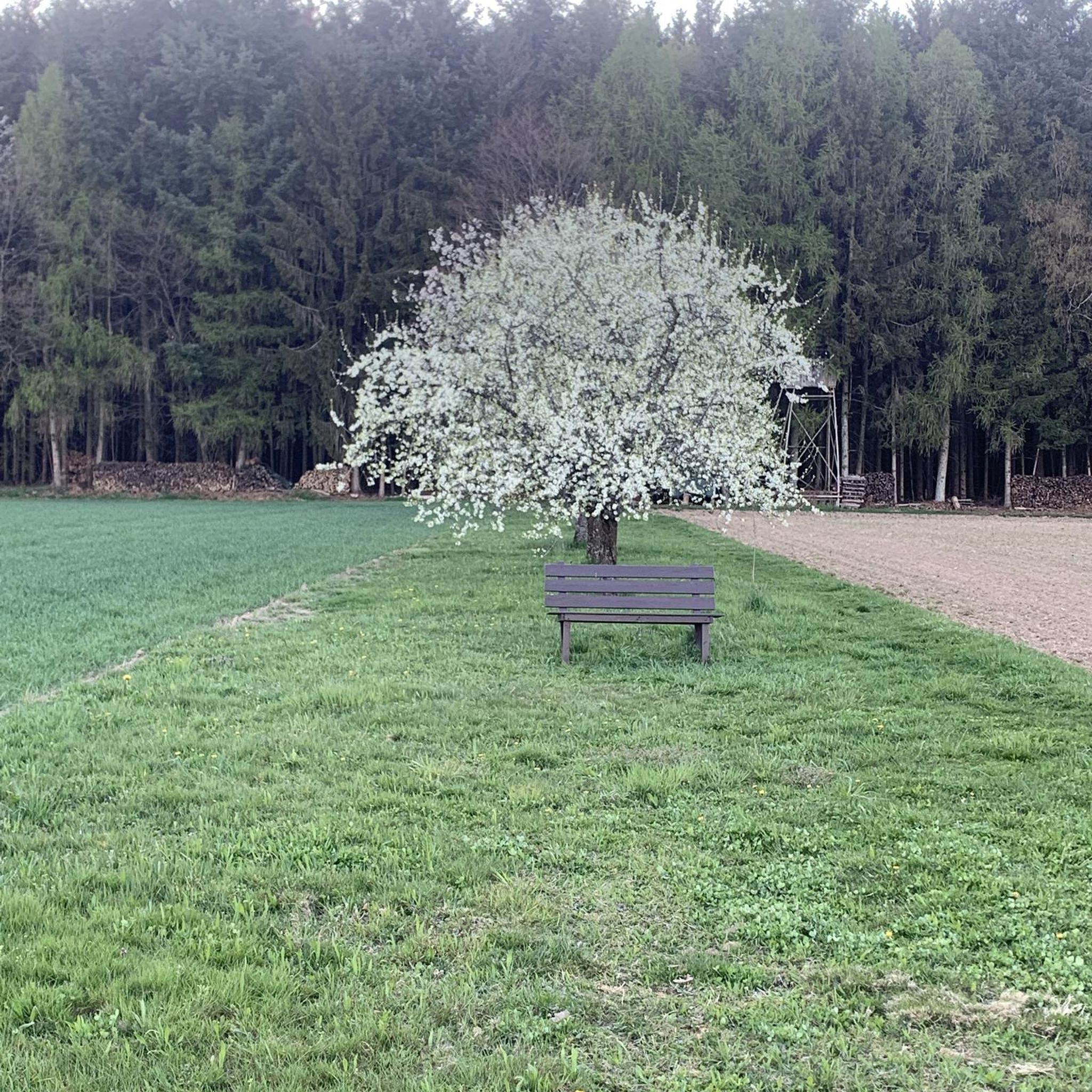
City hikes in the Bezirk Salzburg-Umgebung

City hikes around Bezirk Hallein
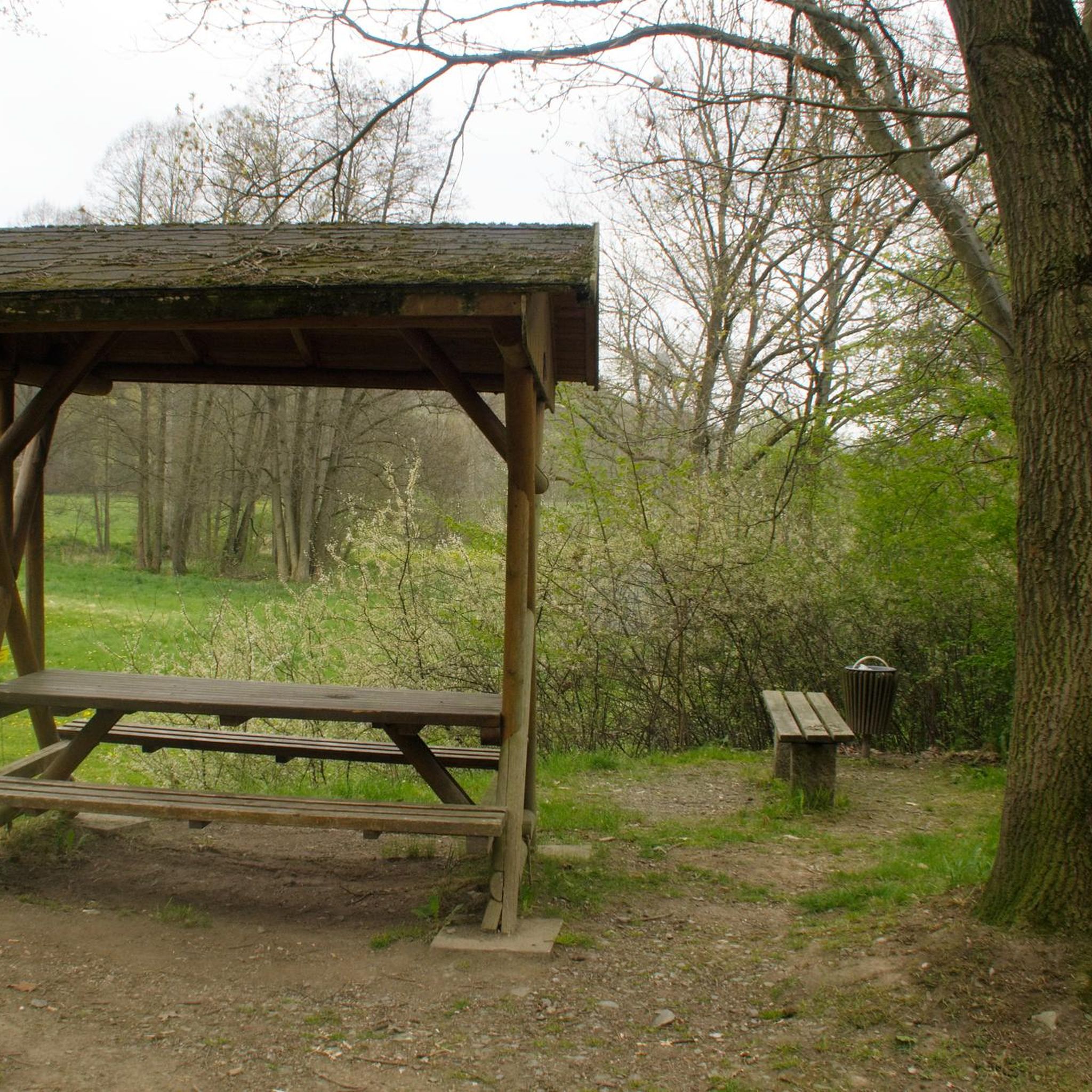
City hikes around Tamsweg

City hikes in the Tennen Mountains

City hikes around Bezirk Zell am See
City hikes around Radstadt

City hikes around Tennengebirge (Naturschutzgebiet)
The Dachstein Rundwanderweg – Eight days in the Dachsteingebirge
Other adventures around Salzburg


Tips from the Community

Somewhat hidden, the grave of Paracelsus is located in the cemetery.
1
0

The Loretokirche is not in the main tourist flow, but is nevertheless worth a visit. The miraculous image of Loreto, popular for centuries and often copied, is cared for here by sisters.
7
0
St. Peter's Abbey Church, as the church of St. Peter's Archabbey, once housed the tomb of Saint Rupert. Today it is empty, but preserved. Thus, the church is also a special destination on the St. Rupert Pilgrimage Trail.
6
0

Whenever we are in Salzburg and time permits, a stop here is mandatory.
0
0

Here you can find delicious strudel in different variations 😋
0
1

Sometimes it's not the splendor that makes a place holy, but the shadow in which it lies. This is also the case here, on the edge of the Kapuzinerberg, where the oldest convent north of the Alps retreats from the hustle and bustle of time like an old cat from the noise of the market. The Nonnberg Abbey Church doesn't seem like a place that wants to explain itself. More like one that trusts that you'll return someday – perhaps more quietly, perhaps more awake. The path leads through a winding ensemble of walls, arches, and stone inscriptions. "Pax" is written simply above a window. Peace. No demand, no slogan – just a memory. The gravestones lean against the wall like silent witnesses, entwined with flowers that apparently can't decide between wildness and ornamentation. In between are iron crosses, as artful as a medieval tattoo, and a garden that knows more about life than many libraries. Inside, Gothic austerity reigns – high vaults, a thin light streaming through colored windows like old hymns. A lone person stands in the center of the nave, and it's hard to tell whether he's praying, reflecting, or just remembering. Probably all of the above. And somewhere inside these walls, Benedictine nuns still live. You don't hear them, you don't see them – but something tells you they're there. Perhaps it's the faint clinking of dishes, perhaps a hint of incense in the breeze.
0
0
There are places that can't decide whether they want to be a viewpoint, an architectural object, or simply a café. The Unikum Sky is one such place. Up on the roof of the University of Salzburg, where thoughts usually circle, the spoon now circles in the cappuccino. And with it, the view. The path up leads through austere corridors of glass and concrete – nothing announces that the Alps are about to unfold like a postcard. But then the sky opens. Hohensalzburg Fortress stands there like a painted promise, and behind it, the horizon stretches over Untersberg and Gaisberg like a taut linen sheet. On the terrace: deck chairs, coffee shop chairs, conversations in half-sentences, a breeze that seems as if it has descended from the mountain just to linger briefly. Students lean back, people with city maps lean forward, and those who prefer quiet simply lean on the railing. The clientele is mixed – like the menu. Between latte macchiato and lentil salad, there's a quiet respect for the moment. Because up above, between the edge of the roof and the twilight, it's not the smartphone that counts, but the shadow cast by the fortress. Not the selfie, but the fleeting glimpse: The autumn trees below are blazing, the white of the snow-capped peaks gleams, and a final sip of thoughtful reflection steams from the cup. The Unikum Sky is no insider tip. It's a vantage point with an espresso function. A campus café that makes you forget you're on campus. And a place where you can simply sit, watch, and think: This is how you learn. And live.
1
0

Salzburg's Makartplatz tells the city's history in a small space. Mozart and Doppler once lived here; today, the State Theater, Mozart's residence, and the Baroque Trinity Church face each other. Named after the painter Hans Makart, the square has been redesigned several times over the centuries and has had various names. Tony Cragg's Caldera sculpture has stood in its center since 2008; its flowing forms provide an exciting contrast to the austere architecture of the square.
2
0
Frequently Asked Questions
How many urban hiking trails are available in Salzburg?
There are over 250 urban hiking trails and walks around Salzburg listed on komoot, catering to various interests and fitness levels. Most of these, around 214, are rated as easy, making them accessible for many.
What kind of natural features can I expect to see on urban hikes in Salzburg?
Even within the city, urban hikes in Salzburg offer stunning natural backdrops. You can enjoy views of the majestic Northern Limestone Alps, the Salzach River, and local mountains like the Mönchsberg and Kapuzinerberg. Some routes might even offer glimpses of the Gaisberg or Untersberg in the distance.
Are there any family-friendly urban walks in Salzburg?
Yes, many of Salzburg's urban trails are suitable for families. The majority of routes are rated as easy, with gentle elevation changes and manageable distances. Consider routes that explore the historic city center, offering plenty of points of interest to keep younger hikers engaged.
Can I bring my dog on urban hikes in Salzburg?
Generally, dogs are welcome on many urban trails in Salzburg, especially those in parks and along river paths. However, always keep your dog on a leash, particularly in crowded areas or nature reserves, and be mindful of local regulations. Some indoor attractions or specific areas might have restrictions.
What are some notable landmarks or attractions I can see on an urban hike in Salzburg?
Salzburg's urban hikes are rich with cultural and historical sights. You can explore the Historic Centre of Salzburg, a UNESCO World Heritage site, or admire the Mirabell Palace and its gardens. Many routes offer spectacular views of the iconic Hohensalzburg Fortress. For a route focused on history, try the UNESCO Weltkulturerbe Salzburg tour.
Are there any urban loop trails in Salzburg?
Yes, many urban hikes in Salzburg are designed as convenient loop trails, allowing you to start and end at the same point without retracing your steps. These are ideal for exploring different facets of the city and its surrounding green spaces. For example, the In Salzburg auf den Spuren Mozarts route is a great circular option.
What is the best time of year for urban hikes in Salzburg?
Salzburg's urban trails can be enjoyed year-round. Spring and autumn offer pleasant temperatures and beautiful scenery, with blooming flowers or vibrant fall foliage. Summer is great for longer daylight hours, while winter transforms the city into a magical landscape, especially during the Advent season. Consider the Advent in Salzburg route for a festive winter walk.
How accessible are Salzburg's urban hikes by public transport?
Salzburg has an excellent public transport network, making most urban hiking trailheads easily accessible by bus or train. Many routes start directly within the city center or at well-connected points, allowing you to leave your car behind and explore sustainably.
Are there cafes or pubs along Salzburg's urban walking routes?
Absolutely! Salzburg's urban trails often weave through the city's charming streets and parks, putting you in close proximity to numerous cafes, traditional pubs, and restaurants. You'll find plenty of opportunities to stop for a coffee, a meal, or a refreshing drink, especially on routes like Creative Salzburg or Kirchenstadt Salzburg.
What do other hikers enjoy most about urban hiking in Salzburg?
The komoot community highly rates urban hiking in Salzburg, with an average score of 4.55 stars from over 128,000 ratings. Reviewers often praise the unique combination of historical landmarks, stunning alpine views, and the ease of access to nature within the city. The well-maintained paths and the abundance of cultural sights are frequently highlighted as major draws.
Are there any urban hikes that offer great viewpoints of Salzburg?
Yes, Salzburg's urban landscape is dotted with fantastic viewpoints. Trails up the Mönchsberg or Kapuzinerberg offer panoramic vistas of the Old Town, the Salzach River, and the surrounding Alps. You can find specific highlights like the View of Hohensalzburg Fortress and Salzburg’s Old Town from Franz-Josef-Kai, providing iconic photo opportunities.
Most popular routes around Salzburg
Most popular attractions around Salzburg

Get inspired with the komoot mobile app


Didn’t find what you were looking for?
Check out more Hikes throughout Salzburg below and find the perfect route in your destination.
Explore more
Browse the best Hikes in other regions.
