The best family-friendly hikes and walks in Rouge National Park
4.7
(88)
884
hikers
42
hikes
Family friendly hiking trails in Rouge National Park are found within Canada's largest urban national park, spanning 79 square kilometers in the Greater Toronto Area. The park's landscape features a diverse mix of forests, meadows, wetlands, and agricultural fields, shaped by the Rouge River and its tributaries. Hikers can explore rolling hills and valleys, with elevations generally under 200 meters, offering accessible terrain for various activity levels.
Best family friendly hiking trails in Rouge National Park
- The most popular family…
Last updated: May 29, 2026
2
hikers
2.83km
00:46
40m
40m
Easy hike. Great for any fitness level. Easily-accessible paths. Suitable for all skill levels.
8
hikers
7.67km
01:59
50m
50m
Easy hike. Great for any fitness level. Easily-accessible paths. Suitable for all skill levels.

Sign up for free
7
hikers
4.46km
01:12
60m
60m
Hike the easy 2.8-mile Beare Hill Park loop in Scarborough for panoramic views of Toronto, Lake Ontario, and diverse natural scenery.
4.9
(14)
112
hikers
10.2km
02:45
140m
140m
Moderate hike. Good fitness required. Easily-accessible paths. Suitable for all skill levels.
4.5
(4)
41
hikers
4.90km
01:21
80m
80m
Easy hike. Great for any fitness level. Easily-accessible paths. Suitable for all skill levels.
Get access to more routes and recommendations from other explorers.
Sign up for free
Already have an account?
Our route recommendations are based on thousands of hikes, rides, and runs completed by other people on komoot.
Start today with a free account
Your next adventure awaits.
Login or Signup
Popular around Rouge National Park
Other adventures in Rouge National Park

Tips from the Community

The Beachpoint Promenade traces the edge of Frenchman's Bay out to the end of the west jetty where you'll find the lighthouse. You'll have great views over the water while on the promenade and from the end of the jetty you can see the east and west lighthouses that mark safe passage for the vessels entering and leaving Frenchman's Bay.
0
0
The West Beach of Frenchman’s Bay offers a unique blend of sandy shoreline and sheltered harbor views at the edge of Pickering. Tucked between the open waters of Lake Ontario and the calm marina of Frenchman’s Bay, this destination is a favorite for those looking to enjoy a lakeside stroll, a swim, or a relaxing day by the water. The beach is easily accessible via the Waterfront Trail, providing a gateway to the neighbouring wetlands and parks.
0
0
The Petticoat Creek Conservation Area is a scenic 170-acre waterfront retreat on the shores of Lake Ontario. Renowned for its dramatic bluffs and panoramic views of the Toronto skyline, the park offers a blend of active recreation and natural preservation. You can explore a section of the expansive Waterfront Trail that winds through the property, enjoy the aquatic centre, or utilize the numerous shaded picnic sites scattered among mature trees. With diverse bird habitats and grassy open spaces, the area provides a perfect lakeside destination.
0
0

The trail network at Beare Hill Park winds through restored meadow, young forest, and wetland edges before climbing toward the park’s high ridge. Paths are a mix of gravel and natural surface, with gentle grades on the lower loops and a steadier climb to the top for wide views over Lake Ontario and the eastern Toronto skyline. The routes feel surprisingly quiet for the area, with open grassland stretches, shaded pockets, and plenty of space to wander. A calm, scenic trail system that makes the most of this newly restored green space.
0
0
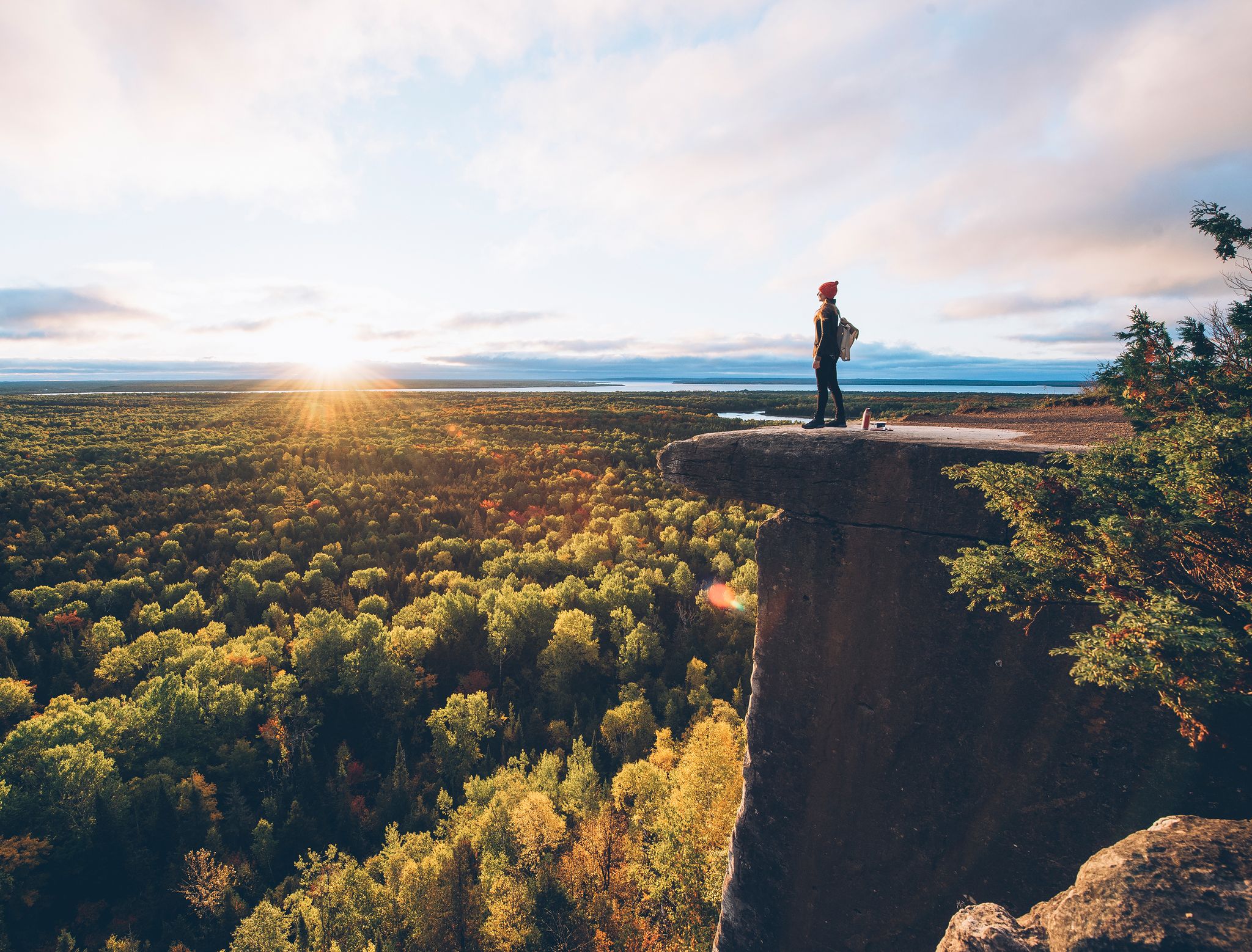
Located in Scarborough, Beare Hill Park opened in October 2022 on the site of the former Beare Road landfill. Today it features restored forest, meadow and wetland habitats, a network of walking trails, and one of the best natural vantage points in eastern Toronto. On the ridge top, you get wide-sweeping views over the city skyline and Lake Ontario, while the trails themselves offer shaded forest, open grassland and calm paths through regenerating parkland.
0
0

The Mast Trail takes you through the Rouge National Urban Park. It is one of the largest urban parks in North America and is located in the Greater Toronto Area. Ideal for a trip out of the hustle and bustle of the city into the countryside.
1
0

The valley of the Rouge River runs east of Toronto as a green tongue from north to south where the river empties into Lake Ontario. In 2015, the valley was declared a 'Rouge National Urban Park' covering an area of 79 square kilometers. The 'Carolinian Forest' describes a living zone in eastern North America, which is primarily characterized by the predominance of deciduous forests. Rouge National Urban Park is located in a transition zone on the north-eastern boundary of this habitat and is characterized as an area of outstanding biodiversity. https://parks.canada.ca/pn-np/on/rouge
2
0
The 'Orchard Trail' runs along the east bank of 'Little Rouge Creek', in places high above the creek bed, to the driveway 'Twyn River Drive'. Traces of early European settlement can still be seen along the path, including orchards, dwellings and an old mill. https://parks.canada.ca/pn-np/on/rouge/activ/sentiers-trails/orchard
2
0
Frequently Asked Questions
How many family-friendly hiking trails are available in Rouge National Park?
Rouge National Park offers a wide variety of trails suitable for families. Our guide features over 35 family-friendly hiking routes, ranging from easy strolls to more moderate adventures, ensuring there's something for every age and ability.
What are some easy, short trails suitable for families with young children?
For an easy and engaging experience, consider the Mast Trail. It's a classic Rouge Valley hike that takes you through beautiful Carolinian forests. Another great option is the Beare Hill Park loop, which winds through restored meadows and offers lovely views.
Are there any trails with scenic viewpoints or interesting natural features?
Absolutely! The park is rich in natural beauty. The Vista Trail Observation Deck offers panoramic views of the Rouge Valley, including the Rouge River and Little Rouge Creek. You can also explore the unique Carolinian forests along the Mast Trail, which is known for its diverse ecosystems.
What is the best time of year to visit Rouge National Park for family hiking?
Rouge National Park is wonderful to visit year-round. Spring brings blooming wildflowers, summer offers lush greenery, and autumn showcases spectacular fall colours. Even in winter, the park is open for activities like snowshoeing. Always check local weather conditions before heading out.
Are dogs allowed on the family-friendly trails in Rouge National Park?
Yes, dogs are generally welcome in Rouge National Park, but they must be kept on a leash at all times to protect wildlife and ensure the safety and enjoyment of all visitors. Please remember to clean up after your pet.
Are there any circular routes that are good for families?
Many trails in Rouge National Park are designed as loops, perfect for family outings. The Beare Hill Park loop is a great example, offering a complete experience without retracing your steps. Another option is the Rouge River – On the Mast Trail loop from Orchard Trail, which provides a pleasant circular walk.
What kind of wildlife can we expect to see while hiking with family?
Rouge National Urban Park is incredibly biodiverse, home to over 1,700 species of plants and animals. You might spot deer, coyotes, and a wide variety of bird species. The Monarch Trail, though longer, is particularly known for year-round wildlife sightings. The Rouge Marsh is also a crucial habitat for many species.
Is parking available at the trailheads for family hikes?
Yes, Rouge National Park has several designated parking areas near popular trailheads. It's advisable to arrive early, especially on weekends and holidays, as parking lots can fill up quickly. Check the park's official website for specific parking lot locations and any potential fees.
Can we reach the family-friendly trails using public transport?
Rouge National Urban Park is accessible by public transport, making it convenient for families without a car. Various TTC (Toronto Transit Commission) and YRT (York Region Transit) routes serve different access points to the park. Plan your trip using their respective websites for the most up-to-date information.
What do other hikers enjoy most about the family-friendly trails in Rouge National Park?
The komoot community highly rates the family-friendly trails in Rouge National Park, with an average score of 4.7 stars. Reviewers often praise the park's diverse landscapes, the well-maintained paths, and the opportunity to experience significant natural beauty so close to an urban area. Many highlight the peaceful atmosphere and the chance to spot wildlife as key attractions.
Are there any historical or cultural points of interest along the trails?
Yes, Rouge National Urban Park has a rich history. The Orchard Trail, for instance, showcases remnants of early European settlement, including old orchards and residences. The park also uniquely protects tracts of Class 1 farmland, highlighting a history of farming that spans thousands of years, including Indigenous and European settlement.
Most popular routes in Rouge National Park
Most popular attractions in Rouge National Park

Get inspired with the komoot mobile app


Explore more
Browse the best Hikes in other regions.
