Attractions and Places To See around Natural Park Drover Heide - Top 20
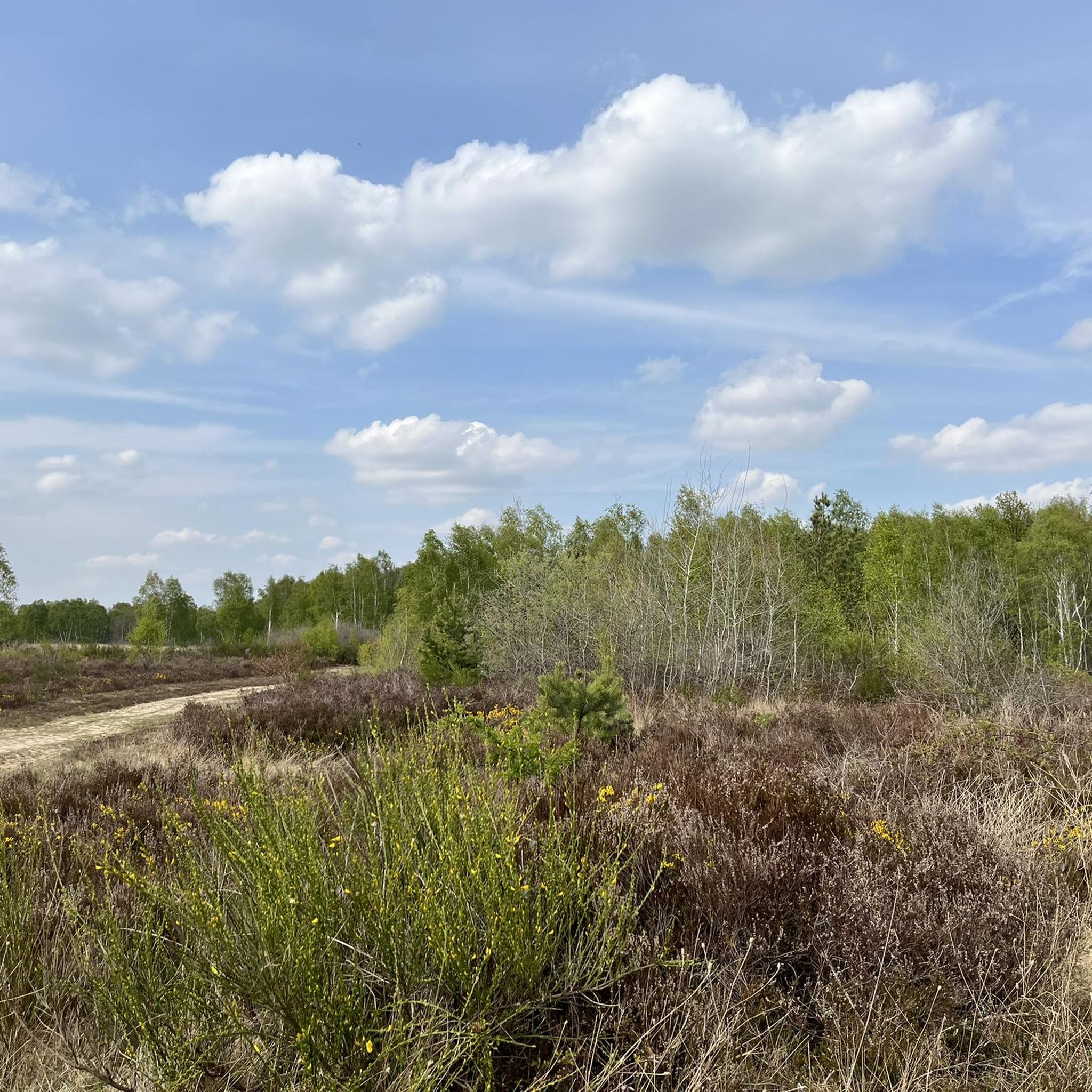
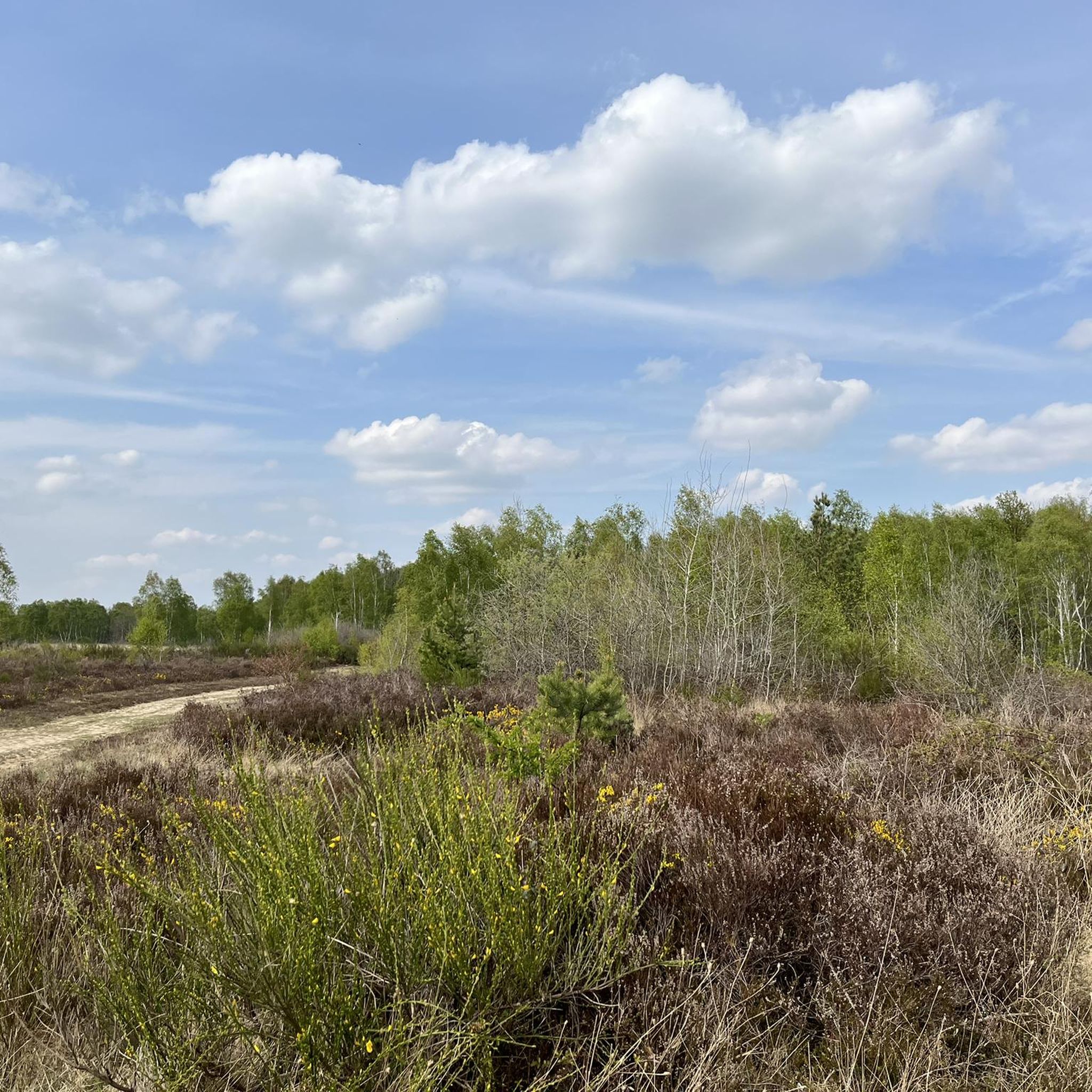
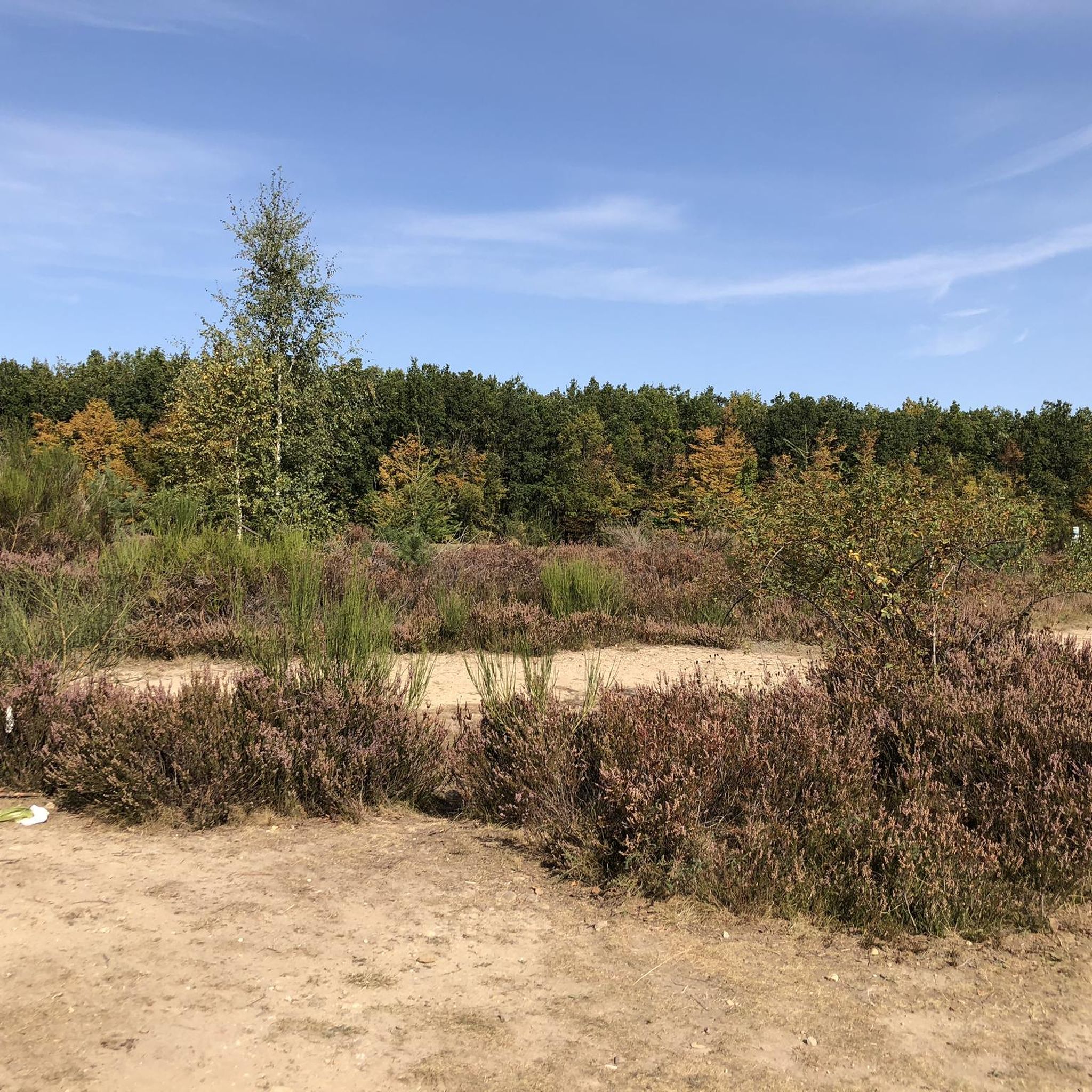
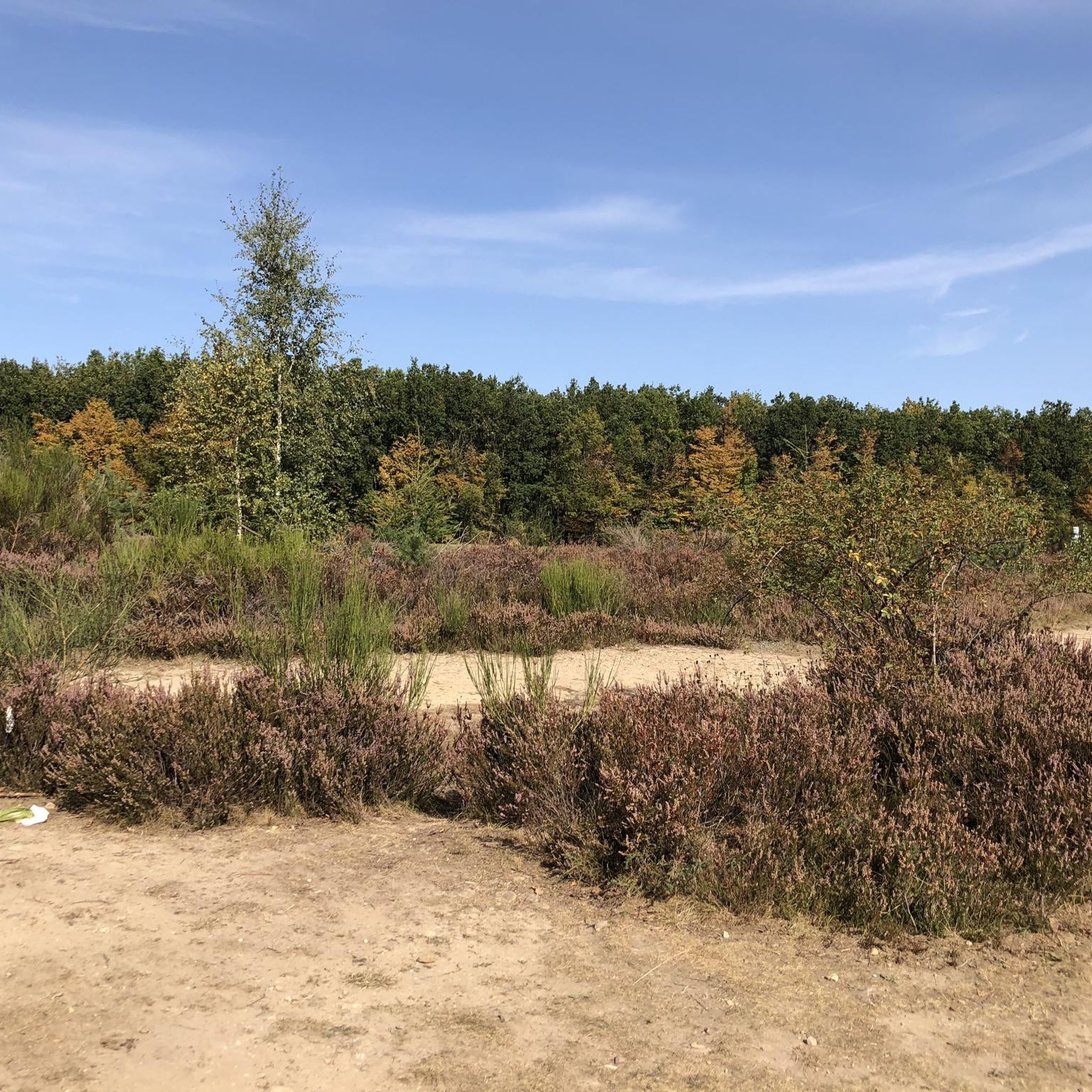
Best attractions and places to see around Natural Park Drover Heide, located in the Eifel region, is a significant nature and bird sanctuary covering over 600 hectares. This area features a diverse landscape of open heathland, green meadows, wild woodlands, and small bodies of water. It is recognized for its ecological value, providing a habitat for rare plant and animal species, and is a European bird protection area. The park offers a variety of natural and historical points of interest…
Last updated: May 11, 2026
Wooden Boardwalks Through Drover Heide
Highlight • Trail
Translated by Google •
Tip by

Drover Heath
Highlight • Natural
Translated by Google •
Tip by

Sign up now to discover places like this
Get recommendations on the best single tracks, peaks, & plenty of other exciting outdoor places.
Sign up for free
Wooden boardwalk through Drover Heath
Highlight • Trail
Translated by Google •
Tip by
Drover Heide Nature Reserve
Highlight • Natural Monument
Translated by Google •
Tip by
Boardwalk Over the Frog Pond
Highlight • Trail
Translated by Google •
Tip by
Sign up for free to discover even more attractions around Natural Park Drover Heide.
Sign up for free
Already have an account?
Start today with a free account
Your next adventure awaits.
Login or Signup
Popular around Natural Park Drover Heide
Tips from the Community

Beautiful scenery is everywhere here
0
0

It's best to hike the route when it's not too hot!
1
0

It's beautiful, but seemed a bit overrated to me. There are also a lot of hikers, so it's better to explore on foot.
3
0

The area is a habitat for rare plant and animal species. That is why it is a recognized FFH area and is therefore included in the network of the European Fauna-Flora-Habitat Directive (FFH). 460 ferns and flowering plants have been identified here. 21 species of dragonflies live around the approximately 700 small wet biotopes that were formed through military exercises such as tank trips or entrenchments. 17 different species of grasshoppers and 38 species of butterflies are known to be arthropods. Two further representatives of threatened (FFH) species are the crabs Branchipus schaefferi and Triops cancriformis, which in Germany can be found almost exclusively in the temporary puddles on (former) military training areas.
6
0
The area is a habitat for rare plant and animal species. That is why it is a recognized FFH area and is therefore included in the network of the European Fauna-Flora-Habitat Directive (FFH). 460 ferns and flowering plants have been identified here. 21 species of dragonflies live around the approximately 700 small wet biotopes that were formed through military exercises such as tank trips or entrenchments. 17 different species of grasshoppers and 38 species of butterflies are known to be arthropods. Two further representatives of threatened (FFH) species are the crabs Branchipus schaefferi and Triops cancriformis, which in Germany can be found almost exclusively in the temporary puddles on (former) military training areas.
6
0
The terrain is a slightly sloping clod in the Rurschollen and Graben system. The western parts are the highest. This is where the loess layer is thinnest and is washed together in the small hollows with waterlogging. The land is not very suitable for agriculture, but was used as forest pasture and common land or later as a military training area.
7
1

A beautiful landscape in every season and usually good hiking trails.
2
0

Forest and heath areas alternate and it is quite quiet despite many visitors.
3
0
Frequently Asked Questions
What natural features can I explore in Natural Park Drover Heide?
Natural Park Drover Heide offers a diverse landscape including expansive heathlands, green meadows, wild woodlands, and idyllic small bodies of water. The park is particularly renowned for its ecological value and rich biodiversity. You can experience the unique beauty of the Drover Heath, especially when the heather blossoms in late summer.
When is the best time to visit Natural Park Drover Heide?
The best time to visit is during late summer, particularly in August, when the heathlands transform into a vibrant purple landscape as the heather blossoms. This period showcases the Drover Heath in its full beauty, making it a highlight for nature lovers.
What kind of wildlife can I expect to see in Drover Heide?
Drover Heide is an important bird sanctuary, home to over 130 bird species, including sensitive breeding and migratory birds like the European nightjar, woodlark, red-backed shrike, and great grey shrike. The small bodies of water also provide a habitat for primeval crayfish, great crested newts, and various amphibians like the pond frog and shy grass snakes, particularly around the Pond with water lilies and frogs.
Are there any historical sites within Natural Park Drover Heide?
Yes, on the western edge of the heath, you can find the "Helije Pütz," a spring dating back to Roman times, which is considered a ground monument. Additionally, the Drover Heide Nature Reserve itself was formerly a military training area for almost 100 years before being opened to the public as a nature reserve.
What hiking trails are available in Natural Park Drover Heide?
The park features a well-signposted, approximately 12-kilometer circular hiking trail that is considered family-friendly. This trail leads through open heathland, lush meadows, and sparse forests, occasionally crossing small bodies of water via wooden footbridges. Highlights like the Wooden Boardwalks Through Drover Heide offer unique walking experiences.
Are there easy or family-friendly hiking options in Drover Heide?
Yes, the main circular hiking trail is considered family-friendly and suitable for all fitness levels. The Wooden Boardwalks Through Drover Heide are also designed to be accessible and enjoyable for families, protecting both hikers and the delicate ecosystem. Many benches along the trails invite you to take a short rest.
Are there accessible routes for visitors with mobility needs?
Yes, starting from the "Wanderparkplatz Drover Heide (Nord)" on the K28, there is a barrier-free loop available. This route also includes a shortcut that leads to an elevated viewpoint, offering panoramic views of the open landscape.
What other outdoor activities can I do near Natural Park Drover Heide?
Beyond hiking, the area around Natural Park Drover Heide offers various cycling opportunities. You can find numerous routes for cycling, mountain biking, and road cycling, ranging from easy to difficult, allowing you to explore the wider region.
Where can I find visitor information or guided tours for Drover Heide?
Information flyers with overviews of the circular routes are available locally, and suitable hiking maps can be obtained in the Rureifel region. The Biologische Station des Kreises Düren, which cares for the nature reserve, also offers guided tours through Drover Heide.
Are there places to eat or drink near Natural Park Drover Heide?
Yes, for refreshments after your visit, several cozy restaurants and cafés are available in Drove and the surrounding area.
Where can I park when visiting Natural Park Drover Heide?
You can find parking at the "Wanderparkplatz Drover Heide (Nord)" on the K28, which is also the starting point for the barrier-free loop and the elevated viewpoint.
What do visitors particularly enjoy about the trails in Drover Heide?
Visitors frequently praise the beauty of the landscape, especially when the heather is in bloom. The Wooden Boardwalks Through Drover Heide are particularly appreciated for allowing hikers to traverse humid habitats while protecting rare animals and plants, and for keeping feet dry. Many also enjoy the peaceful atmosphere and the opportunity to observe wildlife.
What makes the Drover Heide Nature Reserve significant?
The Drover Heide Nature Reserve is an approximately 600-hectare nature reserve and a European bird protection area. It is an important habitat for rare and endangered plant and animal species, including sensitive breeding and migratory birds. Its history as a former military training area contributes to its unique ecological development.
Are there any unique natural sights related to water in Drover Heide?
Yes, the park features several small bodies of water and sinks where water collects. These areas are vital habitats for amphibians. You can experience the Boardwalk Over the Frog Pond, where you might spot frogs, and the Pond with water lilies and frogs, known for its unique amphibian and reptile fauna, including grass snakes.
Most popular routes around Natural Park Drover Heide
Most popular attractions around Natural Park Drover Heide

Get inspired with the komoot mobile app


Explore more
Still not found the Highlight you’re looking for? See guides of the top attractions in other regions:
