The best hikes from bus stations in Parc Naturel Régional Corbières-Fenouillèdes
4.5
(4350)
21,747
hikers
104
hikes
Bus station hiking trails in Parc Naturel Régional Corbières-Fenouillèdes traverse a landscape shaped by diverse geology, featuring rocky outcrops, deep gorges, and extensive forests. The region is characterized by a blend of Mediterranean and Pyrenean environments, with vineyards and rolling hills. Notable features include the Gorges de Galamus and the Pic de Bugarach, the highest point in the Corbières massif at 1230 meters.
Best bus station hiking trails in Parc Naturel Régional Corbières-Fenouillèdes
- The most popular bus station hiking route is Saint Anthony Hermitage – Gorges de Galamus loop from Cubières-sur-Cinoble, an 8.5 miles (13.7 km) trail that takes 4 hours 17 minutes to complete. This route offers views of the Gorges de Galamus and the Saint Anthony Hermitage.
- Another top favourite among local hikers is Lagrasse – Lagrasse Abbey loop from Lagrasse, an easy 3.6 miles (5.8 km) path. This trail explores the village of Lagrasse and its historic abbey, with gentle terrain along the river.
- Local hikers also love the Caune de L'Arago – Characteristic street in Tautavel loop from Tautavel, a 4.9 miles (8.0 km) trail leading through the Tautavel area, often completed in about 2 hours 15 minutes. It passes by the Caune de L'Arago cave and local village streets.
- Hiking in Parc Naturel Régional Corbières-Fenouillèdes is defined by dramatic gorges, rocky crests, and dense woodlands, alongside historical sites like Cathar castles. The extensive network of routes offers options for various ability levels, from easy village loops to more challenging mountain ascents.
- The routes in Parc Naturel Régional Corbières-Fenouillèdes are highly rated by the komoot community with an average score of 4.5 stars from over 3,600 reviews. More than 19,000 hikers have used komoot to explore Parc Naturel Régional Corbières-Fenouillèdes's varied terrain.
Last updated: November 9, 2026
4.5
(60)
259
hikers
13.7km
04:17
450m
450m
Moderate hike. Good fitness required. Mostly walkable paths. Sure-footedness required.
4.7
(31)
137
hikers
5.70km
01:43
170m
170m
Easy hike. Easily walkable paths.

4.6
(21)
156
hikers
Moderate hike. Good fitness required. Easily walkable paths.
4.6
(21)
100
hikers
8.76km
03:12
420m
420m
Moderate hike. Good fitness required. Mostly walkable paths. Sure-footedness required.
4.8
(20)
73
hikers
8.25km
02:22
210m
210m
Moderate hike. Good fitness required. Easily walkable paths.
Get access to more routes and recommendations from other explorers.
Already have an account?
Our route recommendations are based on thousands of hikes, rides, and runs completed by other people on komoot.
Start today with a free account
Your next adventure awaits.
Popular around Parc Naturel Régional Corbières-Fenouillèdes
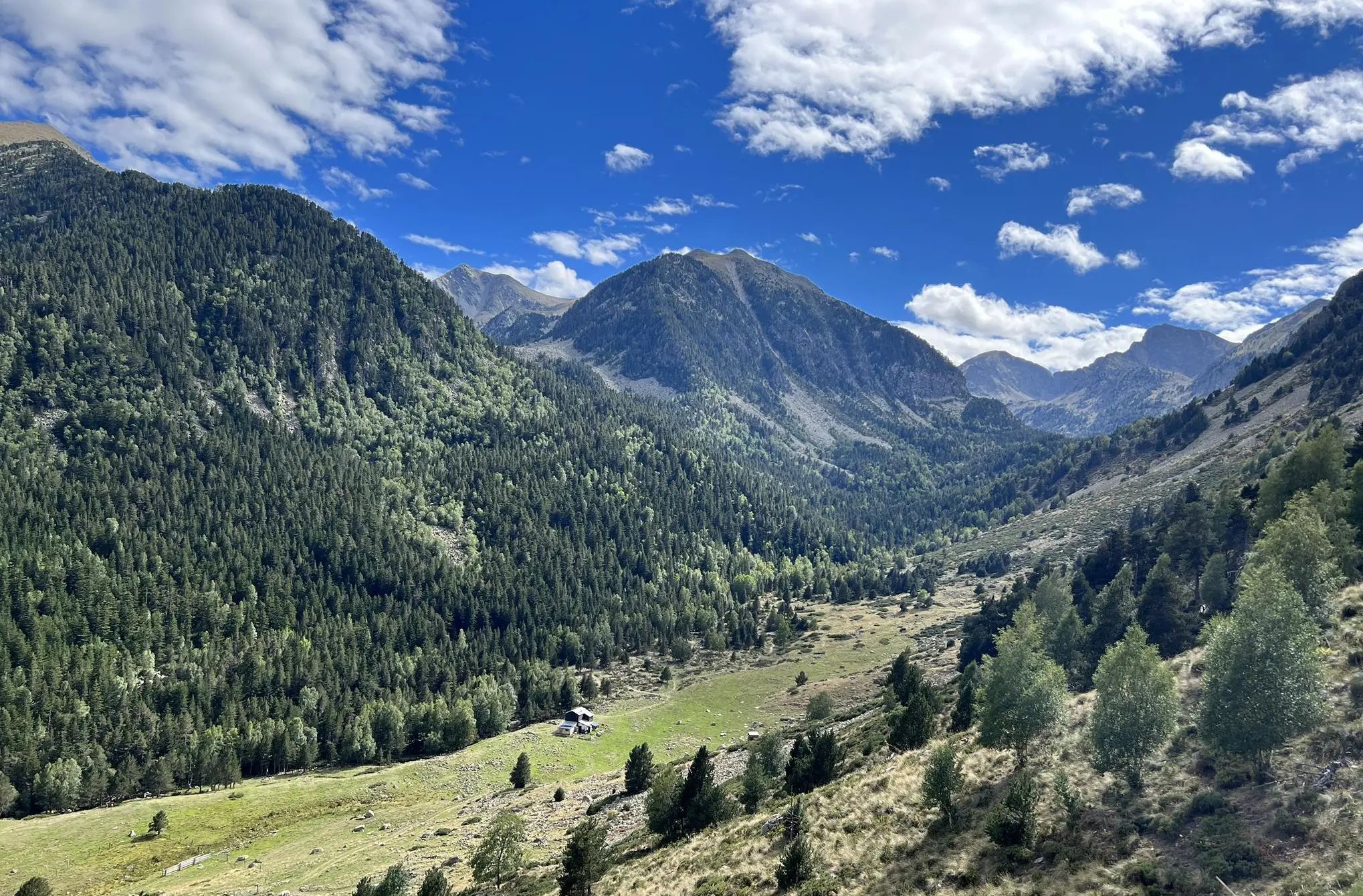
GR 36 long-distance footpath – Cross France from the Channel to the Pyrenees
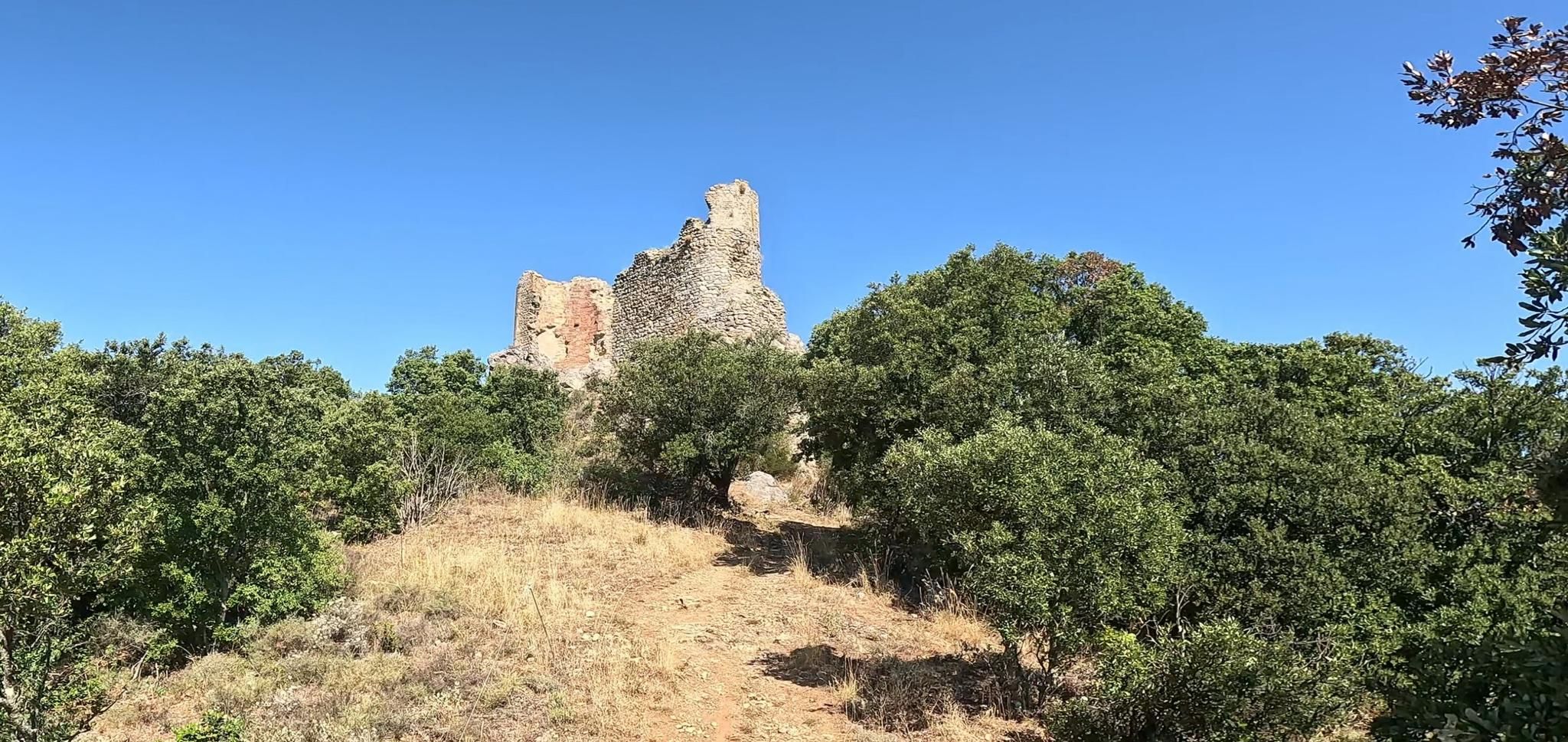
Cathar Trail (GR 367) — From the Mediterranean to the Pyrenees
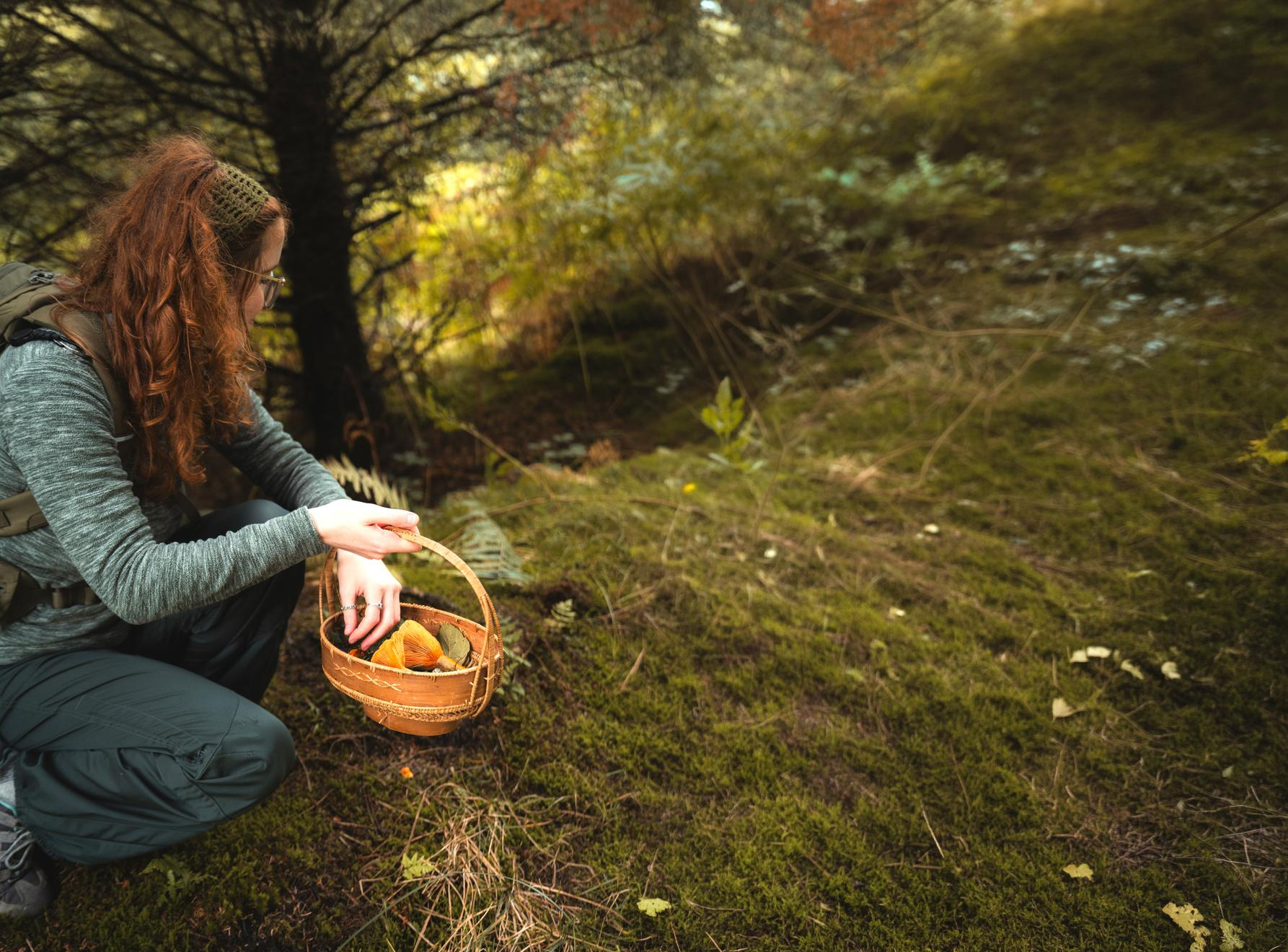
Seasonal foraging hikes across Europe
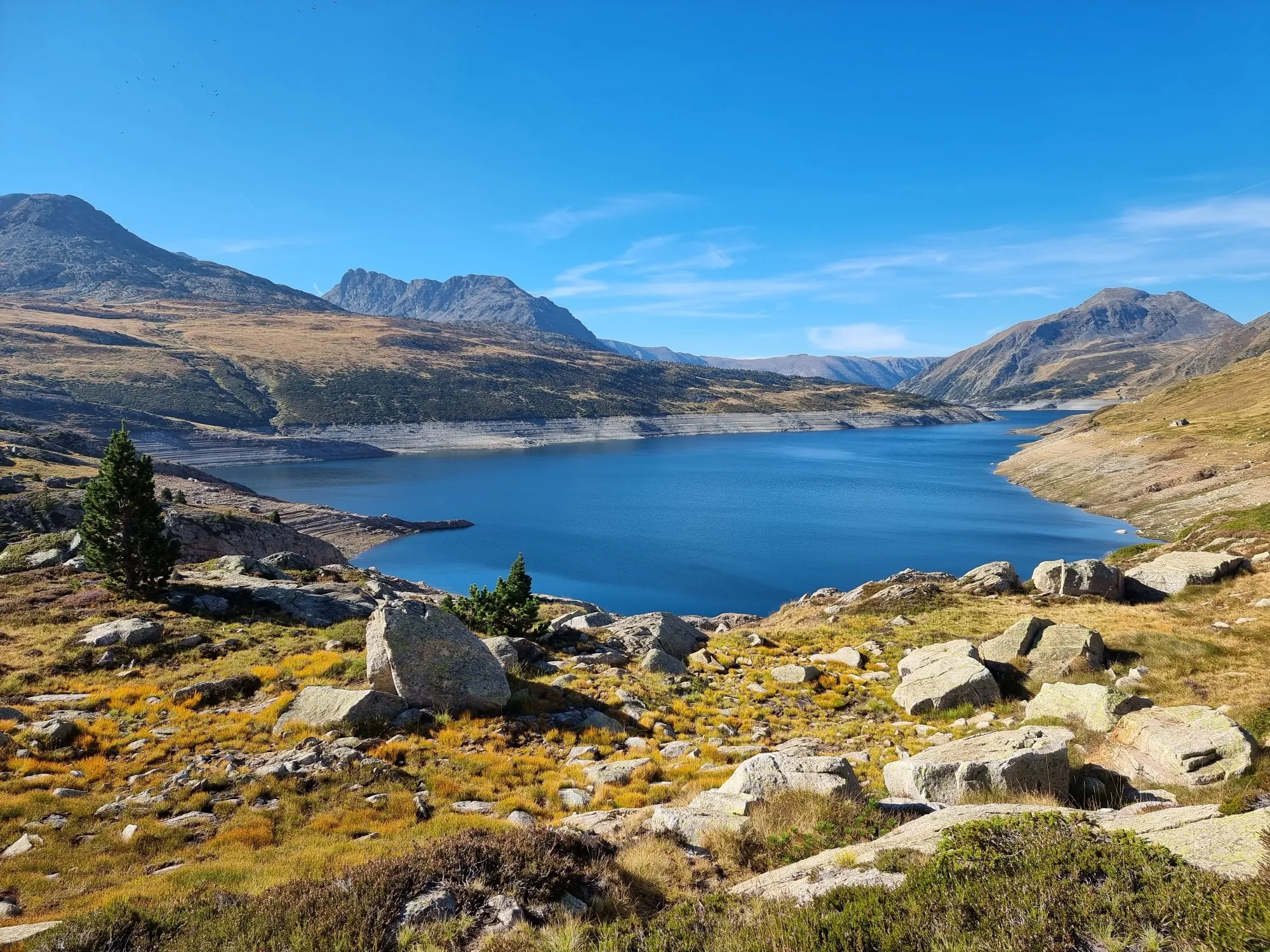
On wild ridges: Catalonia to Ariège – Hexatrek, Eastern Pyrenees
The most beautiful bike rides in Occitanie
From the Atlantic to the Mediterranean – Route des Cols in the Pyrénées
In the steps of the Cro-Magnon – a prehistoric journey in France
Other adventures in Parc Naturel Régional Corbières-Fenouillèdes


Tips from the Community

Magnificent in both directions but even more so when descending towards the valley
0
0

In Tautavel there is a small restaurant where we fortified ourselves with a salad with warm goat cheese. Coming from Saint-Paul-de-Fenouillet, this was the first opportunity to eat or drink something. There were also no shops along the entire route. The last climb afterwards went well nonetheless.
0
0
An impressive hermitage named after the Egyptian desert father St. Antonius. Today it is more of a tourist spot, which can be reached on foot from two parking lots.
0
0
This gorge with the hermitage always amazes you! Cycling downhill towards the East/Mediterranean allowed us to enjoy the gorge.
0
0

The abbey is one of the most important buildings in the Aude region. It was founded as early as 779 and supported by Charlemagne. For several years it has been extensively restored, so that it shines again in its old splendor.
0
0
Here the forest opens up the view to the abbey church and the old town of Lagrasse. Also a beautiful sight from above.
0
0

Grandiose landscapes, it's truly magnificent, breathtaking on this road carved into the rock, which can even be dizzying!
1
0

Lagrasse (in Occitan, La Grassa) is a French commune located in the center of the Aude department, in the Occitanie region. The village has been a member of the association Les Plus Beaux Villages de France for over ten years. The commune's architectural heritage includes ten buildings protected as historical monuments. (Wikipedia)
0
0
Frequently Asked Questions
How many bus-accessible hiking trails are available in Parc Naturel Régional Corbières-Fenouillèdes?
There are over 60 hiking trails in Parc Naturel Régional Corbières-Fenouillèdes that are accessible from bus stations. These routes cater to various skill levels, offering a great way to explore the region's diverse landscapes using public transport.
What is the best time of year to hike from bus stations in this region?
The Parc Naturel Régional Corbières-Fenouillèdes is enjoyable for hiking for much of the year. Spring (April-June) and autumn (September-October) are ideal, offering pleasant temperatures and vibrant scenery. Summers can be hot, especially in July and August, so early morning or late afternoon hikes are recommended during these months. Winters are generally mild, but some higher elevation trails might be less accessible.
Are there easy bus-accessible hikes suitable for beginners or families?
Yes, the region offers several easy bus-accessible hikes perfect for beginners or families. For example, the Lagrasse – Lagrasse Abbey loop from Lagrasse is an easy 5.8 km route that allows you to explore the historic village and its abbey. These trails often feature gentle terrain and shorter distances.
Can I find circular routes accessible by bus?
Many of the bus-accessible trails in Parc Naturel Régional Corbières-Fenouillèdes are circular, allowing you to start and end your hike at the same bus stop. An example is the Cliff — Cirque of Vingrau – Vingrau loop from Vingrau, a moderate 8.8 km route that offers stunning views and returns you to your starting point.
What natural features can I explore on bus-accessible hikes?
The park's bus-accessible trails lead to a variety of dramatic natural features. You can experience spectacular gorges like the Gorges de Galamus, explore diverse geological formations, and enjoy panoramic views from mountain peaks. The Saint Anthony Hermitage – Gorges de Galamus loop from Cubières-sur-Cinoble is a moderate hike that takes you through some of these impressive landscapes.
Are there historical sites or castles accessible from bus stops?
Absolutely. The region is rich in history, especially its Cathar heritage. Many trails accessible by bus will bring you close to or directly to historic sites. You can explore the dramatic Cathar castles perched on rocky outcrops, such as Quéribus Castle or Peyrepertuse Castle, which are often integrated into hiking routes.
Can I find waterfalls or swimming spots on bus-accessible trails?
Yes, the Verdouble river, known for its gorges and natural pools, offers trails where you can find refreshing spots. While specific bus routes to these exact locations vary, many trails in the park follow riverbeds or lead to areas with natural water features, providing opportunities for wild swimming during warmer months.
Are the bus-accessible trails dog-friendly?
Many trails in Parc Naturel Régional Corbières-Fenouillèdes are dog-friendly, but it's always best to check specific route details and local regulations. Dogs should generally be kept on a leash, especially in areas with livestock or protected wildlife. Ensure your dog is well-behaved and that you carry water for them, particularly on longer or more exposed routes.
Where can I find food or accommodation near bus-accessible trails?
Many villages and towns that serve as bus stops for hiking trails offer amenities such as cafes, restaurants, and various accommodation options, from guesthouses to small hotels. Towns like Lagrasse, Tautavel, and Vingrau, which are starting points for several bus-accessible hikes, provide opportunities to refuel and rest after your adventure.
How can I find bus schedules or public transport information for these trails?
For current bus schedules and public transport information, it's best to consult the official regional transport websites or local tourist information centers. These resources will provide the most up-to-date details on routes, timings, and stops relevant to accessing the hiking trails. You can also find general information about the region's transport options on the Occitanie Tourism website.
What do other hikers say about the bus-accessible trails in Parc Naturel Régional Corbières-Fenouillèdes?
The bus-accessible trails in Parc Naturel Régional Corbières-Fenouillèdes are highly rated by the komoot community, with an average score of 4.5 stars. Reviewers often praise the stunning and varied landscapes, the historical significance of the sites, and the convenience of accessing these natural wonders via public transport.
Are there any challenging bus-accessible hikes for experienced hikers?
Yes, for experienced hikers seeking a challenge, there are several difficult bus-accessible routes. These trails often feature significant elevation gains, rugged terrain, and longer distances, providing a rewarding experience amidst the park's dramatic scenery. An example is the Bélesta Village – Pic Aubeill Viewpoint loop from Bélesta, which offers a moderate challenge with rewarding views.
Can I visit prehistoric sites on bus-accessible hikes?
The region has a deep human history, dating back 700,000 years. Some bus-accessible trails, such as the Caune de L'Arago – Characteristic street in Tautavel loop from Tautavel, can lead you to areas of significant archaeological interest, including prehistoric caves and sites like the Caune de l'Arago near Tautavel, offering a glimpse into ancient human presence.
Most popular routes in Parc Naturel Régional Corbières-Fenouillèdes
Most popular attractions in Parc Naturel Régional Corbières-Fenouillèdes

Get inspired with the komoot mobile app


Explore more
Browse the best Hikes in other regions.
