Steingrabental - Mackenröder Wald
Steingrabental - Mackenröder Wald
Attractions and Places To See around Steingrabental - Mackenröder Wald - Top 6
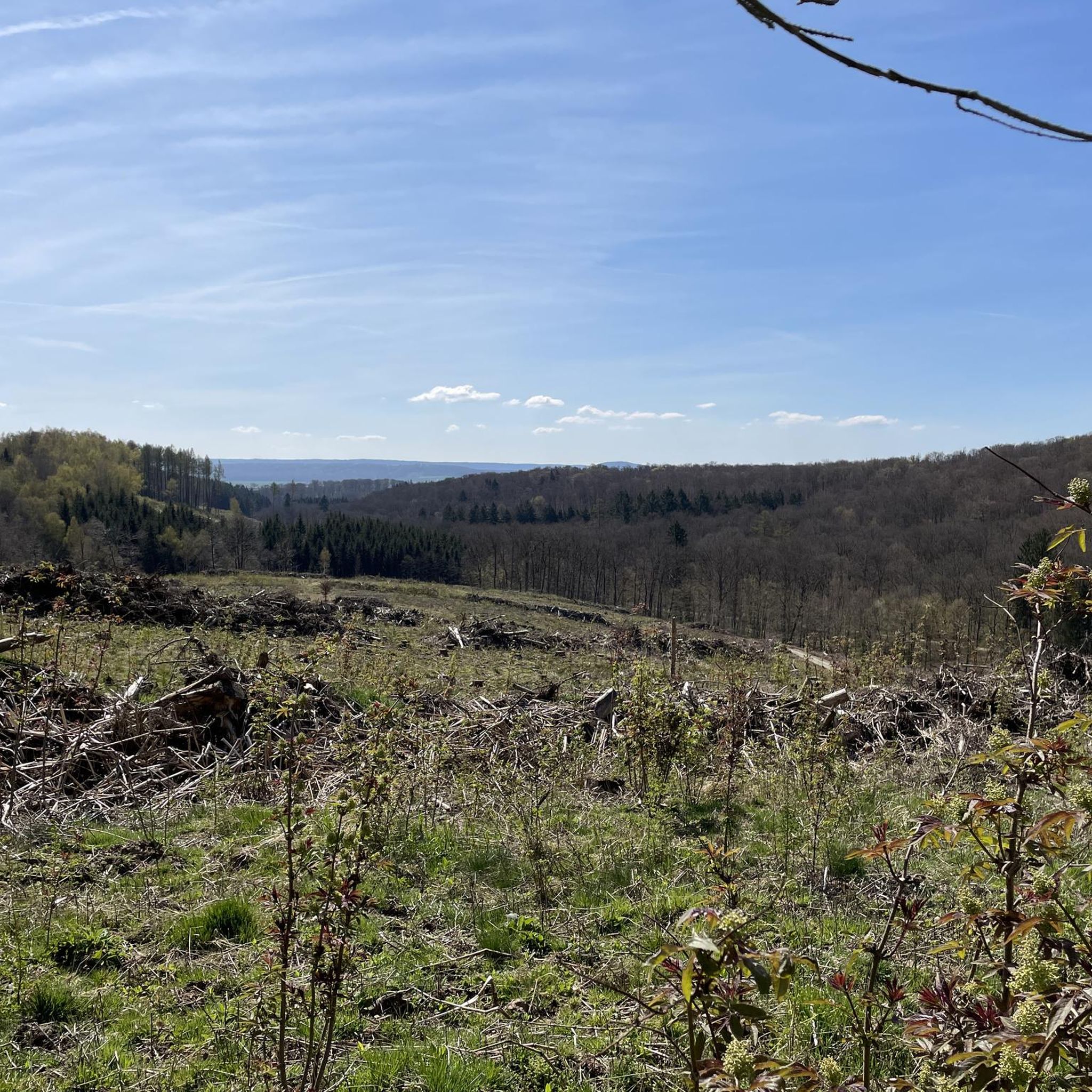
Attractions and places to see around Steingrabental - Mackenröder Wald are characterized by a unique gypsum karst landscape, featuring various geological phenomena such as sinkholes and karst springs. This area, now part of the larger "Gipskarstgebiet bei Bad Sachsa" nature reserve, offers a diverse topography with forested areas and historical sites. Visitors can explore 6 distinct attractions, ranging from natural features to man-made monuments. The region provides opportunities to experience its natural and historical significance.
Best attractions and places to…
Last updated: August 4, 2026
Former Route of the Helmetal Railway
Highlight • Trail
Translated by Google •
Tip by

Tree of Unity
Highlight • Monument
Translated by Google •
Tip by

Sign up now to discover places like this
Get recommendations on the best single tracks, peaks, & plenty of other exciting outdoor places.
Sign up for free
Grundlos Pond
Highlight • Lake
Translated by Google •
Tip by

Former Border Patrol Path (Kolonnenweg) on the Green Belt
Highlight (Segment) • Trail
Translated by Google •
Tip by
Wolfskuhle Quarry
Highlight • Structure
Translated by Google •
Tip by
Sign up for free to discover even more attractions around Steingrabental - Mackenröder Wald.
Sign up for free
Already have an account?
Start today with a free account
Your next adventure awaits.
Login or Signup
Popular around Steingrabental - Mackenröder Wald
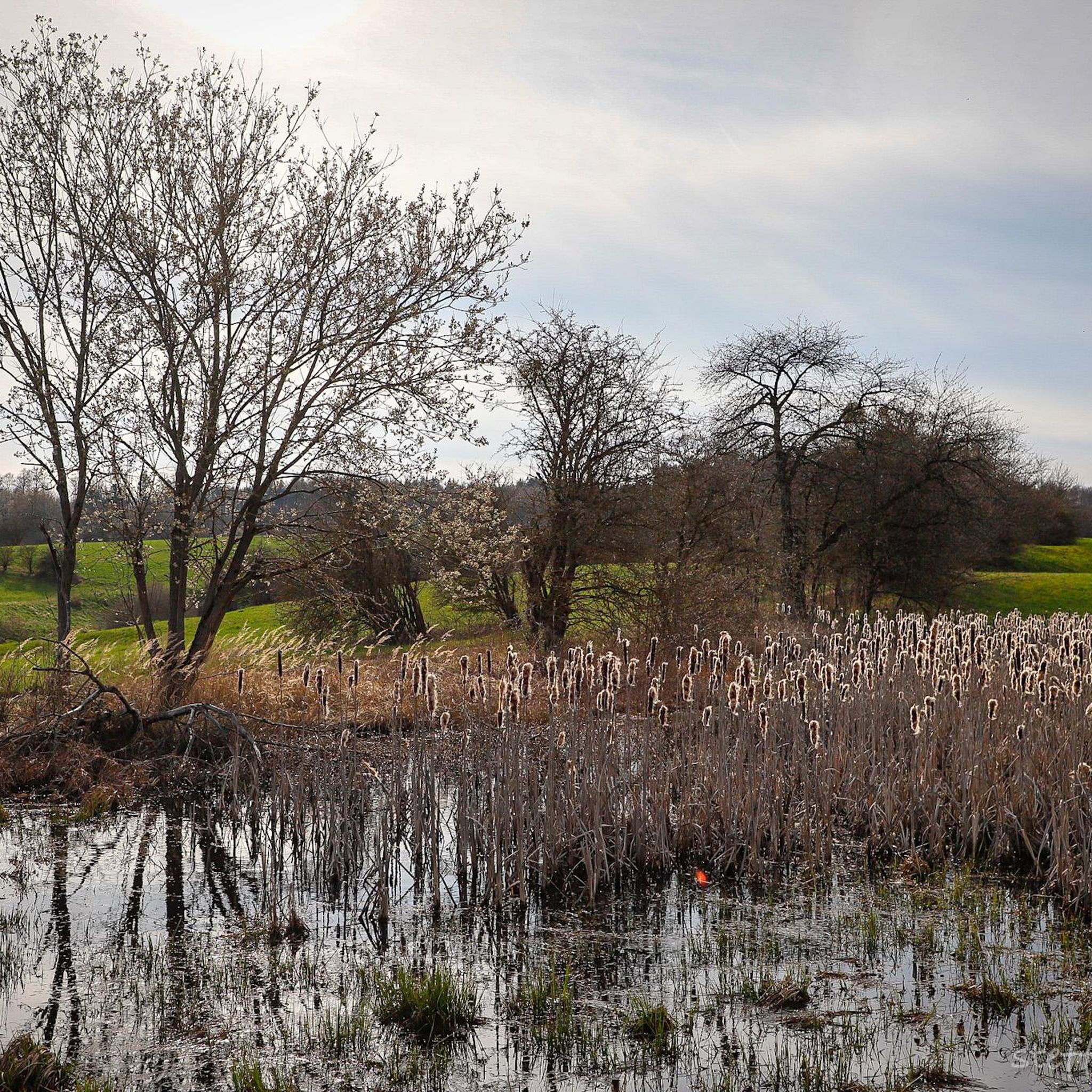
Hiking around Steingrabental - Mackenröder Wald
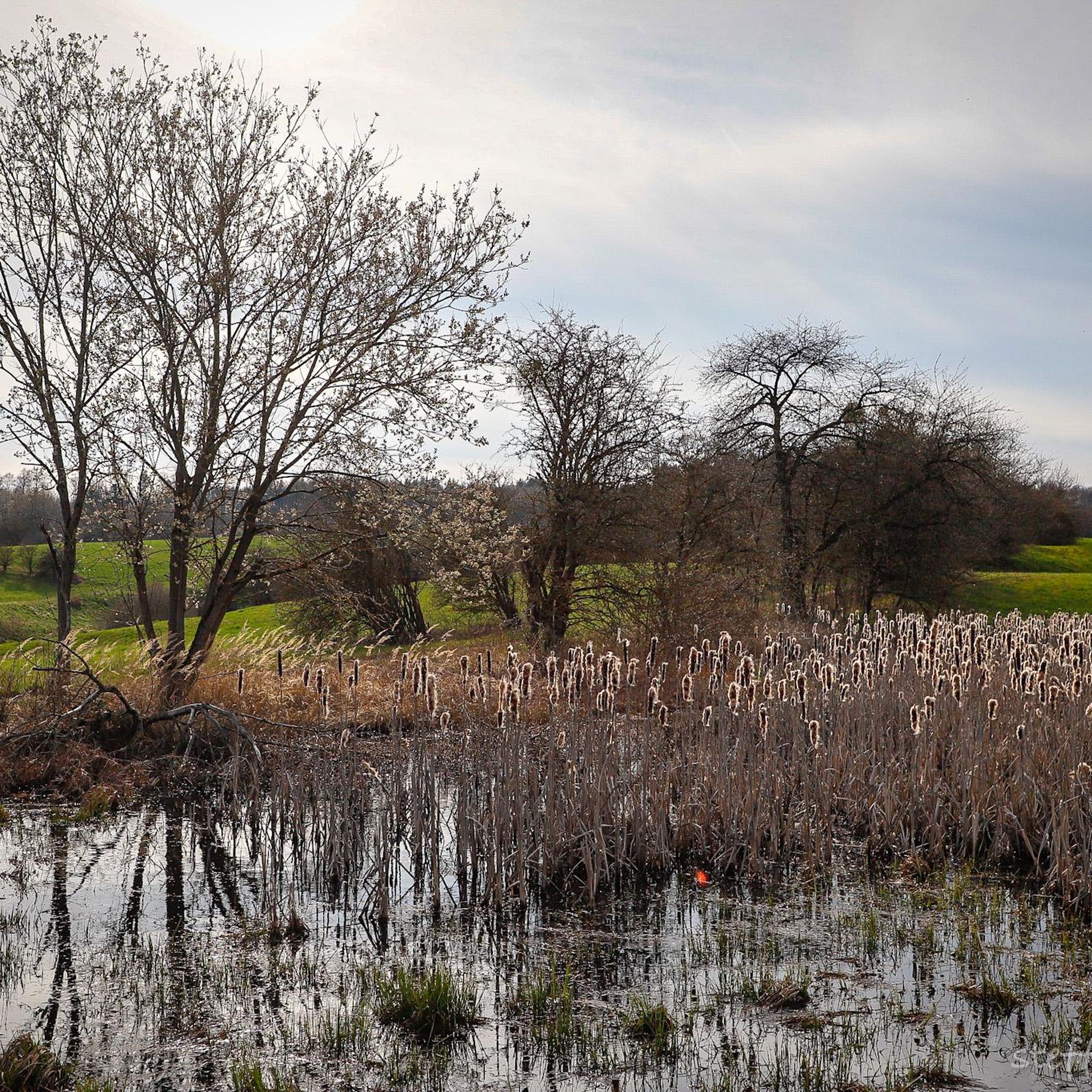
Road Cycling Routes around Steingrabental - Mackenröder Wald
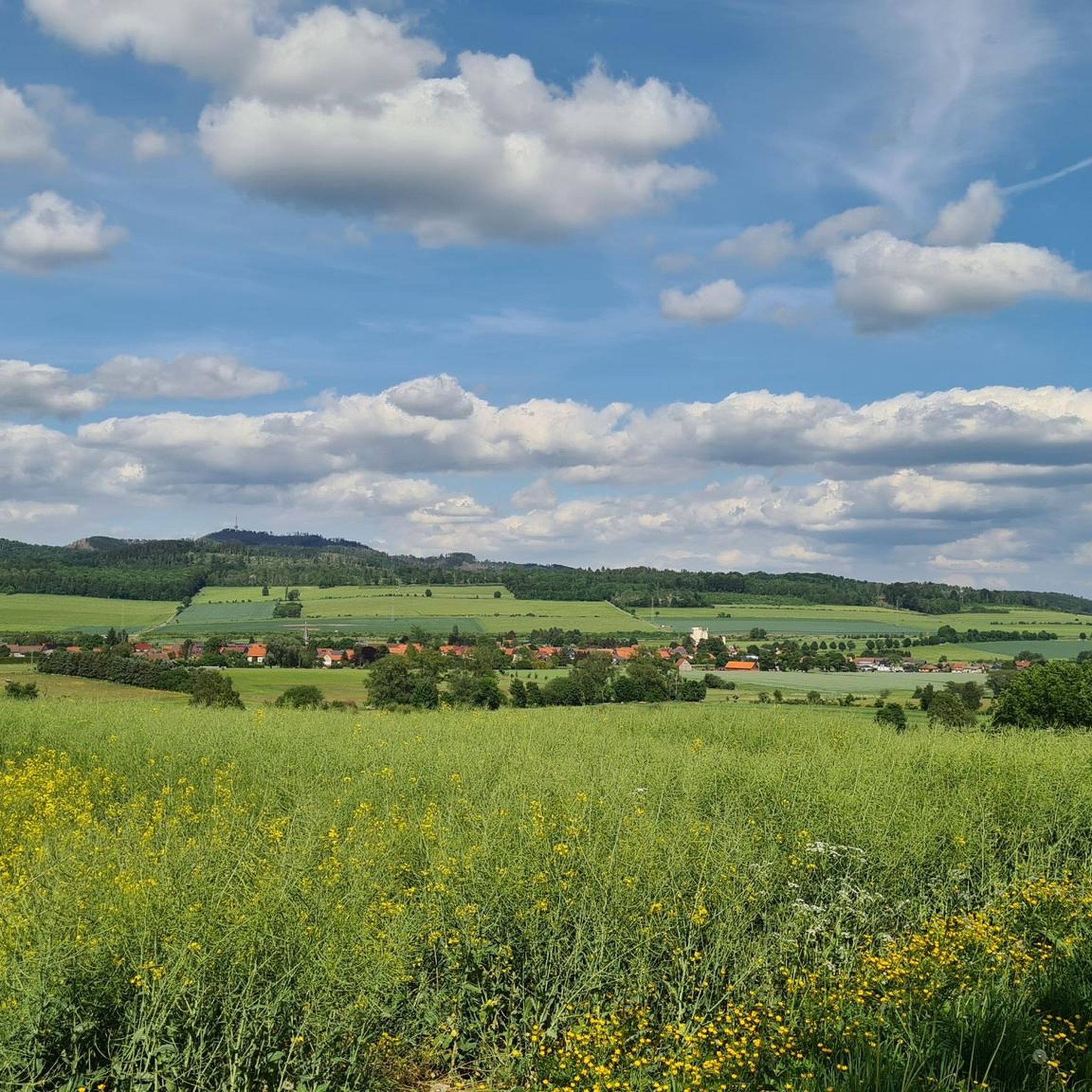
Running Trails around Steingrabental - Mackenröder Wald
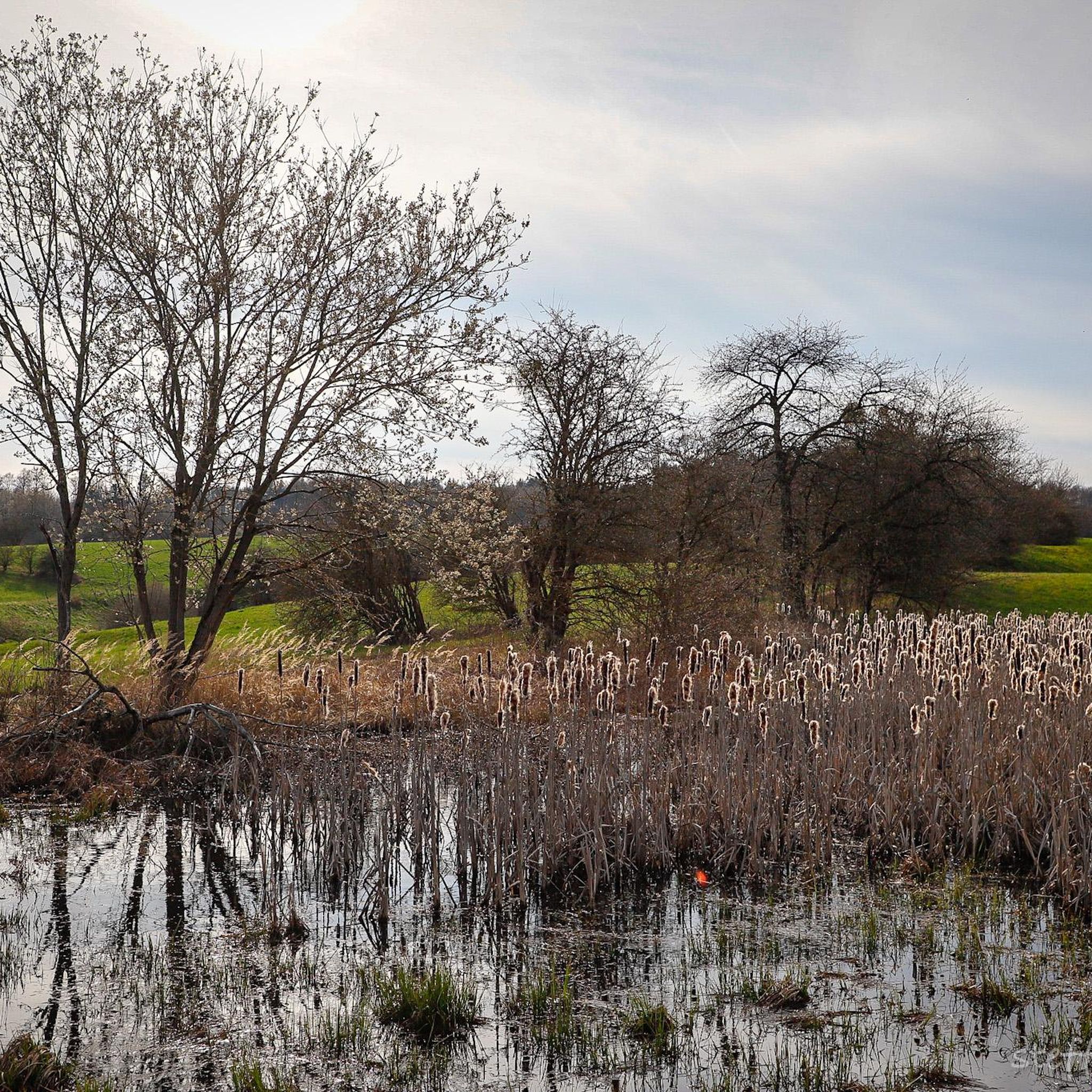
Cycling around Steingrabental - Mackenröder Wald

Gravel biking around Steingrabental - Mackenröder Wald
MTB Trails around Steingrabental - Mackenröder Wald

Mountain Hikes around Steingrabental - Mackenröder Wald
Tips from the Community

The Helmetal Railway from Osterhagen to Nordhausen was a double-track bypass line for the South Harz line, built by concentration camp prisoners in 1944/45. Except for minor remaining work, it was initially completed as a single-track line, but was no longer in operation after the end of the war in May 1945. Due to its location on the border between the two zones, the tracks of the Helmetal Railway were completely dismantled by 1947. Source: Wikipedia
9
0
Dolomite stone was quarried in this and nearby quarries. The rock is also known as Harz Dolomite or Nüxeier Marble. The stones were used in buildings such as Walkenried Monastery, Duderstadt Town Hall, the Protestant Church in Zorge, and the main post office in Braunschweig.
10
0

On the small hiking trail there is an information board, the Grundlos and the Hellergrund. There are small ponds here, a very magical natural hiking trail.
0
0
The tree of unity, located on the hiking trail. Remembrance of October 3, 1990
0
0

The Kolonnenweg is located on the Green Belt, the section of landscape with valuable habitats along the former German-German border. It consists largely of perforated concrete slabs and was used for military vehicles to drive along the border strip through the border posts.
0
0
The tree was planted by associations from Osterhagen and Weilrode in memory of October 3, 1990 - the unification of the two German states.
1
0
Frequently Asked Questions
What unique natural features can I explore in Steingrabental - Mackenröder Wald?
The region is renowned for its distinctive gypsum karst landscape, which is part of the larger "Gipskarstgebiet bei Bad Sachsa" nature reserve. You can observe various geological phenomena such as sinkholes, karst springs, and dry valleys. A tranquil spot to experience this natural beauty is Grundlos Pond, surrounded by forest and featuring an information board along a natural hiking trail.
Are there any historical sites or monuments to visit in the area?
Yes, Steingrabental - Mackenröder Wald offers several sites with historical significance. You can explore the Former Route of the Helmetal Railway, a historical trail from 1944/45. Another important site is the Former Border Patrol Path (Kolonnenweg) on the Green Belt, a section of the former German-German border. Additionally, the Wolfskuhle Quarry provides insight into the region's industrial past, where dolomite stone was extracted.
What kind of outdoor activities can I do around Steingrabental - Mackenröder Wald?
The area is ideal for hiking and cycling. You'll find a variety of trails that allow you to explore the diverse landscape, from forested areas to historical paths. For detailed hiking routes, check out the Hiking around Steingrabental - Mackenröder Wald guide. If you prefer cycling, the Cycling around Steingrabental - Mackenröder Wald guide offers suitable tours.
Are there family-friendly attractions or activities available?
Absolutely. The Tree of Unity is a family-friendly monument located on a hiking trail, commemorating German unification. The natural hiking trail around Grundlos Pond is also suitable for families looking for a tranquil nature experience. Many of the easy hiking routes in the area are also great for families; you can find more options in the Easy hikes around Steingrabental - Mackenröder Wald guide.
Where can I find viewpoints with good scenic views?
The Tree of Unity is noted as a viewpoint, offering a spot to take in the surroundings. Additionally, the varied relief of the Mackenröder Wald, with its forested areas, provides numerous opportunities for scenic vistas during your hikes.
What is the terrain like for hiking in Steingrabental - Mackenröder Wald?
The terrain is diverse, characterized by a gypsum karst landscape with varied relief. You'll encounter forested areas, agricultural lands, and fallow lands. Hiking trails can range from natural paths around lakes to historical routes, offering a mix of easy to intermediate difficulties. Many routes are considered easy, making them accessible for various fitness levels.
Is there a specific monument commemorating German unification in the area?
Yes, the Tree of Unity is a man-made monument specifically planted to commemorate the unification of the two German states on October 3, 1990. It serves as a historical landmark and a viewpoint along a hiking trail.
Can I learn about the history of the former German border here?
Yes, the Former Border Patrol Path (Kolonnenweg) on the Green Belt is a significant historical site. This path, made of perforated concrete slabs, was used by military vehicles along the former German-German border and is now part of a landscape with valuable habitats.
What kind of geological formations are prominent in this region?
The region is part of a gypsum karst landscape, meaning it's characterized by soluble gypsum bedrock. This leads to the formation of various karst phenomena such as sinkholes, karst springs, and dry valleys, which are visible throughout the area.
Are there any easy hiking trails suitable for beginners?
Yes, there are several easy hiking trails around Steingrabental - Mackenröder Wald. For example, routes like 'St. Martin's Church Osterhagen loop' and 'Shelter at Römerstein – KZ-Außenlager Nüxei Memorial loop' are rated as easy. You can find more options and details in the Easy hikes around Steingrabental - Mackenröder Wald guide.
What is the significance of the Wolfskuhle Quarry?
The Wolfskuhle Quarry is a historical site where dolomite stone, also known as Harz Dolomite or Nüxeier Marble, was quarried. This stone was used in the construction of notable buildings such as Walkenried Monastery and Duderstadt Town Hall, highlighting its importance to local architecture and history.
Most popular routes around Steingrabental - Mackenröder Wald

Get inspired with the komoot mobile app


Explore more
Still not found the Highlight you’re looking for? See guides of the top attractions in other regions:
