Top 20 Natural Monuments in Gmünd
Natural monuments in Gmünd, a town in Lower Austria, feature unique geological formations and diverse ecosystems. The region is characterized by its granite landscapes, including distinctive wobble stones, and extensive moorlands. These natural features provide varied terrain for outdoor activities and offer insights into the area's geological and ecological history.
Best natural monuments in Gmünd
- The most popular natural monuments is Schrems High Moor, a natural monument that is reminiscent of the national parks in Sweden. This extensive moorland…
Last updated: July 10, 2026
Blockheide Observation Tower
Highlight • Viewpoint
Translated by Google •
Tip by

Nebelstein Hut
Highlight • Mountain Hut
Translated by Google •
Tip by

Sign up now to discover places like this
Get recommendations on the best single tracks, peaks, & plenty of other exciting outdoor places.
Sign up for free
Schrems High Moor
Highlight • Natural Monument
Translated by Google •
Tip by

Gemeindeau Moor Boardwalk
Highlight • Natural Monument
Translated by Google •
Tip by

Underwater Realm Aquariums
Highlight • Structure
Translated by Google •
Tip by

Wackelstein
Highlight • Natural Monument
Translated by Google •
Tip by

Heidenreichstein Moor Shelter
Highlight • Mountain Hut
Translated by Google •
Tip by
Schrems Moor Bath
Highlight • Lake
Translated by Google •
Tip by

Fleischbank Rock Formation
Highlight • Natural Monument
Translated by Google •
Tip by
Lainsitz Spring
Highlight • River
de.wikipedia.org/wiki/Lainsitz
Translated by Google •
Tip by

Sign up for free to discover even more natural monuments in Gmünd.
Sign up for free
Already have an account?
Start today with a free account
Your next adventure awaits.
Login or Signup
Popular around Gmünd
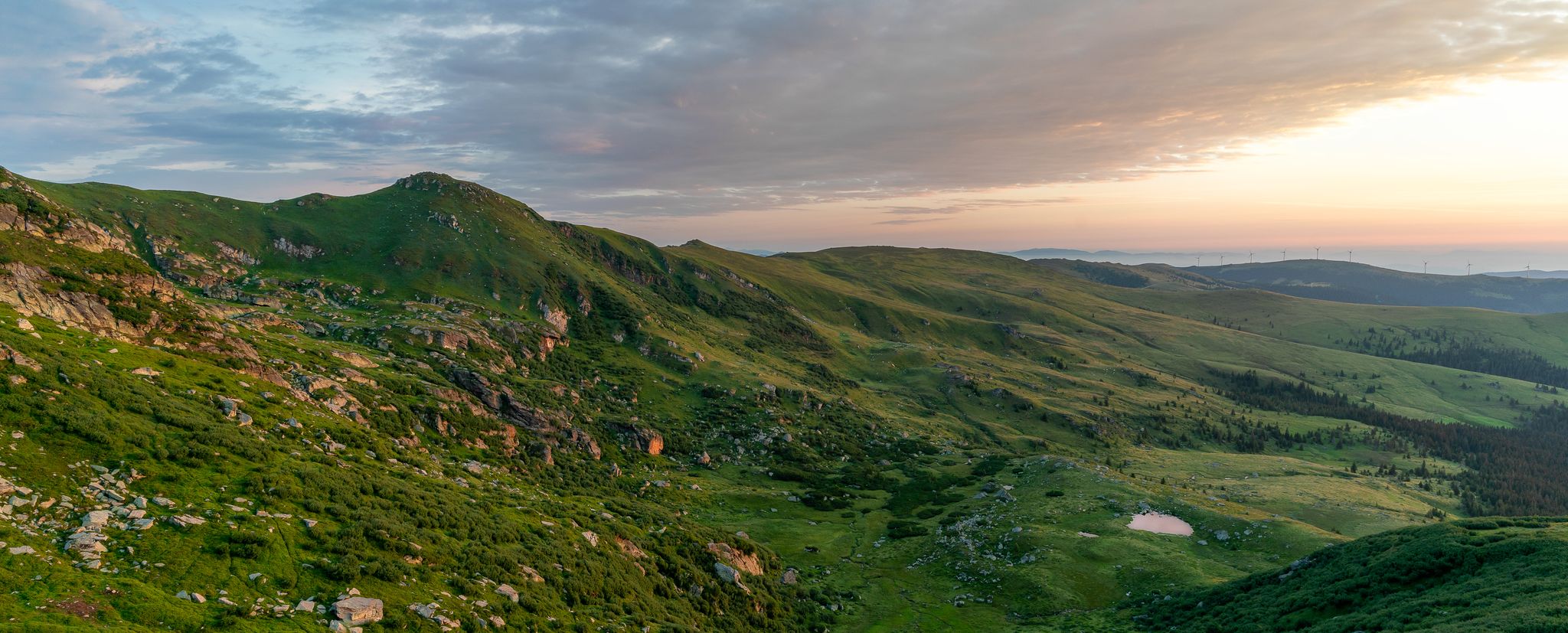
North-South Trail through Austria – Small country, big paths!
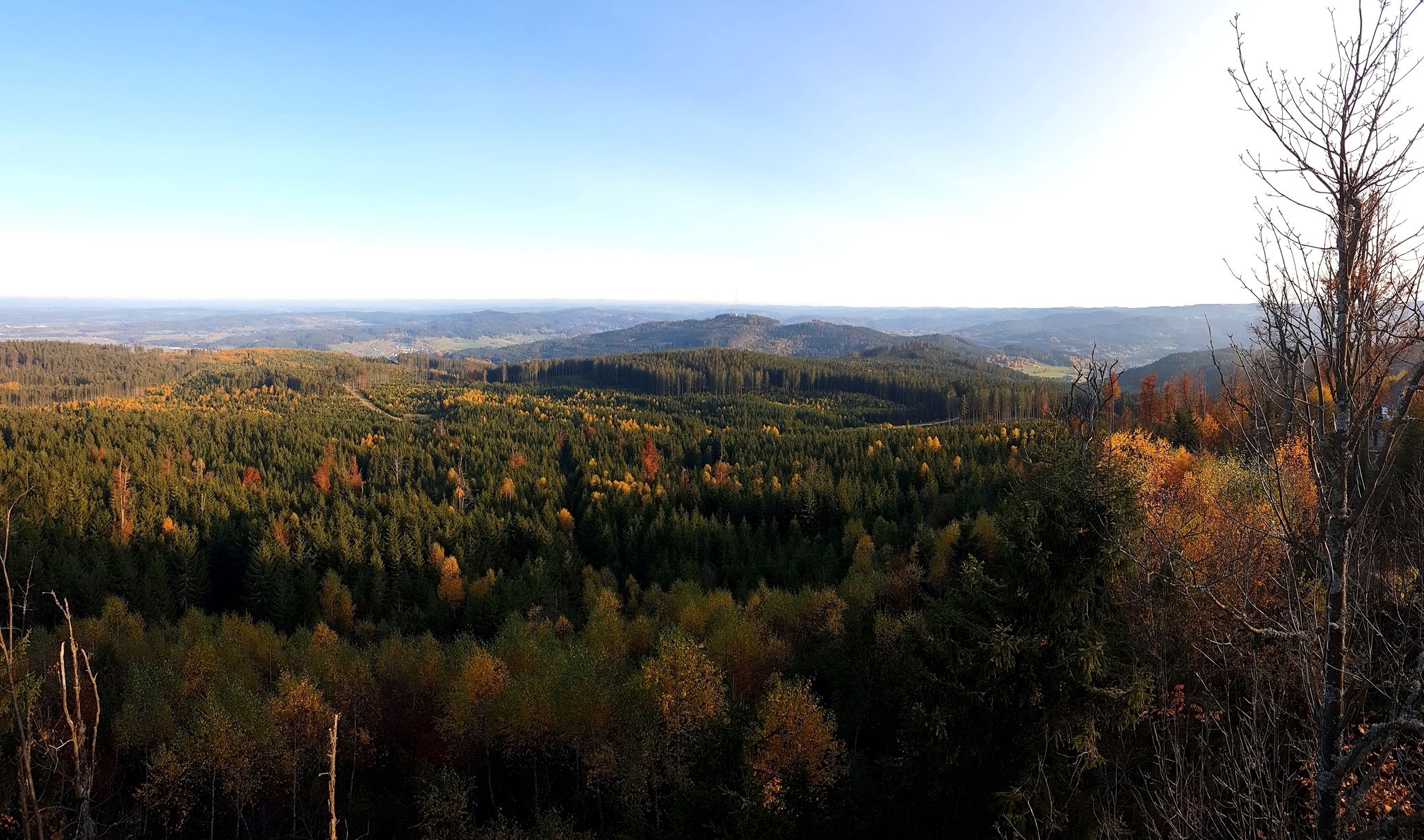
Nordwaldkamm trail – Hiking between the Czech Republic and Austria
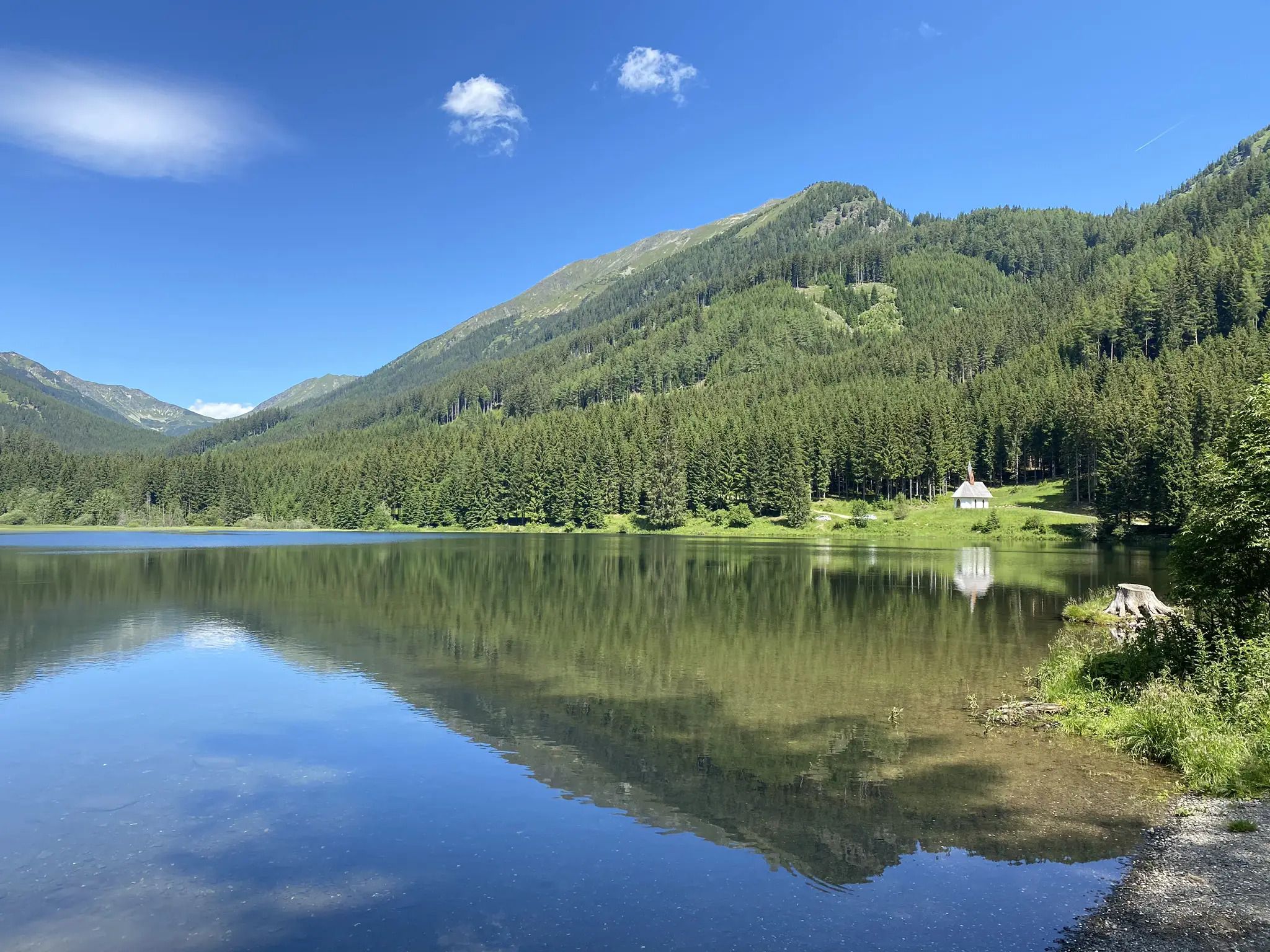
Eisenwurzen Trail – Hiking through Austria from north to south
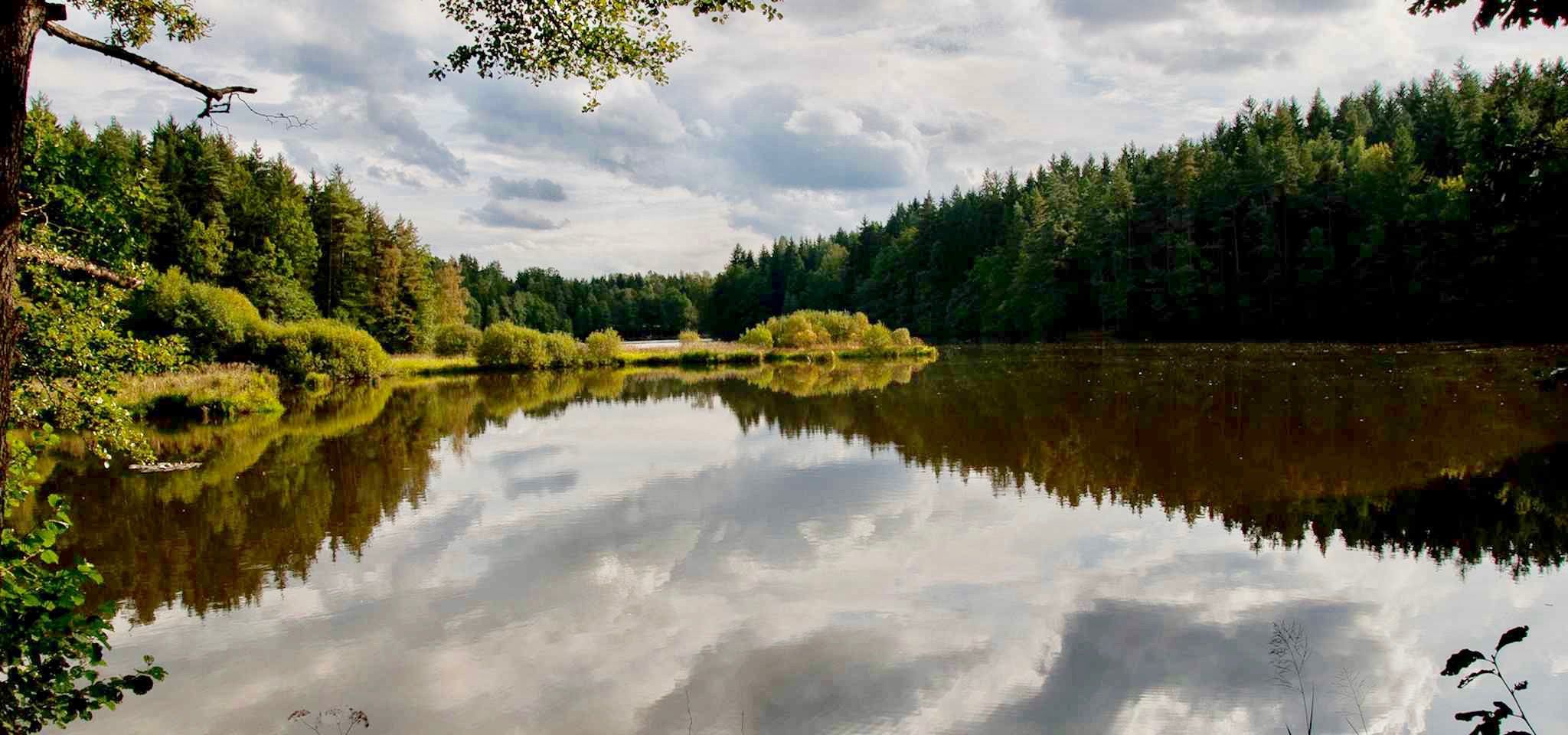
Where history meets nature at its finest – trekking along the river Lainsitz
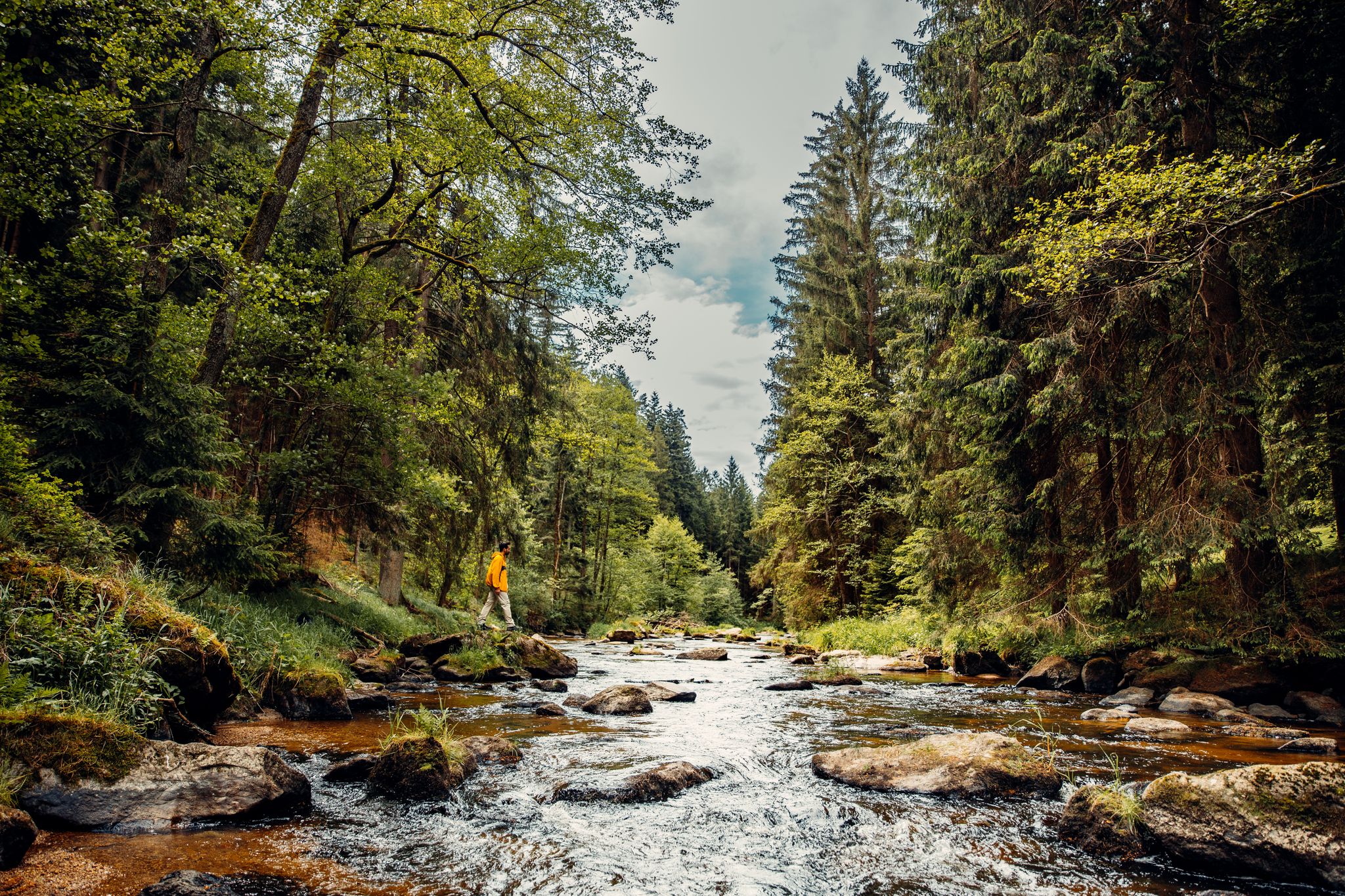
Cliffs, a gorge and vineyards – day hikes in the Waldviertel
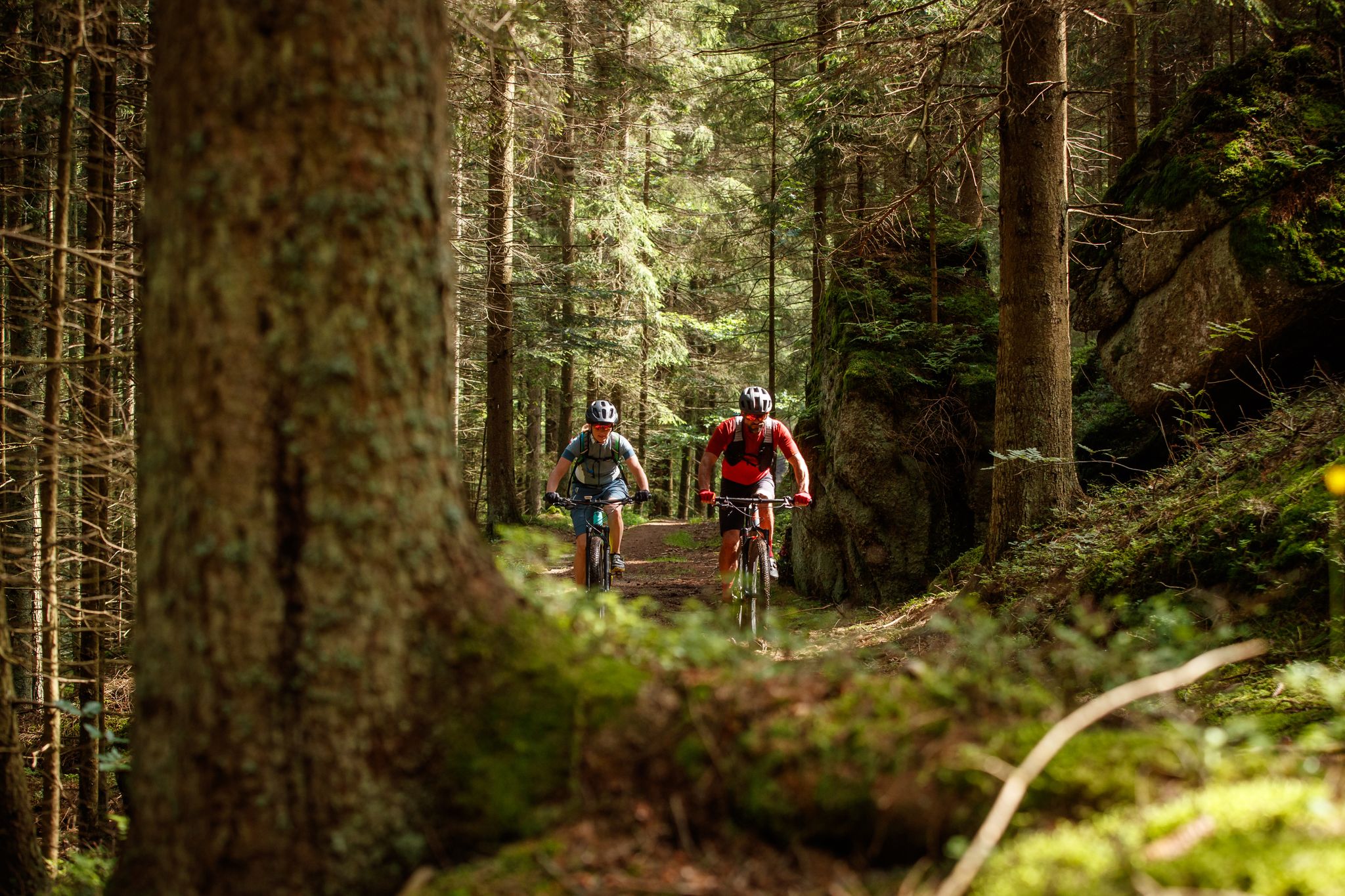
Between bizarre rocks and pristine forests – MTB in the Waldviertel
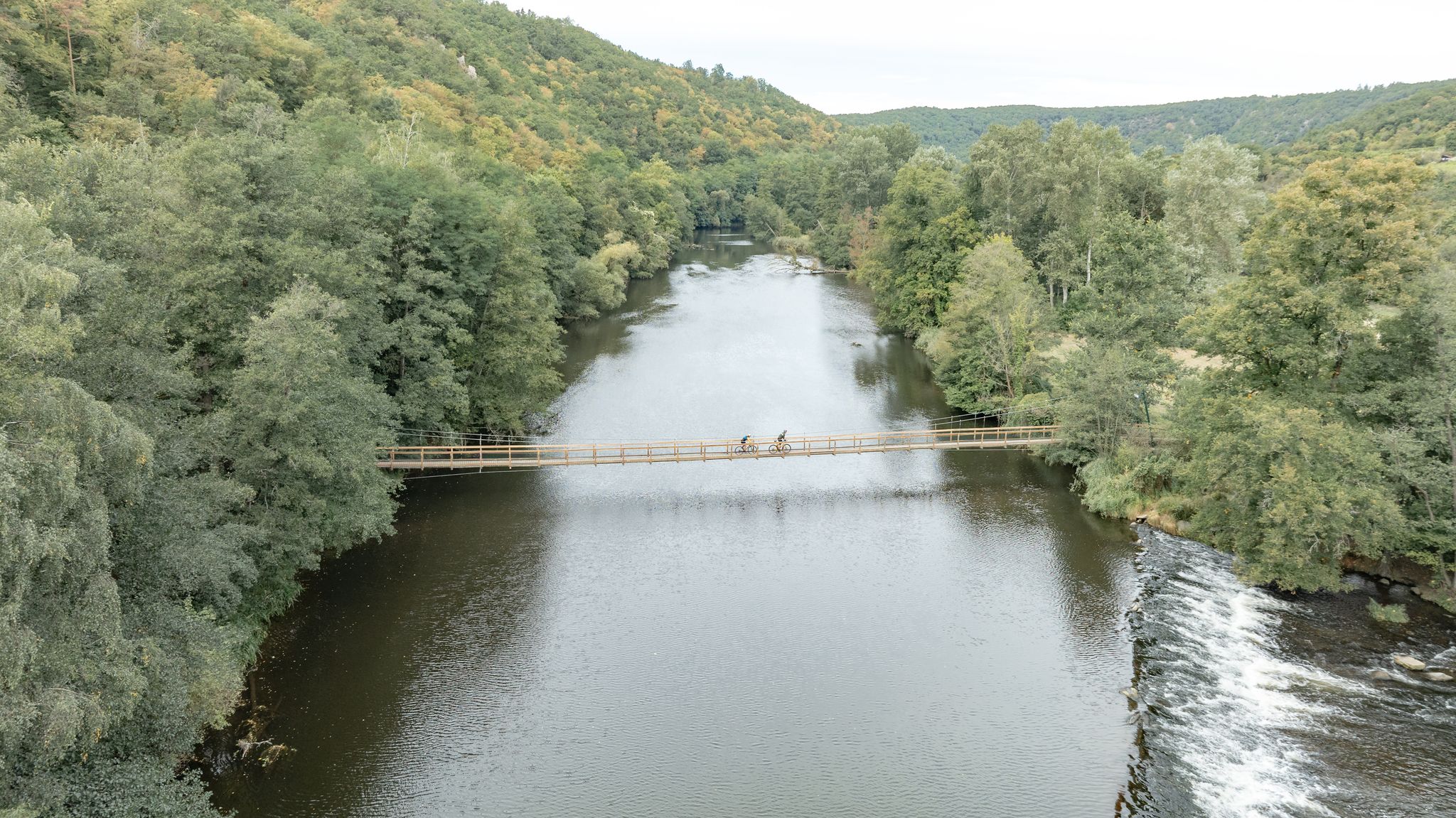
Long and short cycling Tours in the Waldviertel
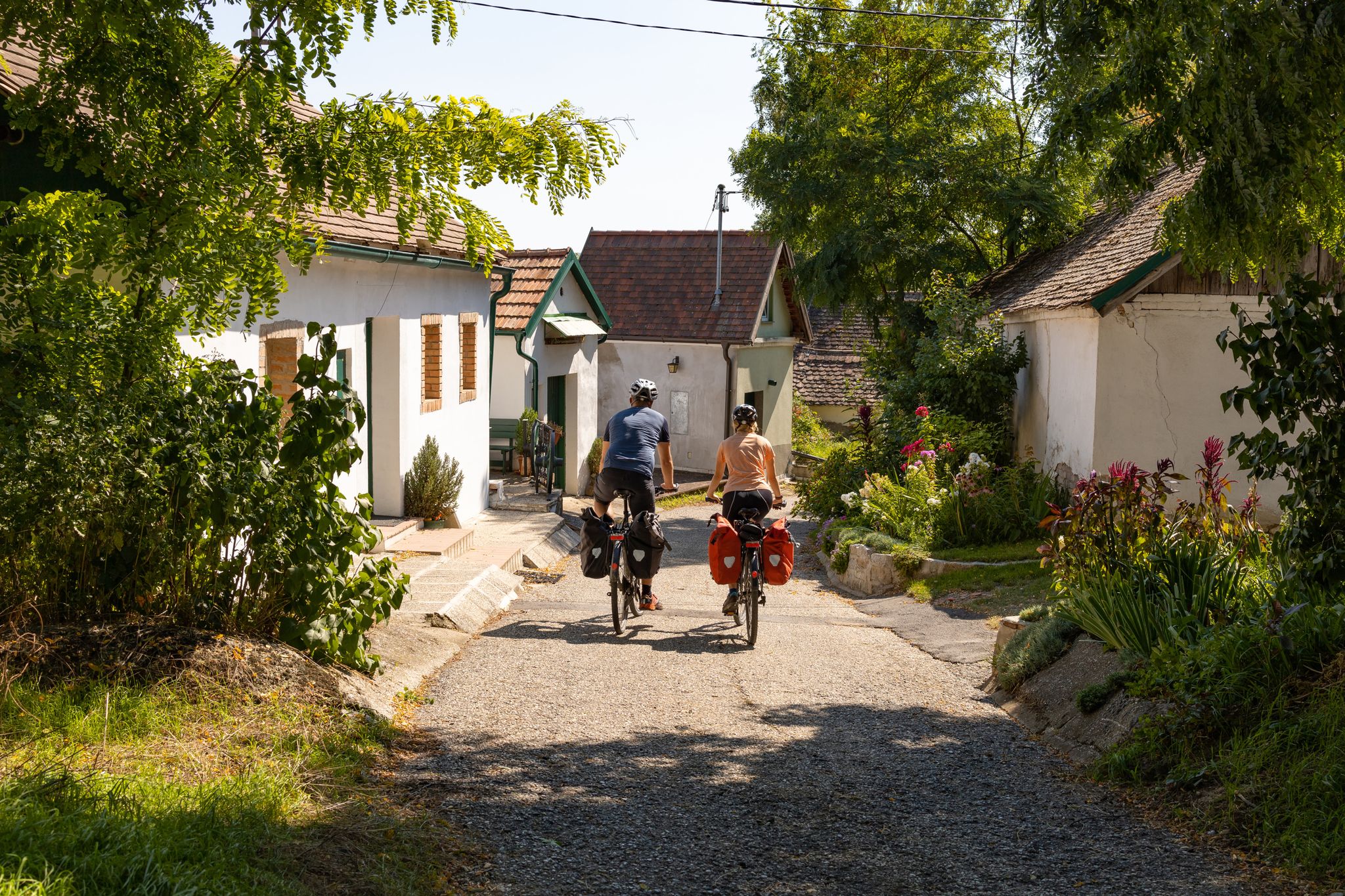
The most beautiful bike discovery Tours in Lower Austria
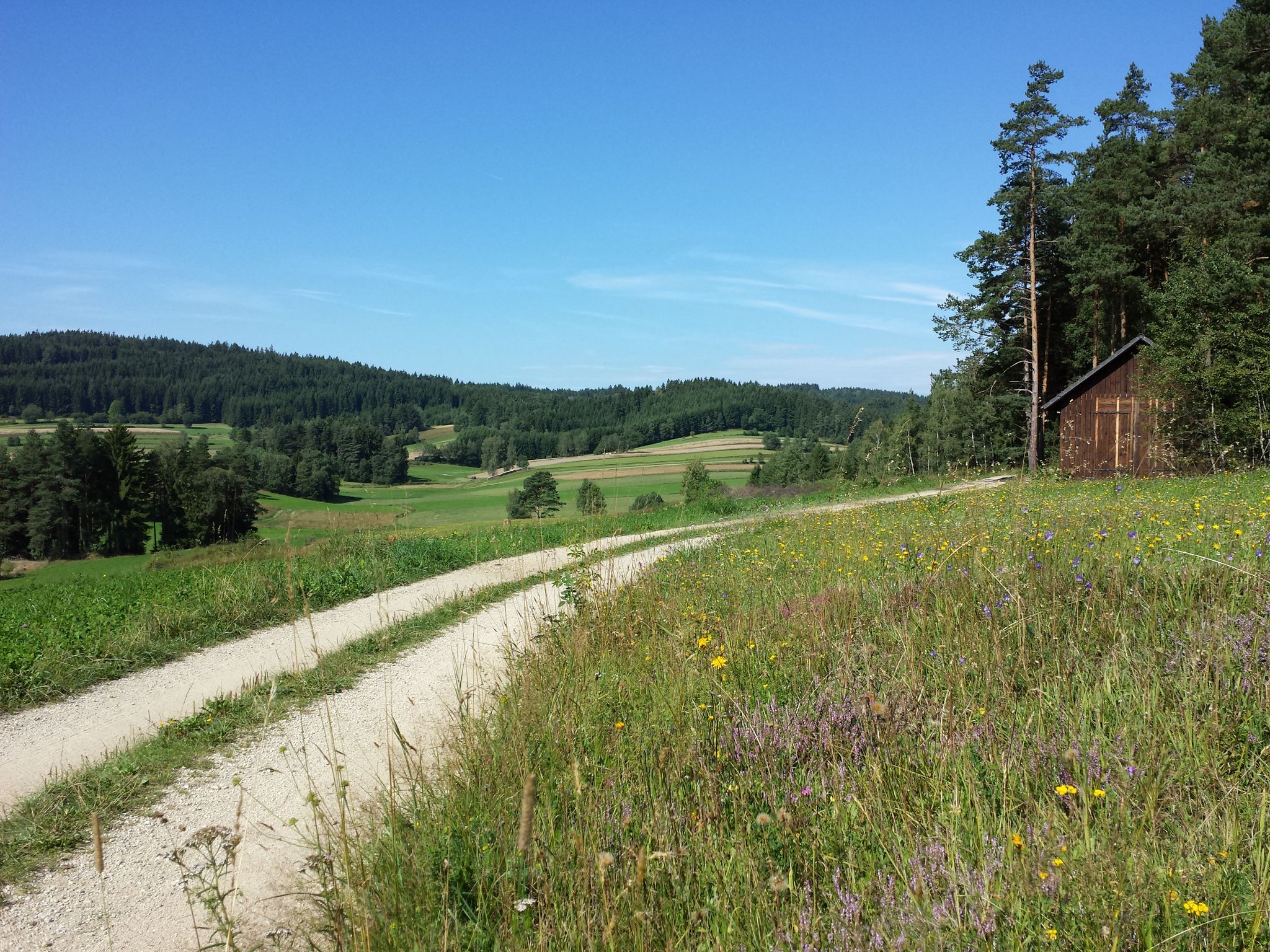
An MTB adventure in Austria's loneliest region – Granite Trail
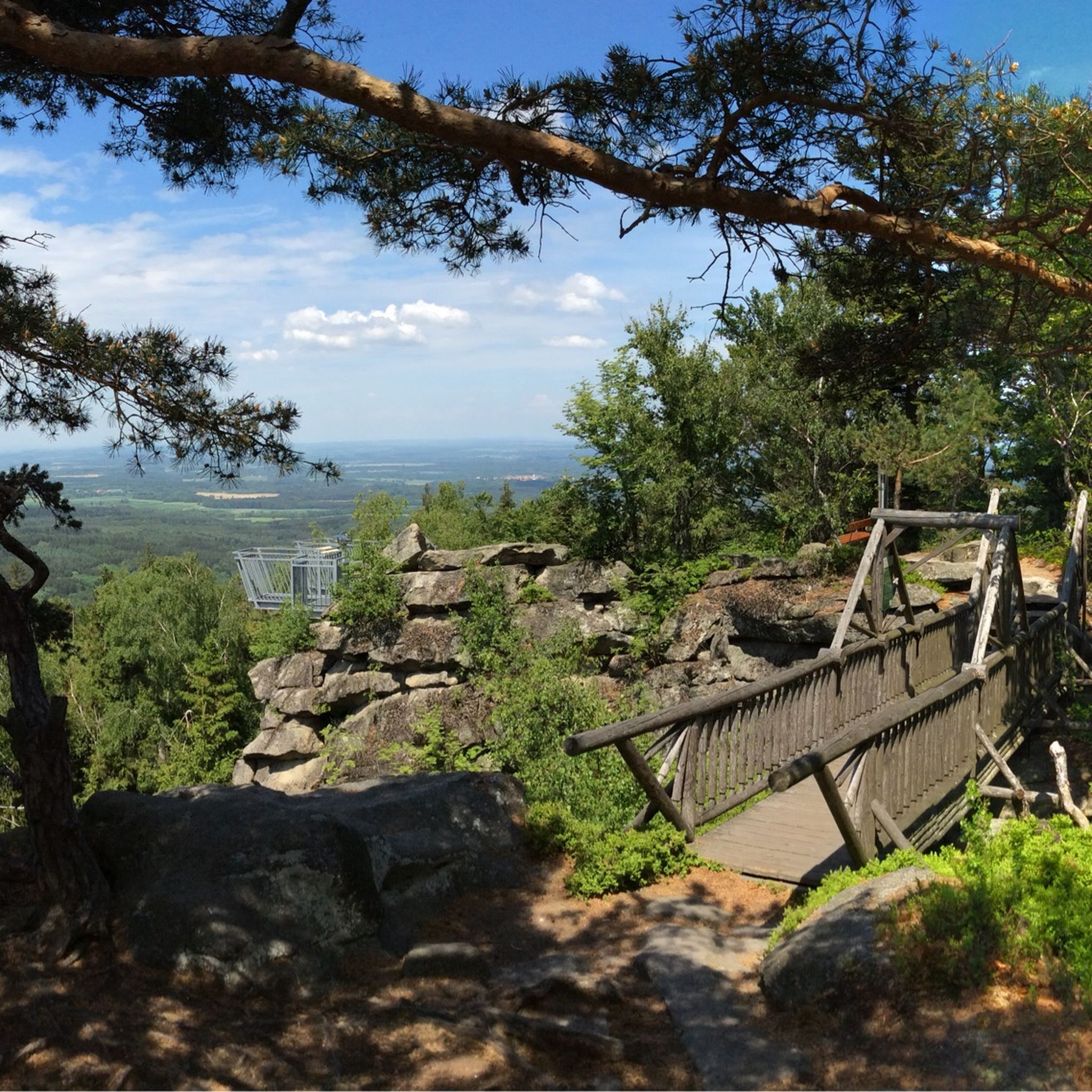
Hiking in Gmünd
Other adventures in Gmünd


Tips from the Community

In the cool Fleischbankhöhle cave, food (meat) was stored in the past
0
0

If you are quiet, you might be lucky enough to observe some amphibians here.
0
0

Impressive rock formations in the forest
0
0

Physical forces are truly something amazing... The wobbly stone in a sparse coniferous forest near Amaliendorf weighs 105 tons - and can still be set in motion! That's why the granite giant is a minor celebrity in the Waldviertel. [waldviertel.at]
2
0
Don't be put off by the dark brown water of the natural bathing pond, as the local population has always said that the boggy water has healing properties. The bathing pond is fed with water directly from the Schrems high moor. [schrems.at]
2
0


Since the forest is quite dense, the best view is from the platform!
1
0

The heart of the nature park is the raised moor near the town of Heidenreichstein in the northwestern Waldviertel. The open moor areas and the forest on the edge of the Winkelauer Pond bear witness to a vegetation history that goes back more than 10,000 years. Areas of peat moss, sundew and cotton grass give an idea of the original moorland landscape.
2
0
Frequently Asked Questions
What are the unique geological features found among Gmünd's natural monuments?
Gmünd is renowned for its distinctive granite formations, particularly the mythical "Wackelsteine" or wobble stones. These massive boulders, shaped by millions of years of natural forces, appear to balance precariously. A notable example is the Wackelstein, a 105-ton granite giant that can be set in motion. Another intriguing formation is the "Hängender Stein" (Hanging Stone) in the Heidenreichstein Moor, which appears to float effortlessly above the ground.
Are there family-friendly natural monuments to visit in Gmünd?
Yes, several natural monuments in Gmünd are excellent for families. The Blockheide-Gmünd-Eibenstein Nature Park features well-signposted themed trails, a nature playground, and picnic areas. The Schrems High Moor and the Heidenreichstein Moor also offer nature trails with boardwalks and visitor centers, including nature playgrounds, making them suitable for all ages. The Underwater Realm Aquariums is another family-friendly highlight where you can learn about local aquatic life and see otters.
What kind of wildlife and plant species can I expect to see?
The natural monuments in Gmünd are home to diverse ecosystems. In the Blockheide-Gmünd-Eibenstein Nature Park, you might encounter rare plant and animal species such as the marsh grasshopper and common heather. The Heidenreichstein Moor, a protected Natura 2000 habitat, is particularly rich in specialized plants like peat moss, sundew (a carnivorous plant), and cotton grass, as well as various dragonflies (like the northern moss damsel) and moor frogs.
Can I go hiking near the natural monuments in Gmünd?
Absolutely! The region around Gmünd offers numerous hiking opportunities. You can explore trails like the Nebelstein Panoramic Trail or the NatURknallweg. For specific routes around the natural monuments, consider the "Devil's Bed – Christoph-Stein Rock Formation loop from Gmünd" or the "Underwater Realm Aquariums – Schrems High Moor loop from Schrems." You can find more details and routes in the Hiking in Gmünd guide.
What is the Heidenreichstein Moor, and what makes it special?
The Heidenreichstein Moor is a significant high moor in the northwestern Waldviertel region, often compared to Swedish national parks. Covering 30 hectares, it's a prime example of a raised moor ecosystem, preserving over 10,000 years of vegetation history in its peat. It features a dedicated nature trail with wooden boardwalks (Gemeindeau Moor Boardwalk) allowing visitors to explore its unique flora and fauna, including rare species like sundew and moor frogs. It also hosts the mysterious "Hängender Stein" (Hanging Stone).
What is the Blockheide-Gmünd-Eibenstein Nature Park known for?
The Blockheide-Gmünd-Eibenstein Nature Park, located near the Czech border, is renowned for its distinctive granite formations, especially the mythical "Wackelsteine" (wobble stones). It also features a 30-meter high Blockheide Observation Tower offering panoramic views and an exhibition on the geological origins of the wobble stones. The park boasts a varied landscape of meadows, forests, and heathland, with hidden forest ponds and natural stream valleys, and is crossed by the 15th meridian east.
Are there any observation points offering panoramic views?
Yes, the Blockheide Observation Tower is a prominent viewpoint in the Blockheide-Gmünd-Eibenstein Nature Park. This 30-meter high wooden tower provides panoramic views of the surrounding heathland and allows visitors to observe a wobble stone directly. Additionally, the Nebelstein Hut, located near the summit of Nebelstein, also offers great views and is a popular destination for hikers.
What is the best time of year to visit the natural monuments in Gmünd?
The natural monuments in Gmünd can be enjoyed throughout the year, but each season offers a different experience. Spring and autumn are ideal for hiking, with pleasant temperatures and beautiful foliage. Summer allows for full enjoyment of the outdoor facilities and longer daylight hours. The unique landscapes, especially the moorlands and granite formations, also offer a mystical charm in winter, though some trails might require appropriate gear.
Are there options for cycling or gravel biking near these natural monuments?
Yes, the Gmünd region provides opportunities for cycling and gravel biking. You can find routes like the "Moorkugel – Nebelstein Hut loop from Moorbad Harbach" which takes you through scenic areas. For more gravel biking options, refer to the Gravel biking in Gmünd guide.
Are there any natural monuments related to water features like springs or lakes?
Yes, the region features several water-related natural monuments. The Lainsitz Spring is a notable natural monument. Additionally, the Schrems Moor Bath offers a lake environment, and the Underwater Realm Aquariums focuses on the beauty and diversity of local fish and aquatic life.
Can I bring my dog to the natural monuments in Gmünd?
Many outdoor areas in Gmünd, including parts of the natural monuments, are dog-friendly. For example, the Nebelstein Hut welcomes dogs. However, it's always recommended to keep dogs on a leash, especially in nature reserves like the Heidenreichstein Moor, to protect wildlife and ensure a pleasant experience for all visitors. Check local signage for specific rules.
What facilities or visitor centers are available at the natural monuments?
The Blockheide-Gmünd-Eibenstein Nature Park features an observation tower with an exhibition. The Heidenreichstein Moor has a Nature Park Center and a moor museum for educational insights, along with a nature playground. The Underwater Realm Aquariums also serves as a visitor center with facilities and educational exhibits.
Most popular routes in Gmünd
Most popular attractions in Gmünd

Get inspired with the komoot mobile app


Didn’t find what you were looking for?
Find even more amazing natural monuments in Gmünd by checking out the top Highlights region by region:
Explore more
Extend your search for the best caves by checking out these guides of the top ones in Gmünd:
