The best family-friendly hikes and walks in Forst Zinna-Jüterbog-Keilberg
4.5
(1207)
4,856
hikers
583
hikes
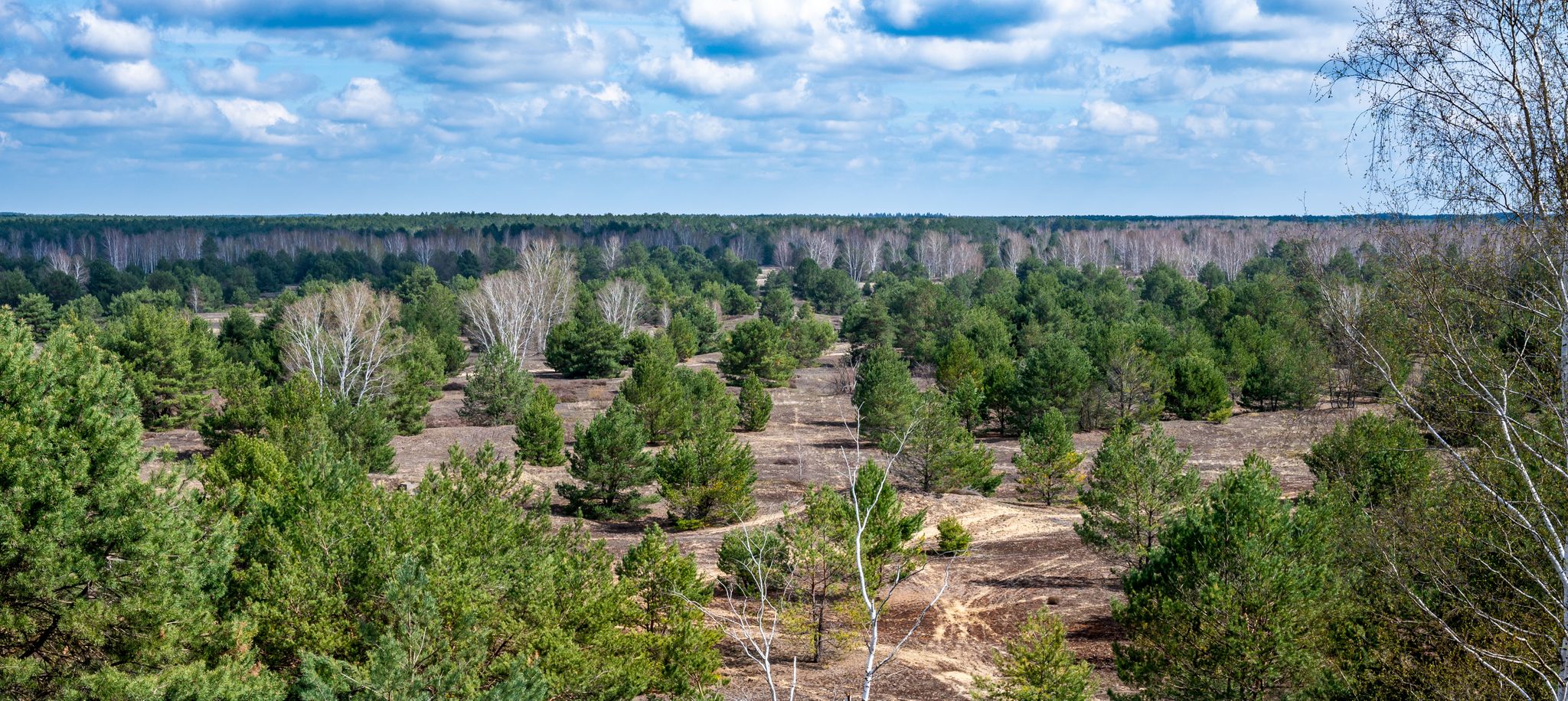
Family friendly hiking trails in Forst Zinna-Jüterbog-Keilberg traverse a diverse landscape characterized by inland sand dunes, heathland, and varied forest types including pine, oak, and birch. The region features low elevations, with the Keilberger Höhe offering viewpoints over the surrounding countryside. Wetlands and waterways are also present, adding to the ecological diversity. This area, a former military training ground, is now a nature reserve with dynamic natural development.
Best family friendly hiking trails in Forst Zinna-Jüterbog-Keilberg
- The most popular family…
Last updated: July 9, 2026
4.5
(68)
239
hikers
Easy hike. Great for any fitness level. Easily-accessible paths. Suitable for all skill levels.
4.4
(10)
34
hikers
Moderate hike. Good fitness required. Easily-accessible paths. Suitable for all skill levels.

Sign up for free
10
hikers
Easy hike. Great for any fitness level. Easily-accessible paths. Suitable for all skill levels.
4.7
(38)
141
hikers
Easy hike. Great for any fitness level. Easily-accessible paths. Suitable for all skill levels.
2.5
(2)
11
hikers
8.45km
02:08
20m
20m
Moderate hike. Good fitness required. Easily-accessible paths. Suitable for all skill levels.
Get access to more routes and recommendations from other explorers.
Sign up for free
Already have an account?
Our route recommendations are based on thousands of hikes, rides, and runs completed by other people on komoot.
Start today with a free account
Your next adventure awaits.
Login or Signup
Popular around Forst Zinna-Jüterbog-Keilberg
Other adventures in Forst Zinna-Jüterbog-Keilberg

Tips from the Community

Beautifully idyllic gravel pit lake located on the former military training area. Pure relaxation and not far away is the small gravel pit lake, which almost reaches the roadside, but is hardly recognizable. The two lakes south of Frankenfelde were created in 2002 during dredging as a compensatory and replacement measure for the construction of the new B 101.
1
0
Three kilometers north of the Jüterbog district of Kloster Zinna is the former military area Forst Zinna, which is bordered on the east by the course of the Nuthe and on the west by the new federal highway 101 and the Berlin-Halle railway line. The former military training area Jüterbog (historical Jüterbog shooting range) extends to the west and beyond the railway line. In 1934, as part of German rearmament, another military camp was set up on the edge of the training area. In addition to the existing camps "Old Camp" and "New Camp", the new military area was given the name "Camp III" in chronological order. A provision store and a train station were installed next to the troop camp. Source https://www.rottenplaces.de/main/panzerkaserne-forst-zinna-34431/
3
0
... The Socialist Unity Party of Germany (SED) claimed from 1947 - according to a decision - some areas of the area for the founded German Administrative Academy (DVA) "Walter Ulbricht". This included cinema and theater halls, restaurant rooms, sports facilities in a pleasing architecture to ensure ideal academy conditions. The facility was intended to train the political elites for the gradual self-government of the Soviet occupation zone and the GDR, which was founded in 1949. Important artists were engaged for the academy and the expansion of the facility, including the Yugoslavian architect Selman Selmanagić (1905-1986), a representative of the Dessau Bauhaus, who designed the furniture for the administration academy in Forst Zinna in 1947. After the administration academy moved to Potsdam-Babelsberg, the Soviet army claimed the area again and built a new facility for a construction battalion. A self-sufficient military area was created, with several administration buildings, farm buildings, a cinema and a zoo. Although Forst Zinna still has numerous buildings on a huge area, most of the military installations and buildings were already removed as part of the conversion. In 2007, demolition work began on the site. In the future, there are plans to completely unseal the area and renaturalize it – potential commercial areas should be kept free. The former provision store from the Wehrmacht era – consisting of two storage buildings, a warehouse, a gatehouse and a residential building – is a listed building. Source http://www.rottenplaces.de/main/panzerkaserne-forst-zinna-34431/
1
1
Three kilometers north of the Jüterbog district of Kloster Zinna is the former military area Forst Zinna, which is bordered on the east by the course of the Nuthe and on the west by the new federal highway 101 and the Berlin-Halle railway line. The former military training area Jüterbog (historical Jüterbog shooting range) extends to the west and beyond the railway line. In 1934, as part of German rearmament, another military camp was set up on the edge of the training area. In addition to the existing camps "Old Camp" and "New Camp", the new military area was given the name "Camp III" in chronological order. A provision store and a train station were installed next to the troop camp. According to several sources, the Schutzstaffel (SS) was the first user of the area. The Jüterbog artillery school used the camp to set up observation departments for the artillery troops from 1935. The Lehrstab T, which trained drivers for tracked vehicles, was also stationed here from 1949. "Lager III" was supplemented by a preparation department for the assault gun developed in Jüterbog (full-track armored vehicles of the assault artillery equipped with an artillery gun). Until the end of the Nazi dictatorship, parts of the RAD Infantry Division "Friedrich Ludwig Jahn" stationed in Jüterbog were quartered on the site. After the end of the Second World War, the Soviet occupying power operated a DP camp (DP = Displaced Persons) on the former Wehrmacht military premises, an internment camp in which members of different countries were collected, often against their will, and then deported to their countries of origin... Source http://www.rottenplaces.de/main/panzerkaserne-forst-zinna-34431/
1
0
The source of the Pfefferfliess is approx. 100 m away
0
0

You need to be in good physical condition to get here, because the sandy path to get there is very strenuous. But once you get there, the view is rewarding and the silence is glorious. There are no benches to rest, take enough water with you.
0
0

The Jüterbog Wilderness Area was used for military purposes for over 150 years. What remained was a huge, contiguous area that is uninhabited and without roads. Today it is a nature reserve and offers a habitat for rare species such as wolves, Bechstein's bats, and hoopoes. The landscape diversity in the wilderness area ranges from sand dunes, heathland, and pioneer forests in the central area to wetlands and older forests in the peripheral zones. On this trail, you can discover how nature can develop dynamically without human intervention. The sparse sandy soils are prepared by grasses, mosses, and lichens. Gradually, heathland spreads over the barren ground, providing a habitat for many rare insect and bird species. Without further disturbance, a semi-open landscape can develop, and it doesn't take long for the first small pioneer trees to settle among the heathland. Over the years, the trees grow steadily larger, so that the primeval forests of tomorrow are slowly developing in the wilderness area. In the wilderness areas, development is never complete. Storms, for example, create open spaces in different places, where natural growth begins anew. This is what constitutes the special character of wilderness.
1
0
Frequently Asked Questions
How many family-friendly hiking trails are there in Forst Zinna-Jüterbog-Keilberg?
Forst Zinna-Jüterbog-Keilberg offers a wide selection of routes suitable for families. You'll find over 300 easy hiking trails, perfect for outings with children, alongside many moderate options.
What kind of landscapes can families expect to see on these trails?
Families can explore a unique mix of landscapes, from the surreal inland sand dunes and vast heathlands to diverse forests of pine, oak, and birch. The region also features wetlands and picturesque waterways, offering varied scenery and ecosystems to discover.
Are there any easy circular routes suitable for families?
Yes, there are several excellent circular routes ideal for families. Consider the Felgentreu circular hiking trail, which is easy and takes you through the Jüterbog wilderness area. Another great option is The hiking trail Wurzelberg, also easy and offering insights into the wilderness.
Can we bring our dog on these family-friendly hikes?
Many trails in Forst Zinna-Jüterbog-Keilberg are dog-friendly, allowing your furry family members to join. Always keep dogs on a leash, especially in nature reserve areas, to protect wildlife and ensure a pleasant experience for everyone.
What are some interesting natural sights or landmarks to look out for with kids?
The region is rich in natural wonders. Don't miss the Wandering dune in Naturpark Nuthe-Nieplitz, a fascinating relic of the last ice age. The Heathland near Jüterbog offers expansive views, and the Keilberg rest area provides a fantastic vantage point over the surrounding countryside. You can also find the Entrance to the Jüterbog Wilderness Area (Wurzelberg Trail) with information boards.
Are there trails suitable for strollers or very young children?
While some paths are sandy, many of the easy trails, particularly those designated as family-friendly, are generally suitable for strollers with robust wheels. The flatter sections of routes like The Felgentreu circular hiking trail are often manageable for younger children and strollers.
How can we get to the trailheads using public transport?
Public transport options are available to reach the vicinity of Forst Zinna-Jüterbog-Keilberg. From Jüterbog, local buses can take you closer to various entry points of the wilderness area. It's advisable to check local bus schedules for the most direct access to specific trailheads.
Where can we park our car when visiting these trails?
Designated parking areas are available at key entry points to the hiking trails, such as near Wanderweg Wurzelberg and Felgentreu. These spots often serve as starting points for popular routes, including those leading to the sand dunes and wilderness area.
What is the best time of year to go hiking with family in Forst Zinna-Jüterbog-Keilberg?
Spring and autumn offer pleasant temperatures and beautiful scenery, making them ideal for family hikes. Spring brings blooming heathland, while autumn showcases vibrant forest colors. Summer can be warm, so early mornings or late afternoons are best, and winter offers a unique, quiet experience if trails are clear.
Are there any places to eat or grab a snack near the family-friendly trails?
While the wilderness area itself is largely undeveloped, you can find cafes and restaurants in nearby towns like Jüterbog. Some trailheads or villages on the outskirts of the nature reserve may also offer small eateries or places to buy snacks and drinks.
What do other hikers say about the family-friendly trails in this region?
The area is highly rated by the komoot community, with an average score of 4.5 stars. Reviewers often praise the quiet, natural beauty of the wilderness area, the unique sand dunes, and the well-marked paths that make it easy to explore with children.
What kind of wildlife might we spot on a family hike?
The Jüterbog Wilderness Area is a habitat for rare species. Keep an eye out for various birds, including hoopoes, and if you're very lucky, you might spot signs of wolves or Bechstein's bats. The diverse ecosystems support a range of smaller mammals, insects, and amphibians.
Most popular routes in Forst Zinna-Jüterbog-Keilberg
Most popular attractions in Forst Zinna-Jüterbog-Keilberg

Get inspired with the komoot mobile app


Explore more
Browse the best Hikes in other regions.
