Chko Litovelské Pomoraví
Chko Litovelské Pomoraví
The best traffic-free bike rides in Chko Litovelské Pomoraví
3.6
(5)
162
riders
4
rides
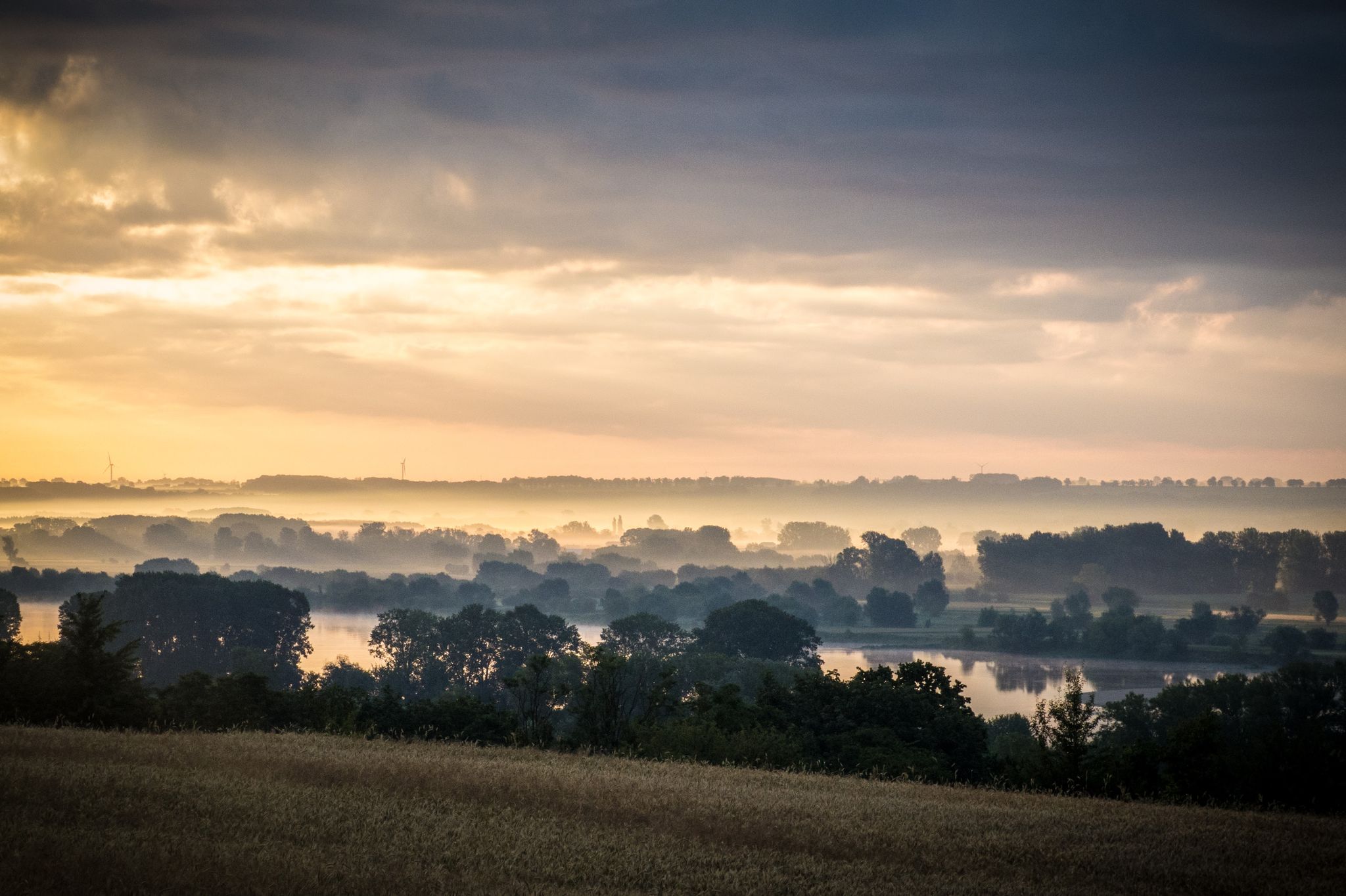
Litovelské Pomoraví no traffic bike routes traverse a unique river landscape in Central Moravia, characterized by the naturally meandering Morava River. This area features an intricate network of river arms, vast floodplain forests, extensive wetlands, and meadows. The terrain is predominantly flat, offering minimal elevation changes, which makes it suitable for various road cycling abilities. The region's natural features provide a scenic backdrop for car-free cycling.
Best no traffic road cycling routes in Chko Litovelské Pomoraví
- The most popular no…
Last updated: October 25, 2026
3.0
(1)
13
riders
41.6km
01:59
90m
90m
Moderate road ride. Some segments of this route may be unpaved and difficult to ride.
2
riders
29.8km
01:21
240m
240m
Moderate road ride. Some segments of this route may be unpaved and difficult to ride.

4.0
(1)
10
riders
57.0km
02:41
580m
580m
Moderate road ride. Good fitness required. Some segments of this route may be unpaved and difficult to ride.
18
riders
47.4km
02:23
650m
650m
Moderate road ride. Good fitness required. Some segments of this route may be unpaved and difficult to ride.
Our route recommendations are based on thousands of hikes, rides, and runs completed by other people on komoot.
Start today with a free account
Your next adventure awaits.
Popular around Chko Litovelské Pomoraví

Other adventures in Chko Litovelské Pomoraví

Tips from the Community

Permanent gallery of the academic painter Lubomír Bartoš On the third floor of the castle, there is a gallery of academic painter Lubomír Bartoš presenting a cross-section of the artist's work. It was established in 2002. The master's typical handwriting can be found especially on oil paintings, still lifes, portraits and above all on landscape paintings with motifs from his favorite region, Northern Moravia.
2
0

History The castle was built on the border of the old settlement area and the royal forest, so originally it probably served as the seat of the ruler and his team during hunting. Its form, inspired by French castles, indicates that the founder was King Wenceslaus I or Przemysł II Ottokar. The first written record of him appeared in 1260 in the nickname of Idíka (Egidia) from the family of the lords of Švábenice. From 1276, Úsov was in the direct possession of the king, except for a short period around 1330–1350, when it was pledged to the Šternberk family. Later, the local goods were owned by the son of John of Luxembourg, the Moravian margrave Jan Henryk, who made sure that the castle was repaired and renovated. In the years 1375–1405 Úsov belonged to margrave Jodok, who made the castle an important base for his troops participating in Moravia in the so-called the wars of the margraves. This bloody conflict with brother Prokop had to affect the condition of the castle, because in 1405 the then owners of the pledge, Otto and Albrecht of Kurovice, had to spend 100 pennies on repairing the damage. In 1416, Úsov fell into the hands of a wealthy family of Vlašim lords who most likely rebuilt the residential part of the castle after the Hussite Wars. At the end of the 15th century, brothers Karel and Jiří of Vlašim made another late Gothic reconstruction, including the construction of the south-eastern building and the adaptation of the castle to defense with firearms. In 1513, the castle passed through inheritance to Ladislav of Boskovice. Both he, his son Krzysztof and his nephew Jan Jetřich carried out construction works at the castle, mainly to increase the quality of life and increase the living space. After the death of Jan Šember of Boskovice in 1597, the castle passed to the Lichtenstein family through family marriages. Its role then decreased to the seat of officials and a residence needed by the owners only for the time of hunting in the nearby forests. During the Thirty Years' War the castle was burnt down by the Swedish army. Its reconstruction after 1650 resulted in a significant change in the original appearance and the transformation of the former castle into an early modern residence. The Lichtenštejns owned it until nationalization in 1945. https://medievalheritage.eu/pl/strona-glowna/zabytki/ Bohemy/usov-zamek/ https://www.youtube.com/watch?v=9tS5HtQSFig https://www.youtube.com/watch?v=L51ySKlMBi4
5
0

Originally a Gothic castle, it is one of the most famous castles in Moravia. https://cs.wikipedia.org/wiki/%C3%9Asov_(z%C3%A1mek)
3
0
Úsov is a castle rebuilt into a chateau, since 1958 it is protected as a cultural monument of the Czech Republic. https://cs.wikipedia.org/wiki/%C3%9Asov_(z%C3%A1mek)
2
0
Frequently Asked Questions
How many no-traffic road cycling routes are available in Chko Litovelské Pomoraví?
There are currently 6 moderate no-traffic road cycling routes detailed in this guide for Chko Litovelské Pomoraví. These routes are designed to offer enjoyable rides away from vehicular traffic.
What kind of scenery can I expect on these no-traffic road cycling routes?
The routes primarily traverse the unique river landscape of the Morava River, featuring extensive floodplain forests, wetlands, and meadows. You'll experience the rare inland delta system, with its intricate network of river arms. The terrain is predominantly flat, offering picturesque views of a biodiverse environment. In spring, some areas are particularly beautiful with snowdrops and snowflakes.
Are the no-traffic road cycling routes suitable for beginners or families?
Yes, the predominantly flat landscape with minimal elevation changes makes many sections of the Chko Litovelské Pomoraví highly accessible for various skill levels, including beginners and families. While the routes in this guide are rated moderate, the region generally offers many easy paths. For example, the Roadbike loop from Olomouc-Hejčín is a good option with minimal elevation gain.
Are there any circular no-traffic road cycling routes?
Yes, all the routes listed in this guide are circular loops, designed to bring you back to your starting point. Examples include the Roadbike loop from Olomouc-Smetanovy sady and the Hrubá Voda – Štrazgrund loop from Bystrovany, offering varied distances and experiences.
Is parking available near the no-traffic road cycling routes?
Yes, parking is generally available in towns and villages bordering or within the protected area, such as Litovel or Olomouc, which serve as common starting points for many routes. It's advisable to check specific parking options for your chosen starting location.
Can I access the no-traffic road cycling routes using public transport?
Public transport options, including trains and buses with bicycle carriage services, are available in larger towns like Olomouc and Litovel. These towns provide convenient access points to the region's cycling network, allowing you to reach the starting points of many routes without a car.
What is the best time of year to enjoy no-traffic road cycling in Chko Litovelské Pomoraví?
Spring and summer are ideal for road cycling in Chko Litovelské Pomoraví. In spring, the floodplain meadows are particularly beautiful with blooming snowdrops and snowflakes. Summer offers pleasant temperatures for longer rides. The flat terrain makes it enjoyable throughout the warmer months.
Are there any specific attractions or landmarks to see along the no-traffic road cycling routes?
While the routes focus on natural beauty, the region offers several points of interest. You might pass by the House of Nature of Litovelské Pomoraví, the picturesque Nové Zámky area with its romantic structures, or lakes like Chomoutovské jezero and Moravičanské jezero. The Mladečské Jeskyně (caves) near the limestone peak of Třesín are also a notable attraction in the area.
Are dogs allowed on the no-traffic road cycling routes?
Generally, dogs are permitted on leashes on public paths within the Protected Landscape Area. However, specific nature reserves or protected zones might have stricter rules. Always ensure your dog is under control and respect local regulations and wildlife, especially in sensitive floodplain areas.
Are there places to eat or drink along the no-traffic road cycling routes?
Yes, towns like Litovel and Olomouc, as well as smaller villages along the routes, offer various cafes, pubs, and restaurants where you can refuel. It's a good idea to plan your stops in advance, especially on longer routes, to ensure you have refreshment options available.
How long are the no-traffic road cycling routes in this guide?
The no-traffic road cycling routes in this guide vary in length, offering options for different preferences. For instance, the Přehrada Lošov loop from Radíkov is approximately 34.6 km, while the Hrubá Voda – Větrný kopec [Dolany-Pohořany] loop from Velká Bystřice covers about 49.2 km.
Most popular routes in Chko Litovelské Pomoraví

Get inspired with the komoot mobile app


Explore more
Browse the best Road cycling routes in other regions.
