Top 20 Gorges around the Inn
Best canyons around the Inn are found in a region spanning parts of Switzerland's Engadin and Austria's Tyrol, characterized by dramatic gorges and canyons carved by the Inn River and its tributaries. These natural formations offer diverse experiences, from scenic hikes on established paths to adventurous canyoning routes. The area's geology provides unique landscapes, featuring impressive rock formations, clear waters, and rich flora.
Best canyons around the Inn
- The most popular canyons is Wolf Gorge, a gorge that features…
Last updated: July 6, 2026
Wolf Gorge
Highlight • Gorge
Translated by Google •
Tip by

Rosengarten Gorge
Highlight (Segment) • Gorge
Translated by Google •
Tip by

Sign up now to discover places like this
Get recommendations on the best single tracks, peaks, & plenty of other exciting outdoor places.
Sign up for free
Altfinstermünz Fortress and Bridge
Highlight • Castle
Translated by Google •
Tip by

Inn Gorge at Altfinstermünz
Highlight • Gorge
Translated by Google •
Tip by

Stone Cairns at the End of the Wolfsklamm Gorge
Highlight • Structure
Translated by Google •
Tip by

High Bridge (St. Georgenberg Covered Bridge)
Highlight • Bridge
Translated by Google •
Tip by

Wolf Gorge
Highlight (Segment) • Gorge
Translated by Google •
Tip by

Benni Raich Suspension Bridge
Highlight • Bridge
Translated by Google •
Tip by

Blue Grotto in Rosengarten Gorge
Highlight • Cave
Translated by Google •
Tip by

Waterfall on the Philosophenweg
Highlight • Waterfall
Translated by Google •
Tip by

Sign up for free to discover even more gorges around the Inn.
Sign up for free
Already have an account?
Start today with a free account
Your next adventure awaits.
Login or Signup
Popular around Inn
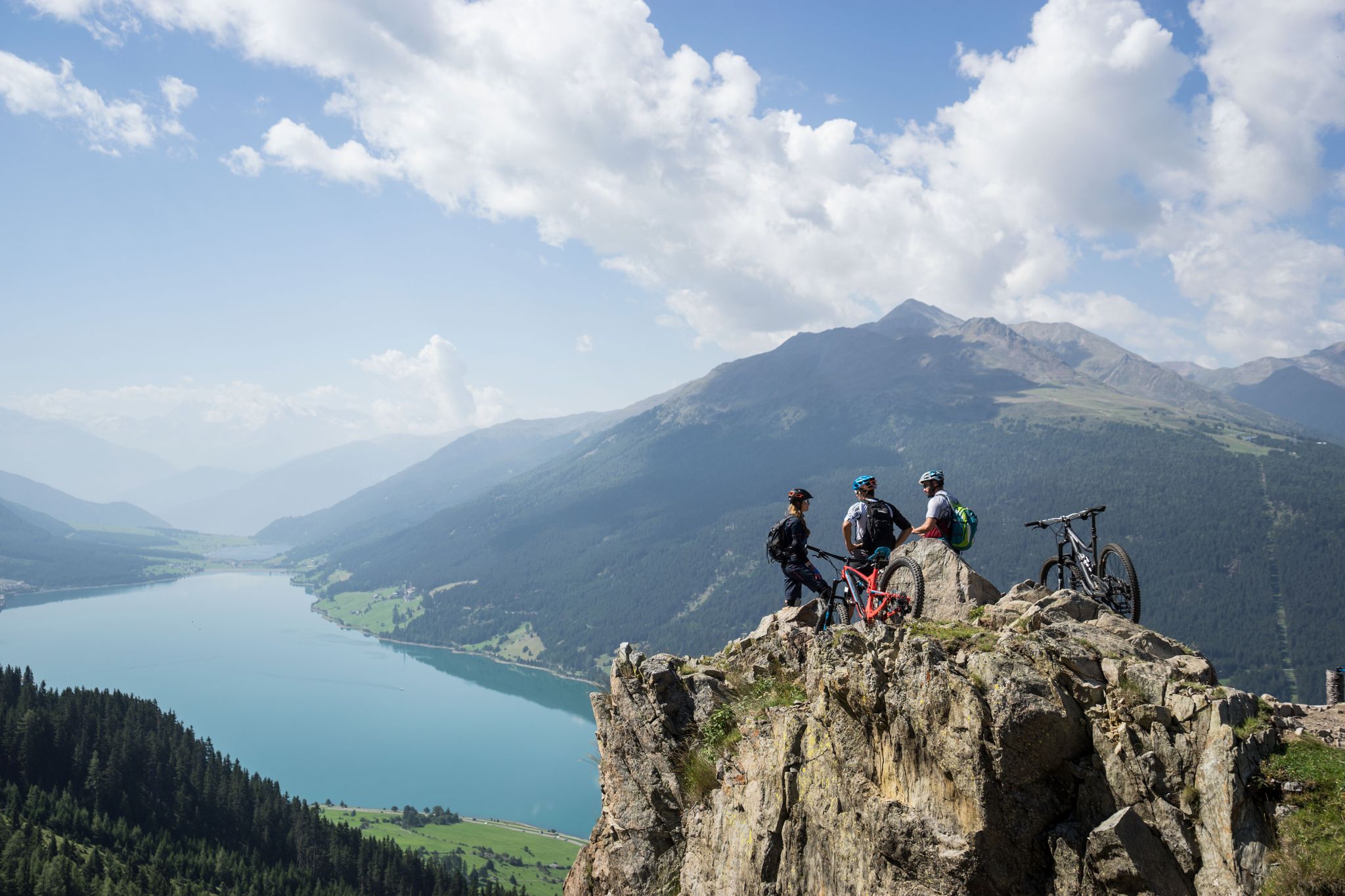
High into the Tyrolean mountain world – mountain biking in Tyrol
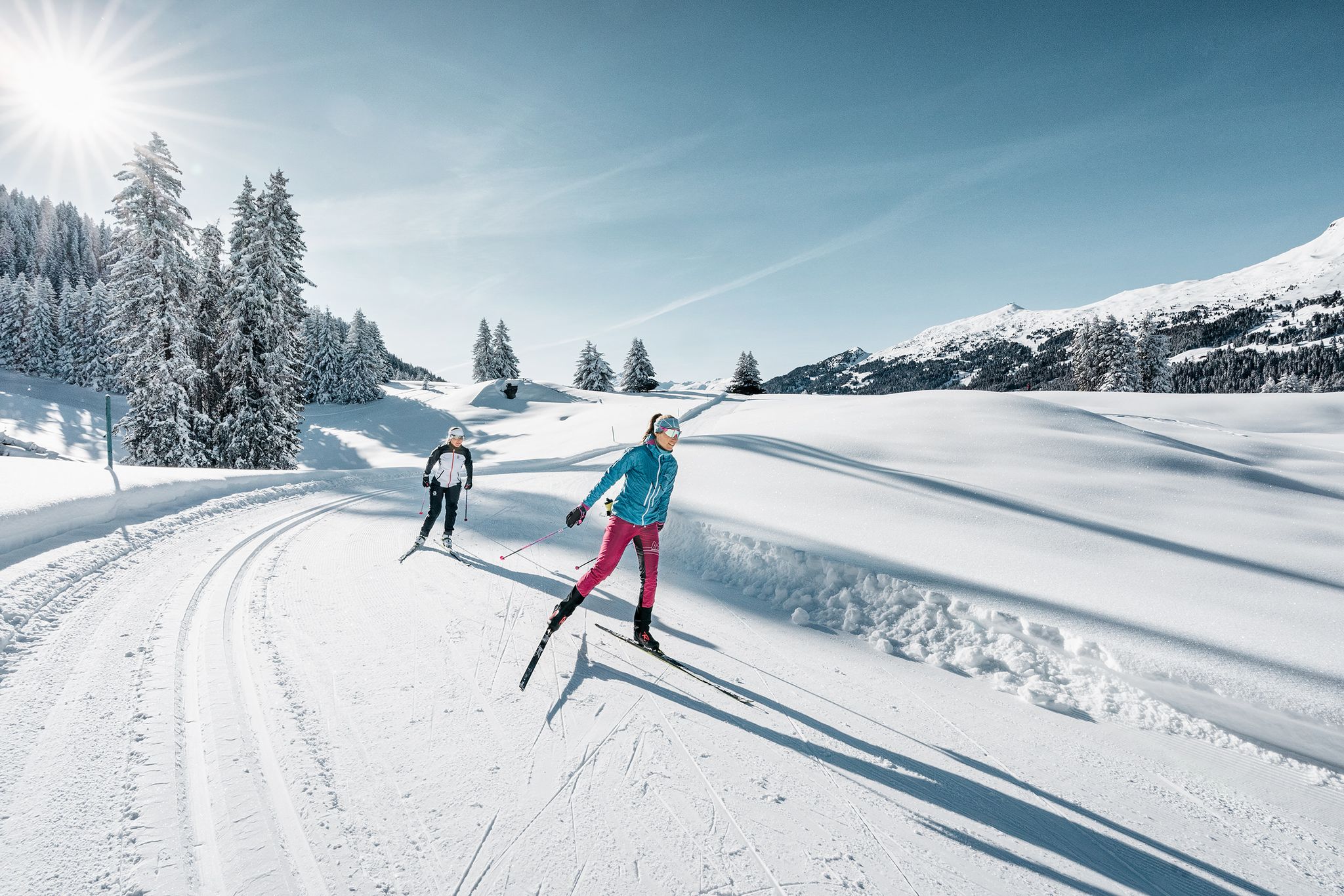
Cross-country skiing fever in the Graubünden region
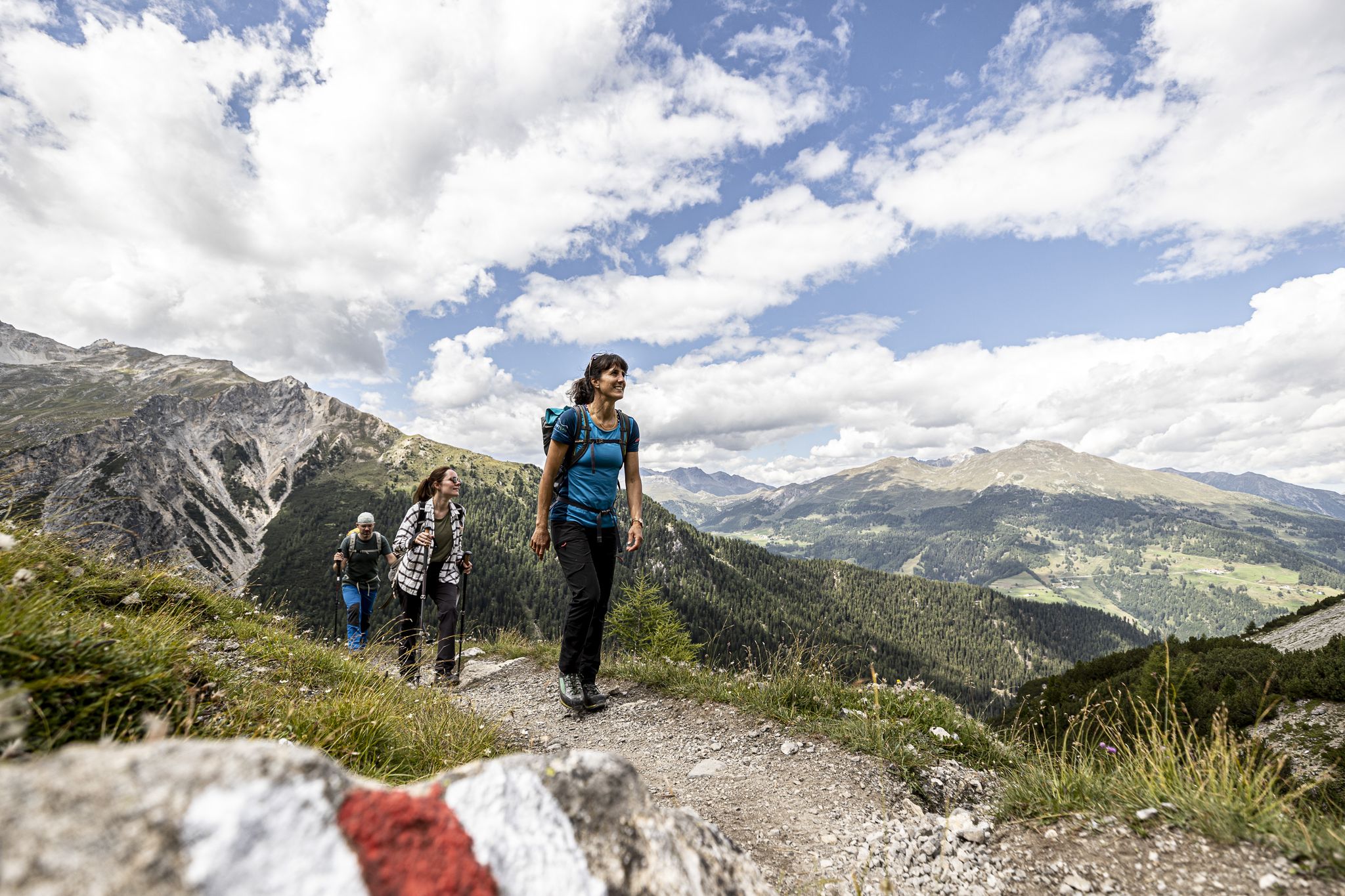
Biking, running, hiking – Pure Alpine Trails
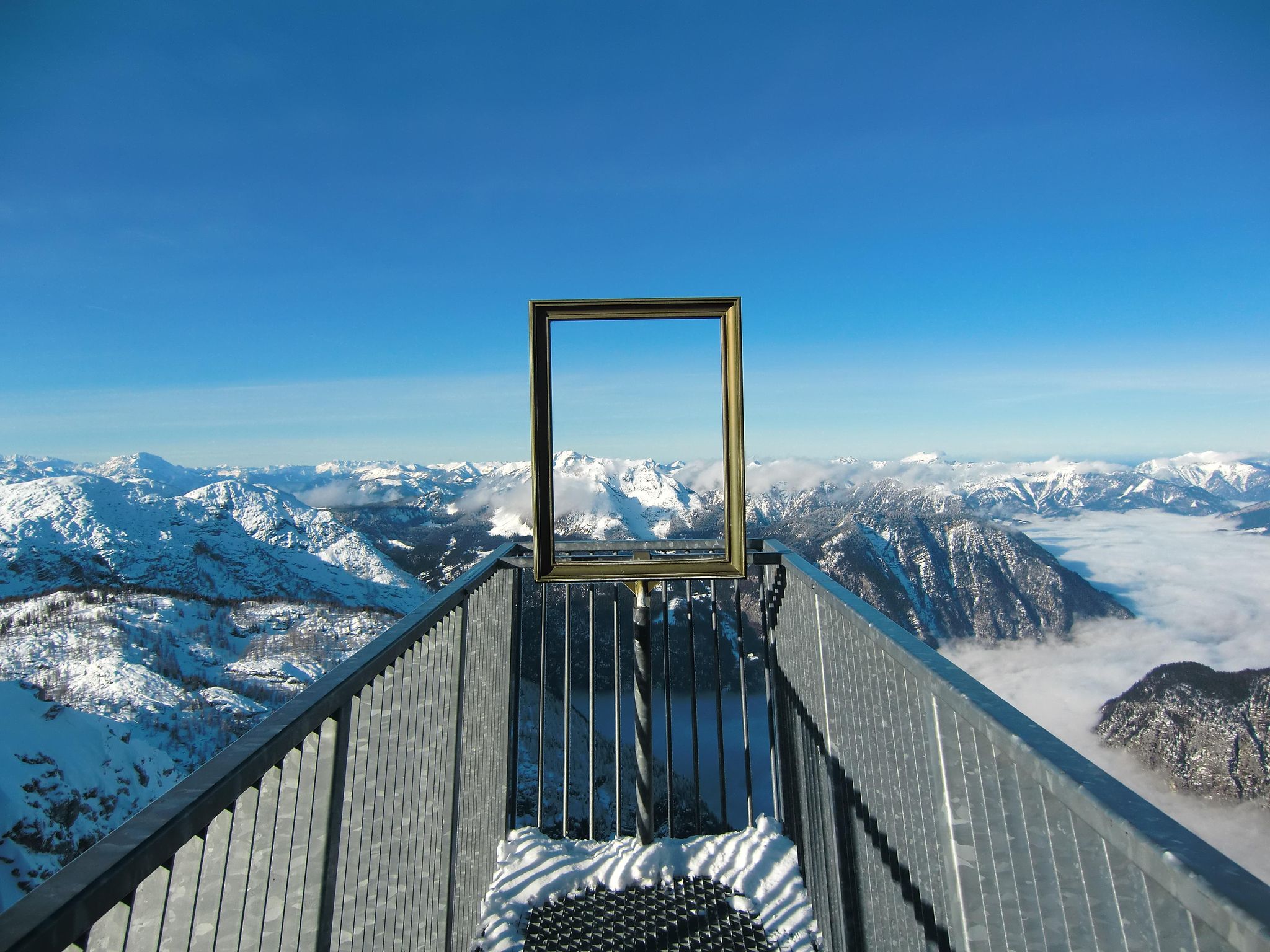
#Winterlove — 14 tips for your winter adventure in Austria
Triathlon around Germany
Karwendel crossing – Innsbruck to Sylvensteinspeicher
Starkenberg Panorama Trail – Lakes, gorges and noble paths
Alpine Passes Trail – hiking 700km across Switzerland
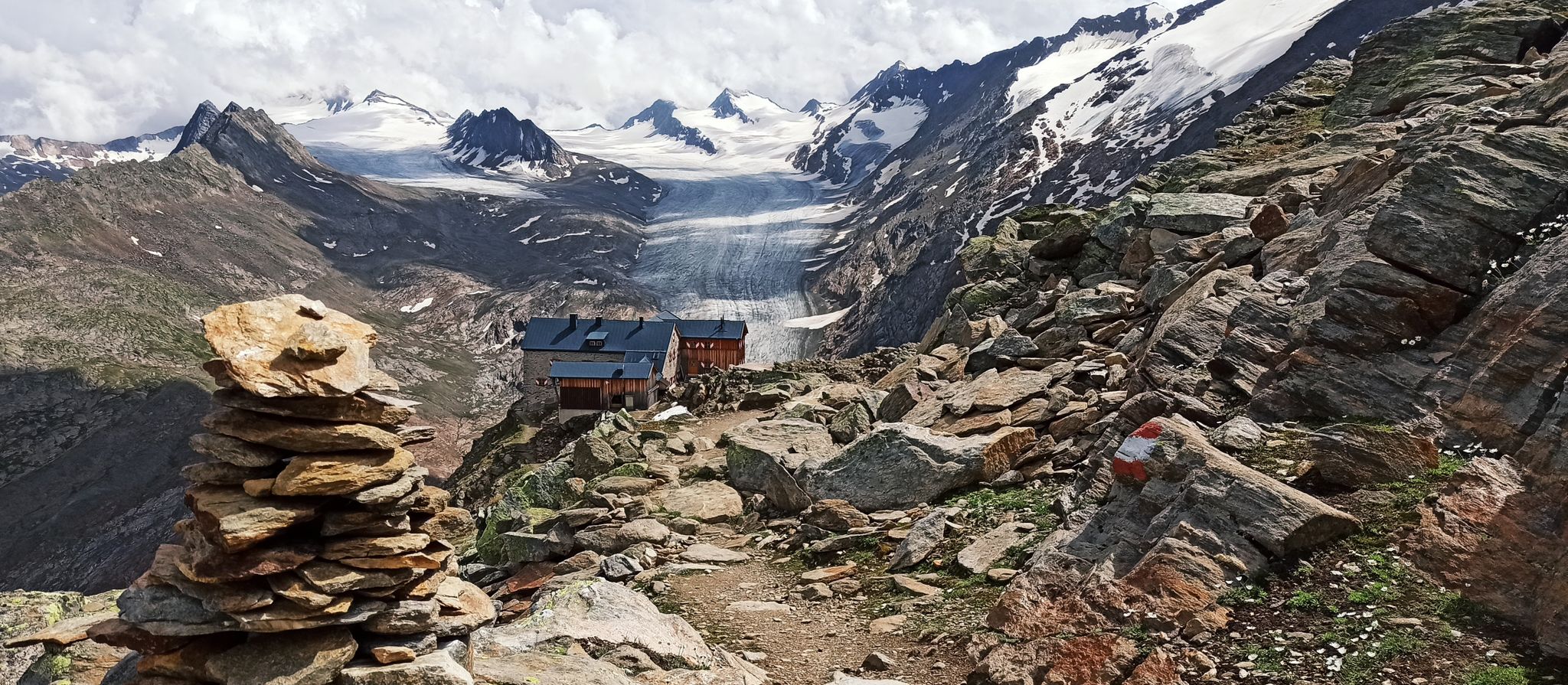
L1 from Garmisch to Brescia – Far from the classic Alpine crossings
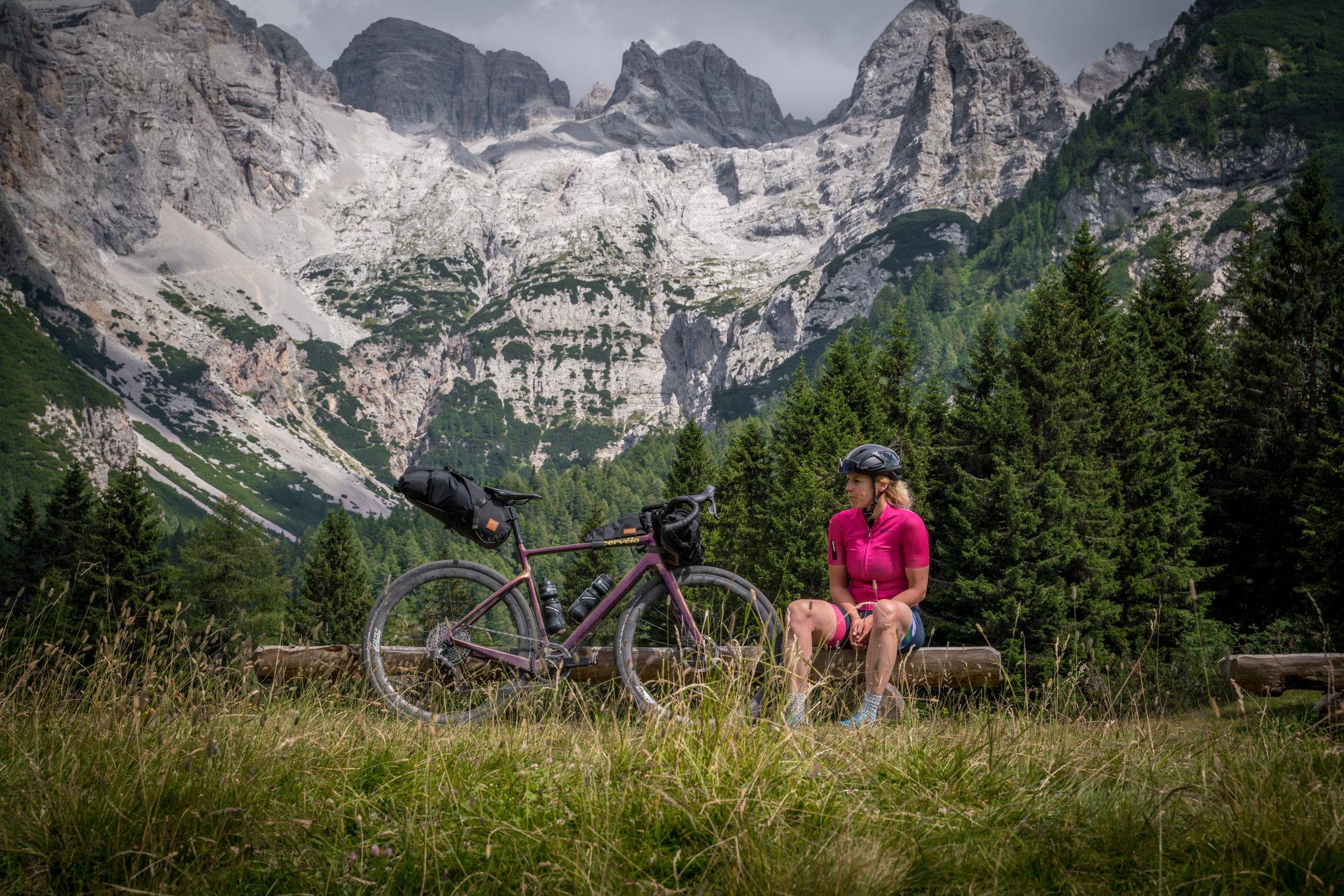
Graun to Riva del Garda — Gravelling across the Alps
Other adventures around the Inn


Tips from the Community

The bridge is well worth seeing, and the views from it are just as impressive. Top location.
2
0

Magnificent gorge, great gravel
0
0

Impressive landscape with many interesting sights
1
0

The High Bridge is one of the most beautiful covered wooden bridges in Austria and is also the oldest bridge in Tyrol. It spans the mountain gorge of the Georgenberg stream and has always been the only access to the monastery. The first actual mention of a bridge as part of the pilgrimage route dates back to 1448, when the "High Bridge" as it was called in the historical source was destroyed in a fire on All Saints' Day. In the portrait of Abbot Johannes Theuerl, who was Abbot of St. Georgenberg from 1445 to 1451, this High Bridge is already depicted in a similar way to the structure that has been preserved today.
2
0

Lots of great waterfalls surrounded by lots of trees.
0
0

Schinderbach / Rosengartenschlucht In the middle of Imst is the entrance to one of the most beautiful gorges in Austria and one of the most valuable biotopes in Tyrol. The Schinderbach roars through the 2 km long Rosengarten gorge - a spectacle that can be observed from the path that leads through the gorge. The Rosengartenschlucht is highly valued as one of the most valuable biotopes in Tyrol. It is also a treasure trove, especially for geologists, as millions of years of earth's history are reflected here. The Rosengartenschlucht begins at the Johanneskirche right in the city center of Imst. The gorge, which is bordered by a 100 m high rock wall, becomes increasingly narrower and leads to the Blue Grotto, a small cave in which silver-containing galena was searched for as early as Roman times. From the Blue Grotto you then reach Hoch-Imst and can either hike back to Imst via the Wetterkreuz or continue your tour with the Imster Bergbahnen and the Alpine Coaster Imst. Text / Source: Tirol.Tl https://www.tirol.tl/de/highlights/natur-landschaft/naturschauspiele/rosengartenschlucht/
14
1
The entrance to the Rosengartenschlucht The entrance to the Rosengartenschlucht is right in the center of the city and entry is free! Deep down there is the crystal clear, roaring water, vertically rising rock walls to the right and left, covered in mosses and ferns. ... Text / Source: Imst Tourism https://www.imst.at/urlaubserlebnisse/sommer/rosengartenschlucht
15
0

Very nice wooden bridge. Leads to the monastery.
3
0
Frequently Asked Questions
What are some of the most popular gorges to visit in the Inn region?
The Inn region boasts several popular gorges. Among them, Wolf Gorge is highly regarded for its romantic rocky mountains, roaring stream, and emerald green water, offering a cool escape on hot days. Another must-see is the Inn Gorge at Altfinstermünz, known for its distinctive green water and beautiful paths alongside a historical site. Rosengarten Gorge in Imst is also a favorite, celebrated for its crystal-clear water, moss-covered rock walls, and geological significance.
Are there any family-friendly canyons or gorges in the Inn region?
Yes, several gorges in the Inn region are suitable for families. Rosengarten Gorge in Imst is generally considered suitable for children, though sturdy shoes and surefootedness are recommended. The Leutaschklamm (Leutasch Gorge) is also known for being kid-friendly, featuring stories and signs along the route specifically for children. The Mühlau Gorge in Innsbruck offers a refreshing nature experience close to the city, with well-maintained paths and information on local flora, fauna, and legends, making it exciting for kids.
What kind of natural features can I expect to see in the Inn region's canyons?
The canyons around the Inn River showcase dramatic natural beauty. You'll encounter impressive rock formations, often covered in mosses and ferns, clear and sometimes emerald-green waters, and roaring mountain streams. Many gorges feature waterfalls, such as the Waterfall on the Philosophenweg. The geological history of the region is evident in the vertically rising rock walls, making places like Rosengarten Gorge valuable biotopes.
Are there historical sites or landmarks near the canyons?
Absolutely. The Inn region is rich in history. Near the Inn Gorge at Altfinstermünz, you can explore the Altfinstermünz Fortress and Bridge, an old customs station. Within Rosengarten Gorge, the Blue Grotto has historical significance, with silver-containing galena searched for as early as Roman times. The Wolfsklamm Gorge also offers the option to extend your hike to the Benedictine monastery of St. Georgenberg.
What is the best time of year to visit the gorges around the Inn?
Most canyons and gorges in the Inn region are generally open from May to the end of October. This period offers pleasant weather for hiking and exploring. It's advisable to go early or late in the day to avoid crowds, especially at popular spots like Wolfsklamm Gorge. Heavy rain can cause temporary closures, so checking local conditions before your visit is recommended.
What outdoor activities can I do near these canyons?
Beyond exploring the gorges themselves, the Inn region offers a wide array of outdoor activities. You can find numerous road cycling routes, such as the challenging 'Round trip Innsbruck - Kühtai', or more moderate options like 'Around the Salve and the Kaiser'. For hikers, there are easy trails like 'Around Lake St. Moritz' and 'Forscherpfad (Explorer Trail)', as well as more demanding mountain hikes to summits like Vorderkaiserfelden Hut. You can explore these and more on the Road Cycling Routes around the Inn, Easy hikes around the Inn, and Mountain Hikes around the Inn guide pages.
Are there any challenging trails or viewpoints in the gorges?
Yes, for those seeking a challenge or impressive views, the Inn region delivers. The Zammer Loch High Trail is noted as a challenging trail with viewpoints within a gorge setting. The Benni Raich Suspension Bridge, spanning the Arzler Pitzeklamm, offers a thrilling experience at 94 meters high, providing spectacular views for those without a fear of heights. Wolfsklamm Gorge, while having well-secured paths, can be steep and requires sturdy shoes.
What are the options for canyoning or whitewater activities in the Inn region?
The Inn region is a prime destination for canyoning and whitewater rafting. The Rosengartenschlucht (Rose Garden Gorge) is a beautiful canyoning area with slides, jumps into deep pools, and a 'Blue Grotto'. Alpenrosenklamm, also near Imst, is known for fun canyoning with jumps, slides, and abseiling, suitable even for beginners. For whitewater rafting, the Kaiserklamm is popular, and the Inn River itself offers sections like the Landeck Gorge (Class IV-V rapids) and Imst Gorge (Class III+ rapids) for exciting experiences.
What should I wear or bring when visiting the gorges?
When exploring the gorges, sturdy shoes are essential, as paths can be steep, uneven, or even slippery, especially after rain. For some trails, like Gleirschklamm, a good head for heights is also beneficial. Layers of clothing are recommended, as gorges can be pleasantly cool on hot days but temperatures can vary. If you plan on extending your hike, bring water and snacks. For canyoning, specialized gear provided by tour operators will be necessary.
Is it possible to visit gorges in the Inn region during winter?
While most gorges are generally open from May to October, heavy snow and ice can lead to closures during winter months for safety reasons. Some paths might become inaccessible or dangerous. It's best to check local conditions and opening times before planning a winter visit to any specific gorge, as many are not maintained for winter hiking.
What do visitors enjoy most about the gorges around the Inn?
Visitors frequently praise the wildly romantic atmosphere, the impressive rock formations, and the clear, often emerald-green water. Many appreciate the refreshing coolness of the gorges on warm summer days and the unique geological insights they offer. The combination of natural beauty with well-maintained paths and the option to extend hikes to historical sites or viewpoints makes for a memorable experience. The Inn Gorge at Altfinstermünz, for instance, is loved for its distinctive green water and beautiful paths.
Are there any gorges in the Swiss Engadin part of the Inn region?
Yes, in the Engadin region of Switzerland, through which the Inn River flows, you can find notable gorges. The Clemgia Gorge near Scuol is one such example. The Engadin is renowned for its stunning mountain landscapes, glaciers, and lakes, offering extensive hiking trails and outdoor activities that complement a visit to its gorges.
Most popular routes around the Inn
Most popular attractions around the Inn

Get inspired with the komoot mobile app


Explore more
Already discovered everything in this region? See additional gorges around the Inn for your next adventure:
