Attractions and Places To See around the Tagus - Top 20
Best attractions and places to see around the Tagus encompass a diverse landscape of historic landmarks, natural reserves, and cultural sites. The Tagus River, the longest on the Iberian Peninsula, forms a central feature, offering scenic views and supporting rich ecosystems like its estuary. This region in central Portugal combines medieval towns, significant architectural heritage, and protected natural areas for exploration. Visitors can find a variety of experiences, from ancient castles to extensive trail networks.
Best attractions and places to see around the Tagus
- The most popular attractions is Suspended pedestrian bridge, a bridge that combines a walkway, a suspension bridge, and a viewpoint. Opened in April 2021, this site offers views of the Tagus River.
- Another must-see spot is Tagus Panoramic Trail, a trail that runs along the right bank of the Tagus between Vila Nova da Barquinha and Foz do Zêzere. This route features walkways, bridges, and viewpoints, and is part of the Great Route of the Tagus (GR12).
- Visitors also love Valada Village, a settlement with a river beach, picnic area, and camping site. This historic village, one of the oldest in the Municipality of Cartaxo, is known for its church dating back to 1211.
- Tejo is known for its historical sites, diverse trails, and natural river features. The region offers a variety of attractions to see and explore, from ancient settlements to panoramic viewpoints and bridges.
- The attractions around the Tagus are appreciated by the komoot community, with 22 upvotes and 9 photos shared.
Last updated: May 20, 2026
Valada Village
Highlight • Settlement
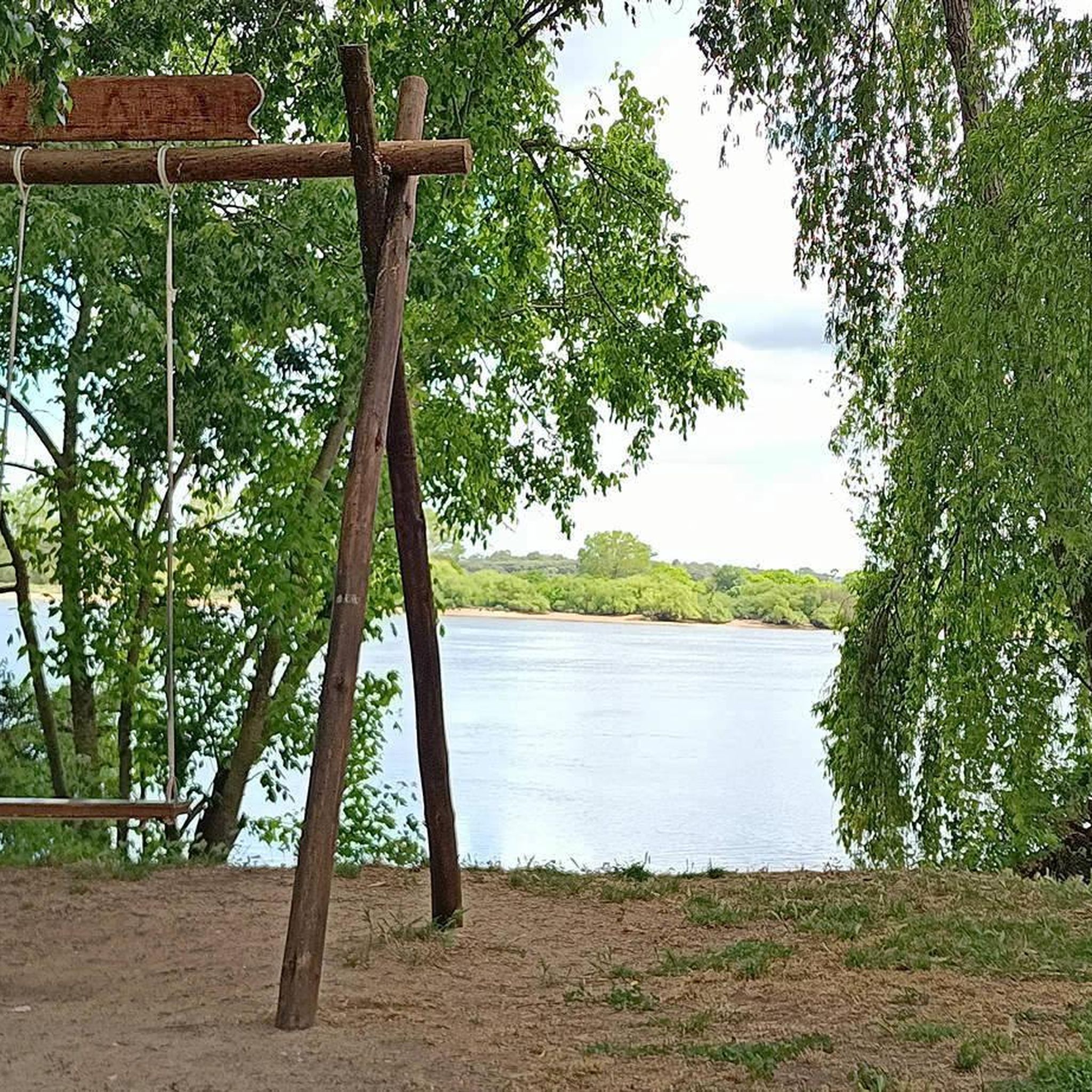
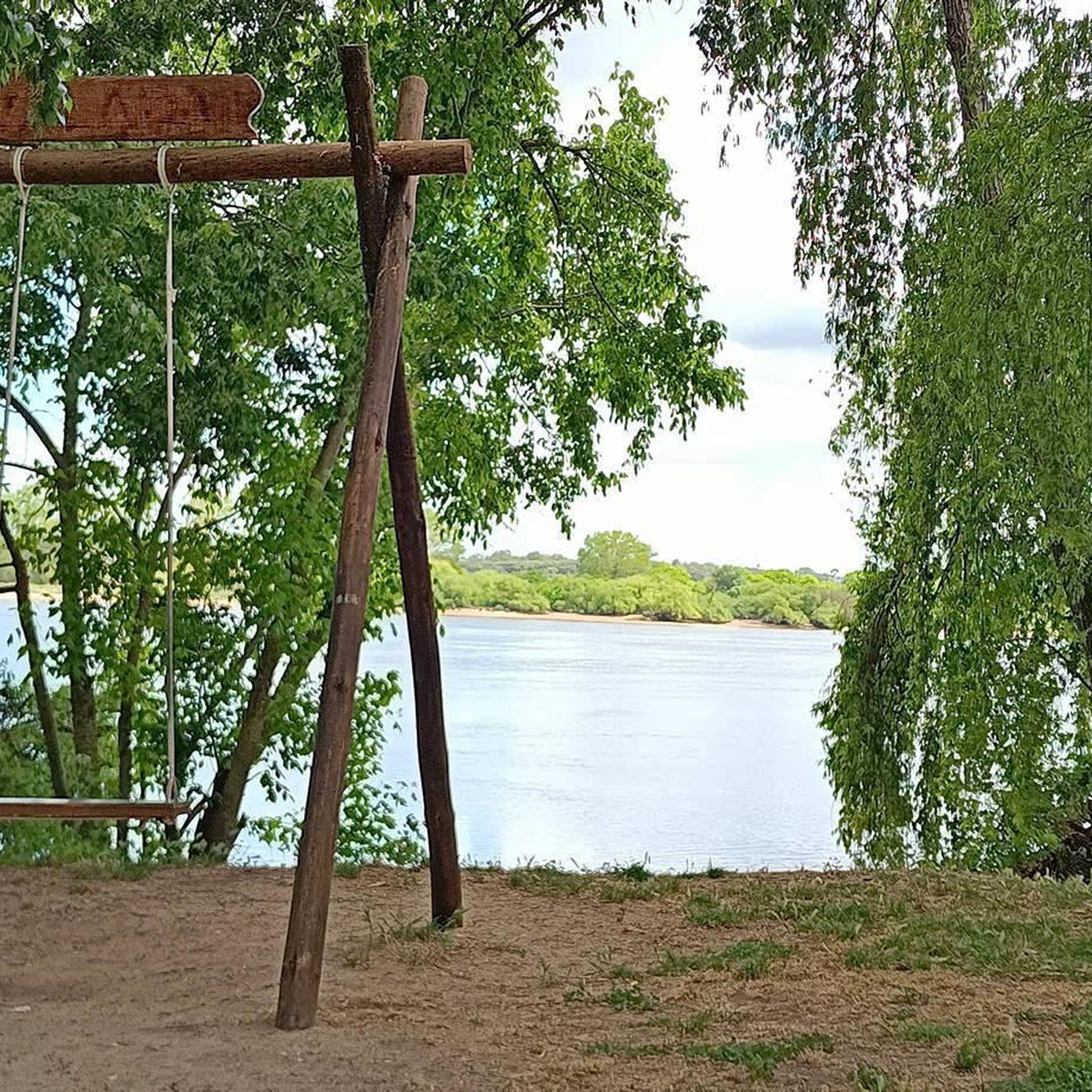
The ex-libris of the parish is the Tagus River, with its surrounding space of great beauty, its river beach, picnic area and camping site. A meeting place, par excellence, for outsiders who visit the parish.
As a heritage, Valada is proud of its church dating back to 1211, during the reign of Dom Afonso II. Losing part of its beauty, after the restoration in 1962, its patron saint is Nossa Senhora da Espectação do Ó.
Translated by Google •
Tip by

Ponte D. Luís I of Santarém
Highlight • Bridge
It was inaugurated on September 17, 1881 and was considered at the time, the largest in the Iberian Peninsula, the third in Europe and the sixth in the World, remaining as one of the examples of iron architecture.
It had a total length of 1,213 meters, a width of 6 meters and a height of 22 meters
The bridge was enlarged in 1956 with an innovative project by Edgar Cardoso.
On a headstone it says:
And the iron bridge extends its musculature of an antediluvian animal at the service of progress, uniting Estremadura and Alto Alentejo.
Translated by Google •
Tip by

Sign up now to discover places like this
Get recommendations on the best single tracks, peaks, & plenty of other exciting outdoor places.
Sign up for free
Beira Tejo Boat in Valada
Highlight • Monument
Translated by Google •
Tip by
Tagus Panoramic Trail
Highlight (Segment) • Trail
This riverside route, much used by mountain bike lovers in the region, has been considerably improved with the construction of walkways, bridges and viewpoints that allow you to enjoy magnificent panoramic views over the Tagus River.
This route is part of the Great Route of the Tagus (GR12), which in turn is part of the great European Route E7, an ambitious pedestrian route still under construction, which aims to connect Lisbon to the Black Sea, in Romania.
Translated by Google •
Tip by
Cathedral of Santarém
Highlight • Religious Site
Translated by Google •
Tip by

Constância Trail
Highlight (Segment) • Trail
The trail runs along the mouth of the river Zêzere, on the opposite bank to Vila de Constância. It's very shady and nice to do.
This trail is part of the Tagus Panoramic Trail, which in turn is part of the Great Tagus Route (GR12)
Translated by Google •
Tip by
Suspended pedestrian bridge
Highlight • Bridge
Translated by Google •
Tip by

Hoopoe Mural by Bordalo II, Rua 1º de Novembro, Santarém
Highlight • Monument
Translated by Google •
Tip by
Constância Iron Bridge
Highlight • Bridge
It is the last bridge over the Zêzere River before it flows into the Tagus.
Next to this bridge there is an overnight park for motorhomes overlooking the river, equipped with free drinking water, black water deposits and waste water.
Translated by Google •
Tip by
Sá da Bandeira Square
Highlight • Settlement
Translated by Google •
Tip by
Sign up for free to discover even more attractions around the Tagus.
Sign up for free
Already have an account?
Start today with a free account
Your next adventure awaits.
Login or Signup


Tips from the Community

Opened in April 2021, this is one of the newest trails in Portugal. The Barca D'Amieira Trail combines a walkway, a suspension bridge, and a fabulous viewpoint in a single route. The trail also offers a walk along a towpath wall and stunning views of the Tagus River.
2
0

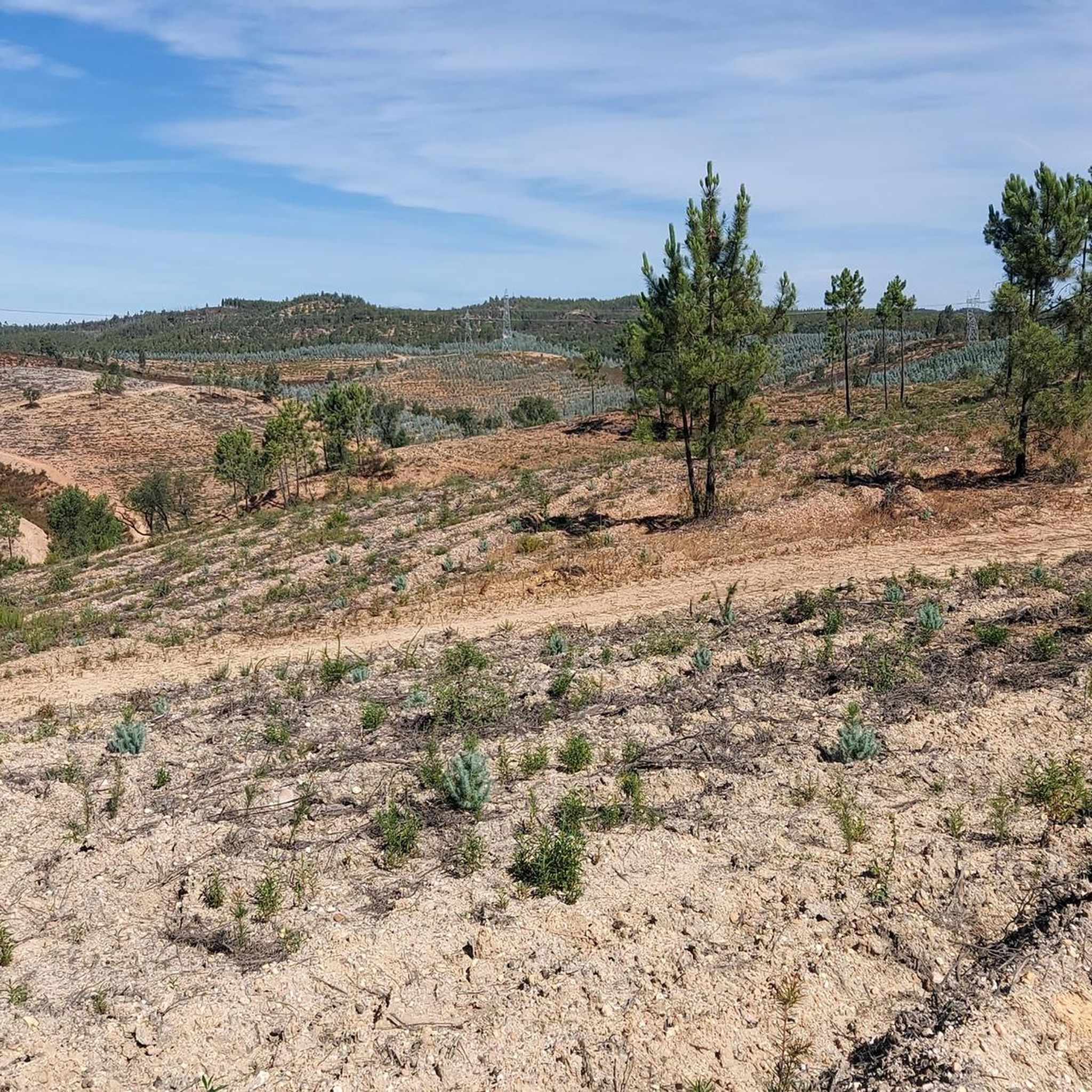
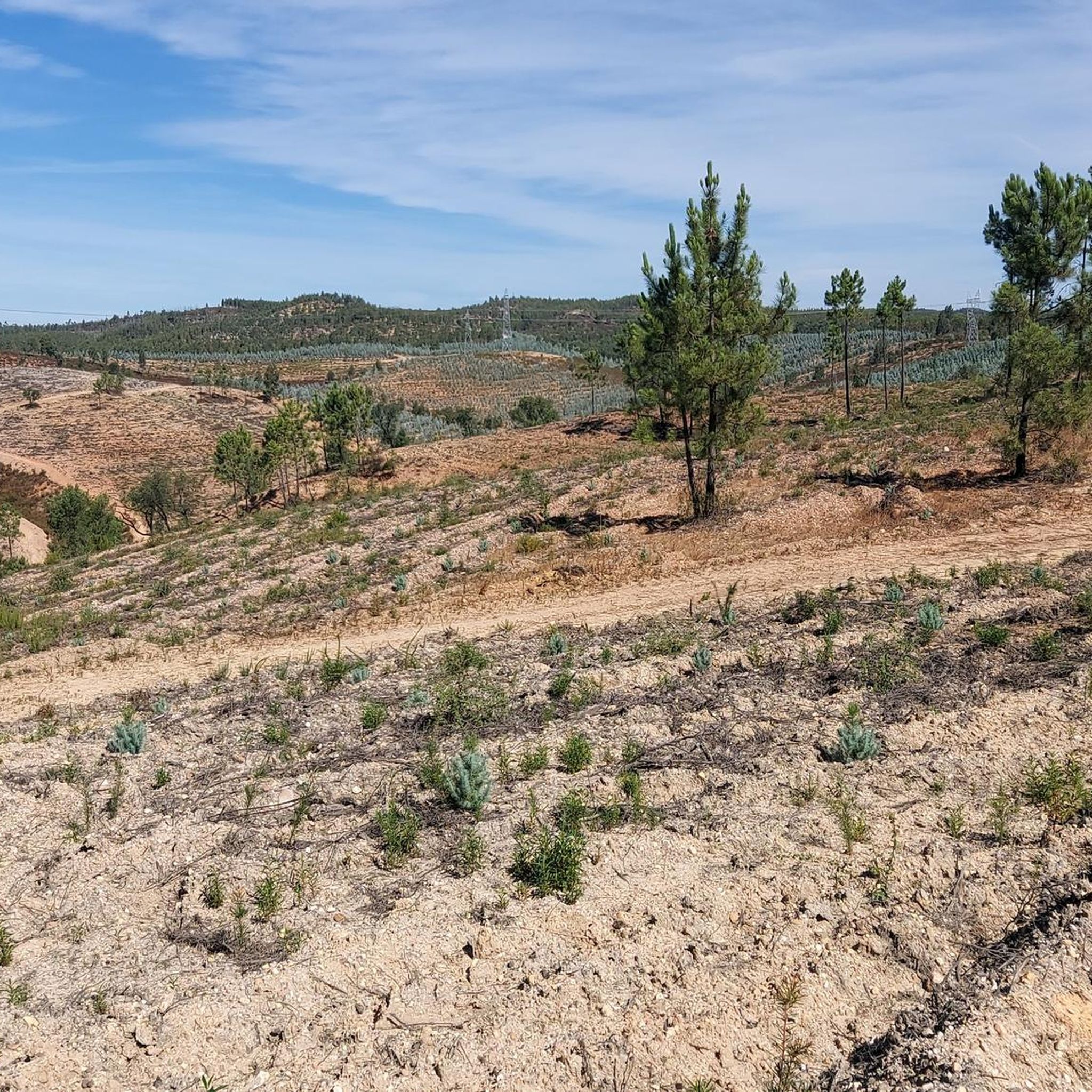
A little bit of Indiana Jones...
1
1

Hydration and protection
0
0
Hydration, helmet and gloves
1
0


The village of Valada is a small Portuguese town, located in the municipality of Cartaxo, district of Santarém, in the Ribatejo region. Here is some information: Characteristics 1. Population: Around 1,500 inhabitants. 2. Area: 11.2 km². 3. Population density: 134 inhabitants/km². 4. Altitude: 20-30 meters above sea level. History 1. Origins: Possibly founded by the Romans. 2. 12th century: Part of the municipality of Cartaxo. 3. 15th century: Agricultural and livestock development. Points of interest 1. Igreja Matriz de Nossa Senhora da Conceição (18th century). 2. Capela de São Sebastião. 3. Fonte do Castelo (historical monument). 4. Praia Fluvial de Valada (river Tagus). 5. Walking and cycling trails. Activities 1. Agriculture (cereals, fruit and vegetables). 2. Livestock farming (cattle, pigs and poultry). 3. River fishing. 4. Rural tourism. 5. Cultural and religious events. Accessibility 1. Located 10 km from Cartaxo. 2. Access via the EN365 national road. 3. Public transport: buses. 4. Nearest train station: Cartaxo.
4
0

A small suspension bridge with lots of safety!
1
2
Frequently Asked Questions
What historical sites can I explore in the Tejo region?
The Tejo region is rich in history. You can visit the ancient Valada Village, known for its church dating back to 1211, or the impressive Cathedral of Santarém. Santarém itself is often called the "Capital of Gothic." Further afield, the region boasts UNESCO World Heritage Sites like the Convent of Christ in Tomar and the Jerónimos Monastery in Lisbon, along with medieval castles such as Almourol Castle and the walled town of Óbidos.
Are there any family-friendly attractions around the Tagus?
Yes, several attractions are suitable for families. The Valada Village offers a river beach, picnic area, and camping site. The Suspended pedestrian bridge, part of the Barca D'Amieira Trail, provides an exciting walk with great views. Additionally, the Beira Tejo Boat in Valada and the Constância Iron Bridge are also popular with families.
What natural features and viewpoints can I find along the Tagus River?
The Tagus River itself is a major natural feature, offering scenic views. You can experience this from the Tagus Panoramic Trail, which features walkways, bridges, and viewpoints. The Jardim das Portas do Sol in Santarém provides excellent panoramic views of the city and the Tagus. The Tagus Estuary Natural Reserve is also a significant wetland for birdwatching, and the Arrábida Natural Park offers stunning coastal scenery.
Are there hiking trails near the attractions around the Tagus?
Absolutely! The Tejo region offers numerous hiking opportunities. The Tagus Panoramic Trail and the Constância Trail are popular choices, with the latter being very shady and pleasant. For more options, you can explore various routes listed in the Hiking around the Tagus guide, which includes trails like the PR1 NIS Jans Trail and the Arribas do Tejo Trail.
What cycling opportunities are available in the Tejo region?
The region is great for cycling. The Tagus Panoramic Trail is popular with mountain bike enthusiasts, and the Constância Trail can also be done by bicycle (MTB recommended). You can find detailed routes for different cycling styles in the MTB Trails around the Tagus and Gravel biking around the Tagus guides.
Where can I find unique cultural or artistic attractions?
For a unique artistic experience, visit the Hoopoe Mural by Bordalo II in Santarém, a notable piece of street art. The Buddha Eden Garden near Bombarral also offers a distinct cultural experience with its tranquil statues and lakes. Golegã, known as Portugal's "Horse Capital," hosts the annual National Horse Fair and features the Carlos Relvas House-Studio.
What is the best time to visit the Tagus Estuary for birdwatching?
The Tagus Estuary Natural Reserve is Portugal's largest wetland and a significant haven for birdwatchers. While birds can be seen year-round, the best time for birdwatching is typically during the migration seasons (spring and autumn) or in winter when many species, including flamingos, spoonbills, and avocets, are present. Boat tours are available to explore this biodiverse area.
Are there any wheelchair-accessible attractions?
Yes, the Hoopoe Mural by Bordalo II in Santarém is noted as wheelchair accessible. While specific accessibility details for all sites are not always available, many urban areas and modern developments are improving accessibility. It's advisable to check individual attraction websites for the most current information.
Can I find places to eat or stay near the Tagus River attractions?
Yes, towns and villages along the Tagus, such as Valada Village, offer amenities like picnic areas and camping sites. Santarém, with its historical sites, provides various cafes and restaurants. The region is also known for its wine production, particularly in Cartaxo, where you can find winery tours and tastings. Local culinary delights include *sopa da pedra* (stone soup) in Almeirim.
What are some lesser-known or 'hidden gem' attractions in the Tejo region?
Beyond the major landmarks, consider exploring the Suspended pedestrian bridge, which is a newer attraction offering unique views. The Valada Village, with its ancient church and river beach, offers a charming, less-traveled experience. The Paul do Boquilobo Nature Reserve is another internationally recognized wetland ideal for wildlife observation, providing a quieter natural escape.
What kind of bridges can I see along the Tagus River?
The Tejo region features several notable bridges. You can walk across the modern Suspended pedestrian bridge, which combines a walkway and a suspension bridge. There's also the historic Ponte D. Luís I of Santarém and the Constância Iron Bridge. Lisbon, at the mouth of the Tagus, is home to the iconic 25 de Abril Bridge.
Most popular routes around the Tagus
Most popular attractions around the Tagus

Get inspired with the komoot mobile app


Explore more
Still not found the Highlight you’re looking for? See guides of the top attractions in other regions:
