Attractions and Places To See around the Maround theho - Top 20
Attractions and places to see around the Maround theho are found in Minho, a region in northern Portugal known for its verdant scenery and historical significance. This area features a blend of ancient cities, natural parks, and a coastline along the Minho River. It offers diverse experiences ranging from historical exploration to outdoor activities.
Best attractions and places to see around the Maround theho
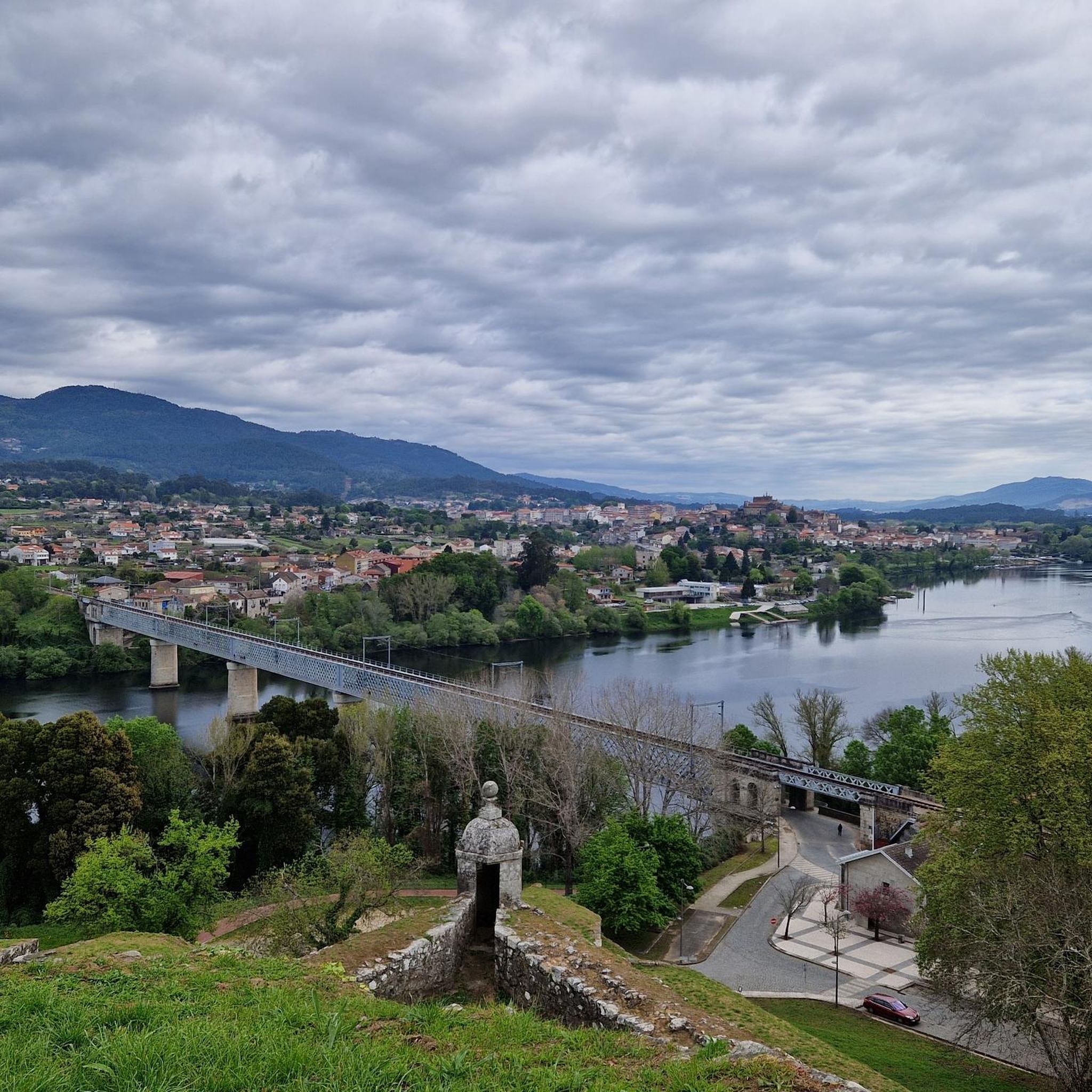
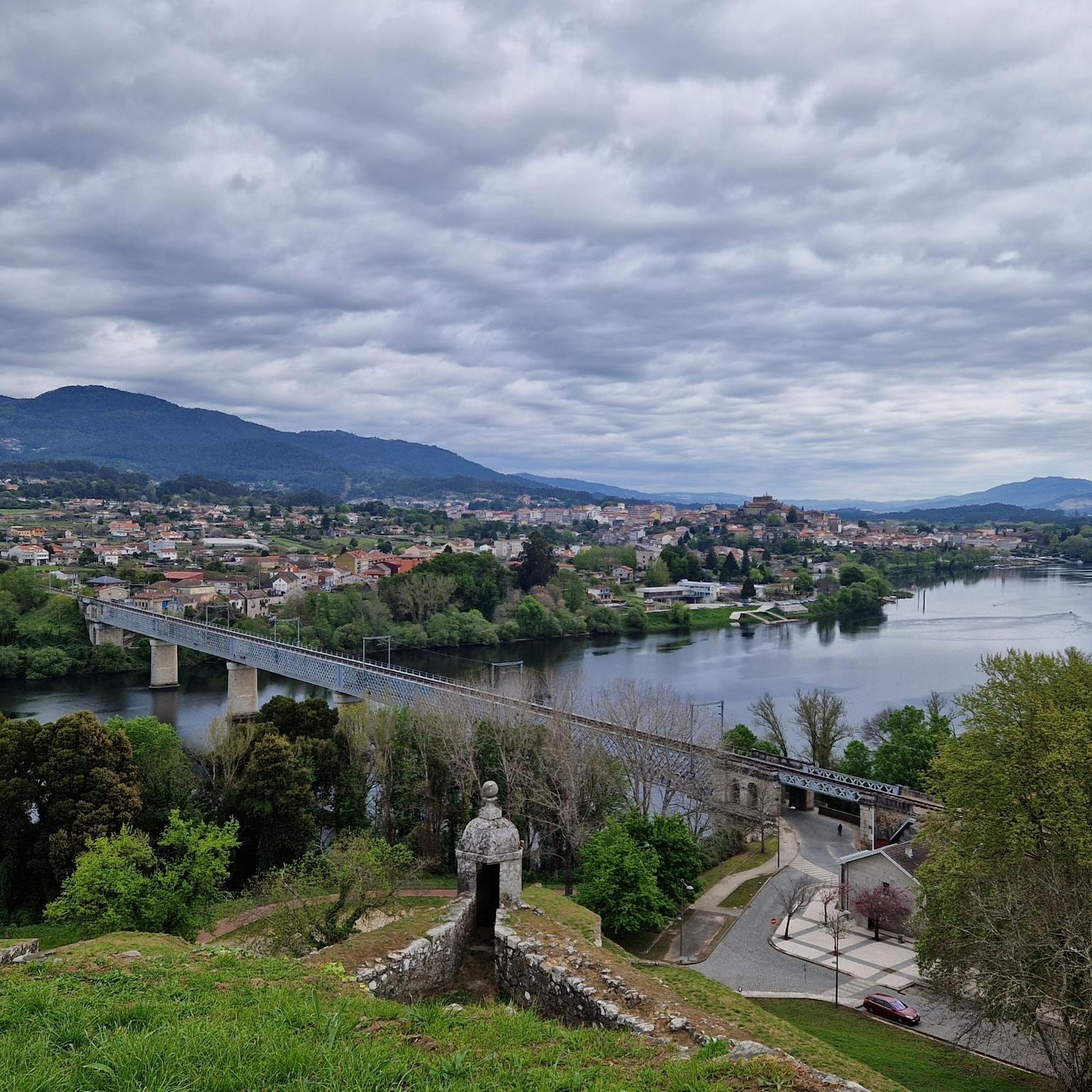
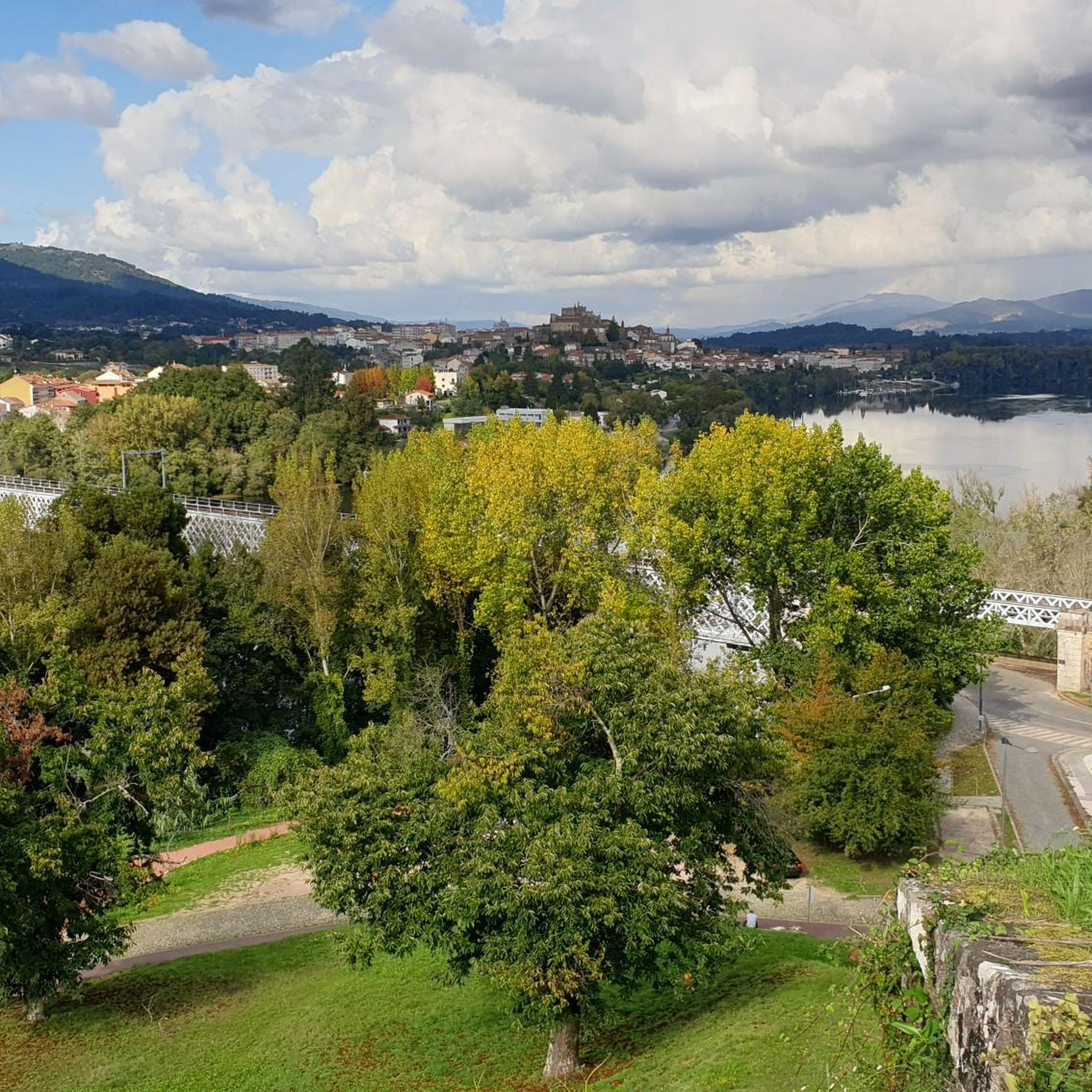
- The most popular attraction is Tui-Valencia International Bridge, a bridge that connects the towns of Tui in Spain and Valença do Minho in Portugal. This 318-meter long girder bridge, built between 1882 and 1884, serves both road and rail traffic across the Minho River.
- Another must-see spot is Fortress of Valença, a historical site. This imposing 17th-century fortress, built on the ruins of an ancient 13th-century castle, features star-shaped walls stretching for 5.5 kilometers and offers wide views of the Minho valley.
- Visitors also love Ponte da Veiga, an ancient medieval bridge also known as the "Roman Bridge." This granite bridge, with its four arches over the Louro River, was part of the ancient Roman Via XIX and is a significant landmark for pilgrims on the Portuguese Way to Santiago de Compostela.
- Minho is known for its historical sites, religious buildings, and scenic bridges. The region offers a variety of attractions, from fortified towns and ancient Roman routes to river-side cycle paths.
- The attractions around the Maround theho are appreciated by the komoot community. With more than 500 upvotes and over 300 photos, they offer diverse experiences for exploration.
Last updated: May 9, 2026
Tui-Valencia International Bridge
Highlight • Bridge
Translated by Google •
Tip by

Fortress of Valença
Highlight • Historical Site
Built in the 17th century on the ruins of an ancient 13th-century castle, the fortress is a masterful example of military architecture of the period, with its star-shaped walls stretching for an impressive 5.5 kilometers.
Upon entering, one immediately senses the strength and grandeur of Valença, one of the oldest towns in Portugal.
Translated by Google •
Tip by

Sign up now to discover places like this
Get recommendations on the best single tracks, peaks, & plenty of other exciting outdoor places.
Sign up for free
Ponte da Veiga
Highlight • Bridge
The Ponte de A Veiga was built of granite and consists of four arches. It was part of the ancient Roman Via XIX, which connected Bracara (present-day Braga, Portugal) with Santiago de Compostela.
Pilgrims walking the Portuguese Way to Santiago de Compostela pass over this bridge, making it a place of great historical significance.
If you ever visit Tui, don't miss the opportunity to cross this beautiful bridge and immerse yourself in its history and charm. 🌉🚶♂️
Translated by Google •
Tip by
Portico of the Church of Santa María de la Asunción, Baiona
Highlight • Religious Site
It began to be built in 1120, although it would not be consecrated until 1225, already in the time of King Alfonso IX. It has the appearance of a fortification, especially due to its crenellated towers.
Translated by Google •
Tip by
Spain–Portugal border 🇵🇹/🇪🇸 Tui–Valença Bridge
Highlight • Bridge
Tip by

Tui–Valença International Bridge
Highlight • Bridge
Tip by

Chapel of Bom Jesus
Highlight • Religious Site
Located inside the Fortress of Valença, the Chapel of Bom Jesus dates from the 17th century, with a project by military engineer Manuel Pinto de Vilalobos, a baroque chapel with rococo elements. Inside, there is a small image of Nossa Senhora do Carmo, patron saint of Infantry Regiment No. 21 stationed in Valença and that a soldier carried in a backpack whenever the regiment went on campaign.
The statue of S. Teotónio is a sculpture from the 20th century and evokes the figure of the 1st Portuguese Saint - the inspirer and protector of nationality. He was born in 1082 in the Valencian parish of Ganfei and died, in Coimbra, on February 18, 1162. São Teotónio became the first Portuguese saint, being celebrated as the reformer of religious life. Known as the patron saint of enslaved Christians, for having supported 1000 Mozarab men, women and children, captured in an incursion to Andalusia by D. Afonso Henriques.
Translated by Google •
Tip by
Ecopista of the Minho River: Monção to Valença
Highlight (Segment) • Cycleway
Opened on November 14, 2004, the Ecopista do Rio Minho is a route of more than 20 km, next to the river, which deserves great praise and applause from most people. Along the route, between the historic centers of Monção and Valença, there are plenty of points of interest, making this ecological route the first in Portugal to take advantage of deactivated railway lines.
Translated by Google •
Tip by

Chapel of Saint Sebastian
Highlight • Religious Site
Translated by Google •
Tip by

Church of Saint Stephen ⛪ & Roman Milestone, Valença
Highlight • Religious Site
The Roman Milestone marks the 42 miles distance from Braga to Tui and was built by Emperor Cláudio in the 1st century AD. Throughout the ages it also served as a pillory. Roman route XIX enters Valença via Fontoura, crosses Cerdal on the Pedreira bridge and reached the vein of Valença where it crossed to Tui. A route for military, commercial and pacification purposes.
Translated by Google •
Tip by
Sign up for free to discover even more attractions around the Maround theho.
Sign up for free
Already have an account?
Start today with a free account
Your next adventure awaits.
Login or Signup
Popular around Minho
The breaking waves – cycle along the Atlantic coast of Portugal
Na Rota dos Peregrinos – o Caminho Central Português
Cycling around the Maround theho
MTB Trails around the Maround theho
Road Cycling Routes around the Maround theho
Hiking around the Maround theho
Running Trails around the Maround theho

Gravel biking around the Maround theho


Tips from the Community

For those of us who are older, it reminds us of what it was like to cross from one country to another, when you might randomly have to open the trunk of your car so that both police forces could check what you were carrying, so that younger people could get their documents, and above all so that everyone can see how beautiful and enriching it is to be able to live in peace between neighboring countries.
0
0

Valença Fortress, also known as Praça-forte de Valença do Minho, is an imposing jewel of Portuguese military architecture with over eight centuries of history. Its origins date back to the 13th century, when King Sancho I and later Afonso III fortified it to protect the border with Galicia. During the Restoration War (17th–18th centuries), it was transformed into a Vauban-style fortress under the engineer Miguel de l’École and the architect Manuel Pinto de Vilalobos, being completed in 1713. The fortress withstood attacks during the Restoration, was captured and recaptured several times, and was also defended during the Napoleonic Wars and the Liberal Wars.
4
0


The Tui International Bridge is a landmark on the border between Portugal and Spain, connecting the Galician city of Tui to Valença, Portugal, across the Minho River. This historic metal truss bridge serves as a crossing for cars, trains, and pedestrians. It is also part of the Camino de Santiago route, offering views of the river and both cities.
1
0
The Tui International Bridge is a landmark on the border between Portugal and Spain, connecting the Galician city of Tui to Valença, Portugal, across the Minho River. This historic metal truss bridge serves as a crossing for cars, trains, and pedestrians. It is also part of the Camino de Santiago route, offering views of the river and both cities.
1
0

The imposing Valença Fortress rises atop a hill, dominating the landscape and leaving an unforgettable impression on those who arrive. More than a symbol, it is the soul of the city, preserving centuries of history within its walls. Built in the 17th century on the ruins of an ancient 13th-century castle, the fortress is a masterful example of military architecture of the period, with its star-shaped walls stretching for an impressive 5.5 kilometers. Upon entering, one immediately senses the strength and grandeur of Valença, one of the oldest towns in Portugal.
2
0
This chapel is an example of traditional religious architecture and is often associated with devotion to Saint Sebastian, a saint highly venerated in the Iberian Peninsula, especially for his role as a protector against epidemics.
3
0

The rear façade is blind and the sides have a small framed window, while the one on the east side has a door. The entrance portal to the chapel has a chamfered round arch and is topped by a rectangular cartouche in relief with the coat of arms of Bishop D. Rodrigo Pereira. Inside the nave, which is free of plaster, there is an altar supported on the pedestal with a front covered in standard white, blue and yellow tiles. Above, in the centre of the back wall, there is a niche with an image of the Martyr St. Sebastian.
0
0
Frequently Asked Questions
What historical sites can I explore in the Minho region?
The Minho region is rich in history. You can visit the impressive Fortress of Valença, a 17th-century military marvel with star-shaped walls offering wide views of the Minho valley. Another significant historical landmark is the Ponte da Veiga, an ancient medieval bridge over the Louro River, which was part of the Roman Via XIX and is used by pilgrims on the Portuguese Way to Santiago de Compostela. Beyond these, the region boasts cities like Guimarães, known as the 'birthplace of Portugal' with its castle and Ducal Palace, and Braga, home to one of the oldest cathedrals in the country.
Are there any unique natural attractions in Minho?
Minho is celebrated for its lush green landscapes. Portugal's only national park, Peneda-Gerês National Park, offers breathtaking scenery with waterfalls, traditional villages, and diverse wildlife. The Minho River itself forms the northern border, providing opportunities for water activities. You can also explore the Costa Verde (Green Coast) with its unspoiled sandy beaches, or the Serra D'Arga Nature Reserve for magnificent greenery and panoramic views.
What kind of outdoor activities are available near these attractions?
The Minho region offers a variety of outdoor activities. You can enjoy cycling along the Ecopista of the Minho River: Monção to Valença, a converted railway line perfect for bikes and walks. For more structured routes, explore Road Cycling Routes, Easy Hikes, or Gravel Biking guides on komoot, which feature trails near many of the region's highlights.
Are there family-friendly attractions in Minho?
Yes, several attractions in Minho are suitable for families. The Fortress of Valença is a great place for families to explore history and enjoy wide views. The Ponte da Veiga, an ancient bridge, offers a historical walk. Additionally, the Ecopista of the Minho River: Monção to Valença provides a flat, scenic path ideal for family cycling or walking. Many towns also have parks and river beaches for relaxation.
What is the best time to visit the outdoor attractions in Minho?
The Minho region is known for its lush greenery, which means it receives more rainfall than southern Portugal. The best time to visit outdoor attractions is generally from spring (April to June) and early autumn (September to October). During these periods, the weather is pleasantly warm, and the landscapes are vibrant. Summer (July and August) can be hot, but it's ideal for enjoying the coastal areas and river activities.
Can I cross the border between Portugal and Spain easily in Minho?
Yes, the Minho River forms a natural border with Spain, and crossing is very easy. The most prominent crossing point is the Tui-Valencia International Bridge, which connects the towns of Valença do Minho in Portugal and Tui in Spain. This historic girder bridge, built in the late 19th century, accommodates both road and rail traffic, making it simple to travel between the two countries.
Where can I find impressive fortresses or castles in Minho?
Minho is home to several impressive defensive structures. The most notable is the Fortress of Valença, an imposing 17th-century star-shaped fortress that dominates the landscape. Further inland, Guimarães, often called the 'birthplace of Portugal,' features a well-preserved 10th-century castle and the Ducal Palace of Braganza, both offering a deep dive into Portuguese history.
Are there any ancient Roman sites or bridges to see?
Yes, the region has remnants of its Roman past. The Ponte da Veiga, also known as the 'Roman Bridge,' is a significant landmark over the Louro River, originally part of the ancient Roman Via XIX. While its current form is medieval, its origins are attributed to Roman engineering. Additionally, archaeological remains from Roman times can be found in various locations, including ancient Roman milestones.
What is the Minho River Ecopista, and what can I do there?
The Ecopista of the Minho River: Monção to Valença is a scenic route created from a deactivated railway line. It stretches for over 20 km along the Minho River, connecting the historic centers of Monção and Valença. It's perfect for cycling and walking, offering pleasant views of the river and passing through several small villages. It's an easy and enjoyable way to experience the riverside landscape.
What are some cultural highlights or unique traditions in Minho?
Minho is rich in culture and traditions. It's the renowned home of Vinho Verde, a unique 'green wine,' and many wineries offer tours and tastings. The region also boasts a celebrated gastronomy with traditional dishes like Bacalhau à Braga and Arroz de Sarrabulho. Vibrant traditional festivals and religious pilgrimages (romarias), such as the São João Festival in Braga, are also significant cultural experiences.
Are there any easy hiking trails around the attractions?
Yes, there are several easy hiking options. For example, you can find trails like the 'Fortress of Valença – Chapel of Saint Sebastian loop from Valença' or the 'Tui Old Town – View of Tui loop from Tui'. These are generally short and suitable for most fitness levels. You can find more easy hiking trails and detailed route information in the Easy hikes around the Maround theho guide on komoot.
What do visitors enjoy most about the attractions in Minho?
Visitors frequently praise the historical significance and scenic beauty of Minho's attractions. The Tui-Valencia International Bridge is often highlighted for the unique feeling of crossing between two countries. The Fortress of Valença is appreciated for its well-preserved architecture and wide views. The region's blend of ancient sites, lush landscapes, and charming towns consistently receives positive feedback for offering diverse and enriching experiences.
Most popular routes around the Maround theho
Most popular attractions around the Maround theho

Get inspired with the komoot mobile app


Explore more
Still not found the Highlight you’re looking for? See guides of the top attractions in other regions:
