Attractions and Places To See around Plateau de Diesse - Top 20
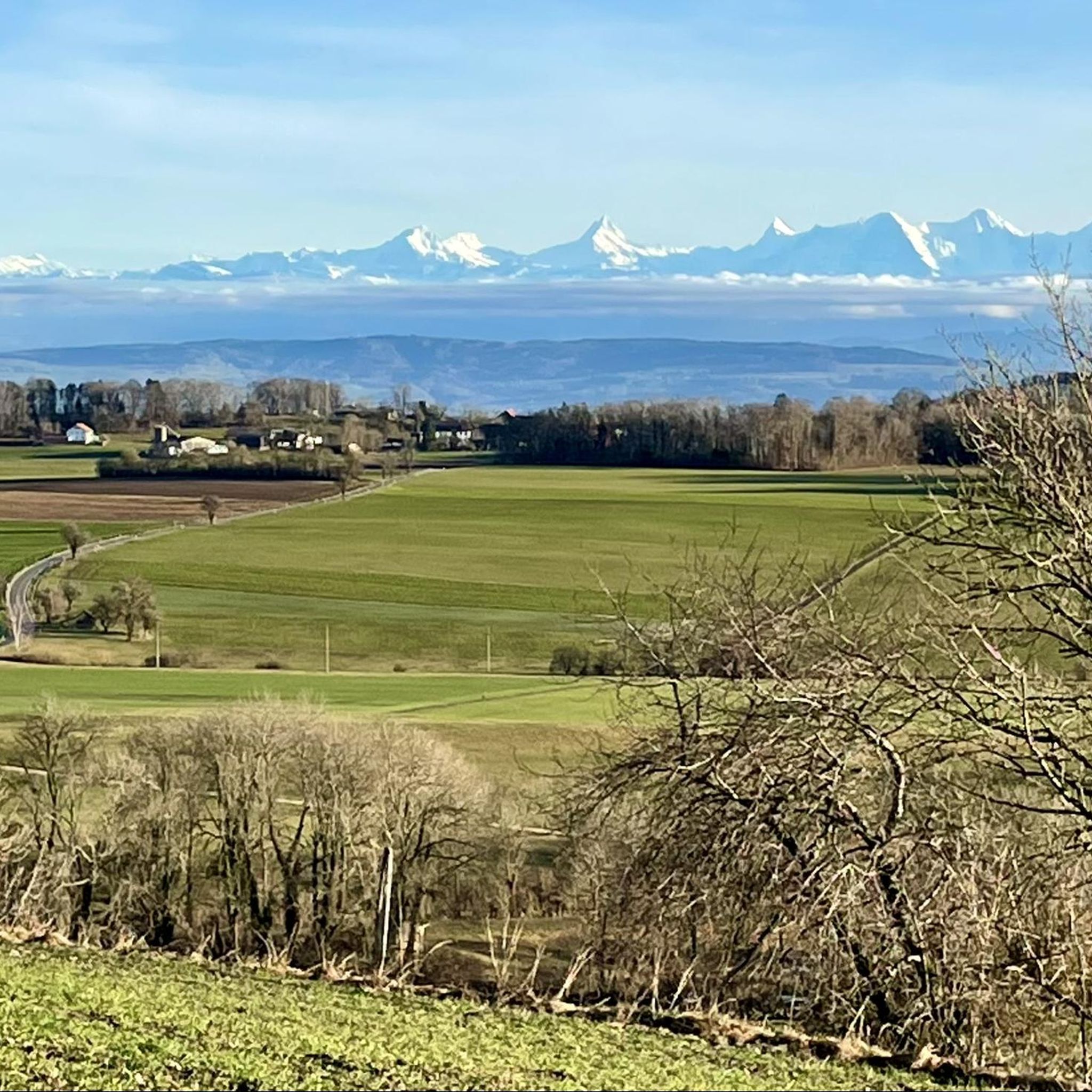
Best attractions and places to see around Plateau de Diesse, also known as Tessenberg, is a high plateau in Switzerland situated at an altitude of around 800 meters between Lake Biel and Chasseral. This region features panoramic views, impressive gorges, and a rich cultural heritage. The landscape is defined by natural elements and historical sites, offering diverse opportunities for exploration.
Best attractions and places to see around Plateau de Diesse
- The most popular attractions is Taubenloch gorge, a gorge…
Last updated: October 9, 2026
Hagneck Dam and Hydroelectric Power Plant
Highlight • Monument
Translated by Google •
Tip by

Chasseral Summit and Viewpoint
Highlight • Summit
Translated by Google •
Tip by

Sign up now to discover places like this
Get recommendations on the best single tracks, peaks, & plenty of other exciting outdoor places.
Hagneck Canal Mouth
Highlight • River
Translated by Google •
Tip by
Taubenloch gorge
Highlight • Gorge
Translated by Google •
Tip by

Town Square and Fountain of Le Landeron
Highlight • Settlement
Translated by Google •
Tip by
Sign up for free to discover even more attractions around Plateau de Diesse.
Already have an account?
Start today with a free account
Your next adventure awaits.

Tips from the Community

Beautifully renaturalized outlet of the old power plant.
0
0

The Bieler Taubenloch, which stretches for almost 3 km, is one of the most popular destinations in the region. The romantic surroundings and the pleasant freshness make crossing the footbridges and strolling past caves and overhanging rocks a pleasure.
2
0

Very beautiful gorge, easy to walk, with rest area, bridges, cave, rushing water, manageable gradient.
3
1

Passing through one of its two fortified gates, you find yourself in the medieval town of Le Landeron, on a huge central square decorated with fountains and lime trees and surrounded by old houses. 👍
2
0

After around four years of construction, the new hydroelectric power station in Hagneck was officially opened in 2015. With its energy production of 110 gigawatt hours, it makes an important contribution to supplying the Zealand region with domestic renewable energy. The Hagneck hydroelectric power station is located in a protected floodplain landscape of national importance. Accordingly, the environmental compatibility of this facility was given priority during the comprehensive renovation. With the new, modern power plant, production was increased by 40 percent without any harm to the environment. A lot of emphasis is placed on renaturation around the power plant. The bypass channel for fish is unique in Switzerland and the newly created floodplain forest is a nature reserve of national importance. This achieves maximum energy efficiency under contemporary, ecological conditions. The Jura water correction is a unique and incomparable pioneering work for the development and reclamation of land. Between 1867 and 1891, a sophisticated canal system was used to lower the water levels of the three lakes of Murten, Neuchâtel and Biel. In the future, the land was protected from flooding, and the de-swamped soil now served the population as fertile agricultural land. This unique structure was completed in the second stage between 1962 and 1973. The heart of the Jura water correction was the eight-kilometer-long canal from Aarberg to Hagneck. In contrast to the Nidau–Büren Canal, which was an actual river correction, the Hagneck Canal created a completely new, artificial river. The construction of the Hagneck Canal was breeding ground for further visionary ideas. The first construction work began in 1897 and the facility was put into operation in the summer of 1899. The construction costs amounted to around 3.6 million francs. Hagneck is one of the oldest hydroelectric power plants in Switzerland - a monument of technology and cultural history. Water to electricity – a masterpiece par excellence. Source https://www.bielerseekrafte.ch/de/hagneck/
1
0

Confluence Hagneck Canal in Lake Biel - beautiful renatured landscape
0
0

A great nature in the gorge! Beautiful light in front of a magic landscape.
2
0

The roaring waters in the Taubenloch Gorge are simply impressive.
2
0
Frequently Asked Questions
What natural landmarks and viewpoints can I explore around Plateau de Diesse?
The region offers stunning natural beauty. You can visit the impressive Taubenloch gorge, where the Schüss River rushes through narrow rock faces, or the magnificent Twannbach Gorge, with walkways and galleries offering views of waterfalls and pools. For panoramic vistas, head to Chasseral Summit and Viewpoint, which provides a fantastic 360-degree panorama over the Alps and the Lake District on clear days.
Are there historical or cultural sites to visit in the area?
Yes, Plateau de Diesse has a rich history. The historic Diesse Village itself features a parish church first mentioned in 1185, a 17th-century presbytery, and other historical structures. You can also explore the picturesque Ligerz Church amidst vineyards, or the charming Town Square and Fountain of Le Landeron, a well-preserved medieval village.
What family-friendly activities are available around Plateau de Diesse?
Many attractions are suitable for families. The gorges, such as Taubenloch gorge and Twannbach Gorge, offer exciting walks. There's a playground near the 'vinifuni' mountain station in Prêles, and the Sentier des Sculptures (Sculpture Trail) in Lamboing provides an engaging walk with unique artworks. The Chasseral Summit and Viewpoint is also considered family-friendly.
What kind of hiking trails can I find near these attractions?
The region is excellent for hiking. You can hike through the stunning Taubenloch gorge from Biel to Frinvillier or experience the scenic Twannbach Gorge. Extensive networks of trails lead to places like Chasseral and Mont Sujet. For more options, explore the various running trails available in the area, which you can find in the Running Trails around Plateau de Diesse guide.
Can I go cycling or gravel biking in the Plateau de Diesse area?
Absolutely! The plateau offers numerous opportunities for cycling and gravel biking. You can find routes that take you through vineyards, forests, and offer beautiful views. For detailed routes and guides, check out the Gravel biking around Plateau de Diesse guide and the Cycling around Plateau de Diesse guide.
What is the best time to visit Plateau de Diesse?
The Plateau de Diesse is beautiful year-round, but the best time depends on your preferred activities. Spring to autumn (Easter to late October) is ideal for hiking, especially through the gorges like Twannbach Gorge, which is closed in winter. Summer offers pleasant temperatures for outdoor activities, while autumn brings vibrant colors to the vineyards. Winter can be charming for snow activities, though some trails may be inaccessible.
Are there any unique experiences or trails to discover?
Yes, consider a ride on the century-old 'vinifuni' funicular railway connecting Ligerz to Prêles, offering unique views over the vineyards. You can also explore the Wine Trail between Twann and Ligerz, which includes the 'Hof' vine museum (open in summer). For a fun group activity, try the Vini-scooter to Twann. The Sentier des Sculptures in Lamboing also offers a unique artistic walk.
How can I access the attractions or get around Plateau de Diesse?
Public transport options are available. The 'vinifuni' funicular railway is a convenient way to travel between Ligerz and Prêles, providing access to the plateau. Many hiking and biking trails are accessible from various points across the plateau. For specific attractions like Taubenloch gorge, the entrance is directly in the city of Biel.
Where can I find food or accommodation in the area?
The region offers various culinary delights and accommodation options. You can find fish restaurants and cozy wine bars in Ligerz, perfect for enjoying local flavors. 'La Buvette' near the valley station in Prêles is another option. For overnight stays, camping facilities are available in Prêles, and there are various guesthouses and hotels in the surrounding villages.
Is there an entrance fee for any of the natural attractions?
Yes, there is an entrance fee for the Twannbach Gorge. It costs CHF 2 per adult and CHF 1 per child, with proceeds going towards trail maintenance and safety. The gorge is also closed during the winter months until Easter.
What is the Hagneck Dam and Hydroelectric Power Plant, and why is it notable?
The Hagneck Dam and Hydroelectric Power Plant is a significant man-made monument. It's unique because it's situated within a protected floodplain landscape of national importance. It features an elaborately constructed fish ladder, which is considered unique in Switzerland, allowing fish to bypass the dam. Guided tours can be booked from March to November by appointment.
Are there any educational trails in the region?
Yes, there is a botanical trail located between Diesse and Lamboing. This trail provides educational information about the diverse forest species found in the region, offering an insightful experience for nature enthusiasts.
Most popular routes around Plateau de Diesse
Most popular attractions around Plateau de Diesse

Get inspired with the komoot mobile app


Explore more
Still not found the Highlight you’re looking for? See guides of the top attractions in other regions:
