The best traffic-free bike rides around Dalmacallan Forest
4.5
(6)
356
riders
24
rides
No traffic road cycling routes around Dalmacallan Forest are characterized by a mix of coniferous forest, rolling hills, and quiet country lanes in South-West Scotland. The area features mostly paved surfaces, making it suitable for road cycling. Key landscape elements include prominent hills such as Skelston Hill and Dalmacallan Hill, alongside the scenic Loch Urr. The region offers diverse topography with varied elevation gains, providing options for different fitness levels.
Best no traffic road cycling routes around Dalmacallan Forest
- The…
Last updated: May 9, 2026
5.0
(2)
11
riders
37.0km
01:33
300m
300m
Easy road ride. Great for any fitness level. Mostly well-paved surfaces and easy to ride.
4
riders
42.4km
02:01
460m
460m
Moderate road ride. Good fitness required. Mostly well-paved surfaces and easy to ride.

Sign up for free
42
riders
Moderate road ride. Good fitness required. Mostly well-paved surfaces and easy to ride.
12
riders
Moderate road ride. Good fitness required. Mostly well-paved surfaces and easy to ride.
5
riders
49.5km
02:45
630m
630m
Moderate road ride. Good fitness required. Mostly well-paved surfaces and easy to ride.
Get access to more routes and recommendations from other explorers.
Sign up for free
Already have an account?
Our route recommendations are based on thousands of hikes, rides, and runs completed by other people on komoot.
Start today with a free account
Your next adventure awaits.
Login or Signup
Popular around Dalmacallan Forest
Tips from the Community

The pedestrian bridge is one of the oldest in Scotland. Built in 1432, it crosses the River Nith in the town center and offers scenic views.
0
0


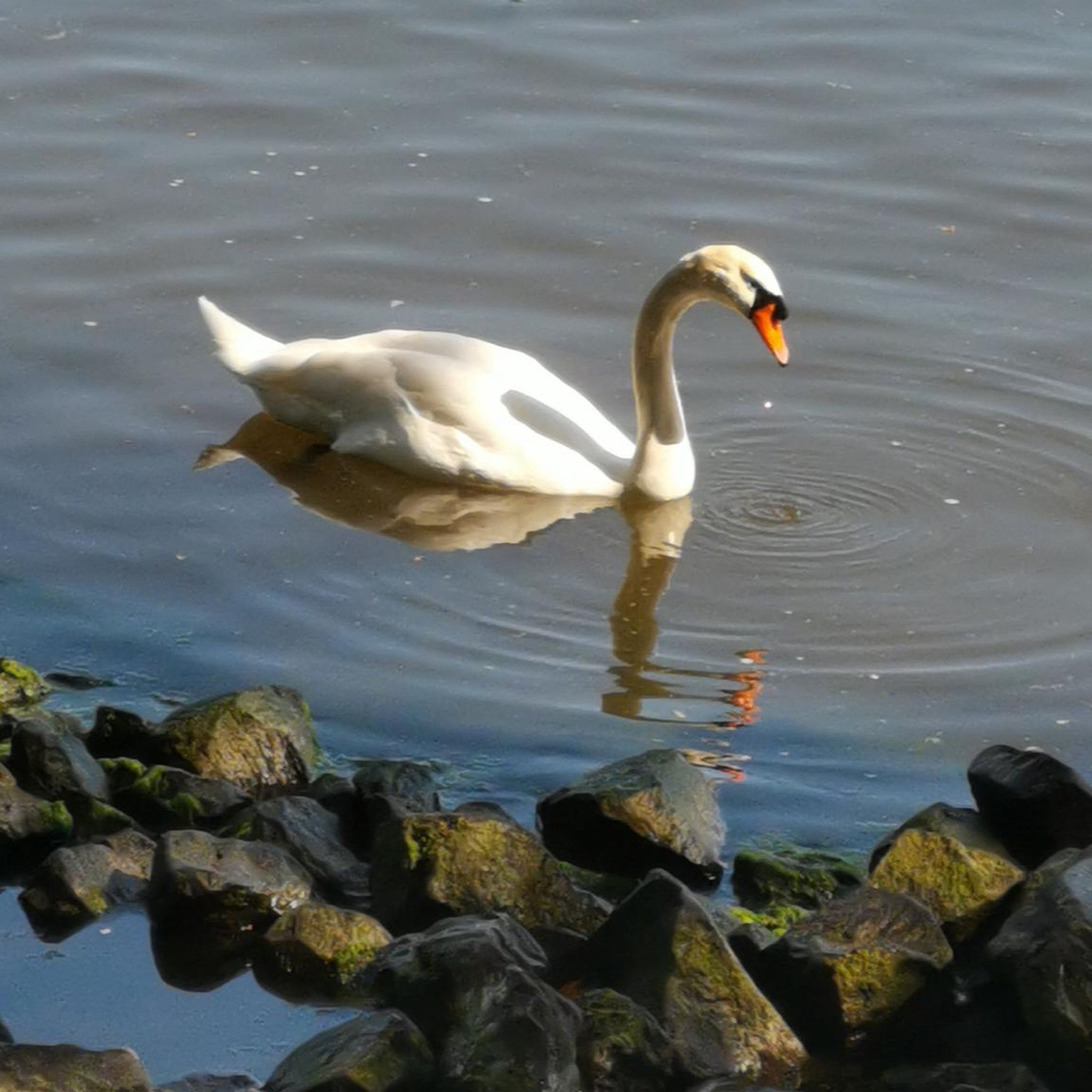
Some fine views over the Loch beside National Cycle route 7. Stop and take in the wildlife, with a good description of the various water-dwelling creatures in the area.
1
0


One of the oldest standing bridges in Scotland crosses the River Nith in Dumfries. Devorgilla Bridge is also sometimes known as Devorgilla's Bridge or the Old Bridge and is named after Devorgilla, Lady of Galloway, the mother of King John Balliol. All the land to the west of the River Nith traditionally formed part of Galloway, which only truly became part of Scotland during Alexander II's reign in the 1230s. Dumfries was therefore a frontier town for much of its early history and had grown up on the east side of a ford that provided the lowest crossing point of the River Nith. By 1186 the town was sufficiently well established to be made a Royal Burgh. According to some sources the first bridge was built across the River Nith at Dumfries during the 1260s by Devorgilla, Lady of Galloway. No trace of this bridge has ever been found, and if it existed at all it seems very likely that it was made of wood. There is rather more evidence for the immediate predecessor of the bridge you see today. Construction began on a stone bridge in about 1430, and a papal indulgence of 1432 recorded the Pope's approval for a call for subscribers to pay for the completion of the bridge. This bridge survived for a little under two centuries before being partially destroyed in a major flood in 1620 or 1621. Once more accounts differ, but it seems that the east half of the bridge was swept away and what was left might well have been severely damaged. https://www.undiscoveredscotland.co.uk/dumfries/devorgillabridge/index.html
2
0

Fantastic café with delicious food, friendly staff, and a refill shop which is perfect for topping up on camping food like oats, dried fruit, cous cous etc.
0
0

Thornhill is a wonderful village between Dumfries and Sanquhar. It's defined by its broad streets and unique Victorian villas. There are plenty of great places to eat, shop and drink in this attractive hamlet.
1
0
15th Century pedestrian bridge with lovely views over the River Nith. Steps on one side but they're easy to push your bike up or down, then you can ride over the rest of the bridge. Worth stopping for the view though.
0
0
Frequently Asked Questions
How many traffic-free road cycling routes are available in Dalmacallan Forest?
There are over 20 traffic-free road cycling routes around Dalmacallan Forest, offering a variety of options for different fitness levels. This includes 5 easy routes and 19 moderate routes, ensuring a suitable ride for most cyclists.
What kind of terrain can I expect on the no-traffic road cycling routes?
The routes predominantly feature paved surfaces, ideal for road cycling. While most are smooth, some longer, more challenging rides might include short unpaved sections where you may need to push your bike. The area offers diverse landscapes, from quiet forest roads to scenic lochside paths.
Are there any easy, traffic-free road cycling routes suitable for beginners?
Yes, there are 5 easy routes designed for a more relaxed experience. A great option is the Am Mòine Naomh – View of Loch Urr loop from Moniaive, which is approximately 37 km long with around 300 meters of elevation gain, offering beautiful views along a quiet, paved single-track road.
What are some scenic highlights or viewpoints along these routes?
Many routes offer picturesque views. You can expect to see prominent hills like Skelston Hill, Dalmacallan Hill, and Girharrow Hill. The Am Mòine Naomh – View of Loch Urr loop provides stunning vistas of Loch Urr itself. The region is part of the Thornhill Uplands, a designated Regional Scenic Area, guaranteeing beautiful landscapes throughout your ride.
Are there any longer, more challenging traffic-free road cycling routes?
For those seeking a greater challenge, there are 19 moderate routes available. The View of Bishop Forest Hill – View of Lochfoot Reservoir loop from Slatehouse Hill is a good example, covering over 56 km with around 440 meters of elevation, offering a more extensive ride through varied scenery.
Where can I start my road cycling tour, and are there amenities nearby?
Many popular routes, such as the Glenmidge – Dunreggan Brae loop, originate from the village of Moniaive. Moniaive is a good starting point as it offers local amenities, including cafes and pubs, making it convenient for pre-ride preparations or post-ride refreshments.
What do other cyclists say about road cycling in Dalmacallan Forest?
The komoot community highly rates the road cycling experience in Dalmacallan Forest, with an average score of 4.5 out of 5 stars based on 6 ratings. Cyclists often praise the peaceful, traffic-free nature of the routes and the beautiful, diverse landscapes of the region.
Are there any historical or archaeological sites to see while cycling?
Yes, the Dalmacallan Forest area has a rich history. You might encounter remains of unscheduled archaeological features, such as ancient cairns and old farmstead infrastructure, subtly integrated into the natural surroundings, adding an interesting historical dimension to your ride.
Can I find routes that pass by notable estates or designed landscapes?
Absolutely. The Maxwellton House Estate, a designated Garden and Designed Landscape, looks out towards Dalmacallan Forest, contributing to the aesthetic appeal of the vicinity. While specific routes might not enter the estate, they offer views and pass through the beautiful surrounding areas.
Are there any circular road cycling routes available?
Many of the traffic-free road cycling options in Dalmacallan Forest are designed as loops, allowing you to start and finish at the same point. For instance, the Drumlanrig Castle – Drumlanrig Castle loop from Slatehouse Hill offers a circular route of nearly 40 km, providing a convenient and enjoyable ride.
What is the best time of year to go road cycling in Dalmacallan Forest?
While specific seasonal advice isn't provided, the diverse landscapes of Dalmacallan Forest, including its coniferous forests and open uplands, suggest that spring and autumn offer pleasant temperatures and vibrant scenery. Summer provides longer daylight hours, while winter rides would require appropriate gear for colder, potentially wetter conditions.

Get inspired with the komoot mobile app


Explore more
Browse the best Road cycling routes in other regions.
