The best walks and hikes in Fish Slough Wilderness Study Area
5.0
(1)
6
hikers
2
hikes
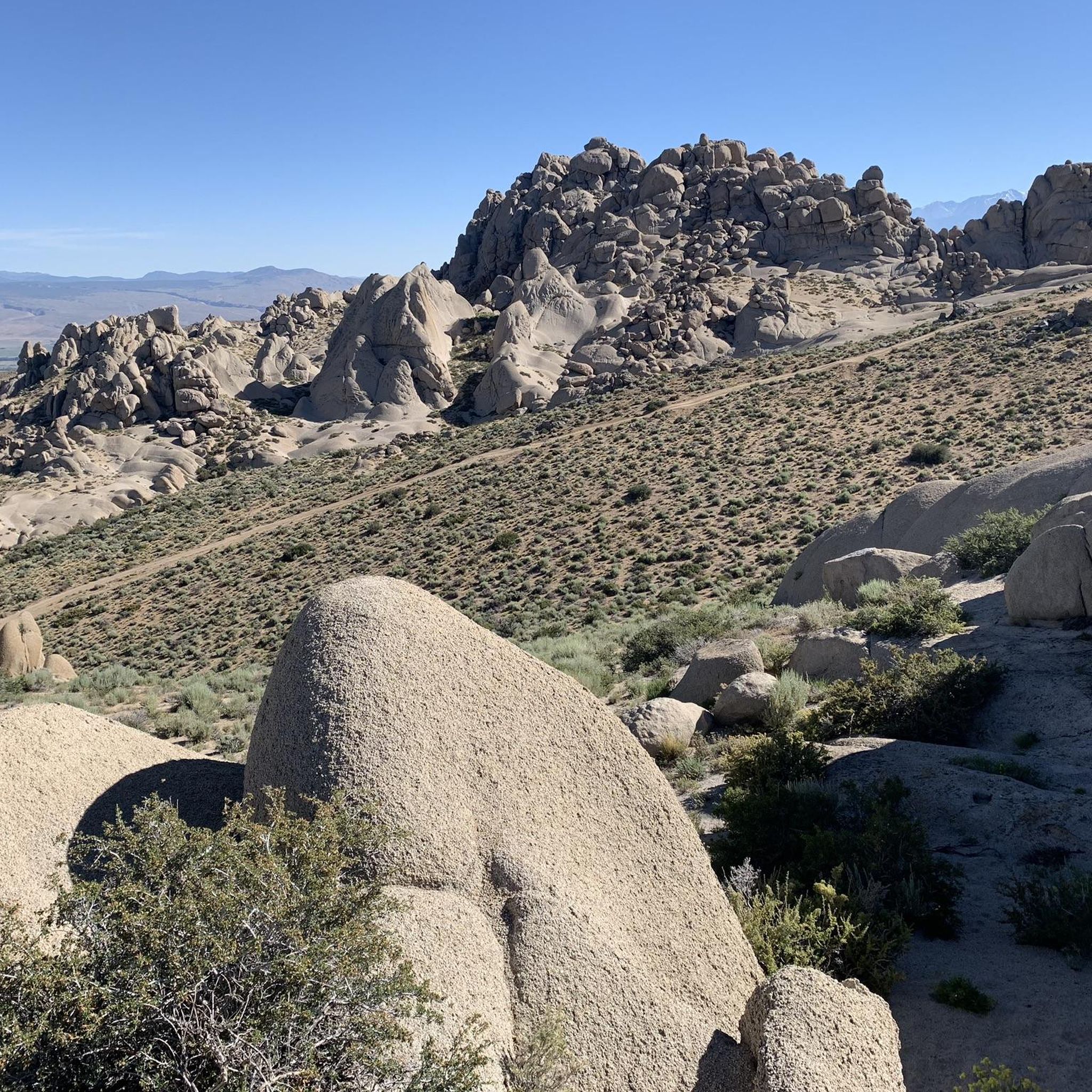
Hiking trails in Fish Slough Wilderness Study Area offer a diverse landscape characterized by lush wetlands, seasonally-wet alkali meadows, and drier uplands. The region features striking volcanic rock formations, including the Bishop Tuff, a result of the Long Valley Caldera eruption. Fish Slough itself is a vital oasis, fed by perennial freshwater springs, supporting unique flora and fauna within the arid desert environment. This area serves as a transition zone between the Mojave and Great Basin Deserts, providing varied terrain…
Last updated: October 8, 2026
4.10km
01:13
160m
70m
Easy hike. Great for any fitness level. Easily-accessible paths. Suitable for all skill levels.
5
hikers
4.35km
01:14
100m
100m
Easy hike. Great for any fitness level. Easily-accessible paths. Suitable for all skill levels.

28.3km
09:09
1,900m
60m
Hard hike. Very good fitness required. Easily-accessible paths. Suitable for all skill levels.
7.39km
02:12
360m
0m
Moderate hike. Good fitness required. Easily-accessible paths. Suitable for all skill levels.
5.0
(1)
1
hikers
14.6km
04:11
360m
360m
Moderate hike. Good fitness required. Easily-accessible paths. Suitable for all skill levels.
Our route recommendations are based on thousands of hikes, rides, and runs completed by other people on komoot.
Start today with a free account
Your next adventure awaits.
Popular around Fish Slough Wilderness Study Area

Tips from the Community


Lower Rock Creek Canyon Trail goes between a canyon, following the river the whole way. This is a nice option for a moderate hike, with beautiful scenery and plenty of wildflowers during spring and summer. The trail is divided in three sections; this section is good for hikers, it has an area where the canyon opens and it is less narrow, and where you can find shade and rocks to sit along the way, with a picnic area at the trailhead. The trail can be flooded during summer due to the snow runoff.
0
0
Frequently Asked Questions
What kind of terrain can I expect when hiking in Fish Slough Wilderness Study Area?
The Fish Slough Wilderness Study Area offers a diverse landscape, transitioning between the Mojave and Great Basin Deserts. You'll encounter lush wetlands fed by perennial springs, seasonally-wet alkali meadows, and drier uplands characterized by striking volcanic rock formations. The area is known for its unique geological features, including the Bishop Tuff and the impressive East Side Bluff, a result of the Long Valley Caldera eruption.
Are there any easy hiking trails suitable for beginners or casual walkers?
Yes, there are several easy options available. For instance, the Owens River Gorge trail is an easy hike covering about 4.1 km with a moderate elevation gain. Another accessible option is the Power Plant Ruin loop from Mesa Camp, which is approximately 4.3 km long and also rated as easy.
What unique natural features or wildlife can I see in Fish Slough Wilderness Study Area?
Fish Slough is a remarkable 'oasis in the desert' known for its rich biodiversity. You might spot migratory birds, raptors, and hummingbirds, as the area is an Important Bird Area. Keep an eye out for the endangered Owens Pupfish in the wetlands and unique plants like the threatened Fish-Slough Milk Vetch and Alkali Mariposa lily. The volcanic uplands also feature dramatic rock formations like the Happy Boulders and Sad Boulders.
Are there any cultural or historical sites to explore while hiking?
Yes, the Fish Slough area has significant cultural history. It was historically used by Paiute Indians for ricegrass collection, seed gathering, and hunting. You can find numerous petroglyphs scattered throughout the Volcanic Tablelands, with designated viewing areas along Fish Slough Road. For more information on visiting the petroglyphs, you can check the BLM website.
Is Fish Slough Wilderness Study Area suitable for family hikes?
The area offers easy trails that can be suitable for families, especially those looking for shorter, less strenuous walks. The diverse wildlife and unique landscapes can also be engaging for children. Always ensure you bring plenty of water and sun protection, as the desert environment can be harsh.
What is the best time of year to visit Fish Slough Wilderness Study Area for hiking?
The best times to visit are typically spring and fall when temperatures are milder. Spring brings blooming wildflowers and active wildlife, while fall offers pleasant weather. Summers can be very hot, and winters can be cold, though the area remains accessible year-round for those prepared for the conditions.
Are dogs allowed on the hiking trails in Fish Slough Wilderness Study Area?
Generally, dogs are permitted in the Fish Slough Wilderness Study Area, but it's crucial to keep them on a leash to protect the fragile ecosystem and wildlife. Always pack out any waste. Be mindful of the desert environment, which can be challenging for pets due to heat, lack of water, and sharp vegetation.
What do other hikers say about their experience in Fish Slough Wilderness Study Area?
The area is highly regarded by the komoot community, with an average rating of 5.0 stars based on user reviews. Hikers often praise the unique desert oasis environment, the opportunities for wildlife viewing, and the striking volcanic landscapes.
Are there any longer or more challenging hikes in the vicinity of Fish Slough Wilderness Study Area?
While the immediate Fish Slough WSA offers easier trails, the broader region provides more challenging options. For instance, the Funnel Lake via Coyote Valley trail is a difficult, longer hike, and the Lower Rock Creek Canyon Trail offers a moderate challenge.
Is there parking available at the trailheads for Fish Slough Wilderness Study Area?
Yes, parking is generally available at various access points and trailheads within and around the Fish Slough Wilderness Study Area. Access is primarily via dirt roads like Fish Slough Road. It's advisable to check specific trailhead information for the route you plan to hike to confirm parking availability and road conditions.
What should I bring for a hike in Fish Slough Wilderness Study Area?
Given the desert environment, essential items include plenty of water, sun protection (hat, sunscreen, sunglasses), sturdy hiking shoes, and layers of clothing. Binoculars are recommended for birdwatching and wildlife viewing. A map and compass or GPS device are also wise, as trails may not always be clearly marked.

Get inspired with the komoot mobile app


Explore more
Browse the best Hikes in other regions.
