Attractions and Places To See in Crawford Lake Conservation Area - Top 5
Best attractions and places to see in Crawford Lake Conservation Area include a rare meromictic lake, a reconstructed 15th-century Iroquoian village, and an extensive network of trails. Situated on the Niagara Escarpment, the area features diverse ecosystems and significant cultural sites. It offers a blend of natural beauty and historical insights, making it a notable destination for exploration.
Best attractions and places to see in Crawford Lake Conservation Area
- The most popular attractions is View of Rattlesnake Point, a…
Last updated: July 18, 2026
Crawford Lake
Highlight • Lake
Crawford Lake is a unique body of water referred to as the Meromictic Lake. In a meromictic lake, the water in the lower half of …
Translated by Google •
Tip by

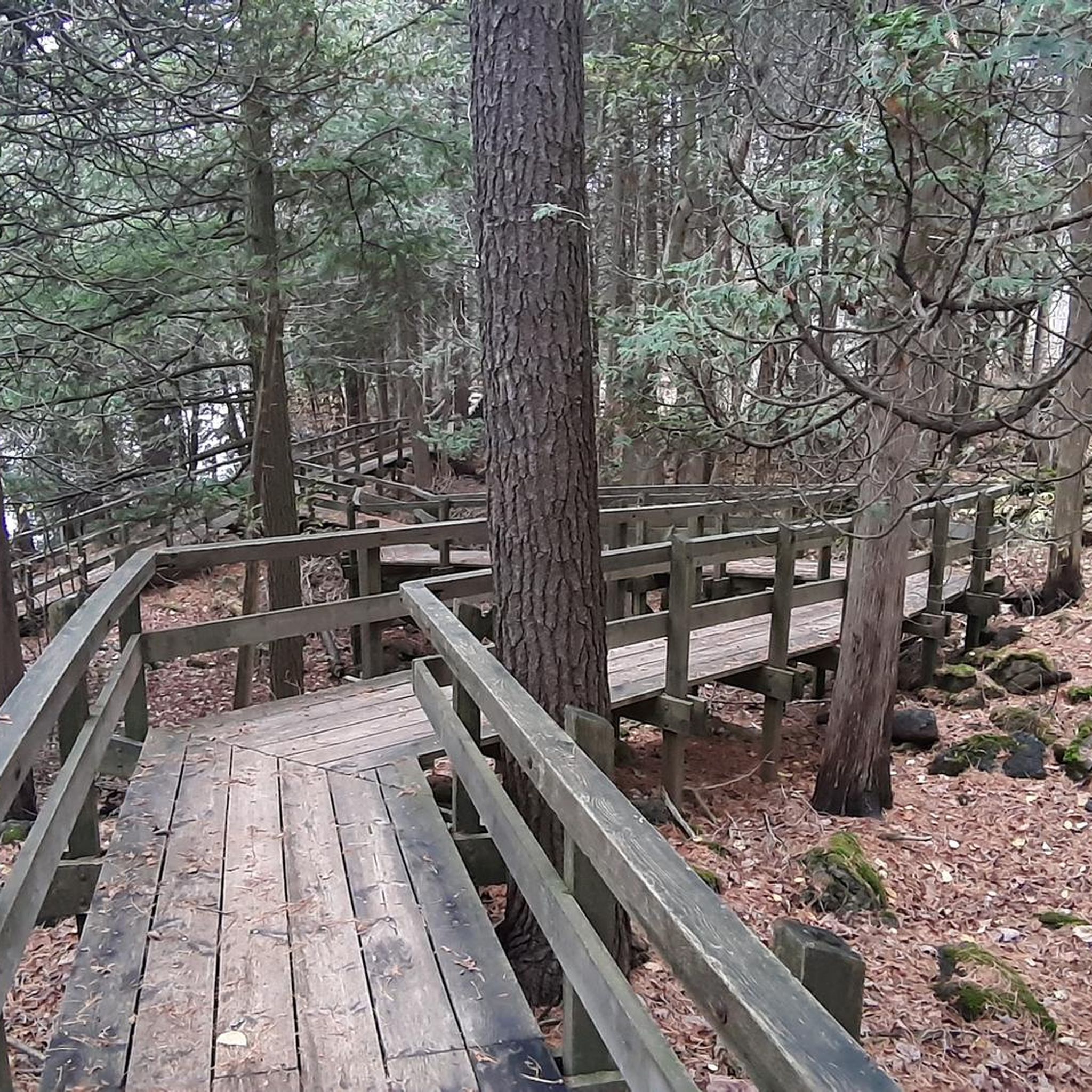
Wooden Bridge and Boardwalk
Highlight (Segment) • Bridge
Tip by

Sign up now to discover places like this
Get recommendations on the best single tracks, peaks, & plenty of other exciting outdoor places.
Sign up for free
View of Rattlesnake Point
Highlight • Viewpoint
Tip by
Bruce Trail: Iroquoia Section
Highlight (Segment) • Trail
Tip by
Wendat Longhouse Village at Crawford Lake
Highlight • Historical Site
Remains of 3 houses have been fully reconstructed and …
Tip by

Start today with a free account
Your next adventure awaits.
Login or Signup

Tips from the Community

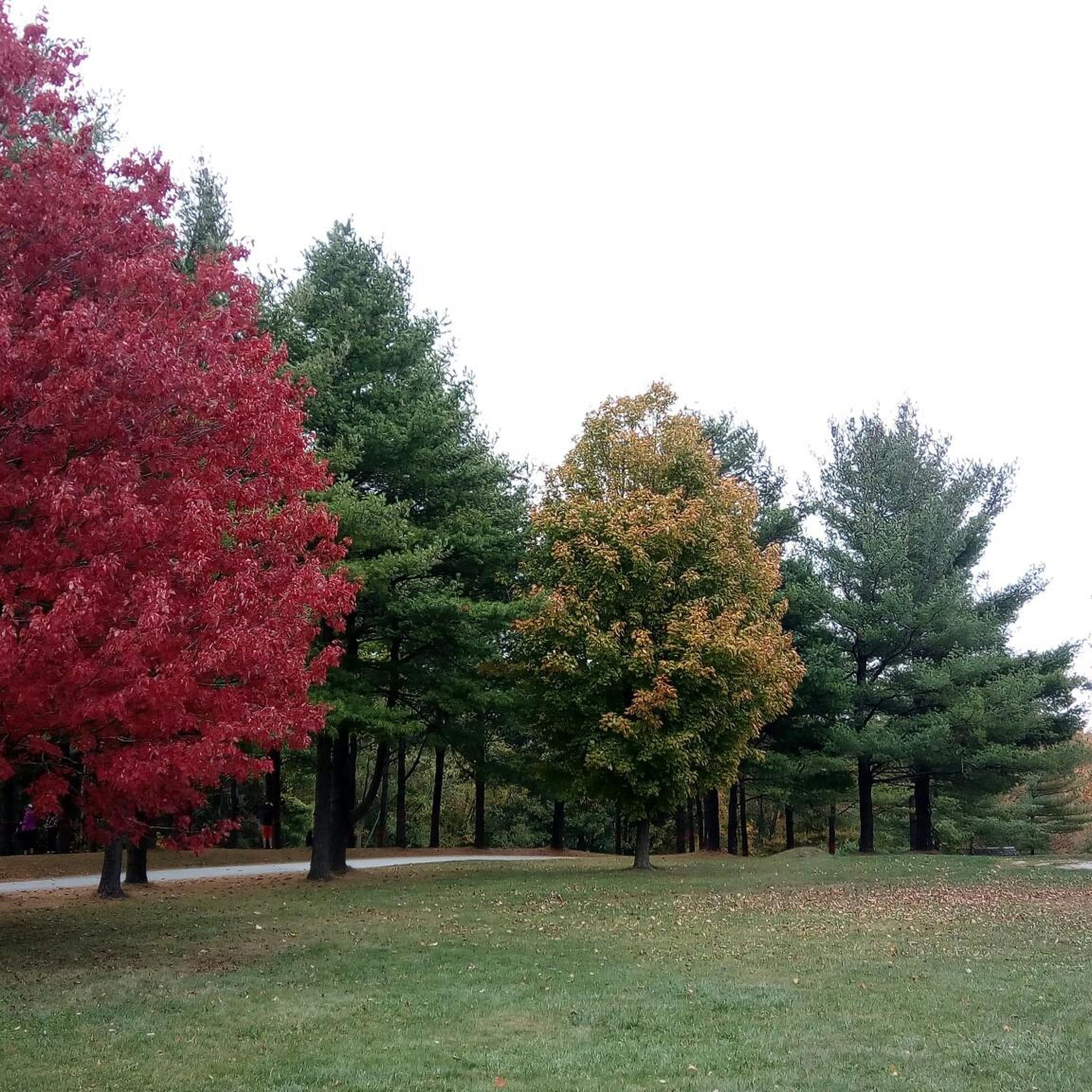
As you step out onto the escarpment’s edge, the limestone cliffs open into a sweeping view of valleys and farmland below. From here, you can watch for eagles soaring over your head or simply take in the wide panorama stretching toward the ridge tops. It's the perfect place to pause and absorb the beautiful landscape before continuing on the trail.
1
0
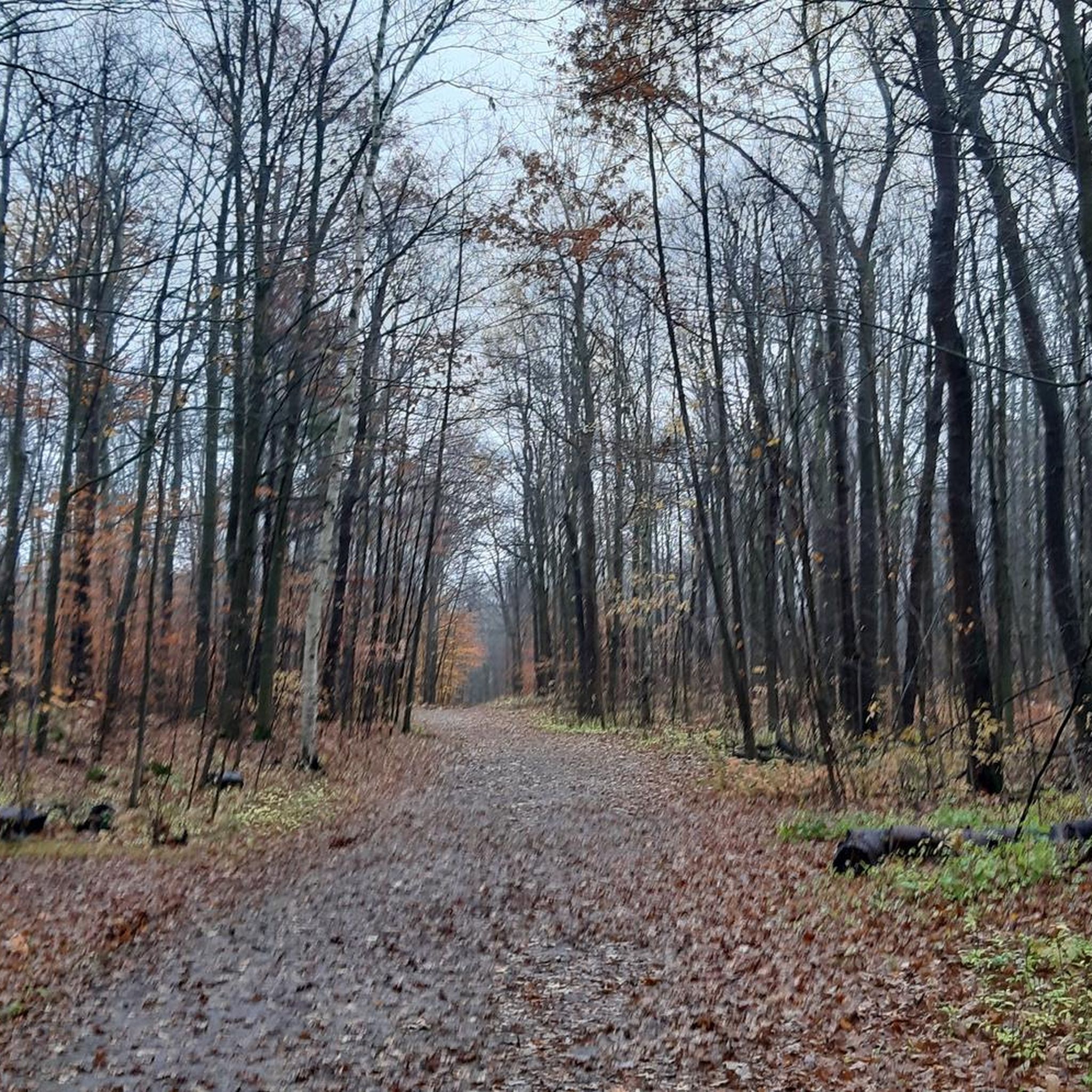
This section of the Bruce Trail follows the Niagara Escarpment’s crest through mixed forest, rocky ridges, and quieter woodland interior. Characterized by its classic white blazes, rolling terrain, and varied trail surfaces, it’s a fantastic route through both sheltered canopy paths and open bluff edges with occasional views across the valley. It forms the backbone of many loop hikes in the area, including routes that link escarpment lookouts, canyon descents, and conservation lands.
0
0
This boardwalk runs for about 150 metres, crossing Limestone Creek and winding through the lowlands before linking back up with the main trail. It's a nice place to slow down, take a quiet pause in the wetlands before heading up to higher ground.
0
0

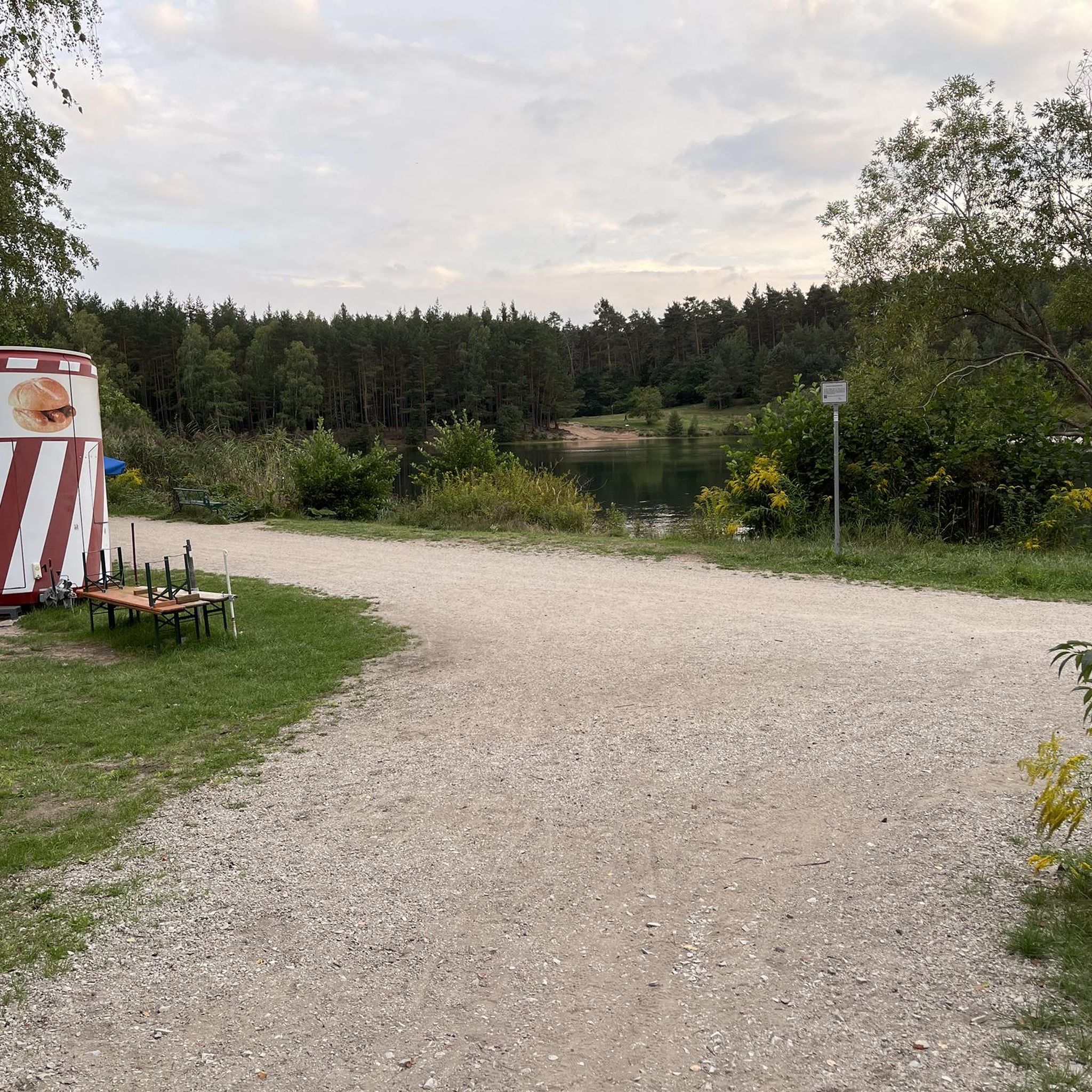
Translation of the information board Crawford Lake is a unique body of water referred to as the Meromictic Lake. In a meromictic lake, the water in the lower half of the lake does not mix with the water in the upper half. This results in a condition that preserves sediments in light and dark layers at the bottom of the lake. By examining the strata, scientists can learn about changes in climate, vegetation, human habitation, and atmospheric chemistry. Crawford Lake has garnered international attention as one of ten locations (including the Great Barrier Reef, the Baltic Sea, and the Antarctic Ice Sheet) that could be used to officially mark the end of the Holocene Epoch and the start date of the Anthropocene Epoch. This marker of change is known as the "Golden Spike".
0
0

the Longhouse people- inhabitants of this village were likely ancestors of Wendat or Attawandaron Confederacies, both part of Iroquoian linguistic group. Remains of 3 houses have been fully reconstructed and showing great number of original artifacts. Original houses date back to the 13 century. Enjoy and respect. Spirit of the First Nation people is still present.
0
0
Frequently Asked Questions
What makes Crawford Lake a unique natural attraction?
Crawford Lake is a rare meromictic lake, meaning its water layers do not mix. This unique characteristic has preserved centuries of sediment, making it a crucial site for scientific research. It was even designated as the 'golden spike' site to define the start of a new geological epoch, the Anthropocene. You can learn more about this fascinating feature at Crawford Lake itself.
Are there any historical or cultural sites to explore in the area?
Yes, the area is home to a significant cultural site: the Wendat Longhouse Village at Crawford Lake. This features authentically reconstructed 15th-century Iroquoian longhouses built on the original archaeological footprint of a former village. Visitors can learn about Indigenous art, culture, history, and traditions through interpretive programs and exhibits.
What kind of hiking trails are available at Crawford Lake Conservation Area?
Crawford Lake Conservation Area offers a diverse network of hiking trails. You can enjoy the elevated boardwalk around Crawford Lake, which is a flat and easy stroll. For more challenging terrain, explore sections of the Bruce Trail: Iroquoia Section, which follows the Niagara Escarpment's crest. Other popular trails include the Species at Risk Trail, Woodland Trail, Escarpment Trail, Pine Ridge Trail, and the Nassagaweya Canyon Trail connecting to Rattlesnake Point.
Are there easy walking trails suitable for all ages?
Yes, the elevated boardwalk that encircles Crawford Lake is a flat and easy trail, perfect for a leisurely stroll and suitable for most visitors. Additionally, you can find several easy hiking routes, such as the 'Crawford Lake loop' or 'Crawford Lake Trail – Crawford Lake loop', which are detailed in the Easy hikes in Crawford Lake Conservation Area guide.
Where can I find scenic viewpoints in the conservation area?
For breathtaking vistas, head to the View of Rattlesnake Point. From here, you'll see sweeping views of valleys and farmland below, with opportunities to spot eagles soaring. The Bruce Trail: Iroquoia Section also offers occasional views across the valley from its open bluff edges.
What outdoor activities can I do besides hiking?
Beyond hiking, the area around Crawford Lake Conservation Area is excellent for road cycling. You can explore various routes, such as the 'Flying Monkey Coffee Bar loop from Campbellville' or 'Progreston Pond – Calcium Pits loop from Flamboro'. Find more options in the Road Cycling Routes in Crawford Lake Conservation Area guide.
Are there family-friendly attractions or activities?
Absolutely! Many attractions are family-friendly. The Crawford Lake boardwalk is an easy walk for all ages. The Wendat Longhouse Village at Crawford Lake offers an educational and engaging experience for families to learn about Indigenous culture. The View of Rattlesnake Point is also a great spot for families to enjoy scenic views together.
When is the best time to visit Crawford Lake Conservation Area?
Crawford Lake Conservation Area offers year-round activities. Spring brings the 'Sweetwater Season Experience' with maple syrup demonstrations. Summer is ideal for hiking and exploring the lake. Fall showcases stunning foliage along the Niagara Escarpment, and winter provides opportunities for snowboarding and cross-country skiing.
What is the 'Wooden Bridge and Boardwalk' and what can I expect there?
The Wooden Bridge and Boardwalk is a 150-meter section that crosses Limestone Creek and winds through lowlands. It offers a peaceful spot to pause and enjoy the wetlands before connecting back to the main trails. Please note that the main boardwalk around Crawford Lake is temporarily closed for reconstruction from September 2025 to Summer 2026, but this specific bridge and boardwalk section may still be accessible depending on trail conditions.
What kind of wildlife and flora can I expect to see?
The conservation area is rich in biodiversity. You can spot various birds and wildflowers, including Ontario's provincial flower, the Trillium. The forests are primarily hardwood, featuring sugar maple, ironwood, and oak, with a diverse understory of shrubs and wildflowers. The Species at Risk Trail also educates visitors about local endangered species through carved wooden sculptures.
Can I connect to other conservation areas from Crawford Lake?
Yes, the Nassagaweya Canyon Trail is a more challenging 4.7-kilometer trail that directly connects Crawford Lake Conservation Area to Rattlesnake Point Conservation Area, offering stunning views along the way.
Most popular routes in Crawford Lake Conservation Area

Get inspired with the komoot mobile app


Explore more
Still not found the Highlight you’re looking for? See guides of the top attractions in other regions:
