Top 3 Castles around Quelfes
Castles around Quelfes and its vicinity offer a glimpse into the Algarve's rich history, from Roman times to medieval fortifications. While Quelfes itself features historical sites like the Roman bridge Ponte Velha and the Igreja Matriz, the broader region provides access to significant fortified structures. These sites showcase diverse architectural styles and historical periods, reflecting the area's strategic importance over centuries. Visitors can explore ancient defenses and palatial estates within a short distance of Quelfes.
Best castles around Quelfes
- The…
Last updated: June 2, 2026
Arco do Repouso (Rest Archway)
Highlight • Monument
Translated by Google •
Tip by

Palácio de Estoi
Highlight • Monument
Sign up now to discover places like this
Get recommendations on the best single tracks, peaks, & plenty of other exciting outdoor places.
Sign up for free
Coastal tower 🏰 Luz de Tavira
Highlight • Castle
Translated by Google •
Tip by

Faro Castle
Highlight • Castle
Showing Translation
Tip by

Start today with a free account
Your next adventure awaits.
Login or Signup
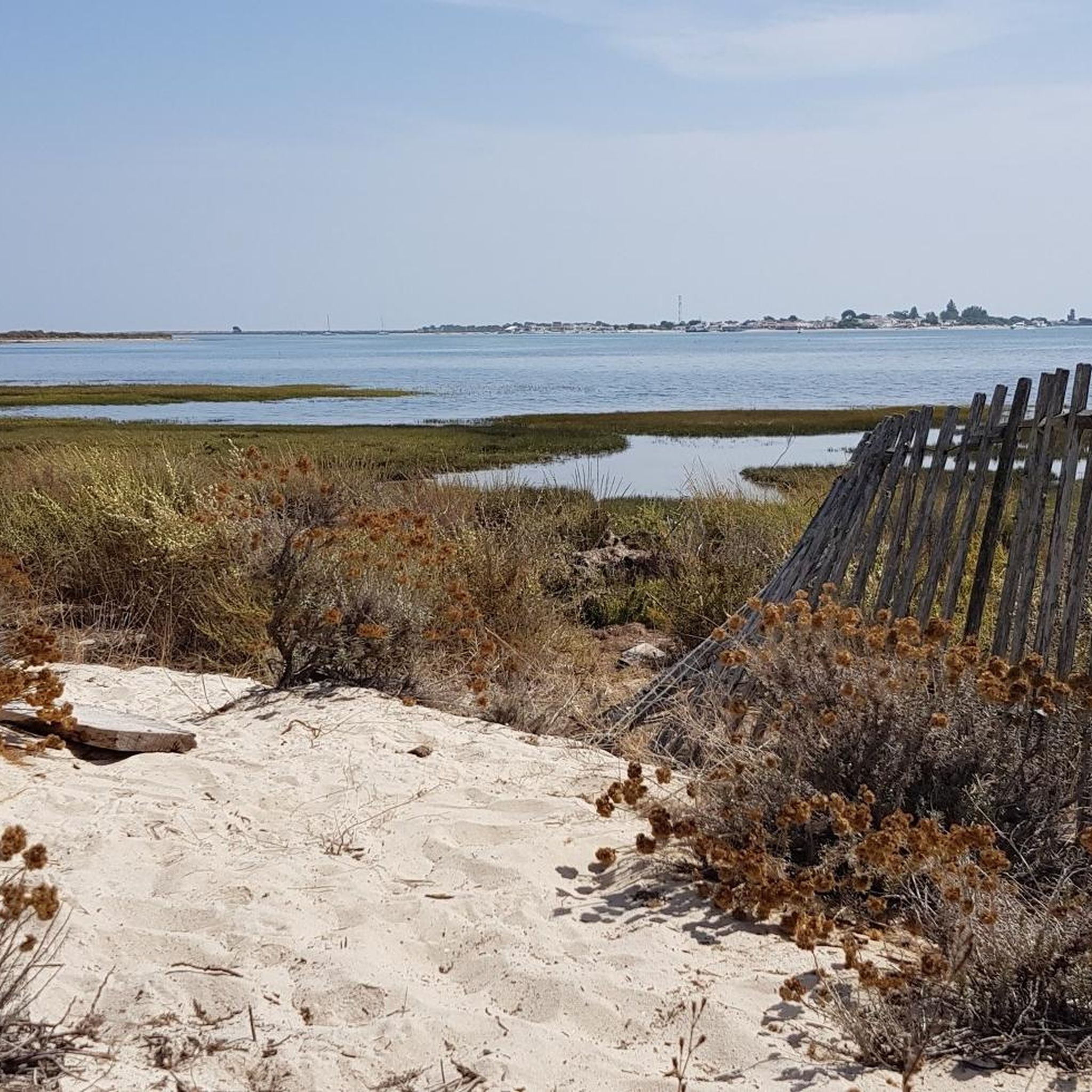
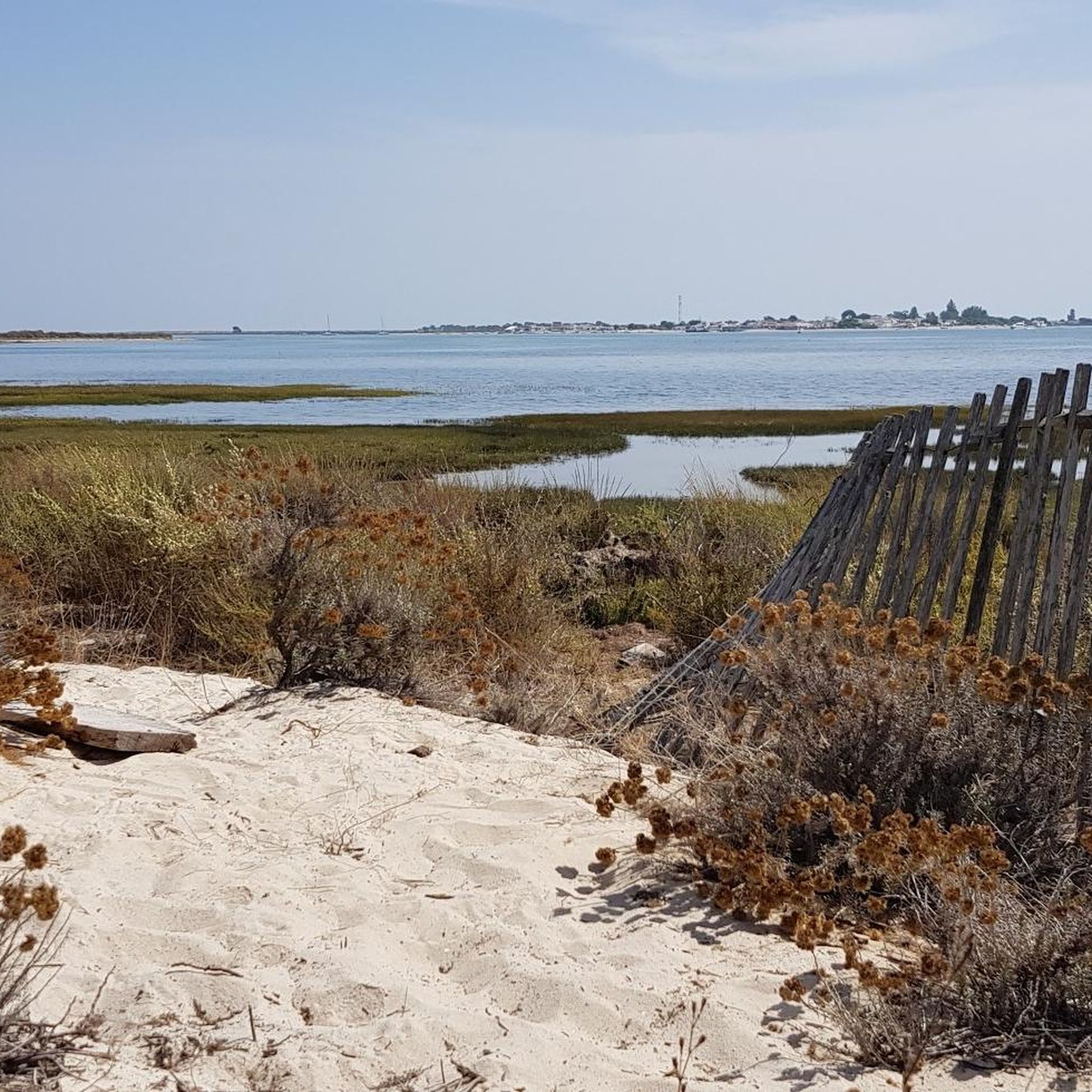
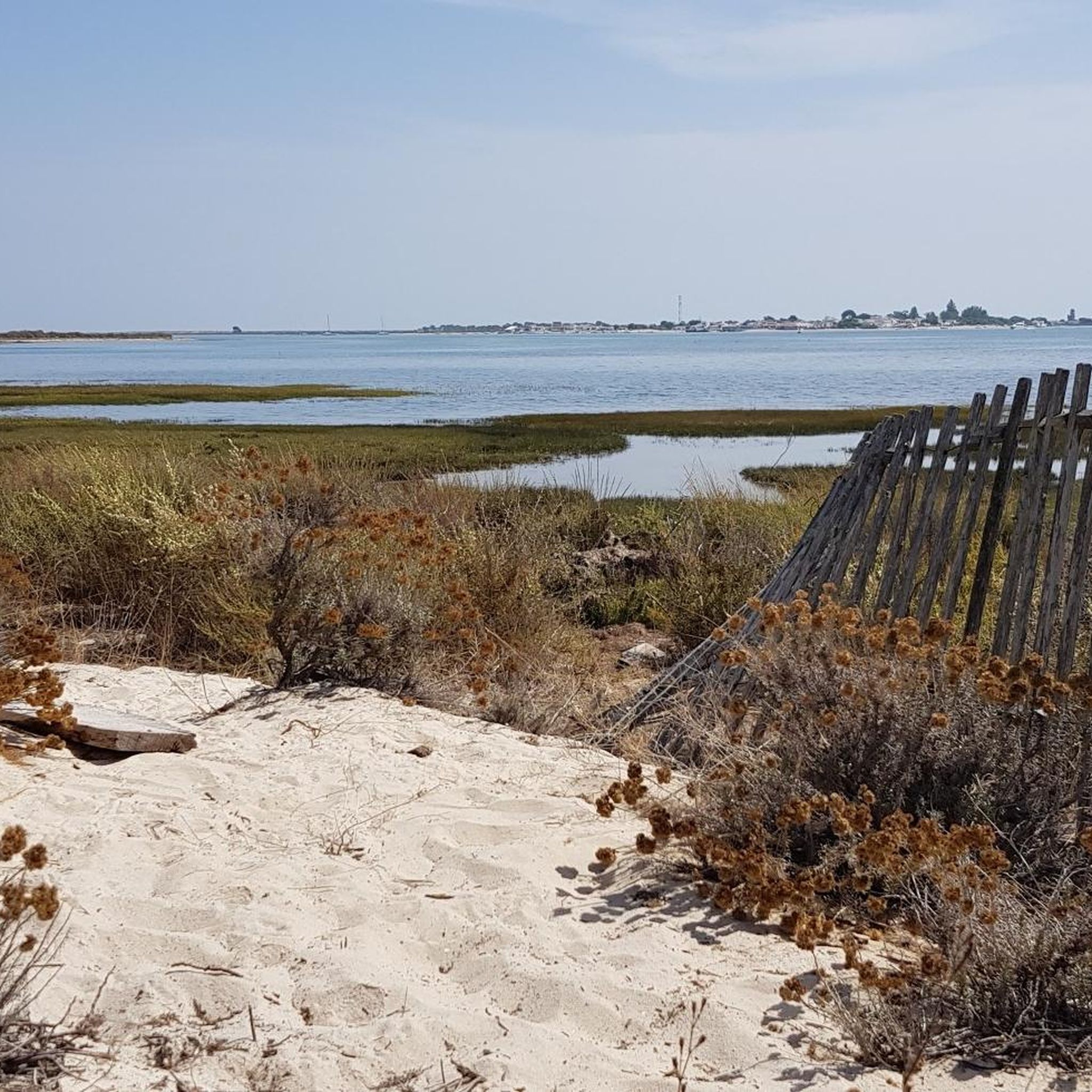
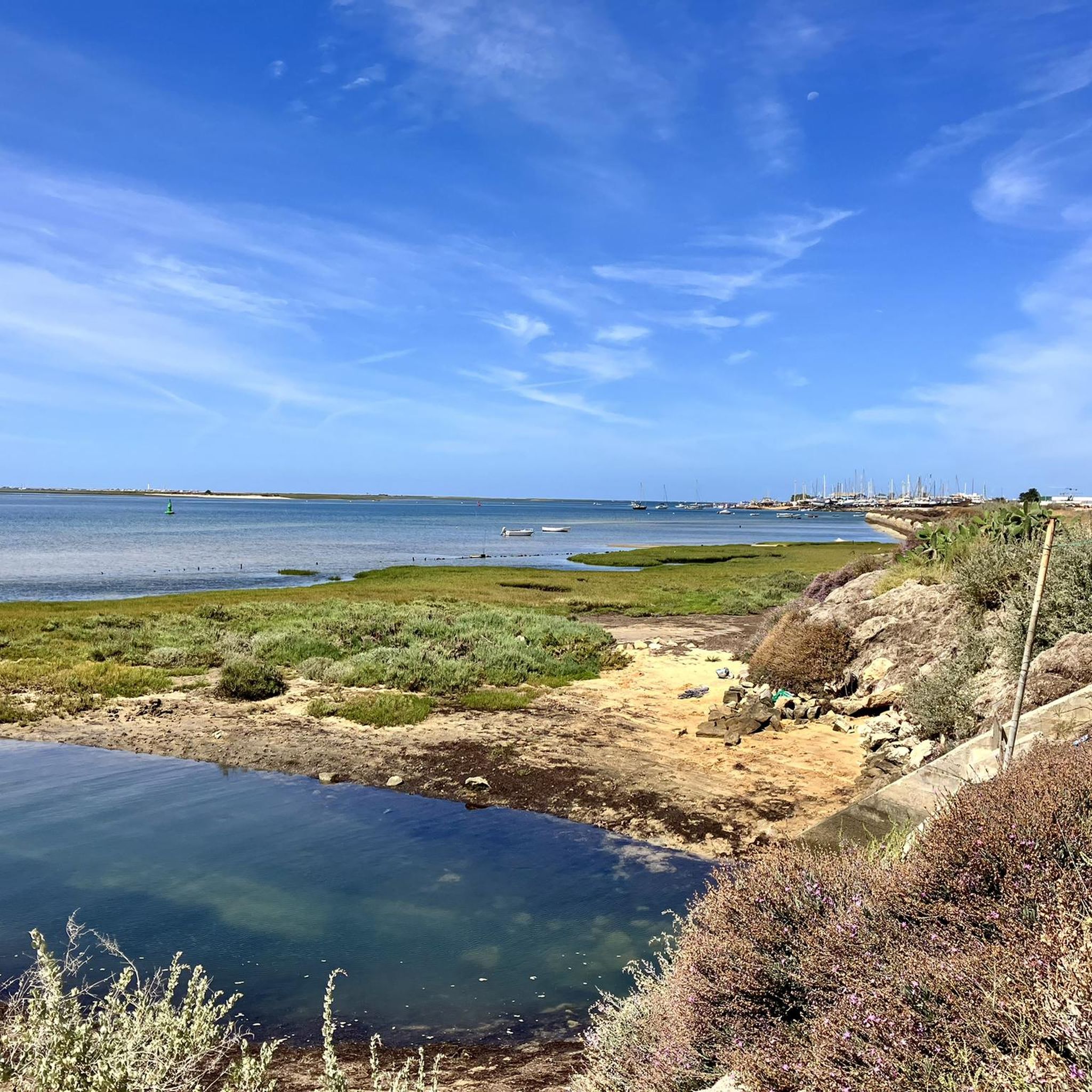

Tips from the Community

...worth seeing fortress with many historical buildings 👀
1
0

The Gate of Peace - one of the entrances to Faro's old town
0
0
The fortress of Faro. Beautifully situated on the water.
0
0

Typical Algarve village between sea and mountains. Beautiful palace with its gardens open to the public. The palace houses a pousada. See also the village streets, the church, the old cinema and the Roman ruins ... nice hikes in the surroundings.
2
0

In Roman times this was an important port. Therefore, a fortress tower called Torre Aires was built so that the port city could be protected from here.
1
1

Impressive city gate with Azulejo panels depicting the conquest of the city of Faro by Christian crusaders. The "Arco do Repouso" is one of several medieval city gate leading to the Largo de São Francisco with its "Igreja de São Francisco", the Franciscan church built in the 17th century on the remains of the "Convento de Santo António"
0
0

The gardens in the Palácio do Visconde are of overwhelming splendor. Good, that even if you are not overnight guest in the (expensive) Pousada, you can take a look in the gardens of the palace complex. A wealth of impressions worth the extensive exploration!
0
0
A magnificent palace, which is now used as a luxurious pousada.
1
0
Frequently Asked Questions
What historical sites can I explore directly in Quelfes?
While Quelfes doesn't have traditional castles, it offers significant historical sites. You can visit the Ponte Velha de Quelfes, a Roman bridge dating back to the 1st century AD, known for its single arch and historical battle significance. The Igreja Matriz de Quelfes, from the late 15th century, showcases Gothic and Renaissance architecture. Additionally, the Vila Romana da Quinta de Marim Archaeological Site indicates the area's Roman roots.
Which castles and fortified structures near Quelfes are most recommended for visitors?
For those exploring the broader Algarve region, several notable structures are highly recommended. The Palácio de Estoi is celebrated for its beautiful architecture and romantic gardens. In Faro, the Arco do Repouso (Rest Archway) is an impressive medieval city gate with Azulejo panels. Further afield, the Castle of Silves is one of the best-preserved Arab fortifications in Portugal.
Are there family-friendly castles to visit around Quelfes?
Yes, several historical sites and 'castles' in the vicinity are suitable for families. Both the Arco do Repouso (Rest Archway) in Faro and the Palácio de Estoi are listed as family-friendly highlights, offering engaging historical experiences and beautiful surroundings for all ages.
What kind of historical significance do the castles in the Algarve region hold?
The castles and fortified structures in the Algarve region reflect a rich history spanning Roman, Visigothic, and Moorish periods. Sites like the Castle of Silves were crucial strongholds during the Arab presence and the Christian Reconquista. Coastal towers, such as the Coastal tower 🏰 Luz de Tavira, highlight the region's strategic importance for maritime defense against invaders and pirates.
Can I combine a castle visit with outdoor activities near Quelfes?
Absolutely! The region around Quelfes offers various outdoor activities. You can explore hiking trails or MTB routes that often pass by or are near historical sites. For example, you can find routes like the 'Coastal tower 🏰 Luz de Tavira – Old/Roman Bridge 🌉 Tavira loop' for mountain biking or the 'Fishing traps in Fuzeta Harbour – Fuseta Salt Pans loop' for hiking. Find more options on the Hiking around Quelfes or MTB Trails around Quelfes guide pages.
What is the best time of year to visit the castles near Quelfes?
The Algarve region enjoys a mild climate, making castle visits pleasant for much of the year. Spring (April-May) and autumn (September-October) are ideal, offering comfortable temperatures for exploring and fewer crowds than the peak summer months. Summer can be very hot, so early mornings or late afternoons are best if visiting then.
Are the castles around Quelfes accessible for visitors with mobility concerns?
Accessibility varies greatly among historical sites. While some modern attractions or parts of renovated palaces like the Palácio de Estoi (now a hotel) might offer better access, many older fortifications, such as medieval city gates or hilltop castles, may have uneven terrain, stairs, or limited facilities. It's advisable to check specific accessibility details for each site before your visit.
Where can I find impressive views or natural features near these historical sites?
Many historical sites in the Algarve are strategically located to offer scenic views. The Coastal tower 🏰 Luz de Tavira is itself a viewpoint, offering vistas of the surrounding area. The Castle of Silves, perched on a hilltop, provides panoramic views of the town and river. The region's proximity to the Ria Formosa Natural Park also means many routes near historical sites offer beautiful coastal and wetland scenery.
How much time should I allocate for visiting a castle near Quelfes?
The time needed can vary. For smaller sites like the Arco do Repouso or the Coastal tower 🏰 Luz de Tavira, 30 minutes to an hour might suffice. Larger sites like the Palácio de Estoi or the Castle of Silves, especially if you explore the grounds, gardens, or museum, could easily take 1.5 to 3 hours.
What makes the Palácio de Estoi a unique visit?
The Palácio de Estoi is considered one of the most beautiful sights in the Algarve, known for its late 18th-century architecture and romantic gardens. It offers a glimpse into aristocratic life and is unique in that it now houses a luxurious hotel (Pousada), allowing visitors to experience its grandeur firsthand, even if just for a stroll through its publicly accessible gardens.
What are the main historical features of the Arco do Repouso in Faro?
The Arco do Repouso (Rest Archway) is an impressive medieval city gate in Faro. It features beautiful Azulejo panels that depict the conquest of Faro by Christian crusaders, symbolizing a pivotal moment in the city's history. It serves as an entrance to the Largo de São Francisco, where the 17th-century Igreja de São Francisco is located, making it a key historical landmark.
Are there any coastal fortifications to explore near Quelfes?
Yes, the Coastal tower 🏰 Luz de Tavira, also known as Torre Aires, is a notable coastal fortification. Built in Roman times when Luz de Tavira was an important port, it served to protect the city from maritime threats. It offers historical context regarding the region's coastal defenses and provides a glimpse into ancient military architecture.
Most popular attractions around Quelfes

Get inspired with the komoot mobile app


Explore more
Looking for the best castles somewhere else? Discover other guides around Quelfes:
