Top 3 Gorges around Cheile Bicazului - Hășmaș National Park
Best canyons around Cheile Bicazului - Hășmaș National Park are located in the Eastern Carpathians of Romania, characterized by dramatic landscapes developed in Jurassic limestone. The park features deep canyons carved by rivers, serving as passages between regions. Notable canyons include Cheile Bicazului, Cheile Șugăului, Cheile Bicăjelului, and Cheile Lapoșului. These areas offer diverse geological formations and natural features.
Best canyons around Cheile Bicazului - Hășmaș National Park
- The most popular canyons is Bicaz Gorge (Cheile Bicazului), a gorge…
Last updated: October 5, 2026
Bicaz Gorge
Highlight • Gorge
Tip by

Bicaz Gorge (Cheile Bicazului)
Highlight • Gorge
Tip by

Sign up now to discover places like this
Get recommendations on the best single tracks, peaks, & plenty of other exciting outdoor places.
Bicaz Gorge Narrow Passage
Highlight • Gorge
Translated by Google •
Tip by

Altar Stone (Piatra Altarului), Bicaz Gorge
Highlight • Gorge
They …
Tip by
Start today with a free account
Your next adventure awaits.
Popular around Cheile Bicazului - Hășmaș National Park
Tips from the Community

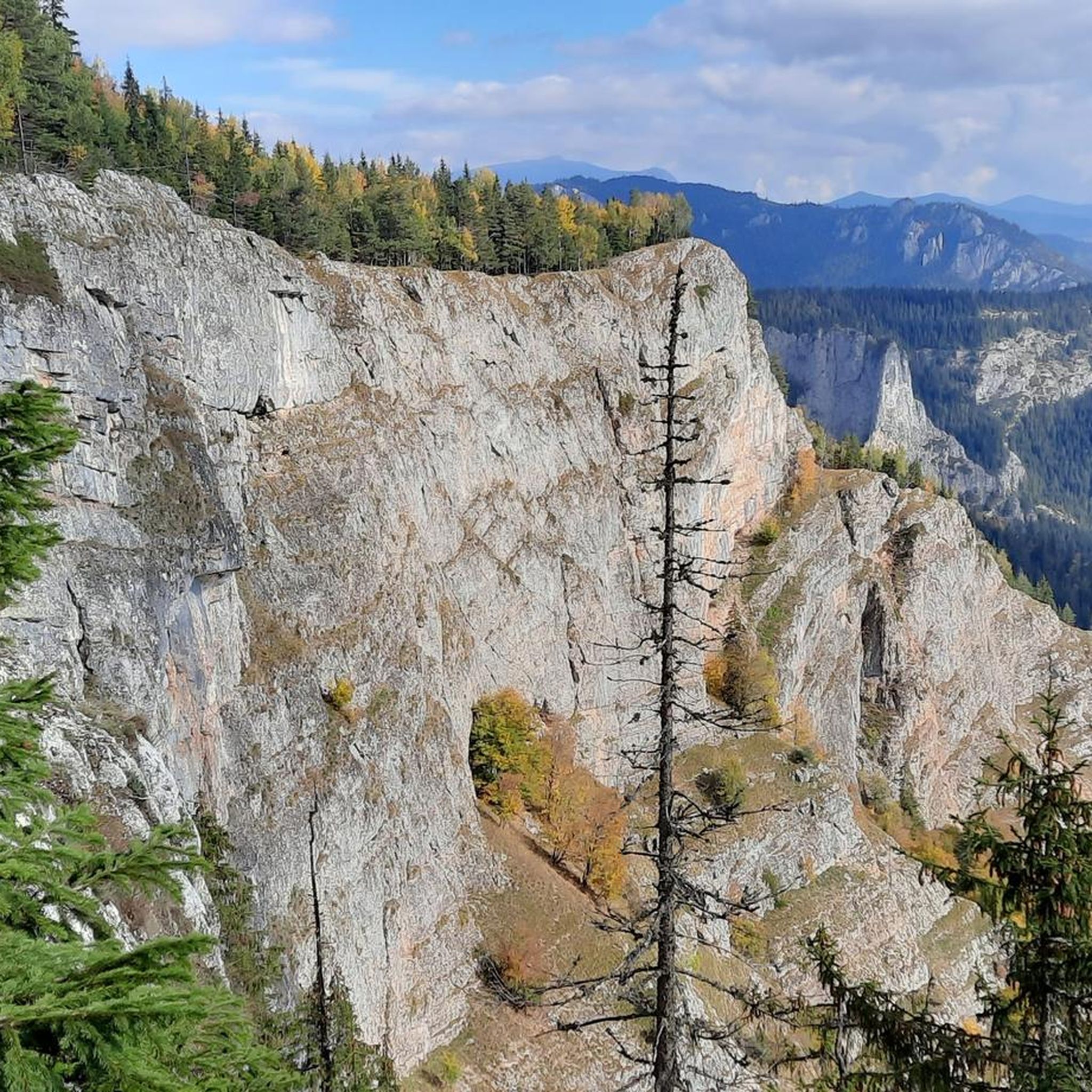
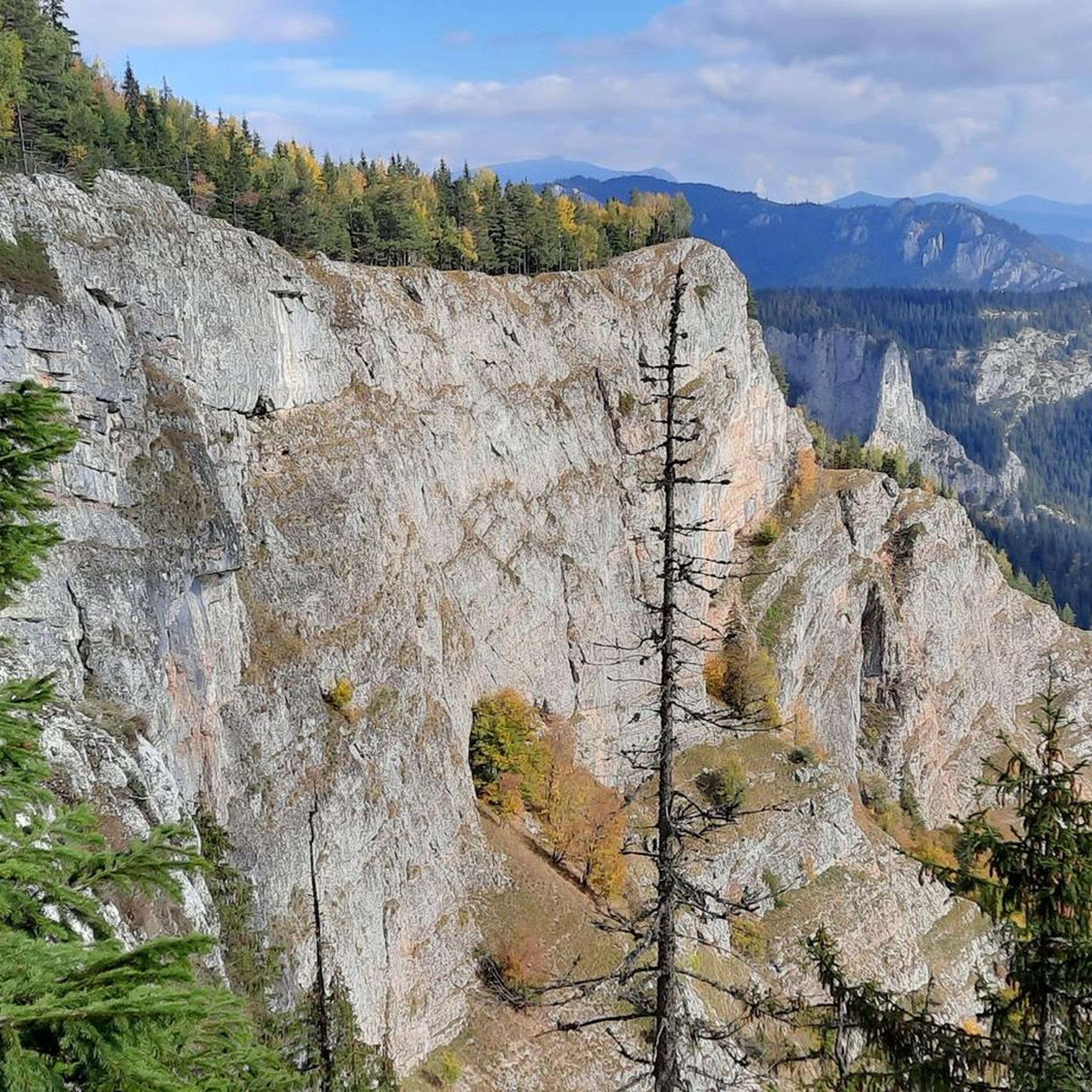
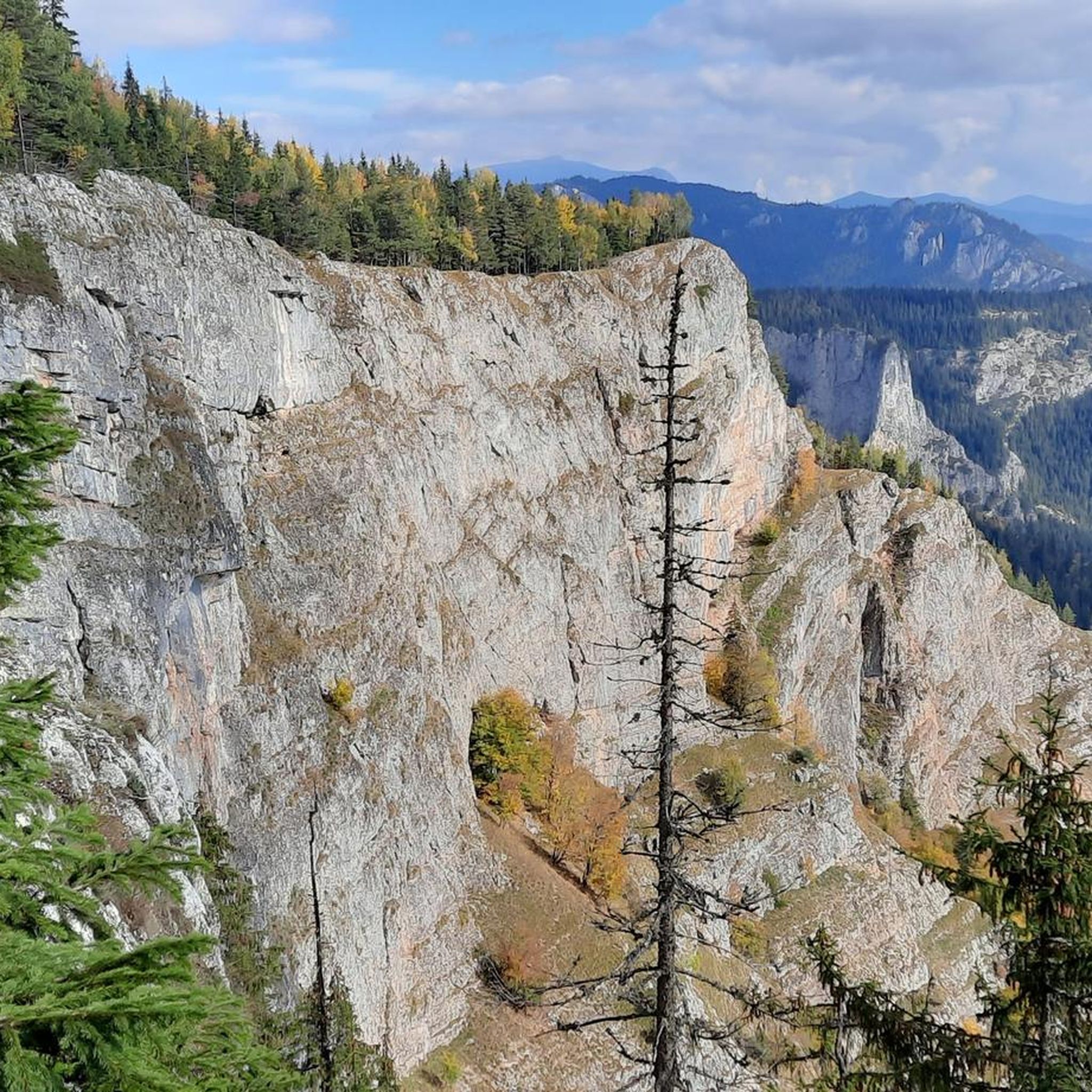
The Bicaz Gorge (Cheile Bicazului) in the Eastern Carpathians is one of Romania's deepest, most wild and impressive gorges. Nestled between steep rock faces up to 300 meters high and dense forests, it connects the town of Bicaz in the north with the region around the Red Lake (Lacul Roșu) in the south. The gorge was formed by the erosive power of the Bistrița river, which carved deep into the rock over millennia, creating a landscape reminiscent of North America's wildest canyons. The DN12, which runs through the gorge, is one of Romania's most spectacular roads – narrow, winding, and lined with breathtaking rock formations. It is equally popular with motorcyclists, car drivers, and cyclists, but also offers countless opportunities for hikers and nature lovers. A walk along the gorge or a hike to the viewpoints is particularly worthwhile, as spectacular panoramas repeatedly open up here. A highlight is the Red Lake, located just a few kilometers from the gorge, which with its deep red color, caused by minerals and algae, appears like a natural wonder. The Bicaz Gorge is not only a geological jewel but also a hotspot for outdoor activities. Hikers can roam through the gorge on well-marked trails, while climbers can explore the steep rock faces. Anglers can find trout and other fish species in the gorge's waters, and those who simply want to enjoy the silence of nature will find perfect spots for a picnic or a break on the banks of the Bistrița or in the surrounding mountains. The region is also home to rare plants and animals, including various bird species and even bears.
0
0
The Bicaz Gorge (Cheile Bicazului) in the Eastern Carpathians (Neamț County) is one of Romania's deepest, most wildly romantic, and impressive gorges. Nestled between steep rock walls up to 300 meters high and dense forests, it connects the town of Bicaz in the north with the region around the Red Lake (Lacul Roșu) in the south. The gorge was formed by the erosive power of the Bistrița River, which carved deeply into the rock over millennia, creating a landscape reminiscent of the wildest canyons of North America. The DN12, which runs through the gorge, is one of Romania's most spectacular roads – narrow, winding, and lined with breathtaking rock formations. It is equally popular with motorcyclists, car drivers, and cyclists, but also offers countless opportunities for hikers and nature lovers. A walk along the gorge or a hike to the viewpoints is particularly worthwhile, as spectacular panoramas repeatedly open up here. A highlight is the Red Lake, located just a few kilometers from the gorge, which, with its deep red color caused by minerals and algae, appears as a natural wonder. The Bicaz Gorge is not only a geological jewel but also a hotspot for outdoor activities. Hikers can roam through the gorge on well-marked trails, while climbers can explore the steep rock faces. Anglers will find trout and other fish species in the waters of the gorge, and those who simply want to enjoy the tranquility of nature will find perfect spots for a picnic or a break on the banks of the Bistrița or in the surrounding mountains. The region is also home to rare plants and animals, including various bird species and even bears.
0
0
The Bicaz Gorge (Cheile Bicazului) in the Eastern Carpathians (Neamț County) is one of Romania's deepest, most wild-romantic, and most impressive gorges. Nestled between steep, up to 300-meter-high rock faces and dense forests, it connects the town of Bicaz in the north with the region around the Red Lake (Lacul Roșu) in the south. The gorge was formed by the erosive power of the Bistrița River, which carved its way deep into the rock over millennia, creating a landscape reminiscent of North America's wildest canyons. The DN12, which runs through the gorge, is one of Romania's most spectacular roads – narrow, winding, and lined with breathtaking rock formations. It is equally popular with motorcyclists, car drivers, and cyclists, but also offers countless opportunities for hikers and nature lovers. A walk along the gorge or a hike to the viewpoints is particularly worthwhile, as spectacular panoramas repeatedly open up here. A highlight is the Red Lake, located just a few kilometers from the gorge, which, with its deep red color caused by minerals and algae, appears like a natural wonder. The Bicaz Gorge is not only a geological jewel but also a hotspot for outdoor activities. Hikers can roam through the gorge on well-marked trails, while climbers can explore the steep rock faces. Anglers will find trout and other fish species in the gorge's waters, and those who simply want to enjoy the tranquility of nature will find perfect spots for a picnic or a break on the banks of the Bistrița or on the surrounding mountains. The region is also home to rare plants and animals, including various bird species and even bears.
0
0

Truly suggestive road/cycling itinerary from a landscape point of view, but quite busy
0
0

An exciting ride through the Bicaz Gorges. On public holidays, unfortunately, endless queues of cars, primarily vehicles from Hungary.
0
0

If you are coming from Lacul Roșu downhill to the Bicaz Gorges keep a hand on the breaks and dive into this amazing scenery :)
3
0

Bicaz Gorges are gorges located in the central part of the Hășmaș Mountains, in northeastern Romania in Neamț and Harghita counties, developed in Jurassic limestone. It is located in the central part of the eastern peak Tulgheș-Valea Rece of the Hășmaș Massif. Their main axis is represented by the Bicaz river. Monument of nature, are included the protected areas of national interest, Cheile Bicazului from Neamț County and Cheile Bicazului and Lacul Roșu from Harghita County, being located in the integral protection area of Cheile Bicazului - Hășmaș National Park.
4
0
If possible, do not drive on a long weekend, half of Hungary was on the road there
3
0
Frequently Asked Questions
What makes the canyons in Cheile Bicazului - Hășmaș National Park unique?
The canyons in Cheile Bicazului - Hășmaș National Park are renowned for their dramatic landscapes, towering rock walls, and rich biodiversity. They feature deep gorges carved by rivers, with some sections reaching up to 400 meters (1,300 feet) in height. The area is characterized by serpentines, caves, and unique geological formations like calcareous tuf and travertine deposits. It also serves as a vital passageway between the Romanian regions of Moldova and Transylvania.
Which canyons offer the most dramatic scenery for a scenic drive?
The Bicaz Gorge is arguably the most famous and imposing, offering a spectacular drive along the winding DN12C road. You'll pass through sections like "Hell's Gate" (Gâtul Iadului), where the road runs beneath overhanging rocks, providing breathtaking views of the sheer rock faces.
Are there specific viewpoints or landmarks to look out for in the canyons?
Yes, within the Bicaz Gorge, you can admire the Altar Stone (Piatra Altarului), a rocky massif reaching 1120 meters. The Bicaz Gorge Narrow Passage is another notable point. Cheile Bicăjelului also offers spectacular panoramic views, especially from viewpoints organized above Cheile Bicazului.
What kind of geological features can I expect to see in the canyons?
The canyons are primarily developed in Jurassic limestone, showcasing impressive rock formations, caves (such as Peștera Neagră, Peștera Cascada, Peștera Munticelul, and Peștera Izvorul Șugăului), and sinkholes. Cheile Șugăului is particularly known for its significant calcareous tuf and travertine deposits, including the largest travertine mass in the Hășmaș Mountains, and fossiliferous limestones.
What outdoor activities are popular in the canyons of Cheile Bicazului - Hășmaș National Park?
The canyons offer a range of activities. Rock climbing is popular on the formidable cliffs of Bicaz Gorge and at formations like "Santinela" in Cheile Bicăjelului. Hiking is excellent in Cheile Șugăului and Cheile Bicăjelului, while canyoning is a favored activity in Cheile Șugăului and Cheile Lapoșului, which features a multi-tiered waterfall.
Are there challenging hiking routes in the canyons?
Yes, for more adventurous hikers, Cheile Bicăjelului offers paths that involve crossing wooden and suspension bridges over the Bicăjel stream, and in some sections, navigating through water and climbing over boulders. Cheile Șugăului also has well-marked trails that can be challenging due to their narrow passages and varied terrain.
Can I go canyoning in the area?
Canyoning is a popular activity in the region. Cheile Șugăului offers a unique canyoning experience with its narrow passages and picturesque waterfalls. Cheile Lapoșului is also a favored spot for canyoning, known for its turbulent waters and a striking multi-tiered waterfall, though visitors should be prepared for potential water crossings.
What hiking trails are available near the canyons?
There are numerous hiking opportunities around the canyons. You can find trails ranging from moderate to difficult, such as the "Hiking loop from Frog's canyon (Bicaz Canyon)" or the "View of Lacu Roșu loop from Red Lake." For more options, explore the Hiking around Cheile Bicazului - Hășmaș National Park guide.
Are there mountain biking opportunities around the canyons?
Yes, the wider area around the canyons offers challenging mountain biking trails. Routes like the "Tree Stump – Forest Path loop from Red Lake" or the "Olt Spring – Olt River Source loop from Bălan" provide extensive rides. For detailed routes, refer to the MTB Trails around Cheile Bicazului - Hășmaș National Park guide.
When is the best time to visit the canyons?
The best time to visit the canyons is generally during the warmer months, from late spring to early autumn (May to October), when the weather is most favorable for outdoor activities like hiking, rock climbing, and scenic drives. During these periods, the trails are more accessible, and the natural beauty is at its peak. Winter can offer a different, snow-covered experience, but accessibility might be limited.
Are there family-friendly options for visiting the canyons?
While some canyon sections involve challenging terrain, the main Bicaz Gorge is accessible by car, making it suitable for families to enjoy the scenic drive and viewpoints. For family-friendly hiking, you can find suitable routes in the broader area. Check the Family-friendly hikes around Cheile Bicazului - Hășmaș National Park guide for specific trails.
Are there less-known canyons worth exploring?
Beyond the famous Bicaz Gorge, Cheile Bicăjelului and Cheile Lapoșului offer a more secluded experience. Cheile Bicăjelului is ideal for those seeking hidden natural treasures and adventurous hiking away from crowds. Cheile Lapoșului provides tranquility and a connection with nature through its scenic stream and waterfalls, perfect for canyoning enthusiasts.
Most popular routes around Cheile Bicazului - Hășmaș National Park
Most popular attractions around Cheile Bicazului - Hășmaș National Park

Get inspired with the komoot mobile app


