The 3 Most Amazing Peaks around Spiesheim
Best mountain peaks around Spiesheim are characterized by rolling vineyards and gentle hills rather than traditional towering peaks. This region in Germany's Rhenish Hesse offers numerous elevated points and man-made structures that provide expansive views of the picturesque landscape. Visitors can explore various summits, viewpoints, and historical sites that offer unique perspectives over the undulating terrain. The area's elevation variance, with an average altitude of about 173 to 206 meters above sea level, provides accessible opportunities for scenic exploration.
Best…
Last updated: September 28, 2026
Herrgottspfad to Petersberg Summit
Highlight • Trail
Translated by Google •
Tip by

Petersberg Viewpoint and Basilica Ruins
Highlight • Viewpoint
Showing Translation
Tip by

Sign up now to discover places like this
Get recommendations on the best single tracks, peaks, & plenty of other exciting outdoor places.
Off to the Petersberg
Highlight • Summit
Translated by Google •
Tip by

View of Petersberg near Gau-Odernheim
Highlight • Viewpoint
Translated by Google •
Tip by

Bleichkopf
Highlight • Summit
Translated by Google •
Tip by
Sign up for free to discover even more peaks around Spiesheim.
Already have an account?
Start today with a free account
Your next adventure awaits.
Tips from the Community


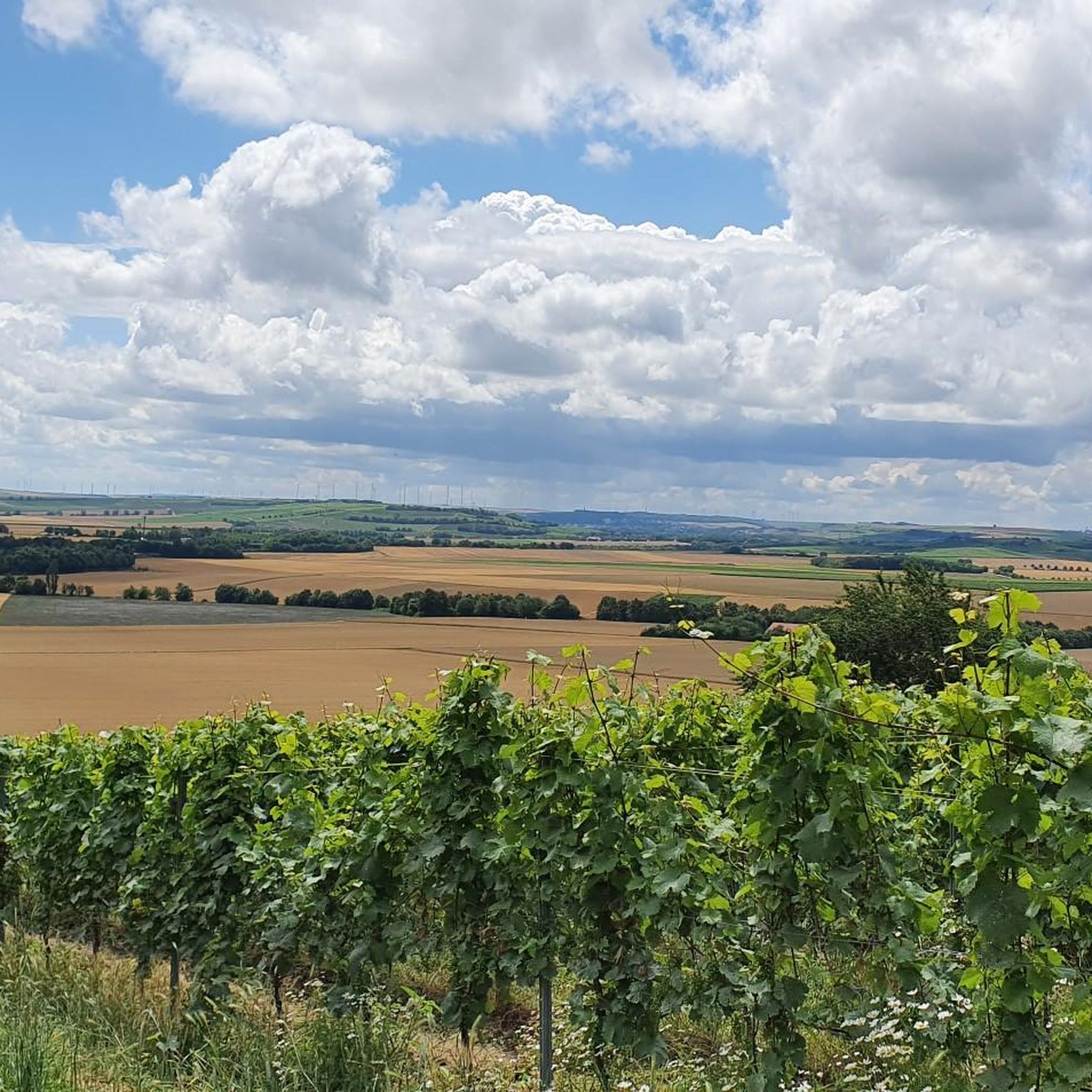
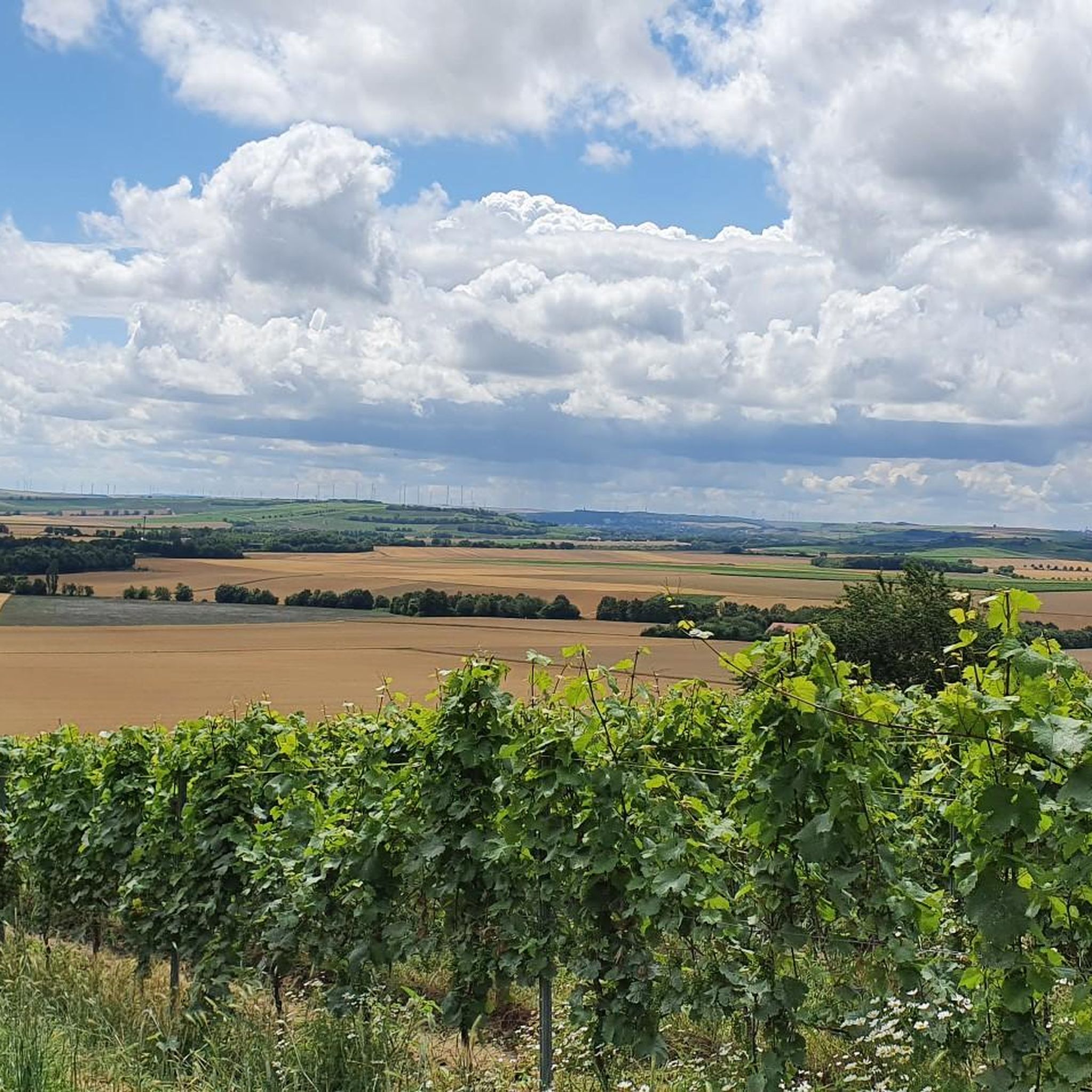
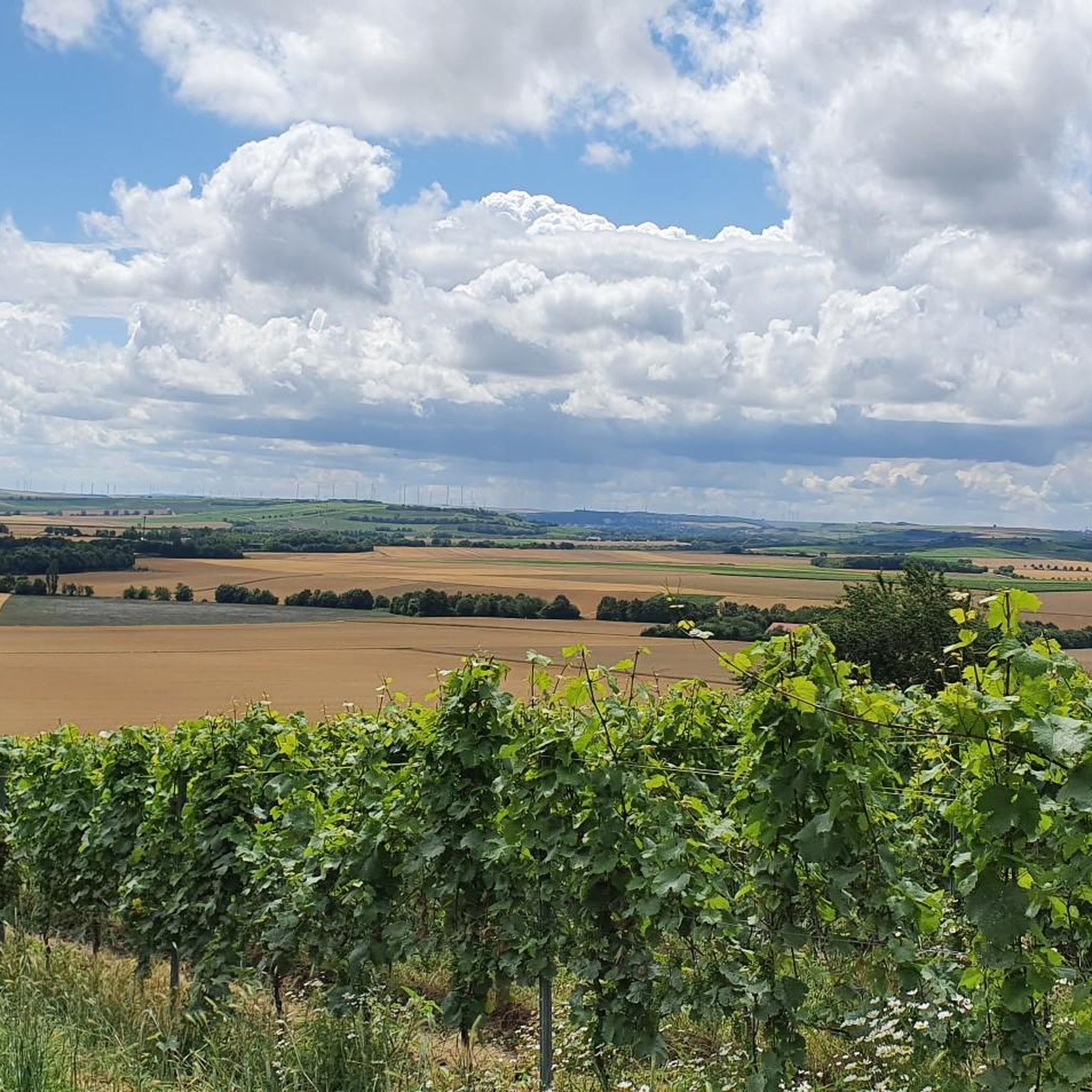
One of the most beautiful viewpoints in Rheinhessen is the view from the Schick family's pavilion on the Bleichkopf hill near Jugenheim. The Selz valley, the Rheingau region, and even the Feldberg mountain in the Taunus range are impressively visible.
1
0

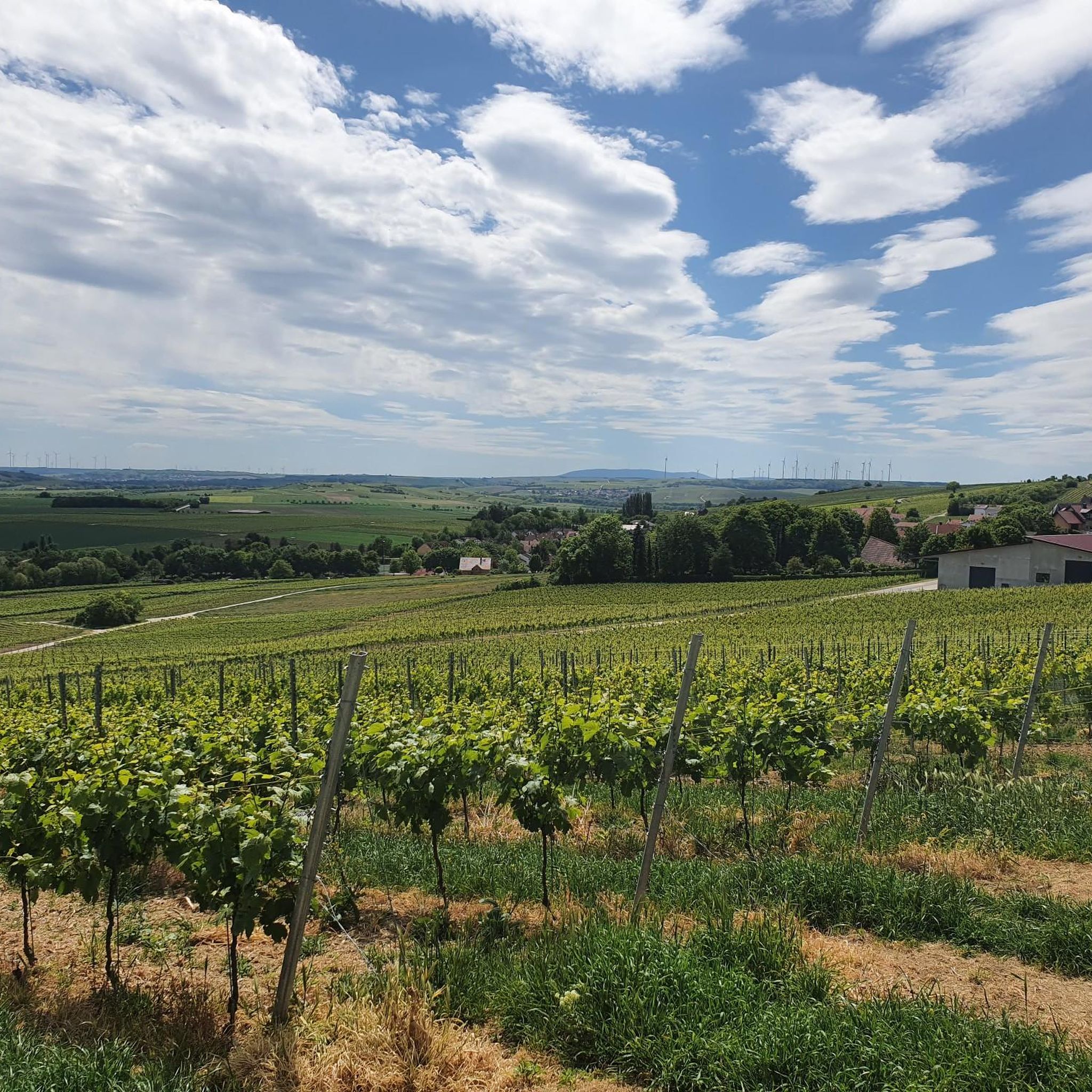
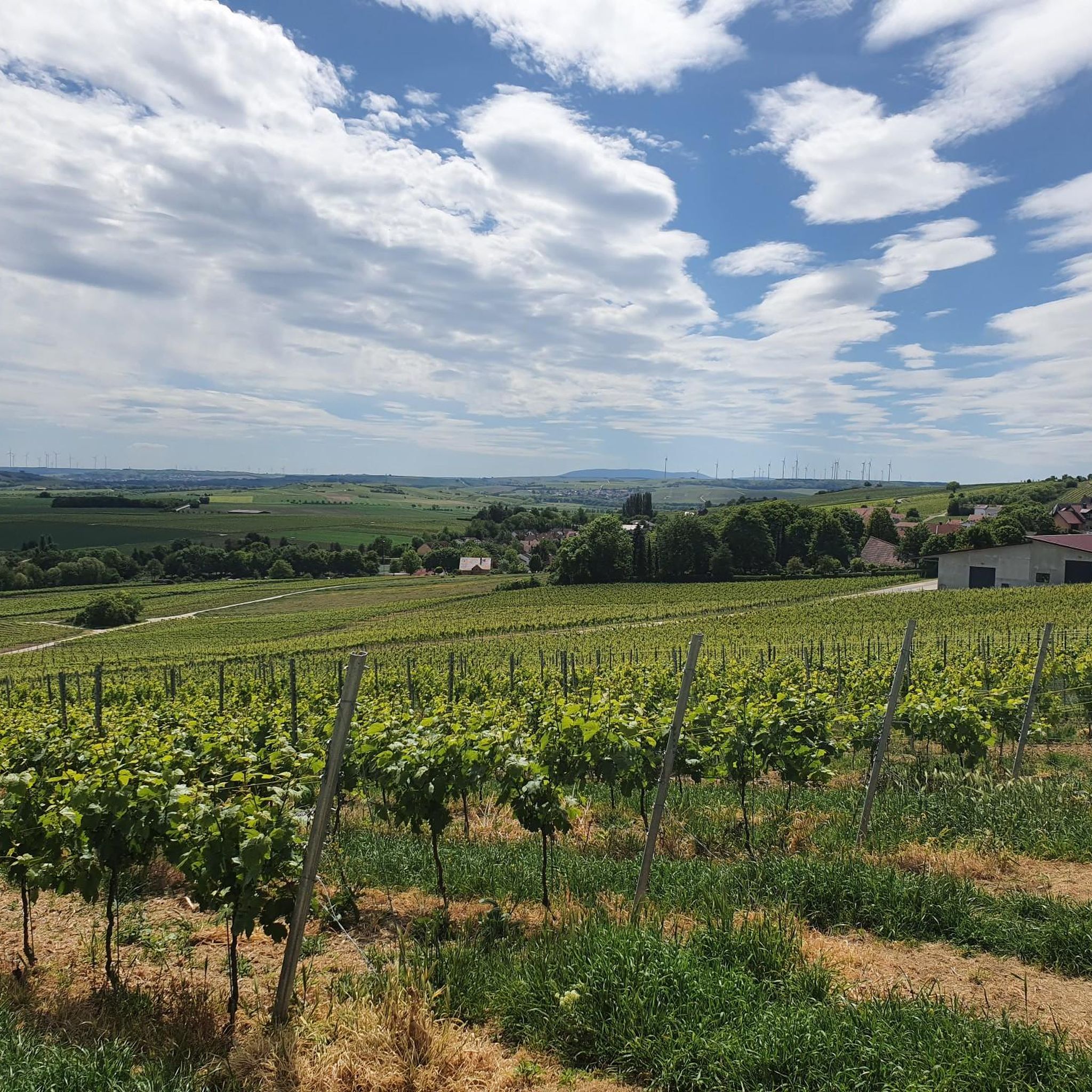
Firstly, from there, you have a wonderful panoramic view of the surrounding Rhenish-Hessian villages. At 245 m, the Petersberg is one of the defining hills of the Mainz Basin, as Rhenish-Hessian is known geologically. Unlike the other table mountains of the Rhenish-Hessian hills with their limestone caps, the Petersberg lacks these. In rainy seasons, this leads to landslides on the slopes due to water penetrating between the marl and sand layers – as in other places in the Mainz Basin. At the top of the Petersberg, you can still see the remains of the 10th-century surrounding wall of St. Peter's Church. The legend of the Three Sisters surrounds this church, as well as the pilgrimage chapel on the Nazarienberg in Mommenheim and the mountain church in Udenheim.
0
0

The narrow grass path was quite overgrown and was therefore not at all pleasant to walk on
1
0

The Herrgottspfad to Petersberg is part of the Way of St. James. Markings can be found before the ascent, opposite the former viewing bench
0
0

on the edge is a seat to relax
1
0

From here, the climb to the Petersberg is worthwhile - the "mountain rating" to the summit at 245 meters is about 2 kilometers. At the top are the ruins of St. Peter's Church from the 10th century, once an important three-aisled basilica. In addition, of course, there are fantastic views over Rheinhessen and a rest at the "tables of wine". Here at the southern foot of the Petersberg you can also admire the largest collection of wild tulips north of the Alps.
2
0

Nice way up to Petersberg. Nice to see everything green and blooming in spring.
0
0
Frequently Asked Questions
What kind of elevated points or 'peaks' can I expect around Spiesheim?
The Spiesheim region, nestled in Rhenish Hesse, is characterized by rolling vineyards and gentle hills rather than traditional towering mountain peaks. The 'peaks' here are elevated points and man-made structures that offer expansive views of the picturesque landscape. You'll find places like the Petersberg Viewpoint and Basilica Ruins, Bleichkopf, and Galgenberg, which provide excellent panoramic vistas over the vineyards and the undulating terrain.
Are there historical sites or unique structures at these elevated points?
Yes, several elevated points in the region feature interesting historical or unique man-made structures. The Petersberg Viewpoint and Basilica Ruins, for instance, includes the foundations of a medieval crypt. Other notable structures include the Flonheim Trullo, an Italian vineyard cottage built in 1756, the Cuckoo Tower in Bornheim (a viewing platform built in 2006), the impressive Lonsheim Tower from 1904, and the Burgundy Tower in the Kachelberg vineyard, modeled after vineyard towers in Burgundy.
What are some of the best viewpoints for scenic outlooks in the Spiesheim area?
For magnificent scenic outlooks, consider visiting the Petersberg Viewpoint and Basilica Ruins, which offers fantastic views of the Donnersberg and Taunus mountains. The Bleichkopf provides impressive views of the Selz valley, Rheingau region, and even the Feldberg mountain. From the Galgenberg, you can see the Feldberg, Melibokus, Petersberg, Hornberg, Wartberg, and Donnersberg on clear days. The Flonheim Trullo, Cuckoo Tower, Lonsheim Tower, and Burgundy Tower also offer extensive panoramic views over the Rhenish-Hessian landscape.
Are there family-friendly options for exploring the elevated points near Spiesheim?
Yes, the Petersberg Viewpoint and Basilica Ruins is noted as family-friendly, offering beautiful views and mobile stairs for practice. Many of the elevated points, such as the Cuckoo Tower and Burgundy Tower, are accessible and provide pleasant resting places or viewing platforms suitable for families to enjoy the scenery together.
What hiking trails are available to reach these elevated points?
You can reach the Petersberg Summit via the Herrgottspfad from Gau-Odernheim, a path known for its narrow grass sections, great views, and a long table for resting. Many of the viewpoints are integrated into local hiking networks. For example, the Burgundy Tower is part of the 'Hiwwelroute Neuborn.' You can find more hiking options in the guide for Peaks around Spiesheim.
What outdoor activities can I do near these elevated points?
Beyond hiking to the viewpoints, the region around Spiesheim is excellent for cycling. You can explore various routes, including traffic-free bike rides, gravel biking, and mountain biking. For example, there are routes like the 'Albig Village Fountain – Tower Auf dem Fels (Albig) loop' for touring bicycles, or the 'View of Donnersberg – Cuckoo Tower, Bornheim loop' for gravel biking. You can find detailed routes in the guides for Traffic-free bike rides around Spiesheim, Gravel biking around Spiesheim, and MTB Trails around Spiesheim.
What is the best time of year to visit the elevated points around Spiesheim?
The region is beautiful throughout the warmer months, especially from spring to autumn, when the vineyards are lush green or vibrant with autumn colors. Clear days offer the best visibility from the viewpoints. While winter hiking is possible, some paths might be muddy, and views could be obscured by fog. Always check local weather conditions before your visit.
Are there any hidden gems or less-known elevated spots worth discovering?
While not exactly 'hidden,' the man-made towers like the Flonheim Trullo, Cuckoo Tower, Lonsheim Tower, and Burgundy Tower offer unique perspectives and are perhaps less universally known than the natural elevated points. They provide distinct historical and architectural interest alongside their scenic views, making them delightful discoveries.
What kind of wildlife can I expect to see around the elevated points?
The vineyard landscape and surrounding natural areas are home to various birds, small mammals, and insects. While there aren't specific 'wildlife spotting' highlights mentioned, you can often observe common European wildlife adapted to agricultural and semi-natural environments during your hikes, especially in quieter areas away from main paths.
What do visitors enjoy most about the elevated points near Spiesheim?
Visitors consistently praise the fantastic, expansive views over the Rhenish-Hessian landscape, the vineyards, and distant mountain ranges like the Taunus and Donnersberg. The combination of natural beauty, historical elements like the Petersberg Basilica Ruins, and unique structures such as the Flonheim Trullo and various viewing towers makes for a rewarding experience. The opportunity for peaceful walks and the chance to relax at scenic spots are also highly valued.
Most popular routes around Spiesheim
Most popular attractions around Spiesheim

Get inspired with the komoot mobile app


Explore more
See even more amazing summits around Spiesheim with these guides:
