The best running trails around Gercourt-Et-Drillancourt
10
runners
7
runs
Jogging around Gercourt-Et-Drillancourt offers routes through a rural setting with varied topography, featuring elevations between 180 and 276 meters. The area includes the Forêt communale de Gercourt-Et-Drillancourt, providing natural running paths. The broader Meuse department, part of the Lorraine Regional Natural Park, contributes diverse landscapes with forests and wooded hills. This environment supports a range of running experiences on accessible trails.
Best jogging routes around Gercourt-Et-Drillancourt
- The most popular jogging route is Running loop from Samogneux, a 5.1 miles…
Last updated: May 15, 2026
3
runners
12.3km
01:26
160m
160m
Moderate run. Good fitness required. Mostly paved surfaces. Suitable for all skill levels.
2
runners
14.4km
01:33
140m
140m
Moderate run. Good fitness required. Mostly paved surfaces. Suitable for all skill levels.

Sign up for free
1
runners
9.31km
01:09
100m
100m
Moderate run. Good fitness required. Mostly paved surfaces. Suitable for all skill levels.
2
runners
16.7km
01:48
270m
270m
Hard run. Very good fitness required. Mostly paved surfaces. Suitable for all skill levels.
2
runners
8.53km
00:57
110m
110m
Moderate run. Good fitness required. Mostly paved surfaces. Suitable for all skill levels.
Get access to more routes and recommendations from other explorers.
Sign up for free
Already have an account?
Our route recommendations are based on thousands of hikes, rides, and runs completed by other people on komoot.
Start today with a free account
Your next adventure awaits.
Login or Signup


Tips from the Community

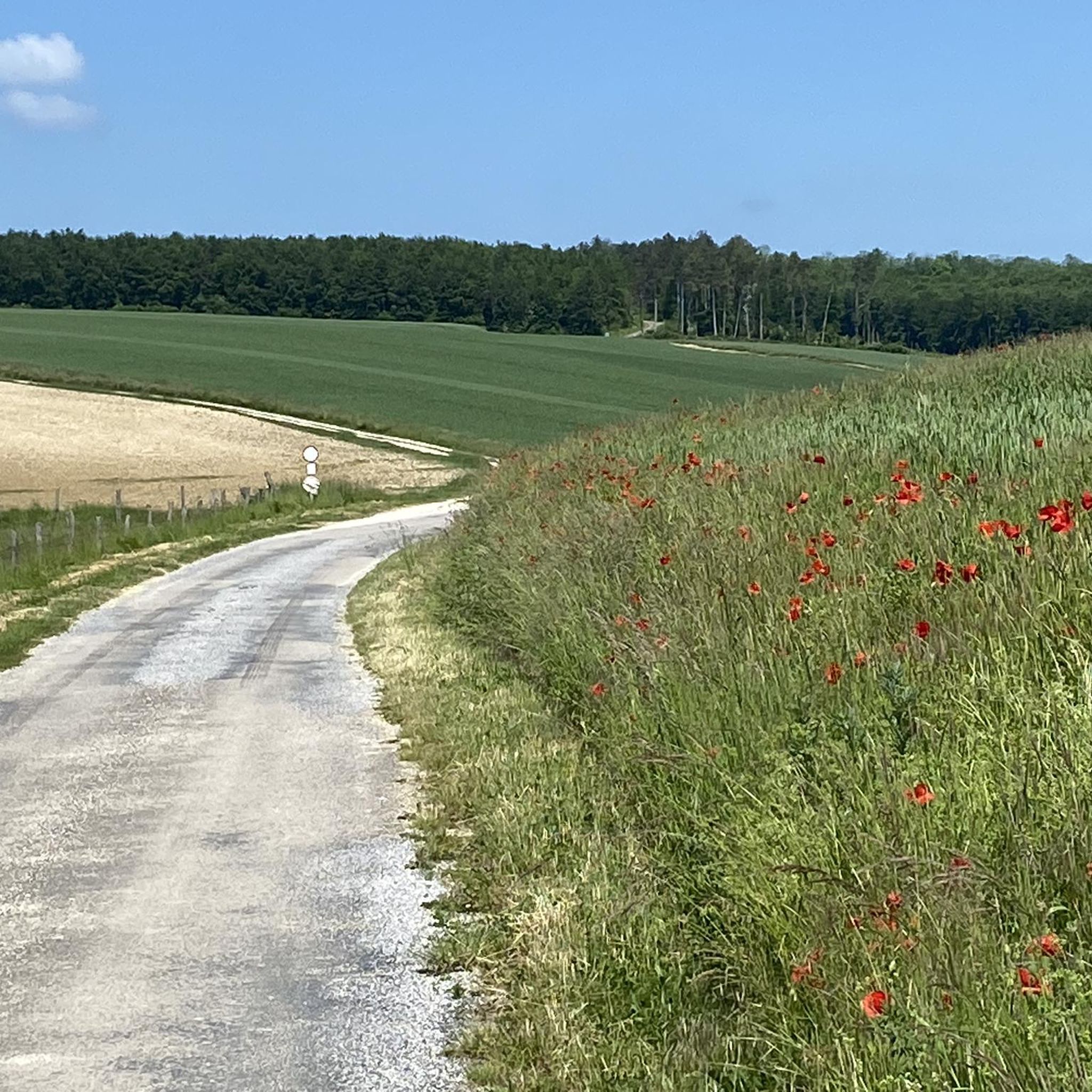
Villages détruits, Cumières-le-Mort-Homme is one of the nine villages that were destroyed during the Battle of Verdun. Historical context: Nine villages: Beaumont-en-Verdunois, Bezonvaux, Cumières-le-Mort-Homme, Douaumont, Fleury-devant-Douaumont, Haumont-près-Samogneux, Louvemont-Côte-du-poivre, Ornes and Vaux-devant-Damloup. They were all in the “Red Zone” of the front line in the Battle of Verdun. The villages were wiped off the map and never rebuilt. Erected chapels remind passers-by of this war horror. Triggered to the disappeared villages? Click through to https://www.landofmemory.eu/nl/sites-historiques/vernielde-dorpen/#:~:text=Vernielde%20dorpen,-In%20de%20Maasstreek&text=Deze%20dorpen%20zijn%20Beaumont%2Den,geveegd%20en%20never%20weer%20opopbouw.
4
1

Place of commemoration.
2
0

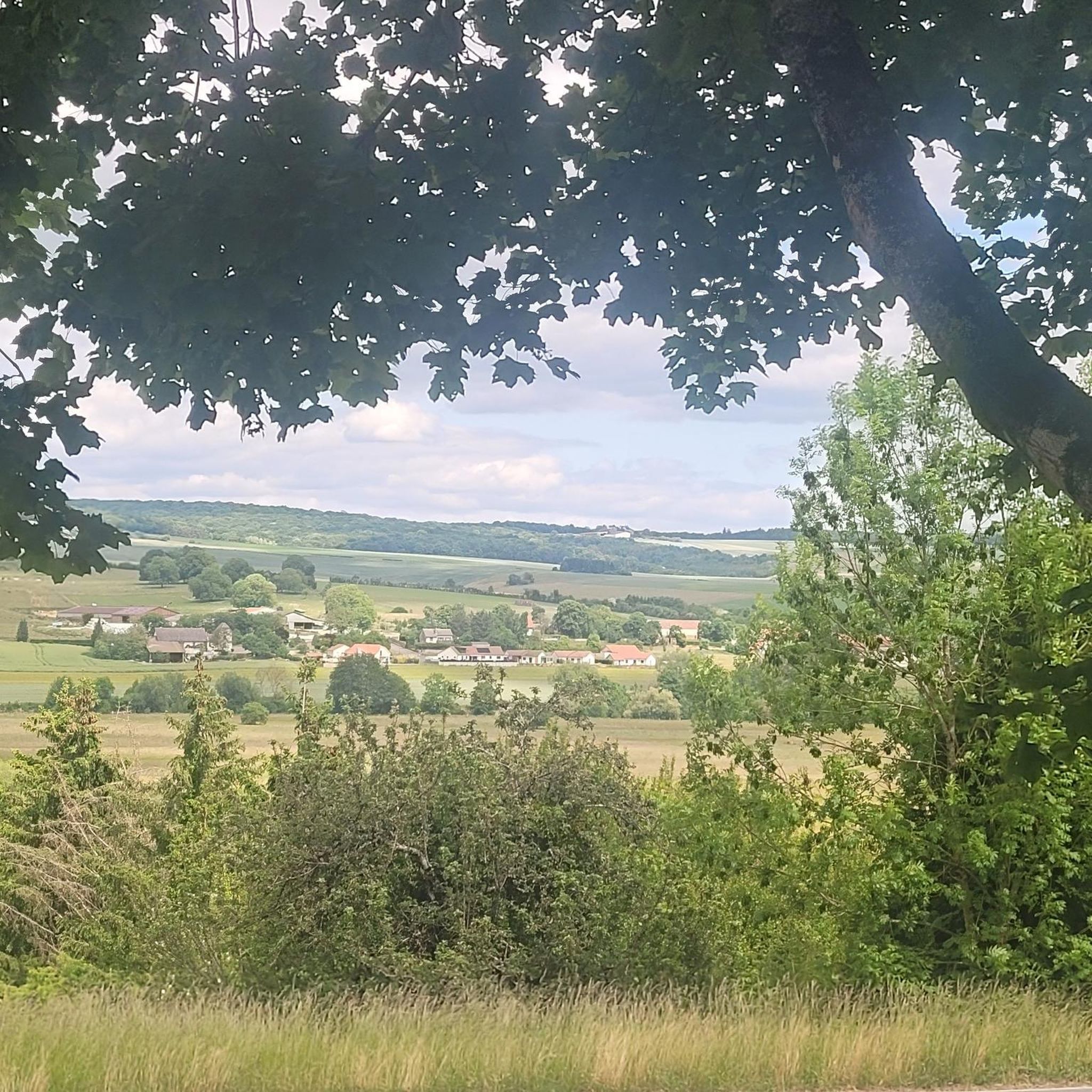
Cumières-le-Mort-Homme (with the predestined name) is one of the eight completely destroyed villages in the red zone of Verdun. It was in February 1916 that the heaviest fighting took place. 10,000 hairy people died in this sector. In 1922, the town was declared a "dead village for France". Two kilometers in the woods of the hill, you find the statue of the sculptor Jacques Froment-Meurice which is related to the event.
3
0
Frequently Asked Questions
What kind of terrain can I expect on the running routes around Gercourt-Et-Drillancourt?
The region offers a mix of rural landscapes with varied topography, including elevations between 180 and 276 meters. You'll find accessible paths, some paved surfaces, and opportunities to run through wooded areas like the Forêt communale de Gercourt-Et-Drillancourt. The routes often feature undulating terrain, providing a good mix for different running preferences.
Are there any historical landmarks or points of interest along the jogging paths?
Yes, the area is rich in history. You can explore routes that pass by significant sites such as Cumières-le-Mort-Homme, a village destroyed during World War I, or near the poignant Meuse-Argonne American Cemetery. The German Military Cemetery loop from Dannevoux is one such route that leads through wooded areas near historical sites.
How many running routes are available in the Gercourt-Et-Drillancourt area?
There are 5 curated running routes featured in this guide for the Gercourt-Et-Drillancourt area, all offering a moderate challenge. These routes vary in distance and elevation, providing options for different fitness levels.
Are the running trails suitable for families or beginners?
All the routes in this guide are classified as moderate difficulty. While they are accessible, they do involve some elevation changes and distances up to 14.6 km. For families or beginners, the Running loop from Samogneux is a good starting point at 8.3 km with minimal elevation gain, offering accessible paths through the rural landscape.
What is the best time of year to go running in this region?
The varied terrain and natural forests make Gercourt-Et-Drillancourt suitable for running throughout much of the year. Spring and autumn offer pleasant temperatures and beautiful scenery with changing foliage. Summer provides shaded paths in the forests, while winter running is possible, though conditions may vary with snow or ice, especially on unpaved sections.
Are there any long-distance running options available?
Yes, if you're looking for a longer run, the Cumières-le-Mort-Homme loop from Forges-sur-Meuse is the longest route in this guide, covering 14.6 km. Another good option is the Running loop from Consenvoye, which is 11.4 km and navigates through varied terrain.
Can I find circular running routes in Gercourt-Et-Drillancourt?
Absolutely. All the running routes highlighted in this guide are circular loops, designed to bring you back to your starting point. This includes popular options like the Running loop from Samogneux and the Cumières-le-Mort-Homme loop from Forges-sur-Meuse.
What do other runners say about the trails in Gercourt-Et-Drillancourt?
The running routes in Gercourt-Et-Drillancourt are appreciated by the komoot community for their varied terrain and the opportunity to combine physical activity with exploring historical sites. Many runners enjoy the accessible paths and the natural beauty of the communal forests and the broader Meuse department.
Is there parking available near the starting points of the running routes?
While specific parking details for each route are best checked on the individual tour pages, routes often start from villages like Samogneux, Consenvoye, Dannevoux, or Forges-sur-Meuse. These villages typically offer local parking facilities, though availability may vary. It's advisable to check the route details on komoot before you go.
Are there any dog-friendly running trails in the area?
The natural and rural environment of Gercourt-Et-Drillancourt, including its communal forests and accessible paths, generally welcomes dogs. However, it's always recommended to keep your dog on a leash, especially in areas with wildlife or near historical sites, and to check local regulations for specific trails or protected areas.
Are there any cafes or places to get refreshments near the running routes?
The region around Gercourt-Et-Drillancourt is rural. While specific cafes directly on the trails might be limited, the villages where routes often start or pass through, such as Samogneux, Consenvoye, Dannevoux, or Forges-sur-Meuse, may offer local establishments for refreshments. It's a good idea to plan ahead and check for amenities in these villages before or after your run.
What kind of natural features can I expect to see while running?
You'll experience the natural beauty of the Meuse department, characterized by deciduous forests, wooded hills, and a rural setting. The Lorraine Regional Natural Park, which encompasses the wider area, is known for its rich environmental diversity, suggesting a variety of flora and fauna along the trails.
Most popular attractions around Gercourt-Et-Drillancourt

Get inspired with the komoot mobile app


Explore more
Browse the best Running Trails & Routes in other regions.
