Top 4 Castles around Cluis
Best castles around Cluis are found in the Indre department of central France, a region characterized by its historical architecture and natural landscapes. The area features various châteaux, from medieval fortresses to 19th-century estates. These structures often occupy strategic positions, such as rocky outcrops bordered by rivers like the Bouzanne. Exploring these sites offers insight into the region's past and architectural evolution.
Best castles around Cluis
- The most popular castles is Cluis-Dessous Castle, a historical site that was a…
Last updated: May 15, 2026
Cluis-Dessous Castle
Highlight • Historical Site
Translated by Google •
Tip by

Gargilesse-Dampierre Castle
Highlight • Castle
Translated by Google •
Tip by

Sign up now to discover places like this
Get recommendations on the best single tracks, peaks, & plenty of other exciting outdoor places.
Sign up for free
Château de Bonnu
Highlight • Castle
Translated by Google •
Tip by

Château de Bouesse
Highlight • Castle
Translated by Google •
Tip by
Chateau La Lande
Highlight • Historical Site
Translated by Google •
Tip by

Start today with a free account
Your next adventure awaits.
Login or Signup
Tips from the Community

Walk past this medieval castle and notice the contrast: a high keep with machicolations and details like coats of arms and an ornate tympanum above a door. Imagine it once being defended, while its inhabitants still sought comfort. And if you walk past it at dusk, the silhouettes of the towers and nature make it almost poetic.
3
0
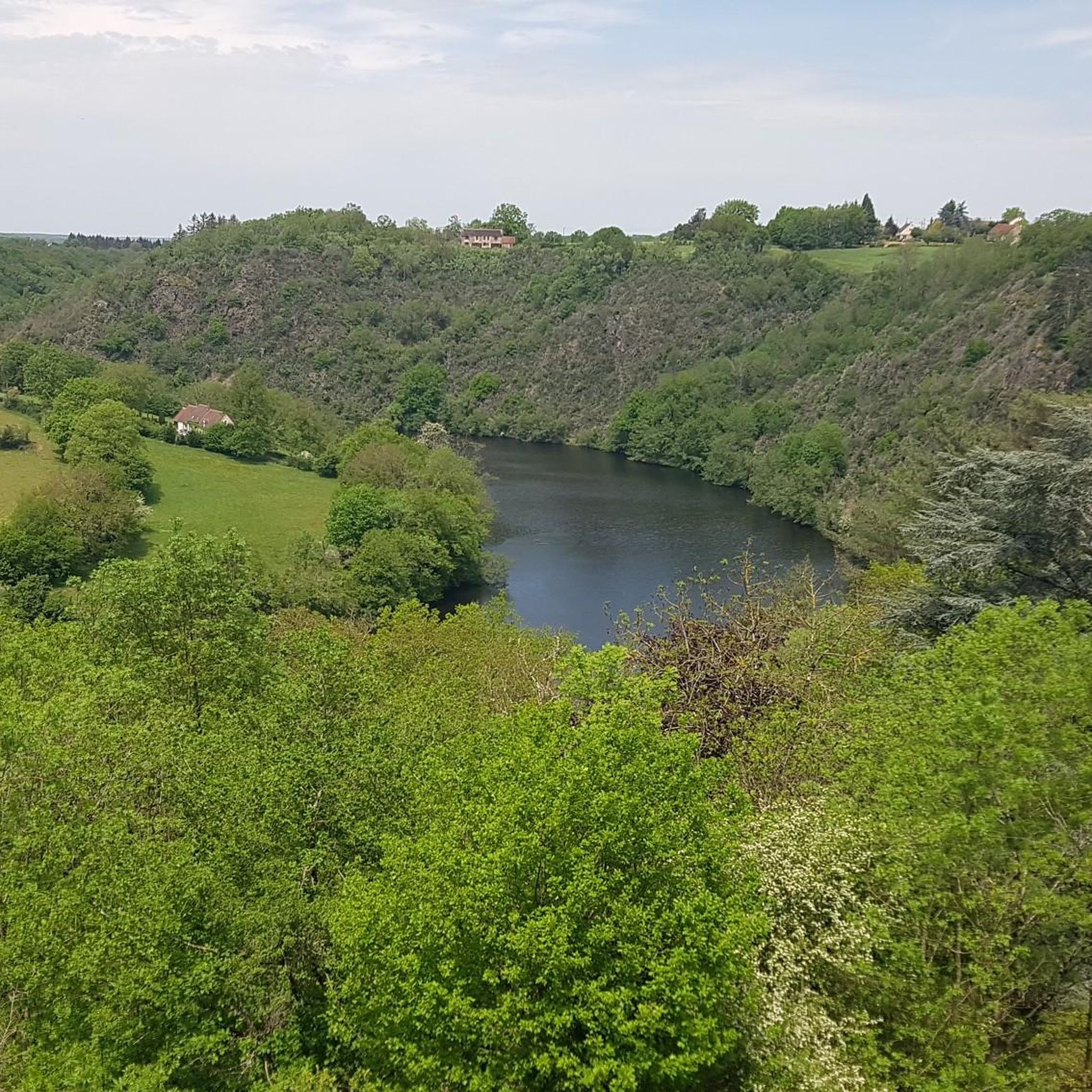
A medieval fortress perched above the meanders of the Creuse River, overlooking Lake Éguzon. A perfect spot to relax, take photos, and enjoy nature and history together.
3
0

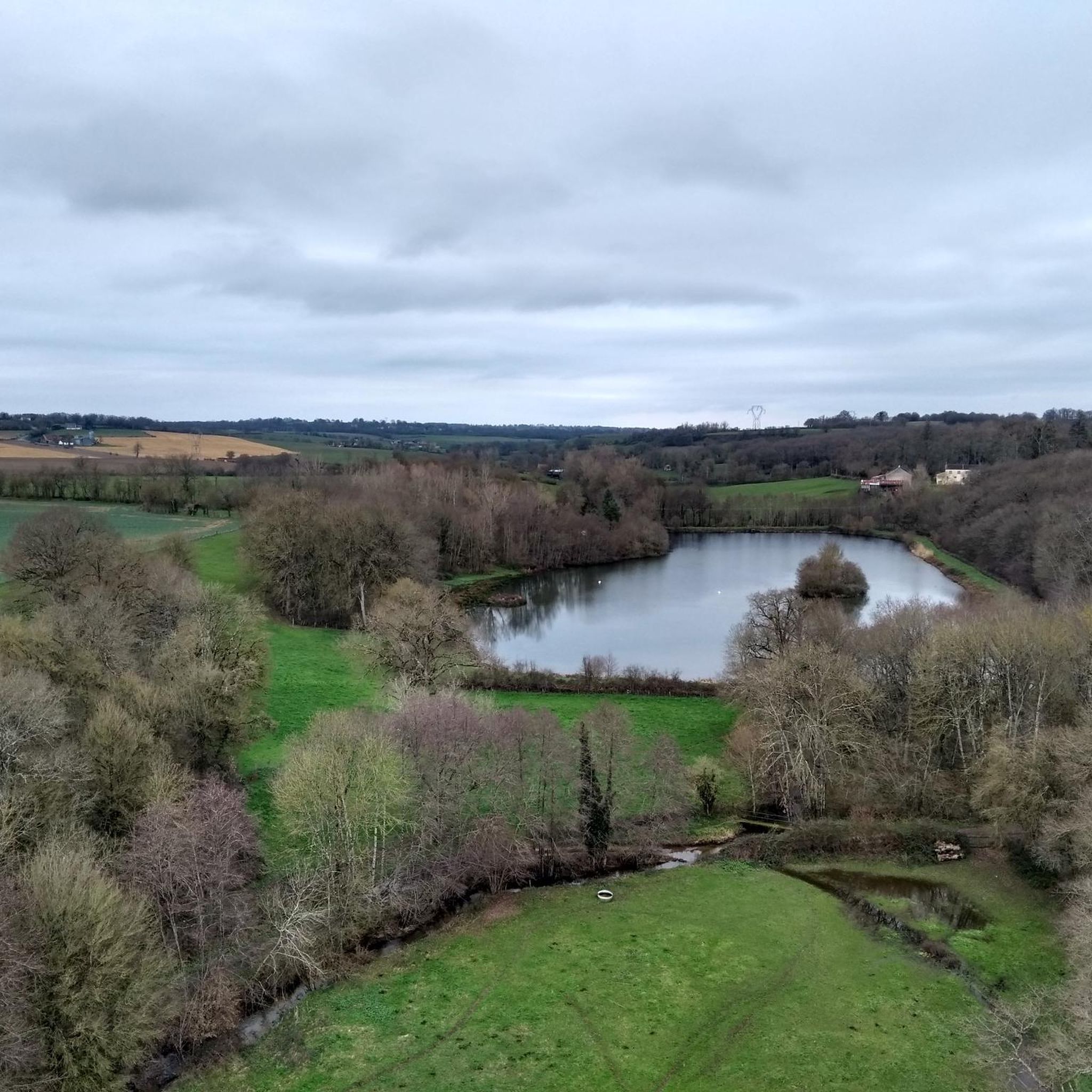
This castle dates back to the 16th century. It is found under the names "la Lande" and "Lalande", so I used the term mentioned on the map, namely "la Lande".
0
0

A very impressive ruin. It shows the power that emanates from here
1
0

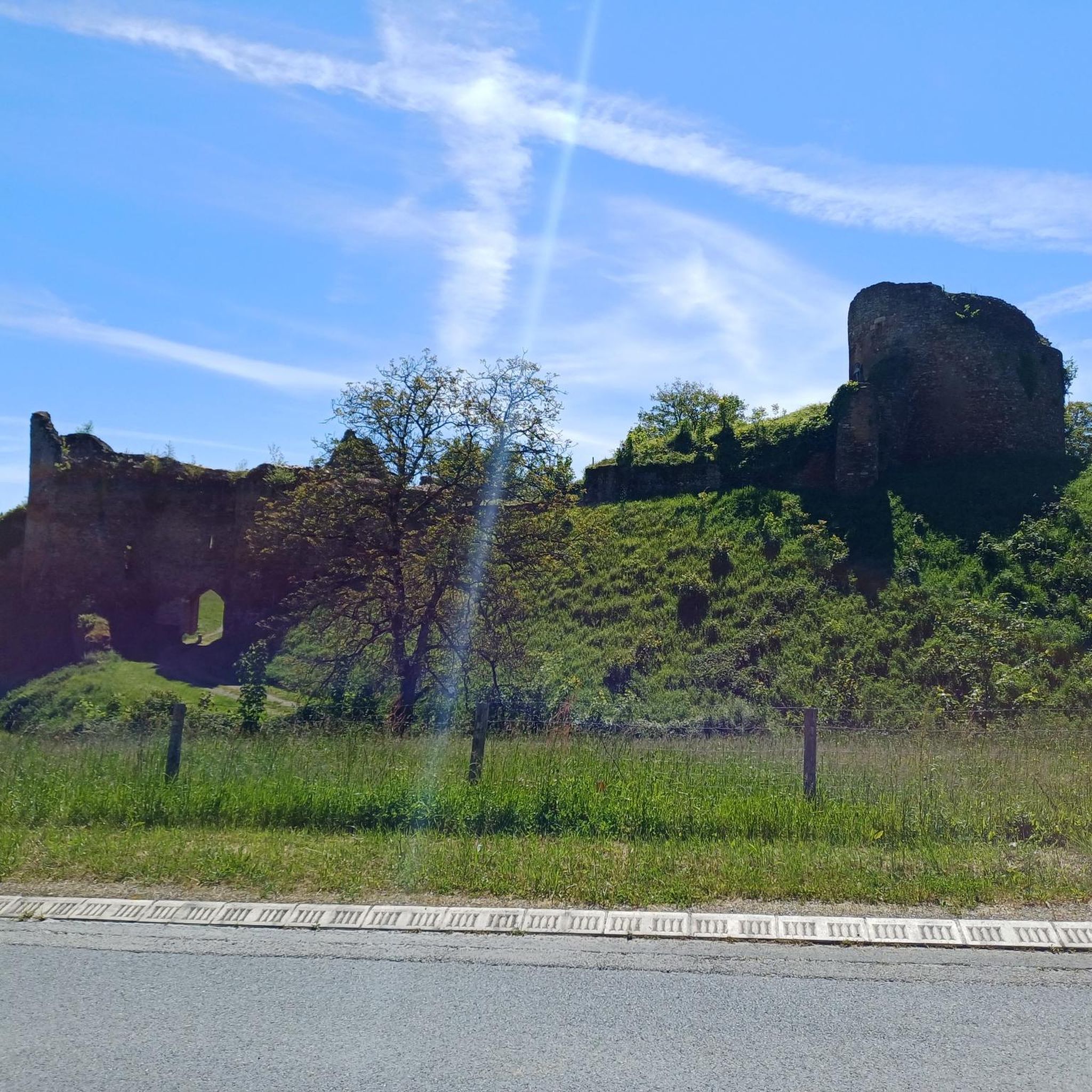
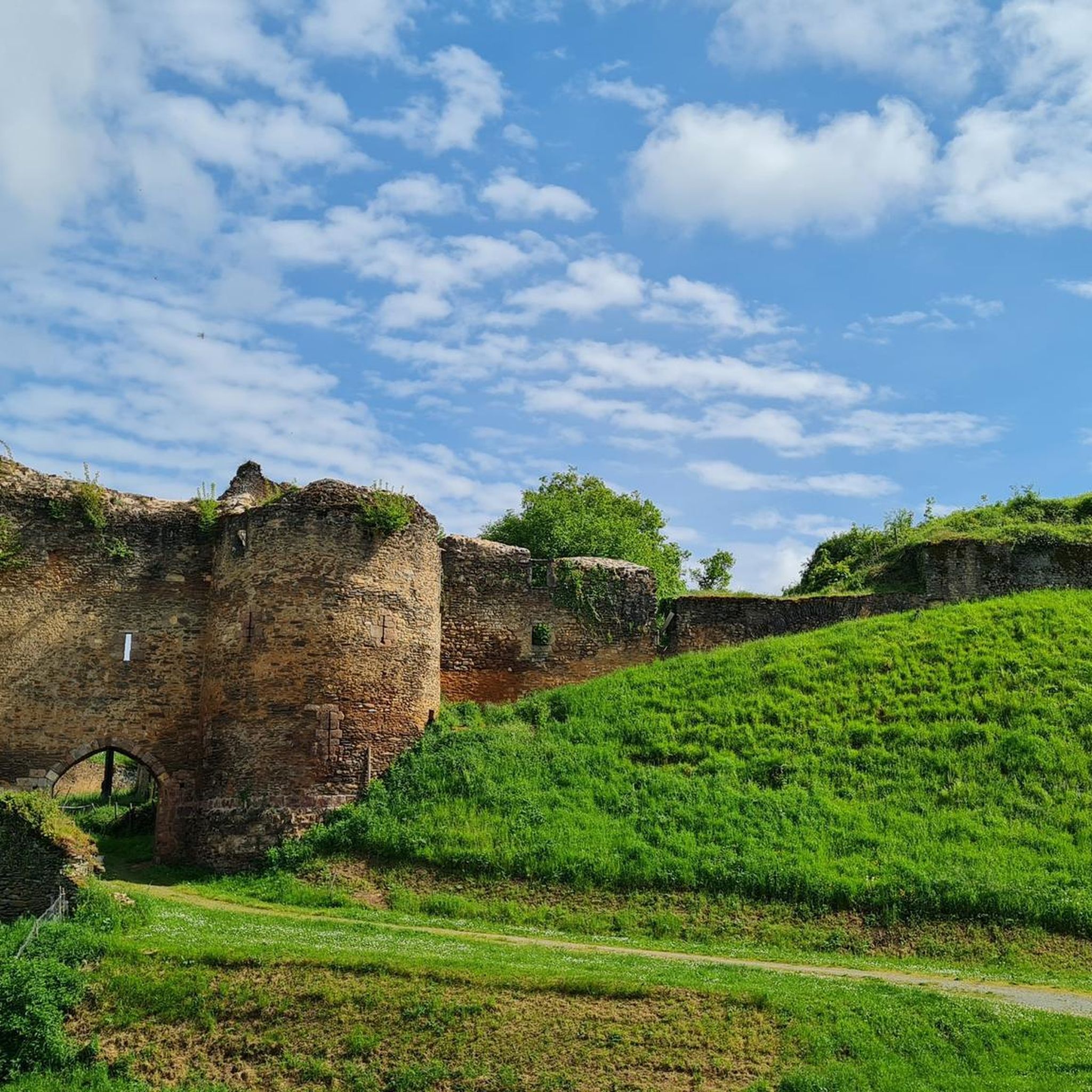
Located on a rocky outcrop, the castle of Cluis-Dessous occupied a strategic position. In the 12th century, the keep is the oldest part of the building. The curtain wall, slightly more recent (12th-13th century), is typical of Plantagenêt architecture. The house, which dates from the 14th and 15th centuries, is only partially preserved.
1
0
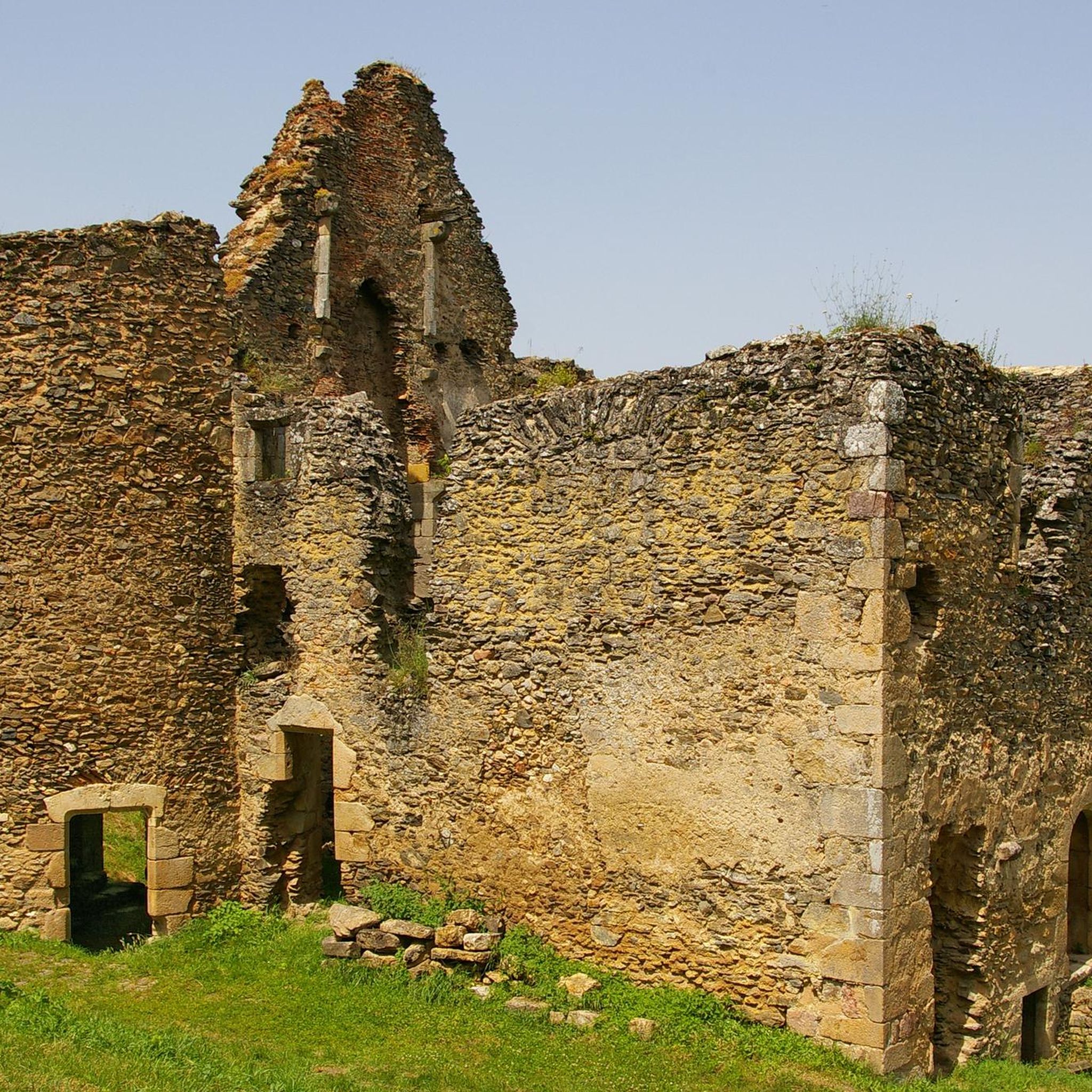
Located on a rocky outcrop, the castle of Cluis-Bass occupied a strategic position. In the 12th century, the keep was the oldest part of the building. The slightly more recent curtain wall (12th-13th century) is typical of Plantagenet architecture. The most recent part (14th-15th century), the house is only partially preserved.
2
0
This is a 13th century castle which is privately owned but is now a hotel and restaurant.
2
0
Located on a rocky outcrop, the castle of Cluis-Bass occupied a strategic position. In the 12th century, the keep was the oldest part of the building. The slightly more recent curtain wall (12th-13th century) is typical of Plantagenet architecture. The most recent part (14th-15th century), the dwelling is only partially preserved.
3
0
Frequently Asked Questions
What types of castles can I explore around Cluis?
The Cluis area offers a diverse range of castles, from medieval fortresses to 19th-century estates. You can visit ancient ruins like Cluis-Dessous Castle, which features 12th-century keeps and Plantagenet architecture, or experience the elegance of a Neo-Renaissance château like Château de la Rose, which operates as a bed and breakfast.
Are there any medieval fortresses to visit near Cluis?
Yes, the region is rich in medieval history. Cluis-Dessous Castle is a significant medieval fortress, now largely in ruins, with parts dating from the 12th to the 15th centuries. Another notable medieval fortress is Château de Bonnu, perched above the Creuse River overlooking Lake Éguzon.
What are some of the most historically significant castles in the area?
Cluis-Dessous Castle is inscribed as a historical monument and offers a deep dive into medieval military architecture. Its strategic location and surviving fortifications provide a tangible connection to its past. Château de Bouesse is another 13th-century castle with rich historical details.
Can I find any castles that have been renovated or offer modern amenities?
Yes, the Château de la Rose, a 19th-century Neo-Renaissance château, has been meticulously renovated and operates as a bed and breakfast and event venue. It offers elegant rooms and modern comforts within a historic setting. While privately owned, Château de Bouesse also functions as a hotel and restaurant.
Are there hiking or cycling routes near the castles around Cluis?
Absolutely! The area offers numerous routes for outdoor enthusiasts. For mountain biking, you can explore trails like the 'Gargilesse Castle – Gargilesse-Dampierre loop' or the 'Cluis-Dessous Castle – Viaduct of Cluis loop'. Road cyclists can enjoy routes such as the 'Lys-Saint-Georges – Basilique Saint-Etienne loop'. For more details and route options, check out the MTB Trails around Cluis, Road Cycling Routes around Cluis, and Gravel biking around Cluis guides.
What natural features can I expect to see near the castles?
Many castles in the Cluis region are strategically located amidst beautiful natural landscapes. For instance, Cluis-Dessous Castle is on a rocky outcrop bordered by the Bouzanne river, offering scenic views. Château de Bonnu overlooks the meanders of the Creuse River and Lake Éguzon, providing a perfect spot to enjoy nature and history together.
Are there any family-friendly castles or activities in the Cluis area?
While specific family activities vary by site, exploring the ruins of Cluis-Dessous Castle can be an engaging experience for families, especially during its restoration workshops or biennial summer historical shows. Chateau La Lande is also categorized as family-friendly.
What is the best time of year to visit the castles around Cluis?
The region's castles can be enjoyed throughout the year. Spring and autumn offer pleasant weather for exploring ruins and walking trails. Summer provides opportunities for outdoor events and workshops, particularly at sites like Cluis-Dessous Castle. Even in winter, the silhouettes of the castles against the natural landscape can be quite poetic.
Where can I find accommodation near the castles in Cluis?
The area offers various accommodation options. The Château de la Rose operates as a bed and breakfast, providing a unique stay within a historic château. You can also find gîtes and hotels in the Cluis area and surrounding villages, catering to different preferences and budgets.
Are there cafes or restaurants near the castles?
Yes, some castles, like Château de Bouesse, include a restaurant. In villages such as Gargilesse-Dampierre, near Gargilesse-Dampierre Castle, you can find local amenities including cafes. Cluis itself and nearby towns will also offer dining options.
What do visitors enjoy most about the castles around Cluis?
Visitors appreciate the blend of history and nature. Many enjoy the strategic locations of the castles, offering stunning viewpoints and photo opportunities. The architectural diversity, from ancient ruins to renovated estates, and the peaceful, natural settings are frequently highlighted by the komoot community.
Is there public access to the ruins of Cluis-Dessous Castle?
Yes, the ruins of Cluis-Dessous Castle are generally open for visitors to explore freely. It's a historical monument, allowing a direct experience of its medieval past.
Most popular attractions around Cluis

Get inspired with the komoot mobile app


Explore more
Looking for the best castles somewhere else? Discover other guides around Cluis:
