Top 10 Castles around Vich
Castles around Vich offer a glimpse into the rich history of Catalonia, Spain. The region, situated in the Osona plain, is characterized by its historical significance and diverse landscapes. From ancient Roman structures to medieval fortresses, the area provides a varied architectural experience. The surrounding natural environment often complements these historical sites, making them popular destinations for exploration.
Best castles around Vich
- The most popular castles is Yvoire Medieval Village, a settlement that is one of the Most Beautiful…
Last updated: July 28, 2026
Yvoire Medieval Village
Highlight • Settlement
Translated by Google •
Tip by

Rolle Castle
Highlight • Castle
Translated by Google •
Tip by

Sign up now to discover places like this
Get recommendations on the best single tracks, peaks, & plenty of other exciting outdoor places.
Sign up for free
Ruins of the Notre-Dame d'Oujon Charterhouse
Highlight • Historical Site
Translated by Google •
Tip by

Château de Prangins
Highlight • Castle
Translated by Google •
Tip by

Nyon Old Town
Highlight • Settlement
Tip by

Sign up for free to discover even more castles around Vich.
Sign up for free
Already have an account?
Start today with a free account
Your next adventure awaits.
Login or Signup
Tips from the Community

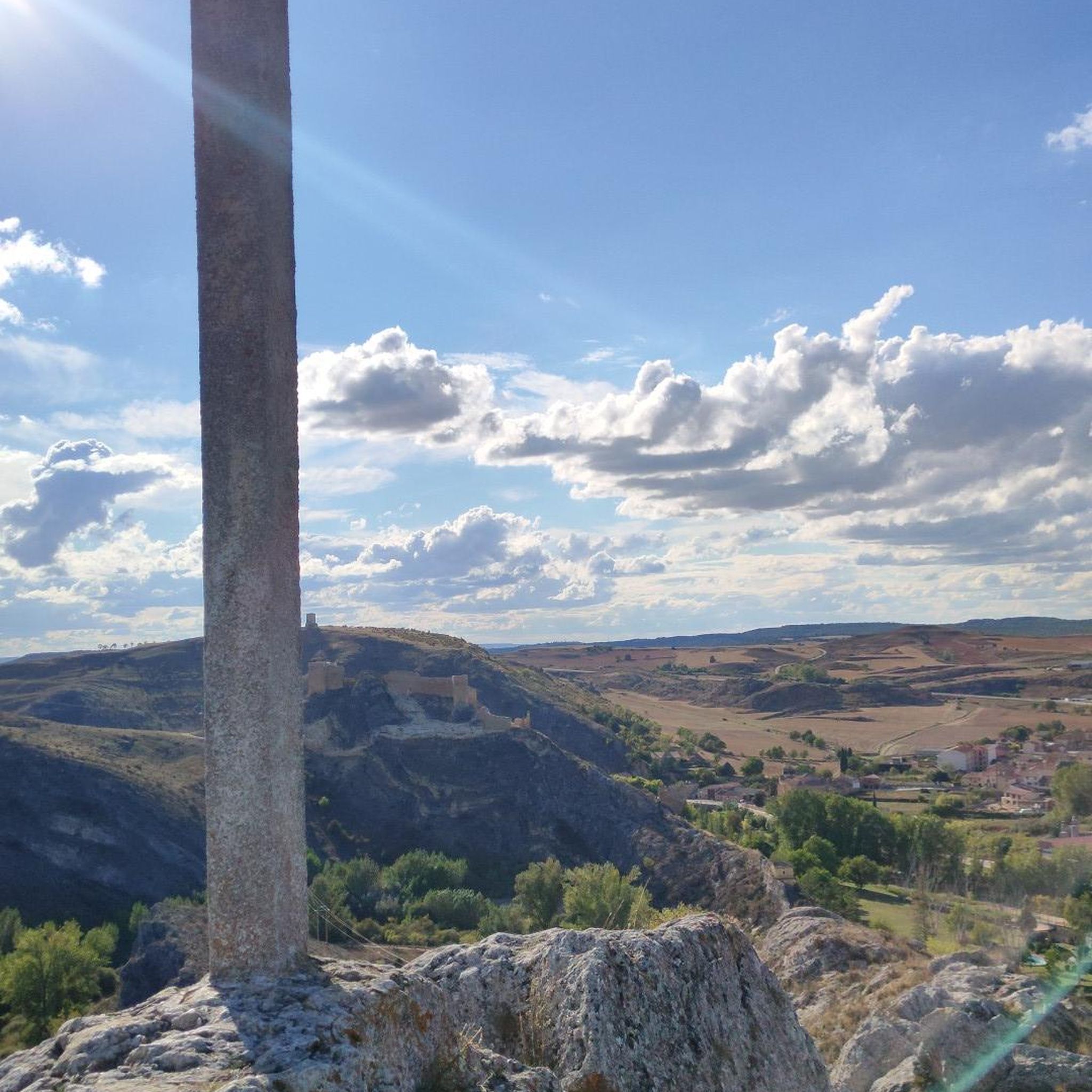
Old fortification, interesting to explore
1
0

Easy to access. There is a noticeboard nearby which had a list of events coming up.
0
0

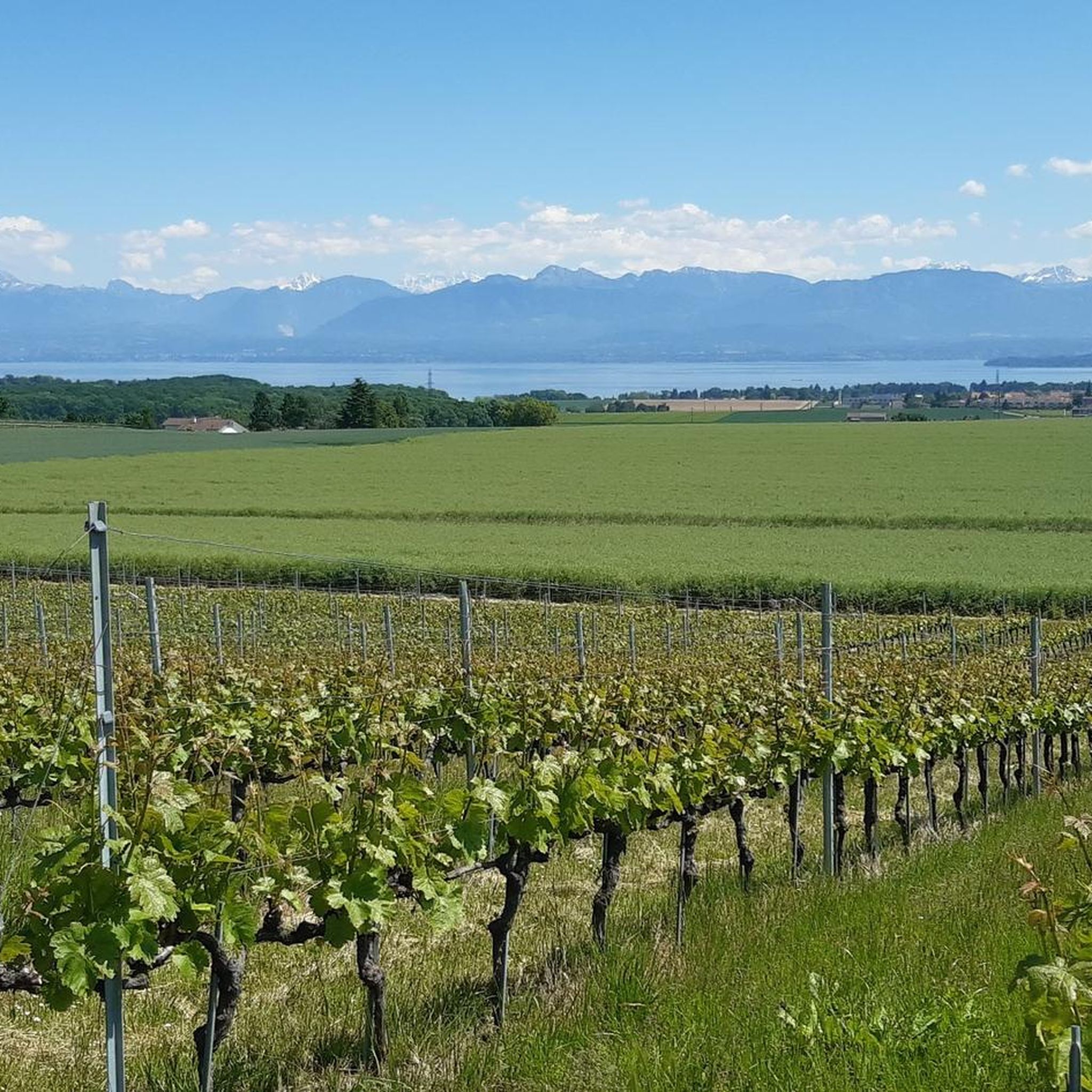
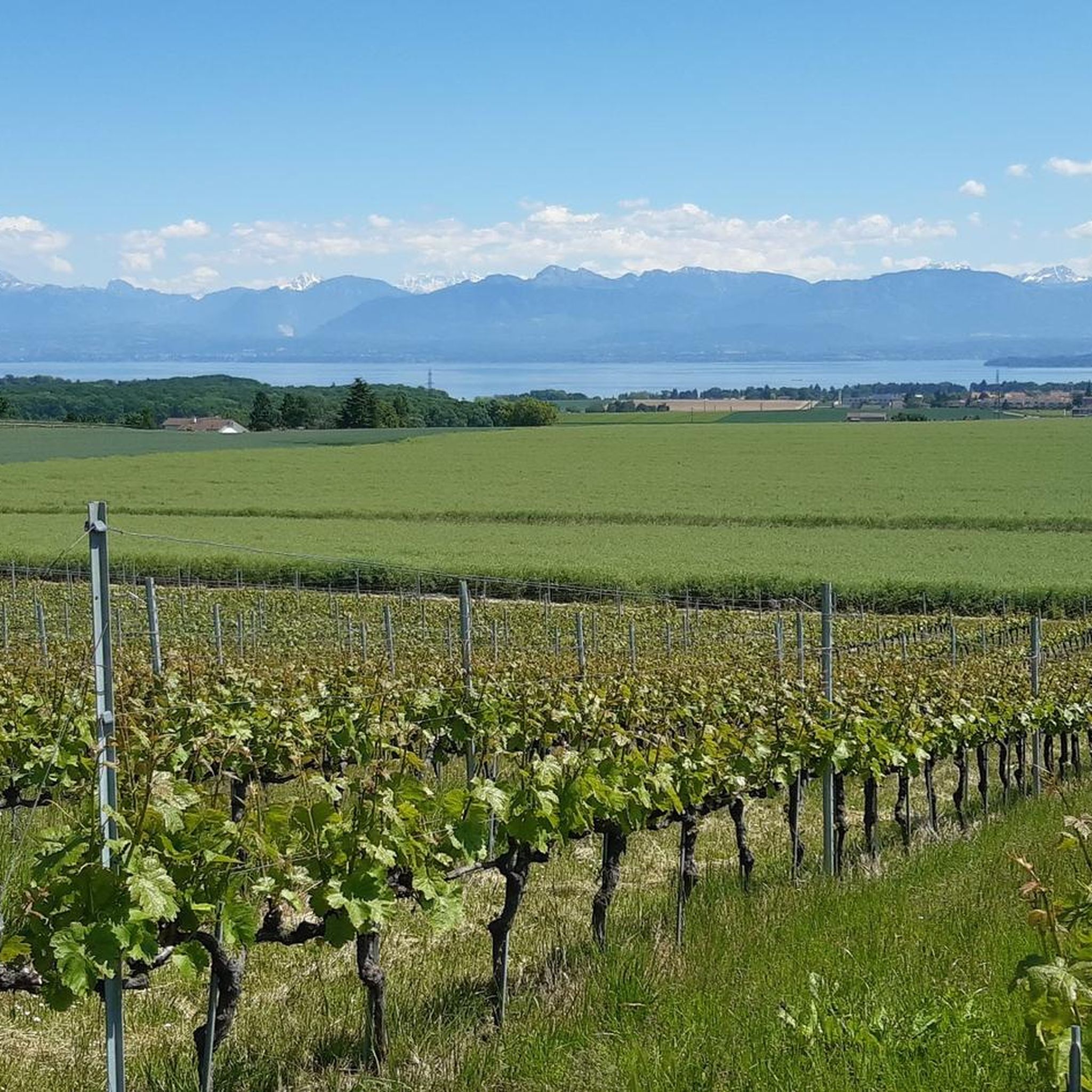
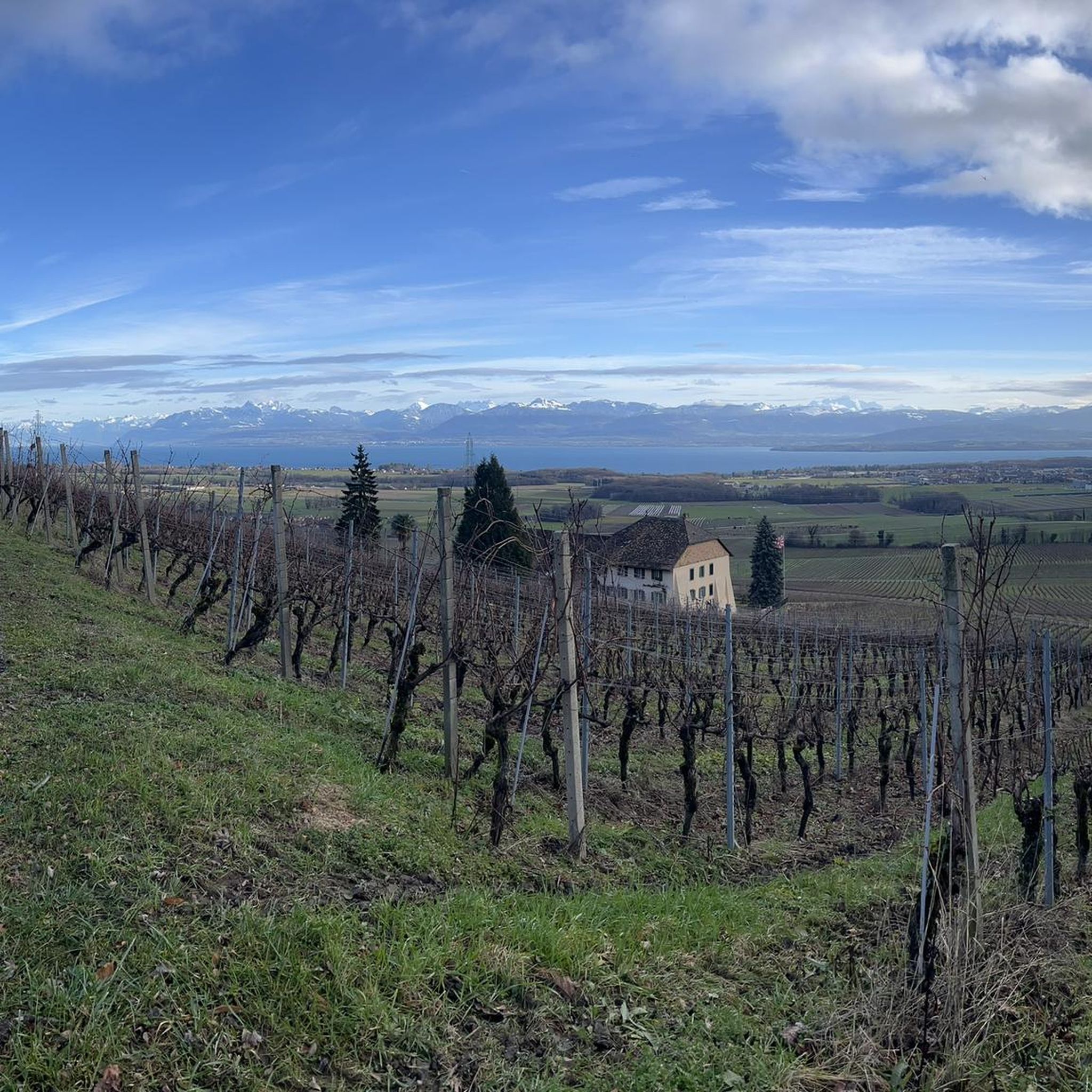
Yvoire is one of the Most Beautiful Villages in France. Its medieval heritage, its label as a flowery town, and its privileged position on the banks of Lake Geneva have something to do with it. Take the time to stroll through its historic center and get lost on the trails of the many natural spaces of this town in the Thonon-les-Bains agglomeration.
1
0

Rolle Castle was built in the 13th century and stands directly on the lakeshore. The fortress is not open to the public, but the castle with its unusual design can also be explored from the outside.
0
0

This small town is located directly on Lake Geneva. I recommend taking a break here.
0
0

Amazing place. Medieval village, be careful in summer there are a lot of people.
1
0

do a pit-stop in Tête de Course : https://tetedecourse.ch/ great food, the home made ice tea is amazing and they have a bike workshop
1
1

From 1306, Count Amédéé V the Great used Yvoire's strategic position as a sentry post between the large and small lakes to build powerful fortifications. For half a century, the city played an important military role, even earning its residents exemption from toll payments in 1324. Later, between 1536 and 1591, when the whole region of Bern was occupied, the city lost its military status and the city wall ring was dismantled. The castle was also burned down and remained without a roof for 350 years. For a long time, the village remained meaningless and the militarily important complex turned into a simple farming and fishing village. Due to the emerging tourism, a new development only started in 1950. In 1959 the village received the national flower award for the first time (Wikipedia).
1
0
Frequently Asked Questions
What is the most historically significant castle directly within Vic?
The most prominent historical structure directly within Vic is the Roman Temple of Vic. While not a traditional medieval castle, its history is deeply intertwined with the former Montcada Castle, which was built around and incorporated the temple. It's one of only two Roman temples in Spain preserved almost completely, offering a unique glimpse into Vic's layered history from Roman times through the medieval period.
Are there other notable castles in the wider Catalonia region near Vic?
Yes, several impressive castles are worth exploring in the wider Catalonia region. These include Castell de Montesquiu, Castell de Cardona, Castell de Miravet, and Montjuïc Castle in Barcelona. Each offers a diverse range of historical periods and architectural styles.
What makes the Roman Temple of Vic unique?
The Roman Temple of Vic is unique for its remarkable preservation, dating back to the 2nd century AD. It features a cella and an atrium with eight columns. Its historical significance is also tied to the fact that the Romanesque Montcada Castle was built directly incorporating the temple's structure, with the temple's walls forming the central courtyard of the medieval castle. It was rediscovered in 1882 when the castle was demolished.
What can I expect to see at Castell de Cardona?
At Castell de Cardona, you can explore a centuries-old fortress with a strategic position overlooking the town. Visitors can enjoy panoramic views from the 11th-century Torre de la Minyona (Maiden's Tower) and see a beautiful old church inside. Its history dates back to 886, and it offers breathtaking views of the Muntanya de Sal (Salt Mountain) and the Lleida plain.
Is Castell de Montesquiu worth visiting for its architecture?
Yes, Castell de Montesquiu is a significant symbol of the municipality's past, showcasing centuries of architectural evolution. Originally a 9th-century guard tower, it evolved into a defensive barracks by the 14th century, taking its current castle form in the 20th century.
Which castle near Vic is known for its Templar architecture?
Castell de Miravet, located in the town of Miravet (Tarragona province), is renowned for its exceptional Templar architecture. It was reconstructed by the Knights Templar and is considered one of the best examples of Templar fortresses.
Can I find castles with good viewpoints near Vic?
Absolutely. Castell de Cardona offers breathtaking panoramic views of the surrounding landscape, including the Muntanya de Sal. Montjuïc Castle in Barcelona, perched atop Montjuïc mountain, provides impressive city and sea views from its strategic position.
Are there any castles near Vic that are family-friendly?
Many castles in the region, including Castell de Cardona and Montjuïc Castle, are suitable for families. They offer historical exploration, open spaces, and often guided tours or museums that can engage visitors of all ages. The historical context and impressive structures provide an educational and exciting experience.
What is the best time to visit castles in the Vic region?
The best time to visit castles in the Vic region, and Catalonia generally, is during the spring (April to June) and autumn (September to October). The weather is typically mild and pleasant for exploring outdoor sites and walking around the castle grounds. Summer can be hot, and some sites might have reduced hours or closures in winter.
Are there opportunities for hiking near these castles?
While specific hiking trails directly linked to the castles in Catalonia are not detailed here, many castles, like Castell de Montesquiu, are located within natural parks (Montesquiu Park) which offer various hiking opportunities. Exploring the natural surroundings of these historical sites is a popular activity. For general hiking options around Vic, you can explore hiking routes around Vich.
What kind of history does Montjuïc Castle represent?
Montjuïc Castle in Barcelona represents a rich military history. It started as an 11th-century watchtower, evolving into a 17th-century fortress and former prison. It served as a military fortress and later a military museum. Today, it's a municipal facility where visitors can explore its history, artilleries, a museum, and green gardens.
Can I find accommodation or dining options near these castles?
Yes, many of the towns hosting these castles offer accommodation and dining. For example, Castell de Cardona houses the Parador Nacional de Turismo Duques de Cardona, offering upscale lodging. The towns of Vic, Cardona, Miravet, and Barcelona all have a range of cafes, restaurants, and accommodation options to suit different preferences.
Most popular routes around Vich
Most popular attractions around Vich

Get inspired with the komoot mobile app


Explore more
Looking for the best castles somewhere else? Discover other guides around Vich:
