Top 4 Castles around Laguardia
Best castles around Laguardia are found within a historic walled town in the heart of Rioja Alavesa, Spain. Originally established as a defensive fortress, Laguardia's primary notable structure is the Torre Abacial, complemented by its well-preserved medieval walls and gates. The region offers a landscape of vineyards and historical sites, reflecting its strategic importance throughout history. Visitors can explore ancient fortifications and enjoy panoramic views of the surrounding area.
Best castles around Laguardia
- The most popular castles is Sleeping Lion…
Last updated: November 22, 2026
San Vicente de la Sonsierra Fortress Castle
Highlight • Castle
Translated by Google •
Tip by

Sleeping Lion Peak (Lapoblación Castle)
Highlight • Summit
Translated by Google •
Tip by

Sign up now to discover places like this
Get recommendations on the best single tracks, peaks, & plenty of other exciting outdoor places.
View to castillo de Davalillo
Highlight • Viewpoint
Translated by Google •
Tip by

Start today with a free account
Your next adventure awaits.
Popular around Laguardia
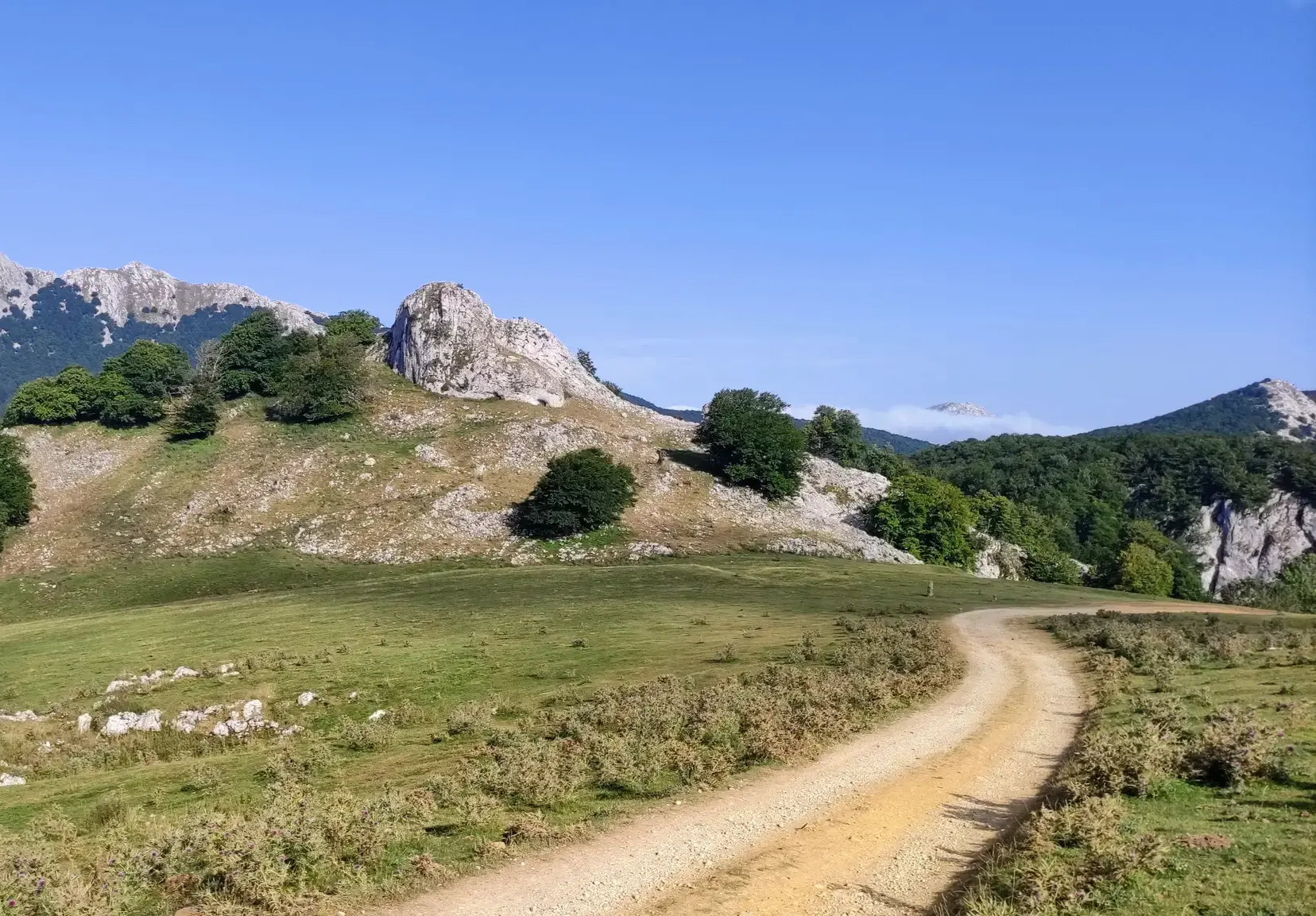
The Ignatian Way - In the footsteps of Ignatius of Loyola

Zazpiak Bat Packing – a cycling adventure in the Basque Country
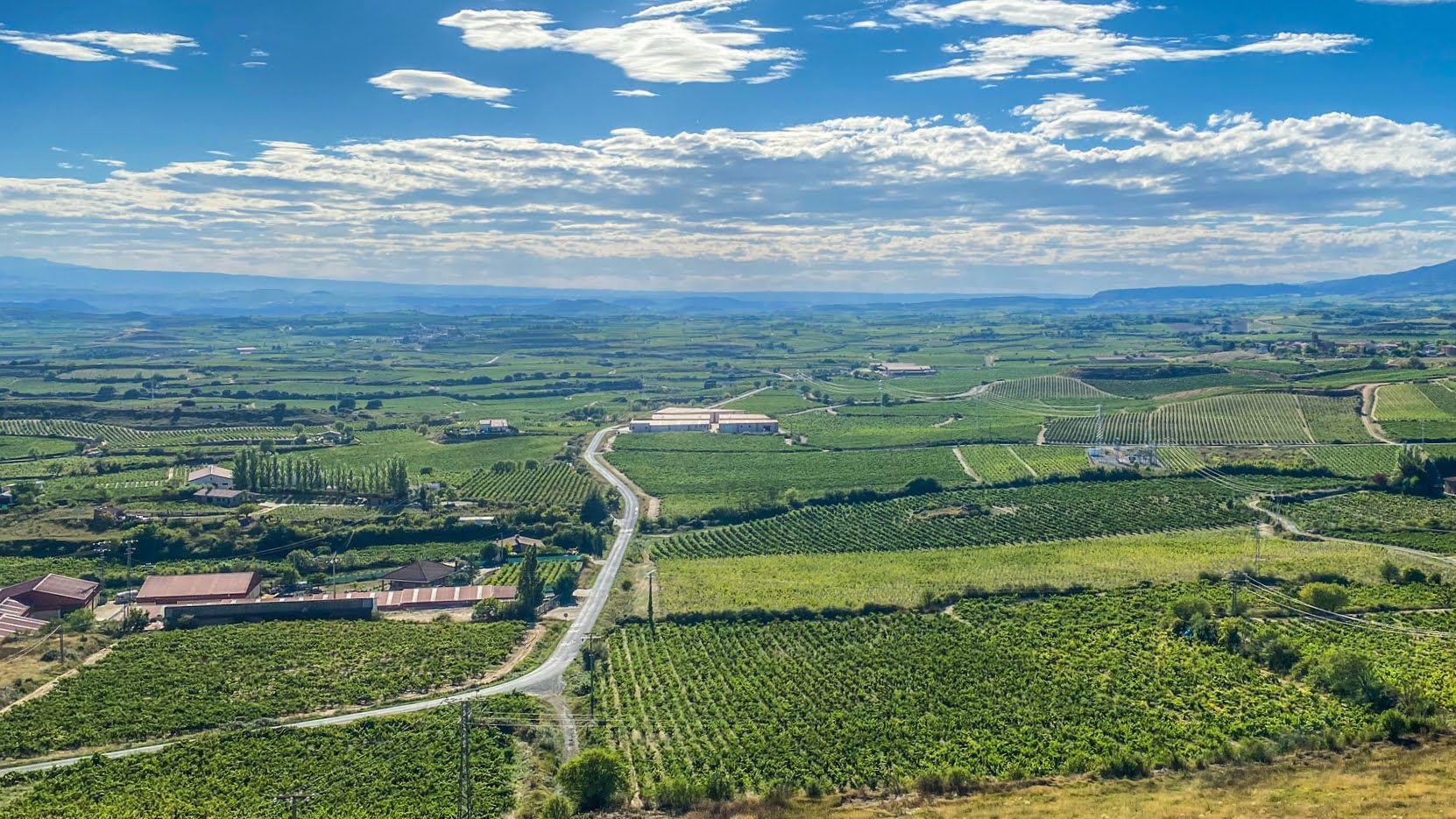
Endless asphalt between La Rioja’s vineyards – Spain’s Ruta del Vino
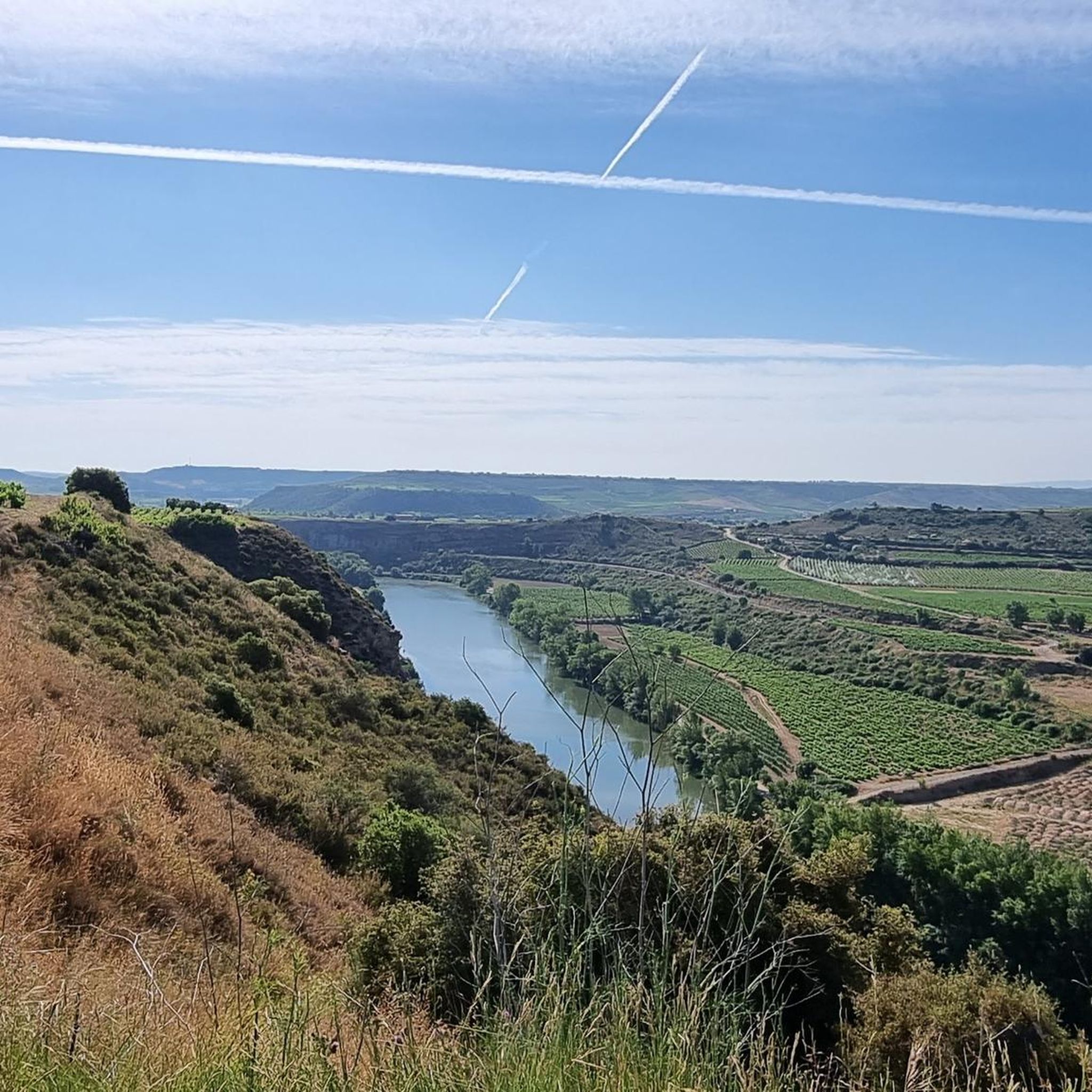
Hiking around Laguardia
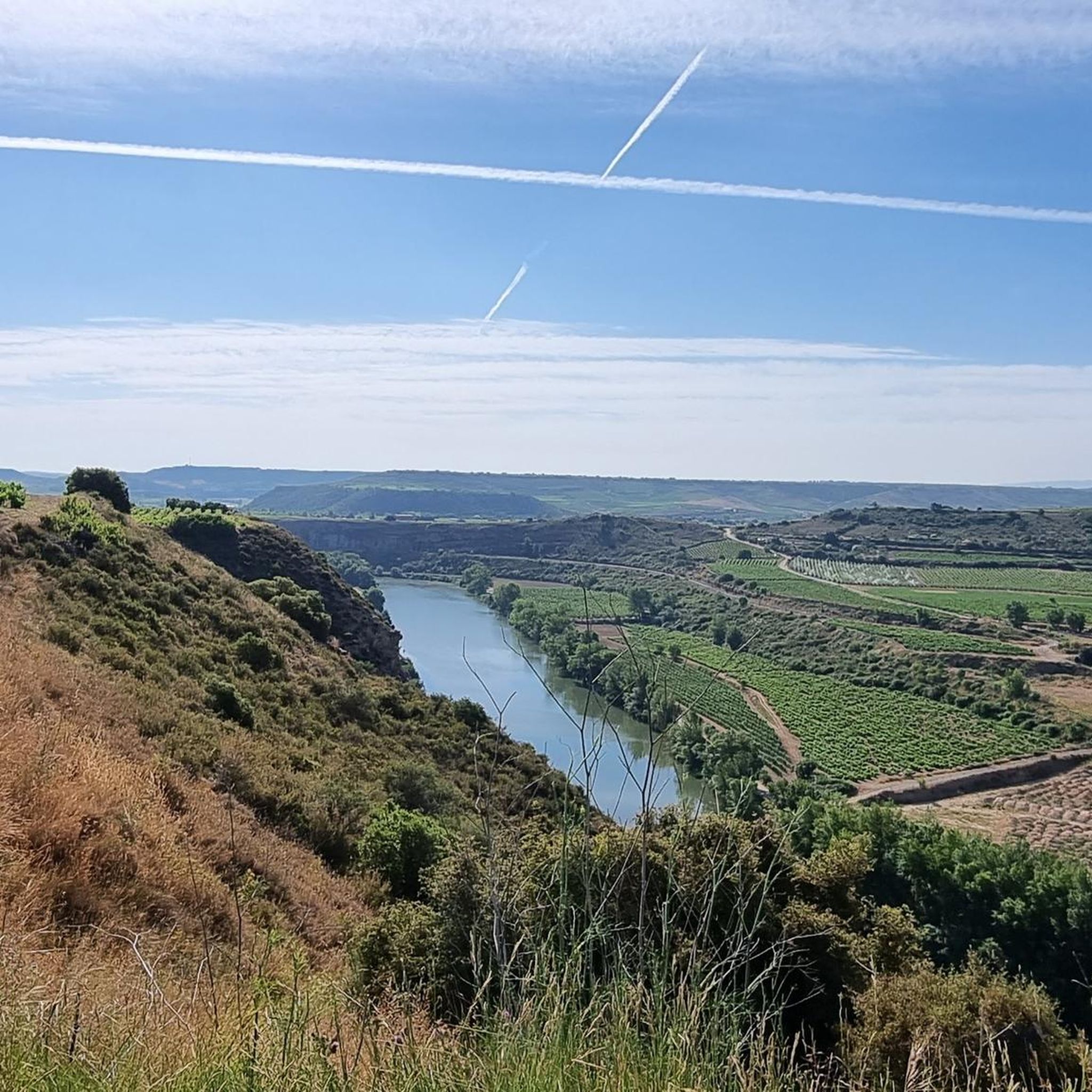
Cycling around Laguardia
MTB Trails around Laguardia
Road Cycling Routes around Laguardia
Gravel biking around Laguardia
Running Trails around Laguardia
Other adventures around Laguardia


Tips from the Community

The Castillo fortaleza de San Vicente de la Sonsierra is an impressive medieval castle that rises above the River Ebro. It was built in the 12th century by the Kingdom of Navarre to defend its border with Castile. It was part of a defense line connecting Laguardia and Labastida, and was the largest fortress in Navarre on the Ebro. The castle has a semi-circular shape that adapts to the rock on which it stands. It consists of three walled areas: the albacar, where the houses of the old town stood, the cortijo, where the parish church, the chapel of San Juan and the cemetery are, and the castle itself, with the keep and the bell tower. The castle lost its military importance after the annexation of Navarre by Castile in 1512, and was later used as a quarry and rubbish dump. In the 20th century, people began to realize its historical and artistic value, and several restoration projects were carried out. The castle is now a monument of cultural interest and a tourist attraction
1
0

The panoramic view of the Rioja is wonderful. Below you can also see a medieval bridge over the Ebro.
3
0

Documented for the first time in 1367, when Enrique de Trastámara gave it to Carlos El Malo of Navarra, it is likely that it was built during the reign of Alfonso VIII to strengthen the area's defense against Navarre. It is Romanesque in style and is made up of a walled outer enclosure with a polygonal plan with seven sides. The keep, with four floors, has a square floor plan and is attached to the wall at its eastern end. The castle is located on a hill next to a meander of the Ebro river, a strategic place next to the Briones castle to protect the area from Navarrese attacks.
1
0

A simply wonderful place with amazing views above 1300 meters above sea level. of altitude. It can be reached by several paths from the town of Lapoblación, go carefully and firmly, the last meters to get here can be somewhat technical.
2
0
A simply wonderful place with amazing views above 1300 meters above sea level. of altitude. It can be reached by several paths from the town of Lapoblación, which is worth a visit.
2
0

A vertigo climb and impressive views.
2
1

It is the typical castle-fortress raised on a hill, an old memory of the early medieval rock castle, with a defensive function.
3
0

Frequently Asked Questions
What historical sites can I explore within Laguardia itself?
Within Laguardia, the primary historical site is the town's well-preserved medieval walled enclosure, dating back to the 13th century. You can walk along sections of the walls and through ancient gates like Puerta de Páganos or Puerta del Mercadal. The Torre Abacial, a 12th-13th century defensive tower, also stands within the town and offers panoramic views from its summit.
Are there other significant castles or fortified sites near Laguardia?
Yes, beyond Laguardia's walls, you can explore several other notable fortified sites. These include the impressive San Vicente de la Sonsierra Fortress Castle, a 12th-century Navarrese defense, and the ruins at Sleeping Lion Peak (Lapoblación Castle), which offers challenging climbs and views. There's also the Castillo de Davalillo, a Romanesque castle ruin strategically located on a hill overlooking the Ebro river.
What kind of panoramic views can I expect from the castles in the region?
The castles and fortified sites around Laguardia offer spectacular views of the Rioja Alavesa region. From the Torre Abacial in Laguardia, you get a unique perspective of the surrounding vineyards. The San Vicente de la Sonsierra Fortress Castle provides wonderful panoramic views of the Rioja landscape and the Ebro river. For a more challenging experience, Sleeping Lion Peak (Lapoblación Castle) boasts amazing views from over 1300 meters altitude.
Are there hiking or cycling routes that incorporate these castles or the surrounding area?
Absolutely. The region around Laguardia is excellent for outdoor activities. You can find numerous cycling routes, such as the 'Rioja Alavesa Dolmens Route' or the 'Marqués de Riscal Hotel – Bodegas Ysios loop from Laguardia', which are part of the Traffic-free bike rides around Laguardia guide. For mountain biking, routes like 'Laguardia – Dolmen El Entrenal loop' are available in the MTB guide for Laguardia. These routes often pass through scenic landscapes and near historical points of interest.
What is the best time of year to visit the castles and the Laguardia region?
The best time to visit the castles and the Laguardia region is generally during the spring (April-June) and autumn (September-October) months. During these periods, the weather is pleasant for exploring, and the vineyards offer beautiful scenery, either in bloom or with autumn colors. Summers can be hot, while winters are cooler but still offer a unique charm for those who prefer fewer crowds.
Are the castles and historical sites around Laguardia family-friendly?
Exploring the medieval walls of Laguardia and its charming old town is a great family activity. The Torre Abacial is open for visits, offering an educational experience and views. While some sites like Sleeping Lion Peak (Lapoblación Castle) involve more challenging terrain, many of the historical sites are accessible for families, allowing children to engage with history in an immersive setting.
Can I visit the interior of the Torre Abacial in Laguardia?
Yes, the Torre Abacial in Laguardia, which serves as the bell tower for the Church of Santa María de los Reyes, is open for tourist visits. Climbing to its summit provides impressive panoramic views of the Rioja Alavesa region and its vineyards.
What makes the <a href="https://www.komoot.com/highlight/3233076" target="_blank" rel="noopener">San Vicente de la Sonsierra Fortress Castle</a> unique?
The San Vicente de la Sonsierra Fortress Castle is unique for its strategic location on a hill overlooking the Ebro River, its 12th-century Navarrese origins, and its impressive semi-circular shape adapted to the rock. It was a crucial defensive point and offers a glimpse into medieval border conflicts, with its three distinct walled areas including the keep and bell tower.
What should I know about the <a href="https://www.komoot.com/highlight/581395" target="_blank" rel="noopener">Castillo de Davalillo</a>?
The Castillo de Davalillo is a Romanesque castle ruin, first documented in 1367. It features a walled outer enclosure with a polygonal plan and a four-story keep. Its strategic location on a hill next to a meander of the Ebro river highlights its historical importance in defending the area against Navarrese attacks. It's a fascinating site for history enthusiasts.
Are there options for public transport to reach Laguardia and nearby castles?
Laguardia is accessible by public transport, typically via bus services from larger nearby cities like Logroño or Vitoria-Gasteiz. However, reaching some of the more remote castles like Sleeping Lion Peak (Lapoblación Castle) or Castillo de Davalillo often requires a private vehicle or a combination of public transport and walking/cycling, as direct routes may be limited.
Where can I find parking when visiting Laguardia's historical sites?
Laguardia is a walled medieval town, and vehicle access within the historic center is restricted. Visitors typically find parking in designated areas just outside the town walls. There are usually public parking lots available within a short walking distance of the main gates, allowing easy access to the Torre Abacial and the medieval walls.
Are there any natural features or viewpoints near the castles that are worth visiting?
Beyond the castles themselves, the Rioja Alavesa region is rich in natural beauty. The panoramic views from the Torre Abacial and San Vicente de la Sonsierra Fortress Castle showcase the rolling vineyards and the Ebro river. The area also features dolmens and other prehistoric sites, often integrated into scenic walking and cycling routes, offering a blend of history and nature.
Most popular routes around Laguardia
Most popular attractions around Laguardia

Get inspired with the komoot mobile app


Explore more
Looking for the best castles somewhere else? Discover other guides around Laguardia:
