Cabrillo National Monument
Cabrillo National Monument
Top 3 Natural Monuments in Cabrillo National Monument
Best natural monuments in Cabrillo National Monument are situated on the Point Loma peninsula in San Diego, California. This area features diverse natural landscapes, including coastal scrub, rocky shorelines, and marine environments. The monument offers opportunities to observe wildlife, explore scenic trails, and experience significant natural features. Its location provides panoramic views of the Pacific Ocean and San Diego Bay.
Best natural monuments in Cabrillo National Monument
- The most popular natural monuments is Cabrillo National Monument and Statue, a…
Last updated: October 4, 2026
Cabrillo National Monument and Statue
Highlight • Monument
Tip by

Point Loma
Highlight • Viewpoint
Translated by Google •
Tip by

Sign up now to discover places like this
Get recommendations on the best single tracks, peaks, & plenty of other exciting outdoor places.
Bayside Trail, Cabrillo National Monument
Highlight (Segment) • Trail
Tip by

Whale Skeleton - Guns - Land's End Vista Point
Highlight • Viewpoint
Tip by
Start today with a free account
Your next adventure awaits.
Tips from the Community

In 1542, Juan Rodriguez Cabrillo became the first European to step foot on the West Coast of the United States. The marble statue commemorating him was crafted by Alvaro DeBree and gifted in 1939.
0
0
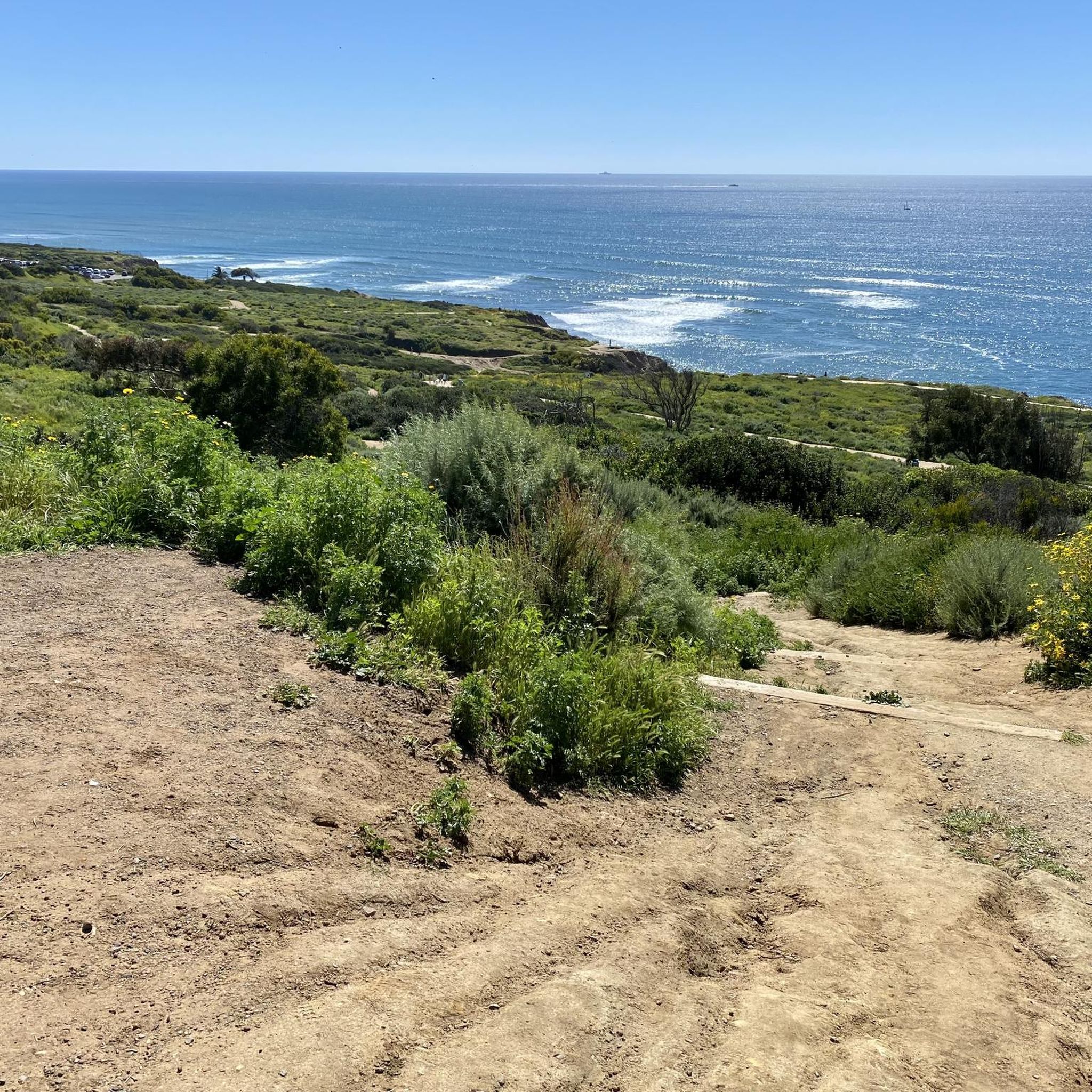
This trail takes you through the Cabrillo National Monument area, offering you plenty of ocean views. Along the way, you'll find numerous park benches where you can pause, soak in the breathtaking surroundings, and appreciate the beauty of the area.
0
0

Southernmost bicycling point in San Diego on the coast.
0
0

Next to the Cabrillo Library and visitor center/store is a trail out to the tall white marble statue commemorating famous explorer Juan Rodriguez Cabrillo.
0
0
Sweeping overlook to see whales, and the skeleton of one whale that didn't make it past this exhibit ;-)
1
0
Towering statue commemorating the famous explorer Juan Rodriguez Cabrillo.
1
0

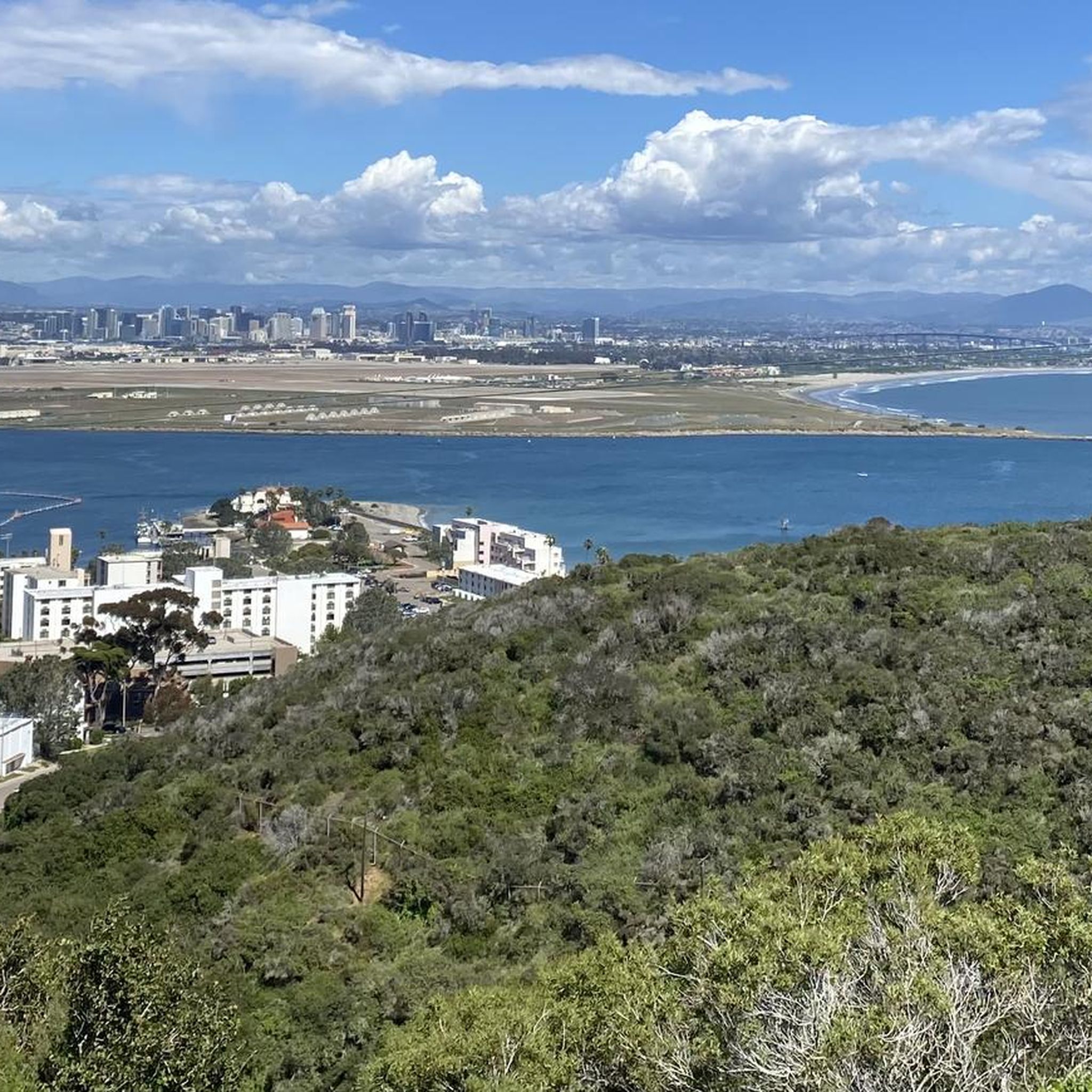
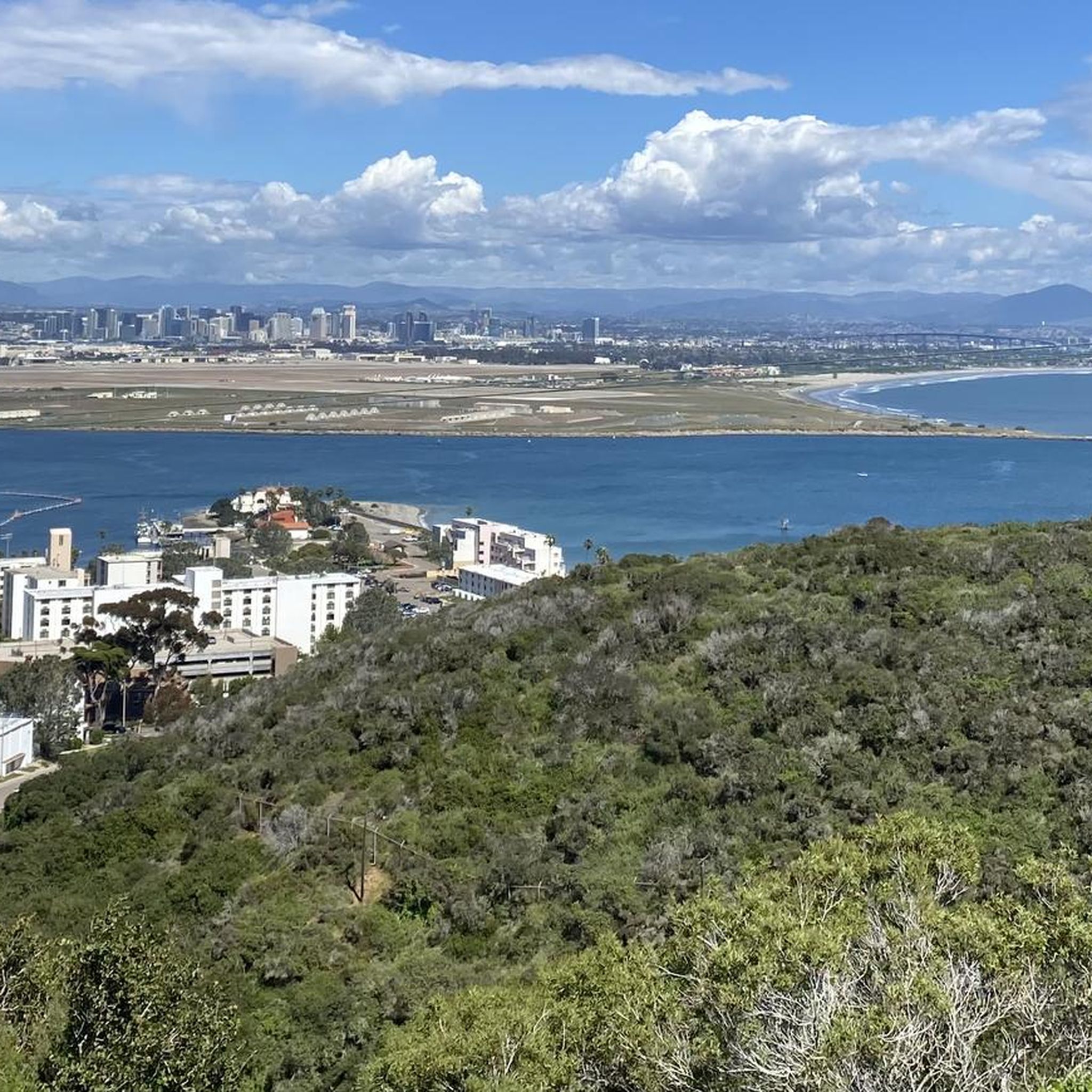
The cliff is worth seeing, from Point Loma you have a great view of the San Diego Bay and Coronado. Be sure to bring a pair of binoculars, in the spring you can see with a little luck from here whales along the coast. Alternatively, there is often the opportunity to see one of the active supercarriers of the Navy live and in color in the Bay.
2
0
Frequently Asked Questions
What natural features can I explore at Cabrillo National Monument?
Cabrillo National Monument offers a diverse range of natural features. You can explore vibrant tide pools teeming with marine life, observe the majestic migration of Pacific gray whales from excellent vantage points like Point Loma, and enjoy exceptional birdwatching opportunities along the Pacific Flyway. The monument's coastal landscapes also feature scenic trails with panoramic ocean and bay views.
When is the best time to visit Cabrillo National Monument for tide pooling and whale watching?
For tide pooling, the best time to visit is during the winter months (November through March) when low tides occur during daylight hours, revealing the rich intertidal ecosystem. Whale watching is also prime from December through March, as Pacific gray whales migrate past the coast. You can often spot them from viewpoints like Whale Skeleton - Guns - Land's End Vista Point.
Are there family-friendly activities and natural monuments at Cabrillo National Monument?
Yes, Cabrillo National Monument is very family-friendly. Children and adults alike can enjoy exploring the tide pools, which offer a hands-on experience with marine life. The Bayside Trail is an easy, scenic walk suitable for families, offering ocean views and benches. The Cabrillo National Monument and Statue area also provides historical context and great views for all ages.
What hiking trails are available near the natural monuments?
Several easy hiking trails allow you to explore the natural beauty of the monument. The Bayside Trail offers stunning ocean views, while the Coastal Trail provides access to the tide pools. For more options, you can find detailed routes and guides for hiking in the area, including trails like "Coastal Trail & Tidepools" and "Old Point Loma Lighthouse loop," on komoot's Hiking in Cabrillo National Monument guide.
What historical sites are located within Cabrillo National Monument?
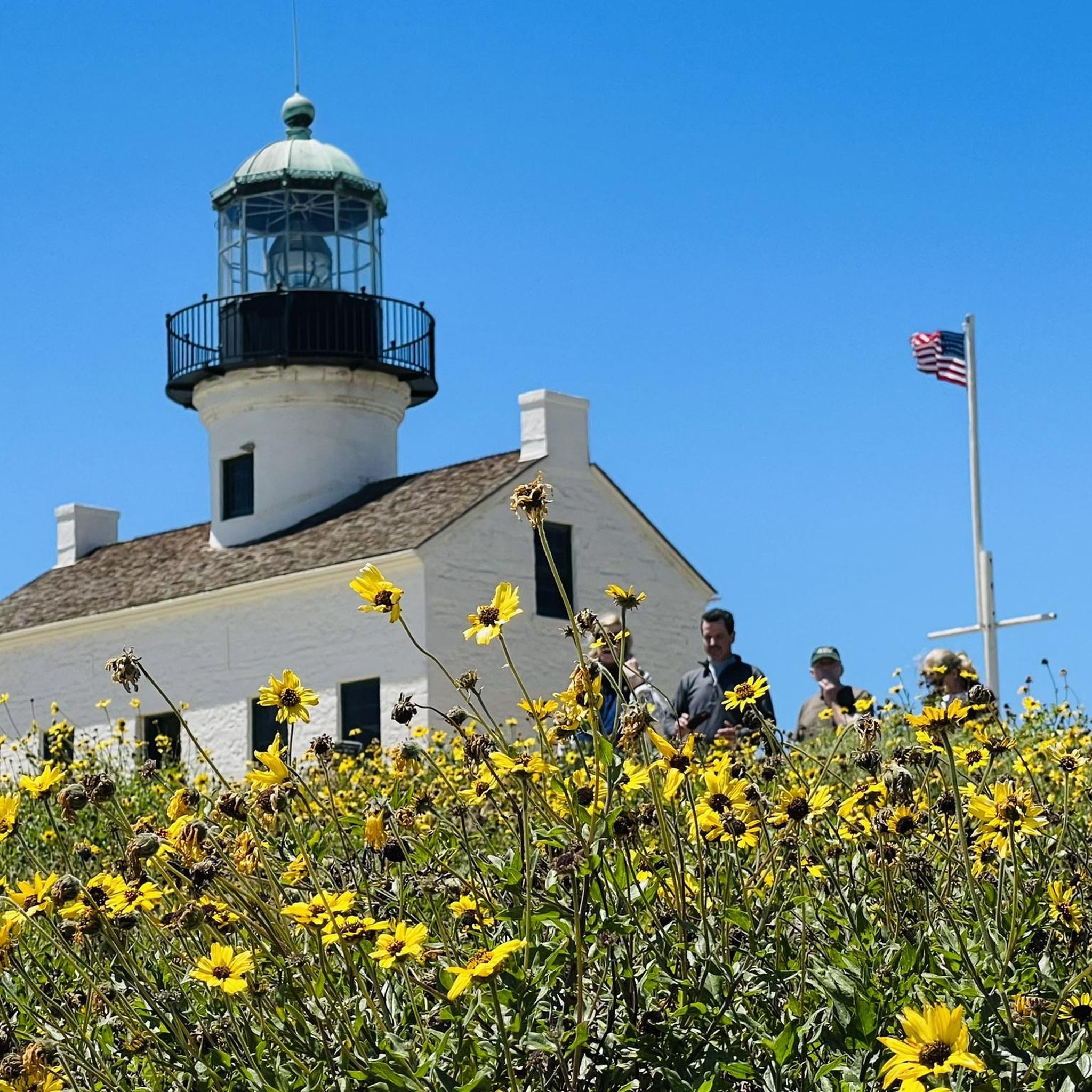
Beyond its natural wonders, the monument is rich in history. You can visit the Cabrillo National Monument and Statue, which commemorates explorer Juan Rodriguez Cabrillo. The area around Point Loma also holds historical significance, offering insights into the region's past. The Old Point Loma Lighthouse is another prominent historical landmark within the park.
What do visitors enjoy most about the natural monuments in Cabrillo National Monument?
Visitors frequently highlight the breathtaking panoramic views of the Pacific Ocean and San Diego Bay, especially from viewpoints like Point Loma. The opportunity to witness the gray whale migration and explore the vibrant tide pools are also top attractions. Many appreciate the scenic hiking trails, such as the Bayside Trail, for their beauty and tranquility.
Are there any specific viewpoints for scenic photography?
Absolutely. Point Loma offers spectacular views of the San Diego Bay and Coronado. The Bayside Trail also provides numerous spots with picturesque ocean vistas. For unique coastal shots, the tide pools area during low tide presents fascinating marine landscapes.
What should I bring for a visit to the natural monuments?
It's recommended to bring comfortable walking shoes, water, sun protection (hat, sunscreen), and binoculars for whale and bird watching. If you plan to explore the tide pools, wear shoes that can get wet and have good grip. A camera is also a must to capture the stunning scenery.
How can I get to Cabrillo National Monument using public transport?
While direct public transport to the monument's entrance can be limited, you can often find bus routes that get you close to the Point Loma area. From there, you might need to walk or use a ride-sharing service to reach the entrance. For detailed public transport options and routes that start from bus stations, refer to komoot's Hikes from bus stations in Cabrillo National Monument guide.
Are there entrance fees for Cabrillo National Monument?
Yes, Cabrillo National Monument has an entrance fee. This fee helps maintain the park and its facilities. For the most current information on entrance fees, passes, and operating hours, it's best to check the official National Park Service website: nps.gov/cabr.
Can I see marine wildlife other than whales at the monument?
Absolutely. The tide pools are a fantastic place to observe a variety of marine life, including sea stars, anemones, crabs, and small fish, especially during low tide. The monument's coastal waters are also home to various seabirds and occasionally seals or dolphins can be spotted offshore.
What kind of birds can I expect to see while birdwatching?
Cabrillo National Monument is a prime birdwatching spot due to its location on the Pacific Flyway. You can expect to see a range of resident and migratory species, including Anna's hummingbirds, American kestrels, California quails, various shorebirds, and pelicans. The diverse habitats support a rich avian population.
Most popular routes in Cabrillo National Monument
Most popular attractions in Cabrillo National Monument

Get inspired with the komoot mobile app


Explore more
Extend your search for the best caves by checking out these guides of the top ones in Cabrillo National Monument:
