Top 3 Natural Monuments around Meduna Di Livenza
Best natural monuments around Meduna Di Livenza are characterized by the region's abundant waterways, primarily the Livenza and Meduna rivers, which define its landscape. The confluence of these rivers and their tributaries creates significant natural features, offering diverse ecosystems and scenic views. These natural landmarks provide opportunities to observe local wildlife and experience the area's tranquil environment. The region's natural beauty is deeply intertwined with its river systems, making them central to its appeal.
Best natural monuments around Meduna Di…
Last updated: May 22, 2026
Palù del Bandiziol
Highlight • Lake
Showing Translation
Tip by

Confluence of the Monticano and Livenza Rivers
Highlight • River
Translated by Google •
Tip by

Sign up now to discover places like this
Get recommendations on the best single tracks, peaks, & plenty of other exciting outdoor places.
Sign up for free
Confluence of the Lia and Monticano Rivers
Highlight • River
Translated by Google •
Tip by

Bosco Olmè
Highlight • Forest
Translated by Google •
Tip by

The Hair of the Guardian of Bandiziol
Highlight • Natural Monument
Translated by Google •
Tip by
Start today with a free account
Your next adventure awaits.
Login or Signup

Tips from the Community

The Sanstino territory was characterized in its southern part by large lagoons and marshes until a few decades ago. Until the first half of the 20th century, these environments proved very harmful to humans, in various aspects, as they were a source of diseases, such as malaria, and were not sufficiently productive. Thus, with major land reclamation works, the land was taken from the water to make it cultivable and to obtain products that allowed many families to live. However, the lagoons were also a huge reservoir of biodiversity with many species of animals and plants that were largely destroyed during the land reclamation operations. It is also for this reason that, within the project for the historical reconstruction of the Bandiziol and Prassaccon woods, it was desired to leave a further mark of what the territory and landscape of S. Stino once were, by creating a wetland area, partly similar to the numerous wetlands once present even within the woods, called "bassone". This intervention is not only an operation of "philological" recovery of the pre-reclamation hydraulic system but, above all, presents a significant environmental value as it reconstructs the natural habitat of various bird species. The small lake is located in the eastern part of the Bosco di Bandiziol, covers an area of approximately 10,000 sq m and has a rounded shape with small islands within it. To better reproduce different lake habitats, the small lake has varying depths, from a few centimeters to over 2 meters, thus offering many bird species the opportunity to find a suitable environment to stay. In fact, in the shallower waters and marginal areas, it is possible to see herons, egrets, plovers, mallards, and other surface ducks. In the rest of the lake, there are divers, cormorants, and diving ducks that find food in open water or on deep bottoms. The islands and the winding perimeter shapes were created specifically to allow the avifauna to hide and find refuge, so that it can be disturbed as little as possible by human presence. In fact, the conformation of the banks and the vegetation (reeds, herbaceous and shrubby vegetation) offer all the necessary environments for the rest, feeding, and nesting of birds.
10
0

The Bandiziol forest pond has this sulfur spring that keeps the water temperature above 20°C (68°F) in winter. The water feels very warm to the touch. Interestingly, these white filaments form in winter, making them resemble hair.
0
0
The Palù del Bandiziol is a wetland formed by a sulfur spring that, at its source, gives off the characteristic smell of rotten eggs. This wetland is of great naturalistic value due to the presence of numerous bird species.
1
0

peace and quiet, a tour for everyone.
0
0

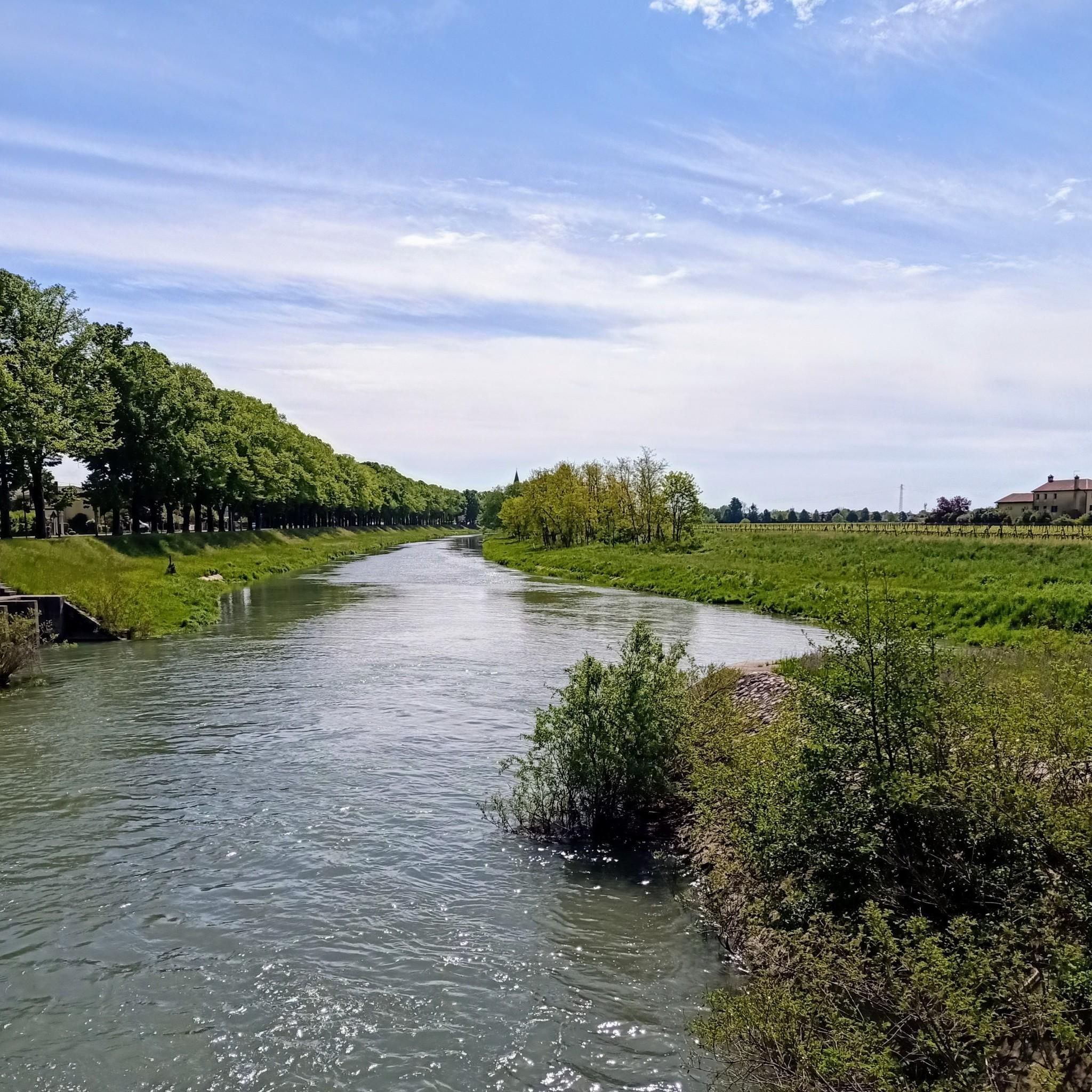
where the Monticano flows into the Livenza. The track is new, just widened and well beaten
0
0
Bosco Bandiziol, a green lung between San Stino di Livenza and Loncon
0
0
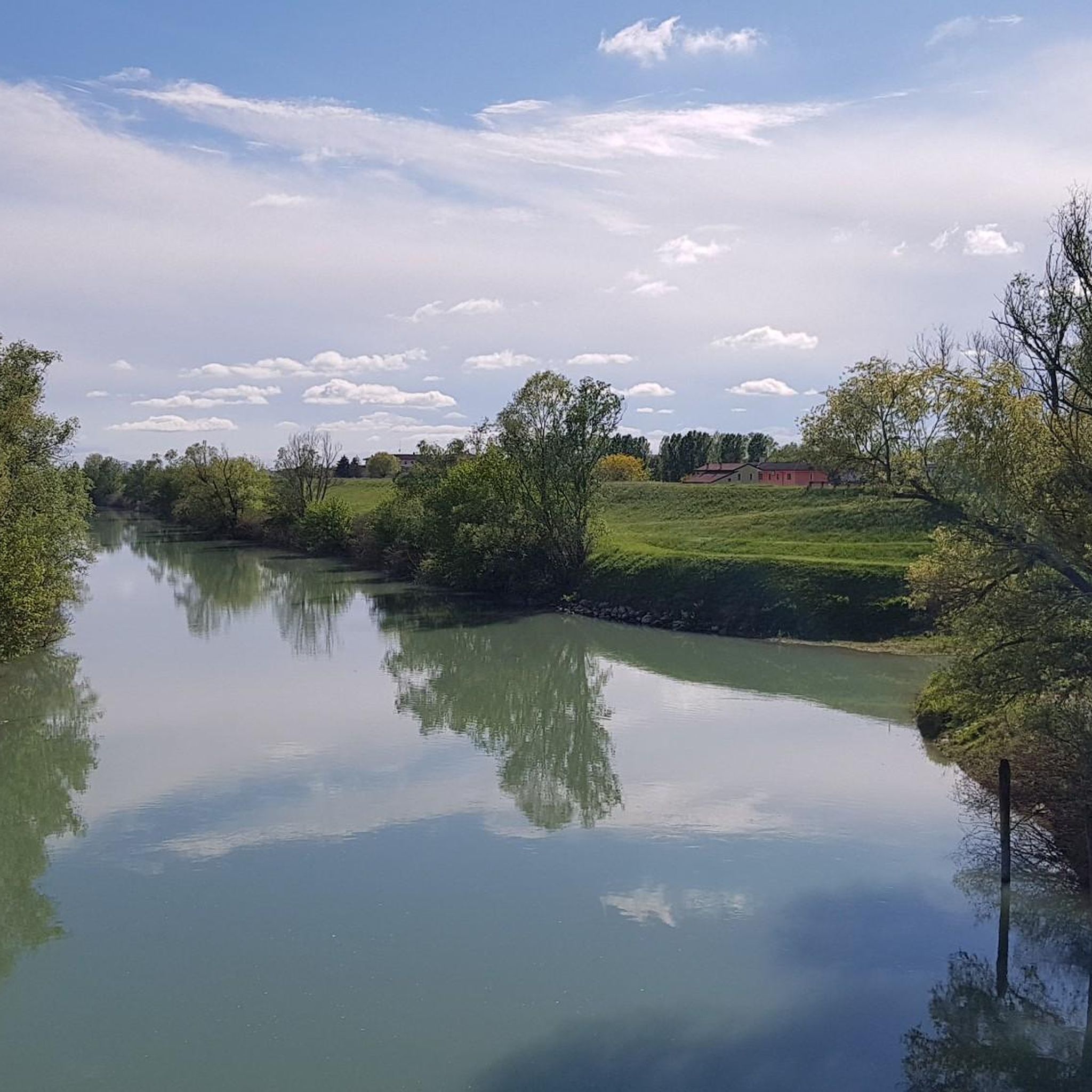
Here we have reached the end of the descent of the Monticano river to the confluence with the Livenza river.
1
0
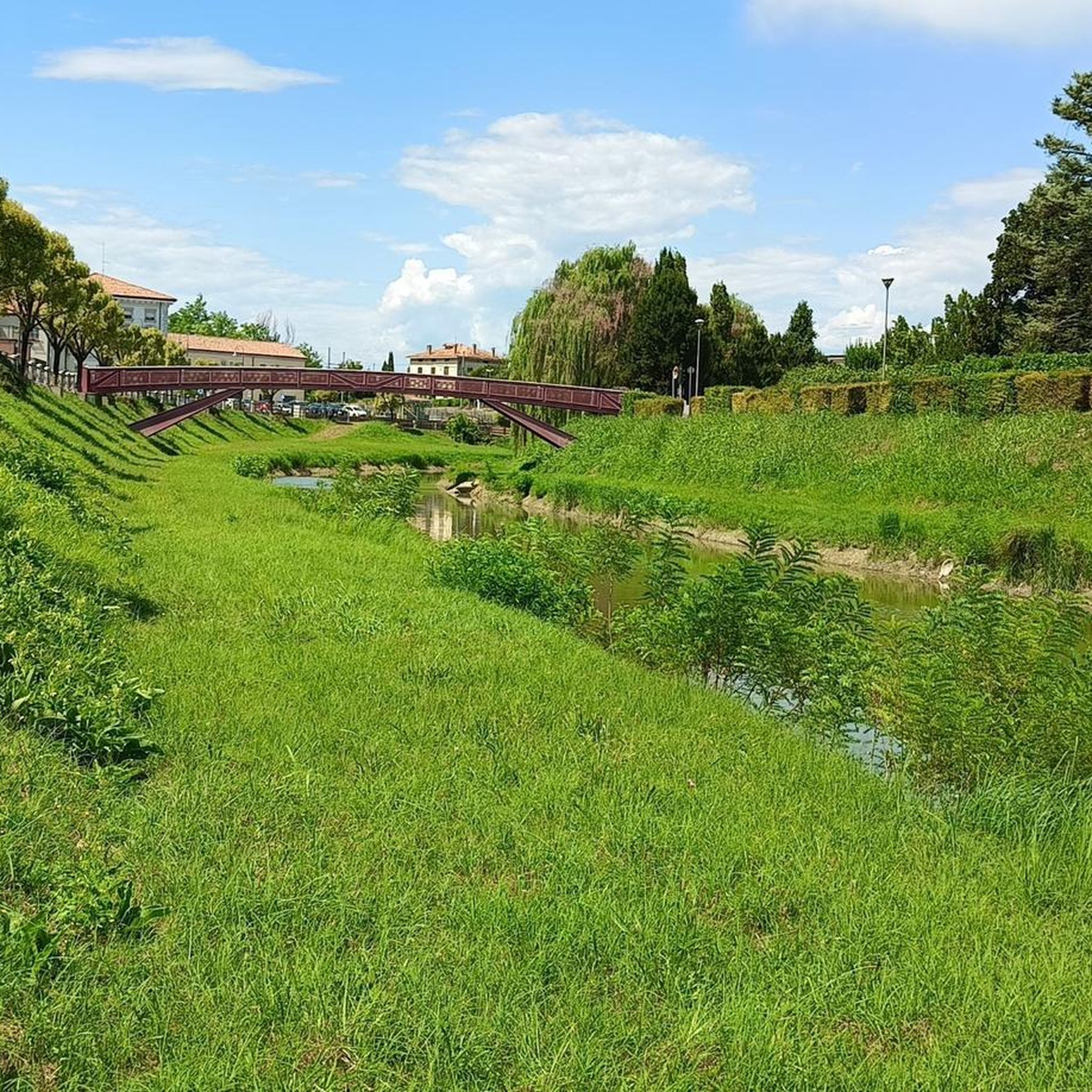
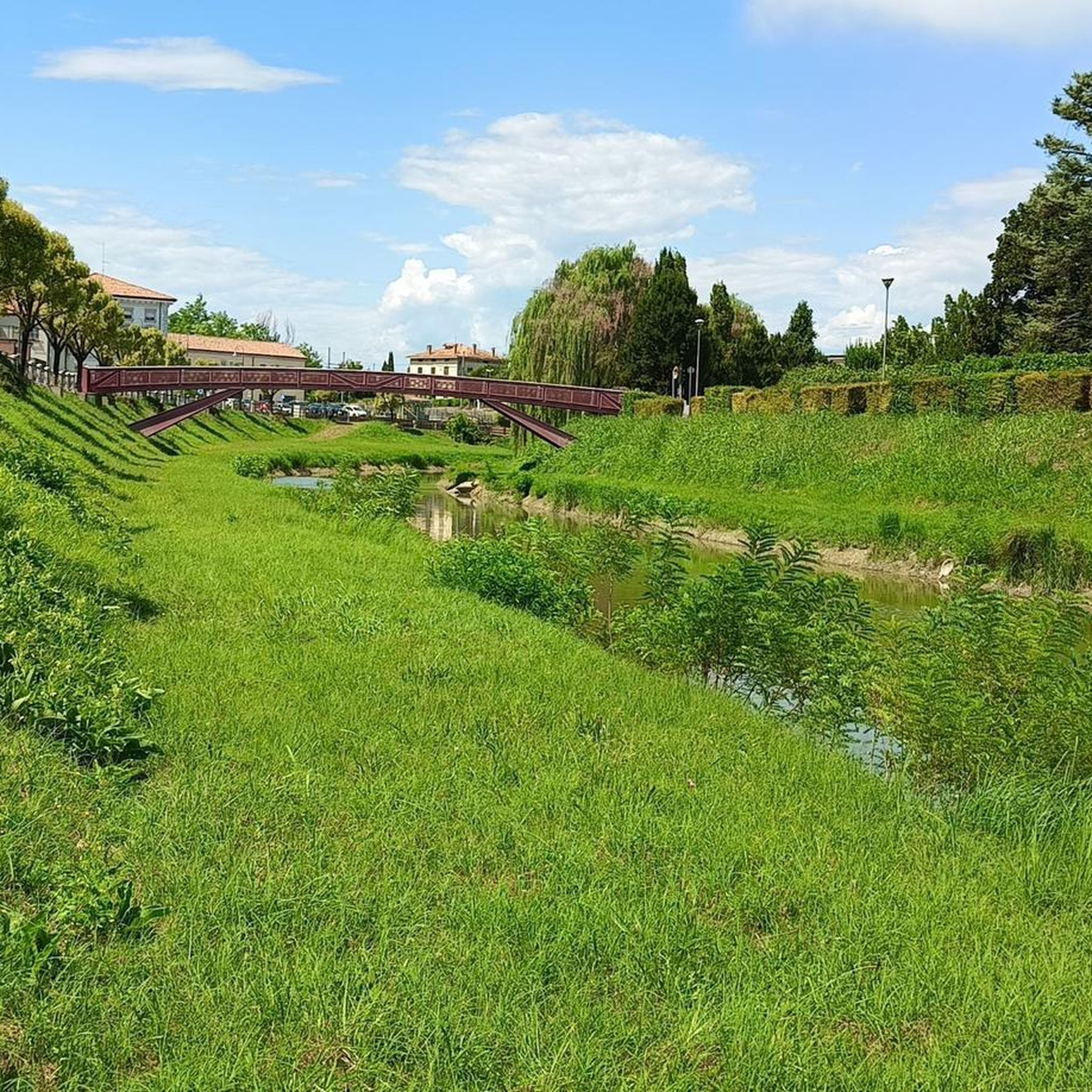
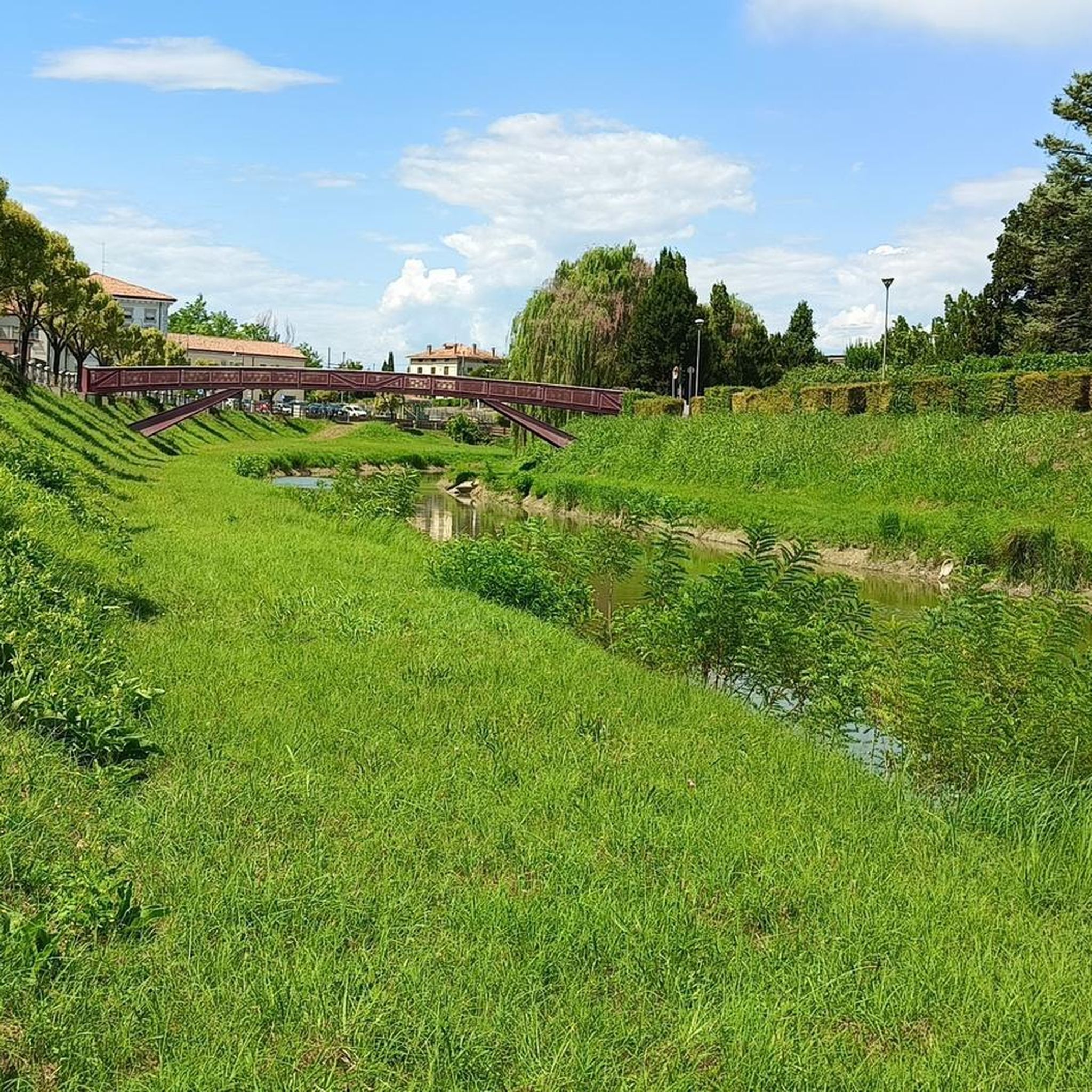
The Lia river ends here: it delivers its waters to the Monticano and in turn leaves them to the Livenza to reach the sea. The Lia is an ancient river that marks the territory. Born in what is now the Gambrinus park (that of the shrimp of this river), you can cross it under the bridge of the Church of the Templars of Ormelle and you can hardly follow its meanders in Colfrancui. Here you can greet its waters and its millenary memory of this territory
0
0
Frequently Asked Questions
What are the main natural features to explore around Meduna Di Livenza?
The natural landscape around Meduna Di Livenza is defined by its abundant waterways. Key features include the confluence points of the local rivers, such as the Confluence of the Monticano and Livenza Rivers and the Confluence of the Lia and Monticano Rivers. You can also explore the ancient woodland of Bosco Olmè, which is rich in biodiversity.
Are there any unique natural phenomena to see in the area?
Yes, a particularly unique natural phenomenon can be found at The Hair of the Guardian of Bandiziol. This forest pond features a sulfur spring that keeps the water warm even in winter. During colder months, white filaments form, creating a striking visual effect resembling hair.
What outdoor activities can I do near these natural monuments?
The river systems and surrounding countryside offer excellent opportunities for outdoor activities. You can enjoy kayaking and canoeing on the calm waters of the Livenza. For land-based activities, there are numerous trails for cycling and hiking. Explore various routes for cycling, road cycling, and running around Meduna Di Livenza.
Are there family-friendly natural monuments around Meduna Di Livenza?
Absolutely. The river confluence points are generally family-friendly. For instance, the Confluence of the Monticano and Livenza Rivers and the Confluence of the Lia and Monticano Rivers are noted as suitable for families, offering peaceful settings for walks and enjoying nature.
Are the natural monuments around Meduna Di Livenza accessible for everyone?
The Confluence of the Monticano and Livenza Rivers is highlighted as wheelchair accessible, making it a good option for visitors seeking easier access to nature. The newly widened and well-beaten track there ensures a pleasant experience for all.
What is the best time of year to visit the natural monuments?
The region's natural beauty, particularly its rivers and woodlands, can be enjoyed throughout much of the year. Spring and autumn offer pleasant temperatures for outdoor activities like cycling and hiking. Winter provides a unique experience, especially at The Hair of the Guardian of Bandiziol, where the 'hair-like' filaments are visible due to the warm sulfur spring.
Where can I experience the local river systems and their biodiversity?
The Livenza and Meduna rivers are central to the region's natural charm. You can experience them at their confluence points, such as the Confluence of the Monticano and Livenza Rivers. The riverbanks are home to diverse flora and fauna, including various fish species, herons, and kingfishers, making them ideal for nature lovers and birdwatchers.
Is there a forest or woodland area to explore near Meduna Di Livenza?
Yes, Bosco Olmè is a significant natural wood covering 28 hectares. It's an ancient forest consisting of white willow, hornbeam, oak, elm, maple, and ash, with a rich undergrowth. It serves as a refuge for various mammals like hedgehogs, hares, and weasels, offering a deep immersion into the local ecosystem.
What do visitors enjoy most about the natural monuments here?
Visitors frequently appreciate the tranquility and natural beauty of the area. The peaceful atmosphere at the river confluences, like the Confluence of the Monticano and Livenza Rivers, is often highlighted. The opportunity to observe local wildlife and enjoy scenic views along the riverbanks also contributes to a relaxing experience.
Are there historical or cultural aspects related to the natural monuments?
Beyond their natural appeal, the rivers have played a crucial role in the historical and cultural development of towns along their courses, including Meduna Di Livenza. The confluence area of the Meduna and Livenza rivers, known as Tremeacque, is historically significant, featuring ancient bridges that date back to 1922, connecting the natural landscape with local heritage.
How long should I plan for a visit to these natural monuments?
The duration of your visit can vary. For a leisurely walk and enjoyment of a specific confluence point or a short exploration of Bosco Olmè, a few hours might suffice. If you plan to combine your visit with cycling or running on nearby trails, you could easily spend half a day or more immersing yourself in the natural surroundings.
Most popular routes around Meduna Di Livenza
Most popular attractions around Meduna Di Livenza

Get inspired with the komoot mobile app


Explore more
Extend your search for the best caves by checking out these guides of the top ones around Meduna Di Livenza:
