Top 3 Caves around Porano
Best caves around Porano are found in the surrounding region, particularly near Orvieto and Parrano, offering a rich history of underground exploration. The area features a network of Etruscan caves, tunnels, and cisterns carved into volcanic tuff. These subterranean sites reveal ancient human ingenuity and resourcefulness, showcasing how civilizations utilized the underground for various purposes over millennia. The landscape provides a unique glimpse into historical engineering and daily life.
Best caves around Porano
- The most popular caves include Entrance to…
Last updated: November 24, 2026
Orvieto Cathedral
Highlight • Religious Site
Translated by Google •
Tip by

Historic village of Civita di Bagnoregio
Highlight • Historical Site
Translated by Google •
Tip by

Sign up now to discover places like this
Get recommendations on the best single tracks, peaks, & plenty of other exciting outdoor places.
Entrance to Orvieto Underground
Highlight • Cave
The Orvieto tufa graves are dry cavities created by human intervention and are located below the …
Translated by Google •
Tip by

Well of the Quarry
Highlight • Historical Site
Translated by Google •
Tip by

Our Lady of the Carceri
Highlight • Religious Site
The …
Translated by Google •
Tip by

Start today with a free account
Your next adventure awaits.
Tips from the Community

The Chapel of Maria Santissima delle Carceri opens like a silent cave carved into the tuff of Civita di Bagnoregio, along the paths that descend beneath the suspended village. The name does not refer to an ancient prison, but to the Contrada Carcere, the medieval neighborhood that once occupied this part of the town. In 1695, a terrible earthquake caused much of the district to collapse into the valley below, leaving the cave exposed on the slope. From that void, a place of devotion was born, transformed into a chapel and dedicated to the Virgin. Inside, the bare rock and the simple altar speak of a faith intertwined with the fragility of the landscape.
0
0

The complex, with its entrance on Via della Cava, lies beneath Orvieto's oldest neighborhood. Divided into nine underground areas, it is rich in Etruscan, medieval, and Renaissance finds, brought to light only recently after nearly four centuries of abandonment. The tour isn't very long (about 30 minutes if you read each description carefully), but it's absolutely worth it, especially for the price of just 4 euros.
1
0

Very beautiful and worth seeing.
1
0

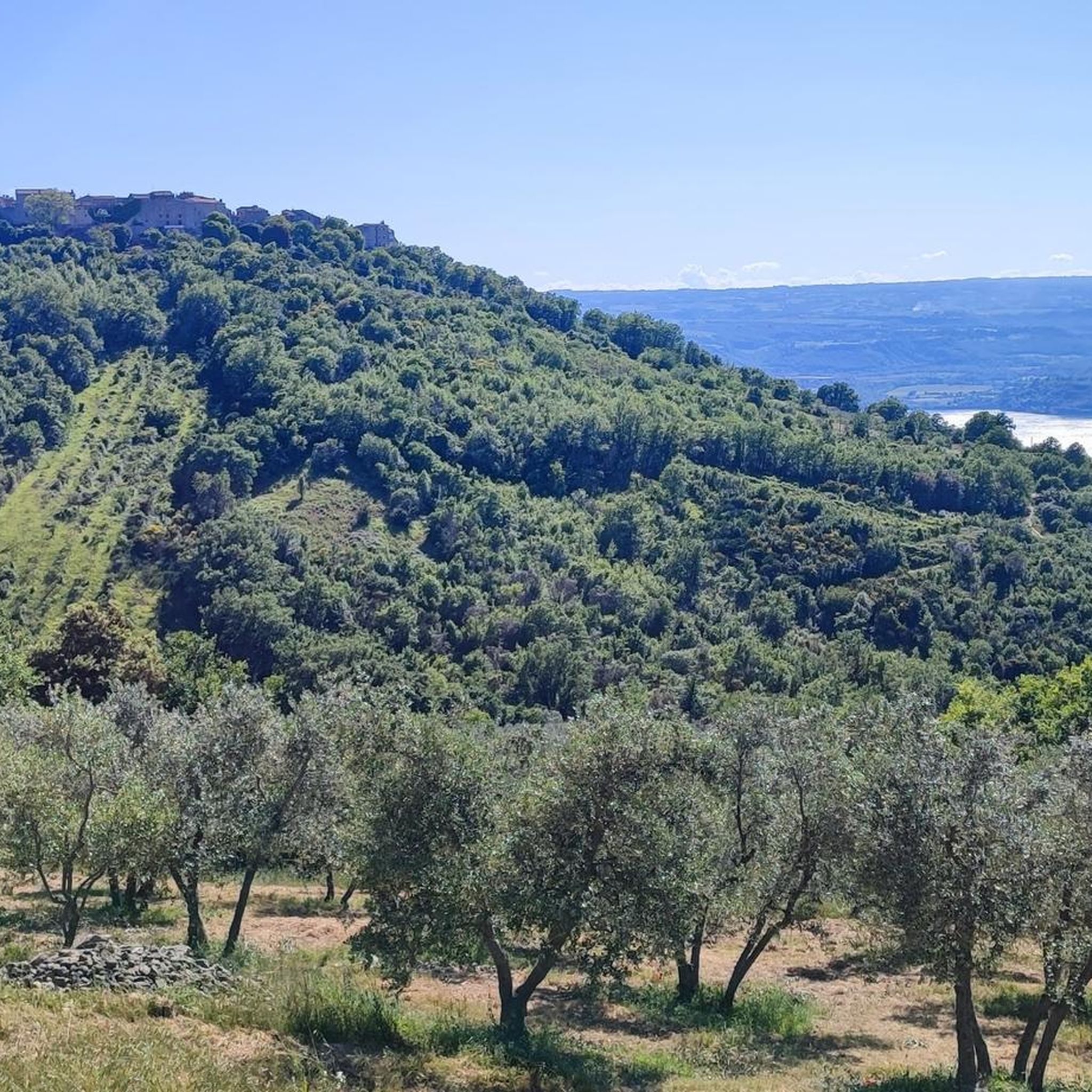
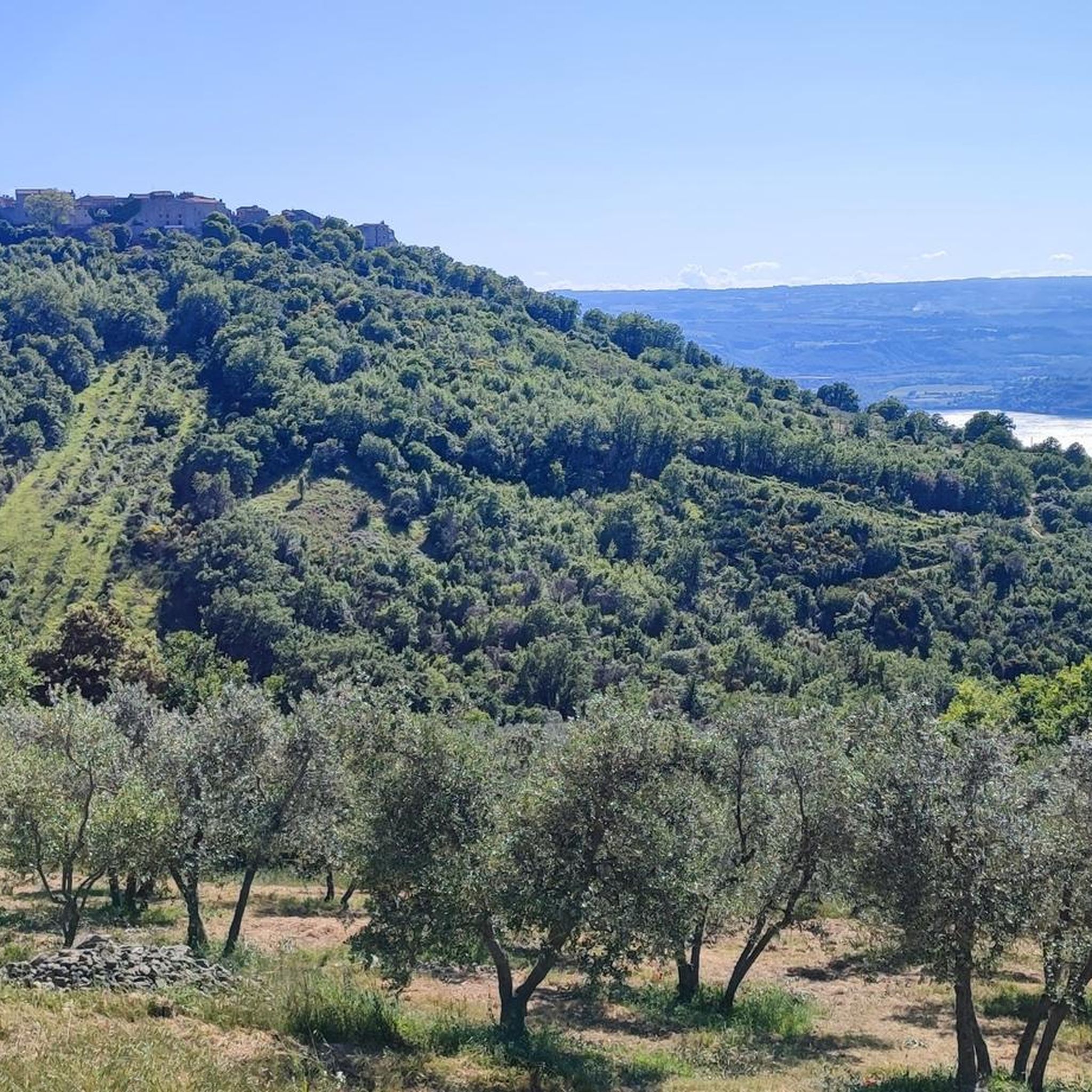
Civita di Bagnoregio is a magical, surreal, fantastic place, located on the top of a tuff hill and reachable only through a narrow pedestrian bridge from which you can enjoy one of the most spectacular views of all of Lazio. Nicknamed the dying city, due to the constant erosion of the tuff rocks on which it is located, this citadel halfway between Orvieto and Lake Bolsena has Etruscan and medieval origins.
2
0

Orvieto is a city located on the flat top of a large volcanic tuff hill. The city rises dramatically above nearly vertical tuff walls complemented by defensive walls built of the same stone. The cathedral, a masterpiece of Italian Gothic architecture, commemorates the Eucharistic miracle of Bolsena. Built in 1290 by Arnolfo di Cambio, it features a magnificent façade completed in the 16th century. Inside, the chapels of San Brizio and the corporal are unmissable. The church of Sant'Andrea, completed in the 13th century, and that of San Giovenale, with a massive bell tower, are examples of Romanesque architecture. The People's Palace, a 12th-century Romanesque-Gothic building, and St. Patrick's Well, 62 meters deep with spiral staircases, are other attractions. Orvieto has a thousand-year history which can be best appreciated in its vast system of underground cavities.
3
0

The little village of Civita di Bagnoregio is a place from another time. Accessible only by a pedestrian bridge, the place is inhabited by only a few people. Nevertheless, there are shelters in the abandoned city. The once proud city, which lies like a crown on the top of a tuff rock and which mainly attracts with beautiful medieval and partly antique buildings within its historic walls, was already considered a dying village in the 70s and 80s of the last century. At times no more than 5-12 people lived here. Back then, landslides were unsafe and regular house maintenance was too expensive. Civita di Bagnoregio is now considered one of the most beautiful villages in Italy. Since it can only be reached via a pedestrian bridge and has therefore been completely spared from cars to this day, it offers a brief but intensive look right into the heart of Italy's history. In the early evening it gets quiet in the town, which is heavily frequented by tourists during the day. This is the best time to enjoy the historic city.
3
0

A pleasant guided tour, along a comfortable path, through which you can get to know the underground of the city of Orvieto.
0
0
The reason for building the cathedral was the miracle of blood in the nearby town of Bolsena in 1263, when blood is said to have dripped from a host in Santa Cristina during the consecration. This blood miracle formed the basis of the Corpus Christi festival. The altar cloth soaked in blood is kept as a relic in a side chapel of the cathedral.
3
0
Frequently Asked Questions
What types of underground sites can I explore near Porano?
The area around Porano, particularly in nearby Orvieto and Parrano, offers a rich variety of underground experiences. You can explore ancient Etruscan and medieval tunnels, cisterns, and workshops at Orvieto Underground, or delve into a complex of Etruscan, medieval, and Renaissance finds at the Well of the Quarry. For a journey into prehistory, the Tane del Diavolo in Parrano are karst caves with significant archaeological findings from the Paleolithic and Bronze Ages.
Are there any family-friendly cave attractions near Porano?
Yes, several sites are suitable for families. The guided tours of Orvieto Underground are generally accessible and fascinating for all ages, offering a glimpse into ancient life. The Well of the Quarry also provides an engaging, shorter tour through history. For a more adventurous family, the Tane del Diavolo in Parrano offers a unique archaeological experience, though it's best to check specific accessibility for younger children.
What is the best time of year to visit the caves around Porano?
Underground attractions like Orvieto Underground and the Well of the Quarry maintain a relatively constant cool temperature year-round, making them excellent choices regardless of the season. Spring and autumn are ideal for visiting the region as a whole, as the weather is pleasant for exploring above ground before or after your cave visit. Summer can be busy, but the cool underground air offers a welcome escape from the heat.
How long should I plan for a visit to these underground sites?
For Orvieto Underground, guided tours typically last about one to one and a half hours. The Well of the Quarry offers a more concise experience, usually taking around 30 minutes to explore. For the Tane del Diavolo in Parrano, guided visits can vary, so it's advisable to check with the local visitor center for specific tour durations.
Are dogs allowed in the caves near Porano?
Generally, most underground historical sites like Orvieto Underground and the Well of the Quarry do not permit dogs, with the exception of service animals. For natural cave systems like the Tane del Diavolo in Parrano, policies can vary, so it's best to confirm directly with the site operators before your visit.
What unique historical insights can I gain from visiting Orvieto's underground attractions?
Orvieto's underground sites offer a profound journey through history. Orvieto Underground reveals over 3,000 years of human ingenuity, showcasing Etruscan caves, medieval olive oil mills, ancient water systems, and pottery workshops. The Well of the Quarry provides a condensed view of Etruscan, medieval, and Renaissance life, including an impressive 36-meter deep well and a medieval pottery kiln. These sites illustrate how inhabitants adapted to and utilized the volcanic tuff beneath the city.
What should I wear when visiting the caves?
The underground environments maintain a cooler temperature than the outside, even in summer, so bringing a light jacket or sweater is recommended. Comfortable walking shoes with good grip are essential, as surfaces can be uneven or damp. For sites like the Tane del Diavolo, which involve natural cave exploration, closed-toe shoes are a must.
What outdoor activities can I do near these caves?
The region around Porano and Orvieto offers various outdoor activities. You can explore numerous running trails, including routes around Orvieto that pass by landmarks like St. Patrick's Well. For cyclists, there are traffic-free bike rides and challenging MTB trails, such as the Orvietano Ring Trail. These routes allow you to experience the beautiful Umbrian landscape surrounding the underground attractions.
Are there any natural caves or archaeological sites beyond Orvieto's city limits?
Yes, the Tane del Diavolo (Devil's Dens) in Parrano, located north of Orvieto, are a significant natural karst cave system and archaeological site. These caves hold treasures from the Paleolithic and Bronze Ages, with evidence of ancient human activity and rituals. They are carved by the Fosso del Bagno stream and offer a unique blend of natural beauty and prehistoric history. Nearby, you can also find a thermal lake.
How can I reach the underground attractions in Orvieto?
Orvieto is easily accessible by car or train. Once in Orvieto, the main underground attractions like Orvieto Underground and the Well of the Quarry are located within the historic center, which is largely pedestrian-friendly. You can reach the city center via the funicular from the train station or by parking outside the historic core and walking in. For the Tane del Diavolo in Parrano, a car is generally recommended.
What is the Pozzo di San Patrizio (St. Patrick's Well) and is it worth visiting?
St. Patrick's Well, also in Orvieto, is a remarkable 16th-century engineering marvel. It features a unique double-helix staircase with 248 steps, designed to allow mules to descend and ascend without encountering each other while carrying water. It's 54 meters deep and illuminated by 70 windows. It is absolutely worth visiting for its extraordinary architectural design and historical significance as a feat of Renaissance hydraulic engineering.
What do visitors enjoy most about the underground experiences in this region?
Visitors consistently praise the unique historical immersion offered by these sites. The sheer scale and preservation of Orvieto Underground, the condensed historical journey at the Well of the Quarry, and the prehistoric insights from the Tane del Diavolo are frequently highlighted. Many appreciate the opportunity to step back in time and witness the ingenuity of past civilizations, often finding the guided tours informative and engaging.
Most popular attractions around Porano

Get inspired with the komoot mobile app


Explore more
Extend your search for the best caves by checking out these guides of the top ones around Porano:
