The best gravel rides around Huesa
5.0
(1)
39
riders
9
rides
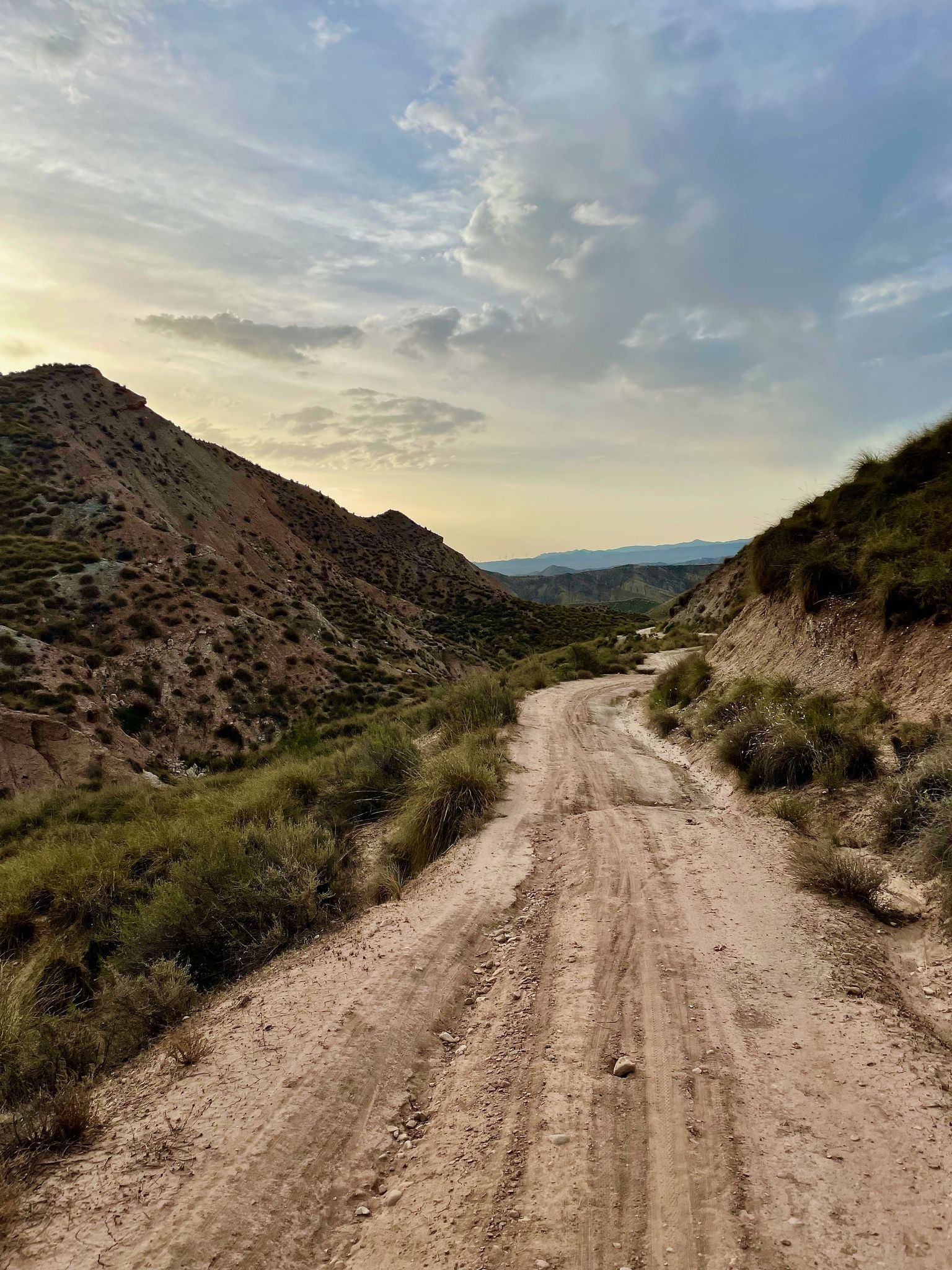
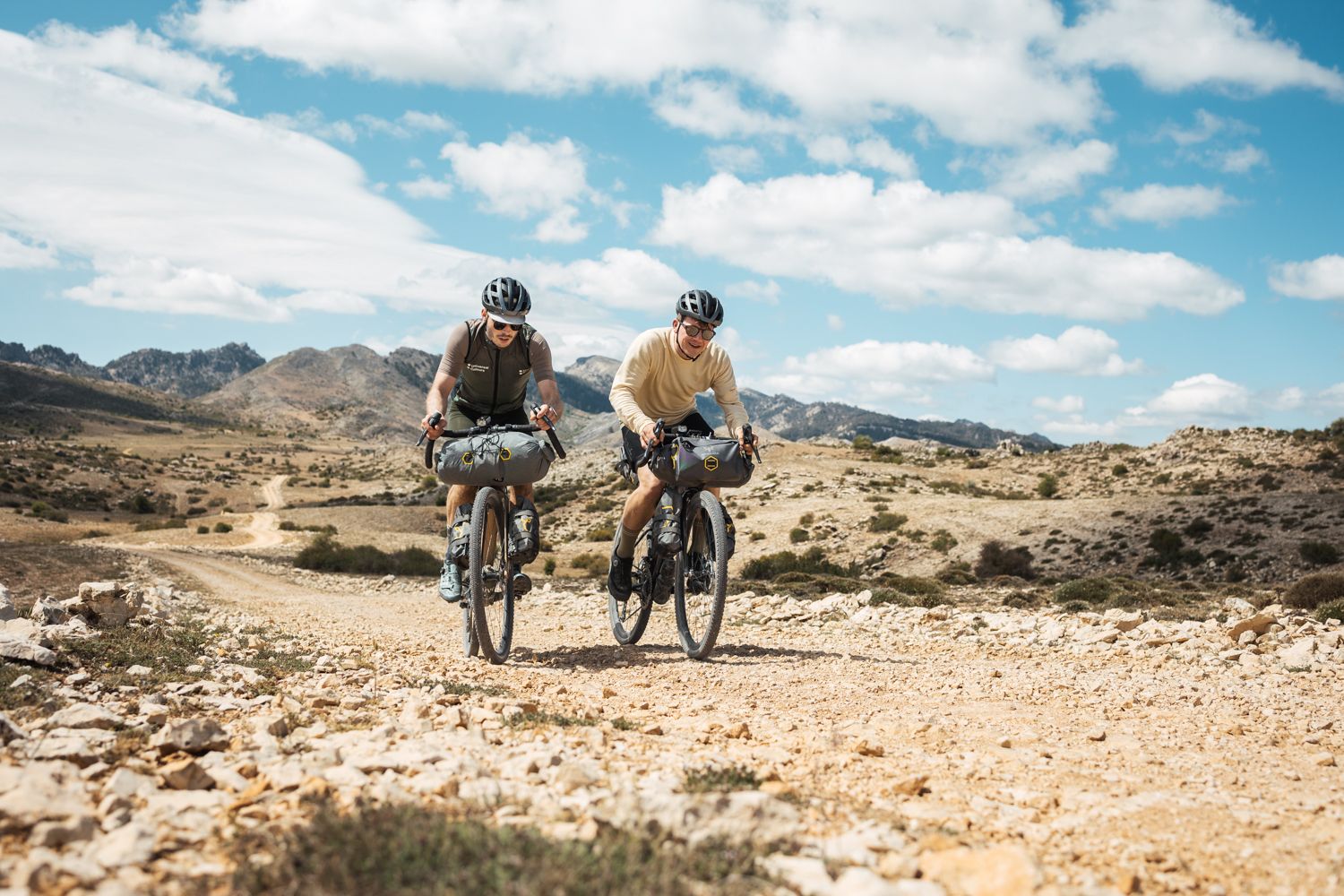
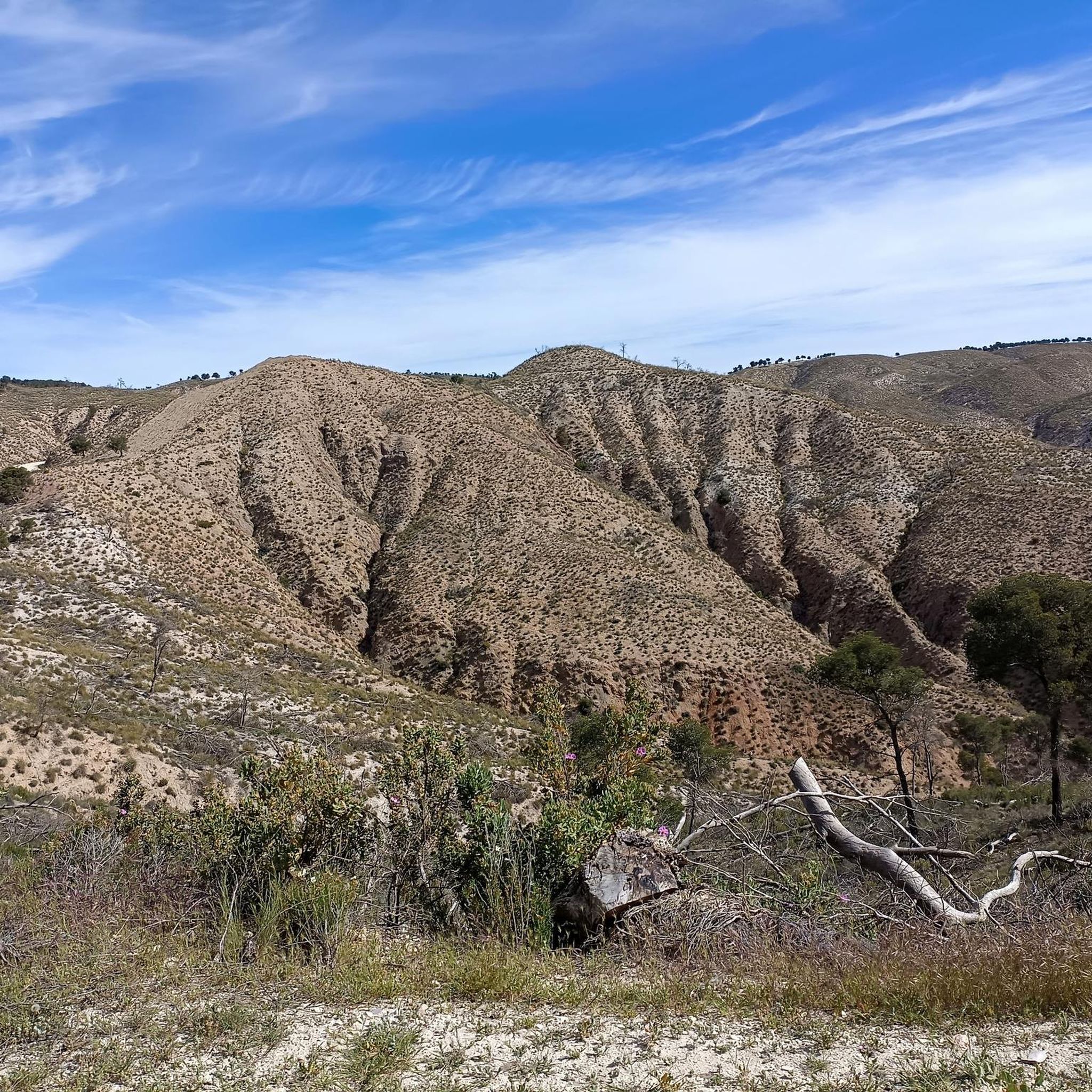
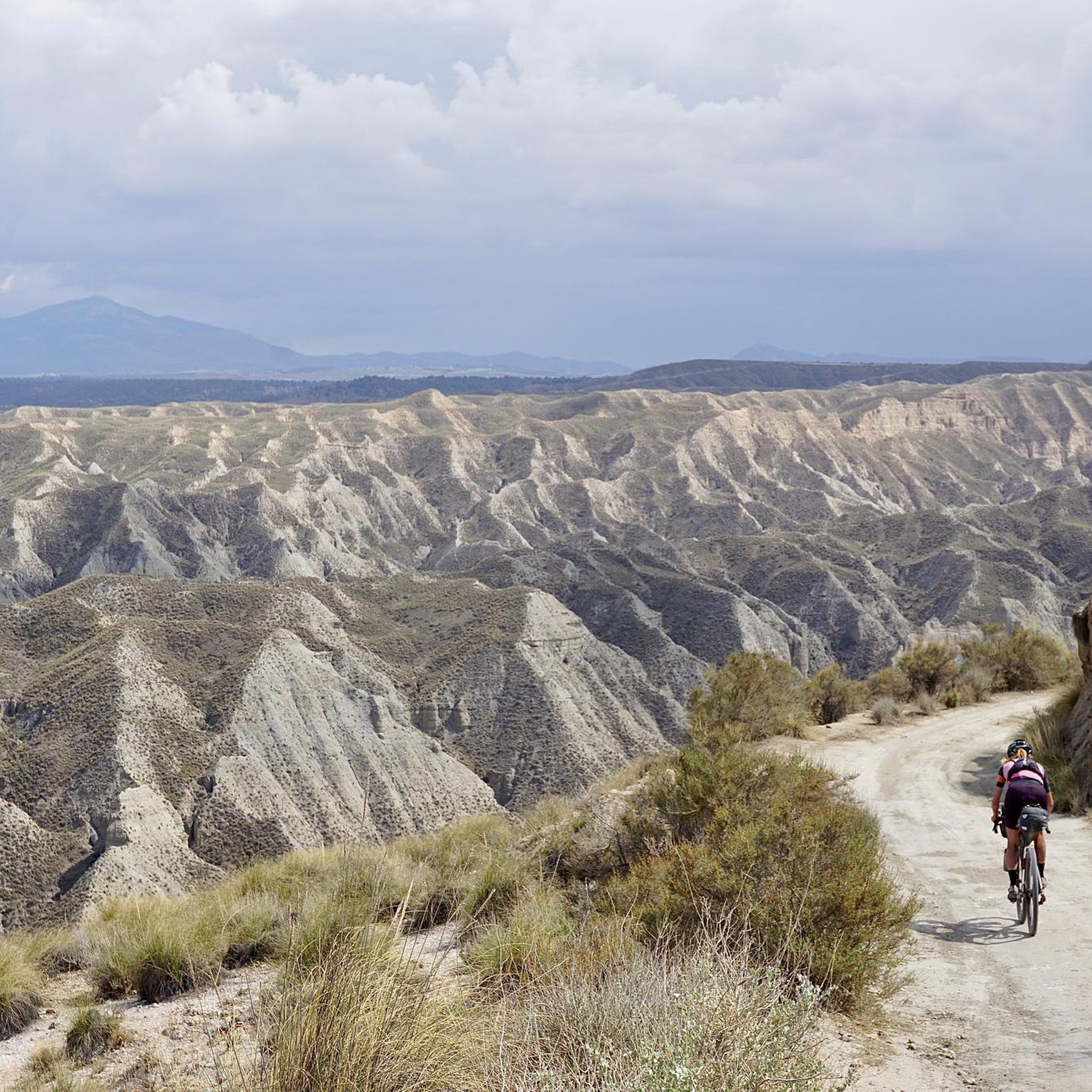
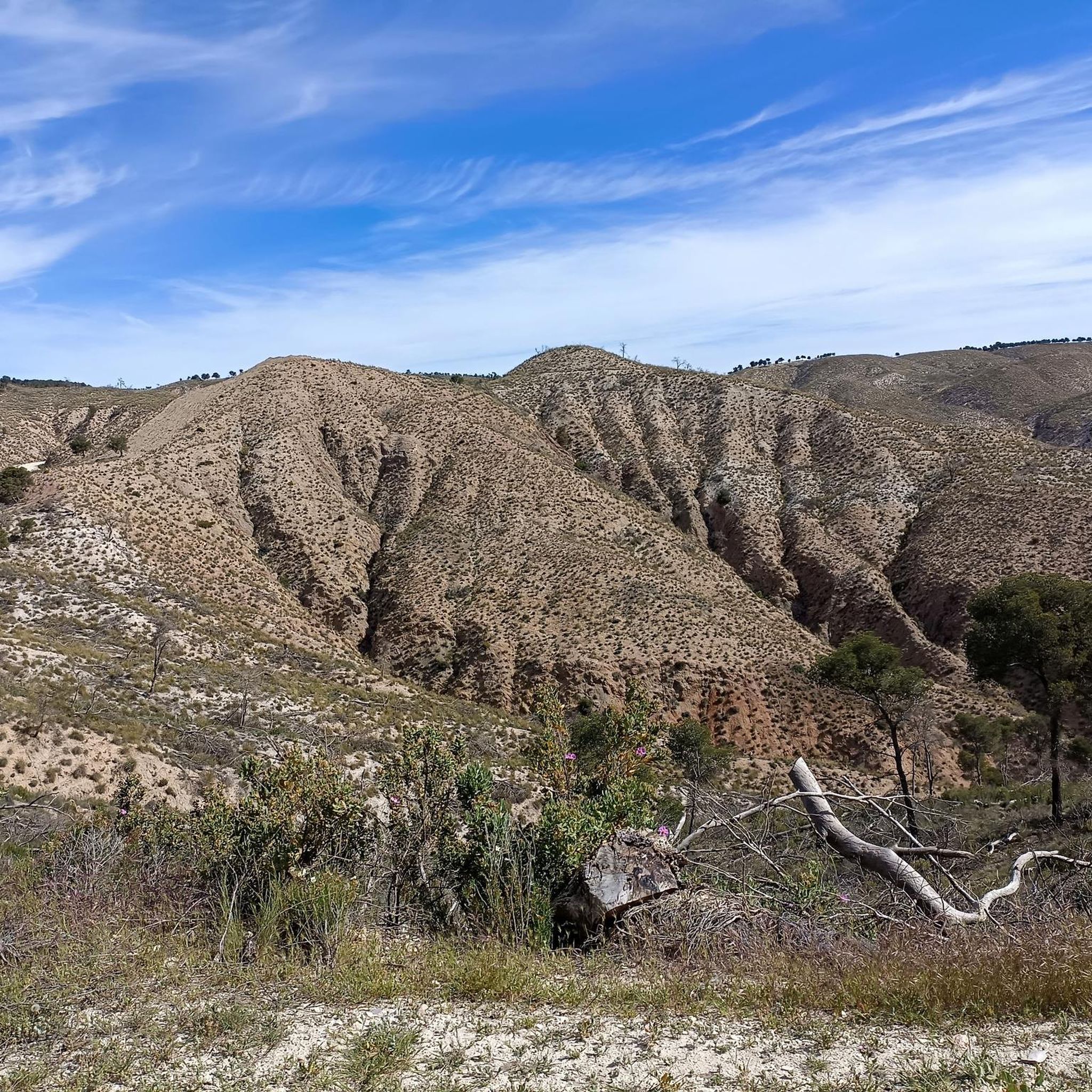
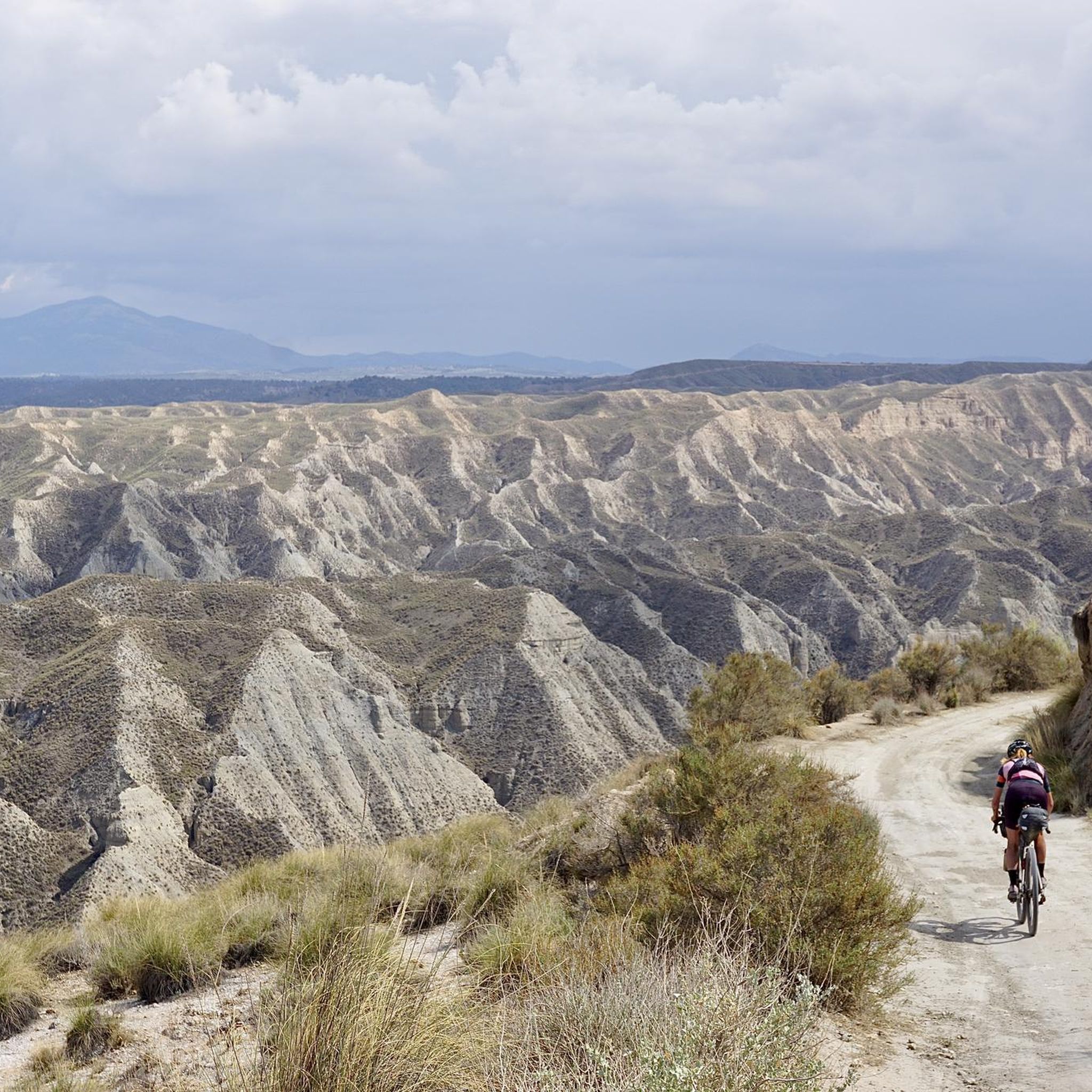
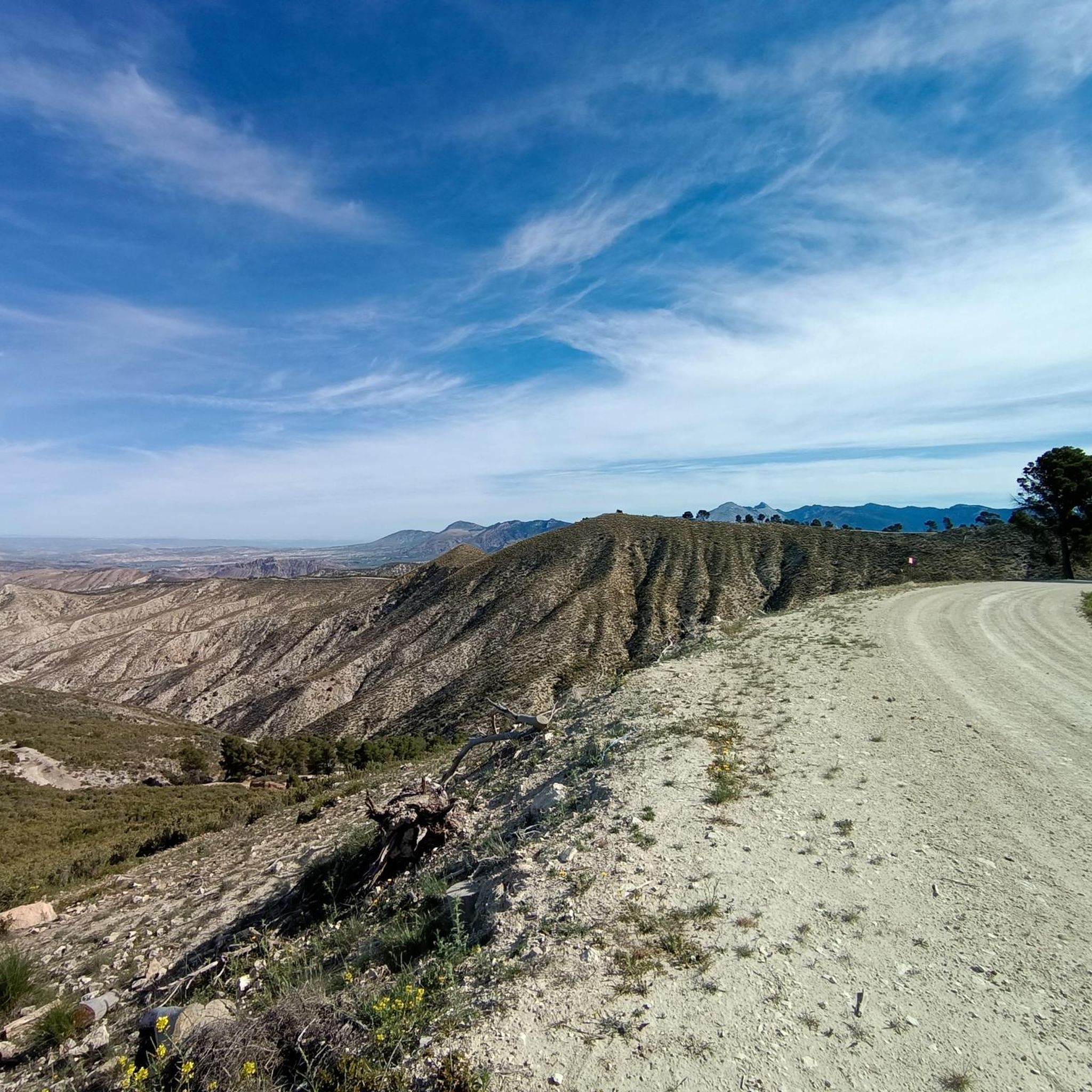
Gravel biking around Huesa offers routes through a distinctive landscape characterized by arid desert terrain and dramatic badlands. This region features significant elevation changes, with trails traversing open expanses and rolling hills. The geology includes unique formations like the Gorafe Desert and Los Coloraos Badlands, providing a challenging and visually striking environment for gravel cyclists.
Best gravel bike trails around Huesa
- The most popular gravel bike trail is Desert of Gorafe – Gravel Climb of Dreams loop from Haza del…
Last updated: November 16, 2026
6
riders
133km
09:55
2,440m
2,440m
Hard gravel ride. Very good fitness required. Mostly paved surfaces.
5.0
(1)
8
riders
Hard gravel ride. Very good fitness required. Mostly paved surfaces.

5
riders
36.5km
02:45
620m
620m
Hard gravel ride. Very good fitness required. Mostly paved surfaces.
5
riders
Hard gravel ride. Very good fitness required. Mostly paved surfaces.
8
riders
Hard gravel ride. Very good fitness required. Mostly paved surfaces.
Get access to more routes and recommendations from other explorers.
Already have an account?
Our route recommendations are based on thousands of hikes, rides, and runs completed by other people on komoot.
Start today with a free account
Your next adventure awaits.


Tips from the Community

too bad this refuge is disgusting
0
0

The Guadahortuna River is an important waterway in the Granada region. The river rises in Montejícar and flows through several municipalities, including Alicún de Ortega, before finally flowing into the Guadiana Menor River. The name "Guadahortuna" means "River of Fortuna" and has its origins in Moorish times. The area served as a border area during the Middle Ages, where Christian troops drove out the Moors.
7
0
Small extended viewpoint with two benches and the coat of arms of Alicun de Ortega.
7
0
The church is now in a pitiful state. I could not find out whether this is permanent or whether they are going to restore it.
7
0
The church was built in the 16th century, during the Reconquista period. The church has undergone several restorations to preserve its original Mudéjar style and ensure its structural integrity. The church is built in the Mudéjar style, a unique combination of Islamic and Christian architecture typical of the region. The building has a basilica design with a single nave and a wooden ceiling (artesonado) typical of Mudéjar architecture. The interior is decorated with beautiful religious artwork and paintings that highlight the rich religious tradition of the church. The church is an important heritage site for Dehesas de Guadix and attracts visitors for its historical and architectural value.
7
0
Dehesas de Guadix is a small municipality. It is located in the northeast of the comarca of Los Montes and has an area of approximately 57 km²1. The municipality has approximately 426 inhabitants (2016). The history of Dehesas de Guadix goes back to the time of the Reconquista, when the kings of Spain reconquered the area from the Moors. The village was officially founded in the 15th century, when Don Diego Fernández de Iranzo received the land from the kings. One of the most remarkable features of Dehesas de Guadix is the troglodyte dwellings, which are typical of the region. These underground houses are built into the rocks and offer a unique glimpse into the traditional architecture of the area.
7
0
The coat of arms of Dehesas de Guadix is a beautiful symbol that represents the history and identity of the municipality. Here are some important elements of the coat of arms: The coat of arms is divided into three parts. First part: This part shows a mountain (monte) of sinople (green) with a house-cuve (a typical building in the region) of silver, matched with red (gules). Second part: This part shows three oliviers of sinople (green) on a field of gold (oro). Point part: This part shows wavy lines of silver and blue (azur). These elements combine natural and architectural features that are important to the region.
7
0
Beautiful striking landscape. Towards Dehesas de Guadix it starts to climb. After all we leave the valley of the Rio Fardes and drive to the valley of the rio Guadahortuna.
6
0
Frequently Asked Questions
What kind of terrain can I expect on gravel bike trails around Huesa?
Gravel biking around Huesa is characterized by its unique arid desert terrain and dramatic badlands. You'll encounter significant elevation changes, with trails traversing open expanses and rolling hills. The geology features striking formations like the Gorafe Desert and the Los Coloraos Badlands, providing a visually striking and challenging environment.
Are there any easy or family-friendly gravel routes in Huesa?
The gravel routes specifically highlighted in Huesa are generally considered difficult, featuring substantial elevation gains and challenging terrain suitable for experienced riders. For those seeking less strenuous options, exploring the broader Huesca region might offer more varied terrain, but within Huesa itself, expect demanding rides.
What are some notable natural features or viewpoints to see while gravel biking in Huesa?
The region is rich in dramatic natural landscapes. You can explore the unique formations of the Gorafe Desert, which offers extensive views, especially on routes like the Gorafe Desert – Puntal de Don Diego Viewpoint loop. The striking Los Coloraos Badlands are another highlight, known for their vibrant colors and unique geological structures. Additionally, the Cerro de la Bandera offers panoramic views.
Are there any waterfalls or wild swimming spots near the gravel trails?
Yes, the region offers some beautiful water features. The Cave of the Virgin of Tíscar and Waterfall is a notable highlight. While not directly on every gravel route, the broader Huesca region, particularly areas like the Sierra y Cañones de Guara Natural Park, is known for its dramatic canyons, waterfalls, and natural pools, offering opportunities for wild swimming.
What is the best time of year for gravel biking in Huesa?
Given the arid desert landscape of Huesa, spring (March to May) and autumn (September to November) are generally the most pleasant times for gravel biking. Temperatures are milder, making the significant climbs and open terrain more enjoyable. Summers can be very hot, and winters can bring colder temperatures, especially at higher elevations.
Are the gravel bike trails in Huesa typically circular routes?
Yes, many of the popular gravel bike trails in Huesa are designed as loops, allowing you to start and finish at the same point. For example, the Desert of Gorafe – Gravel Climb of Dreams loop from Haza del Reloj and the Los Coloraos Badlands – Cuesta del Negral loop from Fontanar are both excellent circular options.
What kind of distances and elevation gains can I expect on Huesa's gravel routes?
The gravel routes in Huesa are known for their challenging nature, featuring significant distances and considerable elevation gains. For instance, the Villanueva de las Torres – Dehesas de Guadix loop covers about 36 km with over 650 meters of ascent, while the Drinking water – Puerto de Tíscar loop from Quesada is around 56 km with over 1550 meters of climbing. Prepare for demanding rides.
Are there any specific attractions or landmarks along the gravel routes?
Beyond the natural beauty, the routes often pass through or near unique geological formations. The Hoodoos of Cuevas del Campo are an interesting sight, and the Source of the Guadalquivir River is a significant natural landmark in the wider area that can be explored. Many routes offer a blend of natural wonders and cultural insights into the region's history.
What should I know about parking and public transport for gravel biking in Huesa?
While specific parking details for each trailhead are not always provided, many routes start from villages or accessible points where street parking or small public parking areas may be available. Public transport options directly to remote trailheads might be limited, so planning your journey with a car is often the most convenient way to access the starting points for these gravel adventures.
What equipment is recommended for gravel biking in Huesa?
Given the varied and often challenging terrain, a gravel bike with at least 40-millimeter tires and good tread is highly recommended for optimal grip and comfort. Due to the significant elevation changes and remote sections, carrying sufficient water, nutrition, and essential repair tools is crucial. Always check weather forecasts before heading out.
What do other gravel bikers enjoy most about gravel biking in Huesa?
The komoot community frequently praises Huesa for its unique and dramatic landscapes, particularly the arid desert and badlands formations. Riders appreciate the challenging climbs and the sense of adventure offered by the remote, visually striking environment. The extensive views across the Gorafe Desert - Gravel Paradise are often highlighted as a major draw.
Most popular attractions around Huesa

Get inspired with the komoot mobile app


Explore more
Browse the best Gravel rides in other regions.
