Attractions and Places To See around Forel-sur-Lucens - Top 20
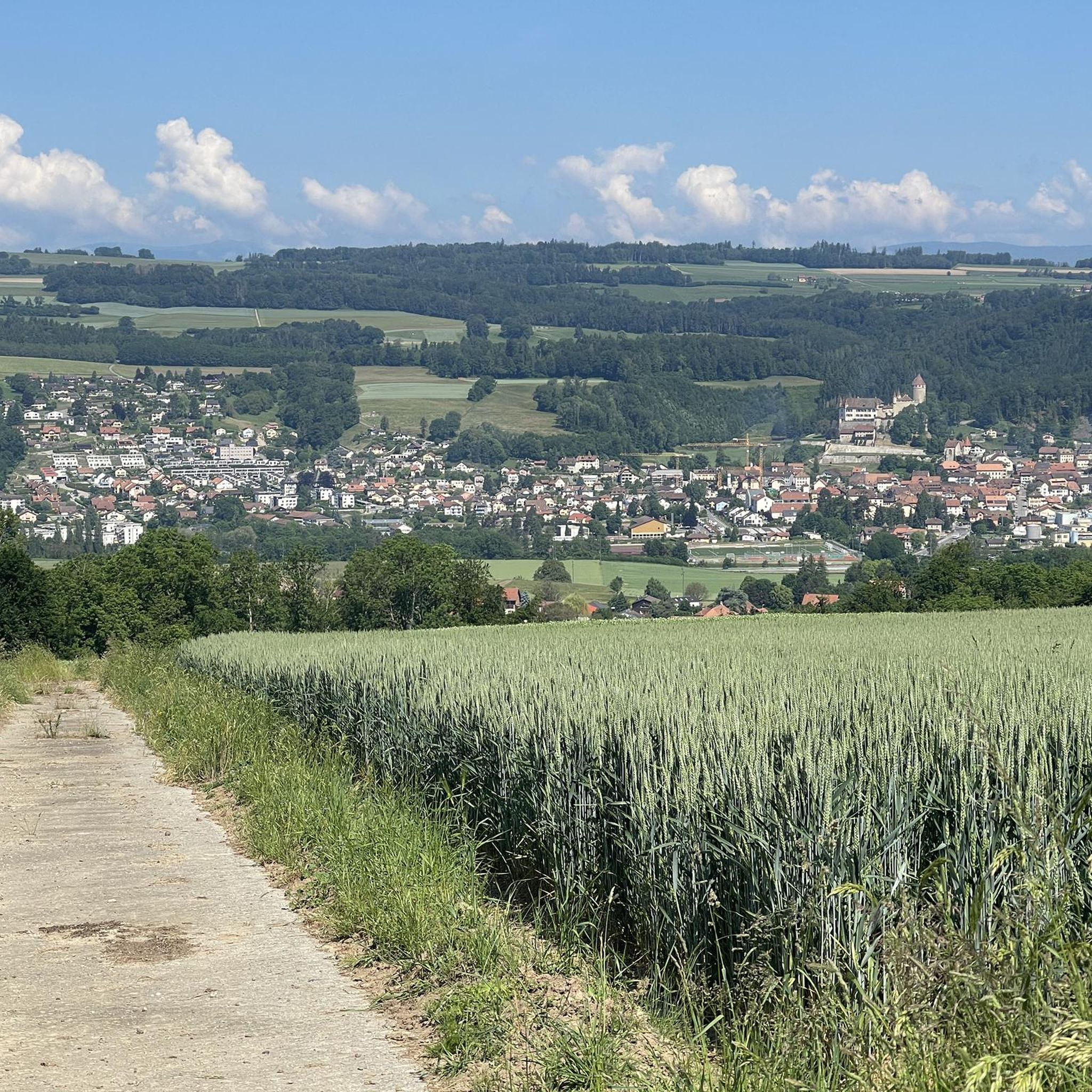
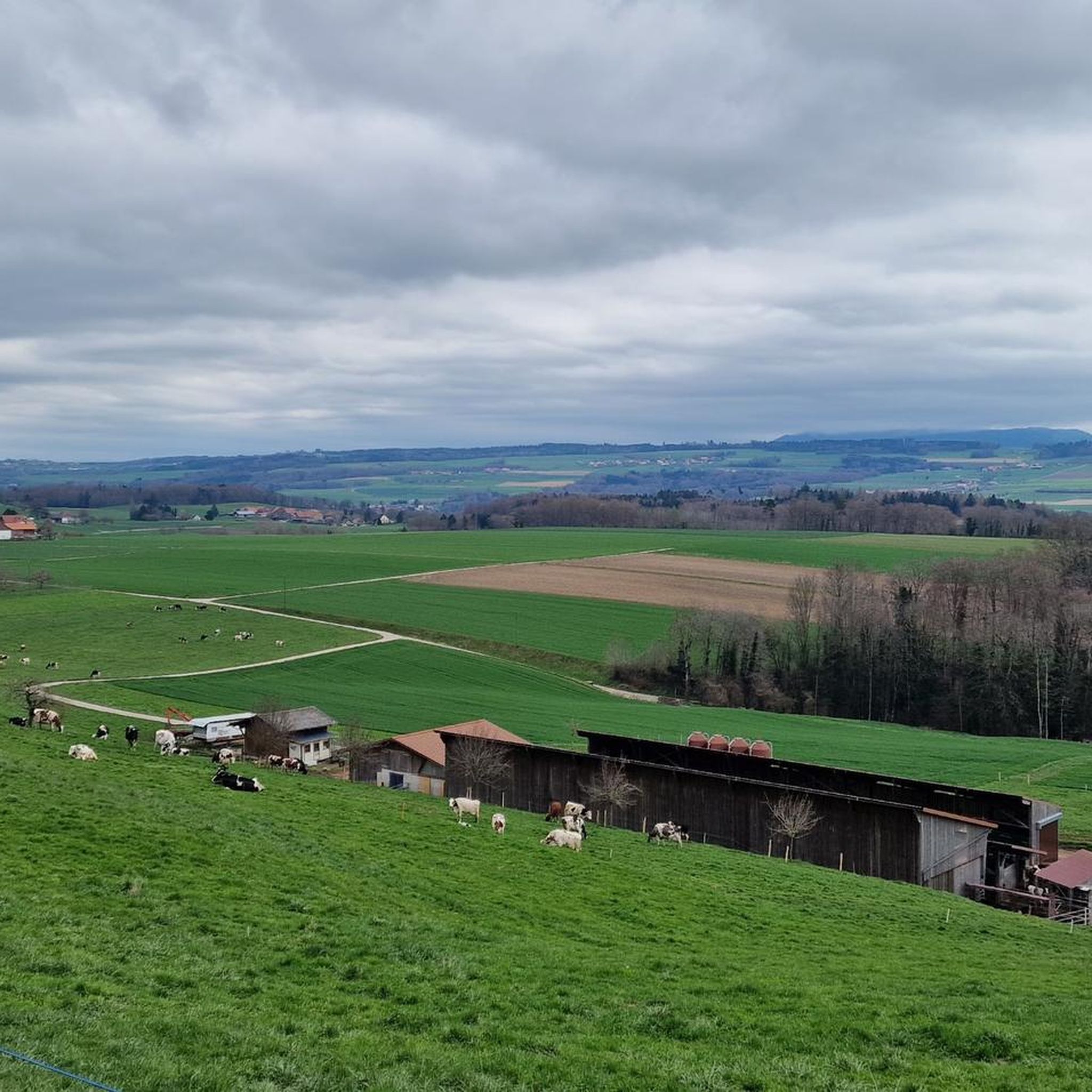
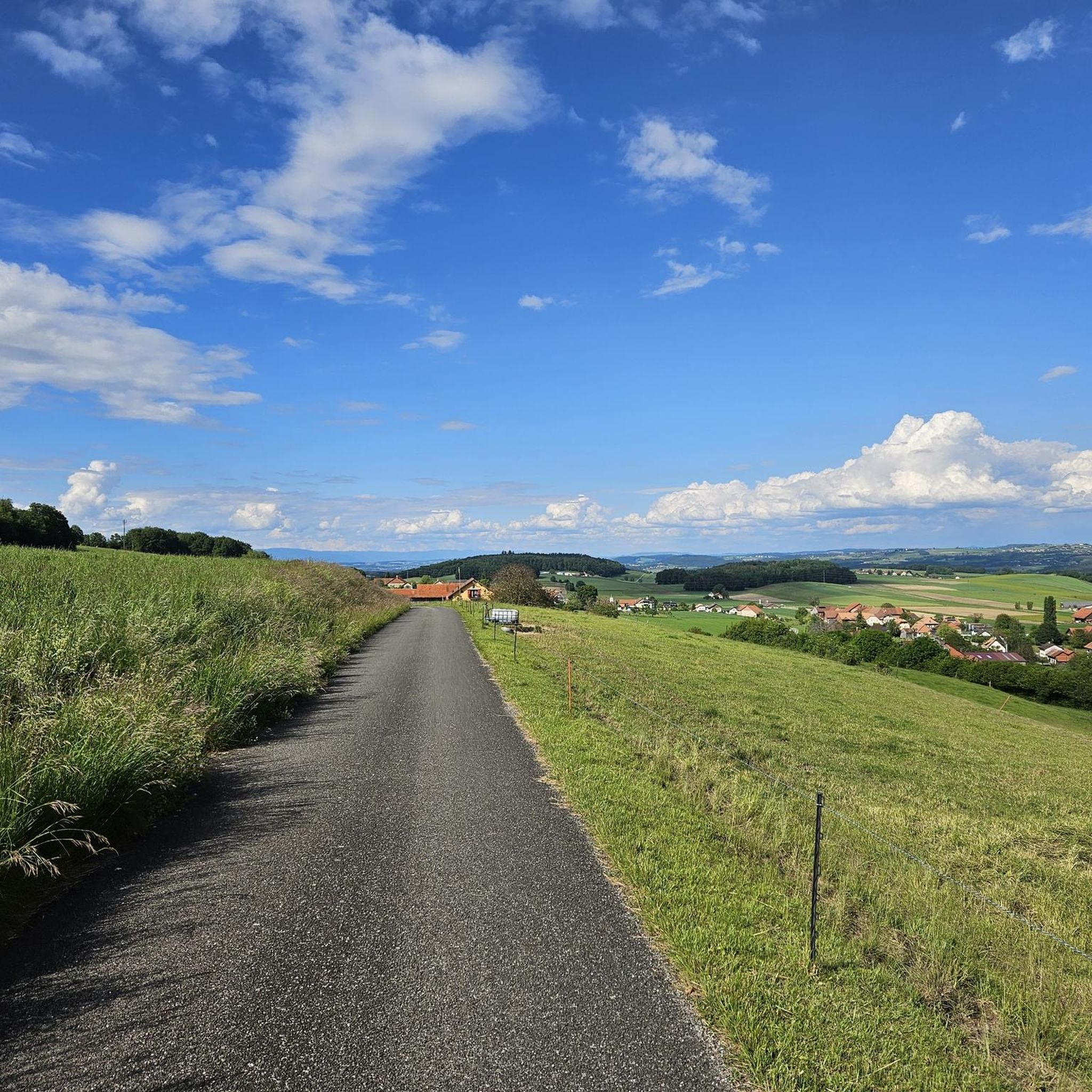
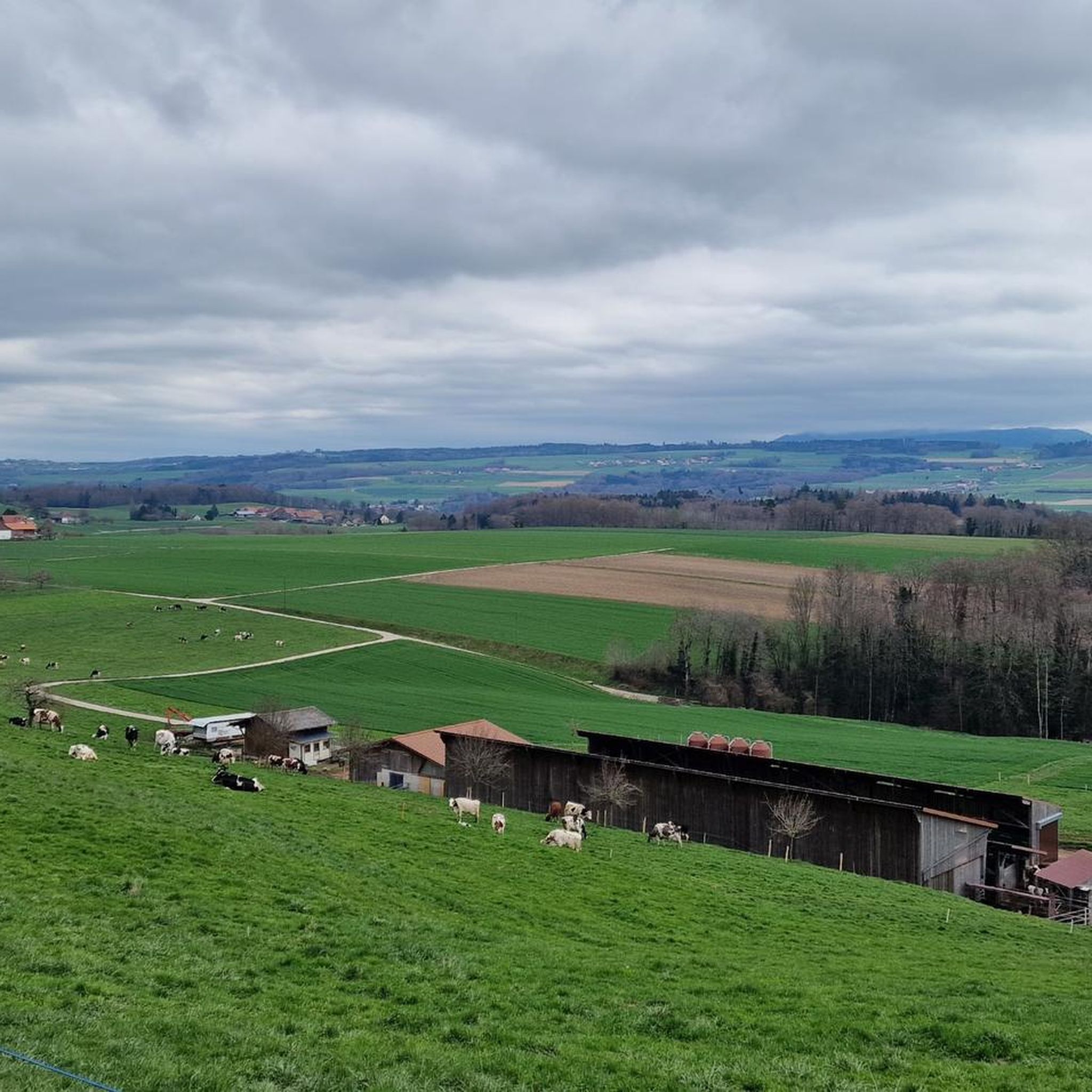
Best attractions and places to see around Forel-sur-Lucens include historical sites and natural landscapes. Situated on a high plateau overlooking the Broye valley, the region offers a rural setting with extensive agricultural lands. While Forel-sur-Lucens itself is known for its agricultural character, nearby Lucens and other communities provide significant cultural sites. The area is suitable for exploring historical architecture and engaging in outdoor pursuits.
Best attractions and places to see around Forel-sur-Lucens
- The most popular attractions is Saint-Étienne Reformed Church,…
Last updated: November 6, 2026
Saint-Étienne Reformed Church, Moudon
Highlight • Religious Site
Translated by Google •
Tip by

Collegiate Church of the Assumption of Mary, Romont
Highlight • Religious Site
The collegiate church of Romont dates from the 13th and 15th centuries. It is dedicated to the Assumption of Mary. In the choir, there is …
Showing Translation
Tip by

Sign up now to discover places like this
Get recommendations on the best single tracks, peaks, & plenty of other exciting outdoor places.
Abbey of La Fille-Dieu
Highlight • Religious Site
Translated by Google •
Tip by

Temple of Yvonand
Highlight • Religious Site
More: eerv.ch/region/nord-vaudois/yvonand/accueil
Translated by Google •
Tip by

Château de Lucens
Highlight • Castle
Translated by Google •
Tip by

Sign up for free to discover even more attractions around Forel-sur-Lucens.
Already have an account?
Start today with a free account
Your next adventure awaits.
Tips from the Community

The temple of Yvonand is situated on a small rise and was originally surrounded by the cemetery, just like the medieval church it replaced. This cemetery, like many others in the Pays de Vaud, was decommissioned in the early 19th century and moved outside the village. Around the temple, a few stones still bear witness to this former use. The plan of the building is very simple and consists of a single nave ending in a three-sided apse. This is the type of plan most often used for Vaudois temples in the first half of the 18th century. The one in Yvonand is distinguished by its width, which allowed for the creation of two entrances on the west facade. This characteristic comes from Neuchâtel, where several temples with two entrances can be found. In 1906, the old wooden bell tower with its tiled spire was replaced by the current, taller and more slender bell tower. The porch was also rebuilt, but its former shape was respected.
0
0
L'abbaye de la Fille-Dieu is a monastery of Cistercian nuns located near the town of Romont in the canton of Fribourg (Switzerland). Founded in the 13th century, the abbey has experienced the vicissitudes of history, but the praise of God and monastic life were never interrupted. At the beginning of the 20th century, it affiliated with the Cistercian Order of the Strict Observance (Trappist).
0
0


The abbey "La Fille-Dieu" is a place of silence and prayer. It is located directly on the Way of St. James. Even today, some nuns still live in the monastery and practice their faith here. The Benedictine nuns have been at home here continuously since 1268. Important! The religious community is happy to offer travelers accommodation and sells homemade delicacies in the monastery shop. This includes an aromatic honey mustard that is made according to an old recipe found in the monastery. While the nuns hold their devotions in the church, it is open to the public. Silence and respect are the top priority.
0
0
The church tower of Saint-Etienne was once an integral part of the fortifications. Easily recognizable by its solid construction and the loopholes on the sides. In the tower passage there is an interesting information board stating that Wolfgang Amadé Mozart and his family stopped in Moudon in 1766 on their journey through Switzerland.
1
0
Reminiscent of Friborg Cathedral, but smaller.
0
0

The Collegiate Church of Romont dates from the 13th and 15th centuries. It is dedicated to the Virgin of the Assumption. It is in the choir that the stalls are located, a series of wooden seats reserved for members of the clergy, who were numerous at the time. The first church of Romont was consecrated in the 13th century. Destroyed by fire in the 15th century, it was immediately rebuilt, in molasse*, in a flamboyant Gothic style. It is dedicated to Our Lady of the Assumption. Every Good Friday at 3 p.m. in Romont, the procession of the Mourners takes place, a tradition widely relayed by the media and which brings together Romont residents and visitors, believers or laypeople. It commemorates the Passion of Christ by referencing the compassion of the women of Jerusalem along the route to Mount Golgotha.
0
0

Nice church in the small village of Yvonand. More: https://www.eerv.ch/region/nord-vaudois/yvonand/accueil
0
0
Frequently Asked Questions
What historical landmarks can I visit near Forel-sur-Lucens?
The region is rich in history. You can explore the impressive Château de Lucens, a 12th-century castle that dominates the landscape. Also, visit the Saint-Étienne Reformed Church in Moudon, known as the largest parish church in the canton of Vaud with its radiant Gothic style. The medieval town of Romont also offers a rich cultural and architectural heritage, including its own castle.
Are there any religious sites of interest in the area?
Yes, two significant religious sites are nearby. The Saint-Étienne Reformed Church in Moudon is a prominent Protestant church with a history dating back to the 12th century. Additionally, the Abbey of La Fille-Dieu in Romont is a historical Benedictine monastery located directly on the Way of St. James, offering a place of silence and prayer, and even accommodation for travelers.
What kind of outdoor activities can I do around Forel-sur-Lucens?
The region is ideal for outdoor pursuits. You can enjoy hiking, cycling, and gravel biking through the scenic rural landscapes and along the Broye valley. For specific routes, check out the guides for hiking, cycling, and gravel biking around Forel-sur-Lucens. For a more relaxed activity, try Swin-golf in Cremin.
Are there family-friendly attractions or activities available?
Yes, several attractions are suitable for families. The Cremin Village and Historic Bread Oven offers a glimpse into traditional life and hosts a festival with wood-fired bread and pizza. In Cremin, you can also find Swin-golf and an equestrian farm offering horseback and pony rides. Many of the historical sites like the Château de Lucens and the town of Romont are also enjoyable for families to explore.
Where can I find hiking trails near Forel-sur-Lucens?
There are numerous hiking trails in the vicinity, ranging from easy to difficult. Popular options include loops around Château de Lucens, paths along the Broye, and routes offering views of Romont and the Alps. You can find detailed information and various routes in the Hiking around Forel-sur-Lucens guide.
What are some popular cycling routes in the area?
The region offers diverse cycling experiences. You can find routes like the 'Bridge over the Broye – Lucens Castle loop' for a moderate ride or more challenging options such as 'Singletrack Along the Broye – View of Romont loop'. Explore these and more in the Cycling around Forel-sur-Lucens guide.
What is the best time of year to visit Forel-sur-Lucens for outdoor activities?
The region is generally pleasant for outdoor activities from spring through autumn. These seasons offer mild weather ideal for hiking, cycling, and exploring the rural landscapes. While winter activities are possible, many outdoor pursuits are best enjoyed when the weather is warmer and the trails are clear.
Are there any unique local experiences or 'hidden gems'?
The Cremin Village and Historic Bread Oven offers a unique glimpse into traditional local life, especially during its festival in late May where you can enjoy freshly baked goods. The Abbey of La Fille-Dieu also sells delicious specialties, including an aromatic honey mustard made from an old monastery recipe.
How can I get around Forel-sur-Lucens and its surrounding attractions?
Forel-sur-Lucens is situated on a high plateau, and while a car offers flexibility, public transport options are available. The nearby town of Lucens is accessible by train, and local bus services connect to surrounding villages. For specific schedules, it's advisable to check local public transport information.
What natural sights or viewpoints can I expect to see?
Forel-sur-Lucens is located on a high plateau overlooking the Broye valley, offering extensive agricultural lands and forested areas. The medieval town of Romont provides unique views over the green countryside. The Château de Lucens itself is a prominent feature in the landscape and offers scenic vistas from its elevated position.
Are there places to eat or stay near the attractions?
The town of Lucens, near Forel-sur-Lucens, offers a good selection of restaurants, from pizzerias to traditional Swiss cuisine, and supermarkets. The Abbey of La Fille-Dieu in Romont also offers accommodation for travelers. In Cremin, the leisure farm associated with the Historic Bread Oven also has a restaurant and overnight stay options.
Most popular routes around Forel-sur-Lucens
Most popular attractions around Forel-sur-Lucens

Get inspired with the komoot mobile app


Explore more
Still not found the Highlight you’re looking for? See guides of the top attractions in other regions:
