Top 5 Caves around Wanze
Caves around Wanze offer opportunities for exploring natural underground formations in the Wallonia region of Belgium. The area is characterized by its limestone geology, which has led to the development of various caves and rock shelters. These sites provide insights into geological processes and, in some cases, historical human activity. The landscape around Wanze features valleys and forests, contributing to the natural setting of these cave systems.
Best caves around Wanze
- The most popular caves is Trou Manto, a…
Last updated: November 19, 2026
Trou Manto
Highlight • Cave
Translated by Google •
Tip by

La Caverne des Romains
Highlight • Cave
Translated by Google •
Tip by
Sign up now to discover places like this
Get recommendations on the best single tracks, peaks, & plenty of other exciting outdoor places.
Cave entrance in Bois de Malvin
Highlight • Cave
Translated by Google •
Tip by

Rocky trail
Highlight (Segment) • Trail
Translated by Google •
Tip by

Trou du Chena
Highlight • Cave
Translated by Google •
Tip by
Start today with a free account
Your next adventure awaits.

Tips from the Community

The first descriptions of this Trou Manto date back to 1833. The name refers to the prophetess Manto, daughter of Tiresias of Thebes, who was brought to Delphi after her birthplace was conquered by the Epigoni. From there she traveled to Asia Minor, where she married the Cretan Rhacius, with whom she had Mopsus, and founded a temple of Apollo in Claros. According to legend, she spent her last days in Italy. What the link between this cave and the legend from Greek antiquity is, is unclear. It is a fossil cave. In 1964, a narrow passage was made to the adjacent 'Grotte Sint-Etienne'. This junction is called the "birth" by speleologists. It is, along with the 10m deep shaft, the most difficult segment of the cave. The cave is not accessible to the public and has never been developed for tourism. Only with a membership card of the Belgian Speleological Union and a key can you access the limestone passages. To protect the site, it was decided to close the entrances with massive doors equipped with padlocks. However, as bats had been regularly present during their hibernation since 1970, the entrances to the two caves were only screened in 1990 to facilitate their entry and exit. Observations of these small mammals by NATAGORA led to the identification of several regionally endangered species, such as the lesser horseshoe bat and the Bechstein's bat. Vincent Poitier, a pioneer of the 4th Baden Powell unit of the Collegiate Church of Huy, organized several visits to the cave system together with scout leader Jean-Louis Cuvelier. Some entered through the Trou-Manto cave, while others, the more adventurous, went directly through the Trou St-Etienne cave. source: wikihuy.be
2
1

Middle Paleolithic cave dwelling where historical finds were made showing that Moha and the Mehaigne Valley were inhabited very early.
1
0

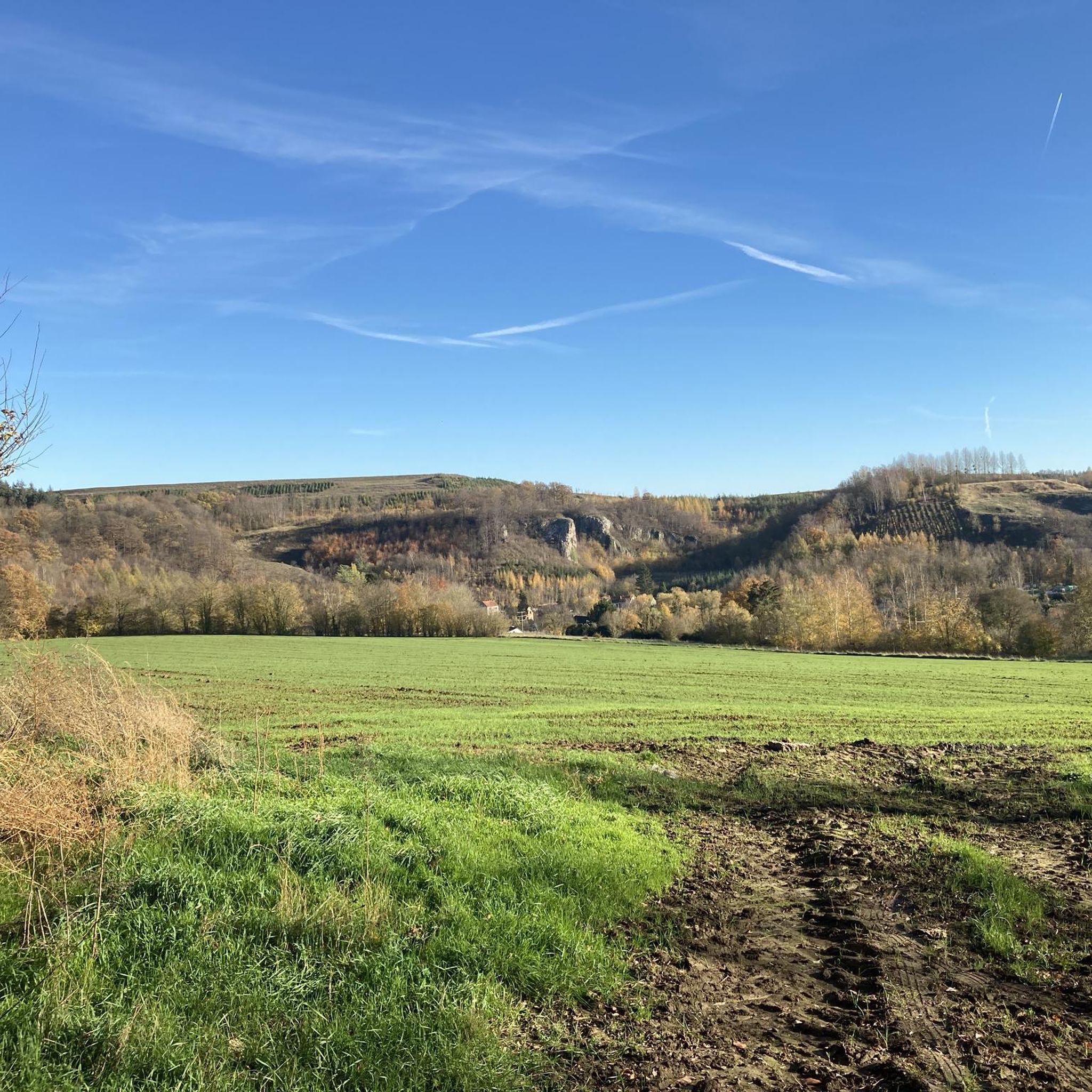
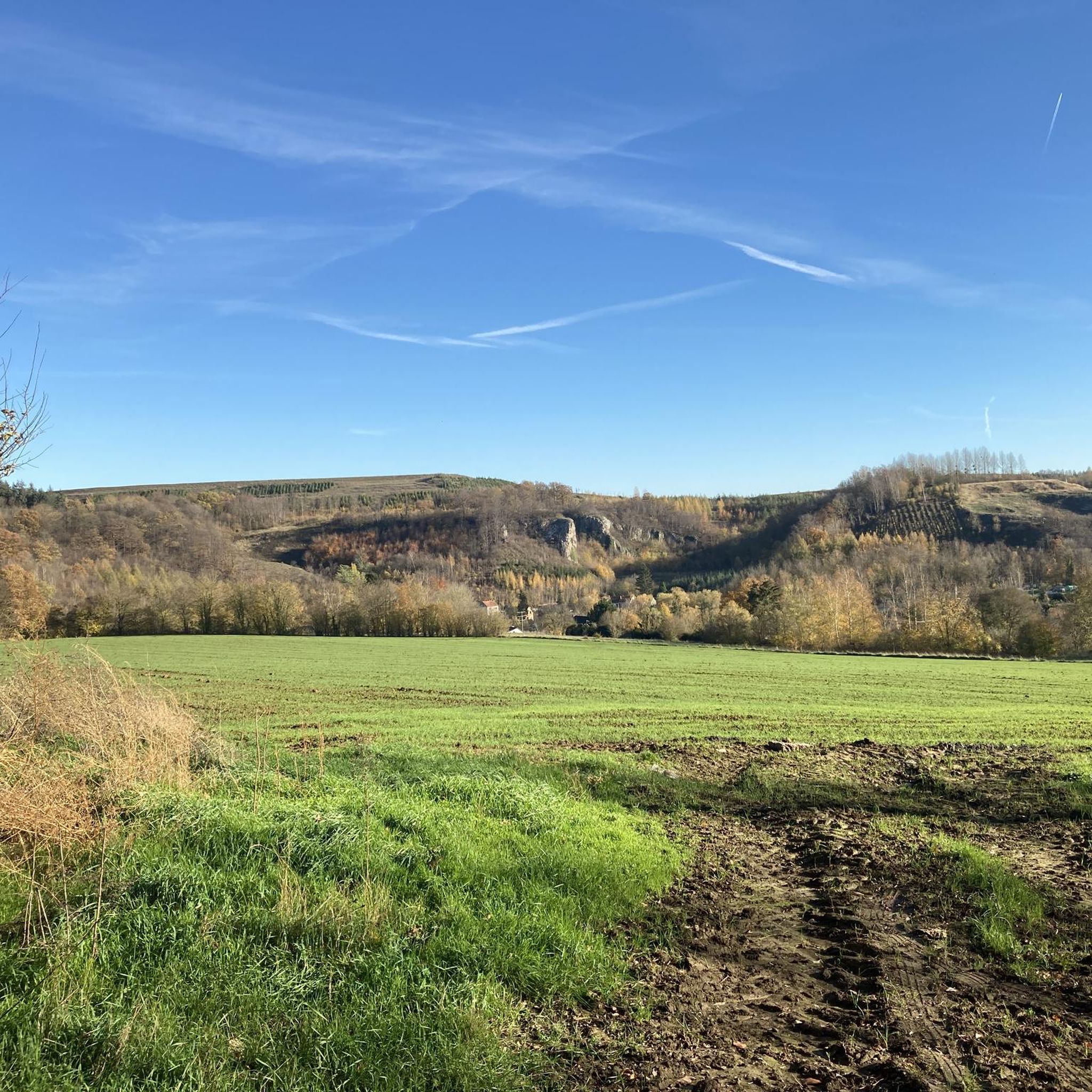
Located in the Solières valley near Huy, the Trou Manto cave is a limestone cave with a complex network of tunnels. Access is via a steep path supported by a rope. The cave has three levels with magnificent stalactites, a sloping floor with collapses, and twelve large columns supporting the vaults. The entire structure is an impressive karst phenomenon, approximately 600 meters long and 48 meters deep. The cave is protected and fenced off due to vandalism and to protect bats; visits are only possible with a guide or a caving association. The cave is known for its diverse hydrological phenomena and the legend of the Nutons, gnome-like helper beings from folklore. This combination of nature, history, and mythology makes Trou Manto a special place.
5
0
The Caverne des Romains is located at the top of the slope, 70 meters upstream from Trou-Manto. This southwest-facing rock is 12 meters high and 24 meters long. A beautiful porch forms an arcade 5 to 6 meters high, 10 meters wide, and 6 to 7 meters deep; it is made of compact limestone. It is more of a "rock shelter" than a true cavern or grotto, but it also makes a very beautiful climbing rock...
5
0
A collection of four caves, two of which are closed off as bat roosts. A steep climb or descent over a rocky path is definitely worth it.
4
0
A collection of four caves, two of which are closed off as bat roosts. A steep climb or descent over a rocky path is certainly worth the effort.
5
0
Frequently Asked Questions
What types of caves can I explore around Wanze?
The area around Wanze is known for its limestone geology, offering a variety of underground formations. You can find true caves with complex tunnel networks, such as Trou Manto, as well as rock shelters like La Caverne des Romains. These sites provide insights into geological processes and natural voids.
Are there any historical caves or sites near Wanze?
Yes, the region has historical significance. For instance, Trou du Chena is a Middle Paleolithic cave dwelling where historical finds indicate early human habitation in Moha and the Mehaigne Valley. Further afield, the Nichet Cave, though not in Wanze itself, is notable for its prehistoric animal and human bone discoveries.
Are the caves around Wanze generally accessible to the public?
Access varies by cave. Some, like Trou Manto, are protected and fenced off, requiring a guide or caving association for visits due to their complex nature and bat protection. Others, such as rock shelters, might be more openly accessible. Always check specific access requirements before planning your visit.
What are some notable caves in the wider Wallonia region of Belgium?
Beyond Wanze, the Wallonia region boasts several impressive cave systems. The Cave of Han is renowned for its majestic chambers and underground river. The Hotton Cave offers extensive underground walks across multiple levels. The Remouchamps Caves feature vast chambers and a unique underground boat trip, while the Abîme Cave is known for its interactive tours and bat population, making it great for families.
Are there family-friendly caving experiences near Wanze?
While specific family-friendly caves directly in Wanze are limited, the wider Wallonia region offers options. The Remouchamps Caves with their boat trip and the Abîme Cave with its interactive, educational tours and bat viewing opportunities are often recommended for families.
What should I wear when visiting caves in the Wanze area?
Caves maintain a consistent cool temperature, typically between 12 and 16 degrees Celsius, regardless of the outside weather. It's advisable to wear layers, including a warm jacket or sweater. Sturdy, non-slip footwear is essential due to potentially wet and uneven surfaces. If exploring deeper caves, a headlamp is also recommended.
What outdoor activities can I combine with a visit to the caves around Wanze?
The region around Wanze offers various outdoor activities. You can find numerous cycling routes, such as those detailed in the Cycling around Wanze guide, or explore gravel biking trails from the Gravel biking around Wanze guide. For mountain biking enthusiasts, the MTB Trails around Wanze guide provides options, often passing by natural features and historical sites.
What is the best time of year to visit caves near Wanze?
Caves generally maintain a stable internal temperature year-round, making them a suitable destination in any season. However, if you plan to combine your visit with hiking or other outdoor activities, spring and autumn offer pleasant weather. Winter can be a good time to see bats in caves like the Abîme Cave, as they are typically hibernating inside.
Are there any challenging caving options for experienced explorers near Wanze?
For experienced cavers, Trou Manto offers a complex network of tunnels, approximately 600 meters long and 48 meters deep, with three levels and significant karst phenomena. Visits require a guide or caving association due to its challenging nature and protected status.
Can I find cafes or accommodation near the caves around Wanze?
Wanze and nearby villages like Moha offer local amenities including cafes and pubs where you can refresh after your explorations. For accommodation, you'll find various options in the wider region, from guesthouses to hotels, suitable for different preferences and budgets.
What geological features are prominent in the caves around Wanze?
The caves around Wanze are primarily limestone formations, characterized by impressive karst phenomena. You can observe magnificent stalactites, sloping floors, and large columns supporting vaults, as seen in Trou Manto. These features are a result of the region's specific geological composition and hydrological processes.
How long does it typically take to explore a cave in the Wanze area?
The duration of a cave visit can vary significantly. For a complex system like Trou Manto, guided tours can last several hours. Simpler rock shelters or cave entrances, such as Cave entrance in Bois de Malvin, might only require a brief stop. For larger regional caves like Hotton, guided tours typically last about an hour.
Most popular attractions around Wanze

Get inspired with the komoot mobile app


Explore more
Extend your search for the best caves by checking out these guides of the top ones around Wanze:
